

P0605 on 2005-2014 Ford Mustang: Internal PCM Error Causes and Fixes
This code means the Mustang's main computer (PCM) has failed its internal self-test. This is a critical fault that often leads to a no-start condition or severe drivability problems. The most common fix is replacing and reprogramming the PCM, but always check the battery, grounds, charging system, and for signs of water intrusion first. Failed aftermarket tunes are also a frequent cause.
- P0605 is a critical code indicating your Mustang's main computer has failed. Do not drive the vehicle.
- Before spending money, fully check the battery, alternator, and all ground connections. A simple electrical issue can sometimes trigger this code.
- **Crucially for S197 Mustangs, check for water damage.** Inspect the passenger footwell and PCM for signs of moisture from clogged cowl drains, a very common cause of this code.
- If you recently used an aftermarket tuner, the software flash may have failed. Try reloading the stock tune before replacing any parts.
- The most common fix is replacing the PCM, which must be done by a professional with the tools to program the new module to your car.
What's Unique About the 2005-2014 Ford Mustang
For the S197 generation Mustang, the P0605 code is a straightforward but severe fault. While the primary cause is often an outright PCM failure, this platform's popularity with aftermarket tuning means the code can also be triggered by a failed or corrupted software flash from a tuning device like an SCT or Diablosport. Before condemning the expensive PCM, it's crucial to consider if a recent tune was installed. If so, attempting to restore the factory software should be the first step. Furthermore, early S197 models (especially 2005-2007) are notoriously prone to water leaks from clogged cowl drains, which allows water to drip directly onto the PCM and its connectors, causing corrosion and failure. This makes a physical inspection for water damage a critical diagnostic step unique to this platform.
Generation note: This covers the entire S197 Mustang generation. The first phase (2005-2009) used the 4.0L V6 and 4.6L V8, while the second phase (2010-2014) introduced the 3.7L V6 and 5.0L V8. The P0605 code's meaning and primary cause—internal PCM failure—are consistent across both phases. However, the 2005-2007 models are particularly susceptible to water leaks causing PCM failure. Specific part numbers for the PCM will differ by year, engine, and transmission.
Symptoms You May Notice
- Engine will not start or has a long crank time.
- Check Engine Light is on.
- Engine stalls unexpectedly.
- Noticeable loss of engine power or erratic performance.
- Harsh or incorrect automatic transmission shifting.
- Illumination of other warning lights like the ABS, traction control, or 'Check Charging System' light.
- Vehicle enters 'limp mode'.
- Failure of other electronic systems, such as the radio or instrument cluster.
- Replacing individual sensors like the throttle body or MAF sensor. P0605 is an internal module fault, not a sensor fault. While other codes may be present, P0605 points directly to the computer itself.
Most Likely Causes
- Powertrain Control Module (PCM) Failure 🔴 High Probability Internal components of the PCM can fail due to age, heat cycles, voltage spikes, or internal manufacturing defects. On this platform, failure is frequently caused by external factors like water damage.
How to confirm: After ruling out all external factors (power, ground, software, water intrusion), the PCM is diagnosed by exclusion. A professional may use advanced tools to attempt communication and verify the internal fault. Inability to communicate with the PCM using a scan tool is a strong indicator of failure.
Typical fix: Replace the PCM and program the new unit to the vehicle's VIN and specific configuration. This is typically done by a dealer or a specialized repair shop.
Est. part cost: $400-$1000 - Water Intrusion into PCM 🔴 High Probability The S197 Mustang, particularly 2005-2007 models, has a well-documented design flaw where the cowl vent drains under the windshield become clogged with leaves and debris. This causes rainwater to overflow and leak into the passenger footwell, directly onto the PCM and its connectors.
How to confirm: Inspect the passenger side footwell carpet for dampness. Remove the passenger-side kick panel and visually inspect the PCM, its connectors, and the surrounding area for signs of water, rust, or blue/green corrosion.
Typical fix: First, clear the clogged cowl drains to prevent recurrence. Disconnect the battery. Remove the PCM and attempt to clean the corrosion from the module and harness connectors with an electronics cleaner. If the damage is severe, the PCM and potentially the connector pigtails will need to be replaced.
Est. part cost: $0 for cleaning if successful, up to $1200+ for PCM and harness repair. - Corrupted Software from Aftermarket Tuning 🟡 Medium Probability The 2005-2014 Mustang is a very popular platform for performance tuning. An incomplete or improper flash of the PCM with a handheld tuner (e.g., SCT, Diablosport, VMP) can corrupt the ROM.
How to confirm: This cause is highly likely if the P0605 code appeared immediately after attempting to install a new engine tune or change tune parameters. The vehicle may not start or may run poorly.
Typical fix: Attempt to reload the stock/factory tune using the same tuning device. Ensure the vehicle's battery is fully charged and connected to a charger during the flash process to prevent voltage drops. If this fails, the PCM may be 'bricked' and require professional service or replacement.
Est. part cost: $0 if reflashing works, otherwise cost of new PCM. - Poor Battery/Charging System Health 🟡 Medium Probability All modern control modules are sensitive to voltage. A failing battery, loose terminals, or a bad alternator can cause voltage spikes or drops that disrupt the PCM's self-test, especially during startup.
How to confirm: Test the battery voltage with the car off (should be ~12.4-12.6V) and running (should be ~13.5-14.5V). Check for clean, tight battery terminals and chassis ground connections. A user on TheMustangSource forums reported a P0605 code accompanied by a 'Check Charging System' light, pointing to this link.
Typical fix: Charge or replace the battery. Clean battery terminals and ground points. Replace the alternator if its output is incorrect.
Est. part cost: $150-$500
Rare But Worth Checking
- Damaged PCM Wiring or Connectors: While less common than outright PCM failure, it's worth checking. Water intrusion or physical damage to the harness can mimic a failed PCM. Inspect the PCM connectors for corrosion or bent pins, especially if water damage is suspected.
Diagnosis Steps
- Scan for any other fault codes. Document them and address P0605 first as it can cause other codes.
- Question the driver about recent modifications. Was an aftermarket tune recently installed?
- If a tuner was used, attempt to restore the vehicle to the stock factory tune. Ensure the battery is fully charged before attempting.
- Inspect the passenger-side footwell and kick panel for any signs of moisture or water stains.
- Visually inspect the PCM and its electrical connectors for corrosion, rust, or bent pins. This is a critical step for S197 Mustangs.
- Thoroughly inspect the battery. Check its state of charge, and clean any corrosion from the terminals. Ensure connections are tight.
- With the engine running, use a multimeter to test the alternator output voltage at the battery terminals. It should be stable and within the 13.5V-14.5V range.
- Inspect the main chassis and engine block ground straps. Ensure they are clean, tight, and free of corrosion.
- If all external power, ground, and software factors are perfect, the PCM is almost certainly faulty and requires replacement.
Parts You'll Likely Need
- Powertrain Control Module (PCM)
(OEM #Varies by VIN (e.g., 3C2A-12A650-AB is a format for a similar era Ford). Must be matched to vehicle.)— This code indicates an internal, unrecoverable error within the PCM itself. In most cases, especially after ruling out software and water damage, the module must be replaced.
Trusted brands: Motorcraft
OEM price range: $600-$1000
Aftermarket price range: $400-$700
Related Codes That Often Appear With This One
- P0606 — This code for 'ECM/PCM Processor Fault' is another internal computer error. Seeing them together strongly indicates the PCM has failed.
- P0351-P0358 — These codes indicate faults in the ignition coil circuits. A failing PCM can cause these codes by not properly controlling the coils. A TSB for 2005 Mustangs mentions these codes can be triggered by a PCM issue.
- U0100 — Lost Communication With ECM/PCM. This code often appears with P0605 when the module has failed completely and is no longer communicating on the vehicle's network.
Technical Service Bulletins (TSBs) & Recalls
- While no TSB is issued specifically for P0605, multiple TSBs exist for the water leak issue that causes it. For example, a TSB mentioned in forums for 2005-2008 models addresses water leaks into the cabin, which is the root cause of many
Platform-Specific Known Issues
- Water Leak Onto PCM: The most significant vehicle-specific issue is the tendency for the cowl drains located under the plastic trim at the base of the windshield to clog with debris. When clogged, rainwater backs up and overflows into the cabin's fresh air intake on the passenger side, dripping directly onto the PCM and its wiring harness. This leads to corrosion and eventual failure, triggering codes like P0605.
Mechanic-Grade Diagnostic Values
- PCM Ground Circuit Voltage Drop at Connector C175B — expected: Less than 0.2V with Key On, less than 0.5V while cranking.. Failure: A forum user with a no-spark condition measured voltage drops of 0.38V to 0.40V while cranking at pins 47 and 48, indicating a potential ground issue, although their final resolution was not listed. Higher than expected voltage drop points to a poor ground connection between the PCM and the chassis.
- Alternator Output Voltage — expected: ~13.5V - 14.5V with engine running.. Failure: Voltage that is too low or too high can cause electrical spikes and disrupt PCM operation, potentially triggering a P0605. A forum user noted pulsing lights and a 'Check Charging System' message along with PCM issues, which were traced back to the PCM's inability to regulate the alternator.
- Battery Voltage (Key Off) — expected: ~12.4V - 12.6V. Failure: Low battery voltage (below 12V) can corrupt ROM data during module initialization or cause errors during a software flash.
Scan Tool Commands That Help
- Ford IDS (Integrated Diagnostic System): Programmable Module Installation (PMI) — This function is required when installing a new or used PCM. It retrieves the configuration data from the old module (if possible) and programs it into the replacement, ensuring all vehicle options and parameters are correct.
- Ford IDS (or equivalent professional scan tool like Autel): Parameter Reset (PATS) — This function is necessary after installing a replacement PCM to make the Passive Anti-Theft System (PATS) module accept the new computer. It essentially marries the security system to the new PCM, allowing the engine to start.
- Ford IDS (or equivalent): Reprogram or Update Calibration — If the P0605 code is suspected to be from a software glitch rather than a hard failure, a technician can use this function to reflash the PCM with the latest factory software. This can sometimes resolve ROM corruption.
Wiring & Ground Locations
- PCM Location — Behind the passenger-side kick panel in the footwell.. This location makes it highly susceptible to water damage from the infamous S197 cowl leak, a primary cause of P0605 on this platform.
- PCM Connectors C175B, C175E, C175T — The three main connectors plugging into the PCM behind the passenger kick panel.. These connectors must be inspected for corrosion (especially green or blue crust) if water intrusion is suspected. Power and ground pins on these connectors must be tested. Key ground pins are located on connector C175B at pins 47 and 48 (BK-WH wires).
- Main Chassis Grounds — Key ground points are located on the passenger side strut tower (where the battery originally grounded), on the driver's side firewall (strap from the back of the cylinder head), and on the driver's side motor mount stud.. A poor PCM ground is a listed cause for P0605. Ensuring these main chassis and engine-to-chassis grounds are clean and tight is a critical diagnostic step before condemning the PCM.
Real Owner Repair Stories
- SVTPerformance.com user (2013-14 Shelby GT500) — P0605 code appeared immediately after using a VMP handheld tuner to flash a new tune to account for a 3.73 gear change.
❌ Tried (didn't work) Flashing back to the previous tune for stock gears made the code disappear, but it returned when the new gear ratio tune was applied.
✅ What actually fixed it The user flashed the PCM back to the stock factory tune, then reflashed the VMP tune with the gear change adjustment again. This sequence cleared the code, suggesting the initial flash was corrupted or incomplete. - MustangForums.com user (Mustang (year not specified, likely 1996-2004 based on forum section)) — P0605 code present.
❌ Tried (didn't work) The code was present while using a Hypertech aftermarket tune.
✅ What actually fixed it Multiple users advised the owner to remove the Hypertech tune and return the PCM to its stock settings. The consensus was that the tuner itself was known to cause random codes and that a reflash to stock would resolve the P0605 if the PCM wasn't permanently damaged. - Ford Truck Enthusiasts Forums user (relevant process) (Ford truck with SCT tuner) — P0605 code appeared after installing a tune with an SCT device.
❌ Tried (didn't work) The code was present with the custom tune loaded.
✅ What actually fixed it The user restored the vehicle to the stock tune, and the P0605 code went away. This confirmed the issue was with the tune file or the flashing process, not a hardware fault in the PCM. The suggested cause was an incomplete download or low battery voltage during the initial flash. - Ford Owner Report (Cross-manufacturer reference) — An owner reported receiving code P0605 and being told the PCM needed replacing, even though it had been replaced a little over a year prior (NHTSA ODI #763013).
OEM Part Supersession History
BR3A-12A650-AXD→BR3Z-12A650-AXD— Part number formats often change between engineering numbers (starting with 'A') and service part numbers (starting with 'Z').
Heads up: A 2011 Mustang GT owner noted difficulty finding the 'BR3A' version and questioned the interchangeability with the 'BR3Z' part. While often interchangeable, programming must match the vehicle's exact configuration (VIN, engine, transmission, options). Always verify compatibility with the supplier based on the VIN.
Model Year Variations Within This Range
- 2005-2009 vs 2010-2014: The PCM hardware and software are entirely different due to the engine changes (4.6L 3V vs 5.0L 4V Coyote). While the meaning of P0605 is the same, the specific PCM part numbers ('strategy codes') are not interchangeable between these two phases. The water leak issue causing PCM failure is also reported to be more prevalent on the earlier 2005-2007 models.
Diagnostic Flowchart
Used vs. New Parts: Buying Guide for This Vehicle
When a used part is the smart pick: A used PCM from a junkyard or recycler is a viable and cost-effective option for this repair, provided it is the correct part number and can be professionally reprogrammed. Since the failure is often external (water damage) or software-related, a used module from a dry, undamaged donor car is likely to be perfectly functional.
Donor-vehicle mileage cap: roughly under 150000 miles for the part to have meaningful remaining life.
What to inspect on the donor part:
- Verify the part number on the used PCM matches the original exactly. If not, confirm interchangeability with a specialized supplier.
- Inspect the donor vehicle for signs of front-end collision or fire damage.
- Check the used PCM's connectors for any bent pins, corrosion, or signs of water exposure.
- Ask the seller if the VIN of the donor vehicle is available. This can help in the reprogramming process.
OEM-only on this vehicle (don't cheap out):
- Powertrain Control Module (PCM) - While used OEM is fine, avoid non-reputable aftermarket 'rebuilders' with no warranty or programming support. Stick to new Motorcraft, used OEM, or reputable remanufacturers like Cardone or Flagship One.
Aftermarket brands forum-validated for this vehicle:
- Flagship One (Pre-programmed PCMs)
- Cardone (Remanufactured PCMs)
Brands owners have reported issues with on this vehicle:
- Unknown or no-name online sellers offering 'unlocked' PCMs without a clear warranty or a requirement for VIN programming.
Real Owner Stories
Aggregated from forums and TSBs cited above. Mileages and costs reflect what owners reported in those sources.
2011 V6 Mustang
Symptoms: After getting an E85 tune, codes P0605 and P050E appeared. The car has a rough, hunting idle, especially with the A/C on. In Park or Neutral, the idle surges between 1000 and 1200 RPM.
What fixed it: The source identifies the aftermarket tune as the cause but does not specify the exact fix performed.
Source hint: S197Forum.com
Mustang GT500
Symptoms: Triggered a P0605 code while using a VMP tuner to adjust for a new gear ratio.
What fixed it: Flashed the PCM back to the stock tune, then carefully re-flashed the modified tune.
Source hint: SVTPerformance.com (https://www.svtperformance.com/threads/p0605.1077713/)
2005 Mustang
Symptoms: Water was found on the 'Main Brain' (PCM) on the passenger side after a heavy rain.
What fixed it: The community identified the cause as the well-known clogged cowl drain issue, implying the fix is to clear the drains and address any damage to the PCM.
Source hint: MustangForums.com (https://mustangforums.com/forum/v6-s197-general-discussion/693892-water-on-computer-brain-passenger-side05.html)
2005 Mustang
Symptoms: A P0605 code appeared immediately after installing a tune for a cold air intake.
What fixed it: The community confirmed the cause was a module programming error, with the implied fix being to correctly re-flash the PCM.
Source hint: StangNet Forums (https://www.stangnet.com/mustang-forums/threads/0605-code-after-tune-for-c-l.628865/)
Related OBD-II Codes
Frequently Asked Questions
My 2006 Mustang's passenger floor is wet, and now I have a P0605 code. Are these related?
I just used a handheld tuner on my Mustang and it immediately threw a P0605 code and won't start. What should I do?
Where is the PCM located on a 2005-2014 Mustang? I need to check it for water damage.
My 'Check Charging System' light came on with the P0605 code. What does that mean?
Is there a Ford TSB specifically for the P0605 code itself?
Used OEM Parts in Stock


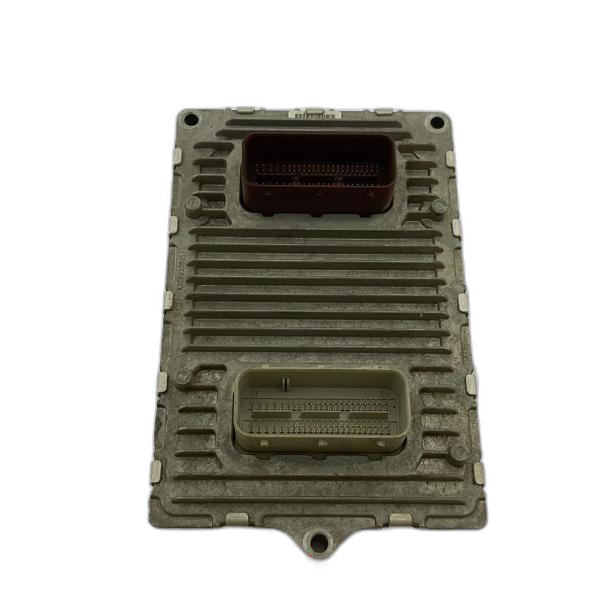
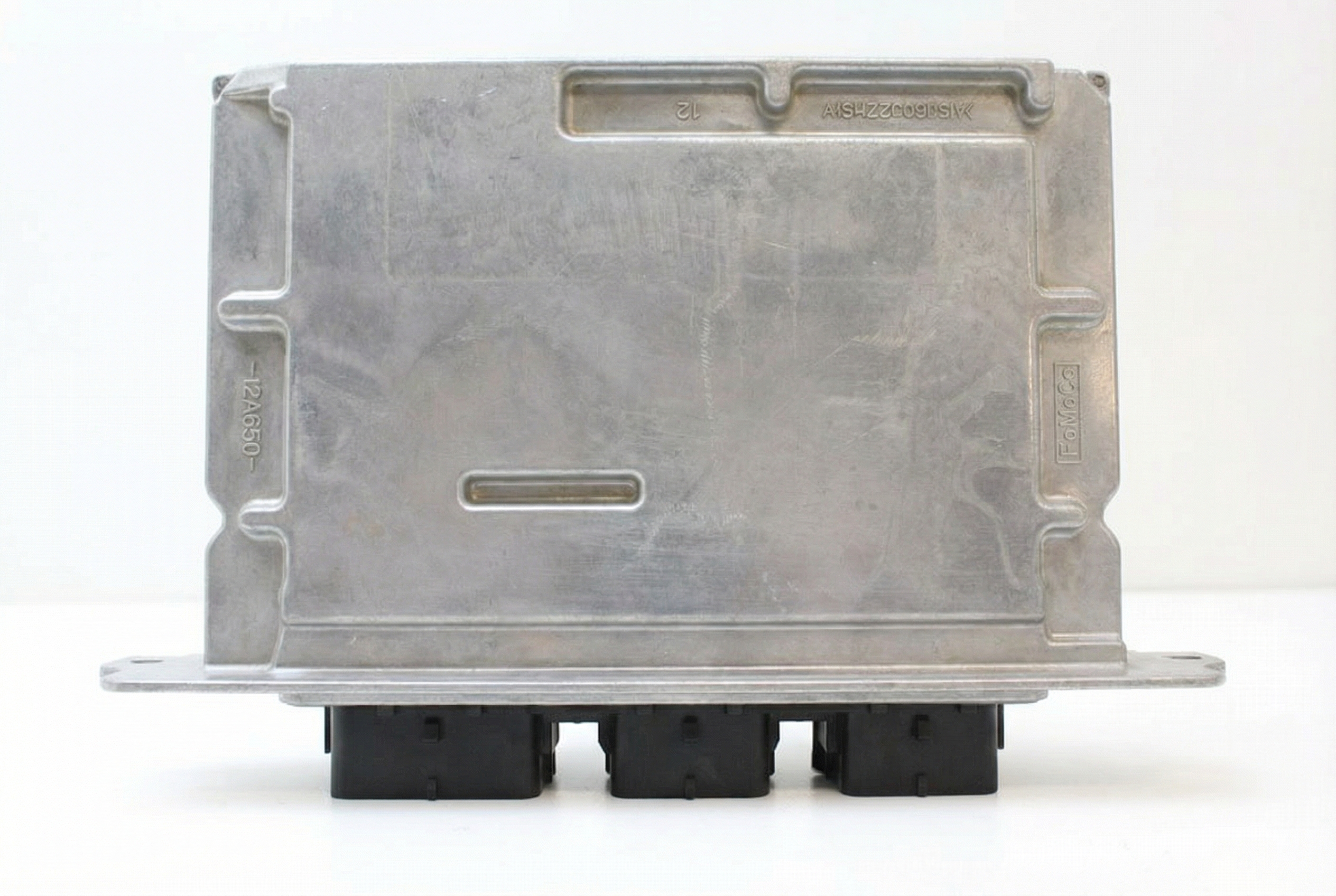
New Aftermarket Parts Available
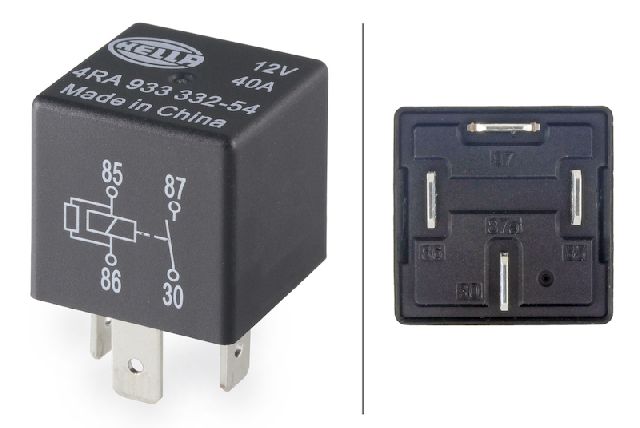

The information in this article is provided for general reference and educational purposes only. Vehicle specifications, procedures, and part compatibility can vary by production date, trim level, and region. Always consult your vehicle's factory service manual and verify part numbers before purchasing or performing repairs. Safety-critical components such as airbags, seat belts, and braking systems should be installed by a qualified professional.
- Ford Mustang:
- 🛍️ Shop This Part
- What's Unique About the 2005-2014 Ford Mustang
- Symptoms You May Notice
- Most Likely Causes
- Rare But Worth Checking
- Diagnosis Steps
- Parts You'll Likely Need
- Related Codes That Often Appear With This One
- Technical Service Bulletins (TSBs) & Recalls
- Platform-Specific Known Issues
- Mechanic-Grade Diagnostic Values
- Scan Tool Commands That Help
- Wiring & Ground Locations
- Real Owner Repair Stories
- OEM Part Supersession History
- Model Year Variations Within This Range
- Diagnostic Flowchart
- Used vs. New Parts: Buying Guide for This Vehicle
- Real Owner Stories
- 2011 V6 Mustang
- Mustang GT500
- 2005 Mustang
- 2005 Mustang
- Related OBD-II Codes
- Frequently Asked Questions
- 🎟️ Get 5% Off