

P0604 on 2005-2010 Chevrolet Cobalt: RAM Error Causes and Fixes
On a 2005-2010 Cobalt, P0604 is almost always caused by an electrical issue, not a bad computer. Before replacing anything, fully charge and load test the battery, then clean all power and ground connections. A weak battery causing a voltage drop during startup is the most common culprit.
- P0604 on a Cobalt is an electrical code first, and a computer code last. Do not assume the PCM is bad.
- Your first step is always to have the battery professionally load-tested and to clean all main power/ground connections.
- Check if the major GM ignition switch recall was performed on your vehicle, as this is a known cause of sudden power loss that can trigger this code.
- If the PCM/ECM must be replaced, it is not a plug-and-play part and requires programming by a shop with the proper tools.
What's Unique About the 2005-2010 Chevrolet Cobalt
The 2005-2010 Cobalt and its GM Delta platform-mates (Chevy HHR, Pontiac G5, Saturn Ion) are notoriously sensitive to electrical system instability. P0604 on this vehicle is very frequently a 'ghost' code triggered by a weak battery, a loose fuse box, or a faulty ignition switch rather than an actual PCM failure. The entire model range was subject to a major ignition switch recall that could cause sudden power loss to the PCM, a direct trigger for a RAM error. Owners should always suspect a simple electrical issue before condemning the expensive computer.
Symptoms You May Notice
- Check Engine Light is on
- Engine may crank but not start, or fail to crank at all
- Intermittent stalling, sometimes while driving
- Harsh or erratic automatic transmission shifting
- Vehicle may enter a reduced power 'limp mode'
- ABS or Traction Control lights may illuminate
- Failed emissions test due to OBD-II monitor readiness issues
- Replacing the PCM without first testing the battery and checking all grounds. The new PCM will likely set the same code if the underlying electrical issue is not resolved.
- Mistaking a P0604 caused by a temporary voltage drop for a permanent hardware failure.
Most Likely Causes
- Weak or Failing Battery 🔴 High Probability The Cobalt's electrical system is sensitive to low voltage. A momentary voltage drop during startup is a very common trigger for P0604 on this platform, often referred to as a 'ghost code'.
How to confirm: Have the battery professionally load-tested, even if it seems to hold a charge. A simple voltage check is not sufficient. Voltage should be above 12.4V at rest and stay above 9.6V during cranking.
Typical fix: Replace the battery and clear the codes.
Est. part cost: $100-$250 - Poor Power or Ground Connections 🟡 Medium Probability Corrosion on battery terminals, the under-hood positive post, or main engine/chassis grounds (specifically G105 on the transmission case and G103 behind the driver's side headlight) can create voltage drops that upset the PCM.
How to confirm: Visually inspect all main power and ground cables for corrosion or looseness. Perform a voltage drop test on the PCM power and ground circuits; resistance on the ground side should be less than 0.1 Ω.
Typical fix: Disconnect, clean all contact surfaces with a wire brush, apply dielectric grease, and securely tighten all connections.
Est. part cost: $5-$20 - Loose Under-Hood Fuse Box 🟡 Medium Probability This is a known issue on the Cobalt/HHR platform. The two halves of the fuse box can work themselves loose, causing intermittent power to the PCM relay and fuses.
How to confirm: With the battery disconnected, press down firmly on all corners of the under-hood fuse box to ensure it is fully seated. Check for any signs of looseness or gaps between the upper and lower halves.
Typical fix: Ensure the fuse box is securely clipped and latched together. Some owners on forums report using a zip tie for added security if the plastic clips are broken.
Est. part cost: $0-$5 - Faulty Ignition Switch ⚪ Low Probability The entire 2005-2010 Cobalt range was recalled for faulty ignition switches that could shut off power while driving. A sudden power cut is a direct cause of RAM errors as the Keep Alive Memory is lost.
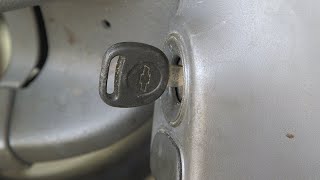
How to confirm: Check your vehicle's VIN on the NHTSA website to see if the ignition switch recall (GM recall numbers 14113, 14133, 13454, 14063, or 14092) was performed. If symptoms include the car shutting off when the key is bumped, the switch is the likely culprit. 🎬 See how these ignition switches fail and cause power loss.
Typical fix: Have the recall service performed by a GM dealer, which involves replacing the ignition switch and/or lock cylinder and providing new keys.
Est. part cost: $0 if recall is open
Rare But Worth Checking
- Faulty Powertrain Control Module (PCM): This is the absolute last resort after all other electrical causes have been definitively ruled out. An internal hardware failure of the RAM chip itself can occur, but it is far less common than the external issues.
- Charging System Fault (Alternator): An alternator that is failing can produce voltage that is too low or too high (spikes), either of which can corrupt the PCM's memory. This should be tested along with the battery; output should be between 13.5-14.5 volts when running.
- Corrupted Software/Firmware: In rare cases, a failed software update or data corruption can cause the PCM to fail its internal RAM self-test, triggering P0604. A dealer or specialized shop may be able to reflash the module with the latest GM calibration as a potential fix.
Diagnosis Steps
- Scan for all stored DTCs to see if other codes are present, paying close attention to communication (U-codes) or ignition circuit codes (P1682).
- Clear the codes. Disconnect the battery for at least 30 minutes to fully reset all modules. Reconnect and attempt to restart the vehicle. Note if P0604 returns immediately.
- Perform a complete battery and charging system test. The battery must be fully charged and load-tested. Check alternator output (typically 13.5-14.5 volts when running).
- Disconnect the battery. Inspect and thoroughly clean the battery terminals, the main chassis ground strap, the engine block ground, and the under-hood positive power post. Ensure all connections are tight.
- Check that the under-hood fuse box is securely latched together. Press firmly on the top and sides.
- Check the PCM/ECM fuses (often labeled ECM, PCM, or ECU) for integrity and a tight fit in the fuse box.
- Verify the status of the ignition switch recall (GM recalls 14113, 14133, etc.) via a GM dealer or the NHTSA website.
- If all electrical tests pass and the code still returns immediately after clearing, the issue may be a software glitch or a failing PCM.
- A professional shop can attempt to reflash the PCM with the latest GM software. If the code persists after a reflash, the PCM is likely faulty and requires replacement.
- Replace the PCM. This must be followed by a programming procedure by a dealer or qualified shop with GM tools to match the vehicle's VIN and security information.
Parts You'll Likely Need
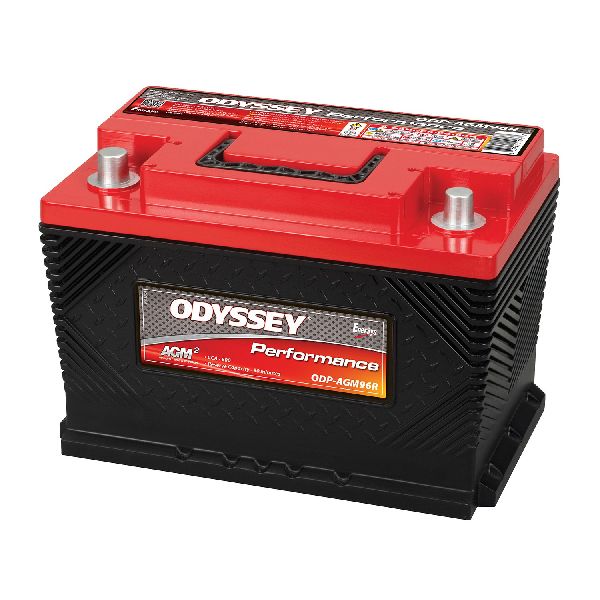
- Battery — A weak battery causing low voltage on startup is the most frequent cause of P0604 on this platform.
Trusted brands: ACDelco, DieHard, Interstate
OEM price range: $180-$250
Aftermarket price range: $100-$200 - Powertrain Control Module (PCM/ECM)
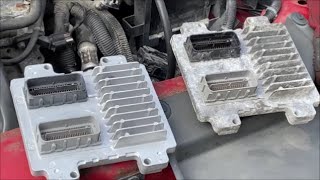
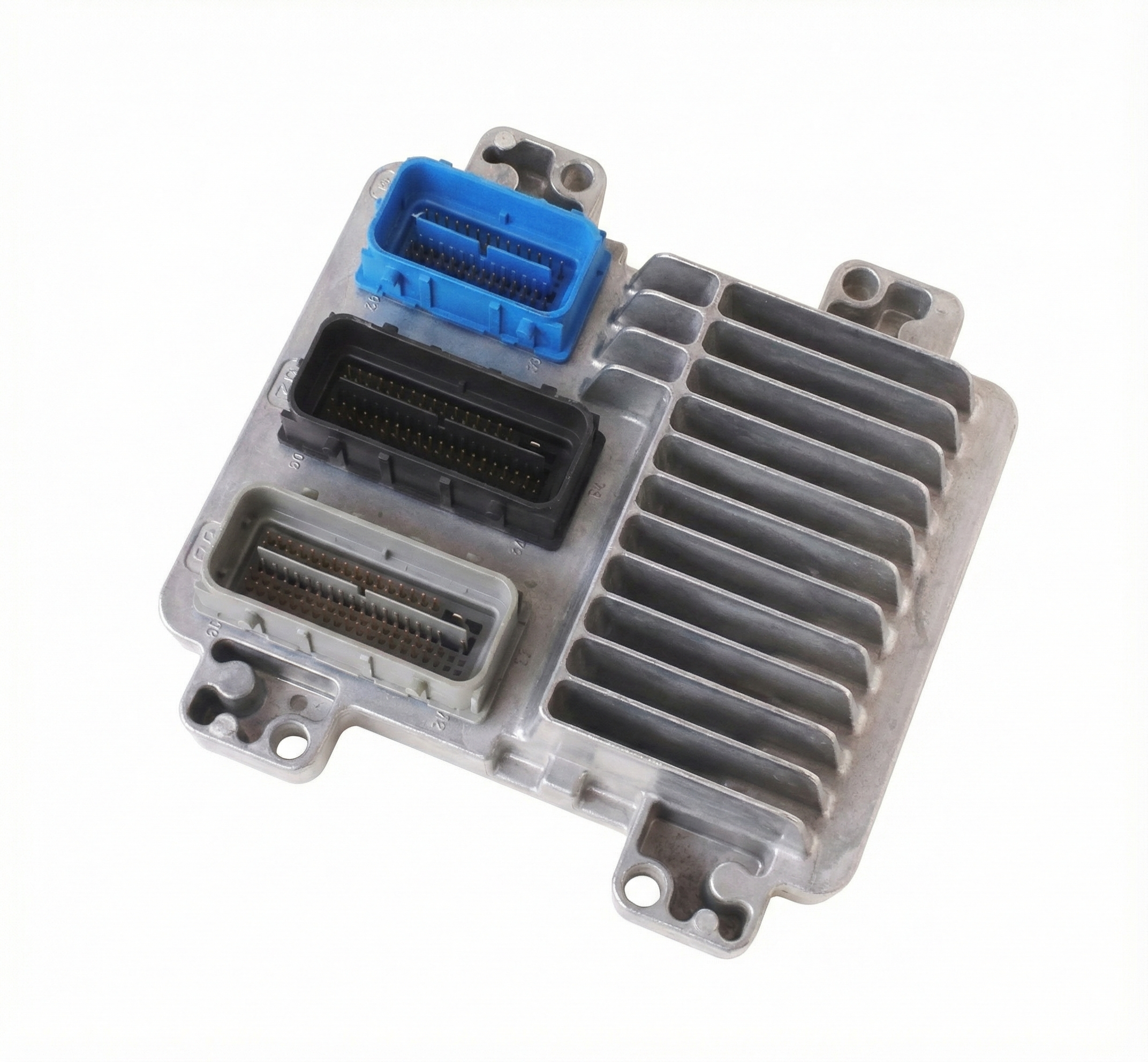
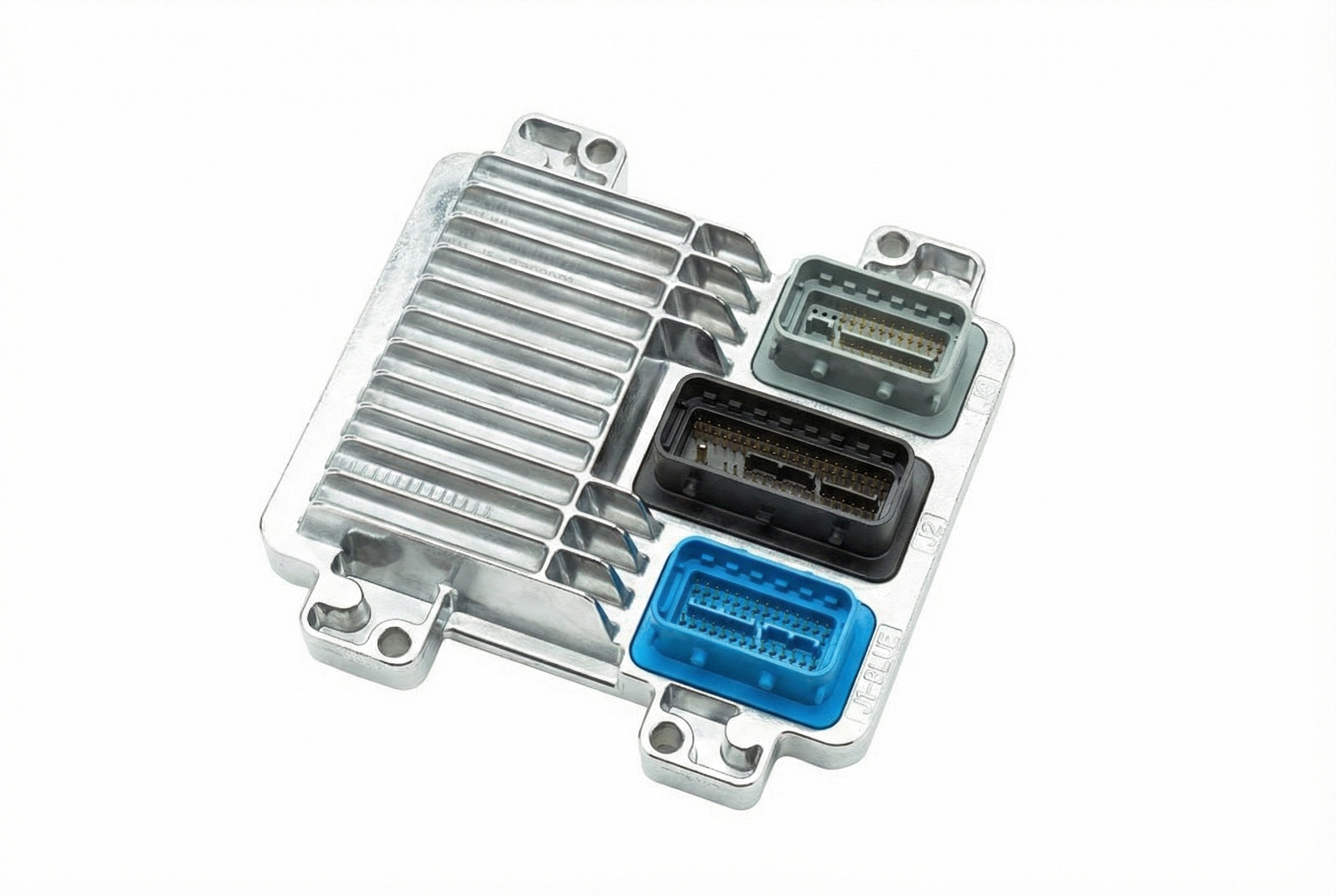
(OEM #e.g., 12597125, 12600884, 12618031, 12612397 (Varies by year and engine))— This is only needed if all external electrical issues are ruled out and the module has an internal, unrecoverable hardware failure. Replacement requires professional programming.
Trusted brands: ACDelco (OEM/Remanufactured), Cardone (Remanufactured), Flashmasters (Programmed)
OEM price range: $350-$500
Aftermarket price range: $200-$400
Related Codes That Often Appear With This One
- U0100 — This code indicates 'Lost Communication With ECM/PCM'. It can appear with P0604 if the power supply issue is severe enough to cause the module to drop off the vehicle's communication network.
- P1682 — This GM-specific code relates to an 'Ignition Switch Circuit 2 Malfunction'. It indicates the ECM has detected a voltage difference between its two main ignition voltage input circuits. This is a strong indicator that the ignition switch, a relay, or the underhood fuse box is the root cause of the power interruptions setting the P0604.
- P0603 — Indicates 'Internal Control Module Keep Alive Memory (KAM) Error'. This is often seen after the battery has been disconnected or has died, and can appear alongside P0604 as a related memory-check failure.
Technical Service Bulletins (TSBs) & Recalls
- GM Recall 14113 / 14133: Covers the defective ignition switch and/or lock cylinder that can cause a loss of power or allow the key to be removed while not in 'Off'.
- GM Recall 13454 / 14063 / 14092: Related recalls for the ignition switch.
- TSB Bulletin #05-06-04-060A: This informational bulletin provides guidance to technicians regarding control module Diagnostic Trouble Codes, including P0604, which can be shared across multiple modules in the electrical system.
Platform-Specific Known Issues
- Ignition Switch Recall: All 2005-2010 Cobalts were recalled for a faulty ignition switch that could turn off while driving, cutting all power. This power interruption is a direct cause for a P0604 code. The recall campaign was complex, involving multiple recall numbers (e.g., 14113, 14133) for replacing the switch, lock cylinder, and keys.
- Loose Fuse Box: The under-hood fuse box is a two-piece assembly that can become loose, causing intermittent power loss to critical components like the ECM. Owners on forums for the Cobalt and its platform-mate, the HHR, confirm this is a common point of failure to check.
- Grounding Points: While not unique to the Cobalt, owners frequently solve electrical gremlins, including P0604, by cleaning the main ground points from the battery to the chassis and from the engine block to the chassis.
Mechanic-Grade Diagnostic Values
- PCM Battery Positive Voltage — expected: Should be equal to battery voltage (approx. 12.6V with key on, engine off).. Failure: Low or no voltage indicates a problem with the power feed wire or fuse.
- PCM Ignition 1 Voltage — expected: Should be equal to battery voltage when the key is in the 'ON' or 'CRANK' position.. Failure: Low or no voltage points to a faulty ignition switch, relay, or fuse box issue.
- PCM Ground Circuit Voltage Drop — expected: Less than 100mV (0.1V) between the PCM ground pin and the negative battery terminal.. Failure: Voltage greater than 100mV indicates high resistance in the ground circuit, often due to corrosion or a loose connection at a ground point like G105.
Scan Tool Commands That Help
- GM Tech 2 / GDS2: Service Programming System (SPS) — Required to program a new or used replacement PCM to the vehicle's VIN and security system. It is also used to reflash an existing PCM with updated software, which can sometimes resolve 'ghost' P0604 codes caused by software glitches.
- GM Tech 2 / GDS2: Crankshaft Position Variation Learn — This procedure is mandatory after replacing or reprogramming the PCM. Failure to perform the relearn will often result in a Check Engine Light with code P0315, even if the P0604 is resolved.
- GM Tech 2 / GDS2: Security Relearn / Immobilizer Relearn — After installing a new PCM, this function synchronizes the module with the vehicle's anti-theft system. Without this, the vehicle will not start.
Wiring & Ground Locations
- PCM Connector C1, Pin 20 — On the Powertrain Control Module, located in the driver's side front of the engine bay, in front of the fuse box. C1 is the top connector.. This is the main Battery Positive Voltage (B+) feed (RD/WH wire). A voltage drop test here is critical to confirm the PCM has stable primary power.
- PCM Connector C1, Pin 19 — On the Powertrain Control Module, C1 (top) connector.. This is the Run/Crank Ignition 1 Voltage circuit (PK/BK wire). Loss of voltage here due to a faulty ignition switch or relay is a direct cause of P0604 and may be accompanied by P1682.
- G105 — On the lower left front of the transmission case.. This is a primary ground point for the ECM and TCM. A loose or corroded connection here is a known cause of various electrical issues, including communication and module power problems that can trigger P0604.
- G103 — Located at the left front of the engine compartment, under or behind the driver's side headlamp assembly.. This is a major body ground point. The ground cable from the G105 stud on the transmission often jumpers to this location, making it a critical point to check for corrosion or looseness.
Real Owner Repair Stories
- ChevyHHR.net forum user (Chevrolet HHR (platform mate)) — No-crank condition with P0604 code present after the battery had been drained.
❌ Tried (didn't work) Initial attempts to start after the battery drain.
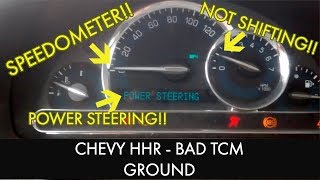
✅ What actually fixed it The battery was disconnected, fully recharged on a bench charger, and then reconnected. This completely resolved the P0604 code and the no-start condition without replacing any parts. - YouTube video / Forum posts (Chevrolet Cobalt / HHR) — Power steering warnings, no speedometer, erratic shifting, various communication codes.
❌ Tried (didn't work) Replacing fuses, Checking battery
✅ What actually fixed it Adding a supplementary ground wire from one of the TCM (Transmission Control Module) mounting bolts directly to a known-good chassis ground point (like a strut tower bolt). This indicates the original ground path for the TCM was insufficient or had high resistance. - NHTSA ODI #10980316 — An owner reported that the key would not disengage from the ignition and the car would not come out of park. Service technicians found codes P0604 and P0606 indicating control module RAM and internal controller failure.
✅ What actually fixed it The dealer performed reprogramming and a theft relearn to resolve the module errors.
OEM Part Supersession History
12597125→Varies, but this is a common service number.— Standard part evolution and supplier changes.
Heads up: This service number (12597125) was used across multiple model years (2007-2010) and engines (2.2L, 2.4L) in the Cobalt, as well as other GM vehicles like the HHR and G6. While physically interchangeable, the internal programming is specific. A replacement PCM must be programmed with the correct software for the vehicle's VIN, engine, and options.
Diagnostic Flowchart
Other Known Issues on This Vehicle
Issues unrelated to this code that are worth knowing about as an owner of this generation:
- Electric Power Steering (EPS) Failure 🔴 High — Extremely common across all model years, leading to a massive recall. (Ref: NHTSA 10V073000, GM Recall N100023)
- Ignition Switch Failure 🔴 High — Affected all model years, causing engine shutdown while driving. This is a direct potential cause of P0604. (Ref: GM Recalls 14113, 14133, 13454, etc.)
- Fuel Leaks from Fuel Pump Module or Lines 🔴 High — Common enough to trigger multiple recalls and a 2020 NHTSA investigation, especially in warmer climates due to plastic port cracking and line corrosion. (Ref: NHTSA 09V419000, NHTSA 12V459000)
- Premature Failure of Front Lower Control Arm Bushings 🟠 Medium — Very common. Owners report clunking noises from the front suspension over bumps at relatively low mileage (e.g., ~30,000 miles).
- Timing Chain and Tensioner Wear (2.2L Ecotec) 🟠 Medium — While GM improved the tensioner design post-2004, these components can still wear, causing rattling noises on startup or cam/crank correlation codes.
- Shifter Cable Failure / Key Stuck in Ignition 🟡 Low — A common annoyance where a failed shifter cable prevents the car from recognizing it's in Park, thus trapping the key. (Ref: Part of ignition switch recall complex (key can be removed when not in 'Off').)
Used vs. New Parts: Buying Guide for This Vehicle
When a used part is the smart pick: A used PCM from a salvage yard is a viable cost-saving option IF you have access to a professional who can either 'clone' your original PCM's data onto the used unit or program the used unit to your vehicle's VIN using specialized tools like a GM Tech 2.
Donor-vehicle mileage cap: roughly under 150000 miles for the part to have meaningful remaining life.
What to inspect on the donor part:
- Match the OEM service number (e.g., 12597125) exactly, though cloning can sometimes overcome mismatches.
- Ensure the donor vehicle did not suffer from flood or fire damage.
- Inspect the connector pins on the used PCM for any signs of corrosion, moisture, or damage.
- Ask the seller if they offer a warranty or guarantee that the module is programmable.
OEM-only on this vehicle (don't cheap out):
- While aftermarket PCMs exist, an OEM/ACDelco unit (new or remanufactured) or a properly cloned used OEM unit is the most reliable choice to avoid compatibility issues.
Aftermarket brands forum-validated for this vehicle:
- Flashmasters (Offers pre-programmed PCMs)
- Solo PCMs (Offers cloning services)
- Garrett Tuning (Offers pre-programmed PCMs)
Brands owners have reported issues with on this vehicle:
- Unbranded, non-programmed units from online marketplaces that do not offer a warranty or programming support.
Real Owner Stories
Aggregated from forums and TSBs cited above. Mileages and costs reflect what owners reported in those sources.
2005 Chevrolet Cobalt
Symptoms: Owner reported a P0604 code and was investigating the necessity of reprogramming a replacement PCM from a salvage yard.
What fixed it: The source confirms the issue requires a programming procedure to match the vehicle's VIN and security information if the PCM is replaced.
Source hint: CobaltSS.net: A user in 2011 with a 2005 Cobalt reported a P0604 code... URL: https://www.cobaltss.net/forums/problems-service-maintenance-69/p0604-259160/
2006-2011 Chevrolet HHR (Platform Mate)
Symptoms: The vehicle experienced a P0604 code accompanied by a no-start condition.
What fixed it: The issue was completely resolved by fully recharging a weak battery, demonstrating the platform's sensitivity to voltage drops.
Source hint: ChevyHHR.net: A post from a user with a platform-mate vehicle confirmed that a P0604 code and no-start condition were completely resolved by fully recharging a weak battery.
Related OBD-II Codes
Frequently Asked Questions
Is there a recall for my 2005-2010 Chevrolet Cobalt that could cause the P0604 code?
I heard the Cobalt fuse box can cause electrical codes; how do I check this for P0604?
Which ground points should I clean on my Cobalt to resolve this 'ghost code'?
Can a weak battery really cause a P0604 internal memory error on a Cobalt?
If I need to replace the PCM on my 2005 Cobalt, can I use one from a salvage yard?
Are there other common Cobalt issues I should look out for while diagnosing this?
Helpful Videos


Used OEM Parts in Stock



New Aftermarket Parts Available


The information in this article is provided for general reference and educational purposes only. Vehicle specifications, procedures, and part compatibility can vary by production date, trim level, and region. Always consult your vehicle's factory service manual and verify part numbers before purchasing or performing repairs. Safety-critical components such as airbags, seat belts, and braking systems should be installed by a qualified professional.
- Chevrolet Cobalt:
- 🎬 Helpful Videos
- 🛍️ Shop This Part
- What's Unique About the 2005-2010 Chevrolet Cobalt
- Symptoms You May Notice
- Most Likely Causes
- Rare But Worth Checking
- Diagnosis Steps
- Parts You'll Likely Need
- Related Codes That Often Appear With This One
- Technical Service Bulletins (TSBs) & Recalls
- Platform-Specific Known Issues
- Mechanic-Grade Diagnostic Values
- Scan Tool Commands That Help
- Wiring & Ground Locations
- Real Owner Repair Stories
- OEM Part Supersession History
- Diagnostic Flowchart
- Other Known Issues on This Vehicle
- Used vs. New Parts: Buying Guide for This Vehicle
- Real Owner Stories
- 2005 Chevrolet Cobalt
- 2006-2011 Chevrolet HHR (Platform Mate)
- Related OBD-II Codes
- Frequently Asked Questions
- 🎟️ Get 5% Off