

P0562 on 2014-2018 Mazda 3 2.5L: System Voltage Low Causes and Fixes
This code means your car's voltage is too low. It's most often caused by a failing alternator or an old battery. For models with the i-ELOOP system, a specific recall (7314D) for a software update might be the fix. Expect to pay $250-$600 for a new alternator or $150-$300 for a new battery.
- P0562 means your car's main electrical voltage is too low, usually due to a bad battery or alternator.
- First, determine if your car has the optional 'i-ELOOP' system. If it's a 2014 model with i-ELOOP, check if Recall 7314D applies to your vehicle, as a free software update may be the fix.
- A simple voltage test with a multimeter is the fastest way to diagnose the issue. Check the battery with the engine off (should be ~12.6V) and with the engine running (should be 13.5-14.7V).
- Always check for simple fixes first: clean, tight battery terminals and a healthy, fully charged battery before assuming the alternator is bad.
- When replacing the alternator, you must get the correct version for your car (with or without i-ELOOP).
What's Unique About the 2014-2018 Mazda 3
For the 2014-2018 Mazda 3 with the 2.5L engine, the key difference is the optional i-ELOOP regenerative braking system, available on higher 's' trims like the Grand Touring. Vehicles with i-ELOOP have a different, variable-voltage alternator, a large capacitor to store energy, and a DC-DC converter to manage voltage. A critical recall was issued for some 2014 models with this system, where heavy rain could cause the alternator belt to slip and trigger a charging failure, which is fixed by a simple software update. Therefore, the first step in diagnosis is determining if the car has i-ELOOP, as the causes, parts (alternator, capacitor), and diagnostic procedures will differ significantly from standard models.
Symptoms You May Notice
- Check Engine Light is on
- Battery warning light is illuminated on the dashboard
- For i-ELOOP models, 'i-ELOOP Inspection Required' or 'Charging System Malfunction' message on the display
- Dimming or flickering headlights and interior lights, especially when using accessories
- Difficulty starting the engine or a no-start condition
- Engine stalling, sometimes after coming to a stop
- Erratic operation of electrical accessories like the radio, power windows, or wipers
- Automatic transmission may not shift properly or may feel harsh
- Whining or grinding noise from the engine bay, indicating a failing alternator bearing
- Replacing the battery when the alternator is actually the cause of it not being charged.
- Replacing the alternator on an i-ELOOP model when the issue is the software glitch covered by recall 7314D.
- Replacing the battery or alternator on an i-ELOOP model when the expensive capacitor is the true point of failure.
Most Likely Causes
- Failing Alternator 🔴 High Probability Alternators are a common wear-and-tear item. On models with the i-ELOOP system, the alternator is a more complex, variable-voltage unit. A recall for i-ELOOP models suggests a software issue can also mimic alternator failure.
How to confirm: With the engine running, use a multimeter to test the voltage at the battery terminals. A healthy alternator should produce between 13.5 and 14.7 volts. If the voltage is below this range, especially with accessories on, the alternator is likely faulty. 🎬 Watch this quick tutorial on how to test an alternator Note that i-ELOOP models use a variable voltage alternator that can operate from 12V to 25V, so readings may differ.
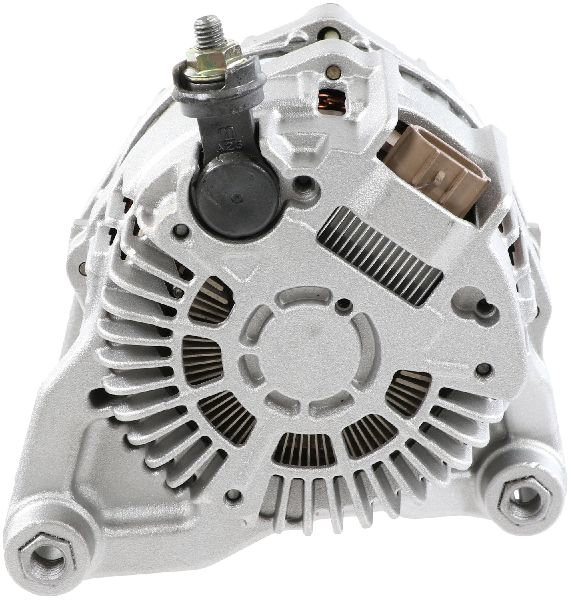
Typical fix: Replace the alternator. It is critical to use the correct alternator for the vehicle (with or without i-ELOOP).
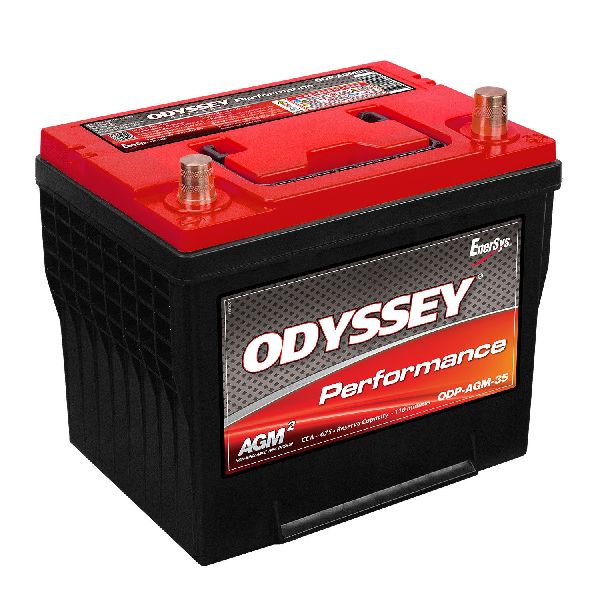
Est. part cost: $200-$500 - Weak or Defective Battery 🔴 High Probability Car batteries typically last 3-5 years. A battery that can no longer hold a proper charge will cause the system voltage to drop under load, triggering P0562. i-ELOOP models use a specific EFB or AGM battery which can be more expensive.
How to confirm: With the engine off, test the battery voltage with a multimeter. A healthy battery should read about 12.6 volts. A reading below 12.4V suggests a weak battery. For a definitive test, have the battery load-tested at an auto parts store.
Typical fix: Replace the battery. Ensure the correct type is used (standard, EFB, or AGM). An i-stop/i-ELOOP reset procedure may be required after replacement. 🎬 See how to perform the Mazda battery initialization procedure
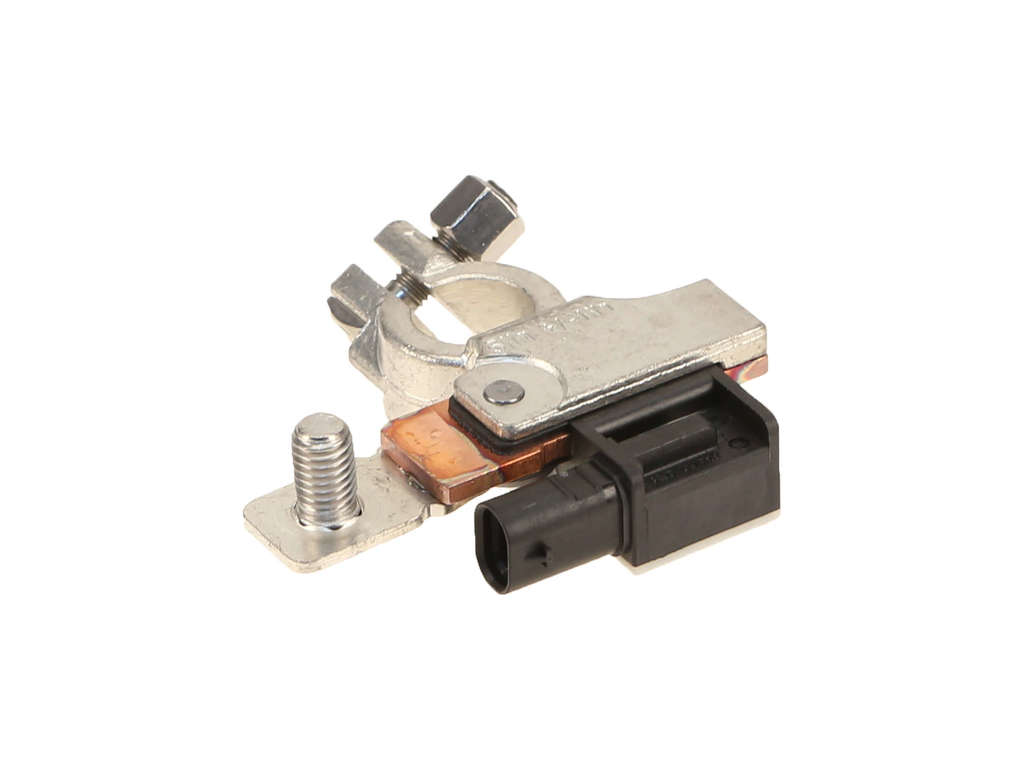
Est. part cost: $150-$300 - Loose or Corroded Battery Terminals/Cables 🟡 Medium Probability Corrosion is common on battery terminals and can create high resistance, preventing the battery from charging properly or delivering sufficient voltage.
How to confirm: Visually inspect the battery terminals for white or greenish buildup. Check that the cable clamps are tight and cannot be moved by hand. Also, inspect the main ground cable connection from the battery to the chassis for tightness and corrosion.
Typical fix: Disconnect the battery (negative first), clean the terminals and clamps with a wire brush and a baking soda/water solution, then reconnect securely (positive first).
Est. part cost: $1-$10 for cleaning tools - PCM Software Issue (i-ELOOP models only) 🟡 Medium Probability Recall 7314D (NHTSA 14V-183) specifically affects some 2014 Mazda 3 models with the 2.5L engine and regenerative braking (i-ELOOP). The PCM software may misinterpret alternator belt slippage in wet conditions as a charging system failure.
How to confirm: Check with a Mazda dealer or use Mazda's official recall website with your VIN to see if recall 7314D is open for your vehicle. This issue is most likely if the problem only occurs in heavy rain or after driving through deep puddles.
Typical fix: The dealer will reprogram the PCM with updated software free of charge under the recall campaign.
Est. part cost: $0
Rare But Worth Checking
- Slipping or Worn Serpentine Belt: A loose or glazed serpentine belt can slip on the alternator pulley, preventing it from spinning fast enough to generate adequate voltage, especially under electrical load.
- Failing i-ELOOP Capacitor or DC-DC Converter: On models with i-ELOOP, the capacitor stores the energy from regenerative braking. If the capacitor or its associated DC-DC converter fails, it can disrupt the entire charging system, leading to voltage instability and codes like P0562 or P1794. This is a more complex and expensive repair than a standard alternator or battery.
- Faulty Powertrain Control Module (PCM): In very rare cases, the PCM itself can fail and incorrectly report a low voltage condition. This should only be considered after all other possibilities have been exhaustively ruled out.
Diagnosis Steps
- Read the code with an OBD-II scanner and note any other codes present, especially P1794 on i-ELOOP models.
- Determine if your vehicle is equipped with the i-ELOOP system (check for a large capacitor near the headlight or if it's an 's' Grand Touring with the Tech Package). If so, check for open recalls, specifically recall 7314D.
- Visually inspect the battery terminals for corrosion and ensure the cable clamps are tight. Inspect the main ground strap from the battery to the chassis for corrosion or looseness.
- With the engine off, measure the battery voltage using a multimeter. A reading of ~12.6V is healthy. Below 12.4V indicates a weak or discharged battery. Have it load-tested at an auto parts store.
- Start the engine. Measure the voltage at the battery terminals again. The reading should be between 13.5V and 14.7V for non-i-ELOOP models.
- If voltage is low, turn on heavy electrical loads like headlights, A/C, and the rear defroster. The voltage should remain stable. If it drops significantly, it points strongly to a failing alternator or slipping belt.
- Inspect the serpentine belt for cracks, glazing, or looseness. Ensure the tensioner is functioning correctly.
- If the alternator and battery test good, perform a voltage drop test on the main power and ground cables to check for hidden resistance in the wiring.
- If the vehicle has i-ELOOP and all the above checks out, the i-ELOOP capacitor or DC-DC converter should be professionally tested. This is often indicated by a persistent 'i-ELOOP System Malfunction' warning.
Parts You'll Likely Need
- Alternator (with i-ELOOP / Regenerative Braking)
(OEM #PY1C-18-300)— This specific variable-voltage alternator is required for models equipped with the i-ELOOP system and is a common failure point.
Trusted brands: Mazda (OEM)
OEM price range: $450-$600
Aftermarket price range: $300-$450 - Alternator (without i-ELOOP)
(OEM #PE01-18-300)— For the majority of Mazda 3s without the optional i-ELOOP system, a standard alternator is used. It is the most likely part to fail when P0562 appears and the battery is healthy.
Trusted brands: Denso, Bosch, TYC
OEM price range: $300-$450
Aftermarket price range: $200-$350 - Battery — An old battery that can no longer hold a sufficient charge is a very common cause for a system-wide low voltage condition. i-ELOOP models require an EFB or AGM type battery.
Trusted brands: Interstate, DieHard, Duralast
OEM price range: $200-$300
Aftermarket price range: $150-$250
Related Codes That Often Appear With This One
- P1794 (Capacitor System Malfunction - on i-ELOOP models)
- P2502 (Charging System Voltage Low)
- P2503 (Charging System Voltage High)
Technical Service Bulletins (TSBs) & Recalls
- Mazda Recall 7314D / NHTSA 14V-183
- Mazda TSB 01-001/14 (Relates to i-ELOOP warnings and DTC P1794, associated with recall 7314D)
Platform-Specific Known Issues
- Recall 7314D: Affects some 2014 models with the 2.5L engine and i-ELOOP. The PCM may incorrectly detect a charging system failure in wet conditions, disabling charging and potentially causing a stall. The fix is a dealer-installed software update.
Mechanic-Grade Diagnostic Values
- Standard System Voltage (Engine Running, No i-ELOOP) — expected: 13.5V - 14.7V. Failure: Below 13.2V or above 15.5V indicates a charging system fault.
- i-ELOOP Variable Voltage Alternator Output — expected: 12V - 25V. Failure: The voltage varies based on capacitor charge level and load. A static reading or one that never exceeds battery voltage during deceleration may indicate a fault.
- i-ELOOP Capacitor Voltage Range — expected: 12V - 25V. Failure: A capacitor that cannot be charged to the upper end of this range by the alternator during deceleration is likely failing.
- P0562 Trigger Threshold — expected: System voltage must remain above ~10V.. Failure: The PCM will set code P0562 if system voltage drops below 10V for a specified duration (e.g., 60 seconds).
Hidden / Shadow Codes Worth Checking
- P1794:13: Capacitor Circuit Related Malfunction (Open Circuit). This is a specific sub-code indicating an open or broken circuit in the i-ELOOP capacitor system, often pointing directly to a failed capacitor unit itself. (see via Professional Mazda-compatible scan tool (like Mazda IDS) or advanced OBD-II scanners capable of reading manufacturer-specific codes.)
Scan Tool Commands That Help
- Manual Procedure (No Tool): i-stop / i-ELOOP Warning Light Reset After Battery Replacement — Used after installing a new battery if the orange 'i-stop' light is flashing. The procedure involves holding the i-stop button down while starting the engine, then pressing it again. This re-initializes the battery status for the control module.
- Mazda IDS or equivalent: System Reset / Voltage Adaptation Reset — This function should be performed after replacing major i-ELOOP components like the capacitor or DC-DC converter to ensure the system re-learns the characteristics of the new parts.
Wiring & Ground Locations
- G1 / G2 — Behind the left headlight assembly.. This is a primary chassis ground point in the engine bay, near the battery and i-ELOOP capacitor on some models. Corrosion here can cause widespread voltage issues.
- G6 — Located on the left rear of the engine block.. This is a critical engine-to-chassis ground. High resistance here can impede the alternator's ability to charge the battery effectively.
- G7 — Located on the top rear of the engine.. Another key engine ground point that can affect sensor readings and module communication if compromised.
- G31 — In the passenger compartment, behind the right kick panel.. This is an interior ground point for various control modules. While less likely to be the cause than engine bay grounds, it can be a factor if multiple interior electronics are acting erratically.
- i-ELOOP Capacitor — Mounted in the engine bay, typically near the front left (driver's side) guard or radiator area.. Knowing its location is critical for visual inspection of the unit and its connectors for corrosion or damage, which is a common failure mode.
Real Owner Repair Stories
- Mazda CX-3 Forums (similar i-ELOOP system) (Mazda CX-3 AWD with i-ELOOP) — i-stop and i-ELOOP warning lights would not turn off.
❌ Tried (didn't work) Replacing the weak battery., Replacing the DC-DC converter based on Mazda Technical's advice.
✅ What actually fixed it Replacing the i-ELOOP capacitor finally resolved the issue after all other attempted fixes failed. - Reddit user @n0name8886 (2017 Mazda 6 GL 2.5 (with i-ELOOP)) — Engine idle RPM fluctuating, car vibrating when stopped, pulsating interior lights, i-stop icon flickering above 3k RPM. Workshop diagnosed unstable voltage that stabilized when the i-ELOOP capacitor was disconnected.
❌ Tried (didn't work) Initial diagnosis focused on battery and alternator before isolating the capacitor.
✅ What actually fixed it Replaced the failing original capacitor with a used capacitor, which resolved the symptoms.
OEM Part Supersession History
PE01-18-300→PY1C-18-300— Part evolution for the BM/BN platform.
Heads up: PE01-18-300 was used on earlier Skyactiv models with i-ELOOP and should not be used on a 2014+ Mazda 3 that specifies PY1C-18-300. While they may be physically similar, their voltage regulation logic may differ.
Model Year Variations Within This Range
- 2014 only: A specific range of 2014 models with the 2.5L engine and i-ELOOP are subject to Recall 7314D. The PCM software on these vehicles can misinterpret alternator belt slippage in wet conditions as a charging system failure, shutting down charging. Later models have updated software from the factory.
- 2017-2018: These are facelift (BN) models. While the charging system components and P0562 causes are the same as the pre-facelift (BM) 2014-2016 models, they feature updated exterior styling and interior tech. This does not affect the diagnosis of P0562 but is relevant for part sourcing related to body or interior.
Diagnostic Flowchart
Other Known Issues on This Vehicle
Issues unrelated to this code that are worth knowing about as an owner of this generation:
- Infotainment Screen 'Spider Cracking' or Delamination 🟠 Medium — Common issue, especially on 2014-2017 models. Cracks appear internally without physical impact. (Ref: Mazda TSB SA-008/18 (later revised) provides instructions for replacing just the screen component.)
- GDI Engine Carbon Buildup 🟡 Low — An inherent trait of all Direct Injection (DI) engines. Not a widespread problem causing failure on this platform, but can cause rough idle or reduced efficiency at very high mileage (100k+ miles).
- Automatic Transmission Shifting Irregularities 🟠 Medium — Some owners report harsh shifts or hesitation, particularly when cold. Can sometimes be attributed to a faulty Transmission Control Module (TCM) or degraded fluid, despite 'lifetime fluid' claims. (Ref: A TSB was issued in the US for some earlier 2.3L models (not this engine) for a related issue, but the symptom can still occur on this platform.)
- Premature Rear Brake Wear 🟡 Low — Some owners have reported needing to replace rear pads and rotors sooner than expected.
Used vs. New Parts: Buying Guide for This Vehicle
When a used part is the smart pick: A used i-ELOOP capacitor is a smart choice, especially on an older vehicle out of warranty. The new OEM part is extremely expensive (often over $1,500), and specialized recyclers offer tested used units with a warranty for a fraction of the price. A used alternator can also be a cost-effective gamble if sourced from a low-mileage donor.
Donor-vehicle mileage cap: roughly under 80000 miles for the part to have meaningful remaining life.
What to inspect on the donor part:
- For an i-ELOOP capacitor, buy from a specialist who tests and offers a warranty.
- For an alternator, check the donor vehicle's mileage. Look for a clean unit with no signs of corrosion or oil leaks on the casing.
- Ensure the pulley spins freely and smoothly with no grinding or roughness, which would indicate bad bearings.
- Verify the OEM part number (PY1C-18-300 for i-ELOOP, PE01-18-300 for non-i-ELOOP) matches exactly.
OEM-only on this vehicle (don't cheap out):
- i-ELOOP Capacitor
- DC-DC Converter
- Variable Voltage Alternator (PY1C-18-300)
Aftermarket brands forum-validated for this vehicle:
- Denso (for standard non-i-ELOOP alternator)
- Bosch (for standard non-i-ELOOP alternator)
Brands owners have reported issues with on this vehicle:
- Unknown or unbranded 'white box' alternators from online marketplaces are a significant risk for premature failure.
Real Owner Stories
Aggregated from forums and TSBs cited above. Mileages and costs reflect what owners reported in those sources.
2014 Mazda 3 2.5L Skyactiv-G
Symptoms: The PCM misinterpreted alternator belt slippage in wet conditions as a charging system failure, potentially causing the engine to stall.
What fixed it: Dealer reprogrammed the PCM with updated software under Recall 7314D.
Source hint: Mazda Recall 7314D / NHTSA 14V-183
2014-2018 Mazda 3 2.5L Skyactiv-G
Symptoms: i-stop and i-ELOOP malfunction warnings appeared on the dashboard after a hard drive or battery strain.
What fixed it: Professional testing of the i-ELOOP capacitor or DC-DC converter; often requires a specific i-stop/i-ELOOP reset procedure after battery service.
Source hint: Reddit r/mazda3 thread 'istop and ieloop malfunction after hard'
Related OBD-II Codes
Frequently Asked Questions
My 2014 Mazda 3 2.5L is showing a charging system error after driving through a deep puddle. Is there a known issue?
I have an 's Grand Touring' model with the Tech Package. Does this change how I diagnose P0562?
Can I use a standard lead-acid battery to fix P0562 in my Mazda 3 with i-stop?
My infotainment screen is cracking; could this be related to the low voltage code P0562?
What should the voltage reading be on a healthy 2.5L Skyactiv-G (non-i-ELOOP) while running?
Is there a specific TSB for the i-ELOOP warning message and P0562?
Helpful Videos

Used OEM Parts in Stock


New Aftermarket Parts Available


The information in this article is provided for general reference and educational purposes only. Vehicle specifications, procedures, and part compatibility can vary by production date, trim level, and region. Always consult your vehicle's factory service manual and verify part numbers before purchasing or performing repairs. Safety-critical components such as airbags, seat belts, and braking systems should be installed by a qualified professional.
- Mazda 3:
- 🎬 Helpful Videos
- 🛍️ Shop This Part
- What's Unique About the 2014-2018 Mazda 3
- Symptoms You May Notice
- Most Likely Causes
- Rare But Worth Checking
- Diagnosis Steps
- Parts You'll Likely Need
- Related Codes That Often Appear With This One
- Technical Service Bulletins (TSBs) & Recalls
- Platform-Specific Known Issues
- Mechanic-Grade Diagnostic Values
- Hidden / Shadow Codes Worth Checking
- Scan Tool Commands That Help
- Wiring & Ground Locations
- Real Owner Repair Stories
- OEM Part Supersession History
- Model Year Variations Within This Range
- Diagnostic Flowchart
- Other Known Issues on This Vehicle
- Used vs. New Parts: Buying Guide for This Vehicle
- Real Owner Stories
- 2014 Mazda 3 2.5L Skyactiv-G
- 2014-2018 Mazda 3 2.5L Skyactiv-G
- Related OBD-II Codes
- Frequently Asked Questions
- 🎟️ Get 5% Off