

P0562 on 2007-2018 Jeep Wrangler: Low System Voltage Causes and Fixes
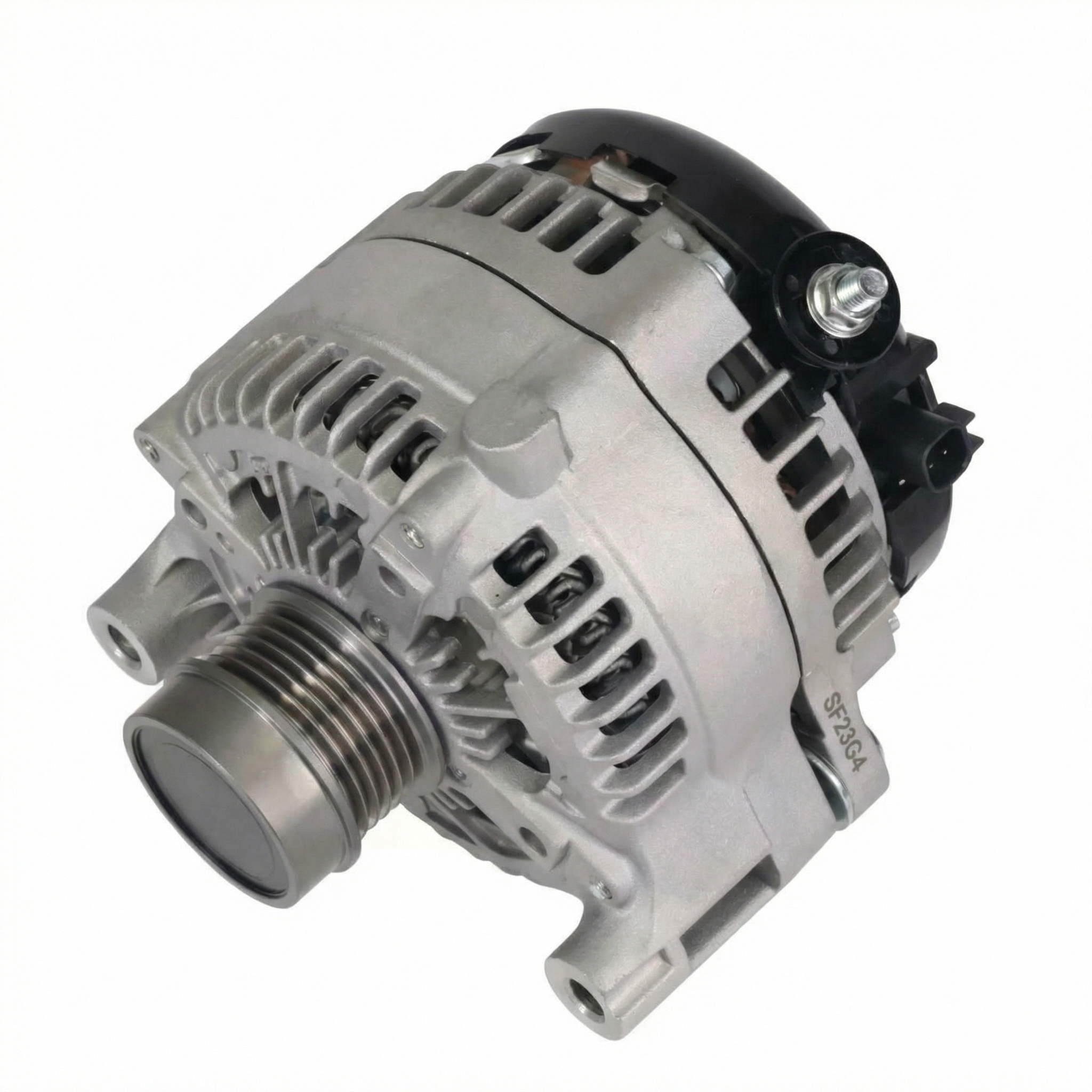
On a 2007-2018 Jeep Wrangler, code P0562 almost always indicates a failing alternator or a weak/dead battery. The root cause is often one of these two components failing from age or harsh use. Start by fully charging and load-testing the battery, then test the alternator's voltage output with the engine running. Expect to pay $150-$400 for a new alternator and $150-$300 for a quality battery.
- P0562 on a Jeep Wrangler means the electrical system voltage is dangerously low.
- Do not immediately replace the battery without testing the alternator. A bad alternator will ruin a new battery.
- The definitive test is to measure voltage at the battery with the engine running. It must be between 13.7V and 14.7V. If it's lower, the alternator has likely failed.
- Listen for a whining or grinding sound from the front of the engine, as this is a classic sign of a bad alternator bearing.
- Ensure you purchase the correct alternator for your engine (3.8L for 2007-2011, 3.6L for 2012-2018) as they are not interchangeable.
What's Unique About the 2007-2018 Jeep Wrangler

The Jeep Wrangler JK's charging system is straightforward, but its alternator can be prone to premature failure, especially on vehicles used for off-roading where mud and water exposure is common. While no major recalls exist for the JK specifically, alternators on the 3.6L Pentastar engine in other Chrysler/Jeep models of the same era were subject to a recall (NHTSA Campaign T36) for diode failure, which could cause stalling or prevent the vehicle from starting. This suggests a potential weakness in the component design. The voltage regulator is integrated within the alternator, but it is controlled by the PCM, making the system more complex than older designs. A regulator failure requires replacing the entire alternator unit. Additionally, the Totally Integrated Power Module (TIPM), which acts as the vehicle's main electrical hub, can fail and cause a variety of electrical issues, though it's a less common cause for P0562 specifically.
Symptoms You May Notice
- Check Engine Light is on
- Battery warning light is on
- Dimming or flickering headlights and interior lights, especially at idle or under electrical load.
- Engine stalls, especially when coming to a stop or when shifting into gear after a jump start.
- Slow, difficult, or no-crank engine starting.
- Whining or grinding noise coming from the front of the engine, indicating a failing alternator bearing.
- Erratic behavior from electrical accessories like the radio, power windows, or instrument cluster gauges.
- Vehicle fails to start and cannot be jump-started, or a jump-start box is drained, which can be a sign of a shorted alternator diode from the T36 recall issue.
- Replacing the battery when the alternator is the actual cause. If the alternator is bad, a new battery will also fail to charge and will quickly be drained, leading to the same problem returning within days or weeks.
- Replacing the alternator when a corroded ground wire or loose battery terminal was the real issue. Always check the simplest connections first.
Most Likely Causes

- Failing Alternator 🔴 High Probability Alternators on the JK can fail from normal wear (typically over 100k miles), or prematurely due to contamination from mud and water during off-road use. The internal voltage regulator is a common point of failure, and a shorted diode can cause a no-start condition that drains batteries and jump boxes.
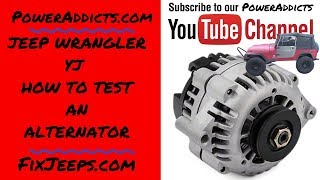
How to confirm: With the engine running, use a multimeter to test the voltage at the battery terminals. A healthy alternator should produce between 13.7 and 14.7 volts. If the voltage is below this range (e.g., in the 12s or lower), the alternator is likely bad. 🎬 Watch: How to test your alternator with a multimeter Also, listen for a distinct whining or grinding noise from the alternator itself. Many auto parts stores can test the alternator for free if you remove it from the vehicle.
Typical fix: Replace the alternator.
Est. part cost: $150-$400 - Failing or Weak Battery 🔴 High Probability Batteries have a finite lifespan (typically 3-5 years), and the OEM batteries in JKs are noted by owners to fail as early as 2 years. The addition of aftermarket electrical accessories (winches, lights, etc.) common on Wranglers can put extra strain on the battery and charging system.
How to confirm: With the engine off, test the battery voltage with a multimeter. A healthy battery should read approximately 12.6 volts. If it's below 12.4V, it's low on charge. A reading of 10.5V after charging indicates a dead battery. Have the battery load-tested at an auto parts store; this is the definitive test to confirm if it can still hold a charge under load.
Typical fix: Replace the battery. It is often recommended to replace the battery and alternator together if both are old.
Est. part cost: $150-$300 - Corroded or Loose Battery Terminals/Cables 🟡 Medium Probability Vibration from on-road and off-road driving can loosen battery connections over time. Exposure to the elements can also accelerate corrosion. This is a simple but frequently overlooked cause.
How to confirm: Visually inspect the battery terminals for white or greenish corrosion. Wiggle the terminal clamps by hand to ensure they are tight and do not move. Follow the main ground cable from the battery to the chassis and ensure the connection is clean and tight. A bad connection can pass a voltage test but fail to deliver current.
Typical fix: Disconnect the battery (negative first), clean the terminals and clamps with a wire brush and a baking soda/water solution, and reconnect securely (positive first). Replace terminals or cables if they are damaged or excessively corroded.
Est. part cost: $5-$50
Rare But Worth Checking
- Worn or Slipping Serpentine Belt: If the belt that drives the alternator is loose, glazed, or cracked, it can slip on the alternator pulley, preventing it from spinning fast enough to generate proper voltage, especially under load. Check belt tension and condition.
- Failing Powertrain Control Module (PCM): In very rare cases, the PCM itself may fail and incorrectly report a low voltage condition or fail to command the alternator to charge. This should only be considered after all other possibilities (alternator, battery, wiring, grounds) have been definitively ruled out.
- Faulty Totally Integrated Power Module (TIPM): The TIPM is the main fuse and relay box. Internal relay failures are a known issue on this platform and can cause a wide range of electrical problems, including parasitic drains that can kill a battery and trigger a P0562 code. If you have a parasitic drain that you can't trace, the TIPM is a possible suspect.
- Poor Engine/Chassis Ground: A corroded or loose main ground strap between the engine, frame, and battery can cause resistance in the charging circuit, leading to low voltage readings at the PCM. Inspect the ground connection points under the battery tray and on the engine block.
Diagnosis Steps

- Read the Codes: Use an OBD-II scanner to confirm P0562 and check for any other related codes, particularly communication (U-series) or misfire codes.
- Visual Inspection: Carefully inspect the battery terminals for corrosion or looseness. Check the main power and ground cables for damage or loose connections at the battery, engine block, and chassis.
- Check Serpentine Belt: Ensure the serpentine belt is in good condition (no cracks or fraying) and has proper tension. A slipping belt cannot spin the alternator effectively.
- Test Battery Voltage (Static): With the engine off for at least an hour, use a multimeter to measure the voltage across the battery terminals. A reading of 12.6V indicates a healthy charge. A reading below 12.4V suggests a discharged or failing battery.
- Test Charging System Voltage (Dynamic): Start the engine and measure the voltage across the battery terminals again. The reading should rise to between 13.7V and 14.7V. If the voltage remains low (in the 12V range or less) or does not increase, the alternator is the primary suspect.
- Load Test the System: With the engine running, turn on all major electrical accessories (headlights, A/C, radio, defroster). The voltage should remain stable within the 13.7V-14.7V range. If it drops significantly, the alternator is failing under load.
- Load Test the Battery: If the charging system appears to be working, the battery itself may be faulty. Take the vehicle to an auto parts store to have the battery professionally load-tested to confirm it can hold a charge. A battery can show good voltage but fail under load.
- Check for Parasitic Drain: If the battery and alternator test good but the battery keeps dying, perform a parasitic drain test to check for a component that is drawing power when the vehicle is off. A faulty alternator diode or a failing TIPM relay can cause this.
Parts You'll Likely Need

- Alternator (3.6L V6, 2012-2018)
(OEM #68078950AB)— This is the most common cause of P0562, especially if a whining noise is present or charging voltage is low. This part number is for the 160-amp unit used in the 3.6L Pentastar engine and supersedes part number 68078950AA.
Trusted brands: Mopar, Denso, Bosch, TRQ
OEM price range: $250-$400
Aftermarket price range: $150-$250 - Alternator (3.8L V6, 2007-2011)
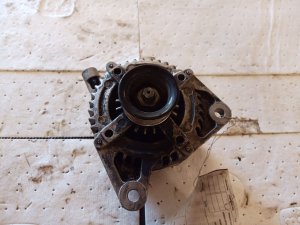
(OEM #4801304AC)— The alternator is a primary failure point for the 3.8L engine. This part number corresponds to the 140-amp unit.
Related Codes That Often Appear With This One
- U-series codes (e.g., U0140) — Low system voltage can cause various electronic modules to shut down or lose communication with the PCM, resulting in a cascade of communication-related 'U' codes.
- P0300 (Random/Multiple Misfire) — Insufficient voltage can lead to weak spark from the ignition coils, causing incomplete combustion and triggering misfire codes.
Technical Service Bulletins (TSBs) & Recalls
- NHTSA Recall T36: While not specific to the Wrangler, this recall for other 3.6L Pentastar vehicles (like the Grand Cherokee) addresses alternator diode failure. The symptoms, including stalling and a no-start condition where a jump-start is ineffective, are highly relevant to P0562 diagnosis.
- Chrysler Service Bulletin 08-079-14 Rev. B: Addresses a potential battery drain caused by the radio software on some 2015 models, which could lead to a low battery and P0562.
- Chrysler Service Bulletin 08-086-14 Rev. A: Pertains to radio software enhancements for 2012-2014 Wranglers to fix various glitches, some of which could be exacerbated by low voltage conditions.
- Manufacturer Bulletin #S2208000075: Notes that a Check Engine Light and a No Start condition may be accompanied by DTC P0562.
- Manufacturer Bulletin #0801315: States that if battery system DTC P0562 (Battery/System Voltage Low) is set, normal charging system diagnostics need to be performed.
- Manufacturer Bulletin #08-111-14: Recommends performing standard charging system diagnostics if P0562 is present, particularly in relation to puddle lamps failing to turn off on manual transmission models.
Platform-Specific Known Issues
- Short OEM Battery Life: Multiple owners on forums like JK-Forum.com report the original factory battery failing in as little as 1.5 to 2 years, making a weak battery a very common cause for P0562 on relatively newer JKs.
- Aftermarket Accessory Strain: The installation of high-draw accessories like winches or large light bars can over-tax the stock charging system. If the P0562 code appears after installing such an accessory, it may indicate that the alternator cannot keep up or that a wiring fault occurred during installation.
- TIPM Relay Failures: While not always a direct cause of P0562, the Totally Integrated Power Module (TIPM) is a known weak point. A failing fuel pump relay inside the TIPM can cause crank-no-start issues, while other internal faults can create parasitic draws that drain the battery, indirectly causing a low voltage code.
Mechanic-Grade Diagnostic Values
- Battery Static Voltage (Engine Off) — expected: ~12.6V. Failure: Below 12.4V indicates a discharged or weak battery. Below 12.0V suggests a dead cell.
- Charging System Voltage (Engine Running, No Load) — expected: 13.7V - 14.7V. Failure: Voltage below 13.5V or above 14.8V points to a faulty alternator or voltage regulator circuit.
- Charging System Voltage (Engine Running, Full Load) — expected: Should remain above 13.5V. Failure: Voltage dropping significantly below 13.5V with accessories (headlights, A/C, etc.) on indicates the alternator cannot keep up with demand.
- Alternator Field Control Voltage (3.8L Engine) — expected: Should have ~11V on the feed wire from the PCM with the engine running.. Failure: A reading significantly lower, like 8.6V, indicates the PCM is not commanding the alternator to charge correctly, possibly due to a faulty PCM itself.
- Positive Side Voltage Drop (Battery Positive Post to Alternator B+ Post) — expected: Less than 0.5V. Failure: A reading greater than 0.5V indicates high resistance in the main charging cable or connections.
- Negative Side Voltage Drop (Battery Negative Post to Alternator Case) — expected: Less than 0.2V. Failure: A reading greater than 0.2V indicates a poor ground connection between the alternator, engine block, and battery.
Scan Tool Commands That Help
- Professional Scan Tool (e.g., wiTECH): Alternator Field Circuit Test / Full Field Test — This command allows the technician to manually command the alternator's field circuit to 100% duty cycle. If the alternator begins charging to its maximum output during this test, it confirms the alternator itself is functional and the problem lies within the PCM or the wiring between the PCM and alternator. If it does not charge, the alternator is faulty.
Wiring & Ground Locations
- Alternator Field Control Wire (3.6L) — On the two-pin connector at the alternator, this is the Brown/Gray wire that goes to the PCM.. This is the wire the PCM uses to control the alternator's output. A break or short in this wire will prevent the PCM from commanding the alternator to charge, causing P0562.
- Alternator Sense Wire (3.6L) — On the two-pin connector at the alternator, this is the Red/Violet wire.. This wire provides a voltage sense signal to the PCM. A fault in this circuit can cause the PCM to misinterpret the charging system's status.
- G102 (3.6L) — A ground point located near the right (passenger side) headlight assembly.. This is a major chassis ground point in the engine bay. While not directly for the alternator, a poor connection here can cause a variety of electrical issues and voltage drops that could contribute to a P0562.
- G300 / G301 — Located under the driver's (G301) and passenger's (G300) seats, under the carpet.. These are primary interior body grounds. While less likely to be the direct cause of P0562, they ground many modules. A corroded ground here can cause module communication issues that sometimes accompany low voltage codes.
- Main Engine to Chassis Ground Strap — A braided or heavy-gauge cable connecting the engine block to the vehicle's frame/firewall.. This is the primary path for the alternator's ground. Corrosion or a loose connection on this strap is a classic cause of charging system problems and can be easily missed. It will cause a high reading on a negative-side voltage drop test.
Real Owner Repair Stories
- JK-Forum.com user 'ndnatty' (2007-2009 Jeep Wrangler JK) — Hard time starting, sometimes would not turn over at all, then on the second or third attempt it would slowly crank up. P0562 code present.
❌ Tried (didn't work) Running the vehicle for two hours to charge the battery.
✅ What actually fixed it The battery was tested and found to have a bad cell. Replacing the battery resolved the issue.
OEM Part Supersession History
68078950AA→68078950AB— Standard part revision and update by the manufacturer.
Heads up: The parts are interchangeable for the 2012-2018 3.6L V6 application.
Model Year Variations Within This Range
- 2007-2011 (3.8L V6): The 3.8L engine is known for being underpowered for the vehicle's weight and has a different alternator (140-amp) and PCM control logic compared to the later 3.6L. Diagnostics may involve checking for specific voltage levels on the alternator field wire from the PCM, which was a failure point in some cases.
- 2012-2018 (3.6L Pentastar V6): Uses a 160-amp alternator (PN 68078950AB) and a more modern PCM. The charging system is still PCM-controlled via a two-wire connector (field control and sense). Early 3.6L engines (2012-2014) had other known issues like cylinder head problems, but the charging system itself was more robust than the 3.8L's.
Diagnostic Flowchart
Used vs. New Parts: Buying Guide for This Vehicle
When a used part is the smart pick: A used OEM (Mopar) alternator from a low-mileage, late-model (2015-2018) donor vehicle can be a cost-effective and reliable option. It avoids the potential quality control issues of some cheap aftermarket remanufactured units. Never buy a used battery.
Donor-vehicle mileage cap: roughly under 60000 miles for the part to have meaningful remaining life.
What to inspect on the donor part:
- Check the pulley for smoothness; it should spin freely with no grinding or roughness, which would indicate bad bearings.
- Inspect the electrical connector and B+ post for any signs of melting, corrosion, or damage.
- Look for a vehicle that was rear-ended, ensuring the front-end and engine components were not damaged in the accident.
- Ask the salvage yard for the VIN of the donor vehicle to verify its year and mileage.
OEM-only on this vehicle (don't cheap out):
- While not strictly 'OEM-only', Mopar alternators have the highest probability of working correctly with the PCM's charging control system without issue. Some aftermarket units can cause compatibility problems.
Aftermarket brands forum-validated for this vehicle:
- Denso (often the OEM manufacturer)
- Bosch
- Mechman (for high-output needs)
- Tuff Stuff (for high-output needs)
Brands owners have reported issues with on this vehicle:
- Unbranded, no-name, or 'white box' alternators from online marketplaces often have high failure rates and may not meet OEM specifications for voltage regulation, leading to a quick return of the P0562 code.
Real Owner Stories
Aggregated from forums and TSBs cited above. Mileages and costs reflect what owners reported in those sources.
Jeep Wrangler JK
Symptoms: The vehicle had a no-start condition and threw code P0562 after sitting for a period.
What fixed it: The issue was diagnosed as a bad cell in the battery. Replacing the battery resolved the code.
Source hint: JK-Forum.com: 'She's throwing a P0562 Code'
Jeep Wrangler JK
Symptoms: The P0562 code appeared after performing other maintenance. After charging the battery overnight, it would only read 10.5V.
What fixed it: A professional load test at a parts store confirmed the battery was bad and was the sole cause of the issue. A new battery fixed the problem.
Source hint: Jeep Wrangler JK Forum: 'Error P0562 low voltage'
2008 Jeep Wrangler JK — 130000 miles
Symptoms: The Check Engine Light came on and the vehicle stored a P0562 code.
What fixed it: The forum discussion pointed towards diagnosing the alternator, as failures are common over 100k miles. The fix is replacing the alternator.
Source hint: JK-Forum.com: 'alternator? p0562 code'
Jeep with 3.6L Pentastar engine
Symptoms: Engine stalling, a no-start condition, and an inability to be jump-started, or the jump-start box being drained quickly.
What fixed it: The cause was a shorted alternator diode, requiring the replacement of the alternator.
Source hint: NHTSA Recall T36
Jeep Grand Cherokee
Symptoms: An owner reported the engine was raising high before shifting, followed by a check engine light with codes P0700, P0562, and P0750.
What fixed it: In NHTSA ODI #11268694, the owner replaced the battery, throttle body, and transmission fluid/filters to address the multiple codes including P0562.
Jeep Gladiator
Symptoms: An owner noted a check engine light and suspected a P0562 or P0563 error on a vehicle with only 1803 miles.
What fixed it: NHTSA ODI #11524214 describes this low-mileage electrical system concern.
Related OBD-II Codes
Frequently Asked Questions
My Jeep won't start and even drains a jump-start box. Could this be related to that alternator recall I heard about?
I just installed a new winch and light bar on my Wrangler, and now I'm getting a P0562 code. Are these related?
My JK is only two years old. Isn't it too early for the battery to fail and cause a P0562?
How can I tell if it's my alternator or my battery causing the P0562 code on my Wrangler?
My battery and alternator tested good, but the battery keeps dying and I get a P0562. What else could it be on my Jeep?
I'm getting a P0562 code, my headlights are dimming, and I hear a whining noise from the engine. What does this point to?
Helpful Videos

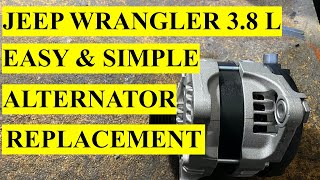
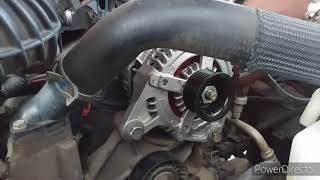
![REMOVE and INSTALL Jeep Wrangler 3.8 ALTERNATOR 2007 - 2011 [ SUPER EASY repair! ]](https://img.youtube.com/vi/2Mi6clL1dC4/mqdefault.jpg)
We Have This Part in Stock





The information in this article is provided for general reference and educational purposes only. Vehicle specifications, procedures, and part compatibility can vary by production date, trim level, and region. Always consult your vehicle's factory service manual and verify part numbers before purchasing or performing repairs. Safety-critical components such as airbags, seat belts, and braking systems should be installed by a qualified professional.
- Jeep Wrangler:
- 🎬 Helpful Videos
- 🛍️ Shop This Part
- What's Unique About the 2007-2018 Jeep Wrangler
- Symptoms You May Notice
- Most Likely Causes
- Rare But Worth Checking
- Diagnosis Steps
- Parts You'll Likely Need
- Related Codes That Often Appear With This One
- Technical Service Bulletins (TSBs) & Recalls
- Platform-Specific Known Issues
- Mechanic-Grade Diagnostic Values
- Scan Tool Commands That Help
- Wiring & Ground Locations
- Real Owner Repair Stories
- OEM Part Supersession History
- Model Year Variations Within This Range
- Diagnostic Flowchart
- Used vs. New Parts: Buying Guide for This Vehicle
- Real Owner Stories
- Jeep Wrangler JK
- Jeep Wrangler JK
- 2008 Jeep Wrangler JK — 130000 miles
- Jeep with 3.6L Pentastar engine
- Jeep Grand Cherokee
- Jeep Gladiator
- Related OBD-II Codes
- Frequently Asked Questions
- 🎟️ Get 5% Off