

P0562 on 2017-2026 Chrysler Pacifica Hybrid: Low Voltage Causes and Fixes
Code P0562 on a Pacifica Hybrid almost always points to a weak or failing 12-volt AGM battery, often accompanied by a 'Service Charging System' message. If the battery is over 3-4 years old, it's the primary suspect. A load test is required for accurate diagnosis. Expect to pay $200-$350 for a replacement AGM battery.
- P0562 means your Pacifica Hybrid's 12-volt system has low voltage.
- The most likely cause is a weak or dead 12V AGM battery in the rear cargo area; have it load-tested before replacing other parts.
- Do not drive the vehicle, as low voltage can cause it to stall unexpectedly, which is a major safety hazard.
- This vehicle uses a DC/DC converter, not a traditional alternator, to charge the 12V battery.
- Check for open recalls related to the electrical system, as several have been issued for this vehicle.
What's Unique About the 2017-2026 Chrysler Pacifica

Unlike a conventional vehicle with an alternator, the Pacifica Hybrid uses a DC/DC converter to charge its 12-volt battery, drawing power from the large high-voltage (HV) hybrid battery pack. This means the cause of P0562 isn't a traditional alternator failure but could be the 12V battery itself, the DC/DC converter, or the Power Inverter Module (PIM) that manages the high-voltage system. Many owners report seeing a 'Service Charging System' message on the dash, which is often the first sign of this code.
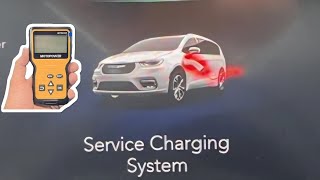
🎬 Watch: How to clear the Service Charging System errorSymptoms You May Notice
- Check Engine Light illuminated
- Battery warning light on
- 'Service Charging System' message on the instrument cluster
- Dimming or flickering headlights and interior lights
- Difficulty starting the vehicle or a no-start condition
- Engine stalling, sometimes while driving
- Erratic behavior from electronic components like power doors, radio, or instrument cluster gauges
- Vehicle enters 'limp mode' with reduced power
- Clicking sound when trying to start
- Replacing the alternator. This vehicle does not have a traditional alternator; it uses a DC/DC converter integrated into the PIM.
- Assuming the high-voltage battery is bad. While possible, the P0562 code specifically relates to the 12-volt system, which is a separate circuit.
- Replacing the battery without performing a load test. A battery can show good static voltage but fail under load, leading to an incorrect diagnosis of a more complex charging system issue.
Most Likely Causes

- Failing 12-Volt AGM Battery 🔴 High Probability The 12V battery is under constant load from the vehicle's many electronic modules, even when off. AGM batteries in these vehicles typically have a service life of 3-5 years before they degrade and can no longer hold an adequate charge, leading to low voltage conditions.
How to confirm: Perform a load test on the 12V battery located in the rear cargo area, driver's side. 🎬 Watch: How to find the hidden 12V battery location A simple voltage check is insufficient; a professional battery tester is required. Static voltage should be ~12.6V with the vehicle off. With the vehicle in 'Ready' mode, charging voltage should rise to 13.5V-14.8V. A battery that fails a load test is the definitive cause.
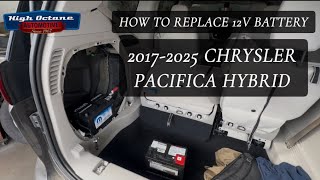
Typical fix: Replace the 12-volt AGM battery. 🎬 See this step-by-step 12V battery replacement walkthrough It is a Group H6 (or Group 48) AGM battery. After replacement, it's recommended to perform a battery reset procedure with a capable scan tool to inform the vehicle's Body Control Module (BCM) of the new battery.
Est. part cost: $200-$350 - Loose or Corroded Battery Terminals or Grounds 🟡 Medium Probability Vibrations can loosen connections over time, and moisture can lead to corrosion, creating high resistance and voltage drops. This is a common issue on many vehicles.
How to confirm: Visually inspect the 12V battery terminals in the rear for any white or green corrosion and ensure they are tight. Also, check the main chassis ground connection and the engine-to-chassis ground strap for cleanliness and tightness.
Typical fix: Clean the battery terminals and cable ends with a wire brush and battery cleaner. Apply dielectric grease to prevent future corrosion. Tighten all connections securely.
Est. part cost: $5-$15 - Faulty DC/DC Converter ⚪ Low Probability This component acts as the alternator. While generally reliable, an internal failure will prevent the 12V battery from being charged by the high-voltage system. It is integrated within the Power Inverter Module (PIM).
How to confirm: With a known-good 12V battery, a technician must use a diagnostic scan tool to monitor the output of the DC/DC converter. If the voltage at the battery does not rise to the 13.5V-14.8V range when the vehicle is on, the converter may be faulty.
Typical fix: Replace the Power Inverter Module (PIM) which houses the DC/DC converter. This is a job for a professional due to the high-voltage connections and specific programming required.
Est. part cost: $800-$1500
Rare But Worth Checking
- Faulty Power Inverter Module (PIM): The PIM is critical for managing the hybrid system. Early models (2017) had recalls for faulty diodes within the PIM that could cause a shutdown. Software glitches or internal faults can disrupt 12V charging and have been the subject of recalls and TSBs.
- High Resistance at 12V Isolator Post: Recall W46 (NHTSA 20V-334) was issued for 2017-2020 models for this specific issue, which can cause voltage drops and is a fire risk. The connection point, located behind the driver's seat, can develop high resistance due to liquid intrusion, leading to overheating. A dealer must inspect and install a gasket or replace affected components.
- Parasitic Battery Drain: A module or component may not be shutting down correctly when the vehicle is off, slowly draining the 12V battery. This requires a systematic diagnostic procedure with a multimeter (in ammeter mode) to isolate the faulty circuit. An acceptable draw is under 50-60 milliamps. Common culprits can be aftermarket accessories or a faulty OEM module.
- Faulty Intelligent Battery Sensor (IBS): The IBS is a small module attached to the negative battery terminal that monitors the battery's state of charge, health, and temperature. If it fails, it can send incorrect data to the BCM, leading to improper charging strategy and potentially triggering a P0562 code even if the battery and charging system are otherwise healthy.
Diagnosis Steps

- Read all stored fault codes from all vehicle modules using a professional-grade OBD-II scanner.
- Turn the vehicle off. Access the 12V AGM battery in the rear cargo area on the driver's side.
- Measure the static voltage of the 12V battery with a multimeter. A healthy, fully charged battery should read approximately 12.6 volts.
- Perform a load test on the 12V battery using a dedicated battery tester. This is the most crucial step to confirm battery health. A reading below 9.5-10V under load indicates a bad battery.
- If the battery fails the load test, replace it. Ensure the replacement is an H6/48 AGM type.
- If the battery passes, inspect the battery terminals and main ground connections for corrosion or looseness. Clean and tighten as necessary.
- Start the vehicle (put it in 'Ready' mode). Measure the voltage at the battery terminals. It should rise to between 13.5 and 14.8 volts, indicating the DC/DC converter is charging.
- If charging voltage is low or absent, the issue is likely with the charging system (DC/DC converter, PIM, or related wiring). This requires professional diagnosis with a scan tool to monitor PIM/DC-DC converter output.
- Check for any open recalls, especially W46 (12V Isolator Post) and 23V-010 (Transmission Wiring), by entering the VIN on the NHTSA website or contacting a Chrysler dealer.
Parts You'll Likely Need
- 12-Volt AGM Battery
(OEM #68307396AA (superseded by 68488189AB))— This is the most frequent failure item causing low system voltage. Service life is typically 3-5 years.
Trusted brands: Mopar, Duralast Platinum, DieHard Platinum, Odyssey
OEM price range: $250-$450
Aftermarket price range: $200-$350
Related Codes That Often Appear With This One
- U0111 — Lost Communication With Battery Energy Control Module 'A'. This can occur if low 12V system voltage causes communication issues between modules.
- P0D27 — Battery Charger 1 Input Voltage Too Low. This code can be stored in the IDCM (Inverter/DC-DC Converter Module) when there are issues with the charging system.
- P0700 — Transmission Control System Malfunction. Low system voltage can cause erratic behavior and fault codes in other critical modules like the TCM.
Technical Service Bulletins (TSBs) & Recalls
- Recall W46 / NHTSA 20V-334: 12V Isolator Post Connection Overheating
- Recall 03A / NHTSA 23V-010: Transmission Wiring Short and Engine Stall
- NHTSA Communication S2108000130: Not a TSB, but an internal advisory for dealers regarding Uconnect screen delamination, a common unrelated issue.
Platform-Specific Known Issues
- Recall W46 / NHTSA 20V-334: Affects 2017-2020 models. The 12-volt isolator post behind the driver's seat can develop high resistance, leading to overheating, voltage drop, and fire risk. The fix involves dealer inspection and installation of a gasket.
- Recall 03A / NHTSA 23V-010: Affects 2017-2023 models. An internal transmission wiring connector can short, causing the engine to shut down. While not a direct cause of P0562, it highlights the sensitivity of the vehicle's wiring and can cause related power loss symptoms. The initial software 'fix' was deemed insufficient by NHTSA, leading to a reopened investigation.
- Frequent 'Service Charging System' warnings are reported by owners, often preceding or accompanying this code, and can be related to software issues, the 12V battery, or problems with the Power Inverter Module (PIM).
Mechanic-Grade Diagnostic Values
- Normal Parasitic Draw — expected: < 50-60 milliamps (mA). Failure: A sustained draw over 100 mA indicates a module or component is not shutting down correctly, draining the battery.
- 12V Battery Static Voltage (Engine Off) — expected: ~12.6 Volts. Failure: A reading below 12.4V suggests a discharged or weak battery that requires charging and load testing.
- Charging System Voltage (Vehicle in 'Ready' Mode) — expected: 13.5V - 14.8V. Failure: Voltage below 13.5V indicates the DC/DC converter is not charging the 12V battery. Voltage above 15.0V indicates an overcharge condition.
- 12V Battery Load Test — expected: Voltage stays above 9.6V during a 15-second load. Failure: Voltage dropping below 9.6V during the test indicates the battery lacks the capacity to handle a load and must be replaced.
Scan Tool Commands That Help
- wiTECH (Chrysler Dealer Tool): BCM Battery Replacement/Reset — After replacing the 12V AGM battery. This function resets the battery's state-of-health parameters and learned data within the Body Control Module (BCM) and Intelligent Battery Sensor (IBS), ensuring the charging system operates correctly with the new battery.
- wiTECH (Chrysler Dealer Tool): PROXI Configuration Alignment — After replacing a major control module like the BCM or PIM. This procedure synchronizes the configuration data across all vehicle modules. Failure to perform a PROXI alignment can cause communication errors and unpredictable behavior.
- wiTECH (Chrysler Dealer Tool): Reprogram BPCM (Battery Pack Control Module) — To address software-related issues, particularly on earlier models. TSBs have been issued to correct software glitches that could cause various fault codes and charging system problems. A stable 12V power supply (13.2V-13.5V) is required during the flash process.
Wiring & Ground Locations

- G905A — Located on the left front of the engine compartment, on the body rail near the 12V jump start post.. This is a primary chassis ground point for multiple systems in the engine bay. High resistance or corrosion at this point can cause widespread electrical issues, including voltage drops that could contribute to a P0562 code.
- Intelligent Battery Sensor (IBS) Connector — Attached directly to the negative battery terminal clamp on the 12V battery in the rear cargo area.. This 2-pin connector provides power and LIN bus communication for the IBS. A poor connection here will prevent the BCM from receiving accurate battery state information, leading to incorrect charging commands and potential low voltage faults. The IBS connector must be disconnected *before* the main negative battery cable is removed.
Real Owner Repair Stories
- Reddit user in r/MechanicAdvice (2020 Ford Escape (Similar modern vehicle with battery management system)) — 'Service charging system now' warning appeared daily, followed by other warnings for camera and collision detection failures.
❌ Tried (didn't work) Transmission was replaced under warranty (unrelated issue, but occurred just prior)., 12V battery was replaced.
✅ What actually fixed it The user was advised that the Battery Management System (BMS) likely needed to be reset via a scan tool after the battery replacement. This procedure informs the vehicle's computer about the new battery, which is a necessary step on many modern vehicles to ensure proper charging. - pacificaforums.com user (Chrysler Pacifica Hybrid) — 'Service Charging System' warning light, vehicle stalling.
❌ Tried (didn't work) Initial dealer diagnosis was inconclusive.
✅ What actually fixed it Replacing the 12-volt AGM battery resolved the issue. Multiple owners in the same thread confirmed that replacing the 12V battery, especially if it is over 3 years old, is the most common and effective fix for the 'Service Charging System' warning and associated P0562 code. - Chrysler Owner Report — An owner of a related Chrysler vehicle reported that the transmission became stuck in park (P) after retrieving codes P2004, P0700, and P0562 (NHTSA ODI #11684440).
OEM Part Supersession History
68307396AA→68488189AB— Standard part number update and revision.56029713AA, 56029713AB, 56029713AC→56029713AD— Component revision for improved accuracy or reliability.
Heads up: These are generally interchangeable, but using the latest revision is always recommended.
Model Year Variations Within This Range
- 2017-2020: These model years are subject to Recall W46 for the 12V isolator post, which can cause high resistance and voltage drops. This specific failure point is less of a concern on 2021+ models.
- 2021 and earlier: A TSB was issued for vehicles built on or before March 17, 2021, involving a software update for the Battery Pack Control Module (BPCM). The old software could improperly reset the fuel/oil refresh timer after a 12V battery replacement, among other issues.
Diagnostic Flowchart
Other Known Issues on This Vehicle
Issues unrelated to this code that are worth knowing about as an owner of this generation:
- Sudden Engine Shutdown / Transmission Failure 🔴 High — Common enough to trigger a major recall (23V-010) across 67,000+ vehicles from 2017-2023. (Ref: NHTSA Recall 23V-010 / 03A)
- Uconnect Infotainment Screen Delamination 🟡 Low — Widespread issue where the screen bubbles or peels, causing 'ghost touches' and erratic operation. Often occurs after 3-5 years. (Ref: Internal Star Case S2108000130 (not a formal TSB or recall))
- Premature Engine Mount Failure 🟠 Medium — Frequently reported in owner forums, especially the lower rear 'torque strut' mount. Can occur under 60,000 miles, causing clunking noises and excessive vibration at idle.
- High-Voltage Battery Fire Risk 🔴 High — Led to multiple recalls (e.g., NHTSA 20V-334) for 2017-2020 models, advising owners not to park indoors or near structures. (Ref: NHTSA Recall 20V-334 / W46)
- Jerky Shifting and Transmission Hesitation 🟠 Medium — Common complaint for both hybrid and non-hybrid models, related to the complex eFlite Si-EVT in hybrids and the 9-speed automatic in gas models. (Ref: Multiple software update TSBs have been issued to improve shift quality.)
Used vs. New Parts: Buying Guide for This Vehicle
When a used part is the smart pick: For this specific code, using used parts is generally not recommended. The primary cause is a consumable 12V battery which should always be bought new. For electronic modules like the PIM or BCM, the risk of a used part having the same fault or a different, unknown issue is high. Labor costs to install and program these modules make a used part a significant gamble.
Donor-vehicle mileage cap: roughly under 15000 miles for the part to have meaningful remaining life.
What to inspect on the donor part:
- For a PIM or BCM, verify the part number exactly matches the original.
- Inspect for any signs of physical damage, corrosion, or water intrusion on the housing and connectors.
- Obtain the VIN of the donor vehicle to check its history for related electrical problems or recalls.
OEM-only on this vehicle (don't cheap out):
- Power Inverter Module (PIM)
- Body Control Module (BCM)
- Intelligent Battery Sensor (IBS) - While some aftermarket options exist, OEM is highly recommended for compatibility.
Aftermarket brands forum-validated for this vehicle:
- For the 12V AGM Battery: DieHard, Duralast, Odyssey are well-regarded alternatives to Mopar.
Brands owners have reported issues with on this vehicle:
- Avoid off-brand, non-AGM, or batteries with lower Cold Cranking Amps (CCA) or Amp-Hour (Ah) ratings than the OEM H6/Group 48 specification.
Real Owner Stories
Aggregated from forums and TSBs cited above. Mileages and costs reflect what owners reported in those sources.
2017 Chrysler Pacifica Hybrid 3.6L V6
Symptoms: Owner reported a 'Service Charging System' light followed by the vehicle entering 'limp mode' with reduced power. The 12V battery was the original unit from the factory.
What fixed it: Replacement of the 12-volt AGM battery (Group H6).
Source hint: pacificaforums.com
2019 Chrysler Pacifica Hybrid 3.6L V6
Symptoms: The vehicle experienced a sudden engine stall while driving. The owner noted the 'Service Charging System' warning appeared shortly before the shutdown.
What fixed it: Dealer performed Recall W46 (12V Isolator Post) inspection and installed the required gasket to fix high resistance at the connection.
Source hint: Recall W46 / NHTSA 20V-334
2021 Chrysler Pacifica Hybrid 3.6L V6 — ~45000 miles
Symptoms: Flickering headlights and erratic power door operation. The owner found the battery terminals had white and green corrosion buildup.
What fixed it: Cleaning the battery terminals and cable ends with a wire brush and applying dielectric grease.
Source hint: reddit.com/r/pacificahybrid
Chrysler Owner Report
Symptoms: An owner reported that the transmission became stuck in park (P) after retrieving DTC: P2004, P0700, and P0562.
What fixed it: The vehicle was not diagnosed or repaired at the time of the report to the manufacturer.
Source hint: NHTSA ODI #11684440
Related OBD-II Codes
Frequently Asked Questions
Does the 'Service Charging System' message on my 2018 Pacifica Hybrid mean I need a new alternator?
Is there a recall for electrical issues on 2017-2020 Pacifica Hybrids that could cause low voltage?
What specific battery type do I need for my Pacifica Hybrid to clear a P0562 code?
Can I just check the battery voltage with a multimeter to see if it's bad?
Do I need a special tool after replacing the 12V battery?
Could my P0562 code be related to the Uconnect screen acting up?
Helpful Videos
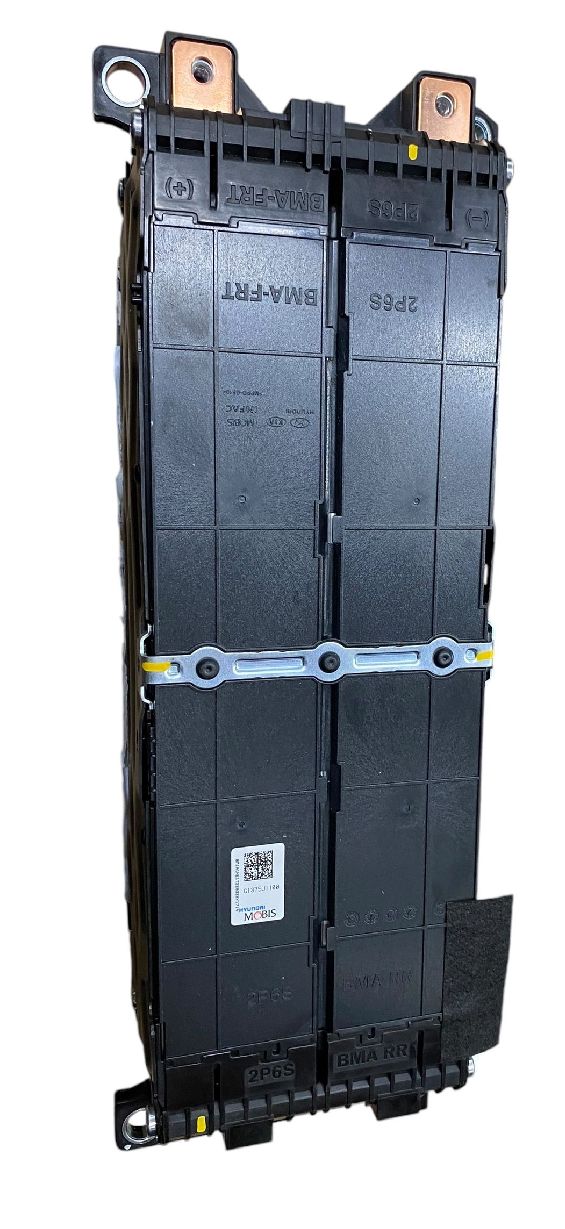
We Have This Part in Stock

The information in this article is provided for general reference and educational purposes only. Vehicle specifications, procedures, and part compatibility can vary by production date, trim level, and region. Always consult your vehicle's factory service manual and verify part numbers before purchasing or performing repairs. Safety-critical components such as airbags, seat belts, and braking systems should be installed by a qualified professional.
- Chrysler Pacifica:
- 🎬 Helpful Videos
- 🛍️ Shop This Part
- What's Unique About the 2017-2026 Chrysler Pacifica
- Symptoms You May Notice
- Most Likely Causes
- Rare But Worth Checking
- Diagnosis Steps
- Parts You'll Likely Need
- Related Codes That Often Appear With This One
- Technical Service Bulletins (TSBs) & Recalls
- Platform-Specific Known Issues
- Mechanic-Grade Diagnostic Values
- Scan Tool Commands That Help
- Wiring & Ground Locations
- Real Owner Repair Stories
- OEM Part Supersession History
- Model Year Variations Within This Range
- Diagnostic Flowchart
- Other Known Issues on This Vehicle
- Used vs. New Parts: Buying Guide for This Vehicle
- Real Owner Stories
- 2017 Chrysler Pacifica Hybrid 3.6L V6
- 2019 Chrysler Pacifica Hybrid 3.6L V6
- 2021 Chrysler Pacifica Hybrid 3.6L V6 — ~45000 miles
- Chrysler Owner Report
- Related OBD-II Codes
- Frequently Asked Questions
- 🎟️ Get 5% Off