

OBD-II Code U0111: Lost Communication With Battery Energy Control Module 'A'
What U0111 means, why it triggers, and how to fix it
- Code U0111 indicates the Powertrain Control Module has lost CAN bus communication with the Battery Energy Control Module (BECM), disabling high-voltage system management.
- Do not drive the vehicle; the loss of battery management causes unexpected engine stalls, no-start conditions, and disables the hybrid charging system.
- Test the 12V battery first—voltage below 12.4V is the leading cause of U0111—before paying $1,500+ for a BECM replacement.
- Check for manufacturer Technical Service Bulletins (TSBs) immediately, as software updates resolve this code on major models like the Chevrolet Volt and Jeep Wrangler 4xe.
What Does U0111 Mean?

Code U0111 means the Powertrain Control Module (PCM) lost its communication link with the Battery Energy Control Module (BECM). The BECM is the brain for the high-voltage battery system in a hybrid or electric vehicle. Without this connection, the vehicle cannot monitor battery state of charge, temperature, or health, triggering immediate safety shutdowns.
Technical definition: The SAE/ISO definition for U0111 is "Lost Communication With Battery Energy Control Module 'A'". This indicates the serial data link between the BECM (also known as the BPCM, BMS, or BCM-HVTB) and other control modules on the Controller Area Network (CAN) bus has been interrupted for a specified period, typically exceeding two seconds.
Can I Drive With U0111?
No — Do Not Drive. Do not drive the vehicle. The module controlling the high-voltage battery is offline, causing stalling, a no-start condition, or unpredictable behavior. On vehicles like the Jeep Wrangler 4xe, this fault causes unexpected engine shutdown while driving. 🎬 See how the Wrangler 4xe shutdown recall affects your vehicle. On mild-hybrids, you lose auto start/stop functionality and risk being stranded or damaging the hybrid system.
Common Causes

- Weak or faulty 12V battery (Very Common) — The conventional 12V battery powers all electronic modules, including the BECM. If the 12V battery drops below 12.4V or fails a load test, modules shut down or communicate unreliably, triggering a U0111 code before any actual high-voltage battery issue occurs.
- Software glitches or outdated module software (Very Common) — A glitch within the BECM's programming or a conflict with another module's software causes it to drop off the network. Manufacturers frequently release software updates (calibrations) to fix these known bugs, as documented in TSBs for Chevrolet, Jeep, and Land Rover.
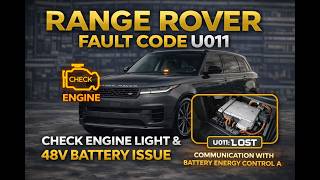
- Damaged wiring harness or corroded connectors (Common) — Connectors at the BECM become corroded from moisture, or the CAN bus wiring chafes against the chassis. This creates high resistance and severs the communication link. A known Land Rover issue involves a harness routed with too much tension from the factory, pulling pins loose. 🎬 Watch: Why Range Rovers get this U0111-11 fault code.
- Blown fuses or faulty relays (Less Common) — The BECM relies on a dedicated power supply circuit protected by fuses and relays. A blown fuse instantly cuts power to the module, forcing it offline and triggering the U0111 code.
- Low state of charge in the high-voltage battery (Less Common) — If a hybrid vehicle sits parked for over 30 days, the high-voltage battery's charge drops below a critical threshold (e.g., 25%). The BECM enters a deep sleep or power-save mode to preserve energy, ceasing communication and setting the code.
- Failed Battery Energy Control Module (BECM) (Rare) — The BECM fails internally due to thermal stress, vibration, or circuit board failure. This is the most expensive repair and is only diagnosed after ruling out 12V power, grounds, and wiring.
- Interference from aftermarket electronics (Rare) — Improperly installed aftermarket accessories (remote starters, alarms, or incompatible alternators on mild-hybrids) tapped into the CAN or LIN bus create signal interference, causing communication modules to drop offline.
Symptoms

- Check Engine Light or Service Hybrid System warning — An illuminated Malfunction Indicator Lamp (MIL) or a specific warning message about the hybrid, charging, or start/stop system appears immediately on the dashboard.
- Vehicle will not start or stalls — The main computer prevents the vehicle from starting as a precaution, or stalls the engine while driving because it cannot confirm the safety status of the high-voltage battery.
- Inability to charge the high-voltage battery — The BECM controls the charging process. When offline, the vehicle cannot charge its high-voltage battery via plug-in or regenerative braking.
- Reduced power or 'limp mode' — The vehicle enters a reduced power mode to protect powertrain components when critical battery data is unavailable.
- Auto Start/Stop system disabled — In mild-hybrid and full-hybrid vehicles, the automatic engine start/stop feature disables completely because it depends on the BECM for battery status.
- Loss of accessory power or erratic gauges — A communication loss disrupts the entire CAN bus, causing seemingly unrelated issues like inoperative power windows, door locks, or a speedometer that behaves erratically.
Diagnostic Flowchart
Tap your situation to follow the diagnostic path that matches what you're seeing on this code.
Common Fixes & Costs
- Replace the 12V Battery — Parts: $150-$350, Labor: $50-$100, ~0.5 hr book time (DIY)
- Update Control Module Software — Parts: $0, Labor: $150-$300, ~1.5 hr book time (Professional)
- Repair Damaged Wiring, Connectors, or Grounds — Parts: $10-$50, Labor: $150-$800, ~2.5 hr book time (Intermediate)
- Replace Blown Fuses or Relays — Parts: $5-$30, Labor: $50-$100, ~0.5 hr book time (DIY)
- Replace the Battery Energy Control Module (BECM) — Parts: $500-$2500, Labor: $300-$1000, ~8 hr book time (Professional)
Used vs. New Parts: Buying Guide
When a used part is worth it: Buying a used BECM is never recommended. A used module is locked to the donor vehicle's VIN and cannot be reprogrammed, making it unusable.
Donor-vehicle mileage cap: roughly under 40000 miles for the part to have meaningful remaining life.
Donor quality checklist:
- Verify the donor vehicle was not in a flood or serious accident.
- Confirm the exact part number matches; superseded numbers are often incompatible.
- Get a written guarantee that the module is 'virgin' or unlocked and can be programmed to your vehicle's VIN.
Decision logic:
- If The part is a Battery Energy Control Module (BECM) → Buy a new, genuine OEM part. The risk of a used part being VIN-locked is too high.
- If Vehicle is still under the federal 8-year/100,000-mile hybrid component warranty → Use the dealer for a new OEM part covered by warranty.
- If Budget is the absolute primary concern and you accept the risk → A 'refurbished' module from a reputable rebuilder with a long warranty is a better risk than a salvage yard part.
Warranty tradeoff: Used salvage parts offer a 30-day warranty, which is insufficient for intermittent issues. A new OEM part installed by a dealer comes with a 1 to 2-year parts and labor warranty.
Worst-case if a used part fails: $500-$1500 if a used part is dead on arrival, requiring you to pay for installation labor twice plus the cost of the new part.
What Happens If You Wait — Timeline
- 0-2 weeks: Check Engine Light illuminates. Hybrid features like Auto Start/Stop are disabled. A slight hesitation occurs on acceleration. (MPG impact: 0-5%% · Added cost: $0)
- 2 weeks - 3 months: Risk of intermittent no-start conditions or stalling increases. Vehicle unpredictably enters 'limp mode'. Inability to charge the high-voltage battery occurs. (MPG impact: 5-10%% · Added cost: $100-$500 (for potential towing and diagnostic fees))
- 3-6 months: High-voltage battery is not properly managed. Cell balancing ceases, causing permanent degradation from over-charging or over-discharging. (MPG impact: 10-15%% · Added cost: $500-$1500 (early-stage, irreversible battery degradation))
- 6+ months: Severe, irreversible damage to the high-voltage battery pack occurs due to a complete lack of thermal management, requiring full replacement. (MPG impact: 15-25%+% · Added cost: $3000-$15000 (cost of a replacement high-voltage battery pack))
Cost of Not Fixing It
- Immediate: Vehicle stalls unexpectedly while driving or fails to start, creating a significant safety risk. Hybrid-specific features like Auto Start/Stop are disabled. (Added cost: $0 (but high safety risk))
- 0-3 months: Being stranded requires a tow. The vehicle unpredictably enters 'limp mode' with reduced power, and the high-voltage battery fails to charge. (Added cost: $100-$500 (for towing and diagnostic fees))
- 3+ months: Long-term degradation of the high-voltage battery occurs due to a lack of proper management and cell balancing from the offline BECM, leading to premature pack failure. (Added cost: $3000-$15000 (cost of a replacement high-voltage battery))
Diagnosis Steps

- Test the 12V Battery and Charging System
Verify the health of the standard 12V battery first. Use a multimeter to ensure it has at least 12.4V with the car off. Perform a load test to ensure it doesn't drop below 10V while cranking. A weak 12V battery is the leading cause of random communication faults.
Tools: Multimeter, Electronic Battery Tester (Beginner) - Scan for All Trouble Codes
Use a quality OBD-II scanner capable of reading manufacturer-specific and network codes ('U' codes). Record all codes from all modules and their freeze-frame data. Note which module logged the U0111 to isolate the network branch.
Tools: OBD-II Scanner (CAN-capable) (Beginner) - Check for Technical Service Bulletins (TSBs)
Search online for TSBs or recalls related to U0111 for your specific VIN. Manufacturers frequently release bulletins for known issues requiring software updates (GM TSB PIC5829, Jeep Recall 22V-865) or specific wiring repairs (Land Rover TSB SSM 75783).
Tools: Internet Access, Vehicle Information Subscription (Intermediate) - Inspect Fuses and Relays
Consult the service manual to locate all fuses and relays related to the BECM and the hybrid system. Visually inspect the fuses and test for continuity with a multimeter.
Tools: Owner's Manual, Multimeter or Fuse Tester (Beginner) - Perform a Visual Inspection of Wiring
Inspect the wiring harness and connectors going to the BECM. Look for physical damage, rodent chew, chafing, corrosion, or loose connections. Pay close attention to areas where the harness is under tension.
Tools: Flashlight, Inspection Mirror (Intermediate) - Verify Module Power and Ground Under Load
With the BECM connected and ignition on, use a multimeter to back-probe the power and ground terminals. Verify battery voltage (12.6V) is present on the power wire. For the ground, a good circuit reads less than 0.1V. Wiggle the harness to check for intermittent drops.
Tools: Multimeter with back-probe pins, Wiring Diagram (Advanced) - Check CAN Bus Termination Resistance
With the 12V battery disconnected, measure the resistance between the CAN High and CAN Low pins at the DLC or BECM connector. A healthy high-speed CAN network reads approximately 60 ohms. A reading of 120 ohms means a terminator is offline or a wire is broken; 0 ohms indicates a short.
Tools: Multimeter, Vehicle-specific Wiring Diagram (Advanced) - Perform CAN Bus Waveform Analysis
Using an oscilloscope, probe the CAN High and CAN Low lines. At idle, both should sit at 2.5V. When communicating, CAN-H jumps to ~3.5V and CAN-L drops to ~1.5V. Any deviation or noise points to a specific wiring or module fault.
Tools: Automotive Oscilloscope, Wiring Diagram (Professional)
When This Code Triggers (Freeze-Frame Conditions)
- Module Voltage: 11.5-12.5V (Low 12V battery voltage at time of fault)
- Vehicle Speed: 0 mph (Fault logged at startup (Key On, Engine Off))
- RPM: 0 (Fault logged before engine start)
- Time Since Start: 1-5 seconds (Communication loss detected shortly after ignition on)
Related Codes
- U0100 — 'Lost Communication with ECM/PCM'. Often appears with U0111. If other modules log U0100, the ECM/PCM itself is offline due to a power/ground issue. If the ECM/PCM logs U0111, the fault is with the BECM.
- U0293 — 'Lost Communication with Hybrid Powertrain Control Module'. Points towards a wider network failure on the main CAN bus backbone rather than an issue isolated to the BECM.
- P0AFA — 'Hybrid/EV Battery System Voltage Low'. A direct consequence of U0111. The offline BECM cannot report voltage, logging P0AFA. Fixing the U0111 communication fault resolves P0AFA.
- P1A10 — 'Hybrid Powertrain Control Module - Battery Disabled'. Confirms the loss of communication resulted in the system entering a fail-safe state. Fixing U0111 is required to clear this code.
Climate & Environmental Factors
- Extreme Cold: On Chrysler, Jeep, and Stellantis models, the Battery Pack Control Module (BPCM) circuit board fails to 'wake up' in single-digit Fahrenheit temperatures, triggering U0111 (TSB S2108000056RevD).
- High Humidity: Accelerates corrosion on wiring harness connectors and ground points, creating high resistance that interrupts sensitive CAN bus signals.
How to Talk to a Mechanic About This Code
Say this: "I have a U0111 code and need to schedule a diagnostic appointment. Please start by load testing the 12V battery and checking for any TSBs related to software updates or wiring harness issues for my VIN before investigating the BECM itself."
This directs the technician to follow a logical, cost-effective diagnostic path, preventing them from immediately quoting an expensive module replacement.
Avoid saying:
- 'My check engine light is on, can you look at it?'
- 'My hybrid battery is acting up.'
- 'Just fix whatever's wrong, I don't care what it costs.'
Questions to ask before authorizing the repair:
- What was the result of the 12V battery load test?
- Did you find any open TSBs or recalls for my vehicle's VIN related to this code?
- If you are recommending a BECM replacement, can you show me the test results proving proper power, ground, and a clean CAN signal at the module connector?
- Does the quoted price for the module replacement include the necessary programming and initialization?
- What is the warranty on both the parts and labor for this specific repair?
Where to Take It: Dealer vs Independent vs Chain
- Dealer:
Highly Recommended. The dealer has exclusive access to necessary software updates, high-voltage trained technicians, and specific diagnostic equipment required to safely fix a U0111 code.
Best for: Vehicles under warranty (base or 8yr/100k-mile hybrid warranty), Repairs requiring manufacturer-specific software updates, Complex diagnostics involving proprietary tools
Downsides: Highest labor rates, May default to module replacement without exhausting all diagnostic steps if not prompted (Typical cost: +50% vs. baseline) - Independent Shop:
Use with Caution. Only choose an independent shop if they explicitly specialize in hybrid/EV repair and possess the equipment to handle high-voltage systems and module programming.
Best for: Out-of-warranty vehicles where the cause is a simple wiring or 12V battery issue
Downsides: Must be a verified hybrid/EV specialist; general mechanics lack high-voltage training., May not have access to the latest manufacturer software or programming capabilities. (Typical cost: +0% vs. baseline) - Chain Shop:
AVOID. Chain shops are not suited for diagnosing or repairing complex hybrid communication faults.
Best for: Selling you a 12V battery (if that's the root cause)
Downsides: Not equipped or trained for high-voltage system diagnostics or repair., High risk of misdiagnosis and being sold unnecessary parts. (Typical cost: -10% vs. baseline)
When to Walk Away From the Repair
If the estimated repair cost for the worst-case scenario (e.g., BECM replacement) exceeds 50% of the car's current private-party value, seriously consider selling the vehicle as-is.
- Car worth $5000, fix is $2800: Walk away. The repair cost is over 50% of the car's value. You are unlikely to recoup this cost.
- Car worth $25000, fix is $2800: Fix it. The repair cost is significant but well below the 50% threshold. Fixing it preserves the value of a much more expensive asset.
- Car worth $8000, fix is $4000: Borderline. This is exactly at the 50% threshold. Get a second opinion, and consider if the rest of the vehicle is in excellent condition before proceeding.
What Scan Tool You Need for This Code
Minimum: A scanner that performs a 'full system scan' to read manufacturer-specific codes (B-codes, C-codes, U-codes) from the BECM, not just generic engine codes.
A standard $20 code reader only checks the engine for generic 'P' codes. It cannot communicate with the BECM or other modules on the CAN bus, making it blind to the source of a U0111 fault.
Budget: BlueDriver Bluetooth Pro (~$99) — Connects to a smartphone app and reads/clears codes from all modules. Allows viewing of live data, such as module voltage, to verify power supply.
Mid-range: Foxwell NT510 Elite / Autel MaxiCOM MK808Z (~$250-450) — Tablet-style scanners offering full-system diagnostics and live data graphing. They provide bidirectional controls to perform active tests on specific modules.
Professional: Launch X431 Series / Autel MaxiSys MS906 (~$500-1500) — Offers full bidirectional control, ECU coding, and module programming. These tools perform software updates and program a new BECM.
Rent vs buy: Renting is not recommended. Most rental tools are basic code readers lacking all-system scan capability. Buy a capable mid-range scanner or pay for a professional diagnosis.
How to Clear the Code After You Fix It
- Ensure all repairs (wiring, module replacement) are complete.
- Reconnect the 12V battery if it was disconnected.
- Use a compatible OBD-II scan tool to erase the DTCs from all modules.
- Perform a key cycle (turn ignition off, then on again) and check if the code returns immediately.
Drive cycle (~20 minutes): Cold start the vehicle and let it idle for 2-3 minutes. Drive in mixed city conditions (stop-and-go) for 10 minutes. Drive at a steady highway speed (50-60 mph) for 5 minutes. Allow the vehicle to cool down completely and restart to ensure the code does not reappear.
Readiness monitors affected: Comprehensive Component Monitor, CAN Bus System
Before emissions retest: drive at least 50 miles to fully set monitors.
Watch out for:
- Disconnecting the 12V battery clears the code temporarily, but it returns immediately if the root cause isn't fixed.
- Forgetting to reprogram or initialize a new BECM causes the code to persist even with a new part.
- If the code returns, re-investigate wiring, power, grounds, and check for TSBs before condemning the new part.
Will This Fail Emissions / State Inspection?
Yes — this code typically fails an OBD-II emissions inspection.
- California: An illuminated Check Engine light results in an automatic smog check failure. U0111 prevents readiness monitors from setting.
- New York: An active U0111 code with the MIL on is an automatic failure during the OBD-II test.
- Texas: A communication code like U0111 that illuminates the check engine light results in a failed inspection in the 17 counties requiring emissions testing.
Most Commonly Affected Vehicles
- Land Rover Range Rover, Range Rover Sport (2019-2022) — Documented in TSB SSM 75783: a strained wiring harness causes high resistance at the BECM connector C4YB01D. Software glitches are also addressed in TSB SFCC_DEC2020_31.
- Chevrolet Volt (2011-2013) — GM TSB PIC5829 advises technicians to reprogram the BECM with an updated calibration to fix the U0111 code rather than replacing the module.
- Jeep Wrangler 4xe (2021-2023) — NHTSA Recall 22V-865 addresses engine shutdown from this communication loss via a software update. TSB S2108000056RevD notes the BPCM fails to communicate in very cold temperatures.
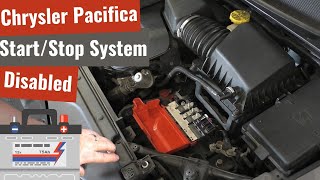
- Chrysler Pacifica Hybrid (2019-2023) — In very cold weather, the BPCM fails to 'wake up', triggering this code. Documented in Stellantis case S2108000056 Rev. D.
- Nissan Qashqai, Pulsar (2015-2022) — A broken wire in the harness near the alternator disrupts communication. Incompatible aftermarket alternators also trigger this code.
- Ford Fusion Hybrid, C-Max Hybrid, Escape Hybrid (2010-2019) — Ford refers to the module as the BCM-HVTB. Service procedures advise checking if the code is also present in the Instrument Cluster to isolate the fault.
- Toyota Prius (2006-2009) — Often appears alongside U0100 due to a failing 12V battery. Damaged O2 sensor wires can short and blow the EFI fuse, cutting power to modules and causing communication codes.
- Honda Accord Hybrid, Insight (2014-2022) — Service information points to standard CAN bus diagnostics, verifying power and ground circuits for the Battery Condition Monitor Module.
- Kia / Hyundai Optima Hybrid, Sonata Hybrid (2011-2020) — Service manuals emphasize checking for poor connections, corrosion, or damage in the harness and connectors as a primary step for C-CAN communication codes.
Manufacturer-Specific Notes
- General Motors (Chevrolet): For 2011-2013 Volts, TSB PIC5829 explicitly advises technicians NOT to replace the BECM for a U0111 code until they reprogram it with the latest software calibration.
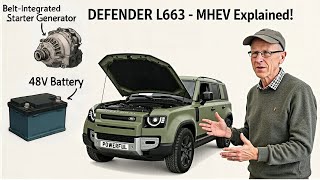
- Land Rover: On 2019-2022 MHEV models, the wiring harness to the BECM was routed incorrectly at the factory, causing tension on connector C4YB01D. The official fix (TSB SSM 75783) is to re-route the harness.
- Chrysler/Jeep/Stellantis: On Pacifica Hybrids and Wrangler 4xe models, the BPCM fails in single-digit Fahrenheit temperatures, remaining offline until power is cycled. TSB S2108000056RevD advises replacement if this occurs.
- Ford: Ford refers to the module as the BCM-HVTB. Diagnosis involves checking which other modules (like the Instrument Cluster) logged the U0111 code to determine if the BCM-HVTB or the network is the root cause.
Real Owner Stories
2020 Range Rover Sport MHEV
Check Engine Light came on, disabling the auto start/stop function and causing a slight jerk when accelerating from a stop.
What they tried:
- Researched DIY options but found none viable for this complex system.
Outcome: The dealer replaced the entire MHEV battery, which contains the BECM, and performed reprogramming. Total cost was approximately $2,500.
Lesson: On modern mild-hybrids, the BECM is integrated into the battery assembly, making it a non-DIY repair requiring dealer-specific tools.
2011-2013 Chevrolet Volt
Vehicle would not start and displayed multiple error messages, including battery charging failure. Codes U0111 and U1860 were present.
What they tried:
- Trickle-charged the 12V battery, which temporarily resolved the issue.
- Called for a jump start when the problem reoccurred.
Outcome: Replacing the weak 12V AGM battery permanently resolved the communication codes and the no-start condition.
Lesson: A failing 12V battery is a primary cause of multiple communication codes. Always test the 12V battery before diagnosing expensive modules.
2019 Chrysler Pacifica Hybrid
Vehicle would not start and was left stranded during a cold snap. Code U0111 was triggered.
What they tried:
- Towed the vehicle to the dealer for diagnosis.
Outcome: The dealer diagnosed a failed Battery Pack Control Module (BPCM), a known issue in extreme cold documented in STAR Case S2108000056. The BPCM was replaced.
Lesson: Environmental factors trigger this code. For Stellantis hybrids, extreme cold causes BPCM failure, requiring module replacement.
2020 Range Rover Sport with intermittent U0111
Check Engine Light appeared with code U0111, but there were no other noticeable symptoms.
What they tried:
- Disconnected the main 12V battery for a period of time while doing other work.
Outcome: After reconnecting the battery, the system rebooted, and the U0111 code did not return over several drives.
Lesson: For an intermittent code with no symptoms, a 'hard reset' by disconnecting the 12V battery for 30 minutes clears temporary software glitches.
How to Prevent This Code From Triggering
- Test the 12V Battery Annually (Every 12 months) — A weak 12V battery is the most common cause of communication codes. Annual testing catches a failing battery before modules drop offline.
- Keep Module Software Updated (During regular dealer service visits) — Manufacturers release software updates to fix communication glitches. Applying updates prevents known software-related faults.
- Avoid Long-Term Storage Without a Tender (If storing vehicle for 30+ days) — Inactivity drains both batteries, causing the BECM to enter sleep mode. Use a smart trickle charger for the 12V battery and drive periodically.
- Inspect for and Address Water Leaks (Seasonally or after heavy rain) — Moisture intrusion corrodes connectors and ground points. Check for damp carpets to prevent corrosion-related communication failures.
- Use Caution with Aftermarket Electronics (When installing accessories) — Improperly tapping into CAN bus wiring introduces electrical noise, causing modules to lose communication. Ensure parts are professionally installed.
Frequently Asked Questions
What is a Battery Energy Control Module?
The Battery Energy Control Module (BECM) is a dedicated computer acting as the brain for the high-voltage battery pack. It manages charging, discharging, temperature, and reports battery health to the rest of the vehicle.
Can a bad 12V battery really cause this hybrid code?
Yes. All vehicle computers, including the BECM, are powered by the 12V system. If the voltage drops below 12.4V, modules cannot communicate reliably, making this the most common trigger for U0111.
What are the most common misdiagnosis mistakes for U0111?
A frequent mistake is immediately replacing the expensive BECM or high-voltage battery. Technicians must first rule out a weak 12V battery, blown fuses, and known software bugs detailed in TSBs.
How much does it cost to fix a U0111 error?
The cost ranges from $150 to over $3,000. A software update costs $150-$300, while a wiring repair runs $200-$800. Replacing the BECM costs $2,500 or more, especially if integrated with the battery pack.
Is this repair covered under a hybrid or emissions warranty?
The BECM is a specified major hybrid component covered by the federal 8-year/100,000-mile warranty. However, simple wiring or fuse issues fall under the shorter bumper-to-bumper warranty. Always check with your dealer, as recalls (like the Jeep Wrangler 4xe) are performed for free.
Can I prevent code U0111?
Ensure your 12V battery remains above 12.4V, as low voltage is the primary trigger. Ask your dealer to apply available software updates during routine service. Avoid installing low-quality aftermarket electronic parts that interfere with the CAN bus network.
What tools are needed to diagnose U0111?
Basic diagnosis requires a CAN-capable OBD-II scanner and a multimeter. Advanced diagnosis requires vehicle-specific wiring diagrams, an automotive oscilloscope, and manufacturer-specific diagnostic tools.
Do I need a special mechanic for this problem?
Yes, diagnosing high-voltage systems and CAN bus networks requires specialized tools and safety training. Stop DIY diagnosis after checking the 12V battery and fuses; take the vehicle to a certified hybrid technician for module programming or replacement.
Key Takeaways
- Code U0111 indicates the Powertrain Control Module has lost CAN bus communication with the Battery Energy Control Module (BECM), disabling high-voltage system management.
- Do not drive the vehicle; the loss of battery management causes unexpected engine stalls, no-start conditions, and disables the hybrid charging system.
- Test the 12V battery first—voltage below 12.4V is the leading cause of U0111—before paying $1,500+ for a BECM replacement.
- Check for manufacturer Technical Service Bulletins (TSBs) immediately, as software updates resolve this code on major models like the Chevrolet Volt and Jeep Wrangler 4xe.
Helpful Videos

The information in this article is provided for general reference and educational purposes only. Vehicle specifications, procedures, and part compatibility can vary by production date, trim level, and region. Always consult your vehicle's factory service manual and verify part numbers before purchasing or performing repairs. Safety-critical components such as airbags, seat belts, and braking systems should be installed by a qualified professional.
- 🎬 Helpful Videos
- What Does U0111 Mean?
- Can I Drive With U0111?
- Common Causes
- Symptoms
- Diagnostic Flowchart
- Common Fixes & Costs
- Used vs. New Parts: Buying Guide
- What Happens If You Wait — Timeline
- Cost of Not Fixing It
- Diagnosis Steps
- When This Code Triggers (Freeze-Frame Conditions)
- Related Codes
- Climate & Environmental Factors
- How to Talk to a Mechanic About This Code
- Where to Take It: Dealer vs Independent vs Chain
- When to Walk Away From the Repair
- What Scan Tool You Need for This Code
- How to Clear the Code After You Fix It
- Will This Fail Emissions / State Inspection?
- Most Commonly Affected Vehicles
- Manufacturer-Specific Notes
- Real Owner Stories
- 2020 Range Rover Sport MHEV
- 2011-2013 Chevrolet Volt
- 2019 Chrysler Pacifica Hybrid
- 2020 Range Rover Sport with intermittent U0111
- How to Prevent This Code From Triggering
- Frequently Asked Questions
- What is a Battery Energy Control Module?
- Can a bad 12V battery really cause this hybrid code?
- What are the most common misdiagnosis mistakes for U0111?
- How much does it cost to fix a U0111 error?
- Is this repair covered under a hybrid or emissions warranty?
- Can I prevent code U0111?
- What tools are needed to diagnose U0111?
- Do I need a special mechanic for this problem?
- Key Takeaways
- 🎟️ Get 5% Off