

P0524 on 2011-2018 Porsche Cayenne: Engine Oil Pressure Too Low Causes and Fixes
P0524 indicates critically low engine oil pressure. On a 2011-2018 Cayenne, this is a critical warning that requires you to stop the engine immediately. The most common causes are a faulty oil pressure sensor or genuinely low oil levels, but it can also point to a failing oil pump or, on V8 models, be a secondary effect of other serious issues like camshaft adjuster bolt failure. Do not drive the vehicle until this is diagnosed with a mechanical gauge.
- P0524 is a critical code. Stop the engine immediately to prevent catastrophic damage.
- The first and most important step is to verify the actual oil pressure with a mechanical gauge.
- The most common cause is a faulty oil pressure sensor, which is a relatively inexpensive fix.
- Never assume the sensor is bad; always confirm, as a real low-pressure condition will destroy the engine.
- Ensure you are using the correct Porsche-specified engine oil viscosity and a high-quality oil filter.
What's Unique About the 2011-2018 Porsche Cayenne

The 2011-2018 Porsche Cayenne (E2/958 generation) uses a sophisticated engine management system with a variable displacement oil pump on some engines and continuously monitors oil pressure. While P0524 is a universal code, on these high-performance engines, it's treated with extreme seriousness. Some early models were subject to a service campaign (W738) for a DME reprogramming, as manufacturing tolerances in oil spray jets could cause intermittent low-pressure warnings. A more serious, platform-specific issue on 2010-2012 V8 models is the potential for camshaft adjuster bolts to shear; this can disrupt oil pressure and lead to catastrophic engine failure. The primary diagnostic challenge is distinguishing between a faulty sensor sending bad data and a genuine, engine-threatening loss of oil pressure.
Symptoms You May Notice

- Red 'Oil pressure too low' warning on the instrument cluster.
- Check Engine Light may be illuminated.
- Ticking, knocking, or grinding noises from the engine.
- Reduced engine power or 'limp mode' activation.
- Engine stalling or shutting down automatically.
- Oil pressure gauge reading zero or abnormally low.
- Replacing the oil pump immediately without first verifying the actual oil pressure with a mechanical gauge. The sensor is a much more common and cheaper failure point.
- Ignoring the warning because it is intermittent. Any low oil pressure warning should be treated as a critical failure until proven otherwise.
- Attributing the code to a bad sensor on an early V8 model without checking service history for the camshaft adjuster bolt campaign (AH08).
Most Likely Causes

- Faulty Engine Oil Pressure Sensor (Sending Unit) 🔴 High Probability Sensors are a common failure point. They can fail internally or leak oil through the connector, providing false low-pressure readings to the computer even when the actual pressure is normal. This is the most common culprit when a mechanical gauge shows proper oil pressure.
How to confirm: The definitive test is to connect a mechanical oil pressure gauge. If the mechanical gauge shows normal pressure (e.g., >1.0 bar at warm idle) while the vehicle's electronics report low pressure, the sensor is bad. Oil found inside the sensor's electrical connector is also a clear sign of failure.
Typical fix: Replace the engine oil pressure sensor and clear the code. The sensor is located on the engine block and can be difficult to access.
Est. part cost: $50-$150 - Low Engine Oil Level 🟡 Medium Probability All engines consume some oil, and leaks can accelerate this loss. The 958 Cayenne has several known oil leak points (e.g., timing cover, valve covers). If the level drops too low, the oil pump pickup can suck in air, causing a sudden drop in pressure.
How to confirm: Check the engine oil level using the electronic oil level monitor in the instrument cluster after letting the car sit on a level surface. Visually inspect for oil leaks on the garage floor or engine undertray.
Typical fix: Top up the oil to the correct level with a Porsche A40 (for gasoline V8/V6) or C30 (for Diesel) approved oil. Repair any leaks found.
Est. part cost: $20-$100 (for oil) - Incorrect Oil Viscosity or Clogged Oil Filter 🟡 Medium Probability Using oil that is too thin (e.g., 0W-20) or not to Porsche A40/C30 specification can lead to a loss of pressure, especially when the engine is hot. A clogged, collapsed, or incorrect aftermarket oil filter can restrict flow, also causing a pressure drop.
How to confirm: Verify the service history or the oil currently in the engine. Check the part number on the oil filter. Ensure a Porsche-approved oil like Mobil 1 0W-40 or 5W-40 is used.
Typical fix: Perform an oil and filter change using the correct Porsche-spec oil and a quality OEM (Mahle, Mann) or genuine Porsche filter.
Est. part cost: $100-$250 - Failing Oil Pump ⚪ Low Probability
How to confirm: This is confirmed if a mechanical gauge shows consistently low oil pressure across the RPM range, and the oil level, filter, and sensor have been ruled out. A code like P1539 (oil pump control) may also be present.
Typical fix: Replacement of the oil pump, which is a labor-intensive job requiring removal of the oil pan.
Est. part cost: $400-$800
Rare But Worth Checking
- Sheared Camshaft Adjuster Bolts (V8 engines, esp. 2011-2012): On early 958 V8 engines, the aluminum bolts holding the VarioCam adjusters can shear off. The bolt heads can fall into the oil pan, potentially getting sucked into the oil pump pickup, starving the pump and causing a sudden loss of oil pressure. This is a catastrophic failure that can also lead to loss of timing and engine destruction. A recall/service campaign (AH08) was issued to replace these with steel bolts.
- Worn Internal Engine Components: This is the worst-case scenario. Excessive clearance in engine bearings (rod bearings, main bearings) from high mileage or previous oil starvation can cause a significant drop in oil pressure. This is usually accompanied by knocking noises and is a sign of a severely worn engine requiring a rebuild or replacement.
- Clogged Oil Pickup Tube Screen: Sludge, silicone from previous repairs, or debris (like sheared bolt heads) can clog the screen on the oil pump's pickup tube, starving the pump for oil. This would be investigated during an oil pan inspection or oil pump replacement.
Diagnosis Steps

- STOP THE ENGINE IMMEDIATELY. Do not run the engine to 'see what happens'.
- Check the engine oil level via the instrument cluster menu. If low, top it up with Porsche A40/C30 spec oil and check for obvious, major leaks.
- If the oil level is correct, have the vehicle towed to a qualified repair shop. Do not risk starting it again.
- A technician must connect a mechanical oil pressure gauge to the engine to verify the true oil pressure. This is the most critical step.
- If the mechanical gauge shows good pressure, the oil pressure sensor is faulty and should be replaced. Inspect the sensor's electrical connector for oil contamination.
- If the mechanical gauge confirms low oil pressure, further diagnosis is needed. Verify the correct oil filter and oil type are being used.
- If the filter and oil are correct, the oil pan should be dropped to inspect the oil pickup tube for blockage (sludge, debris) and check for sheared bolt heads (on V8s).
- If the pickup is clear, the oil pump itself is the next suspect.
- If the oil pump is functioning correctly but pressure is still low, the problem is likely severe internal engine wear (e.g., bearings), requiring an engine teardown.
Parts You'll Likely Need
- Engine Oil Pressure Sensor
(OEM #948-606-213-00 (for V8 models), 955-606-091-02 (for V6 models))— This sensor is the most likely component to fail and send an erroneous low-pressure signal, making it the most common fix when actual pressure is good.
Trusted brands: Bosch, Hella, Porsche (OEM)
OEM price range: $100-$180
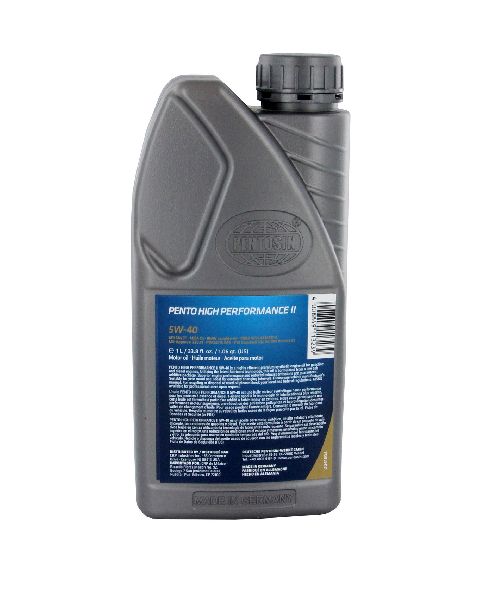
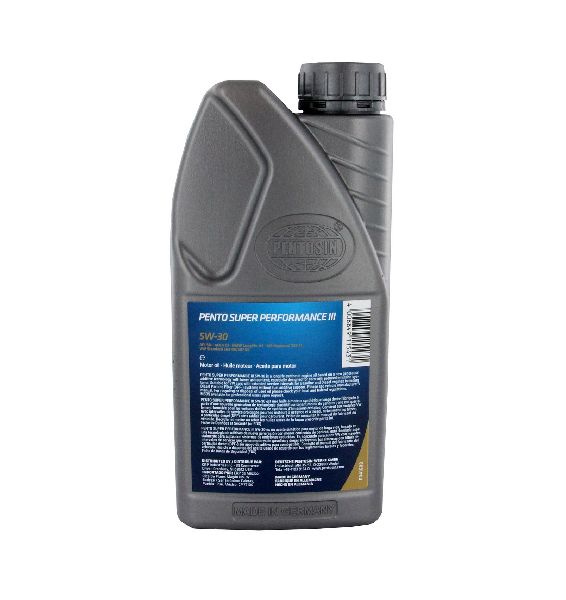
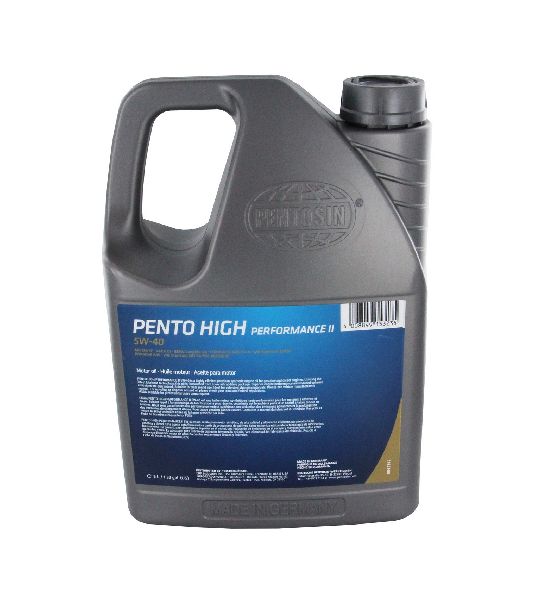
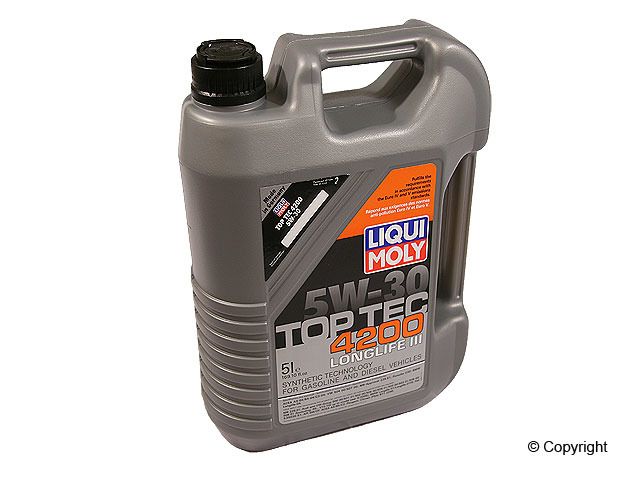
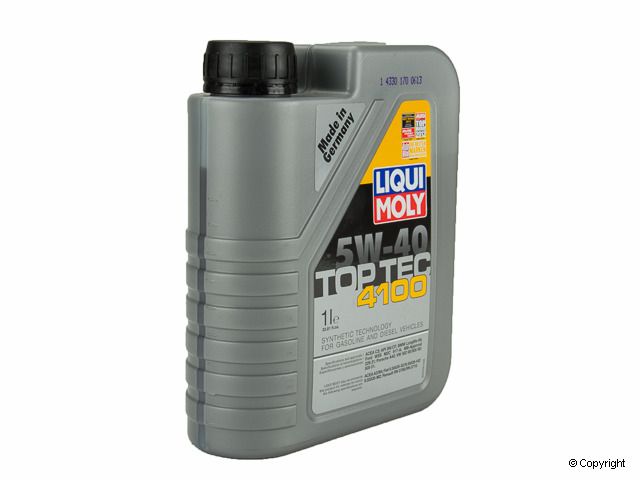
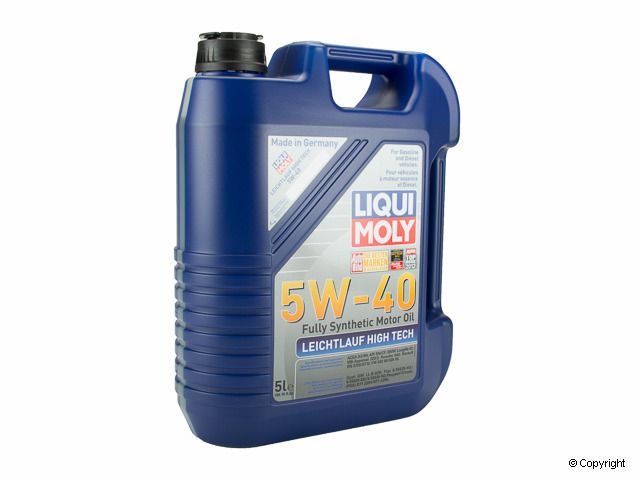
Aftermarket price range: $50-$100 - Engine Oil and Filter Kit — Using the wrong oil viscosity or a clogged filter can cause this code. An oil change with the correct Porsche-approved oil (e.g., Mobil 1 0W-40 or 5W-40, Porsche Spec A40 for gas, C30 for diesel) and a quality filter is a key diagnostic step and maintenance item.
Trusted brands: Mahle, Mann-Filter, Porsche (OEM)
OEM price range: $150-$250
Aftermarket price range: $80-$150
Related Codes That Often Appear With This One
- P0521 — P0521 indicates 'Engine Oil Pressure Sensor/Switch Range/Performance'. It can sometimes precede the more critical P0524 code as the sensor begins to fail.
- P0520 — P0520 indicates a fault in the sensor's electrical circuit itself (e.g., a short or open). This points more directly to an electrical issue rather than a pressure reading.
- P1539 — P1539 indicates an issue with the oil pump control circuit, which could appear alongside a genuine low-pressure reading.
Technical Service Bulletins (TSBs) & Recalls
- NHTSA Campaign ID: 17V368000 (Porsche AH08) - Concerns the replacement of camshaft adjuster screws on 2011 Cayenne S and Turbo models to prevent failure and potential engine stall.
- Porsche TSB SY 132/17 - Pertains to checking the transfer case for vibration/jerking, a separate common issue but not directly related to P0524.
Platform-Specific Known Issues

- A Porsche service campaign (W738) was issued for some earlier models for a DME software update to prevent false intermittent low-pressure warnings.
- A critical recall/campaign (NHTSA 17V-368, Porsche AH08) was issued for 2011-2012 V8 models to replace weak aluminum camshaft adjuster bolts with steel ones to prevent them from shearing and causing catastrophic engine failure, which can manifest with oil pressure loss.
Mechanic-Grade Diagnostic Values
- Engine Oil Pressure at Warm Idle (V8) — expected: ~1.3 - 1.6 bar (19 - 24 PSI). Failure: Pressure reading near or below 1.0 bar, or a red warning on the dash regardless of reading.
- Engine Oil Pressure at ~1,800 RPM, Warm (V8 Turbo) — expected: ~2.3 - 2.8 bar (33 - 41 PSI). Failure: Significantly lower pressure or pressure that does not rise with RPM.
- Engine Oil Pressure at Highway Cruise (Diesel) — expected: ~3.3 bar (48 PSI). Failure: Pressure significantly lower than typical for cruising RPM.
- Oil Pressure Sensor Mounting Bolt Torque (V8) — expected: 10 Nm (7.5 ft-lb). Failure: N/A - This is an installation specification.
Wiring & Ground Locations
- Oil Pressure Sensor (V8 Models) — Located on the front of the engine, behind the crankshaft vibration dampener and next to the alternator. Access requires removing the radiator shroud and charged air/Y-pipe.. This is the primary sensor for the P0524 code. Its location makes replacement labor-intensive. Leaks often occur at its O-rings.
- Oil Pressure Sensor Connector Wiring (V8 Models) — At the sensor connector.. Based on similar Porsche engine designs, the sensor may have two terminals: 'G' for the gauge and 'WK' for the warning light. The Green/Red wire typically connects to 'G' and the Green/White wire connects to 'WK'. Incorrect wiring or loose connections can cause false readings.
- Engine Ground Strap (Main) — One primary ground strap runs from the engine block to the passenger side (right side) strut tower in the engine bay. Another is located underneath, from the engine to the chassis.. A poor engine ground can cause floating voltages and erratic behavior from any sensor on the engine block, including the oil pressure sensor. Verifying these grounds are clean and tight is a crucial step in diagnosing any electrical fault.
Real Owner Repair Stories
- Rennlist Forum User (Porsche Cayenne (958)) — 'Oil Pressure monitoring Failure' and 'Oil Pressure too low' warnings, identical to a sensor failure.
❌ Tried (didn't work) Initial diagnosis pointed towards a faulty sensor.
✅ What actually fixed it The high-pressure relief valve on the oil pump had failed. This required further diagnosis beyond just the sensor. - Auto Repair Shop Blog (Porsche Cayenne (unspecified year)) — Intermittent low oil pressure warning light on the dashboard.
❌ Tried (didn't work) Oil level was correct., No audible engine noises or visible leaks.
✅ What actually fixed it The OBD-II scanner indicated a fault with the oil pressure switch. A technician found the switch had been installed incorrectly during a previous repair. Replacing the switch and ensuring correct installation resolved the fault.
OEM Part Supersession History
955-606-091-00, 955-606-091-01→955-606-091-02— Standard part evolution for improved reliability or manufacturing process.
Heads up: The newer part number is the correct replacement for the older ones on applicable V6 models.
Model Year Variations Within This Range
- 2011-2014 (958.1): Cayenne S and GTS models used a 4.8L naturally aspirated V8 engine. These are the models susceptible to the early-production camshaft adjuster bolt failure.
- 2015-2018 (958.2): The Cayenne S and GTS models switched to a 3.6L twin-turbo V6 engine. These models are not affected by the V8-specific camshaft bolt issue but will have a different oil pressure sensor location and part number (likely 948-606-213-00, shared with other modern Porsche engines) compared to the base V6. The Turbo models retained the 4.8L V8 throughout the generation.
Diagnostic Flowchart
Other Known Issues on This Vehicle
Issues unrelated to this code that are worth knowing about as an owner of this generation:
- Transfer Case Failure 🔴 High — Very common, especially on S, GTS, and Turbo models. Symptoms (jerking/slipping on light acceleration) can appear as early as 30,000 miles. (Ref: Porsche issued an extended warranty (10 years for 2011-14, 7 years for 2015-18) and a TSB (SY 132/17) for this issue.)
- Camshaft Adjuster Bolt Failure (V8) 🔴 High — Primarily affects 2011-2012 V8 models (S and Turbo). Failure of the original aluminum bolts can be catastrophic to the engine. (Ref: Recall / Service Campaign AH08 (NHTSA 17V-368) was issued to replace the aluminum bolts with steel ones.)
- Coolant Pipe & Thermostat Housing Leaks (V8) 🟠 Medium — Common on V8 models. The adhesive used on plastic coolant pipes and the thermostat housing fails over time, causing leaks in the 'V' of the engine.
- High-Pressure Fuel Pump (HPFP) Failure 🟠 Medium — A known weak point on direct-injection models, leading to hard starting and reduced power.
- Clogged AC / Sunroof Drains 🔴 High — Drains for the panoramic sunroof and cowl can clog, causing water to leak into the cabin, often damaging expensive electronics in the passenger footwell. Can lead to total loss if wiring harness is ruined. (Ref: Informational TSBs exist regarding water management.)
- Air Suspension Leaks 🟠 Medium — Air struts develop slow leaks over time, causing one corner of the vehicle to sag overnight. If ignored, it can burn out the air compressor.
Used vs. New Parts: Buying Guide for This Vehicle
When a used part is the smart pick: For this specific repair, used parts are generally not recommended due to the critical nature of the oiling system. A used oil pan, if thoroughly cleaned and inspected for cracks, could be a viable option if the original is damaged.
Donor-vehicle mileage cap: roughly under 80000 miles for the part to have meaningful remaining life.
What to inspect on the donor part:
- For any used engine component, verify the donor vehicle had no signs of sludge.
- Inspect any part for physical damage, cracks, or stripped threads.
- Avoid parts from vehicles that show signs of a major collision near the component.
OEM-only on this vehicle (don't cheap out):
- Engine Oil Pressure Sensor: Due to the high rate of failure and the critical function, using a non-OEM sensor is a significant risk. A faulty aftermarket sensor can lead to misdiagnosis or, worse, a failure to warn of a real low-pressure event.
- Engine Oil Pump: This is the heart of the lubrication system. Given the catastrophic consequences of failure, only a new OEM pump should be considered for replacement.
Aftermarket brands forum-validated for this vehicle:
- Bosch (Often the OEM supplier for sensors)
- Mahle / Mann-Filter (For oil filters)
Brands owners have reported issues with on this vehicle:
- Unbranded, 'white-box' electronic sensors from online marketplaces. The potential for premature failure or inaccurate readings is too high for such a critical component.
Real Owner Stories
Aggregated from forums and TSBs cited above. Mileages and costs reflect what owners reported in those sources.
2013 Cayenne Turbo
Symptoms: An intermittent oil pressure warning appeared after other maintenance was performed, even though the car was running perfectly.
What fixed it: The owner suspected a faulty sensor or electrical issue rather than a true mechanical problem, as the vehicle ran without any audible or performance issues.
Source hint: Rennlist: 'Oil Pressure Monitoring System Failure'
Porsche Cayenne (958 Generation)
Symptoms: The P0524 code was triggered, but the vehicle's oil pressure gauge showed normal readings.
What fixed it: The issue was diagnosed as a faulty oil pressure sensor. Another owner in the discussion confirmed the fix was to replace the sensor, which involved significant labor.
Source hint: Rennlist: 'Another oil sensor issue'
2011-2012 Cayenne S or Turbo
Symptoms: A sudden loss of oil pressure and potential engine stall caused by the shearing of original aluminum camshaft adjuster bolts.
What fixed it: The official fix is the replacement of the aluminum bolts with stronger steel ones, performed under Porsche's AH08 service campaign.
Source hint: NHTSA Campaign ID: 17V368000 (Porsche AH08)
Related OBD-II Codes
Frequently Asked Questions
My 2012 Cayenne S has a P0524 code. Could it be related to the camshaft bolt issue I've heard about?
Is there a software update for my Cayenne that could fix a false P0524 warning?
I got the 'Oil pressure too low' warning, but my oil level is full. What's the most common cause for a P0524 on my Cayenne?
What is the correct oil to use in my 2011-2018 Cayenne to prevent oil pressure issues?
I have a base model Cayenne with the V6. Are these P0524 issues just a V8 problem?
What is the absolute first thing I should do if the red 'Oil pressure too low' warning comes on?
Used OEM Parts in Stock


New Aftermarket Parts Available

The information in this article is provided for general reference and educational purposes only. Vehicle specifications, procedures, and part compatibility can vary by production date, trim level, and region. Always consult your vehicle's factory service manual and verify part numbers before purchasing or performing repairs. Safety-critical components such as airbags, seat belts, and braking systems should be installed by a qualified professional.
- Porsche Cayenne:
- 🛍️ Shop This Part
- What's Unique About the 2011-2018 Porsche Cayenne
- Symptoms You May Notice
- Most Likely Causes
- Rare But Worth Checking
- Diagnosis Steps
- Parts You'll Likely Need
- Related Codes That Often Appear With This One
- Technical Service Bulletins (TSBs) & Recalls
- Platform-Specific Known Issues
- Mechanic-Grade Diagnostic Values
- Wiring & Ground Locations
- Real Owner Repair Stories
- OEM Part Supersession History
- Model Year Variations Within This Range
- Diagnostic Flowchart
- Other Known Issues on This Vehicle
- Used vs. New Parts: Buying Guide for This Vehicle
- Real Owner Stories
- 2013 Cayenne Turbo
- Porsche Cayenne (958 Generation)
- 2011-2012 Cayenne S or Turbo
- Related OBD-II Codes
- Frequently Asked Questions
- 🎟️ Get 5% Off