

P0524 on 2019-2023 Genesis G70 2.0T: Engine Oil Pressure Too Low Causes and Fixes
This is a critical code indicating dangerously low oil pressure. STOP DRIVING IMMEDIATELY. The most common causes are a low oil level or a faulty oil pressure sensor, which often causes a flickering oil light at warm idle. However, this engine family has a history of internal issues, so a professional diagnosis starting with a mechanical oil pressure test is essential to rule out catastrophic engine damage.
- P0524 is a critical code. Stop the engine immediately to prevent catastrophic damage.
- The very first step is to check the engine oil level on a flat surface.
- Before replacing any parts, you MUST have a mechanic verify the actual oil pressure with a mechanical gauge. This is the only way to know if you have a bad sensor or a failing engine.
- Due to the history of the Theta II engine, this code carries a higher-than-normal risk of indicating a serious internal engine problem. Do not ignore it.
What's Unique About the 2019-2023 Genesis G70
The Genesis G70's Theta II 2.0T GDI engine (engine code G4KL) belongs to a family with a well-documented history of oil-related issues in other Hyundai and Kia models. These issues range from oil consumption to premature connecting rod bearing wear caused by manufacturing debris, which can cause a genuine drop in oil pressure. While the G70's specific engine version was not part of the largest recalls and lawsuits, the underlying architecture is related. Hyundai/Kia developed the Knock Sensor Detection System (KSDS) software update (related to TSBs like 21-EM-004H) to detect the vibrations from bearing wear as an early warning. Therefore, a P0524 code on this engine must be treated with extreme caution.
Symptoms You May Notice
- Illuminated Oil Pressure Warning Light
- Check Engine Light On
- Oil pressure light flickering at idle, especially when the engine is warm, that goes away with a slight increase in RPM (classic sign of a failing sensor).
- Engine making ticking, rattling, or knocking noises
- Reduced engine performance or stalling
- Engine running rough
- Assuming the code is 'just a bad sensor' and continuing to drive without verifying the actual oil pressure with a mechanical gauge. This is a dangerous gamble that can result in needing a new engine.
Most Likely Causes
- Critically Low Engine Oil Level 🔴 High Probability The Theta II engine family is known for potential oil consumption, which can lead to the oil level dropping between changes.
How to confirm: Safely park the vehicle on a level surface. Turn off the engine, wait 5-10 minutes for the oil to settle, then check the engine oil dipstick.
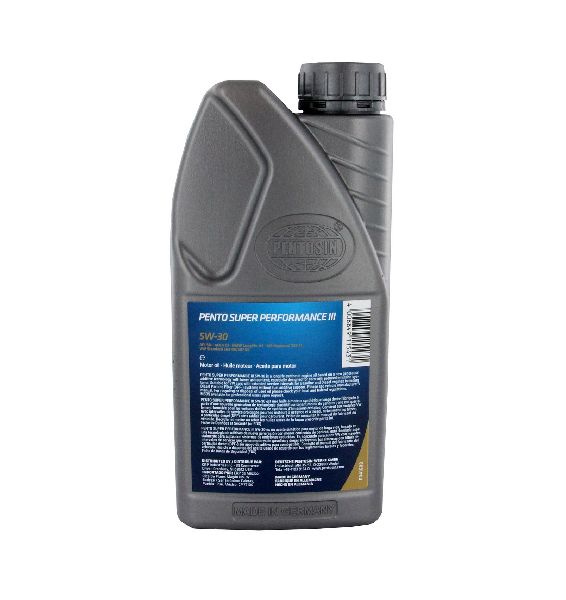
Typical fix: Top up the engine with the manufacturer-specified full synthetic oil (check owner's manual for viscosity, typically 5W-30) to the 'Full' mark on the dipstick.
Est. part cost: $20-$50 - Faulty Engine Oil Pressure Sensor/Switch 🔴 High Probability Oil pressure sensors are a common failure point on many modern engines, including the related Genesis 3.3T V6 and platform-mate Kia Stinger. They are exposed to heat and pressure, causing them to fail and send incorrect readings, often manifesting as a flickering light at warm idle.
How to confirm: The definitive test is to connect a mechanical oil pressure gauge. If the mechanical gauge shows normal pressure while the vehicle's system reports low pressure and triggers P0524, the sensor is faulty. Also inspect the sensor's electrical connector for oil, as a leak through the sensor body is a sure sign of failure.
Typical fix: Replace the engine oil pressure sensor/switch.
Est. part cost: $40-$100 - Incorrect Oil Viscosity or Clogged Oil Filter 🟡 Medium Probability Using oil that is too thin (e.g., 0W-20 if 5W-30 is specified) can cause pressure to drop, especially when hot. A low-quality, collapsed, or excessively clogged oil filter can also restrict flow and reduce pressure.
How to confirm: Verify the oil viscosity used against the owner's manual specifications. Check service records for the last oil and filter change. Always use a high-quality OEM or equivalent filter.
Typical fix: Perform an oil and filter change using the correct OEM-specified oil viscosity and a high-quality OEM or equivalent filter.
Est. part cost: $50-$100
Rare But Worth Checking
- Premature Connecting Rod Bearing Failure: This is the most severe potential cause. The Theta II engine family has a known history of this issue, where manufacturing debris can lead to oil starvation and bearing wear. This results in a genuine, catastrophic loss of oil pressure. Confirmation requires a mechanical pressure test showing low pressure, followed by engine inspection (per TSB 21-EM-004H) or disassembly.
- Failing Oil Pump or Clogged Oil Pickup Tube: Less common than a sensor failure, but a mechanical failure of the oil pump or sludge clogging the oil pickup screen in the oil pan will cause a real and dangerous drop in oil pressure. This requires removing the oil pan to inspect.
Diagnosis Steps
- CRITICAL FIRST STEP: Do not run the engine more than necessary. Check the engine oil level using the dipstick. If low, top it off with the correct oil and see if the light and code clear.
- If the oil level is correct, DO NOT proceed with replacing parts. The vehicle must be tested with a mechanical oil pressure gauge.
- Have a qualified technician connect a mechanical gauge to the engine's oil pressure port.
- Start the engine briefly and compare the mechanical gauge reading to the manufacturer's specification (e.g., typically ~10-15 PSI minimum at warm idle, and 30-80 PSI at higher RPM).
- IF mechanical pressure is GOOD: The problem is electrical. The oil pressure sensor has most likely failed. Inspect its wiring and connector for damage or oil saturation, and if they are intact, replace the sensor.
- IF mechanical pressure is LOW: Stop the engine immediately. This confirms a serious mechanical fault. The oil pan should be removed to inspect for sludge, a clogged oil pickup tube, and metallic debris (bearing material). Further diagnosis will involve inspecting the oil pump and internal engine bearings, potentially following the procedure in TSB 21-EM-004H.
Parts You'll Likely Need
- Engine Oil Pressure Sensor / Switch
(OEM #94750-2J000 (Verify with VIN, other numbers like 94750-1C100 may apply))— This is the most common cause if the oil level is correct and mechanical pressure is confirmed to be good. These sensors fail frequently, sending false low-pressure signals.
Trusted brands: Hyundai/Genesis OE, Facet, Bosch
OEM price range: $70-$120
Aftermarket price range: $40-$80 - Engine Oil and Filter — Essential for correcting low oil level or for replacing incorrect/degraded oil and a potentially clogged filter.
Trusted brands: Hyundai/Genesis OE Filter, Mobil 1, Pennzoil Platinum
OEM price range: $60-$100
Aftermarket price range: $40-$80
Related Codes That Often Appear With This One
- P0521 — This code for 'Engine Oil Pressure Sensor/Switch Range/Performance' often points to the same failing sensor, indicating its readings are erratic or illogical.
- P1326 — On related Hyundai/Kia vehicles, this code indicates the Knock Sensor Detection System (KSDS) has detected vibrations consistent with bearing failure. If seen with P0524, it's a very strong sign of severe internal engine damage.
- P0011, P0014, P0017, P0018 — These are camshaft timing codes. The cam phasers (CVVT system) are hydraulically operated by engine oil pressure. Low oil pressure can cause the phasers to not respond correctly, triggering these codes.
Technical Service Bulletins (TSBs) & Recalls
- TSB 21-EM-004H: This Hyundai TSB details the procedure for the 'Engine Connecting Rod Bearing Clearance Test'. It is the official diagnostic path for dealers to confirm the bearing wear that is the root cause of the most severe Theta II engine failures.
Platform-Specific Known Issues
- This vehicle uses a version of the Theta II GDI engine. This engine family has been subject to recalls and class-action lawsuits in other Hyundai/Kia applications for premature bearing failure due to manufacturing debris. Hyundai implemented the KSDS (Knock Sensor Detection System) update and extended warranties on many affected models to mitigate this. While the G70 was not part of the primary settlement, the shared engine lineage means P0524 must be taken extremely seriously as a potential indicator of this known, severe mechanical fault.
Mechanic-Grade Diagnostic Values
- Mechanical Oil Pressure at Warm Idle — expected: At least 8.5 - 11.4 PSI. Failure: Pressure below this range indicates a true mechanical issue (pump, bearings, sludge), not a sensor fault.
- Mechanical Oil Pressure at 3,000 RPM (Warm) — expected: 35.6 PSI or higher. Failure: Pressure below this specification points to a significant mechanical lubrication problem.
- Oil Pressure Sensor Signal Voltage (Key-On, Engine-Off) — expected: ~0.4V - 0.5V. Failure: A reading of 0V suggests a short to ground or an open in the power/signal wire. A reading of 5V suggests a short to power.
- Oil Pressure Sensor Reference Voltage (at harness connector, unplugged) — expected: 5.0V. Failure: Voltage significantly below 5.0V indicates a wiring issue or a problem with the PCM's 5V reference circuit.
Scan Tool Commands That Help
- Hyundai GDS (Global Diagnostic System): Live Data Monitoring (Engine Oil Pressure) — Use this to view the oil pressure value being reported by the sensor to the PCM in real-time. This value should be compared directly against a mechanical gauge reading to definitively confirm if the sensor is reporting accurately or has failed.
- Hyundai GDS (Global Diagnostic System): Wiggle Test — If an intermittent electrical connection is suspected, this function graphs the sensor's signal, making it easier to see dropouts or spikes while physically wiggling the sensor connector and its wiring harness.
Wiring & Ground Locations
- Oil Pressure Sensor Connector — On the 2.0T Theta II engine, the sensor is typically located on the engine block, sometimes near the oil filter housing. Access may require removing other components like the intake manifold.. This connector is a primary point of inspection. The sensor is known to fail internally and leak oil directly into the connector, causing a short or poor connection that triggers false low-pressure readings.
- G102 — Located at the left rear of the engine.. This is a main ground point for the engine harness which includes the ignition coils and other critical sensors. While not a primary suspect, a corroded or loose ground here can cause erratic sensor readings across the engine, including the oil pressure sensor.
Real Owner Repair Stories
- YouTube user 's&s automotive' (Hyundai Genesis (specific year not mentioned, but similar engine/issue)) — Oil light would illuminate when the engine was warm and RPM dropped to around 560 RPM (e.g., when put in Drive). The light would go away as soon as RPMs increased slightly.
❌ Tried (didn't work) The owner first monitored oil temperature and RPM to establish a pattern, confirming it was not a random event.
✅ What actually fixed it The oil pressure switch/sensor was replaced. The original sensor had broken on removal and its electrical connector was full of oil, confirming an internal leak. A special thinned-down 24mm wrench was used to access the sensor without removing a coolant pipe, which is the standard procedure.
OEM Part Supersession History
94750-37000→94750-37100— This is a common supersession for the oil pressure switch on related Hyundai/Kia 2.0T engines, likely for improved reliability or manufacturing process.
Heads up: While part number 94750-2J000 is most cited for the G70, these other numbers are used on very similar engines and may be encountered. Always verify the correct part number with the vehicle's VIN.
Model Year Variations Within This Range
- 2019-2023: The 2022 model year introduced a significant facelift with new styling and a larger infotainment screen. However, the Theta II 2.0T powertrain and its known issues, including the potential for P0524 due to a faulty sensor or mechanical problems, remained consistent across the entire 2019-2023 generation.
Diagnostic Flowchart
Other Known Issues on This Vehicle
Issues unrelated to this code that are worth knowing about as an owner of this generation:
- Sunroof Rattling/Creaking 🟡 Low — Very common across all model years. Often worse in hot weather. Multiple TSBs exist for applying grease, foam, or Teflon tape. (Ref: TSB 23-BD-014G)
- Premature Brake Pulsation / Vibration 🟠 Medium — Common complaint, often misdiagnosed as 'warped rotors'. The issue is typically uneven brake pad deposits from the OEM pads. The fix is often resurfacing rotors and upgrading to aftermarket pads.
- High-Pressure Fuel Pump (HPFP) Failure 🔴 High — A well-documented issue causing stalling or loss of power at low speeds. Often presents with code P0191 or P0088. (Ref: Genesis Recall 023G (NHTSA ID: 23V-771); Warranty Extension Z05G (TSB 25-FL-002G))
- Water Pump Failure 🟠 Medium — Some owner reports of premature water pump failure leading to coolant loss and potential overheating. Not as widespread as other issues.
- Infotainment System Glitches 🟡 Low — Owners report occasional system lag, freezing, or issues with Apple CarPlay/Android Auto connectivity.
Used vs. New Parts: Buying Guide for This Vehicle
When a used part is the smart pick: For this specific repair, using a used part is NOT recommended for the sensor itself due to its high failure rate and the labor involved in replacement. A used engine assembly from a reputable source could be considered if the original engine has confirmed catastrophic failure, but it carries risks.
Donor-vehicle mileage cap: roughly under 60000 miles for the part to have meaningful remaining life.
What to inspect on the donor part:
- For a used engine: demand service records showing consistent oil changes with full synthetic oil.
- Check for any signs of oil sludge under the oil cap.
- Ask for the VIN of the donor car to check for any outstanding recalls or warranty claims related to engine failure.
- Ensure the donor engine comes with a warranty from the salvage yard.
OEM-only on this vehicle (don't cheap out):
- Engine Oil Pressure Sensor: Given the high failure rate and critical function, using a new OEM (Hyundai/Genesis) part is strongly advised to avoid repeat labor costs.
- Engine Oil Filter: Using a genuine OEM filter is recommended, as some aftermarket filters can cause pressure issues and may be scrutinized during a warranty claim.
Aftermarket brands forum-validated for this vehicle:
- For the oil pressure sensor, if not using OEM, brands like Bosch or Facet are generally considered reliable alternatives.
Brands owners have reported issues with on this vehicle:
- Avoid unbranded, no-name sensors from online marketplaces. The risk of premature failure is high, and the cost of labor to replace it again outweighs any initial savings.
Real Owner Stories
Aggregated from forums and TSBs cited above. Mileages and costs reflect what owners reported in those sources.
2019 Genesis G70 2.0T
Symptoms: Oil pressure light flickering at idle, especially when the engine is warm, that goes away with a slight increase in RPM.
What fixed it: Replacing the oil pressure sensor/switch.
Source hint: genesisg70.org - Multiple threads discuss the P0524 code
2018 Kia Stinger 2.0T
Symptoms: The vehicle's system reports low pressure and triggers P0524, but a mechanical gauge shows normal pressure.
What fixed it: Replacing the oil pressure switch.
Source hint: stingerforum.org - As a platform-mate, Stinger 2.0T owners also report the P0524 code
2011-2019 Hyundai Sonata 2.0T
Symptoms: Catastrophic engine failure due to connecting rod bearing failure.
What fixed it: Engine replacement due to manufacturing debris and bearing wear.
Source hint: vehicle_specific_issues - Theta II engine family class-action lawsuits
Related OBD-II Codes
Frequently Asked Questions
My 2019 Genesis G70 2.0T has a flickering oil light at idle when warm, but it goes away when I rev the engine. Is my engine failing?
Does TSB 21-EM-004H apply to my P0524 code?
Should I use 0W-20 oil in my G70 2.0T if I'm seeing a P0524 code?
Is the P0524 code related to the Genesis Recall 023G for the fuel pump?
Is the G70 2.0T covered under the same Theta II engine settlement as the Sonata and Optima?
Can a low-quality oil filter cause the P0524 code on my G70?
Helpful Videos
We Have This Part in Stock


The information in this article is provided for general reference and educational purposes only. Vehicle specifications, procedures, and part compatibility can vary by production date, trim level, and region. Always consult your vehicle's factory service manual and verify part numbers before purchasing or performing repairs. Safety-critical components such as airbags, seat belts, and braking systems should be installed by a qualified professional.
- Genesis G70:
- 🎬 Helpful Videos
- 🛍️ Shop This Part
- What's Unique About the 2019-2023 Genesis G70
- Symptoms You May Notice
- Most Likely Causes
- Rare But Worth Checking
- Diagnosis Steps
- Parts You'll Likely Need
- Related Codes That Often Appear With This One
- Technical Service Bulletins (TSBs) & Recalls
- Platform-Specific Known Issues
- Mechanic-Grade Diagnostic Values
- Scan Tool Commands That Help
- Wiring & Ground Locations
- Real Owner Repair Stories
- OEM Part Supersession History
- Model Year Variations Within This Range
- Diagnostic Flowchart
- Other Known Issues on This Vehicle
- Used vs. New Parts: Buying Guide for This Vehicle
- Real Owner Stories
- 2019 Genesis G70 2.0T
- 2018 Kia Stinger 2.0T
- 2011-2019 Hyundai Sonata 2.0T
- Related OBD-II Codes
- Frequently Asked Questions
- 🎟️ Get 5% Off