

P0524 on 2007-2015 Audi Q7 4.2L V8: Engine Oil Pressure Too Low Causes and Fixes
This code means the engine oil pressure is dangerously low. Do not drive the vehicle. The most common causes are a low oil level or a faulty oil pressure sensor. A failed sensor is a likely culprit on this platform, but you must verify the actual oil pressure with a mechanical gauge before assuming it's not a serious internal engine problem.
- P0524 is a CRITICAL code. Stop driving immediately to prevent catastrophic engine failure.
- The first and easiest check is the engine oil level. Top up if low.
- A faulty oil pressure sensor is a very common cause for this code on an Audi Q7, but you must prove it.
- The only way to safely diagnose this code is to verify the engine's actual oil pressure with a mechanical gauge.
- Never replace the oil pump or other major components without first confirming a genuine lack of oil pressure.
What's Unique About the 2007-2015 Audi Q7
The Audi Q7's first generation (Type 4L) with the BAR 4.2L V8 FSI engine has a robust lubrication system, but it is not without its specific failure points. The oil pressure sensor (or switch) is a known common failure item across many Audi/VW platforms of this era, often leading to a false P0524 code. However, this engine's variable valve timing (VVT) system is highly dependent on correct oil pressure to function. Low pressure can lead to timing-related codes (like P0014/P0024) and poor performance. Because low oil pressure can destroy an engine in minutes, it is critical to treat the warning as a real pressure loss until proven otherwise by a mechanical gauge test.
Symptoms You May Notice
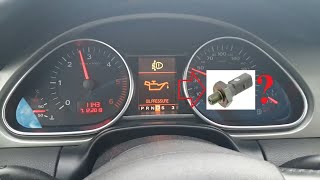
- Red oil pressure warning light on the dashboard
- Check Engine Light illuminated
- Audible engine noise (ticking, knocking, or rattling), especially from the top or rear of the engine
- Engine running rough or hesitating
- Engine may enter limp mode with reduced power
- Low oil pressure reading on the MMI display (if equipped)
- Immediately replacing the oil pump without verifying pressure. The oil pressure sensor is a much more common and cheaper failure point. Always confirm the actual pressure with a mechanical gauge first.
- Replacing the oil pressure sensor without checking the wiring and connector for damage or oil saturation, which can cause the same symptoms.
Most Likely Causes
- Low Engine Oil Level 🔴 High Probability All engines consume some oil, and the 4.2L FSI can be prone to higher oil consumption due to piston ring and valve seal design. Leaks from areas like the oil filter housing gasket are also common. A low oil level is the simplest cause for low pressure and must be checked first.
How to confirm: Check the engine oil level using the dipstick or the MMI system after letting the vehicle sit on a level surface for at least 10 minutes with the engine off. The oil level should be between the MIN and MAX marks.
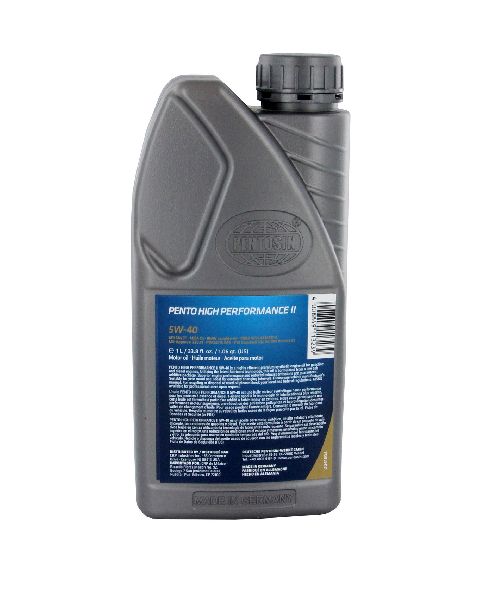
Typical fix: Top up the engine with the correct specification full synthetic oil (VW 502 00, typically 5W-40). If the level was very low, investigate for oil leaks or excessive consumption.
Est. part cost: $20-$40 - Faulty Oil Pressure Sensor (Switch) 🔴 High Probability Oil pressure sensors are a common failure point on many VAG (Volkswagen Audi Group) vehicles. They can fail internally or leak, sending an incorrect low-pressure signal to the ECM even when the pressure is normal. Audi uses different colored sensors for different pressure ratings, so matching the part is critical.
How to confirm: The definitive test is to remove the sensor and connect a mechanical oil pressure gauge in its place. Start the engine and compare the gauge reading to the manufacturer's specification (Min: 1.2 bar at idle, 3.0 bar at 2000 RPM). If the mechanical gauge shows good pressure, the sensor is bad. A visual sign of failure is oil found inside the electrical connector.
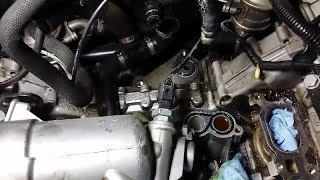
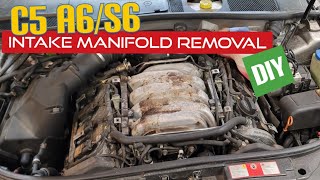
Typical fix: Replace the faulty oil pressure sensor. It is located on the oil filter housing, which is under the intake manifold. This requires removing the intake manifold for access. 🎬 Watch: Audi Q7 oil pressure sensor location and replacement guide
Est. part cost: $30-$90 - Incorrect or Degraded Engine Oil 🟡 Medium Probability Using oil of the wrong viscosity (e.g., too thin) or extending oil change intervals can cause the oil to break down, reducing its ability to maintain pressure, especially when hot. This engine requires a specific full synthetic oil (VW 502 00) to perform correctly.
How to confirm: Review service records to see what oil was used and when it was last changed. If in doubt, or if the oil appears very dark, thin, or sludgy, it should be replaced.
Typical fix: Perform an oil and filter change using a high-quality, full-synthetic oil that meets Audi's VW 502 00 specification and the correct viscosity grade (e.g., 5W-40).
Est. part cost: $80-$150 - Clogged Oil Filter or Pickup Tube Screen ⚪ Low Probability Sludge from infrequent oil changes or debris from a failing internal component (like broken timing chain guides) can clog the oil filter or the screen on the oil pump pickup tube in the oil pan, starving the pump for oil.
How to confirm: A clogged filter can be checked during an oil change. To check the pickup tube screen, the oil pan must be removed for visual inspection. This is a significant labor effort.
Typical fix: Replace the oil filter. If the pickup screen is clogged, it must be cleaned or replaced, and the source of the debris (e.g., broken plastic from guides) must be identified and addressed immediately.
Est. part cost: $20-$200
Rare But Worth Checking
- Failing Oil Pump: While not extremely common, the oil pump, which is chain-driven, can wear out over high mileage, reducing its ability to generate sufficient pressure. This is a major repair that involves significant labor, as it is located internally.
- Worn Internal Engine Bearings: This is a worst-case scenario. Excessive clearance in the crankshaft main bearings or connecting rod bearings due to high mileage and wear will cause a significant and genuine loss of oil pressure. This often requires a full engine rebuild or replacement.
- Wiring Harness Issue: Damage or corrosion to the wiring or connector for the oil pressure sensor can cause a false low-pressure reading. The connector is located under the intake manifold and should be inspected for oil contamination or damage when replacing the sensor.
- Leaking Oil Filter Housing Gaskets: The gaskets for the oil filter housing, located in the 'V' of the engine under the intake manifold, are a very common leak point on the 4.2L V8. 🎬 See how to replace leaking oil filter housing seals While this typically presents as an external leak, a severe failure could potentially impact pressure regulation.
Diagnosis Steps
- Check the engine oil level and condition immediately. Do not proceed if the level is critically low. Top up if necessary and see if the warning disappears.
- If the oil level is correct, DO NOT run the engine further. Tow the vehicle to a qualified mechanic to prevent catastrophic engine damage.
- A mechanic will connect a mechanical oil pressure gauge to the engine, usually in place of the oil pressure sensor. This requires removing the intake manifold.
- The engine will be started briefly to measure the actual oil pressure. The specification is a minimum of 1.2 bar (17.4 PSI) at idle and 3.0 bar (43.5 PSI) at 2000 RPM. This is the most critical step. 🎬 Watch: How to test engine oil pressure like a pro
- If mechanical pressure is GOOD: The problem is electrical. The primary suspect is the faulty oil pressure sensor. Inspect the sensor's wiring and connector for damage or oil contamination and replace the sensor.
- If mechanical pressure is LOW: The problem is mechanical and internal to the engine. Further diagnosis is needed. This will involve removing the oil pan to inspect the oil pickup tube for blockages or debris (e.g., pieces of plastic from timing chain guides). If the pickup is clear, the oil pump itself is the next suspect. If the pump is good, the engine may have worn bearings, which is a major internal failure requiring an engine rebuild or replacement.
Parts You'll Likely Need
- Oil Pressure Sensor / Switch
(OEM #079919081)— This sensor is a very common failure point on Audi/VW engines of this era and is often the cause of a false P0524 code. Note: There are VIN splits and different colored switches; verify the correct part number for your specific vehicle.
Trusted brands: Bosch, Hella, Febi Bilstein, Genuine Audi
OEM price range: $60-$90
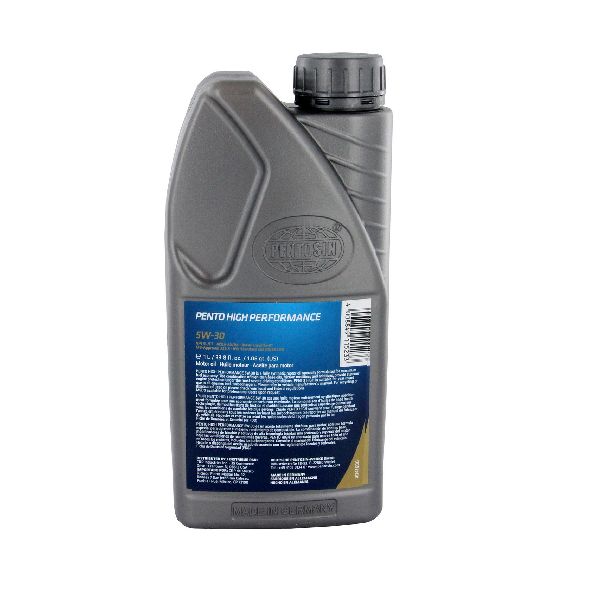
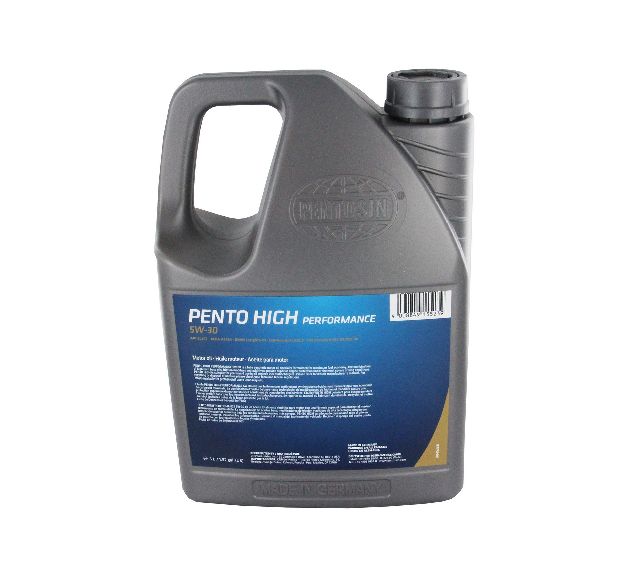
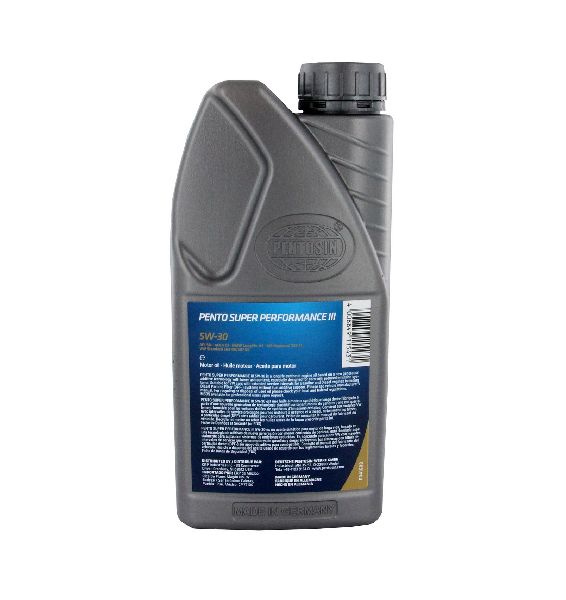
Aftermarket price range: $30-$50 - Engine Oil and Filter — Using the correct, high-quality oil (VW 502 00 spec) is critical for maintaining pressure. This is a necessary step if the oil is old, degraded, or of the wrong type.
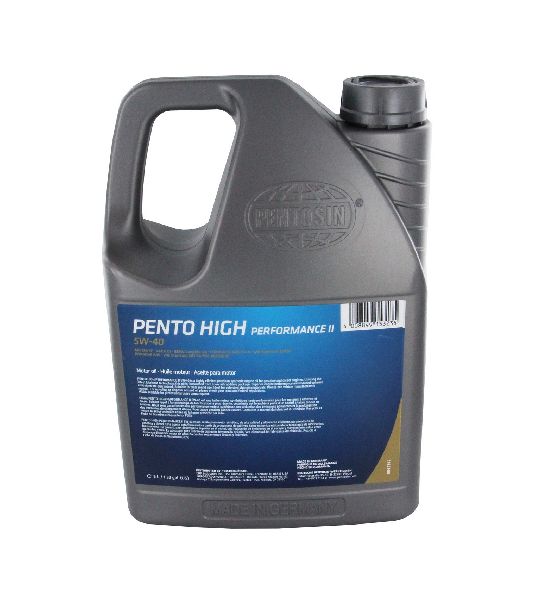
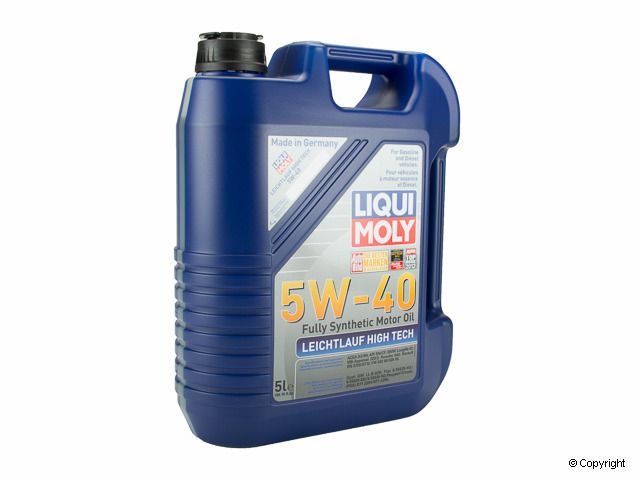
Trusted brands: Liqui Moly, Motul, Castrol EDGE, AMSOIL
Aftermarket price range: $80-$150
Related Codes That Often Appear With This One
- P164D — This is a manufacturer-specific code for 'Oil Pressure Switch for reduced Oil Pressure - Malfunction'. It often appears with P0524 and points more directly to a problem with the sensor or its circuit.
- P0014 — This code relates to 'B' Camshaft Position - Timing Over-Advanced (Bank 1). The variable valve timing (VVT) system uses oil pressure to adjust the camshafts. If oil pressure is low, the VVT system cannot function correctly, which can trigger timing-related fault codes.
- P0024 — Similar to P0014, this code indicates a camshaft timing issue on Bank 2. Low oil pressure can affect the VVT system's ability to properly adjust cam timing, leading to this code.
Mechanic-Grade Diagnostic Values
- VCDS/OBDeleven Live Data - Oil Pressure Switch Status — expected: The tool displays the status of the low and high-pressure switches. The value should change from 'OK' to '< min' or vice-versa as engine RPM crosses the switchover threshold (approx. 3500 RPM).. Failure: If the switch status does not change with RPM, or if it reads '< min' when a mechanical gauge shows good pressure, the sensor or its wiring is faulty. A value of '2' (binary 10) can indicate a malfunction where the high-pressure switch is active but the low-pressure one is not, a conflicting result.
- Mechanical Oil Pressure Test (per TSB 2041093/1) — expected: With engine oil temperature at 80°C, the pressure at idle should be above 1.3 bar.. Failure: If oil pressure is below 1.3 bar, the TSB suggests inspecting the rubber oil drain plug inside the oil filter housing before suspecting major mechanical failure.
Hidden / Shadow Codes Worth Checking
- P164D00: Oil Pressure Switch for Reduced Oil Pressure - Malfunction. This code specifically points to a fault with the low-pressure switch (often designated F378) or its circuit. A TSB was issued for this code. (see via VCDS (VAG-COM), OBDeleven, ODIS, or other professional-grade European scan tools.)
- P164B: Oil Pressure Switch Malfunction. This code often relates to the high-pressure switch and may trigger an EPC light and a 'Do not exceed 4000 rpm' message when revving the engine. (see via VCDS (VAG-COM), OBDeleven, ODIS, or other professional-grade European scan tools.)
Scan Tool Commands That Help
- VCDS / OBDeleven: Read Measuring Blocks - Engine (01) — This is a crucial first diagnostic step after checking the oil level. By viewing the live data from the oil pressure switches, you can see if the ECU is receiving a 'low pressure' signal. This helps determine if the fault is likely electrical (sensor/wiring) or mechanical without immediately needing to install a mechanical gauge.
Wiring & Ground Locations
- Engine Ground Strap — A primary ground strap runs from the engine block, near the starter motor, to the chassis on the passenger side. Access requires removing the airbox.. A corroded or loose main engine ground can cause a host of erroneous sensor readings and fault codes, including false low oil pressure warnings. This should be inspected in any electrical diagnosis.
- Ground Point 640 — In the engine compartment on the left side.. This is a key grounding point for various engine-related components and sensors.
- Ground Point 609 — In the plenum chamber on the right side, near the ECU box.. Proximity to the ECU and engine sensors makes this ground point critical for accurate sensor readings.
- Oil Pressure Switch Connector — On the oil filter housing, under the intake manifold. It is a single-pin connector for the primary switch.. The connector itself can become contaminated with oil leaking through a failed sensor, causing a bad connection and triggering the code. It must be inspected and cleaned or replaced along with the sensor.
Real Owner Repair Stories
- BobIsTheOilGuy forum user (2007 Audi A8 4.2L FSI (similar engine and system)) — Low oil pressure warning after going above 2000 RPM.
❌ Tried (didn't work) Initial diagnosis pointed towards a major internal engine issue.
✅ What actually fixed it The nipple on the internal cage of the oil filter had broken off during a recent oil change. This allowed the filter to sit improperly, creating an internal bypass that dumped oil pressure back to the sump. Replacing the oil filter with a new, intact one resolved the issue completely.
OEM Part Supersession History
079919081→079919081D (and others)— Part revision and updates.
Heads up: Crucially, Audi uses different colored switches for different pressure ratings (e.g., black, grey, brown). The BAR engine typically uses a black, 1-pin, 1.2-1.6 bar switch. Using the wrong color/pressure rating will cause incorrect warnings. Also, do not confuse with 2-pin sensors like 06E919081G which serve a different function. Always verify the part number with the vehicle's VIN.
Model Year Variations Within This Range
- 2007-2010: The 4.2L BAR V8 engine was only offered in the Q7 from model years 2007 through 2010. For 2011, it was replaced by supercharged 3.0L V6 engines. Therefore, this specific guide applies to the pre-facelift (2007-2009) and the first year of the facelift (2010) models equipped with the V8.
Diagnostic Flowchart
Other Known Issues on This Vehicle
Issues unrelated to this code that are worth knowing about as an owner of this generation:
- Timing Chain Guide Failure 🔴 High — Becomes a concern on higher mileage engines, typically over 80,000-100,000 miles. A distinct 'death rattle' from the rear of the engine on cold starts is the primary symptom.
- Intake Valve Carbon Buildup 🟠 Medium — An inherent issue with all FSI (direct injection) engines. Significant buildup can occur after 60,000-80,000 miles, causing misfires, rough idle, and reduced performance. Requires manual cleaning (walnut blasting).
- Intake Manifold Runner Flap Failure 🟠 Medium — The plastic linkages on the intake manifold can break, or the flaps can get stuck due to carbon buildup, causing performance issues and specific fault codes (e.g., P2004, P2005, P2008).
- Oil Filter Housing Gasket Leak 🟠 Medium — The gaskets for the oil filter housing, located under the intake manifold, become hard and brittle, causing significant oil leaks into the 'V' of the engine. Very common on engines over 80,000 miles.
- Excessive Oil Consumption 🟠 Medium — Some 4.2L FSI engines can consume oil at a higher rate due to piston ring and valve seal design, sometimes requiring top-ups every 1,000 miles.
Used vs. New Parts: Buying Guide for This Vehicle
When a used part is the smart pick: For this specific repair, using used parts is not recommended. The most common fix, the oil pressure sensor, is an inexpensive electronic component that should always be replaced with a new, high-quality part to ensure reliability.
What to inspect on the donor part:
- Not applicable as used parts are not advised for this repair.
OEM-only on this vehicle (don't cheap out):
- Oil Pump
- Internal Engine Bearings
Aftermarket brands forum-validated for this vehicle:
- Hella
- Bosch
- Febi Bilstein
- Meyle
Brands owners have reported issues with on this vehicle:
- Unbranded 'white-box' sensors from online marketplaces, as they have a high failure rate and can lead to incorrect diagnosis.
Real Owner Stories
Aggregated from forums and TSBs cited above. Mileages and costs reflect what owners reported in those sources.
2009 Audi Q7 4.2L V8
Symptoms: The dashboard was flashing warning lights, buzzers, and making gong noises. The low oil pressure warning appeared specifically when turning and accelerating.
What fixed it: Changed the oil and filter using the correct Audi recommended Castrol Edge 5W-30 LL Synthetic oil and a quality filter, replacing the 'cheap' oil previously used.
Source hint: AudiWorld Forums owner report
Related OBD-II Codes
Frequently Asked Questions
What specific oil should I use for my 4.2L V8 Q7 to avoid P0524?
Where is the oil pressure sensor located on the BAR 4.2L engine?
My Q7 has a 'death rattle' on cold starts and now a P0524 code; are they related?
What are the minimum oil pressure specifications for the 2007-2015 Audi Q7 4.2L?
Can I check the oil level via the MMI if I don't have a dipstick?
Does the Volkswagen Touareg with the 4.2L V8 share this same oil pressure issue?
Helpful Videos
We Have This Part in Stock

The information in this article is provided for general reference and educational purposes only. Vehicle specifications, procedures, and part compatibility can vary by production date, trim level, and region. Always consult your vehicle's factory service manual and verify part numbers before purchasing or performing repairs. Safety-critical components such as airbags, seat belts, and braking systems should be installed by a qualified professional.
- Audi Q7:
- 🎬 Helpful Videos
- 🛍️ Shop This Part
- What's Unique About the 2007-2015 Audi Q7
- Symptoms You May Notice
- Most Likely Causes
- Rare But Worth Checking
- Diagnosis Steps
- Parts You'll Likely Need
- Related Codes That Often Appear With This One
- Mechanic-Grade Diagnostic Values
- Hidden / Shadow Codes Worth Checking
- Scan Tool Commands That Help
- Wiring & Ground Locations
- Real Owner Repair Stories
- OEM Part Supersession History
- Model Year Variations Within This Range
- Diagnostic Flowchart
- Other Known Issues on This Vehicle
- Used vs. New Parts: Buying Guide for This Vehicle
- Real Owner Stories
- 2009 Audi Q7 4.2L V8
- Related OBD-II Codes
- Frequently Asked Questions
- 🎟️ Get 5% Off