

P0521 on 2015-2016 GMC Yukon Denali: Oil Pressure Sensor Causes and Fixes
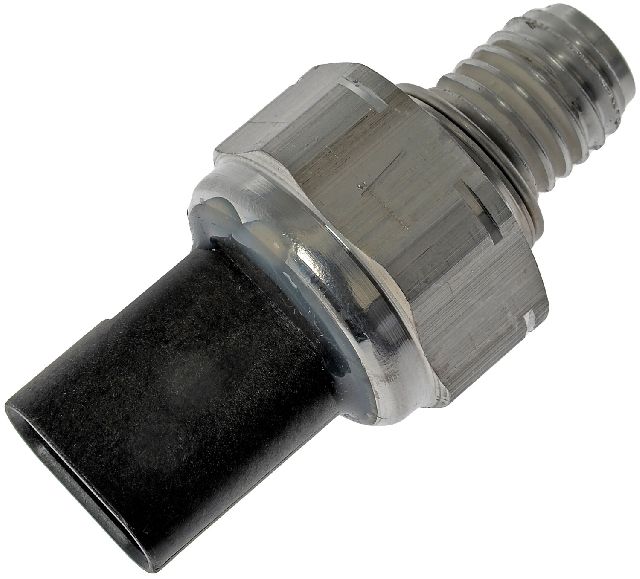
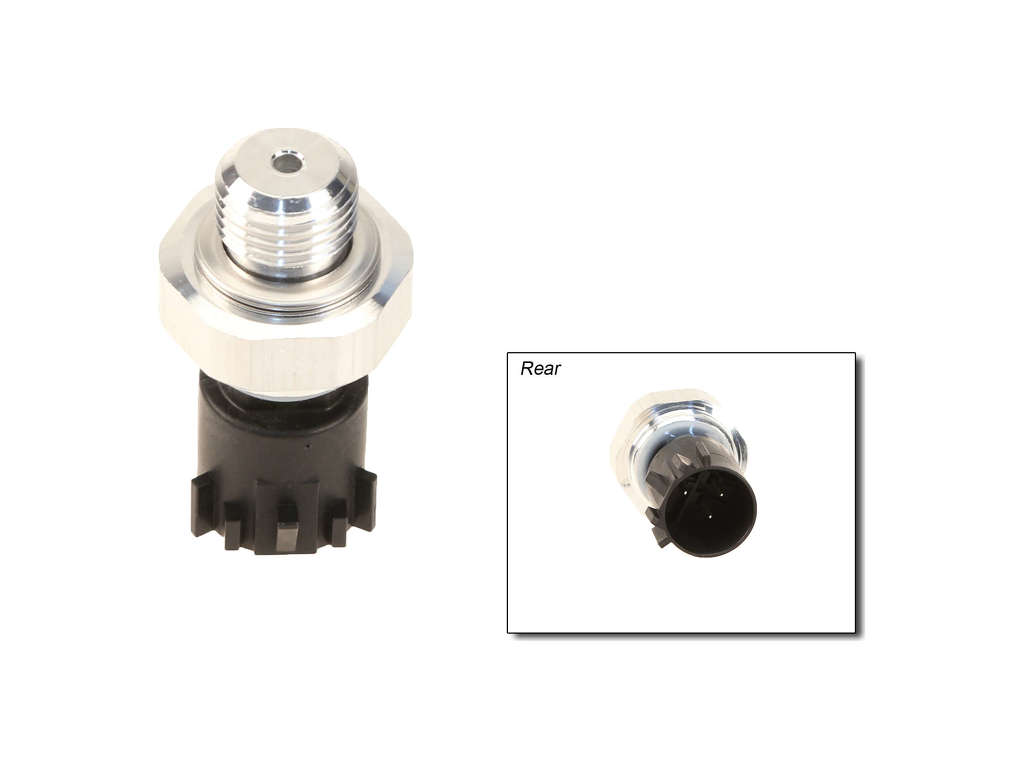
On a 2015-2016 Yukon Denali, code P0521 is most often caused by a faulty engine oil pressure sensor or its small filter screen located underneath. The sensor is notoriously difficult to access, located at the rear of the engine under the intake manifold. Replacing both parts is the most common fix, with parts costing between $40 and $90.
- P0521 indicates a problem with the oil pressure sensor's reading, not necessarily a true low oil pressure condition.
- The most common fix is to replace both the oil pressure sensor and the small filter screen located directly underneath it.
- Before replacing any parts, it is crucial to verify the engine's actual oil pressure using a mechanical gauge.
- Using a high-quality, OEM-spec oil filter (ACDelco PF63E) and the correct oil is critical and can sometimes resolve the code on its own.
- The repair is labor-intensive due to the sensor's location at the back of the engine, making it a difficult DIY job.
What's Unique About the 2015-2016 Gmc YUKON DENALI

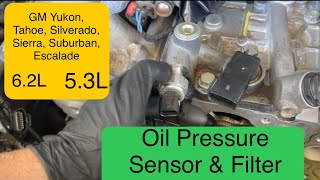
A significant change occurred for the 2015 model year: the oil pressure sensor was relocated to the front of the engine on the driver's side, near the oil filter housing. This is a major difference from pre-2015 models where the sensor was at the back of the engine. Despite the new location, a common point of failure remains a small filter screen, sometimes called the valve lifter oil filter, which can get clogged with sludge and debris. This clogged screen can starve the sensor for oil pressure, causing it to send an incorrect reading and trigger the P0521 code, even if the main engine oil pressure is perfectly fine. This engine also features Active Fuel Management (AFM), which relies heavily on proper oil pressure to operate the special deactivating lifters; issues in this system can sometimes manifest as oil pressure codes.
Diagnostic Flowchart

Tap your situation to follow the diagnostic path that matches what you're seeing on this vehicle.
Symptoms You May Notice
- Check Engine Light is on
- Low Oil Pressure warning message on the instrument panel.
- Oil pressure gauge reading is abnormally low, high, or erratic (e.g., drops to 0 at idle, pegs at 80 PSI).
- In rare cases, the engine may stall.
- Engine may exhibit a ticking or whining noise if true low oil pressure exists.
- Replacing the oil pressure sensor without also replacing the small filter screen underneath it. If the screen is clogged, the new sensor will still read incorrectly, and the code will return.
- Assuming the engine is failing without first verifying the actual oil pressure with a mechanical gauge. The sensor and its screen are far more common failure points than the oil pump or internal engine components.
- Replacing the sensor with a cheap aftermarket part. Forum users repeatedly report that non-OEM sensors often fail quickly or are inaccurate out of the box, causing the code to return.
Most Likely Causes

- Faulty Engine Oil Pressure Sensor 🔴 High Probability The sensor is a common failure item on many GM V8 engines. It can fail electronically or become clogged internally over time. Owners on forums strongly recommend using an OEM ACDelco part, as aftermarket sensors have a reputation for failing prematurely or not working correctly with the GM computer system.
How to confirm: After verifying actual oil pressure is good with a mechanical gauge, check the sensor's reading on a scan tool. If the scan tool reading is erratic, stuck, or doesn't match the mechanical gauge, the sensor is bad.
Typical fix: Replace the engine oil pressure sensor. It is highly recommended to replace the filter screen underneath it at the same time.
Est. part cost: $35-$75 - Clogged Oil Pressure Sensor Filter Screen 🔴 High Probability This small screen (GM part #12585328, Dorman #917-143) sits directly below the sensor and is designed to protect it. It frequently becomes clogged with engine sludge or debris, restricting oil flow to the sensor and causing a false low-reading. TSB PIP4786C specifically instructs technicians to inspect this filter for sludge before replacing any other parts.
How to confirm: The screen is located in a difficult-to-reach spot. It is typically inspected and replaced at the same time as the sensor. If the screen is removed and found to be full of debris, it was likely the cause. Some mechanics use a small pick or a coarse-threaded screw to pull the old screen out.
Typical fix: Remove and replace the filter screen. This is almost always done in conjunction with replacing the sensor itself.
Est. part cost: $5-$15 - Incorrect Oil Filter or Low Oil Level 🟡 Medium Probability Using a low-quality or incorrect type of oil filter can cause pressure fluctuations that trigger P0521. GM has issued service bulletins (e.g., PIP5276 series) about this exact issue on other models, sometimes recommending a specific filter type to resolve the code, especially after an oil change. 🎬 Watch: Common causes and fixes for the P0521 code.
How to confirm: Check the engine oil level and condition. Inspect the installed oil filter to see if it's a reputable, OEM-spec brand (like ACDelco PF63E). If the code appeared right after an oil change, this is a very likely cause.
Typical fix: Perform an oil and filter change using the correct Dexos-spec synthetic oil and a high-quality ACDelco PF63E filter.
Est. part cost: $40-$80
Rare But Worth Checking
- Sticking Oil Pump Pressure Relief Valve: A known issue mentioned in GM TSB 20-NA-161 and 24-NA-173. The valve inside the oil pump can stick, causing intermittent low oil pressure, especially at idle. This is a mechanical failure within the oil pump itself that can lead to engine damage if not addressed. Diagnosis may require checking main bearings.
- Wiring Harness or Connector Issue: The wiring leading to the sensor is in a high-heat area at the back of the engine. It can become brittle, chafed, or the connector pins can lose tension, causing an intermittent signal. Some dealer technicians report that replacing the pigtail connector along with the sensor is standard practice.
- Failing Oil Pump or Worn Engine Bearings: In high-mileage engines or those with poor maintenance history, a failing oil pump or excessive clearance in the main/rod bearings can cause a true low oil pressure condition, which will also set P0521. This is a worst-case scenario requiring significant engine work. TSB PIP5308B notes that a broken oil pump slide can cause this, requiring pump replacement and inspection of bearings for metal debris.
Diagnosis Steps
- Check the engine oil level and condition. Top off or change if necessary. Ensure the correct viscosity Dexos-spec oil is used.
- Verify the correct, high-quality oil filter is installed (e.g., ACDelco PF63E). If in doubt, replace it, especially if the code appeared after an oil change.
- Connect a scan tool and observe the oil pressure reading with the engine running. Note if it's stuck, erratic, or reads 0.
- CRITICAL STEP: Connect a mechanical oil pressure gauge to the engine to measure the actual oil pressure. Compare this reading to the scan tool data.
- If the mechanical gauge shows good pressure but the scan tool shows bad pressure, the problem is in the sensor circuit. Proceed to the next step.
- If the mechanical gauge shows low pressure, the problem is mechanical. Investigate the oil pump (per TSB 20-NA-161), pickup tube, and internal engine components. Do not proceed with sensor replacement.
- Inspect the oil pressure sensor connector and wiring for damage, corrosion, or looseness. The sensor is located at the front of the engine on the driver's side for 2015+ models.
- If wiring is okay, replace the engine oil pressure sensor and the small filter screen located in the block directly underneath it.
- After replacement, clear the DTC and perform a drive cycle to confirm the repair.
Parts You'll Likely Need

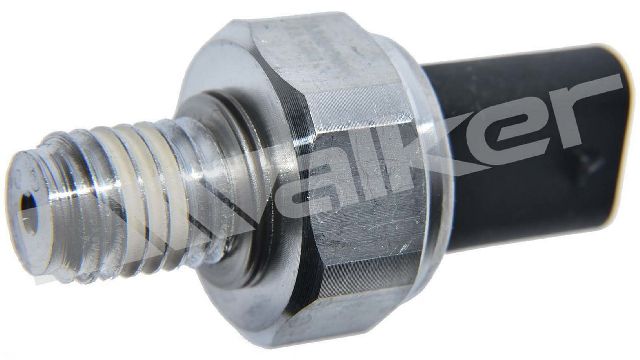
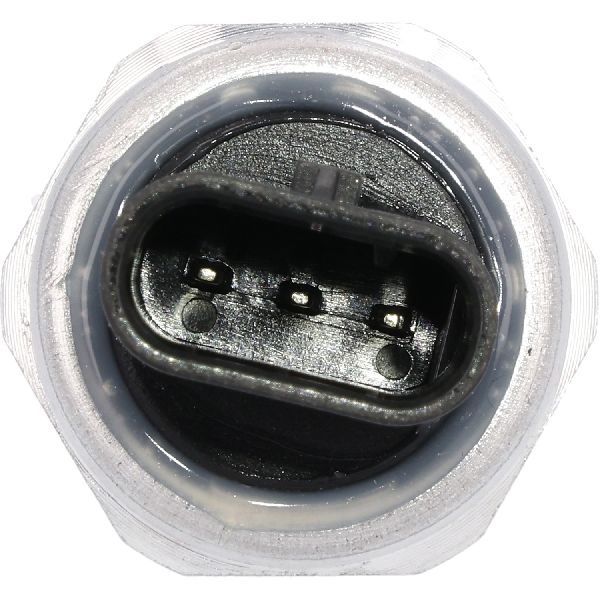
- Engine Oil Pressure Sensor
(OEM #12673134)— This is the most common part to fail, either electronically or by becoming clogged, causing the P0521 code. This is the updated OEM part number.
Trusted brands: ACDelco
OEM price range: $45-$75
Aftermarket price range: $35-$60 - Oil Pressure Sensor Filter Screen
(OEM #12585328)— This small screen sits under the sensor and is notorious for getting clogged with sludge, causing a false reading. It should always be replaced with the sensor.
Trusted brands: ACDelco, Dorman
OEM price range: $5-$15
Aftermarket price range: $5-$10
Related Codes That Often Appear With This One
- P06DD — This code indicates 'Engine Oil Pressure Control Solenoid Valve Stuck Off'. The 6.2L L86 engine uses a dual-pressure oil pump, and issues with the pump or its control can trigger both P06DD and P0521. TSB PIP5308B links these codes to potential oil pump failure, often from a broken slide inside the pump.
- P0300-P0308 — Misfire codes (e.g., P0300 for random misfire) can sometimes accompany oil pressure issues, especially if the problem is related to the Active Fuel Management (AFM) system lifters, which rely on proper oil pressure to function. A failing lifter can cause both a misfire and oil pressure fluctuations.
- P0523 — This code for 'Engine Oil Pressure Sensor/Switch High Voltage' often appears with P0521. It indicates the sensor signal is pegged high, while P0521 indicates it's out of the expected range. Both point to a failure in the sensor or its circuit.
Technical Service Bulletins (TSBs) & Recalls
- PIP4786C: Instructs technicians to inspect the valve lifter oil filter (the screen under the sensor) for debris/sludge when diagnosing P0521 before replacing parts.
- 20-NA-161: Details a sticking oil pressure relief valve within the oil pump as a potential cause for P0521, requiring diagnosis of the pump and main bearings if sensor-side checks don't resolve the issue.
- PIP5308B: Connects P0521 and P06DD codes to a potential broken slide in the oil pump, requiring pump replacement and inspection for metal debris in the oil pan and bearings.
- 24-NA-173: A more recent TSB that also points to a stuck oil pressure relief valve causing low pressure at idle. It highlights that a prior repair may have included sensor or ECM replacement without fixing the root cause.
Platform-Specific Known Issues
- The location of the sensor at the back of the engine block makes replacement difficult. While some mechanics can replace it without removing the intake manifold using special sockets and swivels, the factory procedure and many independent shops will remove the intake manifold for access, significantly increasing labor time.
- TSB PIP4786C directly addresses P0521 and low oil pressure warnings, guiding technicians to check the small sensor filter screen for sludge before replacing parts.
- TSB 20-NA-161 points to a sticking oil pressure relief valve in the oil pump as a cause for P0521, requiring more in-depth mechanical diagnosis if the sensor and screen are not the issue.
Mechanic-Grade Diagnostic Values
- Scan Tool Engine Oil Pressure Reading (Engine Running) — expected: 41-448 kPa (6-65 psi). Failure: Reading is outside this range, stuck, or erratic.
- Mechanical Gauge Oil Pressure (Hot Idle, 5.3L for comparison) — expected: Minimum 22-24 PSI @ 1000 RPM. Failure: Pressure is significantly below the minimum specification for the specific engine VIN.
- Sensor Signal Circuit Voltage (KOEO, sensor disconnected, harness side) — expected: Below 8 kPa (1.2 psi) on scan tool. Failure: Reading is higher, indicating a short to voltage or reference voltage.
- Sensor 5V Reference Circuit Voltage (KOEO, sensor disconnected, harness side) — expected: 4.8-5.2 V. Failure: Voltage is below 4.8V (short to ground/open) or above 5.2V (short to voltage).
Wiring & Ground Locations
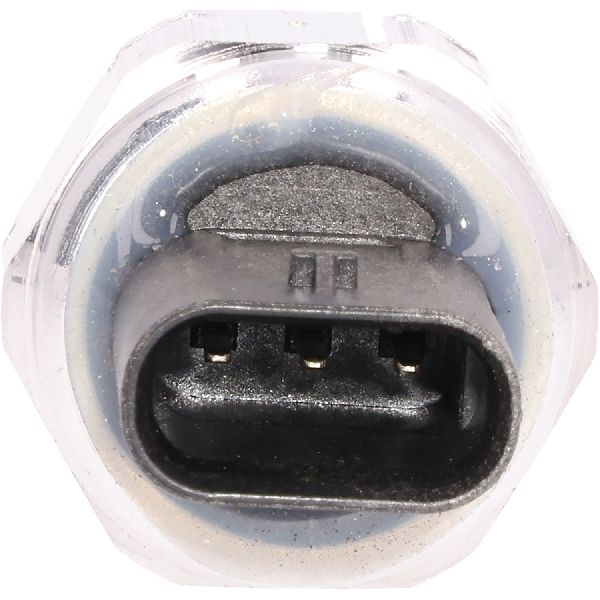
- Engine Oil Pressure Sensor Connector — On 2015-2016 models, located on the front of the engine, driver's side, near the oil filter housing and below the power steering pump.. This 3-pin connector can become contaminated with oil, or its wires can become brittle from heat, causing intermittent signal loss. The pins are typically: Pin 1: Low Reference (Ground), Pin 2: 5-Volt Reference, Pin 3: Signal to ECM.
- G102 — Located at the left rear of the engine, grounds the 8 ignition coils.. While not a direct ground for the sensor, a poor engine ground can introduce electrical noise that may affect sensor readings.
- G103 — On the front of the passenger side cylinder head.. Provides a ground path for multiple engine components. Ensuring this ground is clean and tight is a key step in diagnosing any electrical fault on the engine.
- G101 — Located at the left front of the engine, lower block.. This is a critical ground for the Engine Control Module (ECM). A poor connection here can cause a wide range of DTCs and erratic sensor behavior, including P0521.
Real Owner Repair Stories
- Reddit user in r/ChevyTrucks (Chevy Truck (year not specified, but behavior is common)) — Recurring P0521 code after replacing the oil pressure switch once. The filter screen had already been removed by a previous owner.
❌ Tried (didn't work) Replacing the oil pressure sensor.
✅ What actually fixed it The user reported that the final fix was using a specific, high-quality oil filter (Mobil 1 M1-113A) and ensuring the oil level was always full. The issue was attributed to certain filters causing pressure fluctuations.
"I Checked Everything" — The Actual Cause
- A common scenario for P0521 is when a technician confirms actual oil pressure is good with a mechanical gauge, yet the code persists. In these cases, the root cause is often not a mechanical engine issue but a problem within the sensor's circuit. This includes a faulty sensor sending incorrect data, a clogged filter screen under the sensor giving a false reading, a poor electrical connection at the pigtail, or using an incorrect/low-quality oil filter that causes pressure fluctuations the sensitive OEM computer flags as a fault.
OEM Part Supersession History
12596951, 12621234→12673134— Standard part evolution for improved reliability or manufacturing changes.
Model Year Variations Within This Range
- 2015-2016 (vs. pre-2015): The location of the Engine Oil Pressure Sensor was moved from the difficult-to-access rear of the engine (behind the intake manifold) to a much more accessible location on the front of the engine, on the driver's side near the oil filter housing. This significantly reduces the labor time and difficulty for replacement.
Helpful Videos

Used OEM Parts in Stock
New Aftermarket Parts Available


The information in this article is provided for general reference and educational purposes only. Vehicle specifications, procedures, and part compatibility can vary by production date, trim level, and region. Always consult your vehicle's factory service manual and verify part numbers before purchasing or performing repairs. Safety-critical components such as airbags, seat belts, and braking systems should be installed by a qualified professional.
- Gmc YUKON DENALI:
- 🎬 Helpful Videos
- 🛍️ Shop This Part
- What's Unique About the 2015-2016 Gmc YUKON DENALI
- Diagnostic Flowchart
- Symptoms You May Notice
- Most Likely Causes
- Rare But Worth Checking
- Diagnosis Steps
- Parts You'll Likely Need
- Related Codes That Often Appear With This One
- Technical Service Bulletins (TSBs) & Recalls
- Platform-Specific Known Issues
- Mechanic-Grade Diagnostic Values
- Wiring & Ground Locations
- Real Owner Repair Stories
- "I Checked Everything" — The Actual Cause
- OEM Part Supersession History
- Model Year Variations Within This Range
- 🎟️ Get 5% Off