

P0521 on 2013-2016 Cadillac Escalade ESV: Oil Pressure Sensor Causes and Fixes
On a 2013-2016 Escalade ESV, code P0521 is most often caused by a faulty oil pressure sensor or using the wrong type of oil filter. The sensor is a known high-failure part. Replacing the sensor and the screen underneath it is a common fix, costing around $30-$70 for the part, but labor can be significant due to its location.
- P0521 on a 2013-2016 Escalade is a critical code that should be addressed immediately to prevent engine damage.
- Before suspecting major repairs, always check the basics: ensure the engine oil is at the correct level and that a high-quality, correct-spec oil filter is installed.
- The most common faulty part is the oil pressure sensor itself, a known issue on these GM V8 engines.
- Due to conflicting TSBs and community feedback, if you experience P0521, consider using an ACDelco PF48 filter instead of the PF48E, especially in colder climates.
What's Unique About the 2013-2016 Cadillac ESCALADE ESV
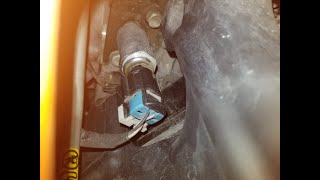
On this generation of GM trucks and SUVs, including the Escalade, the oil pressure sensor is a very common failure point. It is located in a difficult-to-reach spot at the back of the engine block, under the intake manifold, against the firewall. This location makes replacement a labor-intensive job. Additionally, a series of conflicting Technical Service Bulletins (TSBs) highlight issues with specific oil filters (notably the transition from PF48 to PF48E) causing this code, especially in cold weather, making filter choice critical for these vehicles.
Diagnostic Flowchart
Tap your situation to follow the diagnostic path that matches what you're seeing on this vehicle.
Generation note: This range covers two generations of the Escalade ESV. The 2013-2014 models are the end of the third generation (GMT900 platform) with a 6.2L L94 V8 engine. The 2015-2016 models are the beginning of the fourth generation (K2XX platform) with an updated 6.2L EcoTec3 V8. The P0521 code and its common causes, particularly the oil pressure sensor and filter issues, are relevant to both generations as the underlying engine architecture is similar.
Symptoms You May Notice
- Check Engine Light is on
- Low oil pressure warning light or message on the dashboard
- Oil pressure gauge reading abnormally low, high, or erratically jumping between zero and max.
- Oil pressure gauge pegged at a high reading (like 80 PSI) even when the engine is off.
- Engine making unusual noises (ticking, knocking) if oil pressure is genuinely low
- Replacing the oil pump first. The oil pump is a durable component and is rarely the cause of this code. The sensor, its screen, and the oil filter are far more likely culprits and should be checked first.
- Replacing the instrument cluster stepper motor. While a bad stepper motor can cause faulty gauge readings, the presence of code P0521 specifically points to the sensor circuit, not the gauge itself.
Most Likely Causes
- Faulty Engine Oil Pressure Sensor 🔴 High Probability The sensor is a known high-failure item on this GM engine family. Its location exposes it to heat, and the internal electronics can fail, leading to leaks into the connector or erratic signals. Some owners on forums report that only genuine GM/ACDelco sensors solve the problem, with aftermarket sensors failing to clear the code.
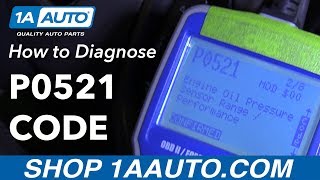
How to confirm: Use a scan tool to monitor the oil pressure reading. If it's erratic, pegged at max, or zero, the sensor is likely bad. A definitive test is to compare the scan tool reading to a mechanical oil pressure gauge connected to the engine. If the mechanical gauge shows good pressure but the scan tool doesn't, the sensor or its wiring is faulty. If the gauge reads high with the engine off, unplugging the sensor should cause it to drop to zero, confirming a bad sensor. 🎬 See how to diagnose a failed sender code using a scan tool.
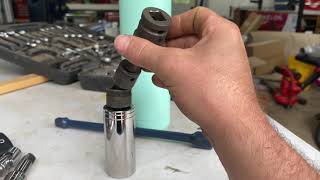
Typical fix: Replace the oil pressure sensor and the small filter screen located underneath it. The sensor is at the back of the engine, and access often requires removing the intake manifold. However, some mechanics have developed methods to replace it without full manifold removal 🎬 Watch: The easy way to change the sensor without removing the manifold. using specific swivel sockets and extensions.
Est. part cost: $30-$70 - Incorrect or Failed Oil Filter 🟡 Medium Probability TSB #PIP5276B specifically calls out issues with the PF48E oil filter (which replaced the metal-core PF48) causing P0521 in cold weather. The plastic internal structure of the PF48E was reported to cause issues. Later TSBs like #PIP5276G are less specific, suggesting using either a PF48 or PF48E but emphasizing other engine cleaning procedures.
How to confirm: Check the part number on the installed oil filter. If it is a PF48E or a low-quality aftermarket filter and the code appeared after an oil change, it is a likely suspect. TSBs suggest switching to a different filter type like the PF48 or UPF48R to resolve the issue.
Typical fix: Change the engine oil and replace the oil filter with a high-quality part, such as an ACDelco UPF48R or a reputable brand equivalent.
Est. part cost: $10-$20 - Low or Incorrect Engine Oil 🟡 Medium Probability These large V8 engines, particularly those with Active Fuel Management (AFM), can be prone to oil consumption. An updated left-side valve cover was released by GM to help combat oil being pulled through the PCV system. If the oil level drops significantly, it will cause low pressure and trigger P0521.
How to confirm: Check the engine oil level using the dipstick. In one documented case, a vehicle owner found they were 2.5 quarts low, and topping it off resolved the code. Also, verify that the oil viscosity used (e.g., 5W-30) matches the manufacturer's specification.
Typical fix: Top off or change the engine oil to the correct level using the manufacturer-specified viscosity.
Est. part cost: $50-$100
Rare But Worth Checking
- Clogged Oil Pressure Sensor Screen: A small, thimble-shaped filter screen sits in the engine block directly below the oil pressure sensor. If this screen becomes clogged with sludge or debris, it can block oil from reaching the sensor, causing a low reading even if the rest of the engine has pressure. It should always be replaced with the sensor.
- Sticking Oil Pump Relief Valve: On some GM V8s, the oil pump has a pressure relief valve that can get stuck, causing either excessively high or low oil pressure. This can be due to debris in the oil and is a more complex mechanical issue within the oil pan.
- Failing Oil Pump: While rare, the oil pump itself can wear out or fail, leading to a system-wide loss of oil pressure. This is a major engine repair and should only be considered after ruling out all other causes.
- Worn Internal Engine Bearings: On very high-mileage engines, excessive clearance in the main and rod bearings can cause oil pressure to be low. This is a sign of a worn-out engine requiring a rebuild or replacement.
Diagnosis Steps
- Check the engine oil level and condition. Top off or change if necessary.
- Inspect the oil filter to ensure it is the correct, high-quality part. Per TSBs, consider replacing a PF48E filter.
- Connect a scan tool and observe the Engine Oil Pressure (EOP) sensor reading with the engine running. Note if it is erratic, zero, or pegged high.
- If the scan tool reading is suspect, verify the actual oil pressure. Disconnect the oil pressure sensor and connect a mechanical oil pressure gauge.
- Start the engine and compare the mechanical gauge reading to the manufacturer's specifications. Minimum spec for these engines is typically around 24 PSI at 1,000 RPM, 35 PSI at 2,000 RPM, and 38 PSI at 3,000 RPM when at operating temperature.
- If mechanical pressure is good, the problem is in the sensor circuit (sensor, wiring, or connector). Inspect the sensor connector for oil contamination, which indicates a failed sensor.
- If mechanical pressure is low, the problem is mechanical (clogged pickup tube, bad oil pump, worn bearings) and requires further engine diagnosis.
- If the sensor is determined to be faulty, replace it along with the filter screen underneath it. Access may require removing the intake manifold.
Parts You'll Likely Need
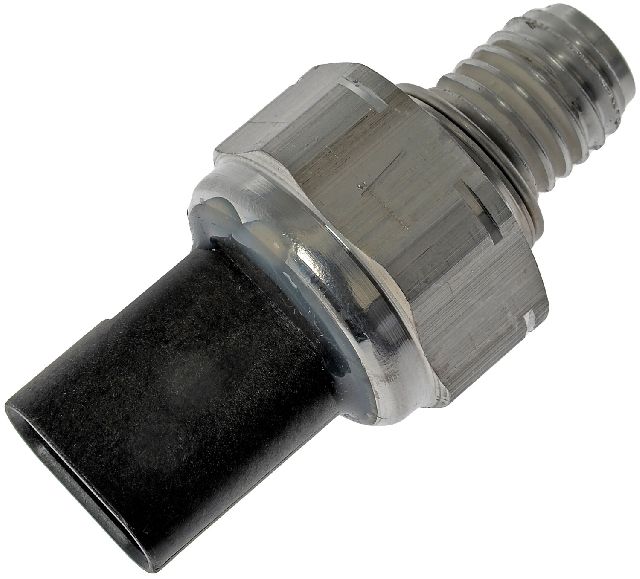
- Engine Oil Pressure Sensor
(OEM #12677836)— This is the most common point of failure for code P0521 on this vehicle. The sensor's readings become unreliable, triggering the code. Note: An older part number was 12621234.
Trusted brands: ACDelco, GM Genuine
OEM price range: $50-$70
Aftermarket price range: $30-$50 - Oil Pressure Sensor Filter Screen
(OEM #12585328)— This small screen sits below the sensor and can get clogged with debris, causing a false low-pressure reading at the sensor. It is critical to replace this screen when replacing the sensor.
Trusted brands: ACDelco, Dorman
OEM price range: $5-$10
Aftermarket price range: $3-$8 - Engine Oil Filter
(OEM #UPF48R or PF48)— Multiple TSBs indicate that the standard PF48E filter can cause oil pressure issues. Replacing it with the older PF48 design or the high-performance UPF48R is a recommended diagnostic step.
Trusted brands: ACDelco, Wix, Mobil 1
OEM price range: $10-$15
Aftermarket price range: $8-$20
Related Codes That Often Appear With This One
- P0523 — This code indicates 'Engine Oil Pressure Sensor/Switch High Voltage.' It often appears with P0521 when the sensor fails, causing erratic readings that go both above and below the expected range, sometimes pegging the gauge at max.
Technical Service Bulletins (TSBs) & Recalls
- PIP4786C: Low oil pressure message with DTC P0521.
- PIP5276G: Latest version, P0521 or Low Oil Pressure message, references other bulletins and valve cover checks. Supersedes F, E, D, etc.
- PIP5276E: P0521 after an oil change, recommends a PF48e type filter.
- PIP5276B: P0521 on cold starts, recommends replacing PF48E filter with a PF48.
- PIP5276D: Recommends replacing PF48E with UPF48R to fix P0521.
Platform-Specific Known Issues
- TSB #PIP4786C notes that vehicles may display a low oil pressure message along with DTC P0521.
- TSB #PIP5276F (superseding earlier versions) mentions that this code may appear with a Service Engine Soon lamp and directs technicians to check if a previous bulletin (10-06-01-008) related to oil filters was completed.
Mechanic-Grade Diagnostic Values
- EOP Sensor 5-Volt Reference Circuit Voltage — expected: 4.8-5.2 volts (Ignition ON, sensor disconnected). Failure: Voltage outside this range indicates a wiring issue or faulty ECM.
- EOP Sensor Low Reference Circuit Resistance to Ground — expected: Less than 1.0 ohm (Ignition OFF, sensor disconnected). Failure: Resistance higher than 1.0 ohm indicates a bad ground connection.
- Scan Tool EOP Reading with Jumper Wire — expected: Greater than 550 kPa (80 psi). Failure: A reading less than 550 kPa when jumping the signal and 5V reference circuits indicates a short to ground or open in the signal wire.
- Minimum Hot Idle Oil Pressure (Mechanical Gauge) — expected: Approx. 20-28 PSI. Failure: Significantly lower pressure may indicate internal engine wear (bearings) or oil pump issues.
- Minimum Oil Pressure Specification (General GM V8) — expected: Minimum of 6 PSI at idle, 18 PSI at 1800 RPM, 24 PSI at 4000 RPM.. Failure: Pressure below these minimums indicates a serious mechanical oiling problem.
Scan Tool Commands That Help
- GDS2 (GM Global Diagnostic System 2): Engine Oil Pump Screening Test — This is a specific procedure outlined in a GM document to try and force DTCs P0521, P06DD, or P06DE to set by cycling engine RPM between idle, 2000, and 4000 RPM. If these codes are triggered during the test, it points towards a failing oil pump and bypasses further sensor/wiring diagnosis.
Wiring & Ground Locations
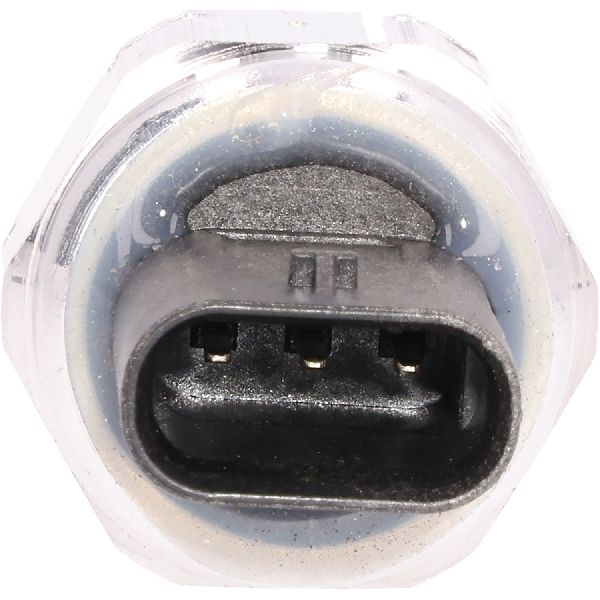
- EOP Sensor Connector — At the oil pressure sensor, top rear of the engine block against the firewall.. This 3-pin connector is the primary interface. Oil can leak through a failed sensor and contaminate the pins, causing poor connection and erratic readings. The connector has a gray locking tab that must be lifted before the connector can be unplugged.
- Pin 1 (Low Reference) — On the EOP sensor connector.. This is the ground circuit for the sensor. It should have less than 1.0 ohm of resistance to a chassis ground.
- Pin 2 (5-Volt Reference) — On the EOP sensor connector. Often a Gray wire.. This pin supplies the 5-volt reference from the ECM. It should read 4.8-5.2 volts with the key on, engine off.
- Pin 3 (Signal) — On the EOP sensor connector. Often a Tan/White wire.. This wire sends the variable voltage signal back to the ECM, corresponding to the measured oil pressure. Testing this wire is key to diagnosing a bad sensor vs. a wiring fault.
Real Owner Repair Stories
- Tahoe Yukon Forum user 'Mickey_7106' (2013 Cadillac Escalade) — P0521 code triggered.
❌ Tried (didn't work) Initially diagnosed as a bad sensor and was preparing to order the part.
✅ What actually fixed it Checked the engine oil level and found it was 2.5 quarts low. Topping off the oil to the correct level resolved the code and restored normal oil pressure readings. - YouTube channel 'Life With Myke LS' (2007-2014 Cadillac Escalade) — Oil pressure gauge reading an impossibly high 117 PSI.
✅ What actually fixed it The previous mechanic had removed the old oil pressure sensor but failed to reinstall the small filter screen underneath it. Installing a new sensor WITH a new filter screen resolved the high pressure reading.
OEM Part Supersession History
12621234, 12616646, 12573107, and others→12677836— Standard part evolution and consolidation by GM.
Heads up: Part number 12677836 is the current recommended genuine GM replacement for most Gen IV V8 applications in this year range.Unknown→12585328— This is the current part number for the small, thimble-shaped oil pressure sensor filter screen.
Heads up: This screen is sometimes referred to as a 'Valve Lifter Oil Filter' in parts catalogs, which can be confusing. It is the correct screen that sits directly under the oil pressure sensor for AFM/DOD engines.
Model Year Variations Within This Range
- 2013-2014: These models are part of the third generation (GMT900 platform) and use the 6.2L L94 V8. Reliability for these years is noted as having a significant improvement over prior years.
- 2015-2016: These models mark the start of the fourth generation (K2XX platform) with a new 6.2L EcoTec3 V8 and a new 8-speed transmission. The 2015 launch year saw a dip in reliability metrics, with higher average repair bills reported compared to the previous generation.
Helpful Videos
Used OEM Parts in Stock
New Aftermarket Parts Available


The information in this article is provided for general reference and educational purposes only. Vehicle specifications, procedures, and part compatibility can vary by production date, trim level, and region. Always consult your vehicle's factory service manual and verify part numbers before purchasing or performing repairs. Safety-critical components such as airbags, seat belts, and braking systems should be installed by a qualified professional.
- Cadillac ESCALADE ESV:
- 🎬 Helpful Videos
- 🛍️ Shop This Part
- What's Unique About the 2013-2016 Cadillac ESCALADE ESV
- Diagnostic Flowchart
- Symptoms You May Notice
- Most Likely Causes
- Rare But Worth Checking
- Diagnosis Steps
- Parts You'll Likely Need
- Related Codes That Often Appear With This One
- Technical Service Bulletins (TSBs) & Recalls
- Platform-Specific Known Issues
- Mechanic-Grade Diagnostic Values
- Scan Tool Commands That Help
- Wiring & Ground Locations
- Real Owner Repair Stories
- OEM Part Supersession History
- Model Year Variations Within This Range
- 🎟️ Get 5% Off