

P0520 on 2013-2018 Hyundai Santa Fe 3.3L V6: Engine Oil Pressure Sensor Circuit Fault Causes and Fixes
On a 2013-2018 Santa Fe 3.3L V6, code P0520 is most often caused by a failed and leaking oil pressure sensor. The part is cheap (~$25-$50), but it's buried under the intake manifold, making replacement a labor-intensive job (3-4 hours) that can cost $700-$1200 at a shop. The leaking oil often mimics a more serious rear main seal leak.
- P0520 on this Santa Fe almost always points to a faulty oil pressure sensor.
- The sensor is located under the intake manifold, making replacement a 3-4 hour job.
- Before committing to the repair, check the oil level and use a borescope to try and spot an oil leak in the engine valley, which would confirm a failed sensor.
- Due to the high labor cost, it is crucial to replace the intake manifold gaskets at the same time.
- Do not ignore this code. While it may just be a sensor, it prevents you from knowing if your engine has a real, damaging oil pressure problem.
What's Unique About the 2013-2018 Hyundai Santa Fe
The key challenge on the Santa Fe's 3.3L V6 is the location of the oil pressure sensor. It is buried deep in the engine valley, underneath both the upper and lower intake manifolds. This makes what would be a simple sensor swap on many engines a significantly more complex and labor-intensive job. Furthermore, the sensor itself is a known failure point, often developing an oil leak that pools in the engine valley. This pooled oil can create a burning smell as it drips onto hot exhaust components and is frequently misdiagnosed as a more serious rear main seal leak because a drain hole in the valley routes the leaking oil to the back of the engine.
Symptoms You May Notice
- Check Engine Light is on
- Oil pressure warning light on the dashboard is on or flickering
- Engine may enter a reduced power 'limp mode'
- Burning oil smell, especially after driving, as oil leaks from the sensor onto the exhaust
- Oil pressure gauge on the dashboard reads erratically, stays at zero, or is maxed out
- Replacing the oil pump without confirming a low pressure condition with a mechanical gauge.
- Mistaking a leaking oil pressure sensor for a rear main seal leak. The engine valley has a drain hole that can route leaking oil down the back of the engine and onto the transmission bellhousing, perfectly mimicking a rear seal leak.
Most Likely Causes
- Failed or Leaking Oil Pressure Sensor/Switch 🔴 High Probability The oil pressure switch on this engine family is a known high-failure item, prone to both electrical failure and developing physical oil leaks. A Technical Service Bulletin for other Kia/Hyundai models with the same 3.3L engine (TSB ENG237) extends the warranty for this exact issue, confirming it's a widespread problem.
How to confirm: Visually inspect the engine valley for pooled oil using a borescope or inspection camera; a leak here strongly points to the sensor. If no leak is found, the sensor's electrical output must be tested with a multimeter or by observing live data on a scan tool. The presence of oil inside the sensor's electrical connector is also a definitive sign of failure.
Typical fix: Replace the oil pressure sensor/switch. Due to its location, this requires removing the upper and lower intake manifolds. It is highly recommended to use the updated part number.
Est. part cost: $25-$60 - Damaged Wiring or Connector 🟡 Medium Probability The wiring harness sits in the hot engine valley, making it susceptible to heat-related degradation over time. Oil leaking from a faulty sensor can also saturate the connector and wiring, causing corrosion and electrical issues.
How to confirm: Once the intake manifold is removed to access the sensor, visually inspect the connector for oil contamination, corrosion, or damaged/broken wires. Perform a continuity and resistance test on the wiring harness leading from the PCM to the sensor connector.
Typical fix: Repair the damaged section of the wiring harness or replace the connector pigtail. Clean any oil from the connector with electrical contact cleaner.
Est. part cost: $10-$30 - Low Engine Oil Level or Incorrect Oil Viscosity ⚪ Low Probability
How to confirm: This should be the very first check. Turn the engine off, wait a few minutes, and check the oil level using the dipstick. Verify that the oil used meets the manufacturer's specifications (typically 5W-30 for this engine).
Typical fix: Top off or change the engine oil with the correct grade and amount.
Est. part cost: $40-$80
Rare But Worth Checking
- Failing Oil Pump or Clogged Oil Passages: While rare to cause a P0520 circuit code directly, erratic or extremely low oil pressure can sometimes cause the sensor to send a signal the PCM interprets as a fault. This is a mechanical engine failure, not just a sensor issue.
- Faulty Powertrain Control Module (PCM): This is extremely rare. The PCM should only be considered after all other possibilities, including the sensor, wiring, and actual oil pressure, have been thoroughly ruled out.
Diagnosis Steps
- Check the engine oil level and condition. Ensure it is full and of the correct viscosity.
- Connect an OBD-II scanner to read the code and check for any other related codes. Note live data for the oil pressure PID if available, looking for erratic or fixed readings.
- Smell for burning oil around the engine bay after a drive.
- Use a borescope or inspection camera to look into the engine valley, underneath the intake manifold, to check for oil pooling around the oil pressure sensor. This is the most definitive non-intrusive check.
- If a leak is confirmed, the sensor is faulty and must be replaced. The entire intake manifold will need to be removed.
- If no leak is visible, the problem is likely purely electrical. The next step is to verify actual oil pressure, but this is difficult on this engine as it requires removing the intake manifold to access the sensor port for a mechanical gauge.
- Once the intake is removed, inspect the sensor's connector and wiring for damage, corrosion, or oil saturation.
- Test the sensor circuit for correct reference voltage from the PCM and for continuity on the ground and signal wires.
- If wiring is confirmed to be good and mechanical pressure is normal (tested after removing the old sensor), the oil pressure sensor itself is electrically faulty and should be replaced.
Parts You'll Likely Need
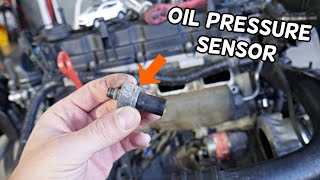
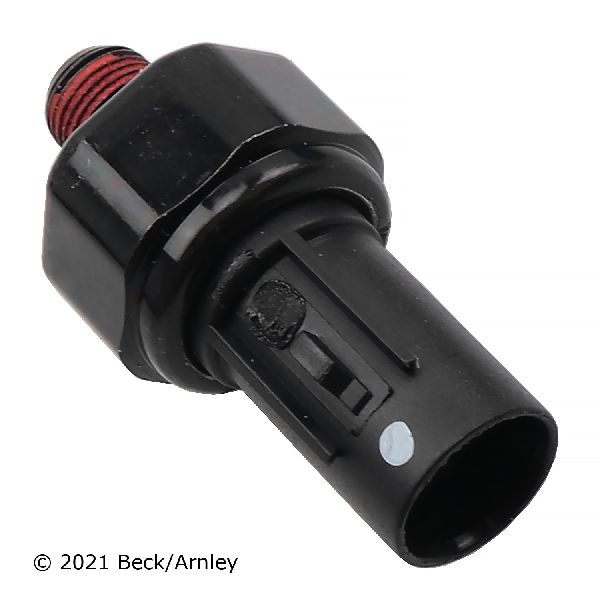
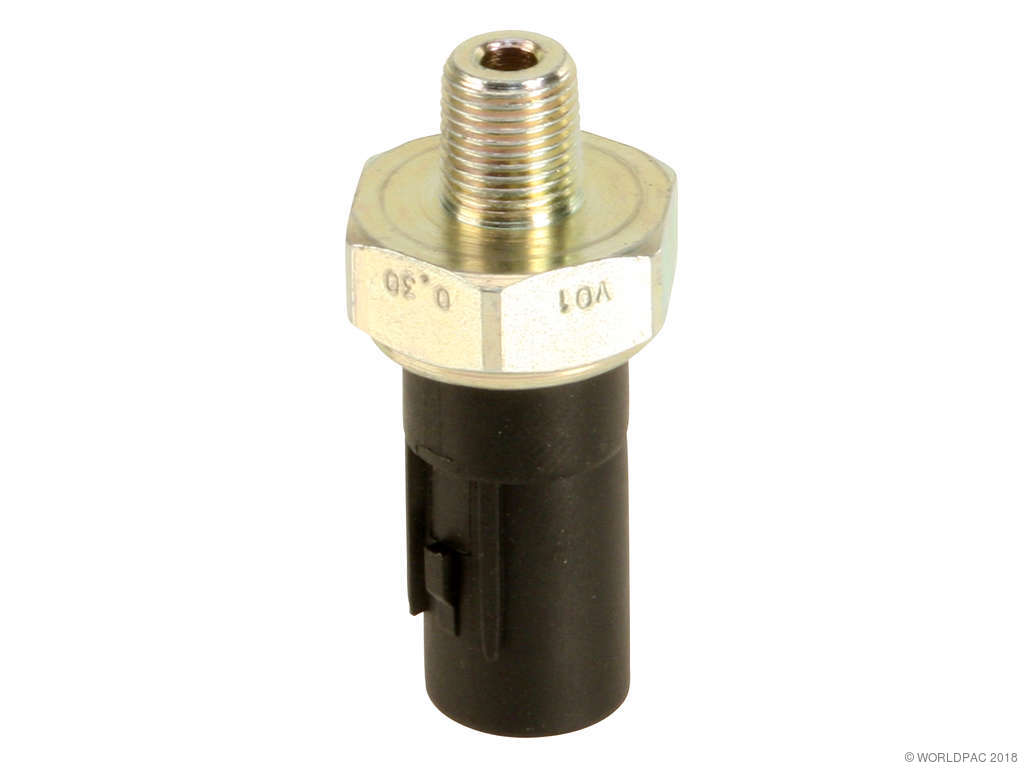
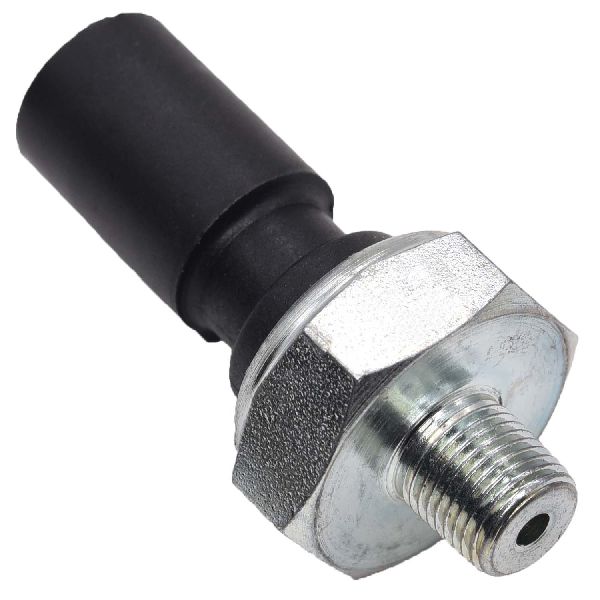
- Engine Oil Pressure Sensor / Switch
(OEM #94750-37100 (Original), 94750-3M000 (Recommended Update))— This is the most common failure point for code P0520 on this engine, often failing electrically or developing a leak. The original part is known to fail; an updated part is available.
Trusted brands: Hyundai/Kia Genuine, Standard Motor Products (PS417), Beck/Arnley
OEM price range: $40-$60
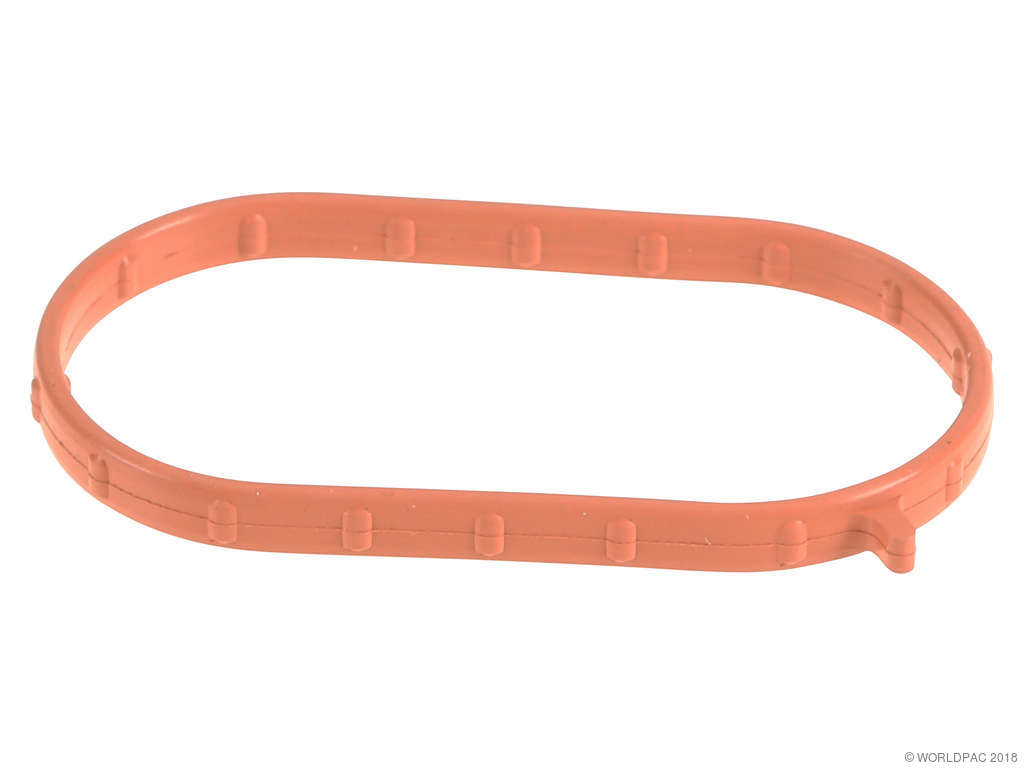
Aftermarket price range: $20-$40 - Upper Intake Manifold Gasket (Surge Tank Gasket)
(OEM #29215-3CFA0 or 29215-3CFA1)— This must be replaced whenever the intake manifold is removed to access the oil pressure sensor.
Trusted brands: Hyundai/Kia Genuine, Fel-Pro, Mahle
OEM price range: $20-$30
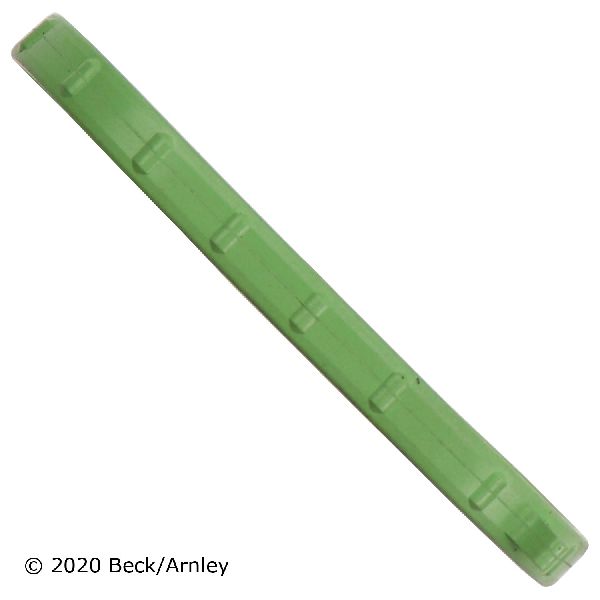
Aftermarket price range: $10-$20 - Lower Intake Manifold Gaskets (Set of 2)
(OEM #28411-3CFA0 (Verify P/N, may be different from similar part 28215-3CFA0))— These must be replaced whenever the intake manifold is removed. They seal the lower intake runners to the cylinder heads.
Trusted brands: Hyundai/Kia Genuine, Fel-Pro, Victor Reinz
OEM price range: $30-$50
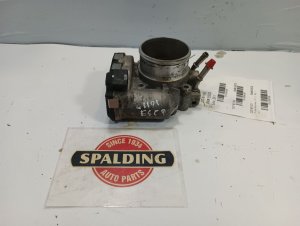
Aftermarket price range: $20-$40 - Throttle Body Gasket — Recommended to replace while the throttle body is removed as part of the intake manifold disassembly. It's an inexpensive part that prevents future vacuum leaks.
Trusted brands: Hyundai/Kia Genuine, Fel-Pro
OEM price range: $5-$10
Aftermarket price range: $3-$7
Technical Service Bulletins (TSBs) & Recalls
- Kia TSB ENG237 (July 2022): While for Kia models (Sorento, Cadenza, Sedona) with the same 3.3L engine, this TSB describes a warranty extension (to 15 years/150,000 miles) for a leaking Oil Pressure Switch, which is the primary cause of P0520 on the Santa Fe as well. It provides diagnostic guidance for identifying the leak with a borescope and explicitly warns against misdiagnosing it as a rear main seal leak.
Platform-Specific Known Issues
- The oil pressure sensor is located in a very difficult-to-access position under the intake manifold, making replacement a labor-intensive job.
- A leaking oil pressure sensor is a common problem and can be misdiagnosed as a rear main seal leak due to the location of a drain channel in the engine valley that exits at the rear of the engine.
Mechanic-Grade Diagnostic Values
- Oil Pressure Sensor Type — expected: Single-wire, on/off switch. It does not provide a variable pressure reading, only indicates if pressure is above or below a set threshold.. Failure: The sensor provides a signal that is inconsistent with the engine's state (e.g., showing no pressure when the engine is running).
- Sensor Continuity Test (Engine Off) — expected: With the engine off (no oil pressure), there should be continuity between the sensor's single pin and the sensor body (ground).. Failure: No continuity (an open circuit) when the engine is off indicates a failed sensor.
- Sensor Continuity Test (Engine Running) — expected: With the engine running and sufficient oil pressure, the switch should open, and there should be no continuity between the pin and the body.. Failure: Continuity persists even when the engine is running, indicating the switch is stuck closed.
- Tool for Removal — expected: 24mm deep socket.. Failure: N/A
Scan Tool Commands That Help
- Hyundai GDS: Oil Pressure Characteristics BackUp & Input — This function is used for the automatic transmission oil pressure data when replacing the transmission or TCU/PCM. It is NOT relevant for the P0520 engine oil pressure sensor fault.
Wiring & Ground Locations
- Oil Pressure Sensor Signal Wire — A single wire (color may vary, often White/Black) running from the sensor in the engine valley, as part of the engine control harness, to the ECM.. This is the primary signal wire. Damage, corrosion, or oil saturation on this wire or its connector will directly cause a P0520 code.
- ECM Pin 48 (Sensor Ground) — On some Lambda II 3.3L T-GDI engine control modules, Pin 48 (Black wire) serves as the sensor ground for the oil pressure sensor and MAP sensor.. While the sensor grounds through its body to the engine block, a fault in the shared sensor ground circuit at the ECM could potentially cause erratic readings, though this is less likely than a sensor or direct wiring failure.
- Engine Block Ground — The sensor body grounds directly to the engine block where it is threaded in. The main engine ground straps connect the block to the chassis.. A poor connection between the sensor threads and the engine block due to corrosion or improper torque could cause a faulty ground and trigger the code. A poor main engine ground could also cause widespread electrical issues, including this one.
OEM Part Supersession History
94750-37000→94750-37100— The original part number was updated by Hyundai/Kia. The new part is the standard replacement.94750-37100→94750-3M000— This is the recommended updated part mentioned in forums and TSBs for related engines, likely for improved durability and resistance to leaking.
Heads up: The 94750-3M000 is the preferred part for this repair to prevent repeat failures.
Diagnostic Flowchart
Other Known Issues on This Vehicle
Issues unrelated to this code that are worth knowing about as an owner of this generation:
- GDI Intake Valve Carbon Buildup 🟠 Medium — Typically becomes noticeable after 60,000-70,000 miles, causing rough idle, misfires, and reduced performance.
- Electronic Parking Brake (EPB) Failure 🔴 High — The EPB module or switch can fail, sometimes causing the rear wheels to lock up unexpectedly. This is becoming a more common issue as the vehicles age.
- Engine Bearing Wear / Oil Consumption 🔴 High — While the V6 is generally more robust than the 4-cylinder Theta II engine, some owners report increased oil consumption past 60,000 miles and, in rarer cases, premature connecting rod bearing wear. This is a known issue across many Hyundai/Kia engines of this era. (Ref: Related recalls/TSBs exist for other Hyundai engines (e.g., SC147 for Theta II), but not specifically for this V6 issue.)
- Crankshaft Position Sensor Failure 🟠 Medium — Failure can cause random stalling or a no-start condition where the engine cranks but does not fire.
Used vs. New Parts: Buying Guide for This Vehicle
When a used part is the smart pick: For this specific repair, using a used oil pressure sensor is strongly discouraged. The part itself is inexpensive, while the labor to access it is extremely high (3-4+ hours). The risk of a used sensor failing shortly after installation far outweighs the small cost savings. A used intake manifold or other removed components could be considered only if they were damaged during disassembly.
Donor-vehicle mileage cap: roughly under 10000 miles for the part to have meaningful remaining life.
What to inspect on the donor part:
- For a used sensor (not recommended): Ensure the plastic connector is not brittle or cracked.
- Check for any signs of oil leakage from the sensor body or through the electrical pin.
- Verify the threads are clean and undamaged.
OEM-only on this vehicle (don't cheap out):
- Engine Oil Pressure Sensor / Switch: Due to the high labor cost of replacement, using a Genuine Hyundai/Kia part (specifically the updated 94750-3M000) is the safest choice to ensure longevity.
- Intake Manifold Gaskets: Using high-quality OEM or reputable aftermarket (Fel-Pro, Mahle) gaskets is critical to prevent vacuum leaks after reassembly.
Aftermarket brands forum-validated for this vehicle:
- Standard Motor Products (SMP)
- Beck/Arnley
- Fel-Pro (for gaskets)
- Mahle (for gaskets)
Brands owners have reported issues with on this vehicle:
- No-name, unbranded sensors from online marketplaces. The quality control is unknown, and the risk of premature failure is high, which would require repeating the entire labor-intensive job.
Real Owner Stories
Aggregated from forums and TSBs cited above. Mileages and costs reflect what owners reported in those sources.
2014 Hyundai Azera Limited 3.3L V6
Symptoms: The oil pressure switch was leaking oil, requiring a complex replacement procedure involving the removal of the intake manifold.
What fixed it: Replacement of the oil pressure switch/sensor.
Source hint: YouTube - '2014 Hyundai Azera Limited 3.3 Oil Pressure Switch Replacement'
2013-2018 Hyundai Santa Fe 3.3L V6
Symptoms: Owners reported a leaking sensor found under the intake manifold, with some initially suspecting rear main seal leaks due to the oil exit location.
What fixed it: Replacement of the oil pressure sensor/switch and cleaning oil from the electrical connector.
Cost: $700-$1200
Source hint: hyundai-forums.com threads regarding P0520 on the 3.3L V6
Related OBD-II Codes
Frequently Asked Questions
I see Kia TSB ENG237 covers the 3.3L oil pressure switch; does this apply to my 2013-2018 Hyundai Santa Fe?
My mechanic says I have a rear main seal leak, but I also have a P0520 code. Could they be related?
Why is the labor cost so high for a simple oil pressure sensor on the Santa Fe 3.3L?
Can I use a used oil pressure sensor to save money on this repair?
Is there a specific part I should use for the P0520 fix?
What should I check first if my oil pressure light is flickering on my Santa Fe?
Helpful Videos
Used OEM Parts in Stock


New Aftermarket Parts Available


The information in this article is provided for general reference and educational purposes only. Vehicle specifications, procedures, and part compatibility can vary by production date, trim level, and region. Always consult your vehicle's factory service manual and verify part numbers before purchasing or performing repairs. Safety-critical components such as airbags, seat belts, and braking systems should be installed by a qualified professional.
- Hyundai Santa Fe:
- 🎬 Helpful Videos
- 🛍️ Shop This Part
- What's Unique About the 2013-2018 Hyundai Santa Fe
- Symptoms You May Notice
- Most Likely Causes
- Rare But Worth Checking
- Diagnosis Steps
- Parts You'll Likely Need
- Technical Service Bulletins (TSBs) & Recalls
- Platform-Specific Known Issues
- Mechanic-Grade Diagnostic Values
- Scan Tool Commands That Help
- Wiring & Ground Locations
- OEM Part Supersession History
- Diagnostic Flowchart
- Other Known Issues on This Vehicle
- Used vs. New Parts: Buying Guide for This Vehicle
- Real Owner Stories
- 2014 Hyundai Azera Limited 3.3L V6
- 2013-2018 Hyundai Santa Fe 3.3L V6
- Related OBD-II Codes
- Frequently Asked Questions
- 🎟️ Get 5% Off