

P0520 on 2011-2014 Ford Mustang 5.0: Engine Oil Pressure Sensor Circuit Fixes
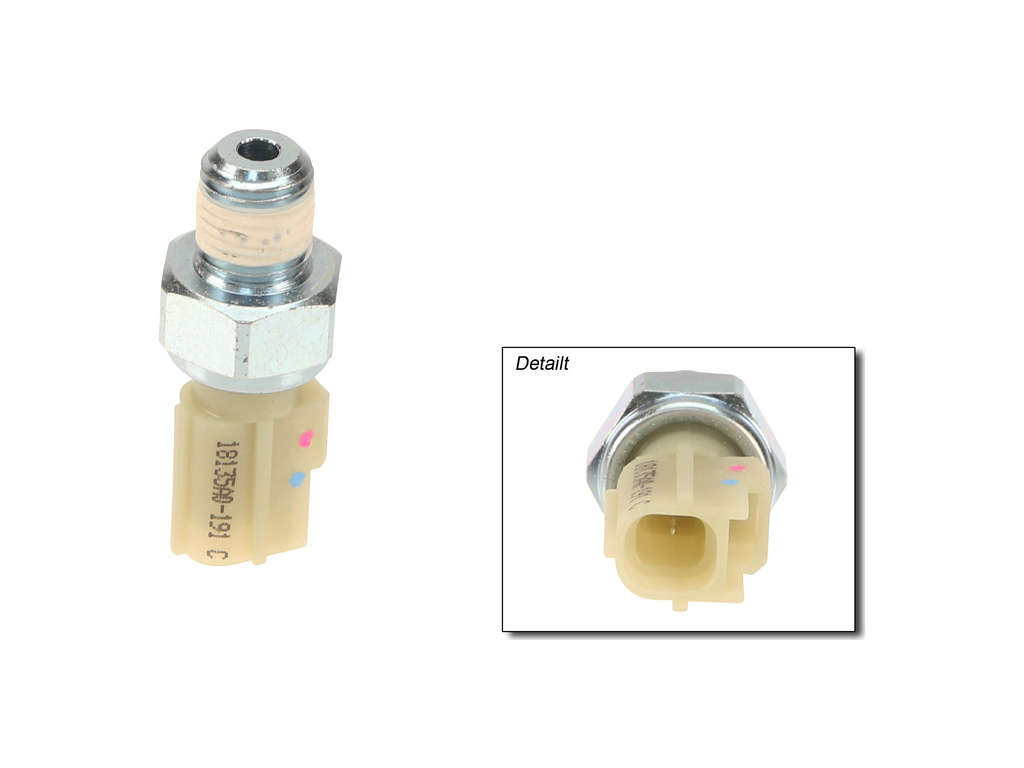
On a 2011-2014 Mustang GT 5.0, code P0520 almost always means the engine oil pressure sensor (or switch) has failed. It's a common, inexpensive part to replace, typically costing $20-$50 for a new sensor. The OEM Motorcraft part is SW6357, which corresponds to Ford part number BU2Z-9F924-A.
- P0520 on your Mustang 5.0 is an electrical fault code, not a direct indicator of low oil pressure.
- The most likely cause is a failed oil pressure sensor (Motorcraft SW6357). It's an affordable and accessible part for a DIY replacement.
- Before replacing parts, always check your oil level and look for obvious damage to the sensor's wiring and connector.
- If you unplug the sensor and find oil inside the electrical connector, the sensor has failed and needs to be replaced.
- Do not ignore this code. While the engine may run fine, you have lost the primary way of monitoring its most critical fluid pressure.
What's Unique About the 2011-2014 Ford Mustang
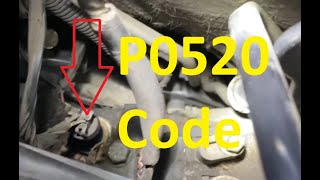
The Coyote 5.0L V8 in the S197 Mustang is a robust engine, and P0520 is not typically a sign of major mechanical trouble. The issue is almost always isolated to the oil pressure sensor itself, 🎬 See this overview of the P0520 code and how it works which is a simple and accessible part located on the driver's side of the engine block near the oil filter. While some Ford vehicles can trigger this code from faulty oil filters, on the Mustang GT, a failed sensor is the most common culprit. It's important to note that the factory oil pressure gauge on the dashboard is often not a true variable gauge but more of an on/off switch, so its reading may not be reliable for diagnosis.
Symptoms You May Notice
- Check Engine Light is on
- Oil pressure warning light may be on
- Oil pressure gauge (if equipped) reads zero, fluctuates wildly, or is maxed out
- On vehicles with a digital message center, a 'Check Oil' or 'Low Oil Level' message may appear, even if the oil level is correct.
- Replacing the oil pump. A P0520 code is an electrical circuit fault. A failing oil pump is a mechanical issue that would typically present with other codes (like P0524), audible engine noise, and verified low pressure with a mechanical gauge.
Most Likely Causes
- Faulty Engine Oil Pressure Sensor 🔴 High Probability The sensor is a common failure point due to age, heat cycles, and vibration. A classic sign of failure is finding engine oil inside the electrical connector once unplugged, which indicates the sensor's internal seal has failed and it is leaking oil through the pins.
How to confirm: Visually inspect the sensor's electrical connector for oil contamination. If oil is present, the sensor is faulty and must be replaced. If not, you can test the sensor's resistance with a multimeter or simply replace it, as it's the most likely cause and is relatively inexpensive.
Typical fix: Replace the engine oil pressure sensor.
Est. part cost: $20-$50 - Damaged Wiring or Connector 🟡 Medium Probability The wiring harness leading to the sensor is exposed to engine heat and vibration, which can cause wires to become brittle, frayed, or corroded over time. The connector plug itself can become brittle and break.
How to confirm: Visually inspect the wiring harness leading to the oil pressure sensor for any signs of cracking, melting, or corrosion. Check that the connector is securely attached and the pins are clean. Wiggle the harness while the engine is running to see if it triggers the fault.
Typical fix: Repair the damaged section of wire or replace the connector pigtail. 🎬 Watch: How to diagnose and repair damaged sensor wiring A replacement pigtail connector is readily available (e.g., Standard Motor Products S-2247).
Est. part cost: $15-$30 for a pigtail - Incorrect Oil Level or Clogged Filter ⚪ Low Probability While not a direct cause of an electrical circuit code, extremely low/dirty oil or a completely clogged oil filter can cause erratic pressure readings that may, in rare cases, be interpreted by the PCM as a sensor fault. Using oil of the wrong viscosity can also cause this issue.
How to confirm: Check the engine oil level and condition using the dipstick. Note the date and mileage of your last oil change. Ensure the correct oil viscosity (5W-20) was used.
Typical fix: Perform an oil and filter change using the correct viscosity oil (5W-20 for this engine) and a quality filter.
Est. part cost: $50-$90 for oil and filter
Rare But Worth Checking
- Leaking Sensor Seal: A Technical Service Bulletin (TSB 17-2271) was issued for the next-generation 2015-2017 Mustang 5.0L for oil leaking from the sensor's threads. While not for this specific year range, it indicates the seal can be a weak point. A leak could eventually contaminate the connector and cause the P0520 code.
- Powertrain Control Module (PCM) Failure: This is extremely rare. The PCM is the last thing to consider after all other possibilities, including wiring, have been exhaustively checked.
Diagnosis Steps
- Check the engine oil level and condition. Ensure it is full and not overly dirty. Top off or change if necessary.
- Scan for any other trouble codes. If P0520 appears alone, it strongly points to the sensor circuit.
- Locate the oil pressure sensor on the driver's side of the engine, near the oil filter housing.
- Inspect the sensor's electrical connector for a secure fit, corrosion, or damage. Unplug it and check for oil inside the connector. If oil is present, the sensor is faulty and must be replaced.
- Inspect the visible wiring leading to the sensor for any signs of heat damage, fraying, or breaks.
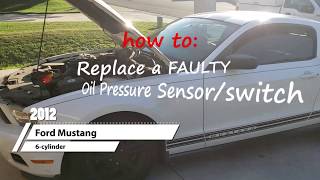
- If the inspection is inconclusive, the most cost-effective next step is to replace the sensor, as it is the most common failure point. A deep socket is typically required for removal and installation. 🎬 Watch: Step-by-step guide to replacing the sensor on a 2012 Mustang
- (Advanced) If a new sensor does not fix the issue, use a multimeter to test the circuit. Check for 5V reference, a good ground, and continuity on the signal wire back to the PCM.
- (Definitive) As a final confirmation, you can connect a mechanical oil pressure gauge to the engine. If the mechanical pressure is good (typically ~25 PSI at warm idle, ~100 PSI above 4,000 RPM on a Coyote), you know the problem is 100% electrical (sensor, wiring, or PCM).
Parts You'll Likely Need
- Engine Oil Pressure Sensor / Switch
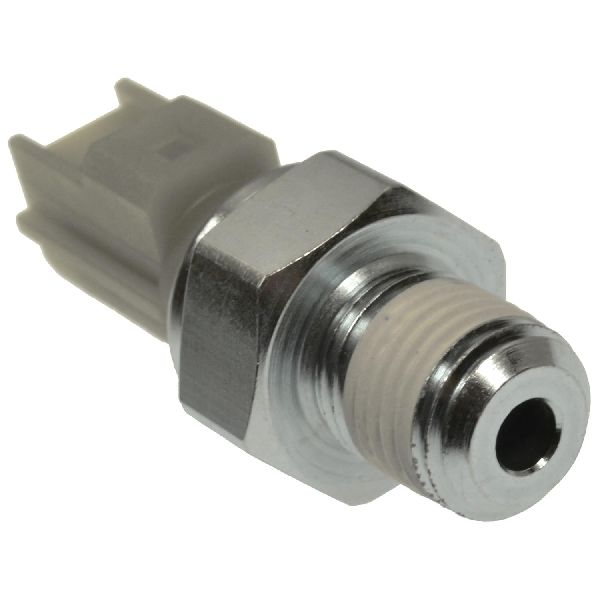
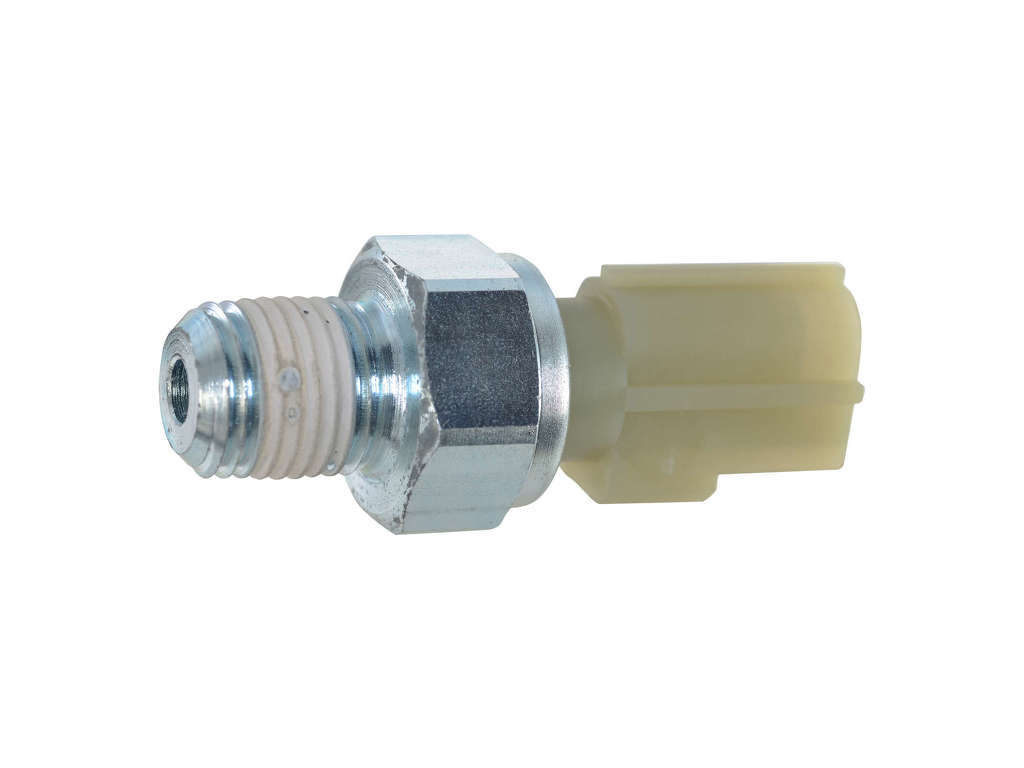
(OEM #Motorcraft SW6357 (Ford BU2Z-9F924-A))— This is the most common failure point for code P0520 on this vehicle.
Trusted brands: Motorcraft, Standard Motor Products (SMP), Delphi
OEM price range: $30-$50
Aftermarket price range: $20-$40 - Oil Pressure Sensor Connector Pigtail
(OEM #Standard Motor Products S-2247)— Needed if the original connector is broken, corroded, or melted from engine heat.
Trusted brands: Standard Motor Products (SMP), Dorman, Motorcraft
OEM price range: $20-$35
Aftermarket price range: $15-$25
Platform-Specific Known Issues
- Forum user on S197Forum.com with a 2014 GT confirmed the factory gauge is a 'dummy' gauge, reading normal unless pressure is lost, making an aftermarket gauge necessary for true monitoring.
Mechanic-Grade Diagnostic Values
- Sensor Harness 5V Reference — expected: 5 volts. Failure: Missing or low voltage points to a wiring or PCM failure.
- Sensor Harness Ground Pin — expected: Near 0 volts. Failure: Voltage significantly above 0V indicates a bad ground connection.
- Sensor Signal Wire Voltage (back-probed) — expected: Varies with RPM, typically ~0.5V at warm idle, rising to ~4.5V at higher RPM.. Failure: A static, zero, or maxed-out voltage reading while RPM changes indicates a failed sensor.
- Sensor Internal Resistance — expected: Must be checked against service manual specifications for the specific part.. Failure: A reading of OL (Open Loop/infinite resistance) or a value far outside the specified range indicates a faulty sensor.
Wiring & Ground Locations
- PCM — Passenger side of the engine bay, next to the fuse box. It has three main connectors: Cowl (bottom), Engine (middle), and Transmission (top).. This is the module that receives the signal from the oil pressure sensor. All circuit testing ultimately leads back to these connectors.
- G100 / G101 / G102 / G103 — Located at the front of the engine compartment on the right (passenger) and left (driver) sides.. These are primary engine compartment grounds. A poor connection at one of these points can cause intermittent and difficult-to-diagnose electrical issues for various engine sensors.
- G106 — On the 5.0L engine, this ground is located on the right (passenger) side of the engine block.. This is a critical engine block ground. A loose or corroded connection here can affect sensor readings that rely on the block for a ground path.
- G201 — Located on the right (passenger) side of the dash, near the kick panel.. This is a primary ground point for the Powertrain Control Module (PCM). A fault here can directly impact the PCM's ability to correctly interpret sensor data.
Model Year Variations Within This Range
- 2011-2012 vs 2013-2014: The 2011-2012 Gen 1 Coyote engines were equipped with piston oil squirters for cooling. For the 2013-2014 model years, these oil squirters were removed from the engine design. The 2013-2014 engines also had a slight horsepower increase to 420 hp from 412 hp. While this internal mechanical change does not directly affect the electrical P0520 code, it is a significant variation within this engine family.
Diagnostic Flowchart
Other Known Issues on This Vehicle
Issues unrelated to this code that are worth knowing about as an owner of this generation:
- Getrag MT82 Manual Transmission Problems 🔴 High — Common complaint across the 2011-2019 model years. Issues include high-RPM lockout (especially 2nd to 3rd gear), grinding, gear clash, and premature wear. (Ref: Multiple TSBs issued, but no federal recall. A class-action lawsuit was filed regarding the issue.)
- Engine "BBQ Tick" or "Typewriter Tick" 🟡 Low — A common, distinctive ticking noise from the engine, often noticeable at idle in drive-thrus. It can appear randomly and is present on a large percentage of Coyote engines. (Ref: Ford has officially deemed the noise a normal operating characteristic with no short or long-term effects on the engine, advising against repairs.)
- Water Pump Failure/Leak 🟠 Medium — The water pump is a known weak point that can develop leaks. This was more common on early models. (Ref: TSB 12-3-1 was issued for an intermittent metallic rattle which could lead to water pump replacement on 2011-2012 models.)
- Automatic Transmission Engagement/Shift Issues 🟠 Medium — Some vehicles with the 6R80 automatic transmission may exhibit harsh engagements, delayed shifts, or start in 5th gear. (Ref: TSB 13-6-8 addresses an issue where the transmission may engage 5th gear on startup and show speedometer/odometer errors for 2011-2014 models.)
- Sunken Intake Valves (Early Models) 🔴 High — Affects 2011-2013 and some early 2014 models. The intake valves were made of a soft material, causing them to wear and 'sink' into the cylinder head, leading to compression loss and misfires at idle. (Ref: No recall. The fix is a cylinder head repair with updated, harder valves. Ford corrected the issue in later production.)
Used vs. New Parts: Buying Guide for This Vehicle
When a used part is the smart pick: For this specific repair, sourcing used parts is not recommended for the sensor itself. However, if the wiring connector pigtail is damaged and a new one is not immediately available, a used pigtail from a junkyard vehicle is a viable option, provided the wiring is inspected for brittleness and the plastic is not cracked.
Donor-vehicle mileage cap: roughly under 150000 miles for the part to have meaningful remaining life.
What to inspect on the donor part:
- For a connector pigtail: ensure the locking tab is intact and clicks firmly.
- Check for at least 6 inches of flexible, uncracked wire attached.
- Inspect the pins inside the connector; they should be straight and free of green or white corrosion.
- Avoid connectors from engine bays that are excessively oily or show signs of overheating.
OEM-only on this vehicle (don't cheap out):
- Engine Oil Pressure Sensor: Given the low cost of an OEM Motorcraft sensor and its critical function, using an OEM or a high-quality OE-equivalent brand (like Delphi) is strongly recommended. Cheap aftermarket sensors are a common source of repeat failures.
Aftermarket brands forum-validated for this vehicle:
- Motorcraft (OEM)
- Standard Motor Products (SMP)
- Delphi
Brands owners have reported issues with on this vehicle:
- Unbranded, 'white box' sensors from online marketplaces often have poor quality control and may fail prematurely or be improperly calibrated, causing the code to return.
Real Owner Stories
Aggregated from forums and TSBs cited above. Mileages and costs reflect what owners reported in those sources.
2014 Ford Mustang GT 5.0L
Symptoms: The factory oil pressure gauge was not acting as a variable reader, and the owner needed to install an aftermarket gauge to see actual PSI levels.
What fixed it: Installation of an aftermarket gauge to monitor real-world pressure (confirmed 25psi at warm idle and ~100psi at 4k RPM).
Source hint: S197Forum.com - 'oil psi on 2014 gt' (https://www.s197forum.com/threads/oil-psi-on-2014-gt.137096/)
2014 Ford Mustang GT 5.0L
Symptoms: Owner experienced a false 'Oil Level Low' message on the digital display despite the oil level being correct.
What fixed it: The suggested fix was replacing a faulty sensor within the oil sensing system.
Source hint: BobIsTheOilGuy.com - '2014 Mustang GT: Oil level low message.' (https://bobistheoilguy.com/forums/threads/2014-mustang-gt-oil-level-low-message.293675/)
2011-2014 Ford F-150 5.0L V8
Symptoms: P0520 code triggered; upon inspection, engine oil was found inside the electrical connector pins.
What fixed it: Replacement of the failed oil pressure sensor.
Source hint: Platform mate data for 2011-2014 Ford F-150 5.0L V8
Related OBD-II Codes
Frequently Asked Questions
Is the oil pressure gauge on my 2014 Mustang GT accurate for monitoring real-time pressure?
My 2014 Mustang is showing a 'Low Oil Level' message but the dipstick is full. Is this P0520?
What specific oil viscosity should I use to avoid pressure-related sensor faults on the Coyote 5.0L?
I found oil inside the electrical connector of the sensor. Does this mean I need a new wiring harness?
Does the 'BBQ Tick' noise on my 2012 Mustang mean my oil pressure sensor is failing?
Where is the oil pressure sensor located on the 2011-2014 5.0L engine?
Helpful Videos
Used OEM Parts in Stock

New Aftermarket Parts Available


The information in this article is provided for general reference and educational purposes only. Vehicle specifications, procedures, and part compatibility can vary by production date, trim level, and region. Always consult your vehicle's factory service manual and verify part numbers before purchasing or performing repairs. Safety-critical components such as airbags, seat belts, and braking systems should be installed by a qualified professional.
- Ford Mustang:
- 🎬 Helpful Videos
- 🛍️ Shop This Part
- What's Unique About the 2011-2014 Ford Mustang
- Symptoms You May Notice
- Most Likely Causes
- Rare But Worth Checking
- Diagnosis Steps
- Parts You'll Likely Need
- Platform-Specific Known Issues
- Mechanic-Grade Diagnostic Values
- Wiring & Ground Locations
- Model Year Variations Within This Range
- Diagnostic Flowchart
- Other Known Issues on This Vehicle
- Used vs. New Parts: Buying Guide for This Vehicle
- Real Owner Stories
- 2014 Ford Mustang GT 5.0L
- 2014 Ford Mustang GT 5.0L
- 2011-2014 Ford F-150 5.0L V8
- Related OBD-II Codes
- Frequently Asked Questions
- 🎟️ Get 5% Off