

P0507 on 2005-2010 Pontiac G6: Causes for High Idle and Fixes
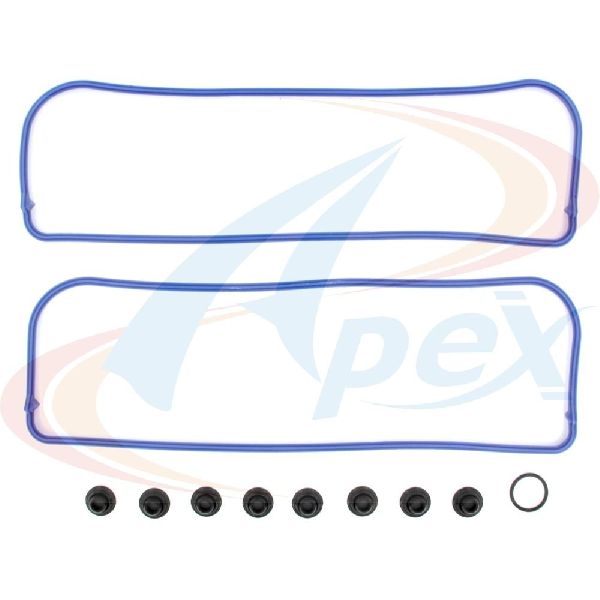
On a 2005-2010 Pontiac G6, code P0507 is most often caused by a dirty electronic throttle body or a vacuum leak. Start by cleaning the throttle body and be prepared for a potential idle relearn procedure afterward. This is a common DIY fix with low parts cost. In some cases, especially on the 2.4L engine, a cracked valve cover which integrates the PCV system can be the culprit.
- P0507 on your G6 means the idle is too high, most likely due to a dirty throttle body, a vacuum leak, or the need for an idle relearn procedure.
- Cleaning the throttle body is the most common first step and very often causes this code to appear temporarily until an idle relearn is completed.
- Do not rush to replace the throttle body; the issue is often much simpler and cheaper to fix.
- Check for vacuum leaks from old hoses or gaskets, and on 2.4L models, inspect the valve cover for cracks.
- A specific, multi-step idle relearn procedure is often required to fix the high idle after service.
What's Unique About the 2005-2010 Pontiac G6
The Pontiac G6 uses a 'drive-by-wire' electronic throttle body, which is sensitive to carbon buildup. A very common issue on this platform is a high idle immediately after cleaning the throttle body or disconnecting the battery. The ECM's learned throttle position values are reset, and it may struggle to relearn the proper closed position, causing a persistent high idle and triggering the P0507 code until a proper idle relearn procedure is completed. Owners on forums like Reddit and G6-specific sites frequently report this exact scenario.
Symptoms You May Notice
- Check Engine Light is on
- Engine idling higher than normal (e.g., 1000-1500 RPM in Park).
- Engine seems to 'race' or surge when stopped
- Harsh engagement when shifting from Park into Drive or Reverse
- Increased braking effort may be needed to hold the vehicle at a stop.
- In some cases, after a throttle body cleaning, the idle can jump as high as 3000 RPM.
- Replacing the throttle body assembly when it only needed to be cleaned and have an idle relearn performed.
- Replacing sensors like the MAF or MAP sensor when the issue is a simple vacuum leak or a cracked PCV hose.
- Assuming the P0507 code that appears after cleaning the throttle body is a new, unrelated problem, when it is a direct consequence that requires a relearn procedure.
Most Likely Causes
- Dirty Throttle Body 🔴 High Probability Carbon and oil vapor from the PCV system can build up on the throttle plate and bore, preventing it from closing completely at idle. When cleaned, the sudden increase in airflow around the plate before the ECM relearns the new position is a primary trigger for P0507.
How to confirm: Remove the air intake duct from the throttle body and visually inspect for a black ring of carbon buildup where the throttle plate closes. The plate should be shiny metal, not coated in black soot.
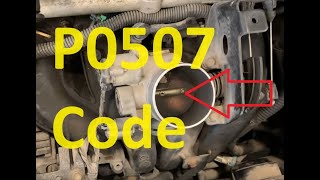
Typical fix: Clean the throttle body bore and plate with a dedicated throttle body cleaner and a soft cloth or brush. It is safe to manually push the throttle plate open for cleaning as long as the ignition is off. An idle relearn procedure is almost always required after cleaning. 🎬 See this walkthrough on how to easily fix a high idle
Est. part cost: $5-$15 - Vacuum Leak 🔴 High Probability Over time, rubber and plastic vacuum hoses, intake gaskets, and PCV system components can become brittle and crack, creating an unmetered air leak that raises the idle.
How to confirm: Listen for a hissing sound around the engine bay at idle. A common professional method is to use a smoke machine to feed smoke into the intake system and see where it escapes. A DIY method involves carefully spraying short bursts of brake cleaner or a combustible fluid around suspected vacuum lines and gaskets; a change in idle RPM indicates you've found the leak. Common leak points include the brake booster hose and intake manifold gaskets.
Typical fix: Identify and replace the cracked hose, failed gasket, or faulty component. The intake manifold gasket on some GM vehicles is a known failure point leading to this code.
Est. part cost: $10-$100 - Faulty or Stuck PCV System 🟡 Medium Probability The Positive Crankcase Ventilation (PCV) valve can get stuck open, creating a constant vacuum leak. On the 2.4L Ecotec engine specifically, the PCV orifice is integrated into the plastic valve cover. This cover is known to crack, creating a significant vacuum leak that can trigger P0507.
How to confirm: Inspect the PCV valve and its hoses for cracks or blockages. For the 2.4L engine, carefully inspect the valve cover for any hairline cracks, especially around the PCV orifice area. A smoke test is very effective at revealing a cracked valve cover.
Typical fix: Replace the PCV valve if it's a separate component. If the valve cover is cracked (common on the 2.4L), the entire valve cover assembly must be replaced.
Est. part cost: $15-$150
Rare But Worth Checking
- Failed Electronic Throttle Body: If cleaning the throttle body and checking for vacuum leaks doesn't solve the issue, the internal motor or position sensor within the throttle body assembly may have failed. This is more expensive and should only be considered after ruling out simpler causes. Getting other throttle-related codes (like P0120, P0220, P1516, P2135) alongside P0507 can point to a faulty unit.
- Faulty Throttle Position Sensor (TPS): GM issued a Technical Service Bulletin (TSB 12-06-04-003) for some 2006-2009 G6 models for a related code (P2135) caused by a faulty TPS. While this TSB doesn't directly address P0507, a failing TPS could potentially cause erratic idle behavior. Another TSB, 07-06-04-019E, addresses water intrusion into a harness connector causing APP sensor correlation faults (P2138), which can also affect throttle control.
Diagnosis Steps
- Verify the P0507 code is present using an OBD-II scanner.
- Visually inspect the engine bay for any obvious disconnected or cracked vacuum hoses, especially the PCV lines and brake booster hose.
- Listen for audible hissing sounds near the intake manifold that would indicate a vacuum leak.
- Remove the air intake tube and inspect the throttle body for carbon buildup. If dirty, this is your most likely culprit.
- Clean the throttle body thoroughly using appropriate cleaner and a soft rag. Do not use overly harsh tools that could scratch the bore. It is okay to move the throttle plate by hand if the ignition is off.
- Reconnect everything and perform an idle relearn procedure. A common method for the G6 is: Start the engine and let it idle in Park for 3 minutes. Turn the engine off for 60 seconds. Start the engine again and let it idle for another 3 minutes. Finally, drive the vehicle for at least 10 minutes, including some varied speeds and stops.
- If the idle is still high, perform a vacuum leak test using a smoke machine or the combustible spray method, paying close attention to the intake manifold gasket and PCV system.
- If all else fails, and especially if other throttle codes are present, the electronic throttle body itself may be faulty and require testing or replacement.
Parts You'll Likely Need
- Throttle Body Cleaner — This is the most common first step, as carbon buildup is a frequent cause of P0507 on the G6.
Trusted brands: CRC, ACDelco
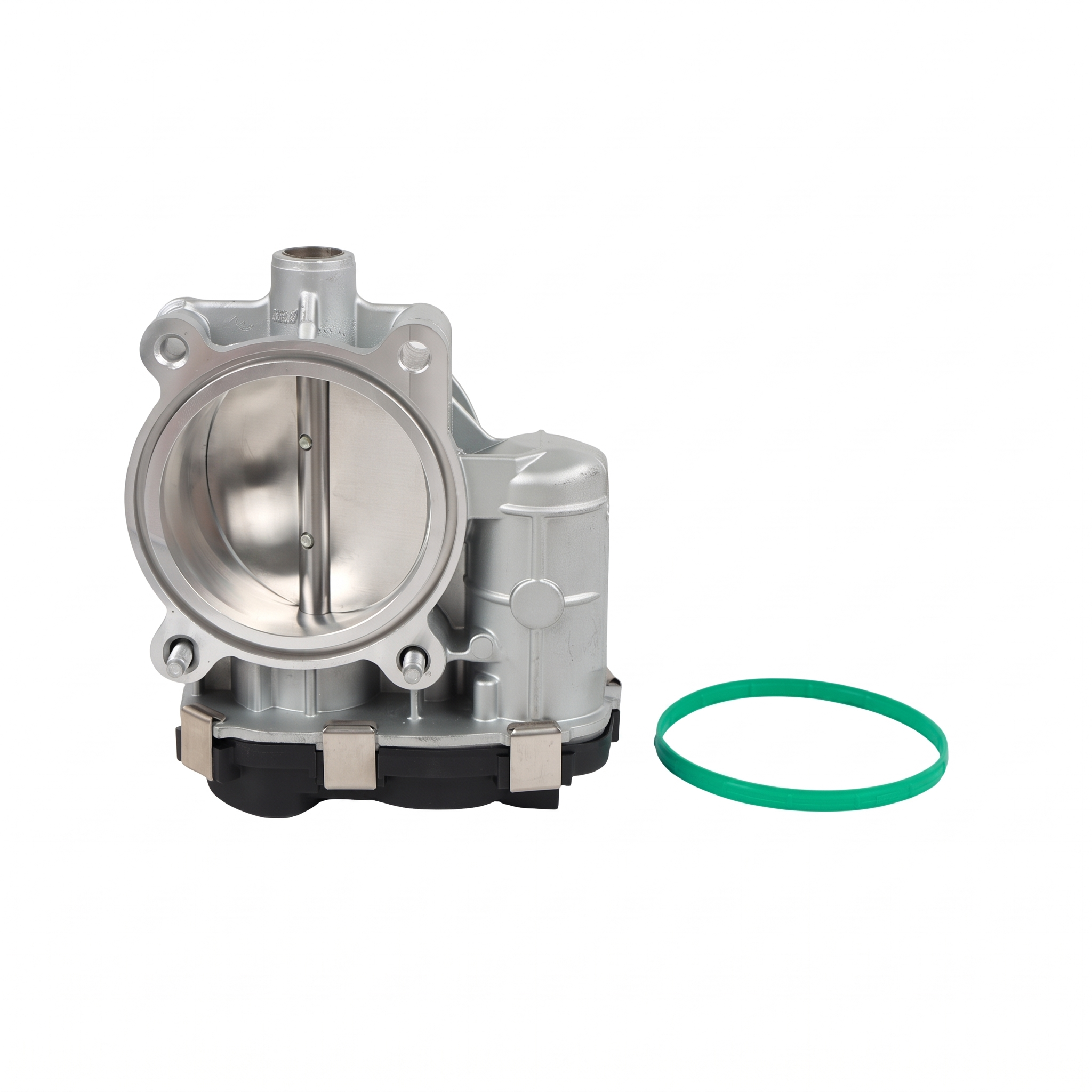
Aftermarket price range: $5-$15 - Electronic Throttle Body Assembly
(OEM #ACDelco 217-3108 (Fits many V6 models, verify by VIN))— If cleaning does not resolve the issue and the unit is diagnosed as faulty, the entire assembly must be replaced.
Trusted brands: ACDelco, Bosch, Dorman
OEM price range: $200-$350
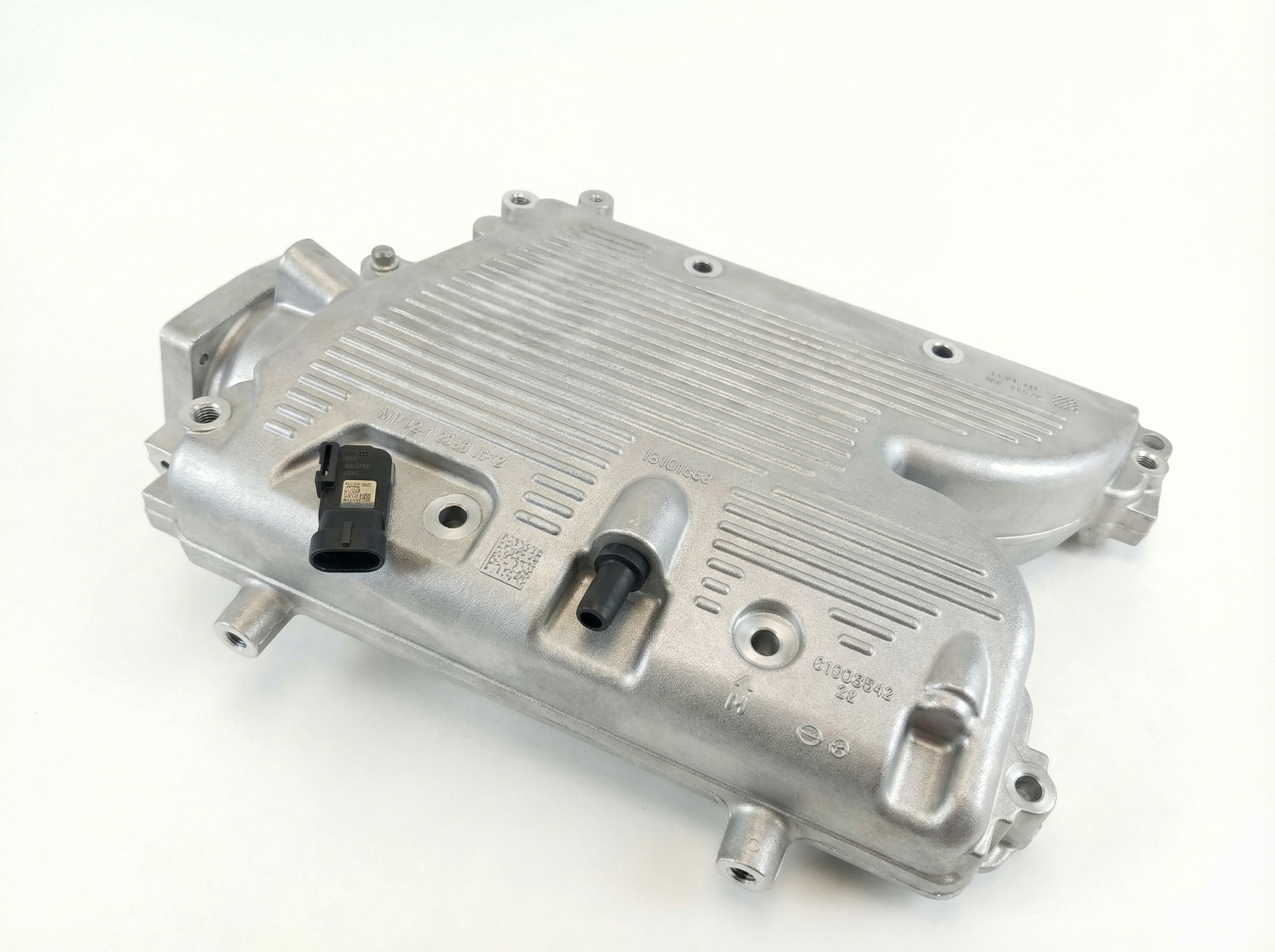
Aftermarket price range: $100-$250 - PCV Valve or Valve Cover — A stuck PCV valve acts as a vacuum leak. On the 2.4L engine, the entire valve cover often needs replacement due to cracking near the integrated PCV orifice.
Trusted brands: ACDelco, Dorman
OEM price range: $20-$150
Aftermarket price range: $15-$100 - Intake Manifold Gasket — A failed intake manifold gasket is a common source of a vacuum leak that can cause a P0507 code.
Trusted brands: Fel-Pro, ACDelco
OEM price range: $25-$60
Aftermarket price range: $15-$40
Related Codes That Often Appear With This One
- P0121, P0122, P0220, P0223, P1516, P2135: These codes may appear alongside P0507 if the throttle body itself is failing electrically.
- P0171 or P0174: System Too Lean codes can accompany P0507 if the root cause is a large vacuum leak.
Technical Service Bulletins (TSBs) & Recalls
- 12-06-04-003: While for DTC P2135, this TSB for 2006-2009 G6s indicates known issues with the throttle position sensor, which is integral to the throttle body and idle control.
- 07-06-04-019E: This bulletin addresses DTC P2138 (APP Sensor Correlation) on many 2005-2008 GM cars, caused by water leaking into the instrument panel-to-body harness connector. While a different code, it highlights the sensitivity of the throttle control system to wiring issues.
Platform-Specific Known Issues
- A high idle condition is common after cleaning the throttle body or disconnecting the battery. The vehicle may require a specific idle relearn procedure or several drive cycles to return to normal. In some cases, owners have reported needing a dealer to perform a re-flash with a scan tool if the manual relearn procedure fails.
- On the 2.4L Ecotec engine, the plastic valve cover can develop hairline cracks, creating a vacuum leak through the integrated PCV system, which is a less obvious cause of P0507.
Mechanic-Grade Diagnostic Values
- Scan Tool: Desired vs. Actual Idle RPM — expected: The 'Actual Idle RPM' PID should closely match the 'Desired Idle RPM' PID after the engine is warm. A normal warm idle is typically 650-800 RPM.. Failure: If 'Actual Idle RPM' is consistently 100-200+ RPM higher than 'Desired Idle RPM', the P0507 code will set. A 'Commanded Throttle Position' of 19-21% at idle, resulting in 1100-1400 RPM, indicates the ECM is struggling to lower the idle.
- Accelerator Pedal Position (APP) Sensor 1 Voltage — expected: Approximately 2.3 volts at idle (pedal released), dropping to about 0.8 volts when fully depressed.. Failure: Voltage spikes, dropouts, or glitches as the pedal is slowly pressed and released indicate a failing APP sensor, which can indirectly affect idle control.
- Accelerator Pedal Position (APP) Sensor 2 Voltage — expected: Approximately 2.8 volts at idle (pedal released), dropping to about 2.3 volts when fully depressed.. Failure: Voltage spikes, dropouts, or glitches during testing indicate a failing APP sensor.
Scan Tool Commands That Help
- Tech2 / GDS2 (or advanced aftermarket scanner): Idle Learn Reset / Throttle/Idle Learn — This function should be used after cleaning or replacing the electronic throttle body. It forces the ECM to erase its old learned idle values and start a new calibration process. This is often more effective than the manual relearn procedure, especially if the manual procedure fails to resolve the high idle.
- Tech2 / GDS2 (or advanced aftermarket scanner): Engine Output Controls > Idle Speed Control — This bidirectional command allows a technician to manually command the idle RPM up and down to test the response of the throttle actuator motor. If the engine RPM does not respond correctly to the commanded changes, it suggests a problem with the throttle body itself or its wiring, rather than a vacuum leak.
Wiring & Ground Locations
- Electronic Throttle Body Connector — Directly on the electronic throttle body assembly at the engine's air intake.. This connector provides power, ground, and signal lines for the throttle actuator motor and the dual throttle position sensors. Corrosion or damaged wires/terminals at this connector can cause erratic throttle behavior, high idle, and various throttle-related codes (P0120, P0220, P1516). The connector for 2.4L models is an 8-pin male connector. A pigtail replacement (Standard Motor Products S-1010 or Dorman 645-513) is available if the original is damaged.
- G105 / G107 — These are common engine block ground points for GM vehicles of this era, typically located on the engine block or cylinder head near the front of the engine.. The Engine Control Module (ECM) and its sensors rely on clean, solid ground connections. A corroded or loose engine ground can introduce electrical noise and voltage offsets, potentially confusing the ECM and causing it to misinterpret sensor readings, which could contribute to incorrect idle control.
Real Owner Repair Stories
- Reddit user in r/AskAMechanic (Older GM vehicle with P0507 (context implies similar drive-by-wire system)) — Persistent P0507 high idle code.
❌ Tried (didn't work) Replaced vacuum lines, Replaced intake manifold gaskets
✅ What actually fixed it The idle set screw on the throttle body had backed out. A small adjustment to reset it to its correct position solved the high idle problem. - Reddit user in r/MechanicAdvice (2007 Pontiac G6, 2.4L) — High idle of 1100-1400 RPM after replacing fuel injectors and cleaning the throttle body. Throttle command on scan tool was stuck at 19-21%.
❌ Tried (didn't work) Manual idle relearn procedure (multiple attempts)
✅ What actually fixed it The user did not post a final resolution, but the symptoms are a classic case of failed idle relearn, often requiring a scan tool reset or extensive drive cycles to resolve. - NHTSA ODI #10047209 (Pontiac owner report) — While involving a different model, a manufacturer technician identified a P0507 code specifically caused by broken wiring to the IAC motor, highlighting how electrical harness failures can trigger this code.
OEM Part Supersession History
GM 12609500→ACDelco 217-3108— Standard part number update and packaging change from GM Genuine Parts to ACDelco branding.
Heads up: These part numbers are generally interchangeable for the specified V6 applications.
Model Year Variations Within This Range
- 2008-2010: Certain 2008-2010 models were covered by GM's Special Coverage Adjustment #14582A, which extended the warranty for the throttle position sensor to 10 years or 120,000 miles. This primarily addressed codes like P2135 but is highly relevant as the TPS is integral to the throttle body and idle control.
Diagnostic Flowchart
Used vs. New Parts: Buying Guide for This Vehicle
When a used part is the smart pick: A used throttle body from a junkyard can be a cost-effective option if the budget is extremely tight. However, it is a gamble because the failure mode of these parts is often electronic and age-related, meaning a used part could fail soon after. It makes the most sense for a low-mileage donor vehicle.
Donor-vehicle mileage cap: roughly under 80000 miles for the part to have meaningful remaining life.
What to inspect on the donor part:
- Check the donor vehicle's mileage; lower is always better.
- Inspect the connector pins for any signs of corrosion or damage.
- Look at the throttle bore; excessive carbon buildup may suggest a poorly maintained engine.
- Ensure the throttle plate moves freely without binding (if it can be moved by hand).
OEM-only on this vehicle (don't cheap out):
- While not strictly 'OEM-only', using a new OEM (ACDelco) or a reputable new aftermarket part is strongly recommended over a used one for the throttle body assembly due to the high rate of electronic failure.
Aftermarket brands forum-validated for this vehicle:
- ACDelco (Professional line is preferred)
- Bosch
- Dorman (specifically their OE FIX line can offer improvements over the original design)
Brands owners have reported issues with on this vehicle:
- Unbranded, 'white-box' parts from online marketplaces can be of inconsistent quality and may fail prematurely. Some forum users express a general distrust of the standard Dorman line for electronic components compared to their OE FIX or other brands like ACDelco.
Real Owner Stories
Aggregated from forums and TSBs cited above. Mileages and costs reflect what owners reported in those sources.
2007 Pontiac G6, 2.4L 4 cyl
Symptoms: The engine idle was stuck high at 1100-1400 RPM, when it used to be 650-800 RPM. If the throttle was pressed in Park, the engine would rev up and stay at the higher RPM. A P0507 code was present.
What fixed it: The user did not report a final fix, but noted that another owner with the exact same issue had to take the car to a dealer to have the computer re-flashed.
Source hint: Reddit r/MechanicAdvice
Pontiac G6
Symptoms: After cleaning the throttle body, the engine idle was very high and code P0507 appeared.
What fixed it: The owner disconnected the battery for an extended period of time. This forced the computer to reset, and upon reconnection, the idle returned to a normal 600 RPM.
Source hint: G6OwnersClub.com thread titled 'Need help please. P0507 after cleaning Throttle Body. (fixed)'
2006 Pontiac G6 GTP
Symptoms: The owner experienced a high idle condition immediately after cleaning the vehicle's throttle body.
What fixed it: The report confirmed this is a common issue on the platform but did not specify the final repair that was performed.
Source hint: RepairPal
GM Vehicle (platform-relevant)
Symptoms: A P0507 code set with the engine idling at 1500 RPM right after the throttle body was cleaned.
What fixed it: The community confirmed this is a common result of either forgetting to reconnect a vacuum hose after the service or, more likely, the need to perform an idle relearn procedure.
Source hint: GMTNation Forum thread titled 'Need help-p0507 after cleaning throttle body'
Related OBD-II Codes
Frequently Asked Questions
I just cleaned the throttle body on my Pontiac G6 and now the engine is idling at 1500 RPM. Did I break something?
What is the idle relearn procedure for a 2005-2010 Pontiac G6 after cleaning the throttle body?
I have the 2.4L Ecotec engine in my G6. Are there any specific causes of P0507 for this engine?
Can a bad throttle position sensor cause a P0507 code on my G6?
Besides a dirty throttle body, what is the most common cause of a high idle and P0507 on this car?
Is it safe to push the throttle plate open by hand to clean it on my G6?
Helpful Videos
Used OEM Parts in Stock




New Aftermarket Parts Available


The information in this article is provided for general reference and educational purposes only. Vehicle specifications, procedures, and part compatibility can vary by production date, trim level, and region. Always consult your vehicle's factory service manual and verify part numbers before purchasing or performing repairs. Safety-critical components such as airbags, seat belts, and braking systems should be installed by a qualified professional.
- Pontiac G6:
- 🎬 Helpful Videos
- 🛍️ Shop This Part
- What's Unique About the 2005-2010 Pontiac G6
- Symptoms You May Notice
- Most Likely Causes
- Rare But Worth Checking
- Diagnosis Steps
- Parts You'll Likely Need
- Related Codes That Often Appear With This One
- Technical Service Bulletins (TSBs) & Recalls
- Platform-Specific Known Issues
- Mechanic-Grade Diagnostic Values
- Scan Tool Commands That Help
- Wiring & Ground Locations
- Real Owner Repair Stories
- OEM Part Supersession History
- Model Year Variations Within This Range
- Diagnostic Flowchart
- Used vs. New Parts: Buying Guide for This Vehicle
- Real Owner Stories
- 2007 Pontiac G6, 2.4L 4 cyl
- Pontiac G6
- 2006 Pontiac G6 GTP
- GM Vehicle (platform-relevant)
- Related OBD-II Codes
- Frequently Asked Questions
- 🎟️ Get 5% Off