

P0505 on 2006-2013 Land Rover Range Rover: Idle Control Fault Causes & Fixes
On a 2006-2013 Range Rover, code P0505 is most often caused by a vacuum leak from aged plastic hoses, particularly the PCV system. Before suspecting the electronic throttle body, perform a smoke test to find the source of unmetered air, which is usually a much cheaper fix. For 2010-2013 5.0L models, a ruptured PCV diaphragm is a primary suspect.
- Assume P0505 on a 2006-2013 Range Rover is caused by a vacuum leak until proven otherwise.
- A smoke test is the most effective and highly recommended diagnostic tool to quickly find the source of the leak.
- Do not replace the expensive electronic throttle body without first ruling out simple and cheap fixes like cracked hoses or a missing vacuum plug.
- This code is often accompanied by lean codes (P2187, P2189), which further strengthens the case for a vacuum leak.
- Check for known issues like a failed PCV valve or a missing intake manifold plug, as these are common culprits on this platform.
What's Unique About the 2006-2013 Land Rover RANGE ROVER
For the 2006-2013 Range Rover (L322), particularly those with the AJ-V8 engines (2006-2009), the P0505 code is strongly associated with air intake leaks. This is directly supported by Land Rover's own Technical Service Bulletin (TSB) SSM74374, which groups P0505 with intake leak codes. These vehicles are known for plastic and rubber engine components that become brittle over time, making vacuum leaks from areas like the PCV system a very common failure point leading to this code. On the later 2010-2013 models with the 5.0L V8, a ruptured PCV diaphragm integrated into the valve cover is a very common cause.
Diagnostic Flowchart
Tap your situation to follow the diagnostic path that matches what you're seeing on this vehicle.
Generation note: This range covers the L322 generation, which had a major update in 2010. The 2006-2009 models used Jaguar-derived 4.4L naturally aspirated or 4.2L supercharged V8 engines. The 2010-2013 models used new 5.0L naturally aspirated or supercharged V8s. While the cause is often a vacuum leak on both, the specific location of hoses (like the PCV system) differs significantly. The 4.4L/4.2L engines have a separate, easily accessible PCV valve, while the 5.0L engines have PCV diaphragms integrated into the valve covers.
Symptoms You May Notice
- Erratic or fluctuating idle speed (surging).
- Idle speed is too high or too low.
- Engine stalling, especially when coming to a stop.
- Rough running at idle.
- Check Engine Light is on.
- Possible hissing or whistling sound from the engine bay, indicating a vacuum leak.
- For 5.0L engines, strong suction on the oil filler cap when the engine is running, making it difficult to remove.
- Replacing the electronic throttle body before checking for vacuum leaks. A vacuum leak is a much more common and cheaper fix for P0505 on this vehicle, a fact supported by owner experiences and TSBs.
Most Likely Causes
- Vacuum Leak (PCV System, Intake Manifold, etc.) 🔴 High Probability The plastic and rubber hoses in the Positive Crankcase Ventilation (PCV) system and other vacuum lines become brittle with age and heat cycles, leading to cracks. Land Rover TSB SSM74374 explicitly links P0505 to intake air leaks. On the 2006-2009 4.4L/4.2L engines, the PCV valve itself (LR003380) is a frequent failure point. On the 2010-2013 5.0L engines, the PCV diaphragm ruptures, causing a significant leak.
How to confirm: Perform a smoke test. This involves feeding low-pressure smoke into the intake system and watching for where it escapes. 🎬 See how to find hidden vacuum leaks using a smoke test. This is the most reliable way to find hidden leaks. A visual inspection may also reveal obviously cracked or disconnected hoses. For the 5.0L engine, a hissing noise from the passenger side valve cover or strong suction on the oil cap at idle are classic signs of a failed diaphragm.
Typical fix: Replace the cracked or leaking hose(s) or gaskets. For 2006-2009 models, replace the PCV valve. For 2010-2013 models, replace the PCV diaphragm using a repair kit, which is much cheaper than replacing the entire valve cover. 🎬 Watch: Step-by-step guide to replacing the 5.0L PCV diaphragm.
Est. part cost: $20-$150 - Missing Intake Manifold Vacuum Plug 🟡 Medium Probability A small rubber vacuum plug on the rear of the intake manifold is known to degrade and fall out, creating a significant vacuum leak. TSB LTB00233 was issued for this issue on other Land Rover models with the same engine family, but the fault is known to occur on the Range Rover as well.
How to confirm: Visually inspect the rear of the intake manifold for a missing black rubber cap. A smoke test will also quickly and clearly reveal this leak.
Typical fix: Install a new intake plug kit (LR052965). Some technicians secure the new plug with a small cable tie, as recommended in TSB LTB00233, to prevent it from falling out again.
Est. part cost: $10-$30 - Dirty or Sticking Electronic Throttle Body ⚪ Low Probability Carbon and oil vapor from the PCV system can build up around the throttle plate, preventing it from closing properly or making the fine adjustments needed for idle control.
How to confirm: After ruling out vacuum leaks, remove the air intake ducting to the throttle body and inspect the throttle plate and bore for black carbon buildup.
Typical fix: Clean the throttle body bore and plate with a dedicated throttle body cleaner and a soft cloth. 🎬 Watch: Quick 5-minute guide to cleaning your throttle body. Do not spray cleaner directly into the electronics. An idle relearn procedure may be needed after cleaning, which can involve letting the vehicle idle for 10 minutes after reconnecting the battery.
Est. part cost: $10-$20
Rare But Worth Checking
- Faulty Electronic Throttle Body: While often misdiagnosed, the internal motor or position sensor in the electronic throttle body can fail. This should only be considered after all potential vacuum leaks and wiring issues have been thoroughly ruled out. A complete failure is less common than a simple carbon buildup issue.
- Powertrain Control Module (PCM) Fault: In very rare cases, the PCM itself can have an internal fault, preventing it from correctly commanding the throttle body. This is extremely unlikely and requires advanced diagnostics by a professional to confirm.
Diagnosis Steps
- Read all stored DTCs with an OBD-II scanner. Note if any lean codes (P2187, P2189, P0171, P0174) are present, as this strongly suggests a vacuum leak.
- Perform a thorough visual inspection of the entire air intake system, from the air filter box to the intake manifold. Look for cracked, disconnected, or collapsed hoses, paying close attention to the PCV system hoses.
- Specifically inspect the rear of the intake manifold for a missing rubber vacuum cap, as detailed in TSB LTB00233.
- For 5.0L engines (2010-2013), perform the 'oil cap test' at idle. If the cap is held on by strong suction, the PCV diaphragm has likely failed.
- If no obvious leaks are found, perform a smoke test. This is the most effective method for locating hard-to-see cracks in hoses or leaking gaskets.
- If no vacuum leaks are found, inspect the electronic throttle body for carbon buildup and clean it if necessary. Ensure the throttle plate moves freely.
- Inspect the wiring and connector at the throttle body for any signs of damage, corrosion, or loose pins.
- If all else fails and the problem persists, the electronic throttle body may be faulty, but this should be the last resort.
Parts You'll Likely Need
- PCV Valve / Breather Hose (4.4L/4.2L SC)
(OEM #LR003380)— This is one of the most common sources of vacuum leaks on the 2006-2009 4.4L and 4.2L SC engines, directly causing P0505. It becomes brittle and cracks.
Trusted brands: Genuine Land Rover, Britpart
OEM price range: $50-$90
Aftermarket price range: $20-$40 - Intake Manifold Vacuum Plug Kit
(OEM #LR052965)— This small rubber plug is known to degrade and fall out of the rear of the intake manifold, creating a large vacuum leak that triggers P0505.
Trusted brands: Genuine Land Rover
OEM price range: $10-$25
Aftermarket price range: $5-$15 - PCV Diaphragm Repair Kit (5.0L Engines)
(OEM #LR133579 / C2D60163)— For 2010-2013 models with the 5.0L engine, the PCV diaphragm can rupture. This kit allows for replacement of just the diaphragm instead of the entire valve cover. The Jaguar part number C2D60163 is often used.
Trusted brands: Genuine Jaguar Land Rover, Febi Bilstein
OEM price range: $40-$70
Aftermarket price range: $25-$50
Related Codes That Often Appear With This One
- P2187 — System Too Lean at Idle, Bank 1. This code indicates too much unmetered air is entering the engine, which is the root cause of the P0505. TSB SSM74374 lists these codes together as resulting from an air intake leak.
- P2189 — System Too Lean at Idle, Bank 2. Similar to P2187, this points to an unmetered air leak affecting the other cylinder bank. TSB SSM74374 lists these codes together.
- P0507 — Idle Air Control System RPM Higher Than Expected. This code is often logged with P0505 and is another direct symptom of a vacuum leak forcing the idle speed too high.
Technical Service Bulletins (TSBs) & Recalls
- SSM74374: Confirms that P0505, along with P2187, P2189, and P0507, can be stored in the PCM as a result of an air leak from a split diaphragm within the pressure control valve on the camshaft
Platform-Specific Known Issues
- TSB SSM74374 explicitly states that P0505 can be caused by an air intake system leak, guiding technicians away from unnecessarily replacing the throttle body. For 5.0L engines, it specifically points to a split diaphragm in the pressure control valve.
- On 2006-2009 models, the PCV valve (LR003380) is a known weak point that gets brittle and cracks, causing a vacuum leak that is a primary cause for P0505.
- On 2010-2013 models, a hissing noise from the passenger side of the engine is a classic symptom of the ruptured PCV diaphragm, which is the most common cause of lean codes and P0505 on this engine.
Mechanic-Grade Diagnostic Values
- Throttle Position Sensor (TPS) Signal Voltage — expected: Approximately 0.5V - 0.7V at closed throttle and up to ~4.5V at wide-open throttle.. Failure: Voltage is out of this range, does not change smoothly as the throttle is opened, or is absent.
- Throttle Position Sensor (TPS) Resistance — expected: Typically 3.5 to 6.5 kOhms between specified pins.. Failure: Resistance is outside the expected range, indicating a faulty sensor.
- Mass Air Flow (MAF) Plausibility Check — expected: Near 0 g/s with the engine off.. Failure: A reading of several grams of air pressure with the engine off and the MAF sensor unplugged can indicate an internal ECM fault.
Hidden / Shadow Codes Worth Checking
- P0505-XX: Land Rover's diagnostic system can append a two-digit suffix to the main DTC, providing more specific details about the fault's nature (e.g., circuit short to ground, signal plausibility failure). The exact suffix can vary. (see via A Jaguar Land Rover (JLR) approved diagnostic system like SDD (Symptom Driven Diagnostics) is required to read these manufacturer-specific suffixes.)
Scan Tool Commands That Help
- JLR SDD (Symptom Driven Diagnostics): Run the Air Path Calibration — After replacing or cleaning components like the throttle body, EGR valve, or addressing intake leaks. This routine, found under 'Service Functions', resets the learned open and closed positions of all air control valves.
- Advanced DIY Scanners (e.g., iCarsoft LR V4.0): Throttle Adaptation Reset / ETC Reset — After cleaning the throttle body to force the ECU to relearn the new clean/closed position. Without this reset, the ECU may use old adaptations and cause a high or unstable idle.
- No Tool Required: Throttle Pedal Relearn Procedure — As a basic reset after disconnecting the battery or cleaning the throttle body. The procedure typically involves turning the ignition on (engine off), slowly pressing the accelerator to the floor, holding for 15-20 seconds, releasing, and then turning the ignition off for 2 minutes before starting the engine.
Wiring & Ground Locations
- Electric Throttle Unit Connector — On the throttle body itself, located at the center front of the engine.. This is the primary electrical connection for the throttle body. Damage, corrosion, or a loose connection here will directly cause idle control faults and codes like P2119 or P2176, which can accompany P0505.
- Engine Control Module (ECM) — For the 5.0L engine, it is located in the engine compartment on the right side.. The ECM is what commands the throttle body. All wiring for the throttle control system terminates here. A bad ground or connection at the ECM can mimic a failed throttle body.
- C0810 — Connector located at the left rear of the engine compartment on 2010 5.0L SC models.. This is one of the main engine harness connectors. Checking for corrosion or damage here is a valid step when diagnosing persistent electronic throttle control issues that aren't solved by replacing parts.
Real Owner Repair Stories
- landroverforums.com user 'greenrovey' (2004 Land Rover Discovery 2 (similar Bosch engine management to early L322)) — P0505, P0171, P0174 codes. Needed to pass smog.
❌ Tried (didn't work) Swapped IACV, Fixed some vacuum leaks found with a smoke tester, Replaced PCV baffle in valve cover, Replaced injector seals
✅ What actually fixed it A mechanic found and adjusted the screw on the bottom of the throttle body butterfly stop. - landroverforums.com user 'philth' (Land Rover Discovery (model unspecified)) — P0101 and P0505. On cold start, engine revs up and down for ~20 seconds then settles.
❌ Tried (didn't work) Cleaned throttle body, Inspected for intake leaks, Replaced MAF sensor, Swapped TPS and IACV with known-good parts
✅ What actually fixed it The owner's mechanic concluded the ECM was faulty after observing it was reading 5 grams of air pressure with the engine off and the MAF sensor unplugged.
"I Checked Everything" — The Actual Cause
- In one documented case, after extensive part replacement and chasing vacuum leaks, the final cause of P0505 was a misadjusted butterfly stop screw on the throttle body itself. A smoke test would not have found this, as it's a mechanical setting issue, not an air leak. This highlights that if a smoke test is negative, the physical and mechanical state of the throttle body should be inspected.
OEM Part Supersession History
4536843→LR003380— Standard part revision for the PCV valve on 4.4L and 4.2L SC engines.LR133579→102123488— Internal part number update for the PCV diaphragm kit for 5.0L engines.
Heads up: The superseding part 102123488 is listed as 'Unavailable' by JLR Classic Parts, making the original LR133579 the de facto part to source from dealers and aftermarket suppliers.
Model Year Variations Within This Range
- 2006-2009: These models use the Jaguar-derived 4.4L or 4.2L SC AJ-V8. For P0505, the primary unique failure point is the external, easily cracked PCV valve (LR003380). These engines are generally considered more reliable than the later 5.0L.
- 2010-2013: These models use the 5.0L V8 (NA or SC). The PCV system is integrated into the valve covers, and the common failure is a ruptured internal diaphragm (repaired with kit LR133579). While more powerful, the 5.0L engines are known for timing chain tensioner issues, a separate and more costly problem.
Helpful Videos


We Have This Part in Stock


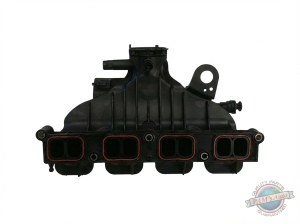



The information in this article is provided for general reference and educational purposes only. Vehicle specifications, procedures, and part compatibility can vary by production date, trim level, and region. Always consult your vehicle's factory service manual and verify part numbers before purchasing or performing repairs. Safety-critical components such as airbags, seat belts, and braking systems should be installed by a qualified professional.
- Land Rover RANGE ROVER:
- 🎬 Helpful Videos
- 🛍️ Shop This Part
- What's Unique About the 2006-2013 Land Rover RANGE ROVER
- Diagnostic Flowchart
- Symptoms You May Notice
- Most Likely Causes
- Rare But Worth Checking
- Diagnosis Steps
- Parts You'll Likely Need
- Related Codes That Often Appear With This One
- Technical Service Bulletins (TSBs) & Recalls
- Platform-Specific Known Issues
- Mechanic-Grade Diagnostic Values
- Hidden / Shadow Codes Worth Checking
- Scan Tool Commands That Help
- Wiring & Ground Locations
- Real Owner Repair Stories
- "I Checked Everything" — The Actual Cause
- OEM Part Supersession History
- Model Year Variations Within This Range
- 🎟️ Get 5% Off