

P0505 on 2002-2005 Ford Explorer: Idle Control Malfunction Causes and Fixes
Code P0505 on a 2002-2005 Explorer is almost always caused by a faulty Idle Air Control (IAC) valve or a vacuum leak from a cracked PCV hose elbow. Replacing the IAC valve is the most common fix, costing about $50-$100 for a quality part and is a simple DIY job. Owners strongly recommend using the OEM Motorcraft part, as aftermarket versions are known to fail quickly.
- P0505 on a 2002-2005 Explorer points directly to a problem with the idle air control system.
- The two most likely causes are a failed Idle Air Control (IAC) valve or a vacuum leak, often from a cracked PCV hose elbow.
- Do not assume the IAC valve is bad without first checking for vacuum leaks, as they cause identical symptoms.
- Replacing the IAC valve is a very simple DIY job that takes less than 30 minutes.
- For best results, use an OEM Motorcraft replacement IAC valve, as aftermarket versions are frequently reported to be unreliable on this vehicle.
What's Unique About the 2002-2005 Ford Explorer
Unlike later Ford models that use an integrated Electronic Throttle Body (ETB), the 2002-2005 Explorer generation uses a separate, bolt-on Idle Air Control (IAC) valve for both the 4.0L V6 and 4.6L V8 engines. This makes diagnosis more straightforward, as the problem is almost always isolated to the IAC valve itself, its wiring, or a vacuum leak, rather than a more complex and expensive throttle body assembly. A particularly common failure point on these Ford truck engines is a cracked rubber elbow in the PCV hose system, which creates a significant vacuum leak that mimics a bad IAC valve.
Symptoms You May Notice
- Rough, bouncing, or surging idle RPM.
- Engine stalling when coming to a stop, putting it in gear, or shortly after starting.
- Idle speed is consistently too high (above 1000 RPM) or too low (below 600 RPM).
- Difficulty starting the engine without pressing the gas pedal.
- Check Engine Light is on.
- A noticeable hissing sound from the engine bay, indicating a vacuum leak.
- Replacing spark plugs or ignition coils. While these can cause a rough idle, they typically won't cause the specific high/low/stalling symptoms of a P0505 code.
- Replacing the Mass Airflow (MAF) sensor. A faulty MAF sensor will usually trigger its own set of codes (like P0101-P0103) and has different diagnostic criteria.
Most Likely Causes
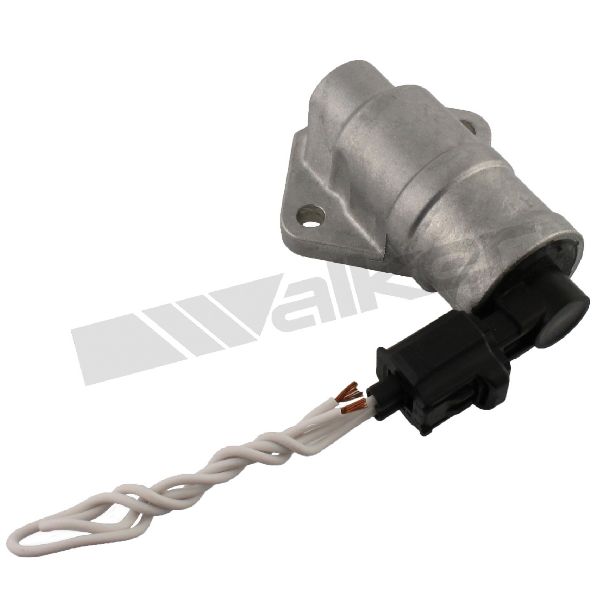
- Faulty Idle Air Control (IAC) Valve 🔴 High Probability The IAC valve is a small electric motor with a plunger that moves constantly. Over time, it gets clogged with carbon or the motor simply wears out, causing it to stick open or closed. Many owners report that cheaper aftermarket IAC valves fail quickly or are defective out of the box, making the OEM Motorcraft part the highly recommended choice.
How to confirm: With the engine idling, unplug the electrical connector from the IAC valve. If the idle speed changes drastically or the engine stalls, the valve was working. If the idle does not change at all, the valve is likely stuck and has failed. Another test is to tap the body of the IAC valve with a screwdriver handle; if the idle changes, the valve is sticking.
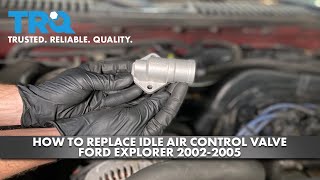
Typical fix: Replace the Idle Air Control valve and the gasket. 🎬 Watch: Step-by-step guide to replacing your Explorer's IAC valve. Cleaning is often only a temporary solution, as the internal motor is the typical failure point, not just carbon buildup.
Est. part cost: $40-$120 - Vacuum Leak 🔴 High Probability Rubber hoses and plastic intake components become brittle with age and heat. A very common failure is the PCV (Positive Crankcase Ventilation) hose elbow, which cracks on the underside, creating a significant unmetered air leak. Other potential leak sources include the intake manifold gaskets and other vacuum lines connected to the throttle body. In a similar Ford platform case, NHTSA ODI #10383032 noted a pinpoint leak to a resonator hose that contributed to stalling issues alongside idle codes.
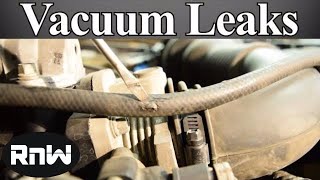
How to confirm: With the engine running, listen for a hissing sound around the intake manifold and vacuum lines. You can also carefully spray short bursts of brake cleaner or starter fluid around suspected areas; if the engine RPM changes, you've found the leak. A smoke test is the most definitive method. 🎬 See how to quickly find and fix common vacuum leaks.
Typical fix: Identify and replace the cracked or disconnected vacuum hose or faulty gasket. The PCV hose assembly is a frequent and inexpensive part to replace.
Est. part cost: $5-$50 - Dirty Throttle Body and IAC Passages 🟡 Medium Probability Carbon and oil vapor from the PCV system can build up inside the throttle body and the small air passages that the IAC valve uses to control idle. Ford TSB 12-8-1 specifically addresses idle fluctuation from sludge buildup in the throttle body on 2004-2005 Explorers. 🎬 Watch: How to properly clean your throttle body to restore idle. This is reinforced by NHTSA ODI Investigation #PE11018, which attributed surge conditions and DTC P0505 to changes in idle air flow resulting from the progressive buildup of deposits.
How to confirm: Remove the air intake tube from the throttle body and visually inspect for a thick black coating of carbon around the throttle plate and inside the bore. The passages for the IAC will be similarly dirty.
Typical fix: Clean the throttle body bore and IAC passages with a dedicated throttle body cleaner and a soft brush. Replace the IAC gasket and throttle body gasket if the throttle body is removed for cleaning.
Est. part cost: $10-$25 - Damaged IAC Valve Wiring or Connector ⚪ Low Probability
How to confirm: Visually inspect the wiring harness and connector going to the IAC valve for any signs of cracking, melting, or corrosion on the pins. Use a multimeter to check for 12V power at the connector with the key on.
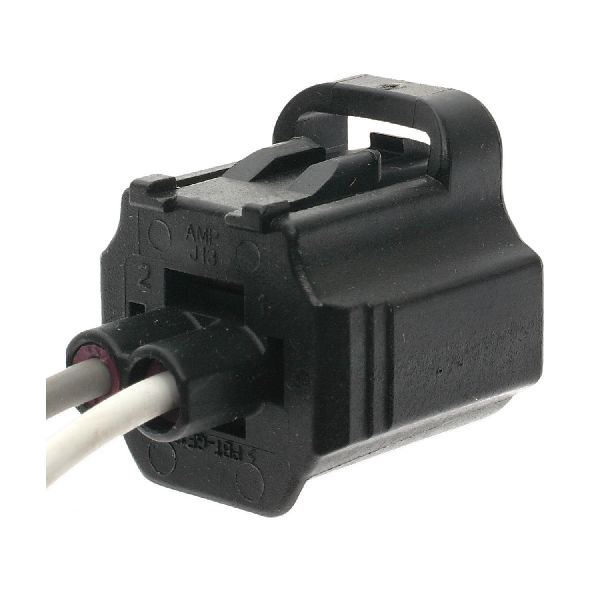
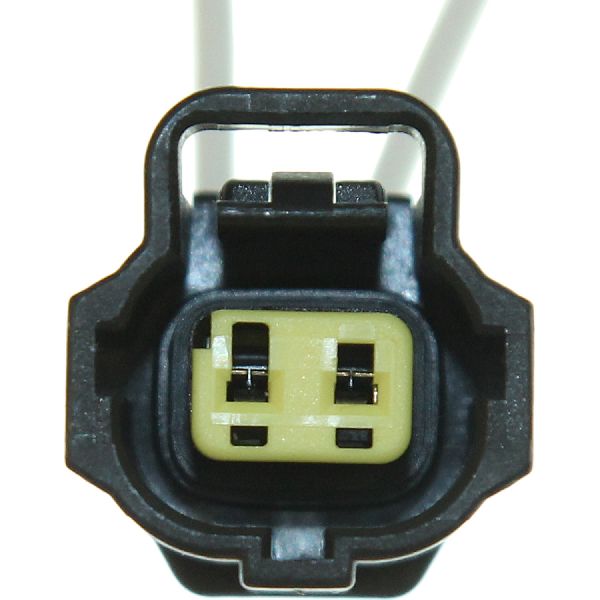
Typical fix: Repair the damaged section of wire or replace the connector pigtail.
Est. part cost: $15-$30
Rare But Worth Checking
- Faulty Powertrain Control Module (PCM): This is extremely rare. The PCM should only be considered after all other possibilities, including the IAC valve, vacuum leaks, and wiring, have been definitively ruled out. In some Ford vehicles, as noted in NHTSA ODI #11052150, an updated powertrain control calibration was required to resolve idle instability and P0505 codes.
Diagnosis Steps
- Scan for any other trouble codes to see if P0505 is appearing alone or with other codes like P0171/P0174, which would strongly suggest a vacuum leak.
- Visually inspect all vacuum hoses connected to the intake manifold, especially the PCV hose elbows and lines, for cracks, collapsing, or disconnection. The PCV elbow on the 4.0L V6 is located near the throttle body, tucked under the upper radiator hose.
- Start the engine and listen for audible hissing sounds that indicate a vacuum leak.
- With the engine idling, disconnect the IAC valve's electrical connector. Note any change in idle behavior. No change points to a faulty IAC or a massive vacuum leak.
- If a vacuum leak is suspected, perform a smoke test to pinpoint the exact location of the leak. Alternatively, carefully spray short bursts of brake cleaner around suspected hoses and gaskets; a change in engine RPM indicates the leak location.
- If no vacuum leak is found, remove the IAC valve for inspection. It is typically held on by two 8mm or 10mm bolts. Check its passages and the corresponding ports on the throttle body for heavy carbon buildup.
- You can attempt to clean the IAC valve and throttle body passages with throttle body cleaner. However, if the valve's internal motor has failed, cleaning will not work and replacement is necessary.
- Inspect the IAC valve's electrical connector for damage or corrosion. Check for power (12V) and ground at the connector with the key in the 'ON' position.
- If all other steps fail, replace the IAC valve with a new one. It is strongly recommended to use a Motorcraft part to avoid compatibility issues common with aftermarket brands on this platform.
Parts You'll Likely Need
- Idle Air Control Valve (4.0L V6)
(OEM #Motorcraft CX-1771 / YL8Z-9F715-AA)— This is the most common part to fail, either by sticking due to carbon buildup or internal electronic failure, directly causing the P0505 code.
Trusted brands: Motorcraft, Bosch, Hitachi
OEM price range: $80-$120
Aftermarket price range: $40-$75 - Idle Air Control Valve (4.6L V8)
(OEM #Motorcraft CX-1743 / XL3Z-9F715-AA)— This is the primary failure point for the idle control system on the V8 engine for these years. It uses a different part than the V6.
Trusted brands: Motorcraft, Standard Motor Products, Walker
OEM price range: $90-$140
Aftermarket price range: $50-$80 - PCV Hose Assembly (4.0L V6)
(OEM #Motorcraft KH-53 / Dorman 46019)— The rubber elbows on this assembly are notorious for cracking and causing a large vacuum leak, which is a very common cause of idle control problems on this platform.
Trusted brands: Motorcraft, Dorman
OEM price range: $25-$40
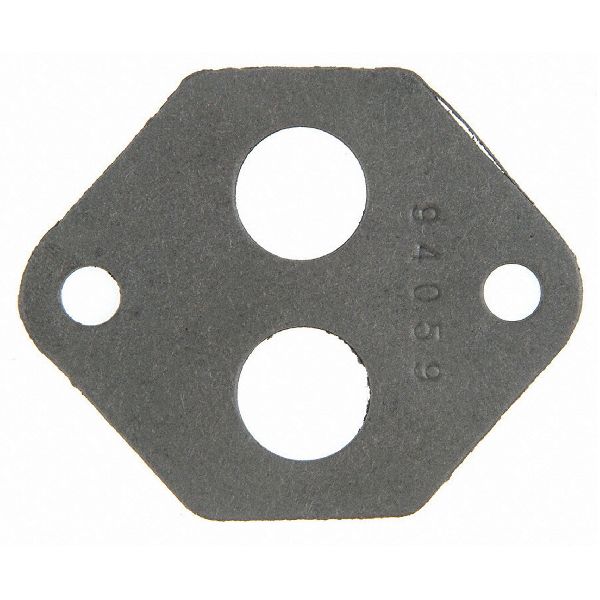
Aftermarket price range: $15-$25 - IAC Valve Gasket — A new gasket is required anytime the IAC valve is removed to prevent a vacuum leak at the mounting surface. Most new IAC valves include one.
Trusted brands: Motorcraft, Fel-Pro
OEM price range: $5-$10
Aftermarket price range: $2-$5
Related Codes That Often Appear With This One
- P0506 — This code means 'Idle Control System RPM Lower Than Expected.' It often appears with P0505 if the IAC valve is stuck closed or the passages are completely clogged, preventing enough air from entering.
- P0507 — This code means 'Idle Control System RPM Higher Than Expected.' It often appears with P0505 if the IAC valve is stuck open or there is a large vacuum leak, allowing too much air into the engine.
- P0171 / P0174 — These are 'System Too Lean' codes. A vacuum leak that is large enough to cause the P0505 code will also introduce unmetered air that makes the engine run lean, often triggering one or both of these codes as well.
Technical Service Bulletins (TSBs) & Recalls
- TSB 12-8-1: Issued August 1, 2012, this TSB addresses DTCs P0505, P0506, engine idle RPM fluctuation, and hard starts for various Ford vehicles including the 2004-2005 Explorer. It notes that sludge buildup in the throttle body can be a cause and recommends cleaning procedures.
Platform-Specific Known Issues
- Owner Experience: The Aftermarket IAC Valve Trap: A recurring theme in owner forums is the frustration with non-OEM Idle Air Control valves. Many owners report purchasing cheaper aftermarket IAC valves only to have the P0505 code return, or for the idle to become even worse. The general consensus is to spend the extra money on the Motorcraft part to fix the problem correctly the first time.
Mechanic-Grade Diagnostic Values
- IAC Valve Internal Resistance — expected: 6.0 to 13.0 Ohms between the two pins.. Failure: A reading of 0 Ohms or infinite resistance (OL) indicates a failed valve.
- IAC Valve Connector Voltage (Key On, Engine Off) — expected: Greater than 10.5 Volts on the power supply wire.. Failure: Voltage below 10.5V indicates an open or high-resistance in the power circuit to the valve.
- IAC Valve to Ground Resistance — expected: Infinite resistance (OL) from either pin to the IAC valve case.. Failure: Any continuity or low resistance reading indicates an internal short to ground.
- Scan Tool PID: Total IAC Flow — expected: The sum of PIDs IACTRIM and IACKAM2 should be less than 0.5 lb/min.. Failure: A value greater than 0.5 lb/min suggests excessive un-commanded airflow, likely from sludge buildup in the throttle body.
Scan Tool Commands That Help
- Ford IDS (or equivalent professional scanner): Idle Air Volume Learning / KAM Reset — This procedure should be performed after replacing the IAC valve, disconnecting the battery, or cleaning the throttle body to allow the PCM to relearn idle trim values. Failure to do so can cause persistent idle issues even with a new part.
- Ford IDS (or equivalent professional scanner): Active Test: Actuate Idle Air Control Motor — This bidirectional command allows a technician to manually command the IAC valve to a specific RPM (e.g., 900 RPM) to verify if the valve is physically responding to PCM commands. If the RPM does not change as commanded, it confirms a fault in the valve or its circuit.
Wiring & Ground Locations
- G100 / G101 — Located at the left front corner of the engine compartment, on or near the fender apron.. These are primary chassis and engine grounds. A corroded or loose connection at these points can cause erratic voltage and unstable operation for the PCM and its sensors, including the IAC control circuit.
- G102 — For the 4.0L engine, this is at the center rear of the engine compartment. For the 4.6L, it's at the rear of the engine compartment.. This is a critical engine ground point. Poor contact here can directly impact PCM function and lead to various driveability codes, including P0505.
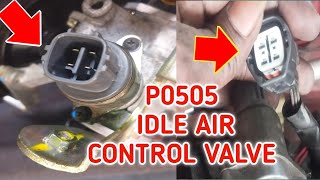
- IAC Valve Connector — A 2-pin square connector attached directly to the Idle Air Control valve on the throttle body.. This is the direct connection point. One pin receives ~12V power with the key on, and the other is the control signal wire from the PCM. Checking for voltage and signal at these pins is a primary diagnostic step.
Real Owner Repair Stories
- Ford-Trucks.com user post (Ford Explorer (specific year not mentioned, but SOHC 4.0L)) — Engine would start for a moment but stall immediately unless the gas pedal was held down. Required two-foot driving (one on gas, one on brake) to get home.
❌ Tried (didn't work) The user went straight to testing rather than replacing parts.
✅ What actually fixed it The owner tested the IAC valve with a multimeter and found its resistance was 0.022 ohms, far below the specified 6.0-13.0 ohm range. Replacing the faulty IAC valve resolved the stalling issue. - NHTSA ODI #10383032 — An owner reported that after receiving code P0505, the throttle body was replaced. However, the vehicle stalled again shortly after, and a pinpoint leak was eventually found in the resonator hose.
OEM Part Supersession History
1L2Z-9F715-AA→YL8Z-9F715-AA (Motorcraft CX-1771)— Standard part revision and supplier updates.
Heads up: The part number 1L2Z-9F715-AA was specified for 2002-2003 models, but has been superseded by YL8Z-9F715-AA which covers a broader range of Ford vehicles with the 4.0L SOHC engine.
Model Year Variations Within This Range
- 2004-2005: These model years are specifically called out in Ford TSB 12-8-1 for issues where sludge buildup in the throttle body causes idle fluctuation and P0505/P0506 codes. The fix involves removing and thoroughly cleaning the throttle body bore and plate, which may be more prevalent on these later years within the generation.
Diagnostic Flowchart
Real Owner Stories
Aggregated from forums and TSBs cited above. Mileages and costs reflect what owners reported in those sources.
2002-2005 Ford Explorer
Symptoms: Purchased a cheaper aftermarket IAC valve only to have the P0505 code return, and the idle became even worse.
What fixed it: Spent the extra money on the OEM Motorcraft IAC valve to fix the problem correctly the first time.
Source hint: Owner Experience: The Aftermarket IAC Valve Trap
2004-2005 Ford Explorer
Symptoms: Engine idle RPM fluctuation, hard starts, and DTC P0505.
What fixed it: Cleaning the throttle body to remove sludge buildup.
Source hint: TSB 12-8-1
Related OBD-II Codes
Frequently Asked Questions
Does TSB 12-8-1 apply to my Explorer for code P0505?
I replaced the IAC valve on my 4.0L V6 but the P0505 code came right back. What went wrong?
Where is the most common vacuum leak located on the 4.0L V6 Explorer?
How can I quickly test if my Explorer's IAC valve is the cause of my rough idle?
Can I just clean the IAC valve instead of replacing it?
Helpful Videos

We Have This Part in Stock


The information in this article is provided for general reference and educational purposes only. Vehicle specifications, procedures, and part compatibility can vary by production date, trim level, and region. Always consult your vehicle's factory service manual and verify part numbers before purchasing or performing repairs. Safety-critical components such as airbags, seat belts, and braking systems should be installed by a qualified professional.
- Ford Explorer:
- 🎬 Helpful Videos
- 🛍️ Shop This Part
- What's Unique About the 2002-2005 Ford Explorer
- Symptoms You May Notice
- Most Likely Causes
- Rare But Worth Checking
- Diagnosis Steps
- Parts You'll Likely Need
- Related Codes That Often Appear With This One
- Technical Service Bulletins (TSBs) & Recalls
- Platform-Specific Known Issues
- Mechanic-Grade Diagnostic Values
- Scan Tool Commands That Help
- Wiring & Ground Locations
- Real Owner Repair Stories
- OEM Part Supersession History
- Model Year Variations Within This Range
- Diagnostic Flowchart
- Real Owner Stories
- 2002-2005 Ford Explorer
- 2004-2005 Ford Explorer
- Related OBD-II Codes
- Frequently Asked Questions
- 🎟️ Get 5% Off