

P0505 on 2011-2016 Chevrolet Cruze 1.4L Turbo: Idle Control Fault Causes and Fixes
On the 2011-2016 Cruze 1.4L Turbo, code P0505 is most often caused by a massive vacuum leak from a failed PCV system, not a traditional Idle Air Control (IAC) valve. The most common failure is a ruptured diaphragm in the valve cover or a bad check valve in the intake manifold. Replacing the faulty component (often the entire valve cover or intake) is the typical fix. Aftermarket kits are available to provide a more permanent solution for the intake manifold check valve.
- P0505 on a 1.4L Cruze is almost always a vacuum leak, not a bad sensor.
- The most likely source of the leak is the PCV system, specifically the diaphragm in the valve cover or the check valve in the intake manifold.
- Before replacing any parts, perform a simple diagnostic check: with the engine running, see if there's strong suction on the oil cap. If so, the valve cover is bad.
- If the oil cap test is negative, a smoke test is the next step to find the leak, which could be the intake manifold.
- Do not replace the throttle body until you have ruled out all possible vacuum leaks.
What's Unique About the 2011-2016 Chevrolet Cruze

The key issue for the 1.4L Turbo (LUV/LUJ) engine in the Cruze is its notoriously problematic Positive Crankcase Ventilation (PCV) system. Two critical check valves are prone to failure: one is a rubber diaphragm integrated into the valve cover, and the other is a small orange check valve inside the intake manifold. When either fails, it creates a massive internal vacuum leak that the ECM cannot compensate for, directly causing idle control problems 🎬 Watch: Comprehensive guide to 1.4L PCV issues and solutions and triggering the P0505 code, often accompanied by lean code P0171.
Generation note: The 2011-2016 year range primarily covers the first-generation Chevrolet Cruze. However, a new second-generation model was introduced in 2016. The first-gen model was sold alongside it as the 'Cruze Limited' for the 2016 model year. This guide applies to the first-generation platform and the 2016 Cruze Limited with the 1.4L Turbo engine (RPO code LUV).
Symptoms You May Notice
- Engine idles very high or very low
- Rough, surging, or fluctuating idle.
- Engine stalls when coming to a stop or at idle.
- Audible whistling or sucking noise from the engine bay at idle, particularly near the top of the engine.
- Check Engine Light is on.
- A chirping noise at idle, which can sometimes be mistaken for a belt issue but is related to air being pulled through the crankcase seal due to high vacuum.
- Replacing the throttle body when the root cause is a PCV-related vacuum leak. The symptoms are very similar, but a vacuum leak is far more common on this engine. Always check for vacuum leaks first.
- Replacing only the valve cover when the intake manifold check valve has also failed. This will lead to a repeat failure of the new valve cover diaphragm in a short amount of time.
Most Likely Causes


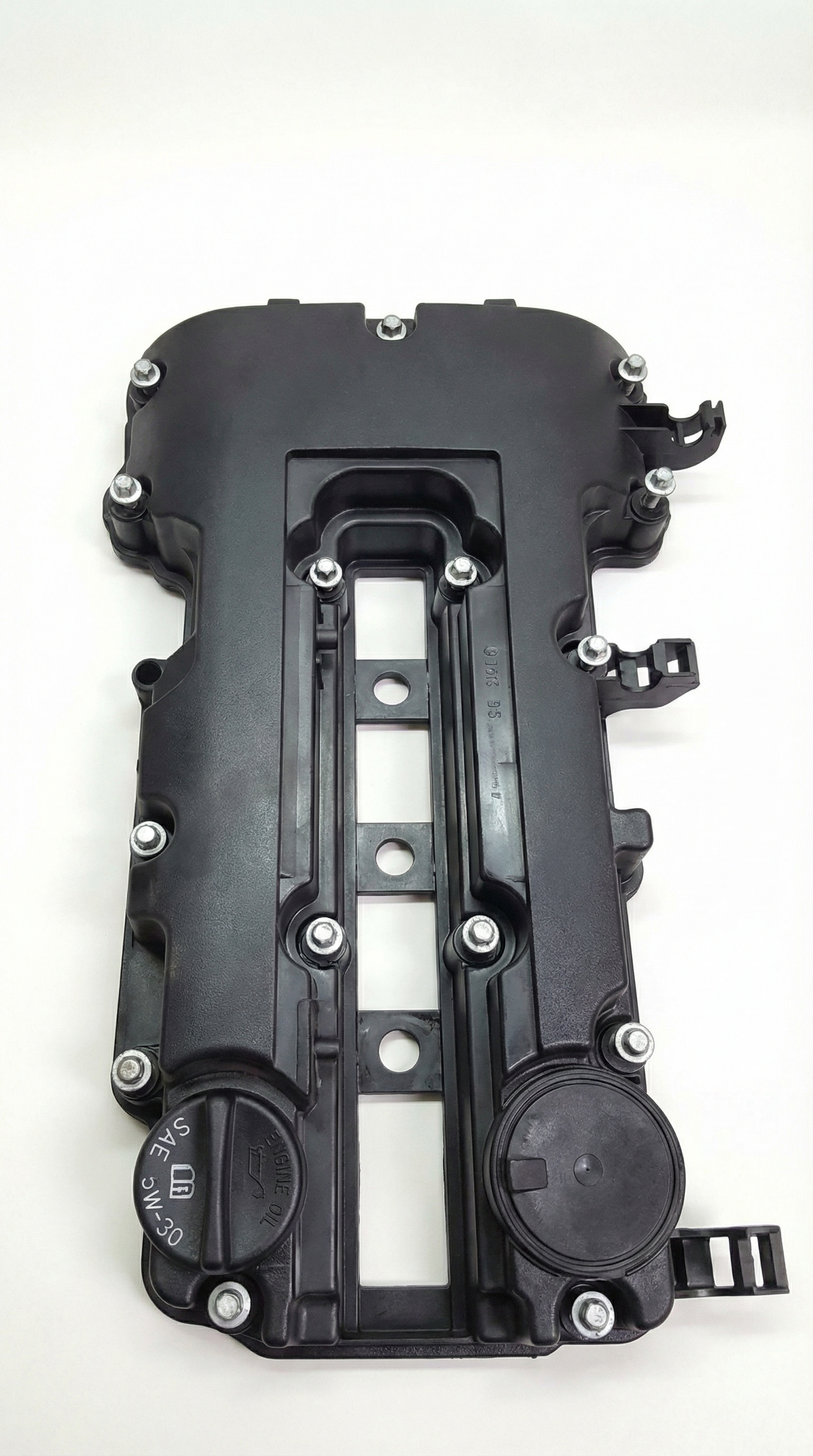
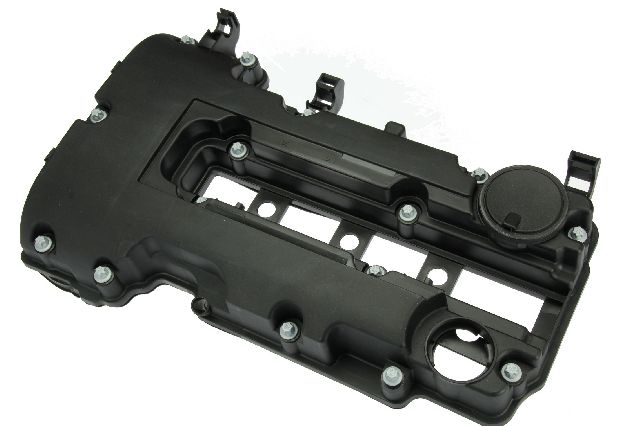
- Failed PCV Diaphragm in Valve Cover 🔴 High Probability The rubber diaphragm in the valve cover is a known weak point that tears, creating a large vacuum leak as unmetered air is sucked through the crankcase. This failure is so common that GM issued a special coverage program for this part on some model years. The failure of the intake manifold check valve can also put extra stress on this diaphragm, causing it to fail prematurely.
How to confirm: With the engine running, try to remove the oil filler cap. If there is strong suction holding it down, the PCV diaphragm has failed. You may also hear a loud sucking or whistling sound from the small hole on top of the valve cover assembly. This is a definitive sign of a rupture.
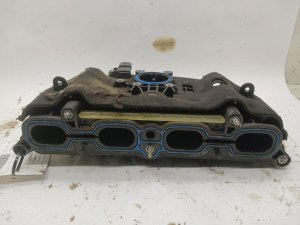
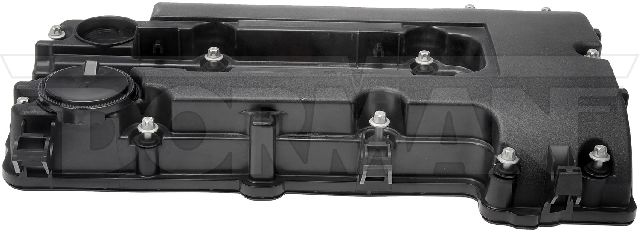
Typical fix: The diaphragm is not serviced separately by GM. The entire valve cover assembly must be replaced. 🎬 See this step-by-step valve cover replacement walkthrough Aftermarket brands like Dorman and OEM ACDelco parts are available. While replacing, it is wise to also inspect the intake manifold check valve, as its failure is a common root cause.
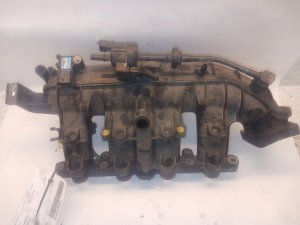
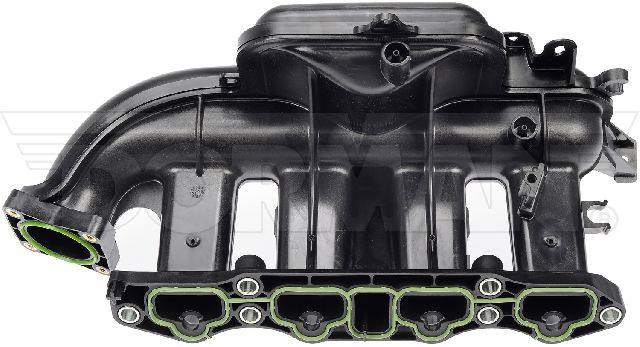
Est. part cost: $40-$120 - Failed PCV Check Valve in Intake Manifold 🔴 High Probability A small, orange, non-return check valve is integrated into the plastic intake manifold. It can become brittle, break, or get dislodged, creating a constant vacuum leak from the crankcase into the intake. This is a major design flaw in the 1.4L engine.
How to confirm: Perform a smoke test on the intake system. Smoke will typically be seen exiting the oil filler cap opening or the dipstick tube if this valve has failed. Visually, if you look into the PCV inlet port on the manifold (where the hose from the valve cover connects), you should see the orange nipple of the check valve; if it's missing, it has failed and likely been ingested by the engine.
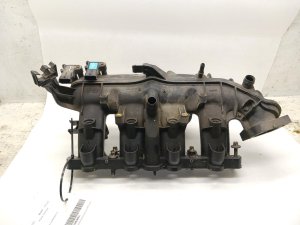
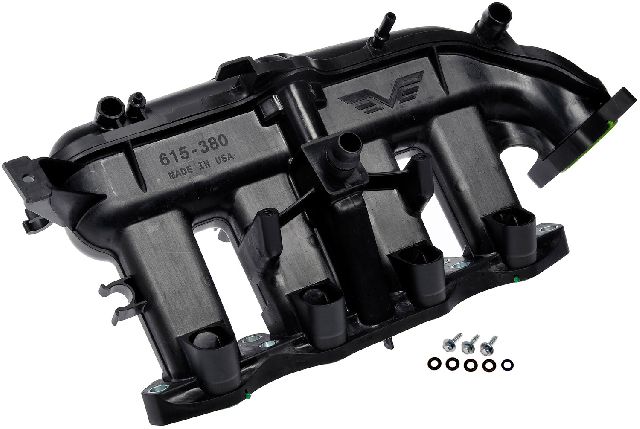
Typical fix: Officially, the entire intake manifold must be replaced as the valve is not sold separately by GM. Dorman offers a redesigned OE FIX manifold (p/n 615-380) with a more robust valve design. Alternatively, several aftermarket companies (e.g., CruzeKits.com, ZZPerformance) sell kits to install a new, more robust external check valve, which is a more permanent and cost-effective solution that bypasses the need to replace the manifold. 🎬 Watch: How to install a permanent PCV fix kit
Est. part cost: $150-$300 for a new manifold, or $60-$100 for an aftermarket fix kit. - Dirty or Failing Throttle Body 🟡 Medium Probability Carbon and oil vapor from the PCV system can build up around the throttle plate, restricting its movement. This prevents the ECM from making the fine adjustments needed to control idle speed accurately, especially if a battery disconnect has occurred.
How to confirm: Remove the air intake tube connected to the throttle body and visually inspect the throttle plate and bore for black carbon buildup.
Typical fix: Clean the throttle body thoroughly with a dedicated throttle body cleaner and a soft brush or rag. Do not aggressively force the throttle plate open on an electronic throttle body. After cleaning, an 'idle relearn' procedure may be necessary, which can sometimes be accomplished by letting the vehicle idle for several minutes.
Est. part cost: $5-$15 for cleaner, $150-$250 for a new throttle body.
Rare But Worth Checking
- Cracked PCV Tube/Hose: The corrugated plastic tube running from the intake manifold to the valve cover can become brittle and crack, causing a vacuum leak. Aftermarket PCV fix kits often include a replacement for this hose.
- Other Vacuum Leaks: While the PCV system is the most common culprit, leaks can also occur from cracked vacuum hoses, a bad brake booster hose, or faulty intake manifold gaskets. A smoke test is the best way to identify these less common leaks.
- Faulty Engine Control Module (ECM): In very rare cases, the ECM itself can fail, losing its ability to command the throttle body correctly. This should only be considered after all other possibilities, especially vacuum leaks, have been definitively ruled out.
Diagnosis Steps
- Scan for all stored trouble codes. Note if P0171 or P1101 are present, as this strongly suggests a vacuum leak from the PCV system.
- With the engine running at idle, listen for any obvious hissing or whistling sounds around the valve cover and intake manifold.
- Perform the oil cap test: carefully try to remove the oil filler cap with the engine idling. If strong suction holds it on, the valve cover PCV diaphragm is ruptured. The engine idle may change drastically when the cap is removed.
- Visually inspect the PCV inlet port on the intake manifold. If the orange check valve nipple is missing, the manifold has failed internally.
- If the above tests are inconclusive, perform a smoke test. Introduce smoke into the intake system (a common point is the brake booster line) and look for leaks from the valve cover (especially the small top hole), intake manifold gaskets, or any vacuum hoses. This is the most reliable way to find the source of the unmetered air.
- Inspect the throttle body for carbon buildup by removing the intake hose. Clean it if it's dirty.
- If no vacuum leaks are found and the throttle body is clean, investigate the throttle body's electrical connector and wiring for damage.
- Only after exhausting all other options should a faulty ECM be considered.
Parts You'll Likely Need

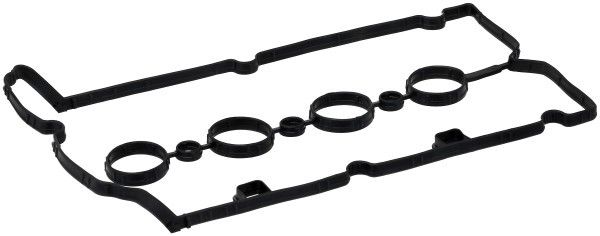
- Engine Valve Cover
(OEM #25198874)— This is the most frequent failure point. The integrated PCV diaphragm tears, causing a massive vacuum leak. The entire cover must be replaced.
Trusted brands: ACDelco (GM 25198874), Dorman (p/n 615-380 as part of a kit)
OEM price range: $80-$120
Aftermarket price range: $40-$80 - Intake Manifold
(OEM #55573171)— Replaced when the internal, non-serviceable PCV check valve fails. This is another very common cause of vacuum leaks on this engine.
Trusted brands: ACDelco (GM 55573171), Dorman OE FIX (p/n 615-380, features redesigned valve retention)
OEM price range: $200-$300
Aftermarket price range: $150-$220 - Aftermarket PCV Fix Kit — A popular and more permanent alternative to replacing the intake manifold. These kits bypass the faulty internal check valve with a more robust
Related Codes That Often Appear With This One
- P0171 — This code for 'System Too Lean' is frequently triggered alongside P0505 because the underlying vacuum leak allows a large amount of unmetered air into the engine, creating a lean air/fuel mixture that the ECM cannot correct.
- P0506 / P0507 — These codes indicate 'Idle RPM Lower/Higher Than Expected.' P0505 is a general idle system fault, while P0506 and P0507 are more specific. They often appear together or interchangeably depending on how the vacuum leak is affecting the idle at a given moment.
- P1101 — This code for 'Intake Air Flow System Performance' is very common with PCV failures on this engine. The massive unmetered air from the PCV leak causes a discrepancy between what the MAP sensor reports and what the ECM expects, triggering the code.
Technical Service Bulletins (TSBs) & Recalls
- 14371 - Special Coverage for Water Pump Leak (Corrected TSB)
- 14311B - Special Coverage for Negative Battery Cable (Additional relevant TSB)
Platform-Specific Known Issues
- GM Special Coverage for Camshaft Cover: While the specific program number cited in Pass 1 was incorrect, GM did offer extended warranty coverage for the valve cover/PCV diaphragm failure on certain model years due to the high failure rate.
- The PCV system design on the 1.4L Turbo engine is a well-documented weak point, leading to numerous vacuum leak-related codes, including P0505, P0171, and P1101.
- Aftermarket PCV 'fix kits' are extremely popular in the owner community as a more permanent solution to the intake manifold check valve failure than replacing the entire manifold.
Mechanic-Grade Diagnostic Values
- Mass Airflow (MAF) Sensor Reading at Idle — expected: Approximately 1.4 grams/second for the 1.4L engine at normal operating temperature with no load.. Failure: A significantly higher reading at idle can indicate unmetered air entering the system after the sensor, which the ECM is trying to account for.
- Long Term Fuel Trim (LTFT) at Idle — expected: Within +/- 5% on a healthy engine.. Failure: A value consistently at +25% or higher is a definitive sign of a large vacuum leak, as the ECM is adding the maximum amount of fuel to compensate for the excess air.
Scan Tool Commands That Help
- GDS2 / Professional Scan Tool (e.g., Launch X431): Throttle Body Idle Air Flow Compensation Reset — Use this function after cleaning or replacing the throttle body to force the ECM to relearn the base idle airflow values.
- GDS2 / Professional Scan Tool: Fuel Trim Reset — After repairing a significant vacuum leak (like replacing the valve cover or intake manifold), resetting the fuel trims will clear the learned high-trim values and allow the ECM to adapt to the correct air/fuel mixture more quickly.
- No Tool Required: Manual Idle Relearn Procedure — If a scan tool is not available after cleaning the throttle body or disconnecting the battery, this procedure can help the ECM relearn idle. Start the engine and let it idle in Park for 3 minutes. Turn the engine off for at least 60 seconds. Start the engine again and let it idle in Park for another 3 minutes. The idle should stabilize.
Wiring & Ground Locations
- G103 — On the left (driver's side) front shock tower in the engine compartment.. This is a primary ground point for the Engine Control Module (ECM). A poor connection here can cause erratic ECM behavior and various engine management faults, including incorrect idle control.
Real Owner Repair Stories
- Commentary from an experienced owner of two 1.4L Cruzes (Chevrolet Cruze 1.4L LUV Engine) — Whistling noise, surging engine at idle, rattling noises.
❌ Tried (didn't work) Replacing only the valve cover without addressing the intake manifold.
✅ What actually fixed it The user stresses that if the intake manifold's internal PCV nipple is gone (the cause of the whistling), you must replace BOTH the intake manifold (or install a bypass kit) AND the valve cover. Replacing only the valve cover will cause the new diaphragm to rupture again quickly due to boost pressure entering the crankcase. - YouTube video by a mechanic (2016 Chevrolet Cruze 1.4L Turbo) — A loud, persistent chirping noise from the engine bay.
❌ Tried (didn't work) Initially suspecting a bad belt or pulley.
✅ What actually fixed it The mechanic found the #2 spark plug was loose by about 3/4 of a turn. Compression was leaking past the threads, causing the chirping sound. Tightening the spark plug to the correct torque completely resolved the noise. The mechanic noted discoloration on the spark plug and coil boot as evidence of the leak. - NHTSA ODI #11721239 — An owner reported that while driving up an incline, the car stopped moving forward and started reversing backward. The vehicle displayed several codes including P0505, P0507, P1101, and P0700, and the owner noted a delay when shifting into gear.
OEM Part Supersession History
55573171→25200449— Standard part revision by the manufacturer.
Heads up: The new part number is a direct replacement for the old one. The Dorman 615-380 is a popular aftermarket alternative that claims to fix the original design flaw.25198874 / 25198877→25209141— Standard part revision by the manufacturer.
Heads up: There are several part numbers for the valve cover that fit this year range. 25198874 is a valid number for the application. 25198877 was superseded by 25209141. Always verify the correct part number with the vehicle's VIN.
Model Year Variations Within This Range
- 2011-2016 (First Generation Platform): No significant variations in the design of the PCV system related to the P0505 fault have been identified within this model year range for the 1.4L Turbo engine. The failure mode is consistent across the entire generation.
Diagnostic Flowchart
Other Known Issues on This Vehicle
Issues unrelated to this code that are worth knowing about as an owner of this generation:
- Premature Water Pump Failure 🔴 High — Very common. Failures can occur well under 100,000 miles, leading to coolant leaks and potential overheating. (Ref: Special Coverage 14371 extended the warranty to 10 years / 150,000 miles for this issue on 2011-2014 models.)
- Cracked Water Outlet / Thermostat Housing 🟠 Medium — Common. The plastic housings become brittle and crack, causing coolant leaks. Aftermarket aluminum replacements are a popular upgrade.
- Faulty Negative Battery Cable 🔴 High — Widespread issue causing a variety of random electrical problems, including stalling, flickering displays, and warning lights. Caused by an insufficient crimp on the terminal. (Ref: Special Coverage 14311B extended the warranty to 10 years / 120,000 miles for this cable on 2011-2015 models.)
- Transmission Control Module (TCM) and Solenoid Issues 🟠 Medium — Reported by many owners, leading to harsh shifting, slipping, or getting stuck in gear. Sometimes resolved with a software update, other times requires solenoid or valve body replacement.
- Oil and Coolant Leaks 🟠 Medium — Besides the water pump, these engines are known for oil leaks from the crankshaft seal and oil cooler lines, and coolant leaks from various plastic fittings and hoses in the cooling system.
Used vs. New Parts: Buying Guide for This Vehicle
When a used part is the smart pick: For this specific repair, using a used part is strongly discouraged. The primary failure points are rubber and plastic components (PCV diaphragm, check valve) that degrade with heat and time. A used part from a salvage yard will have similar age and wear and is highly likely to fail in a very short time, if it hasn't failed already.
What to inspect on the donor part:
- Not applicable, as used parts are not recommended for this repair.
Aftermarket brands forum-validated for this vehicle:
- Intake Manifold: Dorman OE FIX (p/n 615-380) is widely reported as a good alternative to OEM, as it includes a redesigned check valve retainer to prevent the common failure.
- Valve Cover: ACDelco (GM Genuine) is the safest choice. Some owners have had success with Dorman, but quality can be inconsistent compared to OEM.
- Intake Manifold Bypass Kits: Brands like CruzeKits.com and ZZPerformance are well-regarded in owner forums for providing a more permanent and robust external check valve solution, avoiding the need to replace the entire manifold.
Brands owners have reported issues with on this vehicle:
- Unbranded, low-cost valve covers and intake manifolds from online marketplaces. Owners frequently report these parts failing within months, leading to a repeat of the original problem.
Real Owner Stories
Aggregated from forums and TSBs cited above. Mileages and costs reflect what owners reported in those sources.
2011-2016 Chevrolet Cruze 1.4L Turbo
Symptoms: A comprehensive thread detailing the entire PCV system, its failure modes, and repair options including the orange nipple missing from the manifold.
What fixed it: Installation of an aftermarket PCV fix kit to bypass the failed internal intake manifold check valve.
Cost: $60-$100
Source hint: https://www.cruzetalk.com/threads/2011-2016-cruze-1-4-pcv-valve-cover-intake-manifold-issues.192442/
2011-2015 Chevrolet Cruze
Symptoms: Widespread electrical issues caused by the negative battery cable, including stalling, flickering displays, and random warning lights.
What fixed it: Replacement of the negative battery cable under Special Coverage 14311.
Source hint: https://www.reddit.com/r/cruze/comments/l9u7e1/possible_negative_battery_cable_issue/
2011-2016 Chevrolet Cruze 1.4L Turbo
Symptoms: Loud sucking or whistling sound from the small hole on top of the valve cover assembly and strong suction holding the oil cap down.
What fixed it: Replacement of the entire valve cover assembly because the PCV diaphragm had ruptured.
Cost: $40-$120
Source hint: Vehicle-specific issues: GM Special Coverage for Camshaft Cover
Related OBD-II Codes
Frequently Asked Questions
Is there a special coverage program for the valve cover failure on my 2011-2016 Cruze?
My Cruze has a whistling noise at idle and P0505; do I need a new intake manifold?
Does Special Coverage 14311B apply to my idle issues?
Can I just replace the rubber PCV diaphragm instead of the whole valve cover?
Is the water pump failure related to my P0505 idle code?
Helpful Videos
Used OEM Parts in Stock
New Aftermarket Parts Available


The information in this article is provided for general reference and educational purposes only. Vehicle specifications, procedures, and part compatibility can vary by production date, trim level, and region. Always consult your vehicle's factory service manual and verify part numbers before purchasing or performing repairs. Safety-critical components such as airbags, seat belts, and braking systems should be installed by a qualified professional.
- Chevrolet Cruze:
- 🎬 Helpful Videos
- 🛍️ Shop This Part
- What's Unique About the 2011-2016 Chevrolet Cruze
- Symptoms You May Notice
- Most Likely Causes
- Rare But Worth Checking
- Diagnosis Steps
- Parts You'll Likely Need
- Related Codes That Often Appear With This One
- Technical Service Bulletins (TSBs) & Recalls
- Platform-Specific Known Issues
- Mechanic-Grade Diagnostic Values
- Scan Tool Commands That Help
- Wiring & Ground Locations
- Real Owner Repair Stories
- OEM Part Supersession History
- Model Year Variations Within This Range
- Diagnostic Flowchart
- Other Known Issues on This Vehicle
- Used vs. New Parts: Buying Guide for This Vehicle
- Real Owner Stories
- 2011-2016 Chevrolet Cruze 1.4L Turbo
- 2011-2015 Chevrolet Cruze
- 2011-2016 Chevrolet Cruze 1.4L Turbo
- Related OBD-II Codes
- Frequently Asked Questions
- 🎟️ Get 5% Off