

P0504 on 2007-2009 Hyundai Accent: Brake Switch Correlation Causes and Fixes
On a 2007-2009 Hyundai Accent, code P0504 is almost always caused by a faulty brake light switch (part #93810-3K000), a known issue covered by multiple recalls (including Recall 110 and 131). Before replacing the switch, check for a crumbled plastic stopper pad on the brake pedal arm and inspect the 15A 'STOP LP' fuse. The switch itself is an inexpensive part (around $15-$25 OEM) and is a simple DIY replacement located above the brake pedal.
- P0504 on a 2007-2009 Accent is almost certainly a problem with the brake light switch circuit, located at the brake pedal.
- Before buying parts, check for a broken plastic stopper pad on the brake pedal arm and check the 15A 'STOP LP' fuse in the driver's side fuse box.
- The most likely fix is replacing the brake light switch (OEM Part #93810-3K000), a very simple and inexpensive DIY repair.
- Your vehicle may be covered by a safety recall for this exact issue (Recall 110 or 131); check with a Hyundai dealer using your VIN for a potential free repair.
What's Unique About the 2007-2009 Hyundai Accent
The 2007-2009 Hyundai Accent (MC generation) is highly prone to brake light switch failure. The issue was so widespread across Hyundai's lineup that it prompted several massive safety recalls (including Recall 110 and Recall 131). This means that unlike on many other vehicles where P0504 might require complex electrical diagnosis, on this specific Accent, the cause is overwhelmingly likely to be the switch itself, making for a very straightforward and common repair.
Symptoms You May Notice
- Check Engine Light is on
- Brake lights do not illuminate when the pedal is pressed
- Brake lights stay on even when the pedal is released
- Electronic Stability Control (ESC) warning light is on
- Cannot shift the vehicle out of Park
- Cruise control does not work or will not disengage when braking
- Engine may stall when braking at highway speeds
- Replacing brake light bulbs when they are not the cause.
- Assuming a major electrical or computer (ECM/BCM) failure before checking the simple, high-failure-rate components like the switch and stopper pad.
- Replacing the wrong part; ensure the replacement switch is the correct 4-pin version for the vehicle.
Most Likely Causes
- Faulty Brake Light Switch (Stop Lamp Switch) 🔴 High Probability This is a well-documented, widespread failure on this platform, leading to multiple official safety recalls (Recall 110 and 131). The internal contacts of the switch wear out or develop intermittent contact, causing the two internal circuits to send conflicting signals.
How to confirm: After confirming the fuse and pedal stopper are intact, the switch is the most likely culprit. A multimeter can be used to test for continuity across the switch terminals as the plunger is pressed and released, but given the low cost and extremely high failure rate, replacement is often the most efficient diagnostic step.
Typical fix: Replace the brake light switch. The switch is located on a bracket above the brake pedal arm. It is removed by unplugging the electrical connector and unthreading it from the bracket. Ensure the new switch is adjusted correctly so the plunger is fully depressed when the pedal is at rest but releases immediately when the pedal is pressed.
Est. part cost: $15-$25 - Broken Brake Pedal Stopper Pad 🟡 Medium Probability The small plastic or rubber pad on the brake pedal arm that physically contacts the switch plunger becomes brittle with age and can crumble into pieces. When it breaks, the switch plunger is no longer depressed when the pedal is at rest, causing the car to think the brakes are always on, which can drain the battery and may trigger a P0504.
How to confirm: Visually inspect the brake pedal arm in the driver's footwell. Look for a small hole where the stopper should be. You will likely find pieces of the broken blue or black plastic pad on the floor mat directly below.
Typical fix: Insert a new stopper pad into the hole on the brake pedal arm. This is a simple, tool-free repair. In a pinch, some owners have used a small bolt and nut or even stacked felt furniture pads as a temporary fix.
Est. part cost: $5-$10 - Blown 'STOP LP' Fuse ⚪ Low Probability
How to confirm: Locate the interior fuse panel behind the cover on the driver's side of the dashboard. Check the 15A fuse labeled 'STOP LP'. If the fuse is blown, the brake lights will not work at all.
Typical fix: Replace the blown 15A fuse. If the new fuse blows immediately, it indicates a short circuit in the wiring that needs to be diagnosed.
Est. part cost: $1-$5
Rare But Worth Checking
- Wiring Harness or Connector Damage: While rare, the wiring leading to the brake light switch could be damaged or the 4-pin connector could have corrosion or bent pins. This should be considered if replacing the switch and fuse does not resolve the code. Check for chafed wires near the pedal assembly.
- Incorrect Switch Adjustment: If the switch was recently replaced, it may be improperly adjusted. If it's threaded in too far or not far enough, the plunger may not activate and deactivate at the correct pedal positions, leading to a correlation error. The switch should be installed so there is no gap between the stopper pad and the plunger when the pedal is at rest.
Diagnosis Steps
- Check for any open recalls on your vehicle's VIN. The brake light switch may be replaced for free by a Hyundai dealer under Recall 110 (NHTSA Campaign 13V113) or Recall 131 (NHTSA Campaign 15V566000).
- Visually inspect the driver's side floor mat for small, broken pieces of blue or black plastic.
- Look up at the brake pedal arm and check for a missing or broken plastic/rubber stopper pad. If it's broken, replace it.
- If the stopper is intact, check the 15A fuse for the brake lights (marked 'STOP LP' in the interior fuse box on the driver's side dash). Replace if blown.
- If the fuse and stopper are good, the brake light switch is the prime suspect. Locate the switch mounted on a bracket above the brake pedal arm.
- Disconnect the 4-pin electrical connector from the switch.
- Loosen the locknut and unscrew the switch from its bracket.
- Install the new switch, threading it in until the plunger is fully depressed by the brake pedal arm when the pedal is at rest. There should be minimal to no gap.
- Tighten the locknut to secure the switch's position.
- Reconnect the electrical connector and clear the trouble code with a scanner. Test brake light function, cruise control, and the shift interlock to ensure all related systems are working correctly. Take a test drive to confirm the P0504 code does not return.
Parts You'll Likely Need
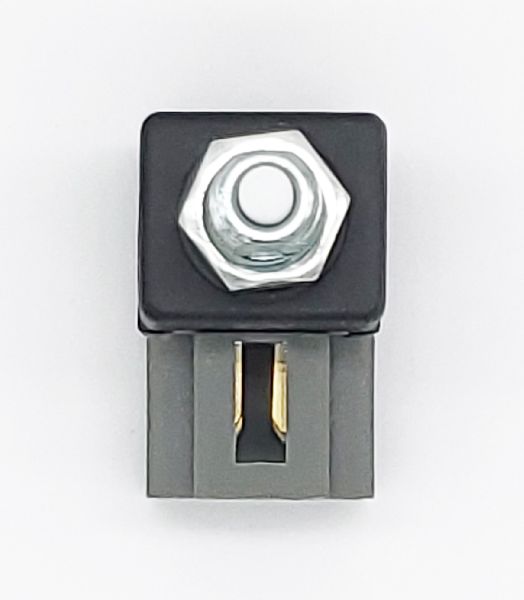
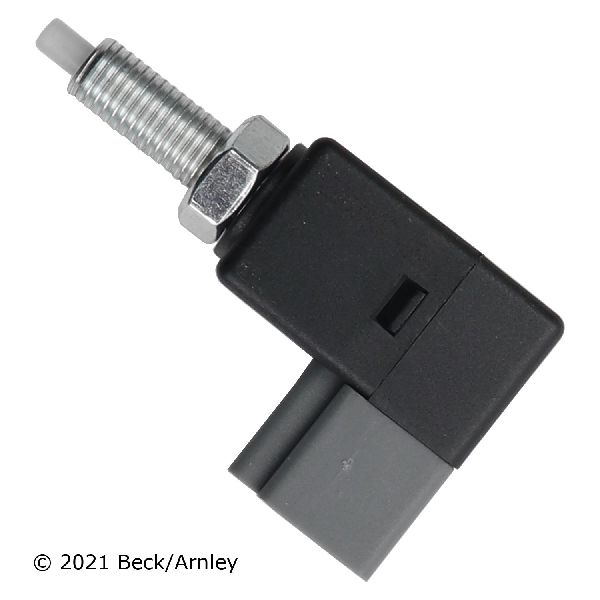
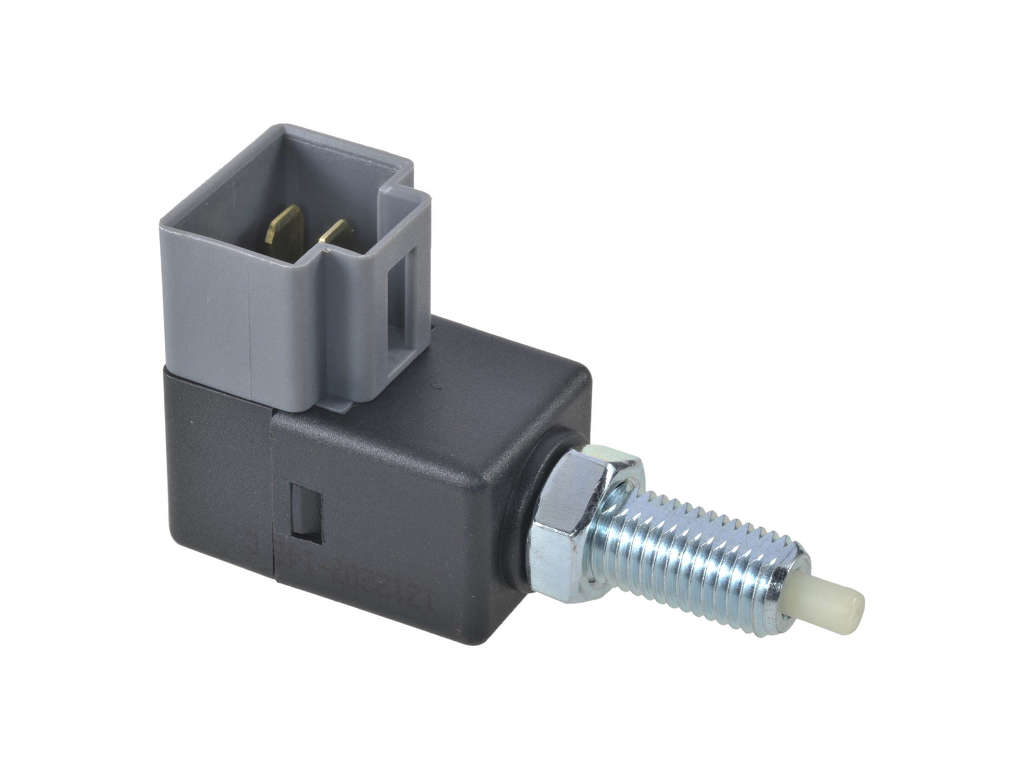
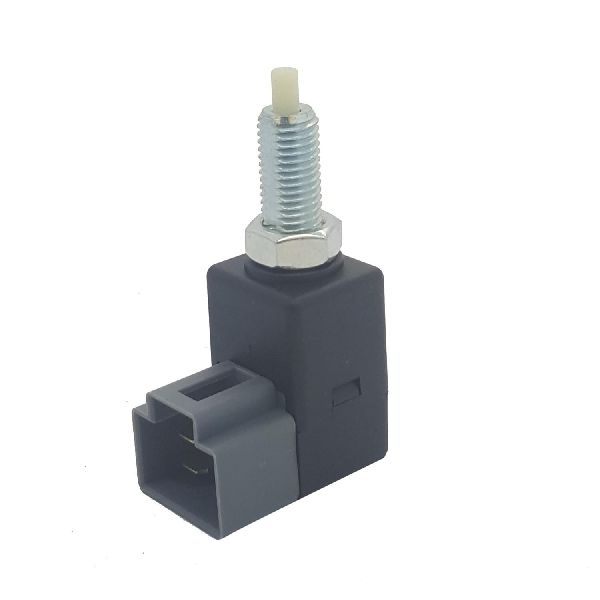
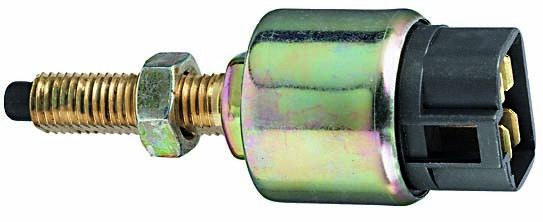
- Stop Lamp Switch
(OEM #93810-3K000)— This is the most common failure point and the subject of multiple safety recalls for this vehicle. It is a 4-pin switch. This part number supersedes several older numbers including 93810-2H000 and 93810-38100.
Trusted brands: Genuine Hyundai, Beck/Arnley, Standard Motor Products (Intermotor)
OEM price range: $15-$25
Aftermarket price range: $10-$20 - Brake Pedal Stopper Pad
(OEM #32825-2D000)— This small plastic pad frequently becomes brittle and breaks, leading to the brake lights staying on and potentially triggering a P0504 code or draining the battery.
Trusted brands: Genuine Hyundai, Dorman
OEM price range: $5-$10
Aftermarket price range: $3-$8
Technical Service Bulletins (TSBs) & Recalls
- TSB 13-01-021-3 (Recall 110): Stop Lamp Switch Replacement
- TSB 17-01-021 (Recall 110 Update): Stop Lamp Switch Replacement
- NHTSA Campaign 15V566000 (Recall 131): Stop Lamp Switch Malfunction
- TSB 18-01-005 (Recall 170): Brake Pedal Stopper Replacement (for other models, but describes the same failure mode)
Platform-Specific Known Issues
- This model was subject to Hyundai Recall Campaign 110 (NHTSA ID: 13V113) and Recall Campaign 131 (NHTSA ID: 15V566000) for a defective stop lamp switch. Owners should check with a Hyundai dealer using their VIN to see if their specific vehicle is covered for a free repair, even if out of warranty.
- NHTSA ODI #10712396 notes that the Engine Control Module (ECM) detects a fault in correlation between the two circuits of the brake switch, which is the technical definition of the P0504 code.
Mechanic-Grade Diagnostic Values
- Brake Switch Circuit 'A' (Stop Lamp) and 'B' (Switch) Voltage — expected: With the pedal released, one circuit should read ~0V and the other should read battery voltage. When the pedal is pressed, the values should reverse.. Failure: If both circuits show 0V or both show battery voltage simultaneously for more than 0.5 seconds, the ECM will flag a correlation fault.
- Scan Tool Live Data (e.g., GDS 'STOP LIGHT SW' PID) — expected: The two signals (often labeled STP and ST1-) should show opposite states. Pedal Released: STP=OFF, ST1-=ON. Pedal Depressed: STP=ON, ST1-=OFF.. Failure: If both signals show ON or both show OFF at the same time (except for a brief transition period), it indicates a fault.
- Brake Switch Adjustment Gap — expected: When installed, there should be a 0.5-1.0 mm gap between the switch plunger and the pedal stopper when the pedal is fully released.. Failure: Too large a gap can delay brake light activation; no gap or a negative gap means the switch is always partially pressed.
Scan Tool Commands That Help
- Hyundai GDS (Global Diagnostic System): Data List > View 'Stop Lamp Switch' / 'Brake Switch A/B' signals — This is the primary method for electronically confirming the fault. It allows a technician to watch the live state of both circuits as the brake pedal is operated, immediately showing any mismatch or delay that would trigger P0504.
Wiring & Ground Locations
- Stop Lamp Switch — Mounted on the brake pedal support bracket, above the brake pedal arm, inside the driver's side footwell.. This is the primary component for code P0504. Its connector and nearby wiring are the first places to check for damage.
- G12 — At the left kick panel, near the driver's left foot.. This is a primary chassis ground point for many interior and dash components. A loose or corroded G12 ground could potentially cause erratic voltage readings in various circuits, including the brake switch.
- STOP LP Fuse (15A) — Located in the interior fuse panel (I/P Junction Box) behind a cover on the driver's side of the dashboard.. This fuse supplies power to the brake light circuit. While a blown fuse typically causes a total failure rather than a correlation error, an intermittent short causing the fuse to blow could be part of a complex P0504 diagnosis.
OEM Part Supersession History
93810-2H000, 93810-38100, 93810-38110, and others→93810-3K000— The original switch design was prone to premature failure, leading to multiple safety recalls. The superseding part number is the updated, more reliable version.
Heads up: While older part numbers may physically fit, they carry the original design defect and should not be used. Always install the latest superseded part number, 93810-3K000, to ensure a permanent repair.
Model Year Variations Within This Range
- 2007-2009: The P0504 code specifically applies to models equipped with a 4-pin dual-circuit brake light switch, which is standard on vehicles with features like cruise control or Electronic Stability Control (ESC). Base models without these features may use a simpler 2-pin switch and would not generate a correlation code like P0504.
Diagnostic Flowchart
Other Known Issues on This Vehicle
Issues unrelated to this code that are worth knowing about as an owner of this generation:
- Timing Belt Replacement Interval 🔴 High — This is a required maintenance item. The 1.6L Alpha II engine is an interference design. The belt is due for replacement around every 60,000 miles. Failure to replace it can result in catastrophic engine damage if the belt snaps.
- Ignition Coil Failure 🟠 Medium — Prone to intermittent ignition coil failure, leading to engine misfires (e.g., codes P0300-P0304), rough idling, and poor acceleration. It is a relatively common and inexpensive repair.
- Automatic Transmission Issues 🟠 Medium — The 4-speed automatic transmission can develop issues, particularly at higher mileage (100k+ miles). Problems include harsh shifting or failure to engage gears. Regular fluid changes are critical.
- Stalling When Coming to a Stop 🟠 Medium — Some owners report issues with the engine stalling when idling, especially in colder weather or when the A/C is on. This can be caused by a variety of issues, including a dirty throttle body, vacuum leaks, or faulty sensors, and can be difficult to diagnose without codes.
Used vs. New Parts: Buying Guide for This Vehicle
When a used part is the smart pick: A used brake pedal stopper pad from a salvage yard is a viable, low-cost option if it is inspected and found to be pliable and not brittle. It is a simple piece of plastic with no electronic or mechanical function.
Donor-vehicle mileage cap: roughly under 80000 miles for the part to have meaningful remaining life.
What to inspect on the donor part:
- For a stopper pad, squeeze it to ensure it is not hard or brittle.
- Check for any signs of cracking or crumbling.
- Avoid parts from vehicles in extremely hot climates, as the plastic degrades faster.
OEM-only on this vehicle (don't cheap out):
- Stop Lamp Switch
Aftermarket brands forum-validated for this vehicle:
- Beck/Arnley
- Standard Motor Products (Intermotor)
- Dorman (for stopper pad)
Brands owners have reported issues with on this vehicle:
- Unbranded, no-name switches from online marketplaces should be avoided. The cost savings are minimal and the risk of premature failure is high, potentially leaving you with the same problem in a short amount of time.
Real Owner Stories
Aggregated from forums and TSBs cited above. Mileages and costs reflect what owners reported in those sources.
2007-2009 Hyundai Accent
Symptoms: The brake lights would not turn on when the pedal was pressed, or in other cases, they would stay on constantly. The ESC malfunction light also came on, and the cruise control would not deactivate when braking.
What fixed it: The malfunctioning stop lamp switch was replaced by the dealer under a safety recall.
Source hint: NHTSA / Multiple News Outlets
2007-2009 Hyundai Accent
Symptoms: The ESC light was on and the gear shifter was stuck in Park, accompanied by the P0504 code.
What fixed it: A DIY replacement of the faulty brake light switch resolved all the issues.
Source hint: Hyundai-Forums.com
2007-2009 Hyundai Accent
Symptoms: The brake lights were stuck on, causing the battery to drain. Found pieces of crumbled plastic on the floor mat.
What fixed it: The broken brake pedal stopper pad was the cause. Replacing the small plastic pad fixed the problem. Some owners reported using a bolt and nut as a temporary solution.
Source hint: Reddit (r/MechanicAdvice, r/Hyundai)
Documented NHTSA Reports
NHTSA ODI #11140455
Symptoms: The check engine light illuminated, and a diagnostic scan revealed the P0504 code, indicating a fault with the brake light switch.
NHTSA ODI #10630011
Symptoms: An owner reported that the check engine light and ABS light stayed on. A scan at a local parts store returned code P0504 for a faulty stop lamp brake switch.
NHTSA ODI #10520867
Symptoms: Occurrences of the check engine light coming on with code P0504 indicating a brake switch malfunction, with the light occasionally going off after several trips.
NHTSA ODI #11671946
Symptoms: An owner reported a brake light switch malfunction that drains the battery and poses a safety hazard, with code P0504 confirmed via an OBD-II scanner.
Related OBD-II Codes
Frequently Asked Questions
My 2008 Accent has a P0504 code and I can't shift it out of Park. Is there a recall for this?
I found little broken pieces of blue plastic on my driver's side floor mat. What are they?
Besides the Check Engine Light, what other warning lights are common with a P0504 on this Accent?
My cruise control stopped working. Could this be related to the P0504 code?
I checked the 'STOP LP' fuse and the plastic stopper on the pedal, and they're both fine. What should I check next?
Is the brake light switch replacement a difficult DIY job on a 2007-2009 Accent?
We Have This Part in Stock


The information in this article is provided for general reference and educational purposes only. Vehicle specifications, procedures, and part compatibility can vary by production date, trim level, and region. Always consult your vehicle's factory service manual and verify part numbers before purchasing or performing repairs. Safety-critical components such as airbags, seat belts, and braking systems should be installed by a qualified professional.
- Hyundai Accent:
- 🛍️ Shop This Part
- What's Unique About the 2007-2009 Hyundai Accent
- Symptoms You May Notice
- Most Likely Causes
- Rare But Worth Checking
- Diagnosis Steps
- Parts You'll Likely Need
- Technical Service Bulletins (TSBs) & Recalls
- Platform-Specific Known Issues
- Mechanic-Grade Diagnostic Values
- Scan Tool Commands That Help
- Wiring & Ground Locations
- OEM Part Supersession History
- Model Year Variations Within This Range
- Diagnostic Flowchart
- Other Known Issues on This Vehicle
- Used vs. New Parts: Buying Guide for This Vehicle
- Real Owner Stories
- 2007-2009 Hyundai Accent
- 2007-2009 Hyundai Accent
- 2007-2009 Hyundai Accent
- Documented NHTSA Reports
- NHTSA ODI #11140455
- NHTSA ODI #10630011
- NHTSA ODI #10520867
- NHTSA ODI #11671946
- Related OBD-II Codes
- Frequently Asked Questions
- 🎟️ Get 5% Off