

P0496 on 2006-2015 Honda Civic: Causes, Fixes, and Part Guide
For a 2006-2015 Honda Civic, code P0496 is almost always caused by a faulty EVAP canister purge valve that is stuck open. It's a common, inexpensive, and easy DIY fix, with the part typically costing between $40 and $100.
- P0496 on a 2006-2015 Civic almost always points to a failed canister purge valve.
- The most telling symptom is difficulty starting the car right after refueling.
- It is a DIY-friendly repair, with the part located on the back of the engine and held by two bolts.
- The correct OEM part number is 36162-RNA-A01.
- Driving with the code is safe, but it will cause an emissions test failure and can lead to other issues if ignored long-term.
What's Unique About the 2006-2015 Honda Civic

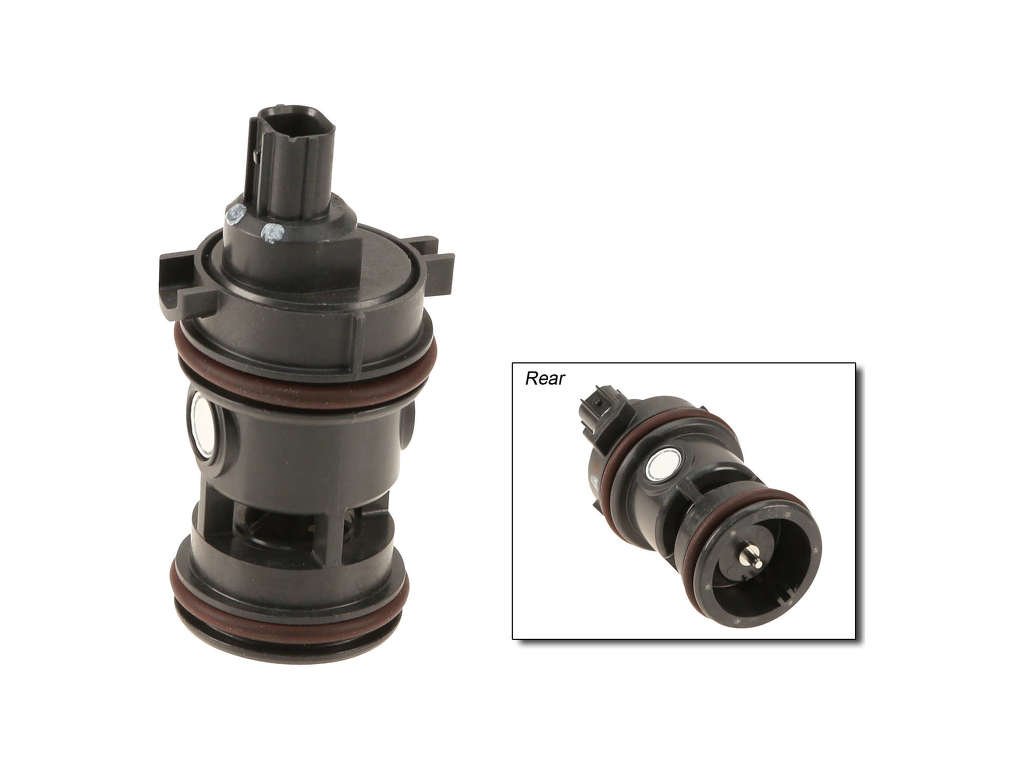
On the 8th (2006-2011) and 9th (2012-2015) generation Honda Civics with the R18 engine, the canister purge valve (Honda Part No. 36162-RNA-A01) is a very common failure item that directly causes the P0496 code. The valve fails internally, getting stuck in a permanently open or partially open state, which allows uncommanded fuel vapor to be constantly drawn into the intake manifold. The valve is located accessibly on the back of the engine near the throttle body, making diagnosis and replacement very straightforward for a DIYer compared to other vehicles where the cause might be more varied.
Generation note: This guide covers the 8th generation (2006-2011) and 9th generation (2012-2015) Honda Civic. The cause and repair for P0496 are virtually identical for both generations, as the primary culprit is the canister purge valve (Part No. 36162-RNA-A01), which is similarly located and functions the same way across this year range.
Symptoms You May Notice
- Check Engine Light is on
- Slightly rough idle in some cases
- Difficulty starting the engine immediately after refueling: This is a classic symptom. A stuck-open purge valve allows raw fuel vapors from the just-filled tank to flood the intake manifold, creating an overly rich mixture that is difficult to ignite.
- A faint smell of fuel (rare)
- Replacing the gas cap. While a loose or faulty gas cap can cause other EVAP codes (like P0455 or P0457), it is not a typical cause for P0496, which specifically points to flow when there should be none.
- Replacing the charcoal canister. The canister itself rarely fails in a way that causes this specific code. It's more likely to be the valve that controls the flow from it. Diagnose the purge valve first.
Most Likely Causes

- Faulty Canister Purge Valve (Solenoid) 🔴 High Probability The purge valve, OEM part number 36162-RNA-A01, is known to fail by getting stuck open, allowing un-commanded fuel vapor to enter the intake manifold. This is the most frequent cause for P0496 on this platform, confirmed by countless owner forums and mechanic videos.
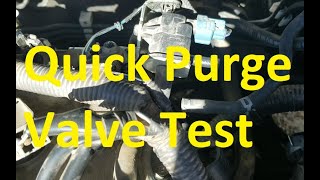
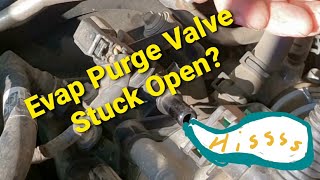
How to confirm: Remove the purge valve from the engine. With the valve disconnected from power, try to blow through the port that leads to the intake manifold. If air passes through, the valve is stuck open and is faulty. A properly functioning valve should be completely sealed 🎬 Watch: How to test if your purge valve is bad when not energized. You can also use a hand vacuum pump on the port coming from the charcoal canister; it should hold vacuum indefinitely. If it doesn't, it's bad.
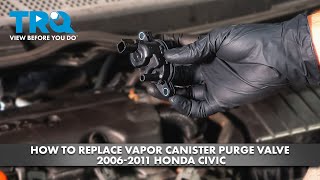
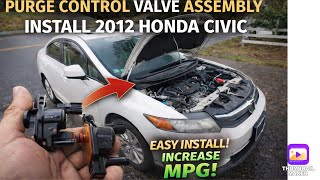
Typical fix: Replace the canister purge valve. It is held on by two 10mm bolts on the back of the engine 🎬 Watch: Step-by-step replacement guide for 8th gen Civics, near the throttle body. The job requires disconnecting one electrical connector and two hoses.
Est. part cost: $40-$100
Rare But Worth Checking
- Leaking or disconnected EVAP hose: A cracked or disconnected hose in the EVAP system, particularly between the purge valve and the intake manifold, can cause a vacuum leak that might trigger this code. A visual inspection of all accessible EVAP lines is a good secondary check if a new purge valve doesn't solve the issue.
- Faulty Fuel Tank Pressure (FTP) Sensor: If the sensor that monitors EVAP system pressure provides incorrect readings to the ECU, it could falsely trigger a P0496 code. This is much less common than a purge valve failure.
- Clogged or failed Charcoal Canister: In rare cases, the charcoal canister itself can become saturated with fuel or the internal vent valve can fail, leading to flow issues. This is sometimes seen with code P145C as well. This is typically a last resort after confirming the purge valve is good.
Diagnosis Steps

- Read the code with an OBD-II scanner to confirm P0496 is present.
- Check the gas cap to ensure it is tight and the seal is not cracked, although this is an unlikely cause.
- Locate the canister purge valve on the rear of the engine, near the throttle body. It will have two hoses and an electrical connector.
- Disconnect the electrical connector and the two hoses from the valve.
- Remove the two 10mm bolts holding the valve to the engine.
- With the valve removed, attempt to blow air through either port. If air passes through, the valve has failed and needs to be replaced. It should be sealed shut when no power is applied.
- If the valve holds air, inspect the EVAP hoses connected to it for cracks, brittleness, or loose connections.
- If the valve and hoses are good, the issue may be with the wiring or the Fuel Tank Pressure sensor, which may require more advanced diagnostics with a scan tool that can read live data.
Parts You'll Likely Need

- Canister Purge Valve (Solenoid)
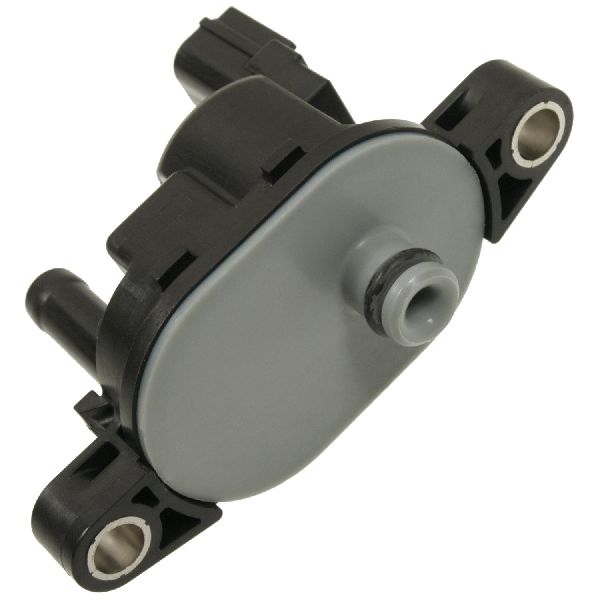
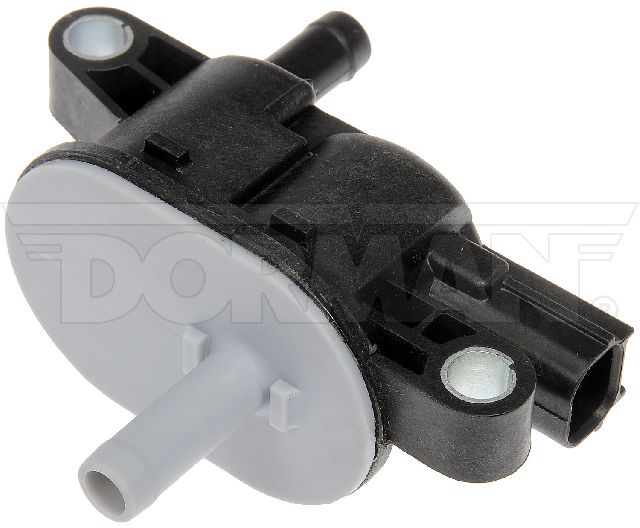
(OEM #36162-RNA-A01)— This is the most common failure point for code P0496 on 2006-2015 Civics. It gets stuck open, allowing fuel vapor to flow when it is not commanded by the ECU.
Trusted brands: Genuine Honda, Denso, Standard Motor Products (SMP), Dorman
OEM price range: $70-$90
Aftermarket price range: $30-$60
Related Codes That Often Appear With This One
- P0497 (EVAP System Low Purge Flow): Can sometimes appear alongside P0496, indicating an erratic failure of the purge valve.
- P145C: This code can sometimes appear with P0496 and often points towards a failure in the canister vent side of the system, though a faulty purge valve can contribute.
Platform-Specific Known Issues
- Owner Experience with P0496 and P145C: A user on Reddit with a 2013 Civic reported receiving both P0496 and P145C. While one user suggested the EVAP canister was the fix for them at a cost of ~$500, this highlights that while P0496 is usually the purge valve, it can be part of a larger system fault.
Mechanic-Grade Diagnostic Values
- EVAP Canister Purge Valve Solenoid Coil Resistance — expected: 30-40 Ohms. Failure: A reading significantly outside this range, or an open/short circuit, indicates a failed solenoid coil.
- Voltage at Purge Valve Connector — expected: Approximately 12V (Battery Voltage) with ignition ON. Failure: No voltage suggests a wiring or fuse issue upstream of the valve.
- Vacuum Test on Purge Valve — expected: With the valve de-energized, it should hold vacuum indefinitely when applied to the canister-side port.. Failure: If the vacuum level drops, the valve is leaking internally and is defective.
Scan Tool Commands That Help
- Honda HDS (Honda Diagnostic System): EVAP TEST > FUNCTION TEST — This is the primary function used by Honda technicians to run a full system check. After clearing the P0496 code, running this test will verify if the repair was successful or if the fault is still present.
- Honda HDS (Honda Diagnostic System): EVAP TEST > SINGLE SOLENOID > EVAP PCS OFF / EVAP PCS ON — This bidirectional command allows a technician to manually command the EVAP Canister Purge Solenoid (PCS) on and off. It's used to isolate and test the valve's function directly. For P0496, a technician would command it OFF and check for vacuum flow; if flow is present, the valve is confirmed to be stuck open.
Wiring & Ground Locations
- G101 — On the right rear of the engine for the 1.8L engine.. G101 is a primary engine ground. While not directly for the purge valve circuit alone, a poor or corroded connection at this ground can cause a variety of erratic electrical issues for engine-mounted sensors and solenoids, potentially contributing to incorrect readings or performance.
- EVAP Canister Purge Valve Connector — On the purge valve itself, located at the rear of the engine near the throttle body.. This 2-pin connector provides power and the control signal from the PCM. Technicians will backprobe this connector to check for battery voltage and the ground signal from the PCM that commands the valve to open.
Real Owner Repair Stories
- Chevrolet Forum user (General Motors vehicle (not Honda, but P0496 is a generic code)) — Check Engine Light with code P0496.
❌ Tried (didn't work) Replaced the EVAP Purge Solenoid Valve with a BWD brand part.
✅ What actually fixed it The code returned after two months. The user found the new valve was already leaking slightly. The user theorized that debris from the charcoal canister was contaminating the new valves, causing them to fail prematurely. Their proposed solution was to install a small in-line fuel filter on the vacuum line just before the purge valve to catch any charcoal particles.
OEM Part Supersession History
36162-RNA-A01→N/A - This part number remains current.— N/A
Heads up: This part number is specific to the 1.8L engine in the 2006-2011 Civic. While it may fit other Honda models, it is crucial to verify fitment for the correct year and engine. The 9th generation (2012-2015) Civic also uses this part.
Diagnostic Flowchart
Other Known Issues on This Vehicle
Issues unrelated to this code that are worth knowing about as an owner of this generation:
- Cracked Engine Block (R18A1) 🔴 High — Common on 2006-2009 models. A manufacturing defect in the engine block casting can lead to a coolant leak on the back of the engine, causing overheating and catastrophic failure. (Ref: Honda TSB 10-048. Honda extended the warranty to 10 years with unlimited mileage, but this has since expired for all affected vehicles.)
- Defective Paint (Clear Coat Failure) 🟠 Medium — Widespread on 8th generation (2006-2011) Civics, especially on dark colors like Nighthawk Black Pearl (NHBP) and Fiji Blue Pearl (FBP). The clear coat fails, leading to a chalky, hazy appearance, cracking, and peeling. (Ref: Honda extended the paint warranty to 7 years from the original purchase date for certain colors and panels (hood, fenders, roof, trunk). This warranty has also expired for most vehicles.)
- Failing Sun Visors 🟡 Low — Extremely common on 8th generation (2006-2011) Civics. The visor's internal mechanism breaks, causing it to droop, obstruct vision, and not stay in the stowed position. (Ref: A class-action lawsuit resulted in a warranty extension to 7 years or 100,000 miles. This program is no longer active for these vehicles.)
Used vs. New Parts: Buying Guide for This Vehicle
When a used part is the smart pick: For a part like the EVAP purge valve that has a very high failure rate and is relatively inexpensive new, buying a used part is generally not recommended. The risk of the used part failing shortly after installation is high, negating any small cost savings.
Donor-vehicle mileage cap: roughly under 15000 miles for the part to have meaningful remaining life.
What to inspect on the donor part:
- If considering a used part, test it before installation. It must be completely sealed and pass no air when blowing through it (when de-energized).
- Check the ports for any signs of black charcoal debris, which would indicate the donor car had a failing charcoal canister and the valve is likely contaminated.
OEM-only on this vehicle (don't cheap out):
- While not strictly 'OEM-only', using a Genuine Honda or a reputable OEM supplier like Denso is highly recommended over no-name online marketplace brands to avoid premature failure.
Aftermarket brands forum-validated for this vehicle:
- Denso (often the original OEM manufacturer)
- Standard Motor Products (SMP)
- Dorman
Brands owners have reported issues with on this vehicle:
- Unbranded, low-cost parts from online marketplaces are frequently cited in forums as failing quickly, sometimes within weeks or months of installation.
Real Owner Stories
Aggregated from forums and TSBs cited above. Mileages and costs reflect what owners reported in those sources.
2013 Honda Civic Coupe 1.7L
Symptoms: Getting a “Check Emissions System” warning, and after driving for a while then stopping for gas, the car has a hard time starting. Have to press the accelerator a few times to get it to start. Sometimes the message changes to “Tighten Gas Cap”. Codes P145C, P0497, and P0496 appear.
What fixed it: The owner replaced the purge valve, charcoal canister, and the vent/solenoid inside the canister, but the light returned after a day or two; a definitive fix was not found at the time of the report.
Source hint: Reddit r/MechanicAdvice thread titled '2013 Honda Civic – EVAP Codes + Hard Start After Refueling (P145C, P0497, P0496)'
2012 Honda Civic 1.8L
Symptoms: Hard to start after refilling with gasoline, with codes P0497, P0496, and P145C.
What fixed it: Replaced the canister purge valve with a genuine Honda part (part number 36162-R14-A01).
Source hint: Automotive Mechanics YouTube comment: '2012 HONDA CIVIC CODES P0497 P0496 P145C - HARD TO START AFTER REFILLING IN GASOLINE.'
2013 Honda Civic
Symptoms: Received both P0496 and P145C codes and a 'Check emissions system' error.
What fixed it: Replacement of the EVAP canister.
Cost: $500-$500
Source hint: Reddit r/civic - Check emissions system. Anyone ever get that error before?
8th Generation Honda Civic
Symptoms: Check Engine Light and hard starting immediately after refueling.
What fixed it: Replacing the vapor canister purge valve (DIY repair using 10mm socket).
Source hint: 8thcivic.com - DIY: Vapor Canister Purge Valve Replacement
Related OBD-II Codes
Frequently Asked Questions
Where is the purge valve located on my 2006-2015 Honda Civic?
What is the specific Honda part number for the purge valve on this vehicle?
Why does my Civic struggle to start only after I fill up the gas tank?
Can I test the purge valve myself before buying a new one?
Is there a TSB for the engine block cracking on my 8th Gen Civic?
My 2013 Civic shows P0496 and P145C; could it be something other than the purge valve?
Helpful Videos
Used OEM Parts in Stock
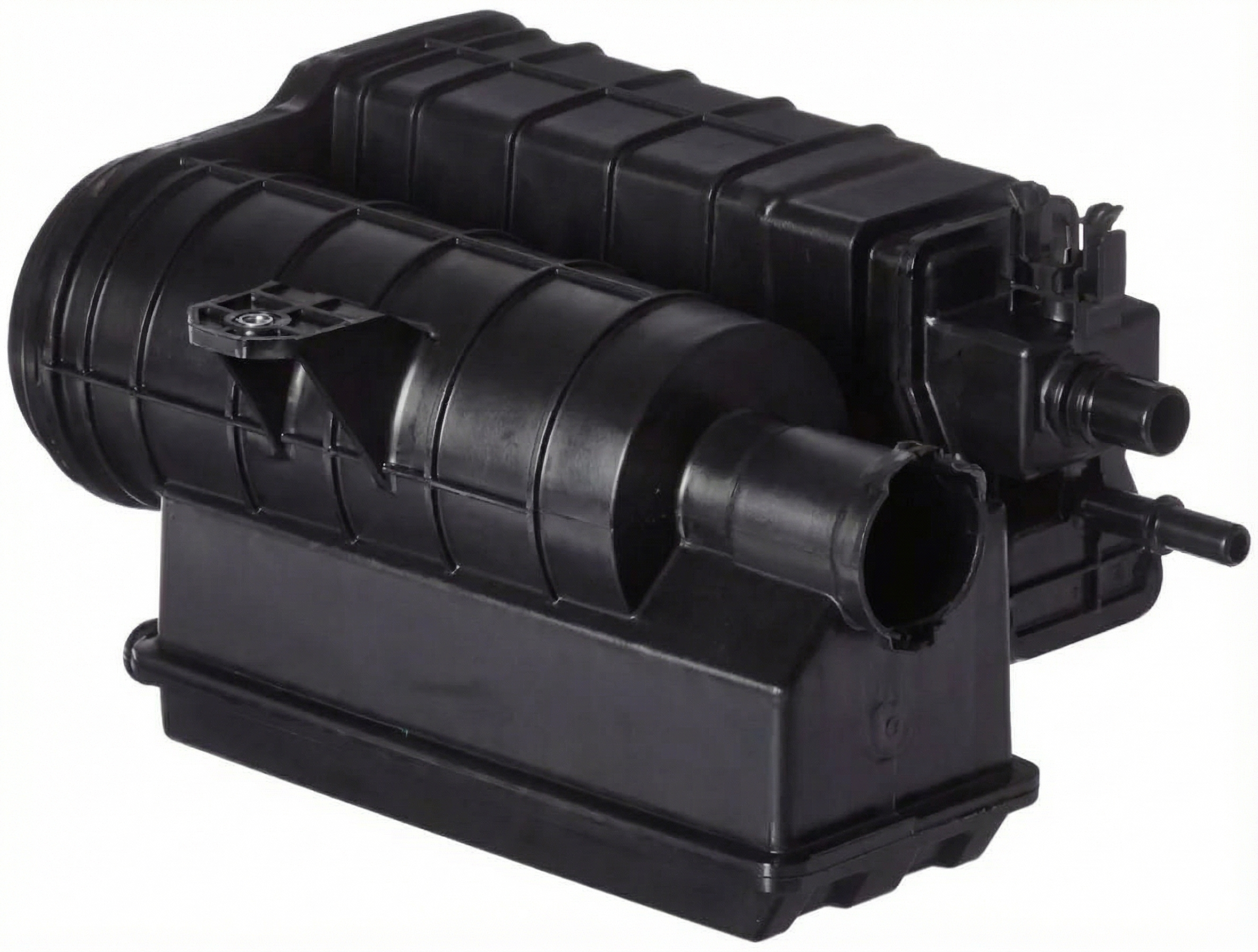
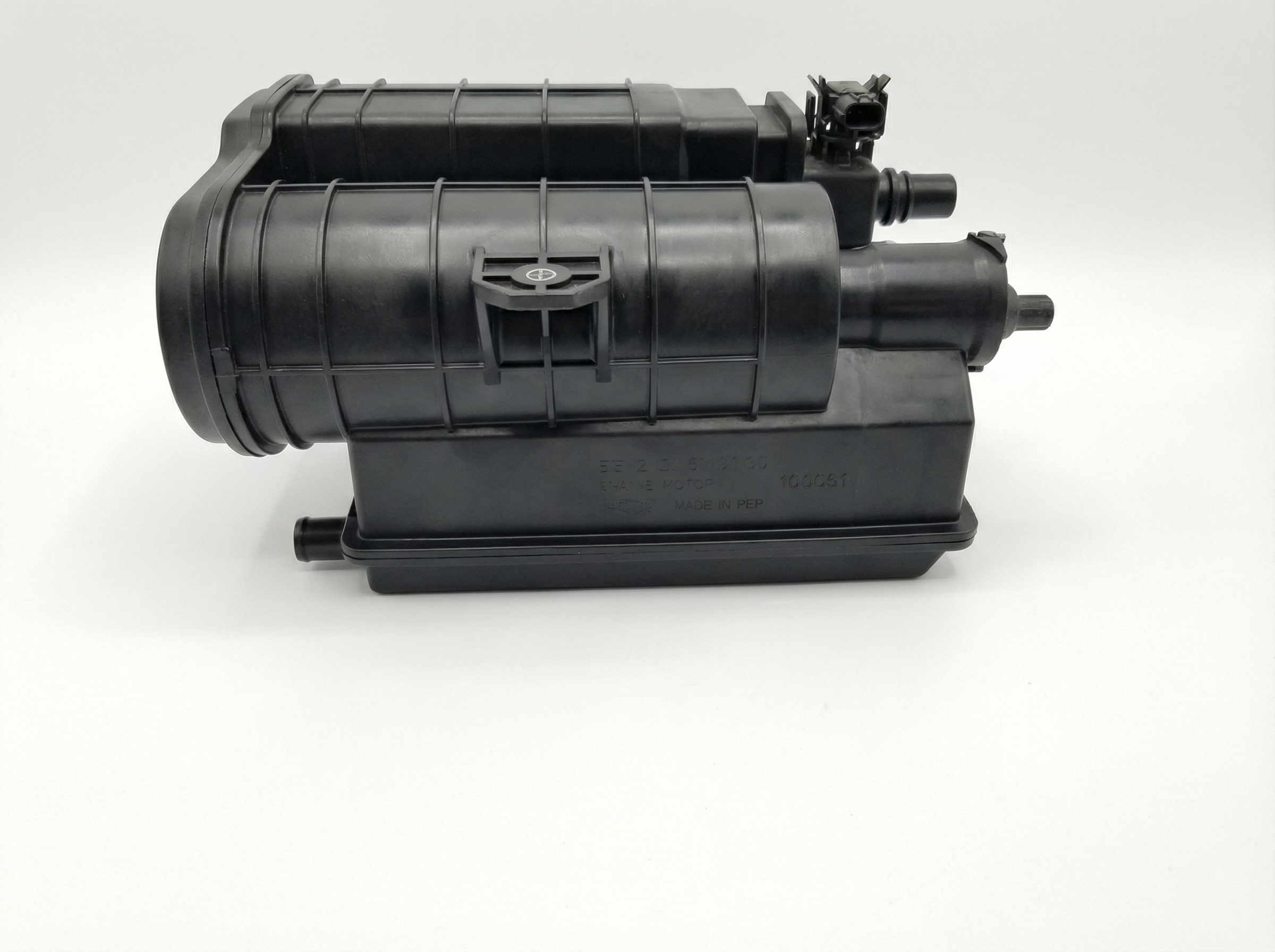
New Aftermarket Parts Available


The information in this article is provided for general reference and educational purposes only. Vehicle specifications, procedures, and part compatibility can vary by production date, trim level, and region. Always consult your vehicle's factory service manual and verify part numbers before purchasing or performing repairs. Safety-critical components such as airbags, seat belts, and braking systems should be installed by a qualified professional.
- Honda Civic:
- 🎬 Helpful Videos
- 🛍️ Shop This Part
- What's Unique About the 2006-2015 Honda Civic
- Symptoms You May Notice
- Most Likely Causes
- Rare But Worth Checking
- Diagnosis Steps
- Parts You'll Likely Need
- Related Codes That Often Appear With This One
- Platform-Specific Known Issues
- Mechanic-Grade Diagnostic Values
- Scan Tool Commands That Help
- Wiring & Ground Locations
- Real Owner Repair Stories
- OEM Part Supersession History
- Diagnostic Flowchart
- Other Known Issues on This Vehicle
- Used vs. New Parts: Buying Guide for This Vehicle
- Real Owner Stories
- 2013 Honda Civic Coupe 1.7L
- 2012 Honda Civic 1.8L
- 2013 Honda Civic
- 8th Generation Honda Civic
- Related OBD-II Codes
- Frequently Asked Questions
- 🎟️ Get 5% Off