

P0496 on 2010-2017 GMC Terrain 3.0L V6: Causes and Fixes for EVAP High Purge Flow
On a 2010-2017 GMC Terrain, code P0496 is almost always caused by a failed EVAP purge valve that is stuck open. The most common symptom is difficulty starting after refueling. It's an easy DIY fix, and the updated OEM part (ACDelco 12737252) costs between $25 and $70.
- P0496 on a 2010-2017 Terrain almost certainly means the EVAP purge valve on the engine has failed and is stuck open.
- The most reliable symptom is the engine struggling to start immediately after you get gas.
- This is a very easy and inexpensive DIY repair, typically taking less than 30 minutes with basic tools. The part is located on top of the engine near the firewall.
- The correct updated OEM part is ACDelco 12737252, which replaces the original 12690512.
- Before buying the part, call a GM dealer with your VIN to ask if your vehicle has any special warranty coverage for this specific, common problem.
What's Unique About the 2010-2017 GMC Terrain

The P0496 code is exceptionally common on this generation of GMC Terrain and its sibling, the Chevrolet Equinox, across all engine options including the 3.0L V6. The primary culprit is a high failure rate of the original equipment vapor canister purge valve, which gets stuck in the open position. The signature symptom on this platform is a long crank or stumbling start immediately after filling the gas tank.
Symptoms You May Notice
- Difficulty starting, long crank time, or stumbling engine immediately after refueling
- Check Engine Light is on
- Rough idle
- Slightly reduced fuel economy
- Remote start feature may be disabled
- Replacing the gas cap. A bad gas cap typically causes a large leak code (like P0455), not a P0496 which indicates flow when there should be none.
- Replacing the EVAP vent solenoid. This valve is located near the charcoal canister at the rear of the vehicle and controls venting. While it is part of the EVAP system, it is not the common cause for this specific code.
Most Likely Causes

- Vapor Canister Purge Valve (Solenoid) Stuck Open 🔴 High Probability This specific part has a high failure rate on this GM platform, leading to a constant, uncommanded vacuum leak into the intake manifold.
How to confirm: With the engine running, disconnect the electrical connector from the purge valve, then disconnect the vapor line leading to it. Place your finger over the port on the valve itself. If you feel suction, the valve is stuck open and has failed.
Typical fix: Replace the vapor canister purge valve. It is located on top of the engine, towards the firewall, and is accessible after removing the plastic engine cover. 🎬 See this detailed guide for replacing the purge valve yourself.
Est. part cost: $25-$70
Rare But Worth Checking
- Clogged EVAP Canister: Habitually 'topping off' the fuel tank can force liquid gasoline into the charcoal canister, causing it to break down. Charcoal particles can then travel down the line and jam the new purge valve open, causing a repeat failure. If the P0496 code returns soon after replacing the purge valve, the canister may be contaminated and require replacement.
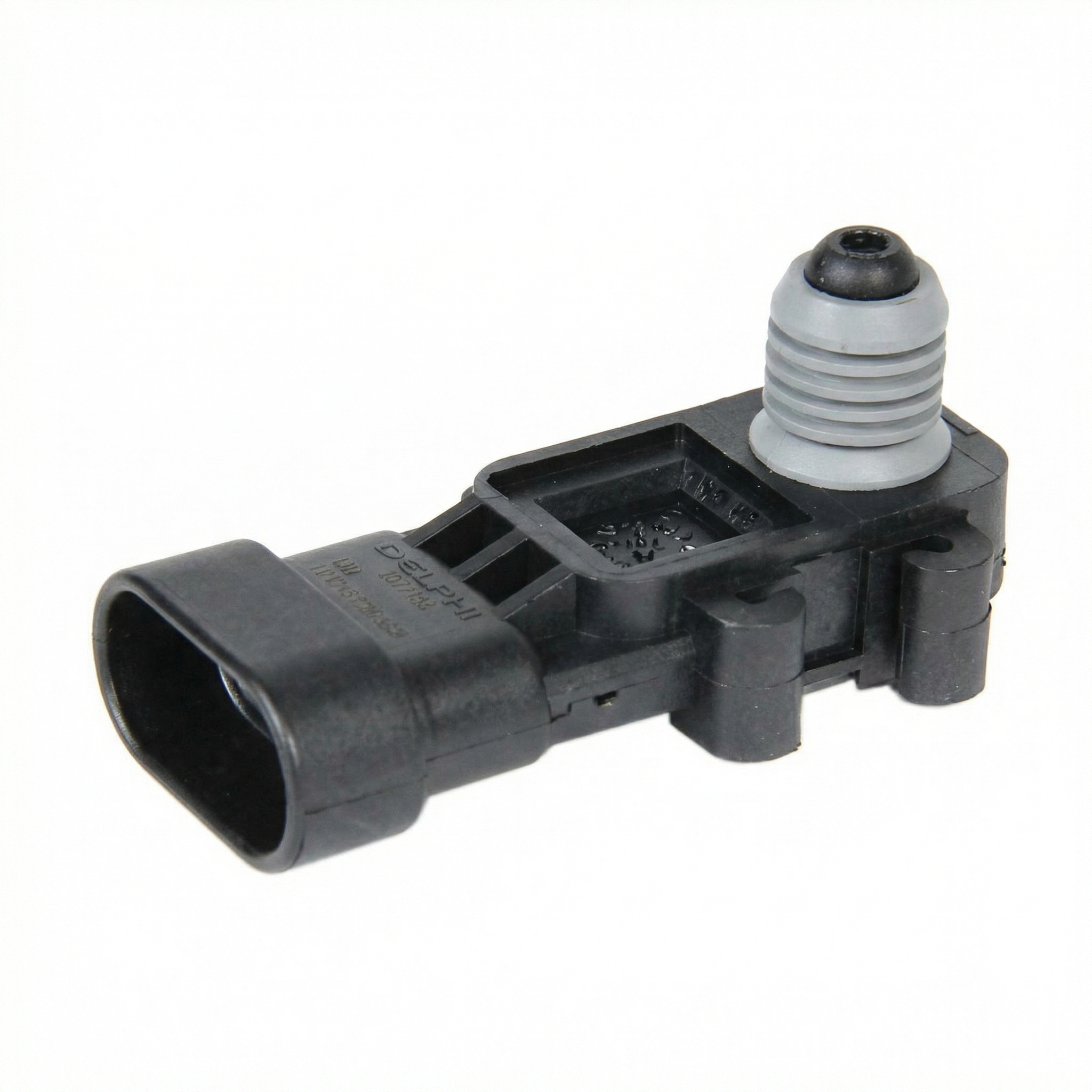
- Faulty Fuel Tank Pressure (FTP) Sensor: The FTP sensor is what the computer uses to detect the unwanted vacuum. If the sensor provides incorrect readings, it can falsely trigger the P0496 code. This is much less common than a failed purge valve and would likely be accompanied by other FTP-specific codes (e.g., P0451, P0452, P0453).
- Damaged Wiring to Purge Valve: A broken electrical connector or chafed wiring could cause a fault, but it is much less likely to cause a stuck-open condition than the mechanical failure of the valve itself. One owner noted the connector clip broke during a separate repair, which could lead to a poor connection.
Diagnosis Steps
- Confirm the primary symptom: Ask if the vehicle has trouble starting specifically after getting gas. This strongly points to the purge valve.
- Visually inspect the purge valve and its connections. It is located on top of the engine under the plastic engine cover, near the back of the intake manifold. Check for cracked hoses or a damaged electrical connector.
- Perform a functional test of the purge valve. With the engine running, unplug the electrical connector to ensure it's not being commanded open. Disconnect the EVAP hose from the valve's inlet port.
- Check for vacuum. Place your finger or a vacuum gauge on the inlet port of the valve. If any suction is present, the valve is internally stuck open and must be replaced.
- If no vacuum is felt, the problem may be intermittent or could be a rarer issue. A bi-directional scan tool can command the valve open and closed while monitoring system pressure to definitively confirm a faulty valve.
- Before purchasing parts, it is wise to call a GM dealer with your vehicle's VIN to check for any applicable special coverage programs or warranty extensions related to the EVAP system.
Parts You'll Likely Need

- Vapor Canister Purge Valve / Solenoid
(OEM #12737252)— This is the component that almost always fails by sticking open, directly causing the P0496 code on this vehicle. The original part number was 12690512, which has been superseded by 12737252.
Trusted brands: ACDelco, Standard Motor Products (SMP), Bosch, Dorman
OEM price range: $40-$70
Aftermarket price range: $25-$50
Related Codes That Often Appear With This One
- P0171 — A stuck-open purge valve creates a vacuum leak, allowing unmetered air and fuel vapor into the intake. This can make the engine run lean and trigger a 'System Too Lean' code for Bank 1.
- P0174 — Similar to P0171, this indicates a lean condition on Bank 2 of the V6 engine, caused by the same unmetered vacuum leak from the purge valve. A real-world NHTSA complaint for a 2013 model cited P0496, P0171, and P0174 together. [OWNER COMPLAINT ODI #11091609]
Technical Service Bulletins (TSBs) & Recalls
- TSB #12-06-01-009F: While not for P0496, this TSB is critical platform context, acknowledging premature timing chain wear on the 3.0L V6 engine and providing updated repair procedures.
Platform-Specific Known Issues
- A high failure rate of the original purge valve is well-documented for this platform and its mates, the Chevy Equinox and Cadillac SRX.
- GM issued Special Coverage Program N192210240 for this exact issue, but the published documents primarily list 2016-2018 models and do not explicitly include the 2010-2017 Terrain. It is still highly recommended to call a dealer with your VIN to confirm eligibility, as coverage can vary.
Mechanic-Grade Diagnostic Values
- EVAP Purge Solenoid Coil Resistance — expected: 20 to 30 Ohms. Failure: A reading of infinite resistance (open circuit) or near-zero resistance (short circuit).
- Voltage at Purge Solenoid Connector (Ignition On, Engine Off) — expected: One pin should have ~12V (Battery Voltage). The other pin is the ground control from the ECM.. Failure: 0V indicates a likely blown fuse (F21 in the underhood fuse block) or a break in the power wire.
- Fuel Tank Pressure (FTP) Sensor Reading at non-purge — expected: Near 0 inches of water.. Failure: Detecting a vacuum of more than 10 inches of water when the purge valve is commanded closed triggers the P0496 code.
Scan Tool Commands That Help
- GDS2 / Professional Scan Tool: EVAP Purge/Seal Test — This is the definitive test. The tool commands the vent valve closed to seal the system and keeps the purge valve closed. It then monitors the Fuel Tank Pressure (FTP) sensor. If the sensor shows a vacuum building up, it confirms the purge valve is leaking vacuum from the intake manifold into the sealed EVAP system, proving it is stuck open.
- GDS2 / Professional Scan Tool: Purge Valve Duty Cycle Command — This bidirectional control allows you to manually command the purge valve to open at various percentages (e.g., 10%, 30%, 100%) with the engine off. You should hear an audible clicking from the valve as you command it open and closed. A lack of clicking suggests an electrical or mechanical failure of the solenoid.
Wiring & Ground Locations
- EVAP Purge Solenoid Connector — On top of the engine, mounted to a bracket near the oil fill cap and throttle body, towards the firewall.. This is the primary connection to test for 12V power and the control signal from the ECM. One pin is power from the F21 (10A) fuse in the underhood fuse block, the other is a pulse-width modulated ground from the ECM.
- G105 / G112 — For the 3.0L V6, G105 and G112 are located on the left rear of the engine.. These are main engine grounds. While a bad ground is not a common cause for P0496 (which is a flow issue, not typically a circuit code like P0443), a poor ground connection for the ECM could theoretically cause erratic behavior. Verifying these grounds are clean and tight is a good practice during advanced diagnosis.
- Underhood Fuse Block — Located in the left rear of the engine compartment.. This block contains the fuse 'F21' (10A) which supplies power to the EVAP purge solenoid. If there is no voltage at the solenoid connector, this fuse should be the first thing you check.
Real Owner Repair Stories
- Chevrolet Forum user (Chevrolet Trailblazer (similar GM EVAP system)) — Check Engine Light with code P0496.
❌ Tried (didn't work) The first replacement purge valve (BWD brand) failed after two months with the same P0496 code.
✅ What actually fixed it The owner suspected charcoal debris from a deteriorating EVAP canister was fouling the new valve. On the second attempt, he replaced the valve again (using an OEM ACDelco part) and proactively installed a small, generic in-line fuel filter on the vapor line just before the purge valve's inlet. This was intended to catch any particles before they could jam the new valve open. - YouTube - DC Auto Enhancement (2011 Chevrolet Equinox 3.0L V6 (platform mate)) — P0496 code, hard start/long crank after filling up with gas.
✅ What actually fixed it Direct replacement of the EVAP purge solenoid (Part No. 12690512). The video also noted that the electrical connector's locking clip had been broken during a previous spark plug job, highlighting the need to be careful with surrounding plastic parts during the repair.
OEM Part Supersession History
12610560, 12661763, 12690512→12737252— Standard part evolution and consolidation by GM. The newer part is the current validated replacement for all previous numbers.
Model Year Variations Within This Range
- 2010-2012 vs 2013-2017: The 3.0L V6 (LF1) was used from 2010-2012. For 2013-2017, the V6 option was upgraded to the 3.6L (LFX). However, the P0496 issue and the faulty purge valve part number are common to both V6 engines in this generation, as well as the 2.4L 4-cylinder. The physical location and replacement procedure are nearly identical.
Diagnostic Flowchart
Other Known Issues on This Vehicle
Issues unrelated to this code that are worth knowing about as an owner of this generation:
- Premature Timing Chain Stretch 🔴 High — Very common, especially on 2010-2012 models. Often occurs between 70,000 and 120,000 miles. Triggers codes like P0008, P0009, P0017, P0019. (Ref: TSB #12-06-01-009F; Special Coverage Adjustment #11340C (Expired))
- Excessive Oil Consumption 🔴 High — Widespread issue linked to piston ring design. Can lead to low oil levels that accelerate timing chain wear. Owners report adding 1-3 quarts between changes. (Ref: Multiple class-action lawsuits filed.)
- Carbon Buildup on Intake Valves 🟠 Medium — A common side effect of the Direct Injection (DI) system on the LF1 engine. Over time, it can cause rough idle, misfires, and reduced performance. Typically requires manual cleaning (walnut blasting).
Used vs. New Parts: Buying Guide for This Vehicle
When a used part is the smart pick: Buying a used purge valve is NOT recommended. This specific part has a very high failure rate, and a used part from a salvage yard is likely to have the same defect or a very short remaining service life. The cost of a new OEM or quality aftermarket part is low enough that the risk of a used part is not worthwhile.
What to inspect on the donor part:
- Not applicable, as used parts are not advised for this repair.
OEM-only on this vehicle (don't cheap out):
- While not strictly 'OEM-only', using the genuine ACDelco part (12737252) is highly recommended over aftermarket options for this specific valve due to its high failure rate and the critical function it performs. The cost difference is often minimal.
Aftermarket brands forum-validated for this vehicle:
- Standard Motor Products (SMP) is generally considered a reliable aftermarket alternative if OEM is unavailable.
Brands owners have reported issues with on this vehicle:
- Dorman: While a major brand, owner reports on various forums are mixed regarding the longevity of their electronic components, including purge valves. Some have reported premature failure within months.
- Unbranded/White-box parts: Avoid generic, no-name parts from online marketplaces, as quality control is often non-existent.
Real Owner Stories
Aggregated from forums and TSBs cited above. Mileages and costs reflect what owners reported in those sources.
2011 Chevrolet Equinox 3.0L V6
Symptoms: Check engine light with code P0496, and a hard start / crank condition after filling up with gas.
What fixed it: Replaced the EVAP Purge Solenoid (Part # GM12690512).
Source hint: YouTube - DC Auto Enhancement - 'Fixed! P0496 Chevy Equinox GMC Terrain 2010-2017 Easy!'
GMC Terrain 3.0L V6
Symptoms: P0496 code, rough idle, elongated start, and possible no start after fueling.
What fixed it: Replaced the purge valve.
Source hint: YouTube - Joe Bellavance - 'GM 3.0L/3.6L p0496 Evap purge valve replacement'
2011 GMC Terrain 3.0L V6
Symptoms: P0496 Code - EVAP Flow During a Non-Purge Condition.
What fixed it: Diagnosed a bad purge valve using a bi-directional scan tool and swapped in a new valve.
Source hint: YouTube - MetaloopDIY - 'Terrain Throwing P0496? This Scan Tool Technique Finds the Problem'
2012 Chevrolet Equinox LT 3.0L
Symptoms: Check engine light with DTC P0496.
What fixed it: Diagnosed a completely failed (stuck open) purge valve and replaced it with a new unit.
Source hint: YouTube - PAULY'S AUTO
Related OBD-II Codes
Frequently Asked Questions
Does the GM Special Coverage Program N192210240 for purge valves apply to my 2010-2017 GMC Terrain?
Why does my GMC Terrain 3.0L V6 struggle to start only after I fill up the gas tank?
Where is the purge valve located on the 3.0L V6 engine?
Can I test the purge valve myself before buying a new one?
Is the P0496 code related to the timing chain TSB #12-06-01-009F for the 3.0L engine?
Will a faulty purge valve disable my remote start feature?
Helpful Videos
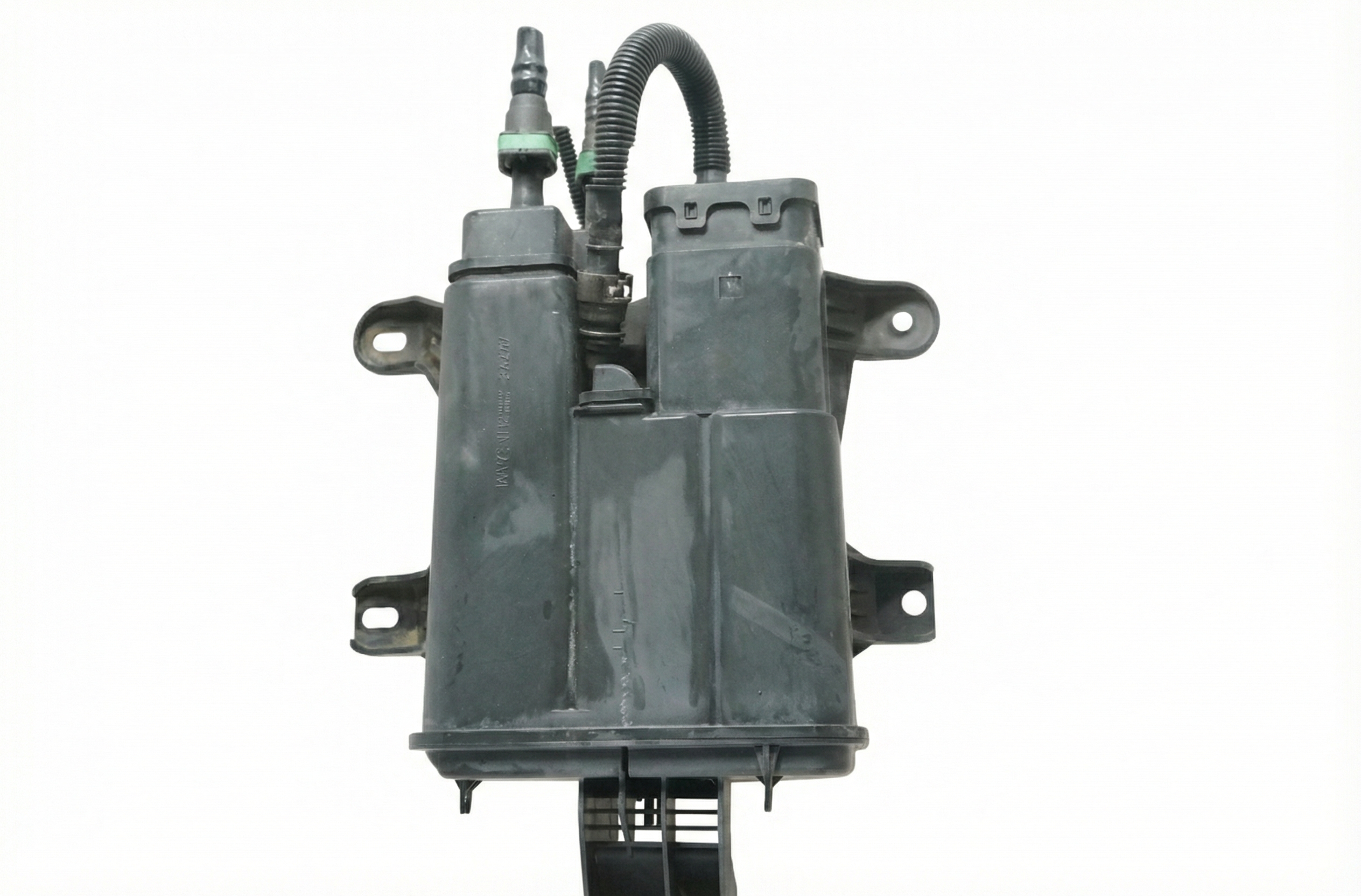
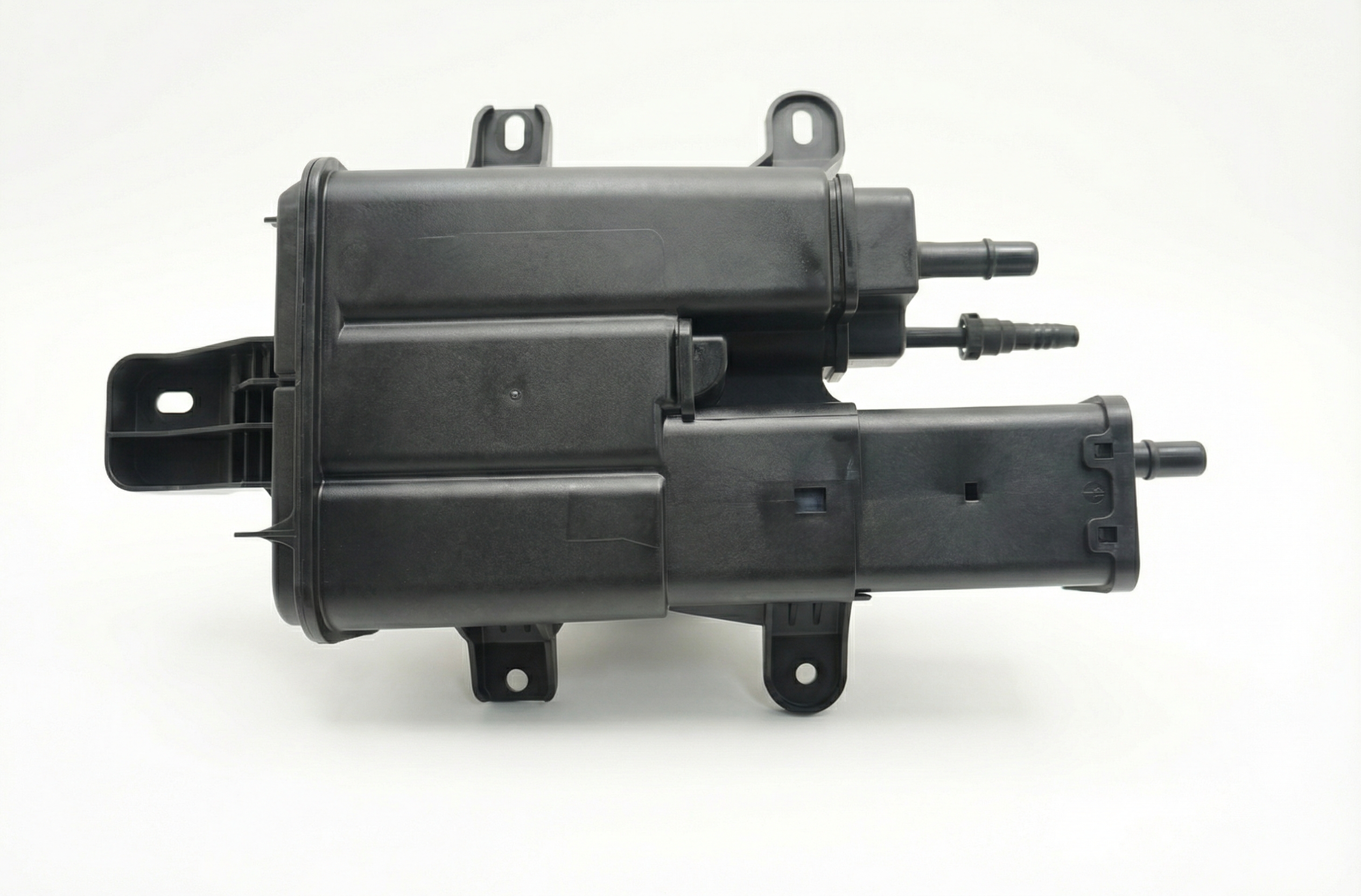
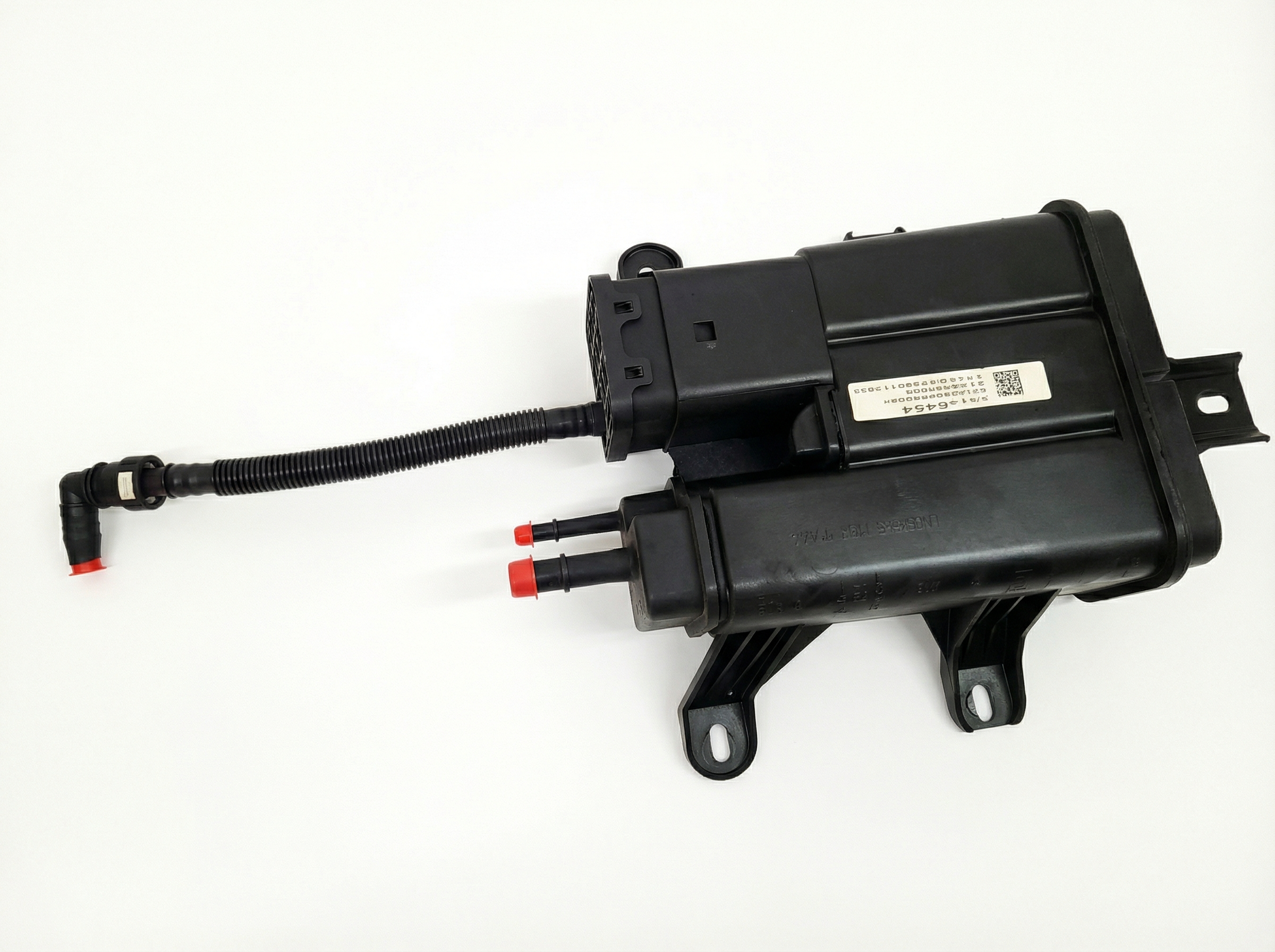
Used OEM Parts in Stock

New Aftermarket Parts Available



The information in this article is provided for general reference and educational purposes only. Vehicle specifications, procedures, and part compatibility can vary by production date, trim level, and region. Always consult your vehicle's factory service manual and verify part numbers before purchasing or performing repairs. Safety-critical components such as airbags, seat belts, and braking systems should be installed by a qualified professional.
- GMC Terrain:
- 🎬 Helpful Videos
- 🛍️ Shop This Part
- What's Unique About the 2010-2017 GMC Terrain
- Symptoms You May Notice
- Most Likely Causes
- Rare But Worth Checking
- Diagnosis Steps
- Parts You'll Likely Need
- Related Codes That Often Appear With This One
- Technical Service Bulletins (TSBs) & Recalls
- Platform-Specific Known Issues
- Mechanic-Grade Diagnostic Values
- Scan Tool Commands That Help
- Wiring & Ground Locations
- Real Owner Repair Stories
- OEM Part Supersession History
- Model Year Variations Within This Range
- Diagnostic Flowchart
- Other Known Issues on This Vehicle
- Used vs. New Parts: Buying Guide for This Vehicle
- Real Owner Stories
- 2011 Chevrolet Equinox 3.0L V6
- GMC Terrain 3.0L V6
- 2011 GMC Terrain 3.0L V6
- 2012 Chevrolet Equinox LT 3.0L
- Related OBD-II Codes
- Frequently Asked Questions
- 🎟️ Get 5% Off