

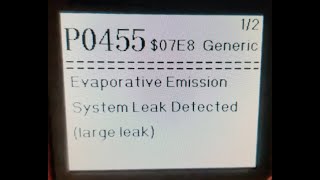
P0455 on 2005-2010 Jeep Grand Cherokee: EVAP Large Leak Causes and Fixes
For a 2005-2010 Jeep Grand Cherokee, code P0455 most often means you have a loose or faulty gas cap. If tightening or replacing the cap (~$15-$30) doesn't fix it, the next most likely cause is a failed ESIM switch (Part No. 4861962AD) or its O-ring on the charcoal canister, located behind the driver's side rear wheel. This is a very common failure on this platform.
- Always check that the gas cap is tight and its seal is in good condition before attempting any other repairs. This is the most common and cheapest fix.
- If the gas cap isn't the issue, the next most likely culprit on a 2005-2010 Grand Cherokee is the ESIM switch located on the charcoal canister behind the driver's side rear wheel.
- A professional smoke test is the fastest and most accurate way to find the source of an EVAP leak if it is not visually obvious.
- Driving with P0455 will not harm your engine, but you will fail an emissions test and release excess pollutants into the atmosphere.
What's Unique About the 2005-2010 Jeep Grand Cherokee
On the 2005-2010 Grand Cherokee (WK generation) and its platform-mate, the Jeep Commander (XK), a common failure point beyond the typical gas cap is the Emissions System Integrity Monitor (ESIM) switch. This component, located on the EVAP canister behind the driver's side rear wheel, is notorious for developing a hole in its plastic casing due to corrosion or the internal mechanism failing. Owners and mechanics frequently find that replacing this switch and its O-ring is the definitive fix after ruling out the gas cap.
Symptoms You May Notice
- Check Engine Light is on
- A faint to strong smell of fuel, particularly around the rear of the vehicle near the gas tank or driver's side rear wheel.
- Replacing the purge valve when the actual problem is the ESIM switch. On the WK Grand Cherokee, the ESIM is a significantly more common failure point for P0455 than the purge valve.
- Replacing other EVAP components before performing a smoke test. A smoke test is the fastest way to definitively locate the source of a large leak and avoid replacing parts unnecessarily.
Most Likely Causes
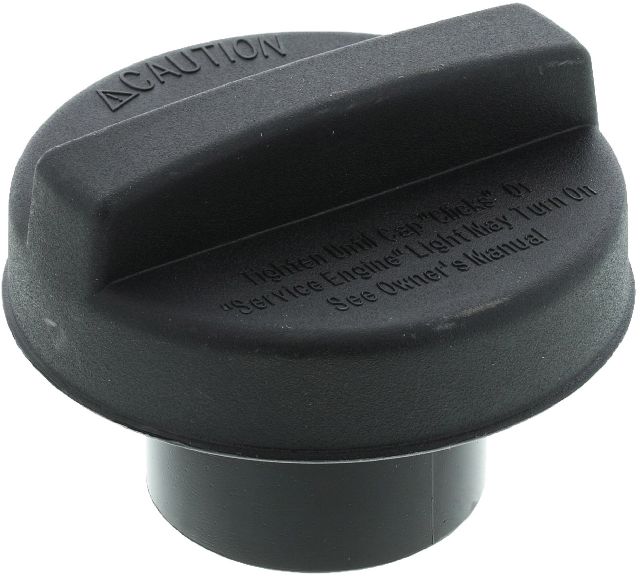
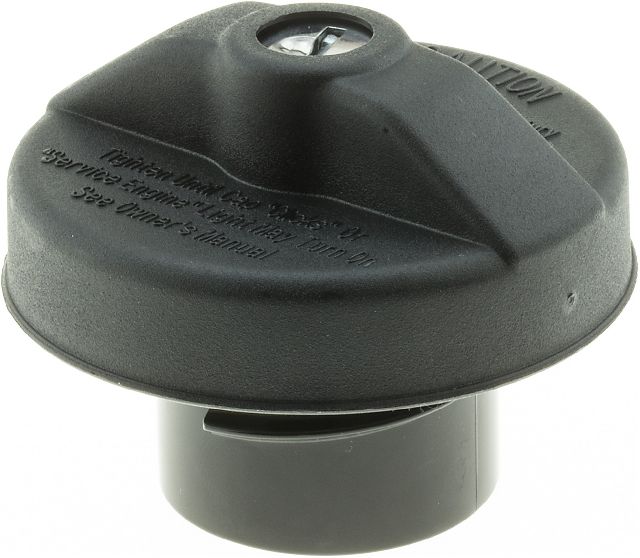
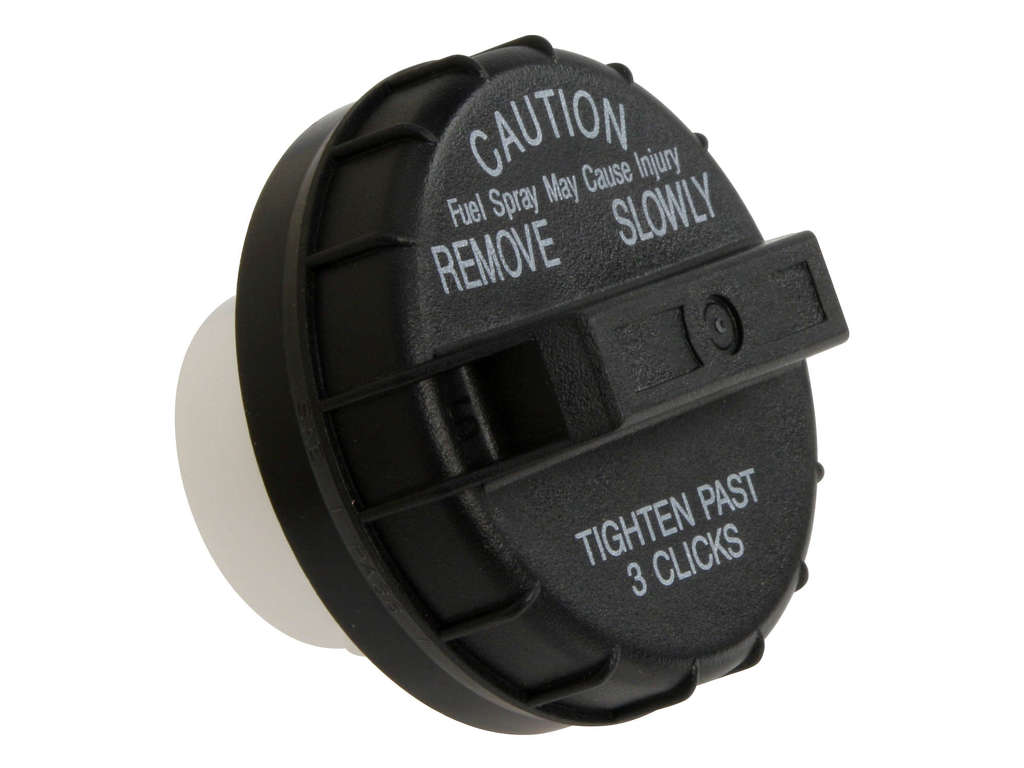
- Loose, Damaged, or Incorrect Gas Cap 🔴 High Probability The gas cap is the most frequently removed and re-installed part of the emissions system. Its seal can easily wear out, get lost, or be installed incorrectly, making it the most common cause for any EVAP leak code on most vehicles.
How to confirm: Ensure the gas cap is tightened until it clicks at least once. Inspect the rubber O-ring on the cap for cracks, stiffness, or damage. If it looks worn, it's likely the cause. Using a non-OEM cap is a frequent source of issues.
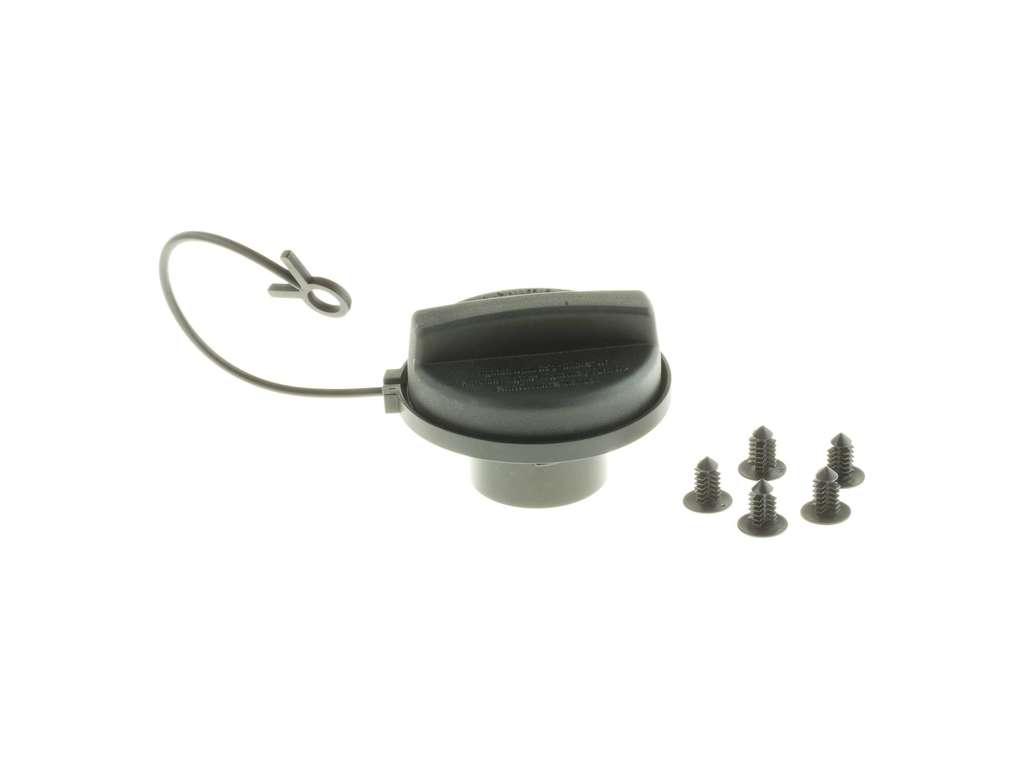
Typical fix: Replace the gas cap. It is highly recommended to use an OEM Mopar part (52100552AG) to ensure a perfect seal, as aftermarket caps are often reported to cause leaks.
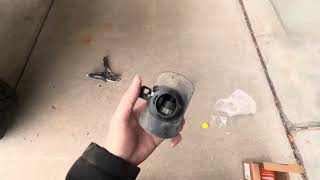
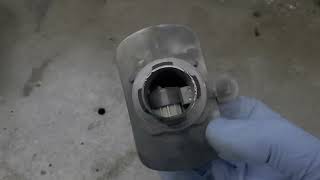
Est. part cost: $15-$30 - Failed ESIM Switch and/or O-Ring 🔴 High Probability The ESIM (Emissions System Integrity Monitor) switch, located on the charcoal canister, is a well-documented failure point on this platform. The white plastic housing can corrode and develop a visible hole, or the internal mechanism can break, causing a rattle when shaken. 🎬 Watch: See how a corroded ESIM causes these specific codes.
How to confirm: Visually inspect the ESIM, located behind the driver's side rear wheel well liner. Look for signs of corrosion or physical damage. A definitive diagnosis is made with a smoke test, which will show smoke leaking directly from the ESIM body if it has failed. A mechanic may use a stethoscope with the smoke machine to listen for the hiss of escaping air/smoke.
Typical fix: Replace the ESIM switch and its O-ring. This involves removing the driver's side rear wheel and wheel well liner for access. The switch twists out with a quarter-turn.
Est. part cost: $25-$50 - Cracked or Disconnected EVAP Hoses 🟡 Medium Probability
How to confirm: Visually inspect all accessible EVAP lines, from the engine bay back to the charcoal canister and fuel tank. Pay close attention to rubber elbows and connections, which can become brittle and crack with age, especially in harsh climates. A smoke test is the most effective way to find a leak that isn't obvious visually.
Typical fix: Replace the cracked section of hose. In many cases, a generic fuel/vapor-rated rubber hose can be used for repairs.
Est. part cost: $10-$40 - Stuck-Open EVAP Purge Valve/Solenoid ⚪ Low Probability
How to confirm: The purge valve is located in the engine bay. When the engine is off, the valve should be closed. Remove the valve and try to blow through it. If air passes through, it is stuck open and has failed. However, this is a less common cause for a large leak on this specific vehicle compared to the ESIM.
Typical fix: Replace the EVAP purge valve.
Est. part cost: $25-$60
Rare But Worth Checking
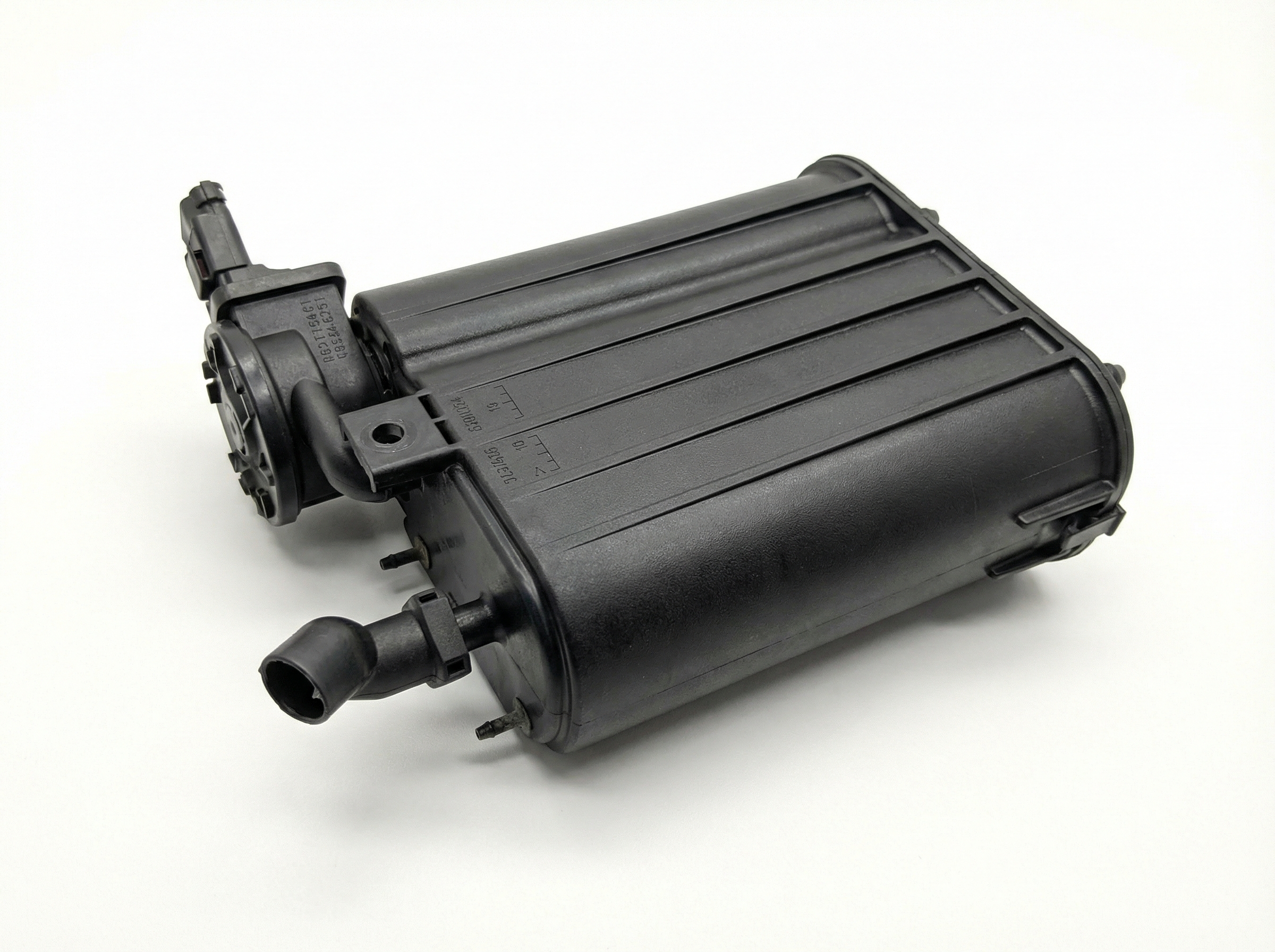
- Cracked EVAP (Charcoal) Canister: The canister body itself can develop cracks from road debris impact or age, causing a large leak. This is less common than component failures but should be checked during a smoke test if no other source is found.
- Rusted Fuel Filler Neck: In areas with heavy road salt use (the "Salt Belt"), the metal fuel filler neck can rust through, creating a large leak in the EVAP system. This is a common issue on many vehicles, including Jeeps, and will be obvious during a smoke test.
- Failed Fuel Tank Rollover Valve: The rollover valve, located on top of the fuel tank, is designed to prevent fuel spillage in a crash. If this valve cracks or its seal fails, it can create a significant EVAP leak. This is often difficult to diagnose without dropping the fuel tank or performing a very thorough smoke test.
Diagnosis Steps
- Check the Gas Cap: Ensure it is tight. Remove it, inspect the seal for damage, and reinstall it, making sure it clicks. If the seal is suspect or it's an aftermarket cap, replace it with an OEM Mopar part first.
- Clear the Code and Drive: After checking the cap, clear the code with a scanner and drive for a few days to see if it returns. The EVAP monitor runs under specific conditions (e.g., certain fuel level and temperature ranges), so it may take time to trigger again.
- Visual Inspection: If the code returns, perform a thorough visual inspection. Look at the EVAP purge solenoid and hoses in the engine bay. Then, safely raise the vehicle and inspect the hoses running to the rear, the charcoal canister, and the ESIM switch behind the driver's side rear wheel.
- Inspect the ESIM: Remove the driver's side rear wheel and wheel well liner to get clear access to the EVAP canister. Closely inspect the white, plastic ESIM switch for cracks, corrosion, or a visible hole. Shake it to listen for a rattle from broken internal parts.
- Perform a Smoke Test: This is the most definitive diagnostic step. A smoke machine forces low-pressure smoke into the EVAP system through a service port. The leak will be revealed by the escaping smoke. 🎬 Watch: A professional smoke test and diagnosis on a WK. This can pinpoint leaks in hoses, the canister, the ESIM, the fuel filler neck, or the gas cap seal that are not visible otherwise.
Parts You'll Likely Need
- Gas Cap
(OEM #52100552AG)— This is the most common failure point for any EVAP code due to frequent use and seal wear.
Trusted brands: Mopar
OEM price range: $20-$30
Aftermarket price range: $15-$25 - EVAP System Integrity Module (ESIM) Switch
(OEM #4861962AD (supersedes 4861962AB, 4861962AC))— A known weak point on this platform. The plastic housing corrodes and cracks, or the internal switch fails, causing a large leak. This is the most probable cause after the gas cap.
Trusted brands: Mopar, Dorman (911-200), Standard Motor Products
OEM price range: $40-$60
Aftermarket price range: $25-$45 - ESIM O-Ring / Gasket
(OEM #52129436AB)— This seal between the ESIM and the charcoal canister can become dry and brittle, causing a leak. It should always be replaced with the ESIM. 🎬 See this walkthrough on replacing the ESIM and O-ring.
Trusted brands: Mopar
OEM price range: $5-$10
Aftermarket price range: $3-$8
Related Codes That Often Appear With This One
- P0456 — This code for a 'small leak' can appear alongside P0455 if there are multiple leaks of different sizes, or it may precede the P0455 code as a small leak worsens over time. A failing ESIM can sometimes trigger both codes.
- P0442 — This code for a 'medium leak' has the same relationship as P0456. It indicates a leak that is less severe than P0455 but shares all the same potential causes.
Platform-Specific Known Issues
- Corrosion of the ESIM switch is a frequently documented issue on 2005-2010 Grand Cherokees, leading to a hole in the component's body and triggering large leak codes like P0455.
Scan Tool Commands That Help
- wiTECH (Chrysler OEM Tool): EVAP System Test — This is a guided, automated test that commands the purge valve and ESIM/vent valve to seal the system and monitors for a leak. It's the factory-prescribed method to confirm a leak exists and to verify a repair after parts are replaced.
- wiTECH or high-end bidirectional scanner: Actuate Purge Solenoid — Allows the technician to manually command the purge solenoid on and off to check for clicking and proper function, separate from the rest of the system.
- wiTECH or high-end bidirectional scanner: Actuate Vent Solenoid / Close ESIM — This command seals the EVAP system at the canister. It is essential to use this command before performing a smoke test to ensure the system is closed and can be properly pressurized with smoke.
Wiring & Ground Locations
- G100 — Located at the left rear of the engine compartment.. This is a major ground point for the engine control module (ECM/PCM). A poor connection here can cause erratic behavior of multiple systems, including the EVAP monitor.
- G303 — Located near the left side of the driver's seat, under the carpet/trim.. This is a body ground point. While not directly tied to the engine EVAP components, it can affect modules that communicate with the PCM regarding system status.
- ESIM Connector — On the ESIM switch itself, behind the driver's side rear wheel well liner.. This 3-pin connector provides power, ground, and signal for the ESIM. Technicians can back-probe this connector to check for 5V or 12V reference voltage and a ground signal from the PCM, confirming the wiring integrity to the switch.
Real Owner Repair Stories
- YouTube - 'P0455 & P0456 Fault Codes on a 2008 Jeep Grand Cherokee' (2008 Jeep Grand Cherokee) — Check Engine Light with codes P0455 and P0456.
❌ Tried (didn't work) Initial suspicion was the gas cap, which is the most common cause.
✅ What actually fixed it A smoke test revealed a hissing sound near the EVAP canister. Using a stethoscope, the technician pinpointed the noise to the ESIM switch. Upon removal, the ESIM showed green corrosion and a visible hole in its plastic casing. Replacing the ESIM switch and its O-ring resolved both codes. - Reddit user on r/GrandCherokee (2018 Jeep Grand Cherokee (WK2, but demonstrates a relevant ESIM failure pattern)) — P0456 (small leak) code appeared shortly after purchase.
❌ Tried (didn't work) A smoke test showed smoke coming from a filter component attached to the ESIM, leading to initial confusion that the filter or filler neck was the problem.
✅ What actually fixed it The user replaced the ESIM switch itself. The Check Engine Light went off after a drive cycle. The conclusion was that the ESIM's internal valve was faulty, allowing vapor to escape through its fresh air filter during the test, which made the leak appear to be at the filter rather than the switch.
"I Checked Everything" — The Actual Cause
- In some cases, a smoke test may not reveal a leak, especially if the failure is intermittent or related to the internal mechanics of the ESIM switch. A technician documented a case where multiple smoke tests were clean, but replacing the ESIM switch based on it being a known high-failure part ultimately fixed the P0455/P0456 codes. The theory is the ESIM's internal weighted valve was not sealing correctly during the vehicle's self-test, a condition not always replicated by a static smoke test.
OEM Part Supersession History
4861962AA, 4861962AB, 4861962AC→4861962AD— Component revision and improvement by the manufacturer to address failures.
Heads up: The newer 'AD' revision is fully compatible with vehicles that used the older 'AA', 'AB', and 'AC' parts. It is the recommended replacement.
Diagnostic Flowchart
Other Known Issues on This Vehicle
Issues unrelated to this code that are worth knowing about as an owner of this generation:
- Totally Integrated Power Module (TIPM) Failure 🔴 High — Widespread across 2007-2015 Chrysler/Jeep/Dodge vehicles. Can cause random electrical issues like fuel pump failure, engine stalling, horn/wipers activating unexpectedly, or a no-start condition. (Ref: Multiple recalls and a class-action lawsuit were issued, particularly for the fuel pump relay within the TIPM.)
- Front Differential Mount/Bushing Failure 🟠 Medium — Common issue causing a 'clunking' noise from the front end, especially when shifting from Park to Drive/Reverse. The rubber bushings wear out, requiring the differential to be dropped for replacement.
- 5.7L HEMI Multi-Displacement System (MDS) Lifter Failure 🔴 High — A well-documented problem where the special lifters used for the cylinder deactivation (MDS) system fail. This can cause a 'Hemi tick,' misfires, and may lead to camshaft damage requiring major engine repair. (Ref: TSB 9100229 was issued to prevent misdiagnosis but does not address the failure itself.)
- Electronic Shift Module / Ignition Switch Failure 🟠 Medium — Can cause a no-start condition or flickering dash lights. The vehicle may not recognize the key, or the engine may turn over but not start.
- HVAC Blend Door Actuator Failure 🟡 Low — A very common problem where the climate control system fails to direct air correctly or produces air of the wrong temperature. Often results in a clicking sound from the dashboard.
Used vs. New Parts: Buying Guide for This Vehicle
When a used part is the smart pick: For this repair, using used parts is generally not recommended. The primary failure points (gas cap, ESIM, hoses) are inexpensive, wear-prone items. A used part may have limited remaining life or the same defect as the part being replaced.
Donor-vehicle mileage cap: roughly under 60000 miles for the part to have meaningful remaining life.
What to inspect on the donor part:
- If considering a used charcoal canister, ensure it is from a vehicle in a dry climate to minimize corrosion risk.
- Inspect a used ESIM for any signs of the white plastic chalking, yellowing, or becoming brittle.
- Avoid any used rubber or plastic hoses, as they will have been subjected to the same age and heat cycles as the failed part.
OEM-only on this vehicle (don't cheap out):
- Gas Cap: Aftermarket gas caps are a very common cause of EVAP codes. It is strongly recommended to use an OEM Mopar cap (52100552AG) to ensure a proper seal.
- ESIM Switch: While some aftermarket versions exist, the OEM Mopar part (4861962AD) is the most reliable choice given the high failure rate of this specific component.
Aftermarket brands forum-validated for this vehicle:
- Dorman (911-200 for ESIM)
- Standard Motor Products (SMP)
Brands owners have reported issues with on this vehicle:
- Unbranded or 'white-box' gas caps and electronic sensors from online marketplaces are frequently reported as being defective out of the box or failing shortly after installation.
Real Owner Stories
Aggregated from forums and TSBs cited above. Mileages and costs reflect what owners reported in those sources.
2008 Jeep Grand Cherokee WK — 191000 miles
Symptoms: P0455 and P0456 codes present; failed part described as a notorious and common issue.
What fixed it: Replaced the ESIM switch.
Source hint: YouTube - 'Bad ESIM on 2008 Jeep Grand Cherokee WK (P0455 & P0456 Emissions Leak)'
2008 Jeep Grand Cherokee WK
Symptoms: Chased the P0455 and P0456 codes for a while. Replaced gas cap with no luck. Smoke test showed smoke pouring out of the little white switch on the canister.
What fixed it: Replaced the ESIM (part # 4861962AB).
Source hint: Jeeps.net - Thread 'P0455 and P0456 on 08 WK'
2009 Jeep Grand Cherokee
Symptoms: P0455 and P0456 codes; DIY repair demonstrated using a quarter-turn removal process.
What fixed it: Replacement of the ESIM switch.
Source hint: YouTube - 'Jeep P0455 & P0456: from Code to Cleared!'
2005-2010 Jeep Grand Cherokee
Symptoms: P0455 code; replaced the gas cap but the code remained.
What fixed it: Replaced the ESIM and gasket/O-ring behind the driver's rear wheel.
Source hint: JeepForum.com - Thread 'P0455 code'
Related OBD-II Codes
Frequently Asked Questions
What is the specific Mopar part number for the gas cap on my 2005-2010 Jeep Grand Cherokee?
Where is the ESIM switch located on my Jeep Grand Cherokee (WK)?
I hear a rattle when I shake the white plastic switch on my EVAP canister; is this normal?
Does the Jeep Commander (XK) suffer from the same P0455 issues as the Grand Cherokee?
Can I use a generic hose to fix a P0455 on my Jeep?
Is there a TSB for the 'Hemi tick' or lifter failure on my 5.7L Grand Cherokee?
Helpful Videos
Used OEM Parts in Stock
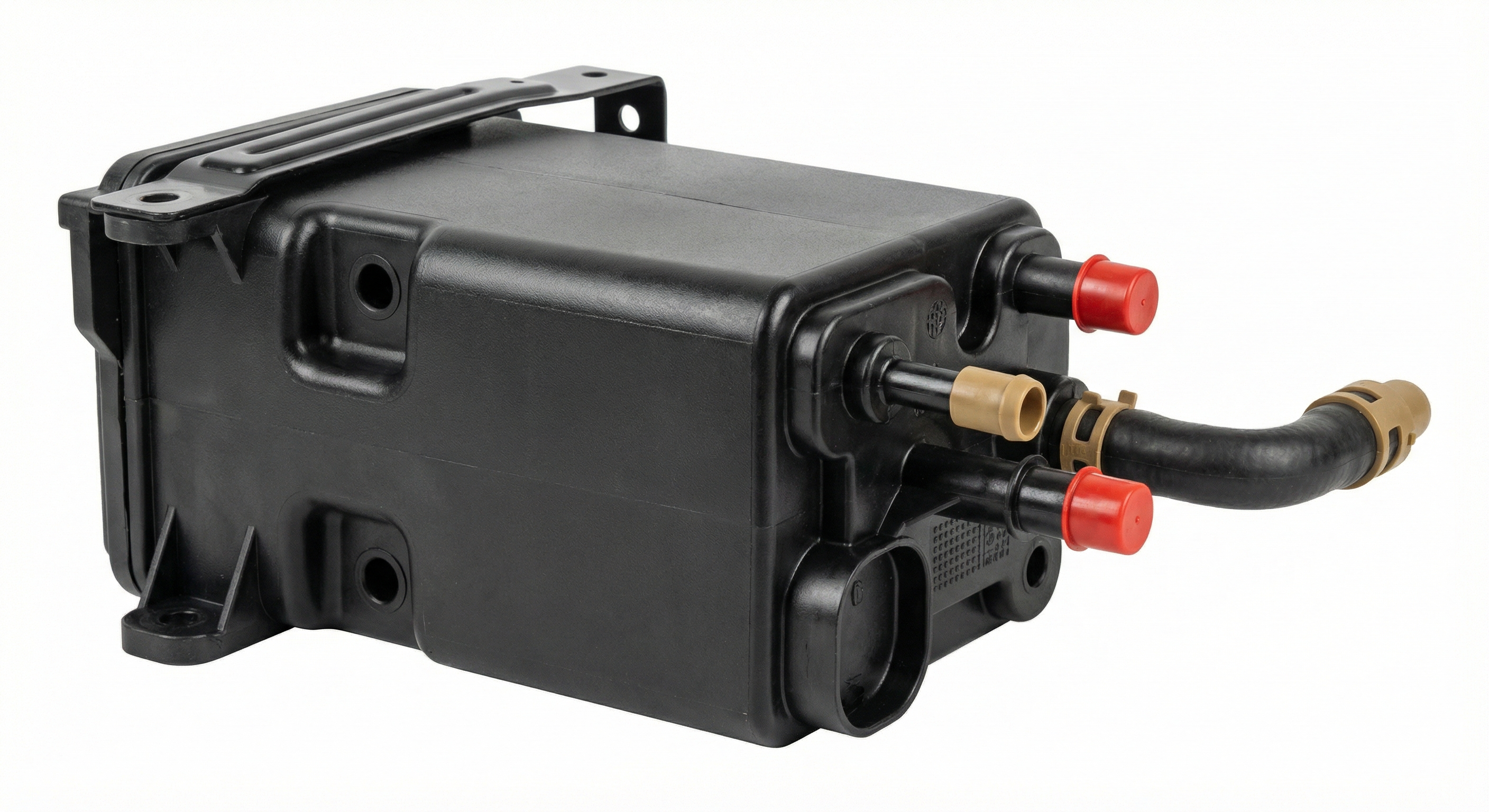
New Aftermarket Parts Available


The information in this article is provided for general reference and educational purposes only. Vehicle specifications, procedures, and part compatibility can vary by production date, trim level, and region. Always consult your vehicle's factory service manual and verify part numbers before purchasing or performing repairs. Safety-critical components such as airbags, seat belts, and braking systems should be installed by a qualified professional.
- Jeep Grand Cherokee:
- 🎬 Helpful Videos
- 🛍️ Shop This Part
- What's Unique About the 2005-2010 Jeep Grand Cherokee
- Symptoms You May Notice
- Most Likely Causes
- Rare But Worth Checking
- Diagnosis Steps
- Parts You'll Likely Need
- Related Codes That Often Appear With This One
- Platform-Specific Known Issues
- Scan Tool Commands That Help
- Wiring & Ground Locations
- Real Owner Repair Stories
- "I Checked Everything" — The Actual Cause
- OEM Part Supersession History
- Diagnostic Flowchart
- Other Known Issues on This Vehicle
- Used vs. New Parts: Buying Guide for This Vehicle
- Real Owner Stories
- 2008 Jeep Grand Cherokee WK — 191000 miles
- 2008 Jeep Grand Cherokee WK
- 2009 Jeep Grand Cherokee
- 2005-2010 Jeep Grand Cherokee
- Related OBD-II Codes
- Frequently Asked Questions
- 🎟️ Get 5% Off