

P0455 on 2006-2010 Dodge Charger: EVAP Large Leak Causes and Fixes
For a 2006-2010 Dodge Charger, code P0455 is most often caused by a loose gas cap, a faulty EVAP leak detection pump (ESIM), or a bad purge valve. Always check the gas cap first, as it's the simplest fix. The ESIM pump, located behind the rear passenger wheel well, is a very common failure point on these cars.
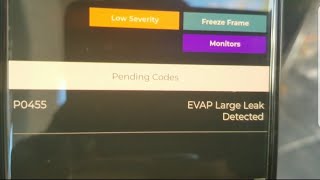
- P0455 indicates a large leak in the EVAP system, which contains fuel vapors.
- Always start by checking the gas cap. Ensure it's tight and the seal is intact. This is the most common and cheapest fix.
- If the gas cap is not the issue, the most likely culprits on a 2006-2010 Charger are the EVAP leak detection pump (behind the rear passenger wheel) or the purge valve (in the engine bay).
- The vehicle is safe to drive, but it will not pass an emissions test until the leak is repaired.
- For leaks that are not obvious, a professional smoke test is the fastest and most reliable way to find the source of the leak.
What's Unique About the 2006-2010 Dodge Charger
On the first-generation Dodge Charger (LX platform), the P0455 code is frequently traced back to the EVAP leak detection pump, also known as the Evaporative System Integrity Module (ESIM). This component, located on the charcoal canister behind the passenger rear wheel well, is a known common failure point. It acts as a switch to seal the system for pressure testing. While the gas cap and purge valve are also frequent culprits, the ESIM is a part that owners of this specific platform should be aware of. Note that the pump for the 2006 model year is a different design from the one used on 2007-2010 models.
Symptoms You May Notice
- Check Engine Light is on
- A fuel odor may be noticeable near the rear of the vehicle
- The in-dash 'gas cap' warning message may appear
- Failure to pass a state emissions (smog) test
- Replacing the O2 sensors. O2 sensors are not related to the EVAP system.
- Replacing the fuel tank pressure sensor without diagnosis. While possible, a faulty pressure sensor is less common than a physical leak and often triggers other specific codes.
Most Likely Causes
- Loose, Damaged, or Incorrect Gas Cap 🔴 High Probability This is the most common cause for an EVAP leak code on any vehicle due to user error (not tightening until it clicks) or simple wear and tear of the rubber seal.
How to confirm: Inspect the gas cap for cracks or a worn, brittle seal. Ensure it is tightened until it clicks at least once. If the seal is damaged or the cap is incorrect for the vehicle, it needs replacement.
Typical fix: Tighten or replace the gas cap.
Est. part cost: $10-$30 - Faulty EVAP Leak Detection Pump (LDP/ESIM) 🔴 High Probability This component is a very common failure point on Chrysler/Dodge vehicles of this era. It contains the vent valve switch, which can fail to seal properly, causing the system to register a large leak. The plastic can also become brittle and crack.
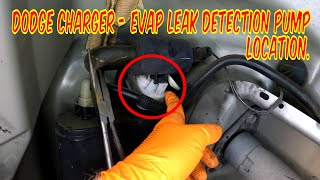
How to confirm: The pump is located on the charcoal canister, behind the passenger side rear wheel well liner. 🎬 See this video to locate the leak detection pump. Diagnosis can be difficult without a smoke machine. A visual inspection may reveal cracks in the pump housing or a degraded seal where it mounts to the canister. A smoke test will show smoke exiting the pump if it is faulty.
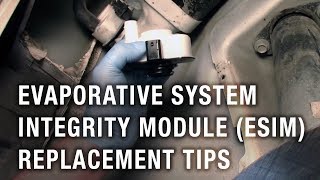
Typical fix: Replace the leak detection pump assembly and its associated seal. This involves removing 🎬 Watch: Pro tips for replacing the ESIM and seal. the rear wheel and liner for access.
Est. part cost: $40-$100 - Faulty EVAP Purge Valve/Solenoid 🟡 Medium Probability The purge valve can become stuck open due to carbon buildup or internal failure, creating a constant vacuum leak from the EVAP system to the engine intake, which the ECM interprets as a large leak.
How to confirm: The purge valve is located in the engine bay, typically near the intake manifold. 🎬 Watch: How to replace the purge valve on a 5.7 Hemi. With the engine off, remove the valve and try to blow through it. If air passes, it is stuck open and faulty.
Typical fix: Replace the purge valve.
Est. part cost: $25-$75 - Cracked or Disconnected EVAP Hoses ⚪ Low Probability Hoses, especially the plastic lines and rubber connectors near the engine and the charcoal canister, can become brittle and crack over time due to age and heat cycles.
How to confirm: Visually inspect all accessible EVAP lines from the engine bay to the charcoal canister and fuel tank. The most effective method is to have a professional perform a smoke test, which fills the system with visible smoke to pinpoint the exact location of the leak.
Typical fix: Replace the damaged section of hose or reconnect it. Small cracks can sometimes be repaired with fuel-rated rubber hose and clamps.
Est. part cost: $5-$50
Rare But Worth Checking
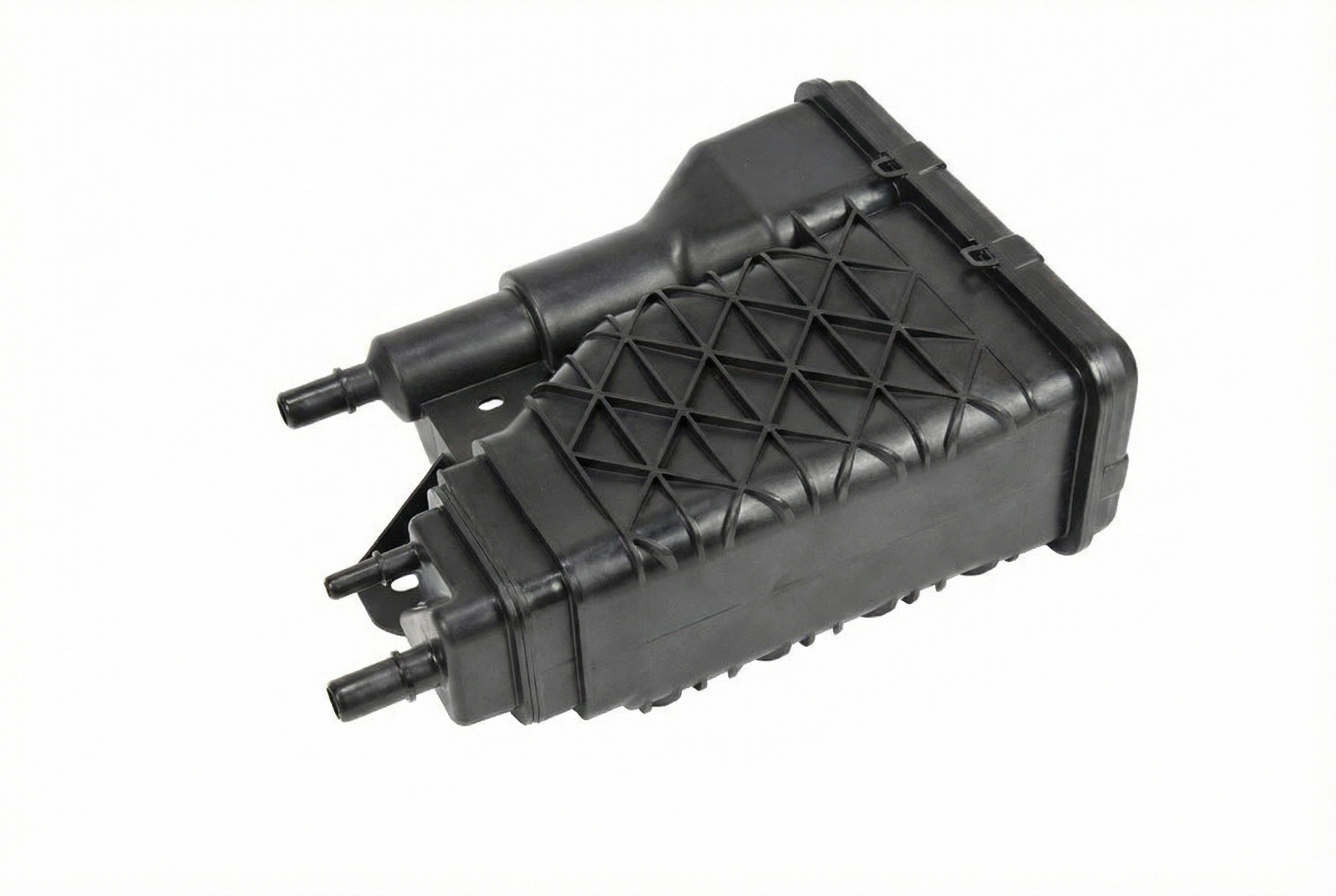
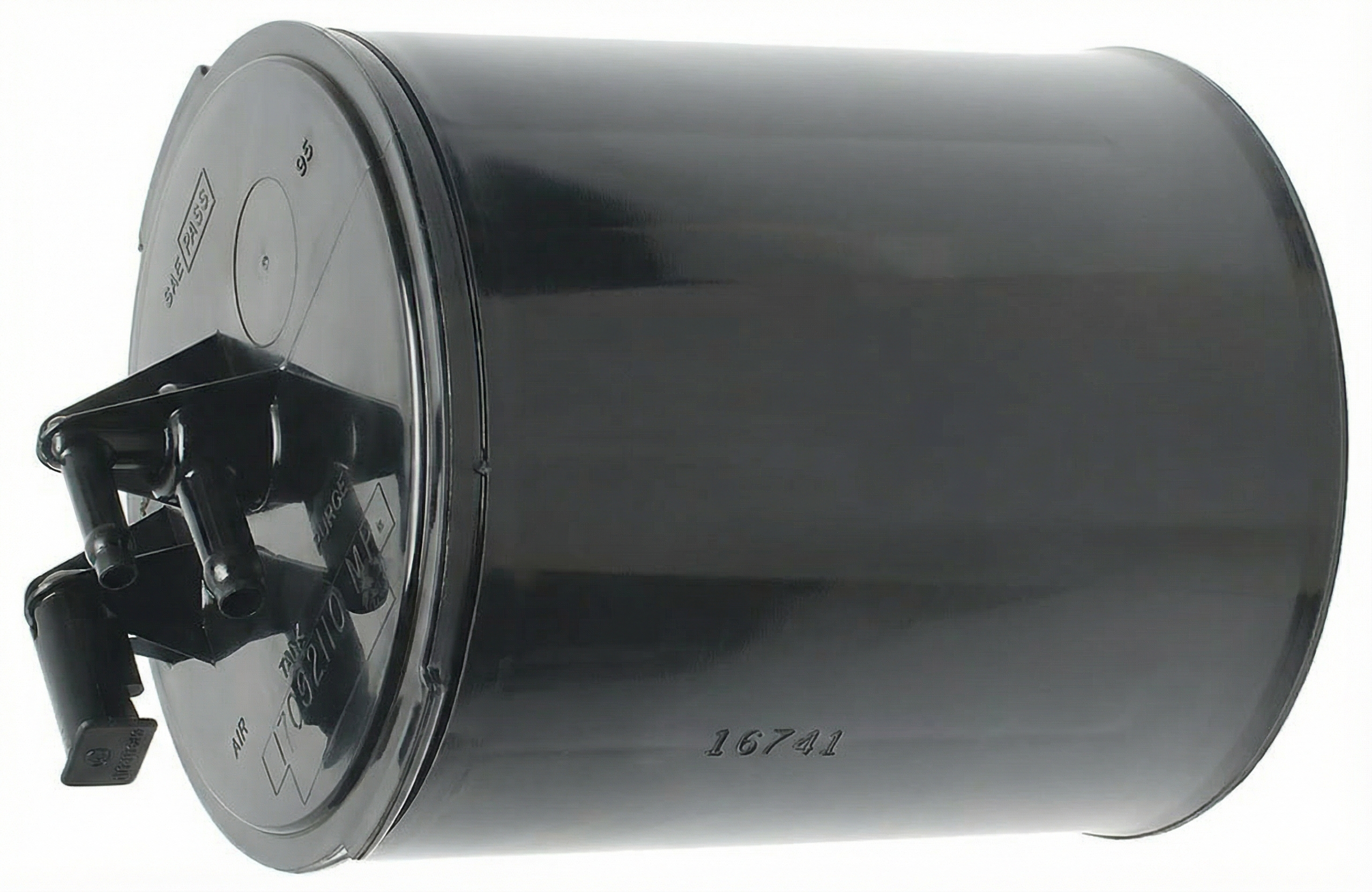
- Cracked Charcoal Canister: The charcoal canister itself can develop cracks from road debris or age, creating a large leak. This is less common than component failure but should be checked during a smoke test.
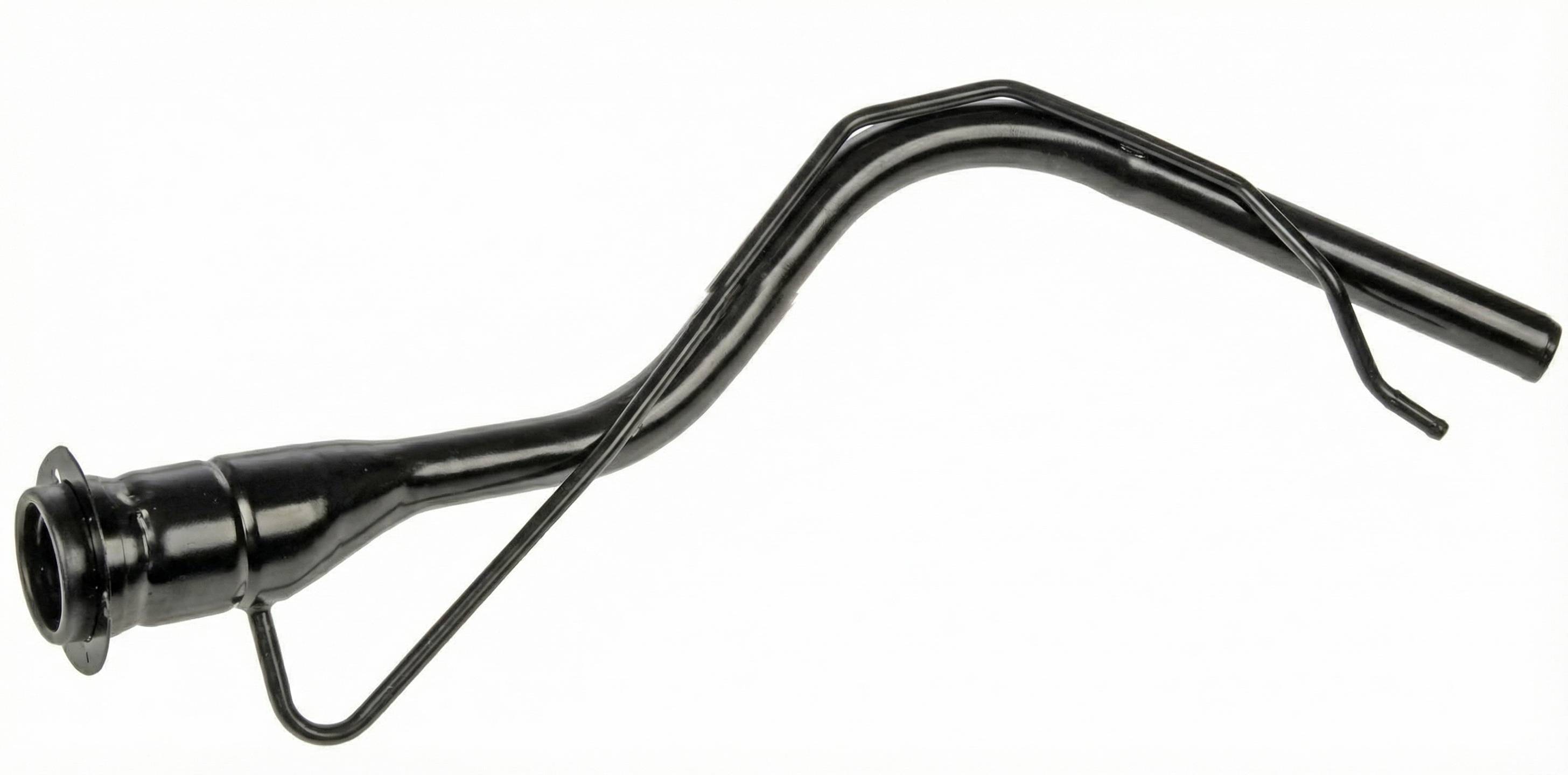
- Damaged Fuel Filler Neck: Corrosion or damage to the metal filler neck where the gas cap seals can prevent a proper seal, even with a new cap.
Diagnosis Steps
- Check the Gas Cap: Remove the gas cap, inspect the seal for cracks or damage, and reinstall it, ensuring it clicks several times. Clear the code and drive for a few days to see if it returns. This is the most common fix.
- Inspect Visible Hoses: Perform a visual inspection of all accessible EVAP hoses in the engine bay and around the charcoal canister (located near the fuel tank) for obvious cracks, disconnections, or damage.
- Test the Purge Valve: Locate the purge valve in the engine bay. Disconnect it and attempt to blow air through it with the engine off. If air passes, the valve is stuck open and needs to be replaced.
- Inspect the Leak Detection Pump (ESIM): If the above steps do not reveal the issue, the ESIM is a highly likely suspect. It is located behind the passenger rear wheel well liner, mounted to the charcoal canister. Inspect it and its connecting hoses for damage or cracks.
- Perform a Smoke Test: If the leak is not apparent, the most effective diagnostic step is a smoke test. A machine injects low-pressure, visible smoke into the EVAP system. The leak will be found wherever smoke escapes. This is the definitive way to find cracked hoses, a faulty canister, or a bad ESIM/vent valve seal.
Parts You'll Likely Need
- Fuel Cap
(OEM #52030377AB)— This is the most common failure point. The seal degrades over time or the cap is not tightened properly, causing a large leak.
Trusted brands: Mopar, Stant
OEM price range: $20-$35
Aftermarket price range: $10-$20 - EVAP Leak Detection Pump (ESIM) - 2006 Models
(OEM #4891427AB)— A very common failure on this platform that causes P0455/P0456 codes. The internal vent valve fails to seal. The 2006 model year uses a specific pump design.
Trusted brands: Mopar, Dorman (p/n 310-500), SKP
OEM price range: $80-$130
Aftermarket price range: $40-$80 - EVAP Leak Detection Pump (ESIM) - 2007-2010 Models
(OEM #4891685AB)— A very common failure on this platform. The internal vent valve fails to seal. This part fits the later first-generation models.
Trusted brands: Mopar, Bosch, Dorman
OEM price range: $70-$120
Aftermarket price range: $40-$80 - Vapor Canister Purge Valve
(OEM #04891731AA)— This valve frequently gets stuck open, creating a permanent leak path from the fuel tank to the engine intake. This part number is widely confirmed across Mopar platforms.
Trusted brands: Mopar, Bosch, Standard Motor Products
OEM price range: $40-$60
Aftermarket price range: $25-$45
Related Codes That Often Appear With This One
- P0456 — P0456 indicates a small EVAP leak. A failing ESIM pump or a cracked hose can sometimes be detected intermittently as both a small and large leak by the system at different times.
- P0440 — This is a general EVAP system malfunction code. It may appear alongside P0455 if the control module detects a general fault in addition to the large leak.
- P0441 — Indicates incorrect purge flow. This code often points more directly to a faulty purge valve or a blockage in the purge line, and can appear with P0455 if the valve is stuck open.
Platform-Specific Known Issues
- Owner Experience: ESIM Pump Failure on ChargerForums.com: A user on ChargerForums details their experience with a P0455 code. After replacing the gas cap with no success, they replaced the ESIM (leak detection pump) and the associated gasket located in the rear passenger wheel well. This permanently fixed the check engine light. The user noted the plastic on the old pump was brittle and broke during removal, confirming it as the failure point.
Scan Tool Commands That Help
- wiTECH (or equivalent professional scanner): EVAP System Test / Small Leak Verification Test (SLVT) — This function is used to command the EVAP vent valve closed, sealing the system. This is a required step before performing a smoke test to ensure the system is in a test-ready state. It is also used after a repair to verify the fix without waiting for the vehicle's natural EVAP monitor to run.
Wiring & Ground Locations
- Evaporator Purge Solenoid — In the engine compartment, at the right side near the shock tower.. This is the physical location of the purge valve. A visual inspection of its connector and attached hoses is a key diagnostic step.
- EVAP System Monitor Switch (ESIM) — At the right rear of the vehicle, in the wheel well area, mounted on the charcoal canister.. This is the physical location of the Leak Detection Pump (ESIM). Knowing its location is critical for inspection and replacement, a very common fix for P0455 on this car.
- G109 — On the right shock tower in the engine compartment, near the purge solenoid.. This is a primary ground point for components in the engine bay. A corroded or loose ground here could potentially affect the operation of the purge solenoid, although it's an uncommon cause.
- G300 — On the floor pan, under the driver's seat.. This is a major chassis ground point. While not directly tied to a specific EVAP component, poor grounding can cause a wide range of difficult-to-diagnose electrical issues.
- G302 — At the right front of the cargo pan (in the trunk area).. This ground is located in the general vicinity of the charcoal canister and ESIM pump. A fault at this ground point could affect the ESIM switch's ability to send a correct signal to the PCM.
OEM Part Supersession History
04891731AA→04891731AC— Part revision by manufacturer.
Heads up: The new part number (04891731AC) is the correct service replacement for the original.4891685AA / 4891685AB→4861962AD— Part revision by manufacturer for the 2007-2010 model year ESIM pump.
Heads up: 4861962AD is the current replacement for 4891685AB. Using the older part numbers may result in sourcing old stock.
Diagnostic Flowchart
Other Known Issues on This Vehicle
Issues unrelated to this code that are worth knowing about as an owner of this generation:
- Shifter Stuck in Park ('Pink Thingy' Failure) 🔴 High — Extremely common on 2005-2007 models. A small plastic interlock lever inside the shifter assembly breaks, preventing the shifter from moving out of Park.
- Front Suspension Clunking Noises 🟠 Medium — Very common across all model years. Worn tension struts (forward lower control arms), sway bar bushings, and outer tie rod ends cause clunking, popping, or rattling noises over bumps.
- Alternator Failure 🟠 Medium — Common failure item due to age and high electrical load. Symptoms include a battery light, dimming headlights, and a whining noise from the engine. While later models had recalls, failure on the 2006-2010 models is typically due to wear.
- Transmission Shift Quality Issues 🟡 Low — Some owners report intermittent hard shifting or slippage. Often, this can be addressed with a software update to the Transmission Control Module (TCM) from a dealer. (Ref: Software updates available at dealerships.)
Used vs. New Parts: Buying Guide for This Vehicle
When a used part is the smart pick: A used charcoal canister body or fuel filler neck can be a cost-effective option if sourced from a low-mileage, non-corroded vehicle and visually inspected for any cracks or damage before purchase.
Donor-vehicle mileage cap: roughly under 75000 miles for the part to have meaningful remaining life.
What to inspect on the donor part:
- For charcoal canisters, inspect the plastic body for any hairline cracks or signs of impact.
- For ESIM pumps or purge valves, check that the plastic isn't brittle and that electrical connectors are clean and free of corrosion.
- For fuel filler necks, check the sealing surface for rust, pitting, or deformation that could prevent a gas cap from sealing.
- Avoid parts from vehicles in regions that use heavy road salt, as corrosion is more likely.
OEM-only on this vehicle (don't cheap out):
- Gas Cap: Aftermarket gas caps are a frequent cause of persistent EVAP codes due to slight variations in seal design. Given the low cost of an OEM Mopar cap, it is the most reliable choice to eliminate it as a variable.
Aftermarket brands forum-validated for this vehicle:
- Dorman
- Standard Motor Products (SMP)
- Bosch
- SKP
- Wells
Brands owners have reported issues with on this vehicle:
- Be cautious with unbranded, generic parts from online marketplaces, as their quality control for sealing surfaces and internal valves can be inconsistent.
Real Owner Stories
Aggregated from forums and TSBs cited above. Mileages and costs reflect what owners reported in those sources.
2010 Dodge Charger
Symptoms: Check engine light with code P0455. The owner replaced the gas cap first, but the light remained on.
What fixed it: Replacement of the ESIM (leak detection pump) and the associated gasket located in the rear passenger wheel well. The original plastic pump was found to be brittle.
Source hint: Owner Experience: ESIM Pump Failure on ChargerForums.com
2007 Dodge Charger
Symptoms: Check engine light on with code P0455. The owner noted the valve was broken and could be felt 'sucking in' at idle speed from the bottom hose.
What fixed it: Replacement of the canister purge valve.
Source hint: youtube_comment: How to fix code P0455 Evap Large leak detected on dodge charger 2007, canister purge valve
Related OBD-II Codes
Frequently Asked Questions
Where is the Leak Detection Pump (ESIM) located on my 2006-2010 Charger?
My Charger has a 'gas cap' message on the dash along with the P0455 code; does this mean the cap is definitely bad?
How can I tell if my purge valve is the reason for the P0455 code?
Is the P0455 code related to the 'Pink Thingy' shifter issue common on 2006 Chargers?
Why is the ESIM/Leak Detection Pump a frequent failure point on this generation of Charger?
Helpful Videos
Used OEM Parts in Stock

New Aftermarket Parts Available


The information in this article is provided for general reference and educational purposes only. Vehicle specifications, procedures, and part compatibility can vary by production date, trim level, and region. Always consult your vehicle's factory service manual and verify part numbers before purchasing or performing repairs. Safety-critical components such as airbags, seat belts, and braking systems should be installed by a qualified professional.
- Dodge Charger:
- 🎬 Helpful Videos
- 🛍️ Shop This Part
- What's Unique About the 2006-2010 Dodge Charger
- Symptoms You May Notice
- Most Likely Causes
- Rare But Worth Checking
- Diagnosis Steps
- Parts You'll Likely Need
- Related Codes That Often Appear With This One
- Platform-Specific Known Issues
- Scan Tool Commands That Help
- Wiring & Ground Locations
- OEM Part Supersession History
- Diagnostic Flowchart
- Other Known Issues on This Vehicle
- Used vs. New Parts: Buying Guide for This Vehicle
- Real Owner Stories
- 2010 Dodge Charger
- 2007 Dodge Charger
- Related OBD-II Codes
- Frequently Asked Questions
- 🎟️ Get 5% Off