

P0449 on 2012-2020 Chevrolet Sonic: EVAP Vent Circuit Causes and Fixes
P0449 on a Chevy Sonic almost always points to a faulty EVAP canister vent solenoid or its wiring. The most common fix is replacing the vent solenoid, which is a relatively inexpensive part and a straightforward DIY job. Before replacing the part, it is critical to inspect the wiring harness near the rear passenger wheel well for breaks or corrosion, as this is a very common failure point.
- P0449 is an electrical circuit code, not a leak code. Don't replace the gas cap.
- The two most likely causes are a bad EVAP vent solenoid or a broken/corroded wire leading to it.
- Always inspect the wiring harness in the rear passenger wheel well area carefully before buying parts. Perform a 'tug test' on the wires at the connector.
- The repair is generally inexpensive and can be performed by a DIYer with basic tools.
What's Unique About the 2012-2020 Chevrolet Sonic
On many GM vehicles, including the Sonic and its platform mates (Chevy Trax, Buick Encore), the EVAP vent solenoid is located underneath the car near the fuel tank and charcoal canister. This exposes it to road grime, moisture, and debris. This location makes both the solenoid itself and its wiring harness susceptible to corrosion and physical damage. Forum discussions from Sonic owners confirm that broken or corroded wires in the harness, particularly in the rear wheel well area, are a common cause for this code, sometimes even more so than the solenoid failing. A common failure mode is a wire breaking inside the insulation right at the connector, appearing visually intact but having no continuity.
Symptoms You May Notice
- Check Engine Light is on
- Remote start may not function
- A faint fuel odor may be noticeable near the rear of the vehicle
- Difficulty starting after refueling (in rare cases)
- Slightly rough idle (uncommon)
- Replacing the gas cap. While a bad gas cap can cause other EVAP codes (like P0455 or P0457), it does not cause P0449, which is an electrical circuit code.
- Replacing the EVAP Purge Solenoid/Valve. The purge solenoid is located in the engine bay and has its own set of codes (e.g., P0496). P0449 specifically refers to the vent solenoid circuit near the gas tank.
Most Likely Causes
- Faulty EVAP Canister Vent Solenoid 🔴 High Probability The solenoid is located under the vehicle, where it is exposed to road salt, water, and dirt, leading to internal corrosion and failure. Overfilling the gas tank can also contribute to premature failure. It is the most common cause for a P0449 code across many GM models.
How to confirm: Locate the solenoid near the charcoal canister. Use a scan tool with bidirectional controls to command it open and closed; you should hear a clicking sound. Alternatively, apply 12V directly to its terminals to check for actuation. You can also test the internal coil's resistance with a multimeter; a reading of infinite ohms (open circuit) or a value far from the typical 15-30 ohms confirms failure.
Typical fix: Replace the EVAP canister vent solenoid. Some updated GM parts require a new adapter harness, which is often sold with the solenoid.
Est. part cost: $25-$70 - Damaged Wiring or Corroded Connector 🔴 High Probability The wiring harness running to the vent solenoid is routed under the car and can be pinched, chafed, or corroded, especially near the passenger side rear wheel well. Wires can break internally near the connector while the insulation looks fine. This is a very common issue on GM trucks and SUVs as well, pointing to a systemic design vulnerability.
How to confirm: Visually inspect the entire length of the wiring harness from the solenoid connector back. Perform a 'tug test' on the wires at the connector; a broken wire will stretch or pull out. Check for continuity on the power (often pink/white) and ground/control (often white) wires using a multimeter. With the key on, the power wire should have ~12V.
Typical fix: Repair the broken or corroded section of the wire. If the break is at the connector, you may need to de-pin the connector to solder a new section of wire or replace the connector pigtail. Protect the repair with heat shrink tubing.
Est. part cost: $1-$20 - Blown Fuse ⚪ Low Probability A short in the vent solenoid or its wiring can cause the corresponding fuse to blow, which will set a circuit code.
How to confirm: Check the fuse box for a fuse labeled 'EVAP' or similar. On some GM models, this fuse may be shared with other emissions components. Visually inspect the fuse or test it for continuity with a multimeter.
Typical fix: Replace the blown fuse. If it blows again, a short circuit exists that must be found and repaired before replacing the fuse again.
Est. part cost: $1-$5
Rare But Worth Checking
- Faulty Powertrain Control Module (PCM): This is very rare. The PCM's internal driver for the vent solenoid circuit can fail. This should only be considered after all other possibilities (solenoid, wiring, fuses) have been exhaustively ruled out with proper electrical testing.
Diagnosis Steps
- Read the code with an OBD-II scanner and check for any other related codes.
- Inspect the 'EVAP' fuse in the fuse box. Replace if blown.
- Raise the rear of the vehicle and locate the EVAP canister and vent solenoid near the fuel tank, typically on the driver's side.
- Thoroughly inspect the electrical connector and wiring harness going to the vent solenoid. Perform a 'tug test' on the wires to check for internal breaks right at the connector. Look for any signs of corrosion, chafing, or broken wires.
- With the key on, engine off, use a multimeter to check for battery voltage at the power wire on the solenoid's connector (often a pink wire on GM vehicles).
- If voltage is present, use a scan tool to command the vent solenoid 'ON' and 'OFF' (or 'Closed' and 'Open'). Listen for an audible click from the solenoid. You can also check for the ground signal from the PCM on the control wire when commanded.
- If no click is heard, disconnect the solenoid and test its resistance with a multimeter. A reading of infinite ohms (open) or zero ohms (short) indicates a failed solenoid. A typical good reading is between 15-30 ohms.
- If the solenoid tests good but does not click, and the wiring has been verified for continuity and power, the final, though unlikely, culprit could be the Powertrain Control Module (PCM).
Parts You'll Likely Need
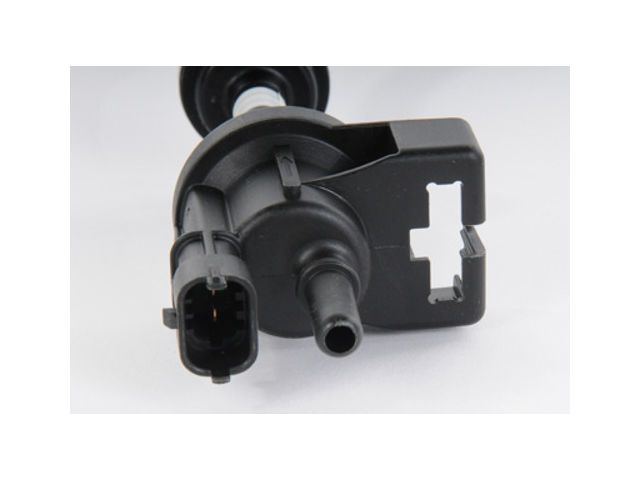
- EVAP Canister Vent Solenoid Valve
(OEM #ACDelco 23481275 (supercedes previous numbers), Dorman 911-064)— This is the most common component to fail, either due to internal electrical failure or from being clogged with debris. The OEM part has been updated several times.
Trusted brands: ACDelco (GM Genuine), Dorman, Delphi
OEM price range: $40-$70
Aftermarket price range: $25-$50 - EVAP Vent Solenoid Connector Pigtail — Often the wiring fails right at the connector, and replacing the pigtail is easier than trying to repair the pin itself. Some replacement solenoids may also require an adapter harness.
Trusted brands: Dorman, ACDelco
OEM price range: $15-$30
Aftermarket price range: $10-$20
Related Codes That Often Appear With This One
- P0446 — P0446 indicates a restriction in the vent system. If the vent solenoid fails in the closed position or its wiring prevents it from opening, it can trigger both P0449 (the electrical fault) and P0446 (the functional fault).
- P0455 — P0455 indicates a large EVAP leak. If the vent solenoid fails in the open position, the system cannot seal to perform its pressure test, resulting in a large leak code alongside the P0449 electrical code.
- P0498 — This code indicates 'EVAP Vent Control Circuit Low Voltage'. It is very similar to P0449 and points to the same set of electrical problems, as seen in an owner complaint for a Chevrolet Malibu. [ODI #11576113]
Technical Service Bulletins (TSBs) & Recalls
- 23-NA-073: While for a Silverado, this TSB shows a known GM issue where dust intrusion can cause EVAP codes including P0449.
Platform-Specific Known Issues
- A recurring issue reported by Sonic owners is a broken wire in the harness located in the passenger side rear wheel well, where it can rub against a body seam and corrode.
- A Technical Service Bulletin for other Chevrolet models (TSB #23-NA-073) mentions P0449 can be caused by dust intrusion into the EVAP system, suggesting a potential vulnerability in GM's design that could affect the Sonic as well.
- Forum user '08Bluesky' on SonicOwnersForum.com documented their P0449 diagnosis, which involved replacing the solenoid without success, pointing towards a more elusive wiring or circuit issue.
Mechanic-Grade Diagnostic Values
- EVAP Vent Solenoid Coil Resistance — expected: 15-30 Ohms. Failure: Infinite Ohms (open circuit) or 0 Ohms (short circuit). A real-world test on a 2017 Sonic measured a good-but-replaced part at 23 Ohms.
- Voltage at Vent Solenoid Connector (Key On, Engine Off, Unplugged) — expected: Power wire (often Pink) should have ~12V. The control wire (often White) should also read ~12V because it is an open circuit waiting for a ground signal from the PCM.. Failure: If the control wire reads 0V or significantly less than 12V, it indicates an open or short in the wiring between the connector and the PCM.
- Voltage at Vent Solenoid Control Wire (Commanded ON) — expected: Near 0 Volts. Failure: If the voltage does not drop to near 0V when commanded ON by a scan tool, it indicates a problem with the PCM driver or the wiring.
Scan Tool Commands That Help
- GM GDS2 (Global Diagnostic System 2): Output Control > EVAP Vent Solenoid ON/OFF — This bidirectional command is used to manually cycle the vent solenoid to listen for an audible click, confirming mechanical operation, and to test the circuit's electrical response with a multimeter.
- GM GDS2 (Global Diagnostic System 2): EVAP Leakage Test — This function forces the vehicle to perform the entire EVAP system self-test. It is used to verify a repair or to diagnose intermittent issues by monitoring system data while the test runs.
Wiring & Ground Locations
- EVAP Vent Solenoid Connector — Under the vehicle near the charcoal canister, which is typically near the fuel tank.. This is the primary point of failure for wiring. The wires, especially the ground control wire (often white), can break inside the insulation right at the connector due to stress and corrosion.
- G104 — On a 2013 Sonic 1.8L, this ground is located at the lower right rear of the engine.. While the vent solenoid is controlled by a PCM driver, ensuring all engine and chassis grounds are clean and secure is a critical step in diagnosing any electrical fault, as a bad ground can cause floating voltages and erratic behavior.
Real Owner Repair Stories
- YouTube channel '2018 Silverado: P0449 repair' (2018 Chevrolet Silverado (similar GM platform)) — Check Engine Light with code P0449.
❌ Tried (didn't work) The owner had previously replaced the entire vent valve assembly a year prior, so they suspected it was not a part failure.
✅ What actually fixed it The ground wire (white wire) was found to be broken inside the insulation right at the connector for the vent solenoid. The copper had turned green and corroded completely through. The fix was to cut off the old connector and splice in a new pigtail connector (PT2160 style).
When the Usual Fixes Don't Work
- In multiple owner accounts, simply replacing the EVAP vent solenoid did not resolve the P0449 code. For example, a user on SonicOwnersForum replaced the part, but the code returned immediately upon the next key cycle. This indicates that while the solenoid is a common cause, the circuit itself (wiring, connectors, fuse, or PCM) is an equally likely culprit and must be thoroughly tested. The code setting instantly at key-on, before the engine runs a full EVAP test, is a strong clue that the fault is purely electrical (an open or short) and not a system leak.
OEM Part Supersession History
10382080, 15844699, 20995472, 25932566, 25962085, and others→ACDelco 23481275— GM has updated the vent solenoid assembly over the years to improve durability and resistance to debris, which was a common failure on the original designs.
Heads up: While the part is used across many GM models, some older designs may require an adapter harness to fit the updated solenoid. Always verify fitment for the specific vehicle.
Diagnostic Flowchart
Other Known Issues on This Vehicle
Issues unrelated to this code that are worth knowing about as an owner of this generation:
- 1.4L Turbo PCV System Failure 🔴 High — Very common. The diaphragm in the valve cover tears, or a check valve in the intake manifold fails, causing vacuum leaks, rough idle, oil consumption, and codes like P0171. (Ref: GM Special Coverage #19-NA-114 extends warranty to 10 years/120,000 miles for some model years.)
- Water Pump Failure (1.4L and 1.8L) 🟠 Medium — Common failure item, leading to coolant leaks and potential overheating. The 1.4L pump is known to leak from the seal/weep hole, while the 1.8L can suffer from broken plastic impellers. (Ref: GM Special Coverage #14371A extended warranty on 2012-2014 1.4L models to 10 years/150,000 miles for leaking water pumps.)
- Cooling System Leaks (Hoses, Outlets, Reservoir) 🟠 Medium — Multiple plastic components in the cooling system become brittle and crack, including the coolant reservoir, thermostat housing/outlet, and various hose connectors.
- 1.8L Engine Oil Leaks 🟡 Low — The 1.8L engine is prone to oil leaks from the oil pan and timing cover gaskets.
- 1.8L Transmission Turbine Shaft Fracture 🔴 High — Affected a specific batch of early 2012 models with the 6-speed automatic, could cause a sudden loss of power. (Ref: NHTSA Recall #12V470000)
Used vs. New Parts: Buying Guide for This Vehicle
When a used part is the smart pick: A used part is generally NOT recommended for the electronic solenoid itself due to its exposure to elements and high failure rate. However, sourcing a used connector pigtail from a junkyard is an excellent, cost-effective option if your wiring is broken or corroded at the connector.
Donor-vehicle mileage cap: roughly under 80000 miles for the part to have meaningful remaining life.
What to inspect on the donor part:
- For a connector pigtail, inspect the donor vehicle for signs of heavy corrosion or location in a salt-belt region.
- Ensure the connector's locking tabs are intact.
- Cut the pigtail with several inches of wire to give yourself plenty of room to work with.
- Check that the wires are flexible and not brittle.
Aftermarket brands forum-validated for this vehicle:
- ACDelco (GM Genuine)
- Dorman (widely available and often includes updated designs or necessary adapter harnesses)
- Delphi
Brands owners have reported issues with on this vehicle:
- No-name, unbranded parts from online marketplaces can have poor quality control and may fail prematurely.
Real Owner Stories
Aggregated from forums and TSBs cited above. Mileages and costs reflect what owners reported in those sources.
2012-2020 Chevrolet Sonic
Symptoms: The owner replaced the vent solenoid to clear a P0449 code, but the repair was unsuccessful, suggesting a more complex circuit or wiring issue.
What fixed it: The source points toward an elusive wiring or circuit issue rather than the solenoid itself.
Source hint: Forum user '08Bluesky' on SonicOwnersForum.com
2017 Chevrolet Sonic 1.8L
Symptoms: The P0449 code sets immediately upon turning the key to the 'on' position. The owner replaced the solenoid but the code persisted, leading to concerns about a potential ECM failure.
What fixed it: The owner was investigating an electrical/ECM issue after a new solenoid failed to resolve the code.
Source hint: SonicOwnersForum.com thread '2017 1.8 NA code P0449'
2012-2020 Chevrolet Sonic
Symptoms: P0449 code persisted even after replacing the canister vent valve solenoid.
What fixed it: Mechanics advised checking for chafed wiring and performing a continuity test back to the PCM to find circuit breaks.
Source hint: Reddit r/MechanicAdvice thread
Related OBD-II Codes
Frequently Asked Questions
Why won't my Chevrolet Sonic's remote start work when the P0449 code is present?
Does TSB 23-NA-073 apply to the P0449 code on my Sonic?
Where is the most common failure point for the P0449 wiring on a Sonic?
Is there a special warranty extension for the 1.4L Turbo engine components related to emissions?
What should the resistance reading be for a healthy Sonic vent solenoid?
Do I need any extra parts besides the solenoid for the repair?
Helpful Videos
Used OEM Parts in Stock
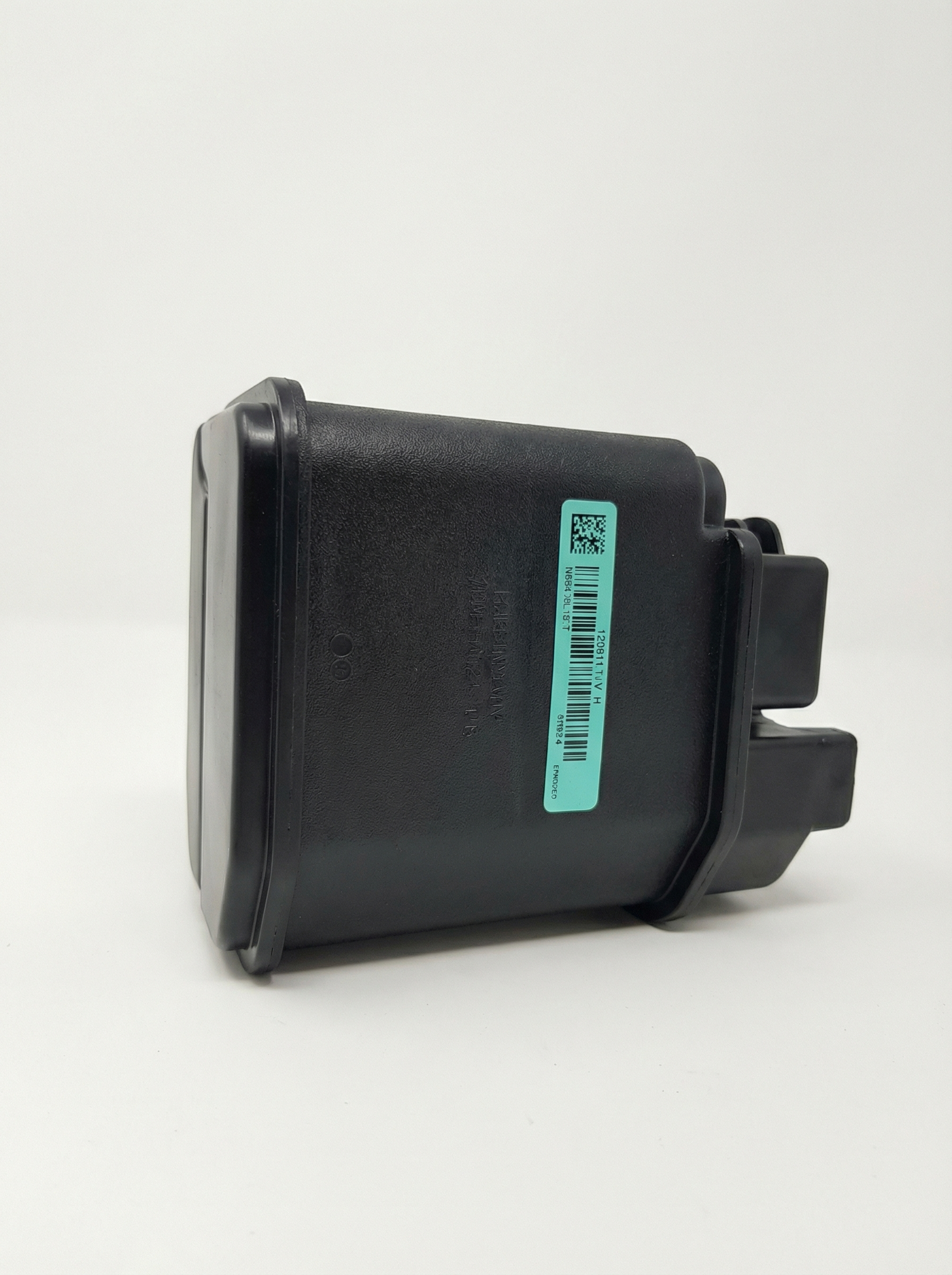
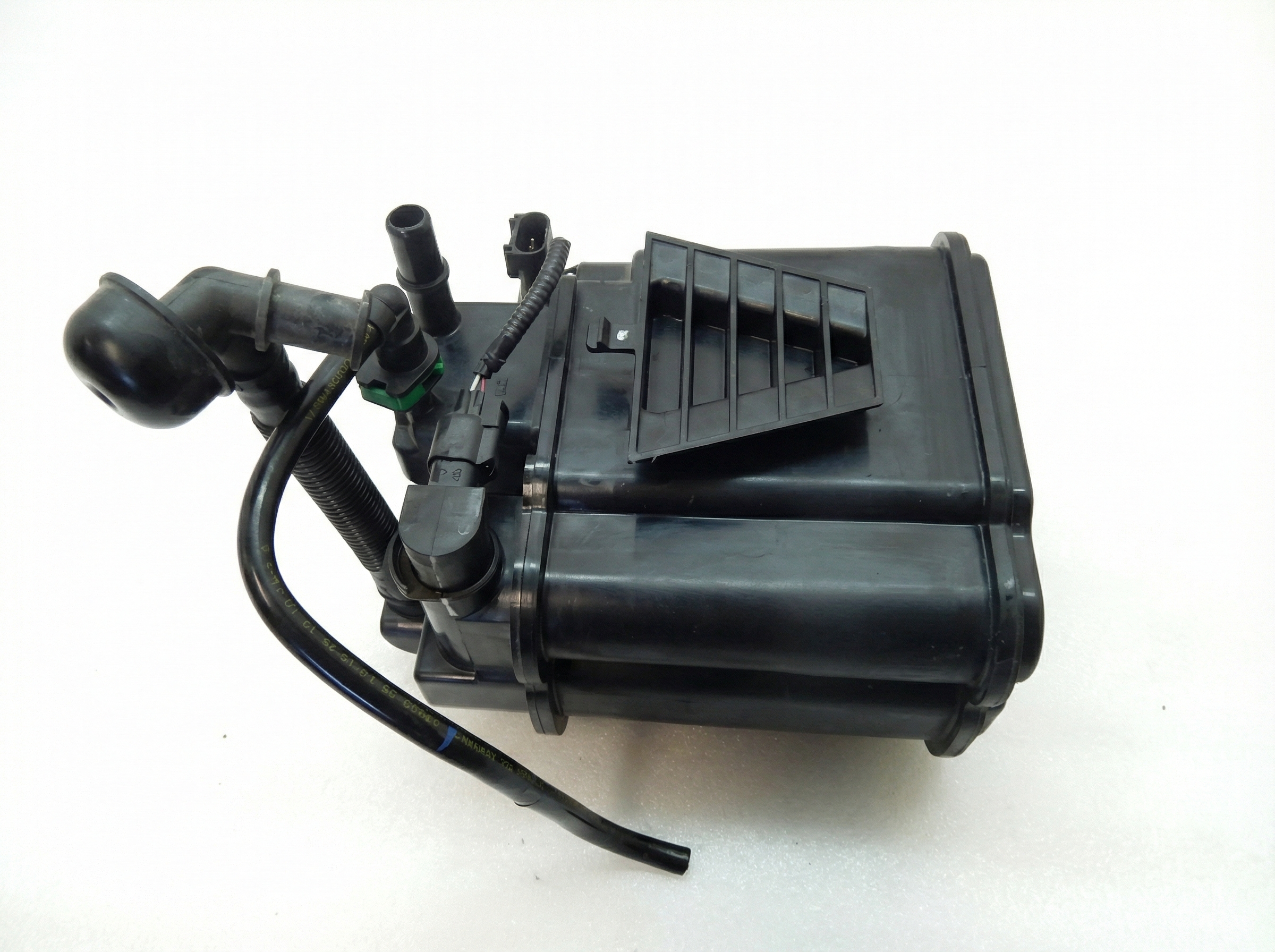
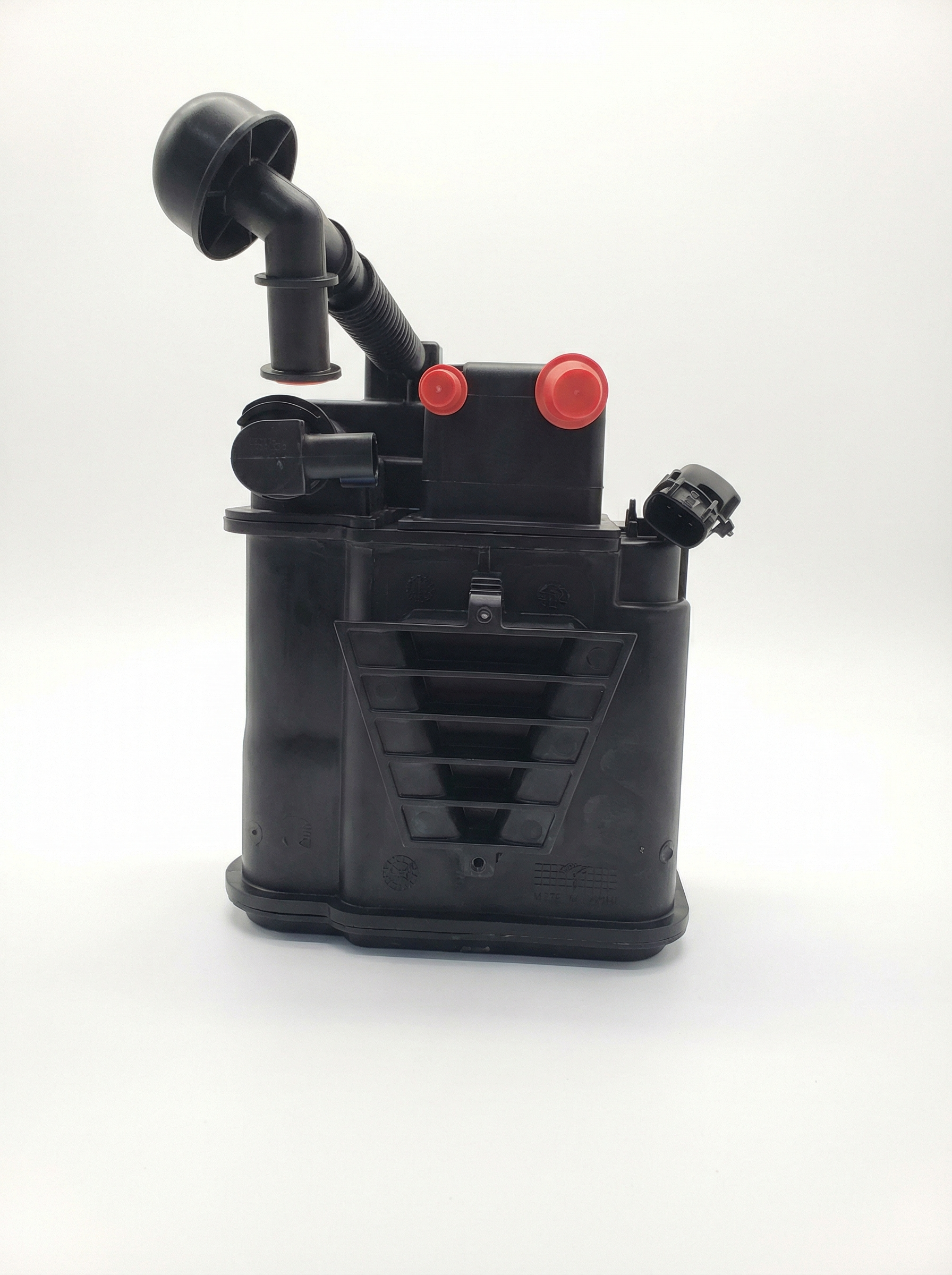
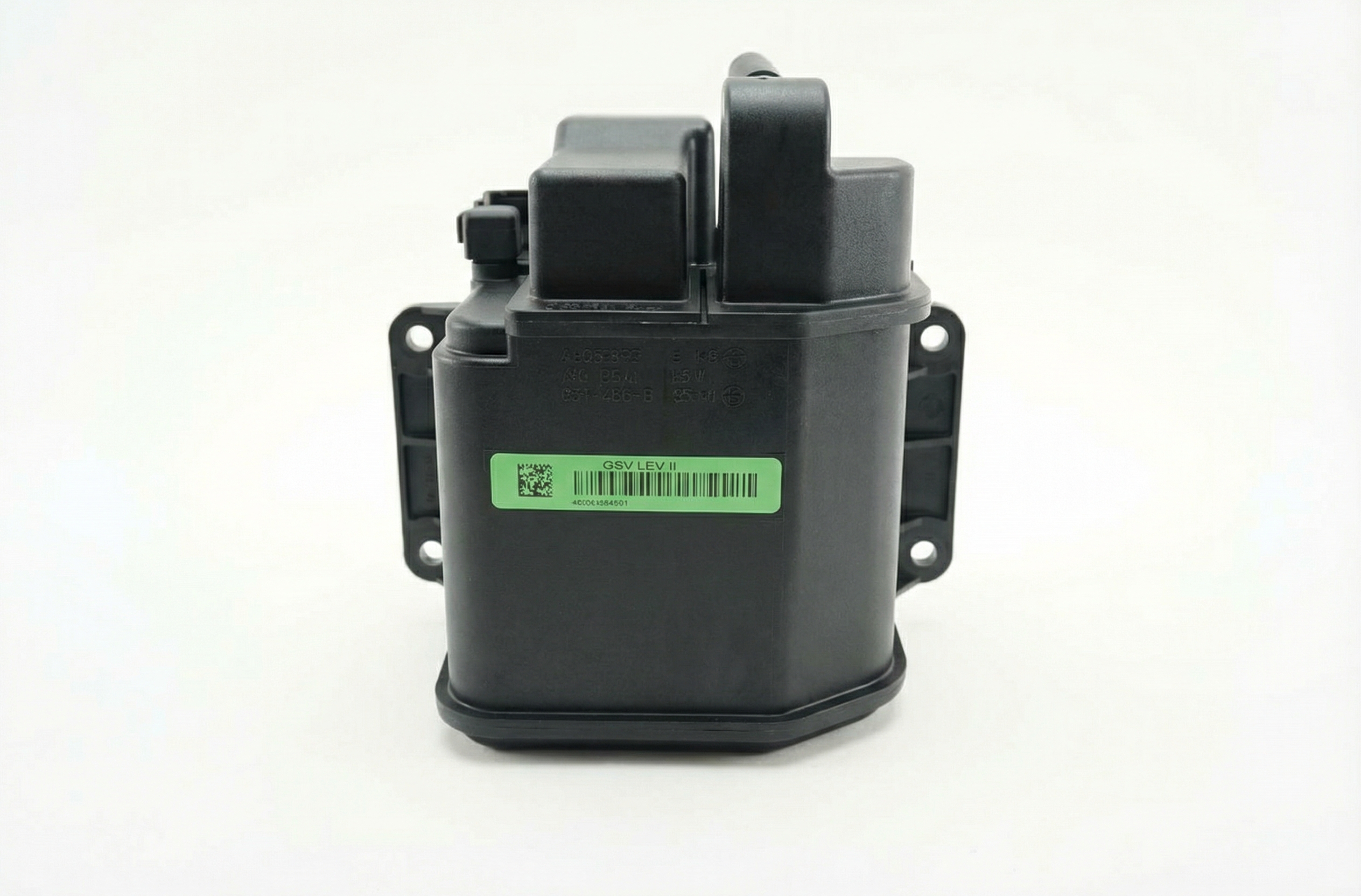
New Aftermarket Parts Available

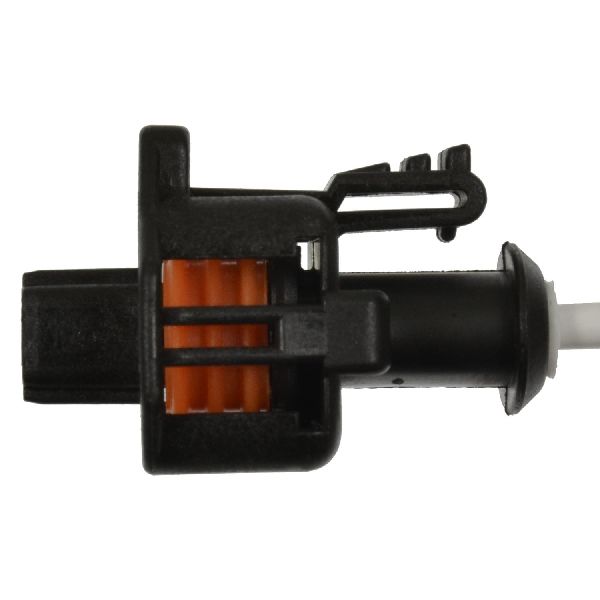

The information in this article is provided for general reference and educational purposes only. Vehicle specifications, procedures, and part compatibility can vary by production date, trim level, and region. Always consult your vehicle's factory service manual and verify part numbers before purchasing or performing repairs. Safety-critical components such as airbags, seat belts, and braking systems should be installed by a qualified professional.
- Chevrolet Sonic:
- 🎬 Helpful Videos
- 🛍️ Shop This Part
- What's Unique About the 2012-2020 Chevrolet Sonic
- Symptoms You May Notice
- Most Likely Causes
- Rare But Worth Checking
- Diagnosis Steps
- Parts You'll Likely Need
- Related Codes That Often Appear With This One
- Technical Service Bulletins (TSBs) & Recalls
- Platform-Specific Known Issues
- Mechanic-Grade Diagnostic Values
- Scan Tool Commands That Help
- Wiring & Ground Locations
- Real Owner Repair Stories
- When the Usual Fixes Don't Work
- OEM Part Supersession History
- Diagnostic Flowchart
- Other Known Issues on This Vehicle
- Used vs. New Parts: Buying Guide for This Vehicle
- Real Owner Stories
- 2012-2020 Chevrolet Sonic
- 2017 Chevrolet Sonic 1.8L
- 2012-2020 Chevrolet Sonic
- Related OBD-II Codes
- Frequently Asked Questions
- 🎟️ Get 5% Off