

P0443 on 2010-2017 GMC Terrain: EVAP Purge Valve Circuit Causes and Fixes
For a 2010-2017 GMC Terrain, code P0443 almost always points to a bad EVAP purge solenoid valve located on top of the engine. This is a simple DIY fix, with the part costing between $25 for an aftermarket replacement and $70 for an OEM part. The most telling symptom is difficulty starting the engine right after refueling.
- P0443 on a 2010-2017 Terrain is almost always a failed EVAP purge solenoid valve.
- Key symptoms to look for are a rough idle and the engine being hard to start immediately after you get gas.
- This is a very DIY-friendly repair that takes less than 30 minutes with basic tools, typically just a 10mm socket.
- The purge valve is located directly on top of the engine, under the plastic beauty cover, and is common to both I4 and V6 models.
- Check for related code P0496, which points to the same faulty part being stuck open.
What's Unique About the 2010-2017 GMC Terrain
The 2010-2017 GMC Terrain, and its sibling the Chevrolet Equinox, are well-known for having the EVAP purge solenoid fail. This issue is common on both the 2.4L I4 and the 3.0L/3.6L V6 engines. While P0443 is an electrical circuit code, the failure is most often the solenoid itself. A common related code on this platform is P0496 (EVAP Flow During a Non-Purge Condition), which is triggered when the same valve gets stuck open, leading to very specific symptoms like difficulty starting after getting gas.
Symptoms You May Notice
- Check Engine Light is on
- Difficulty starting the engine, especially right after filling the gas tank.
- Rough or unstable idle.
- Engine may hesitate or stall, particularly after a cold start or when accelerating from a stop.
- Slight decrease in fuel economy.
- Possible fuel odor.
- Audible clicking sound from the engine bay may stop (if the solenoid coil has failed completely).
- Replacing the gas cap. While a loose gas cap can cause other EVAP codes (like P0455 or P0457), it is not a typical cause for a P0443 circuit malfunction code.
- Replacing the EVAP canister or vent solenoid. P0443 specifically points to the purge valve circuit, which is located in the engine bay, not the vent valve or canister located near the fuel tank.
Most Likely Causes
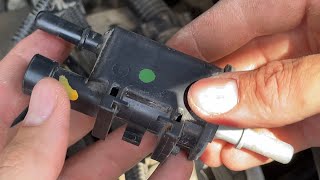
- Faulty EVAP Purge Solenoid Valve 🔴 High Probability This specific component is a very common failure point on this GM platform, affecting a wide range of vehicles including the Terrain and Equinox. 🎬 Watch a quick overview of the EVAP purge solenoid on this platform. The internal coil can fail electrically (causing P0443), or the valve can become mechanically stuck open from contamination or wear (causing P0496).
How to confirm: Locate the valve on top of the engine. With the engine off, disconnect the hose leading from the valve to the intake manifold and try to blow through the valve. If air passes through, it is stuck open and faulty. Alternatively, use a scan tool to command the valve to open and close; you should hear an audible click. You can also test the solenoid's resistance with a multimeter; a healthy valve should read between 20 and 30 ohms.
Typical fix: Replace the EVAP purge solenoid valve. This is a very simple repair involving one 10mm bolt and two connections (one electrical, one hose). 🎬 See this walkthrough of the solenoid replacement process.
Est. part cost: $25-$70 - Damaged Wiring or Connector 🟡 Medium Probability The wiring harness in the engine bay is subject to heat and vibration, which can lead to chafing or broken wires over time. The connector's locking tab can also become brittle. Manufacturer Bulletin #PIT5336 notes that technicians may find the Emission 1 fuse is open and should inspect and repair any wire damage on the engine harness to resolve P0443.
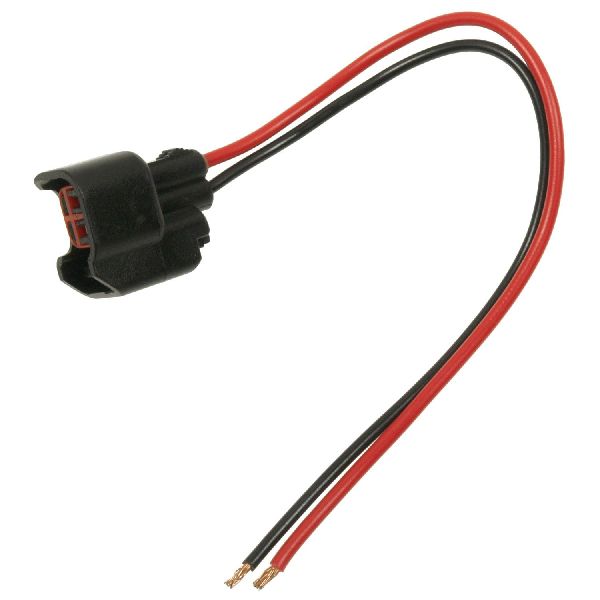
How to confirm: Visually inspect the electrical connector and wiring harness going to the purge solenoid for any signs of corrosion, breaks, or rodent damage. Use a multimeter or 12V test light to confirm that battery voltage is present at one pin of the connector when the ignition is on. The other pin is the ground signal from the PCM, which is pulse-width modulated.
Typical fix: Repair the damaged section of wiring or clean/replace the electrical connector.
Est. part cost: $5-$30 - Blown Fuse ⚪ Low Probability
How to confirm: Check the under-hood fuse box. The fuse for the EVAP system is typically fuse F21, a 10-amp fuse that powers multiple emissions components.
Typical fix: Replace the blown fuse. If the fuse blows again, it indicates a short circuit in the system that needs to be diagnosed.
Est. part cost: $1-$5
Rare But Worth Checking
- Faulty Powertrain Control Module (PCM): This is very rare. The PCM should only be considered after all other possibilities, including the valve and its entire circuit, have been thoroughly tested and ruled out. A failed driver circuit inside the PCM can prevent it from properly controlling the valve.
Diagnosis Steps
- Read the code: Use an OBD-II scanner to confirm P0443 is the active code and check for any other related codes like P0496.
- Inspect the Gas Cap: Although unlikely to be the cause, ensure the gas cap is tight and the seal is not cracked or damaged.
- Check Fuses: Inspect the under-hood fuse box for the 10-amp F21 fuse related to the emissions system and replace if blown.
- Locate the Purge Valve: The purge valve is on top of the engine, near the oil fill cap. You will need to remove the plastic engine cover to access it. 🎬 Watch this detailed step-by-step guide for a DIY purge valve replacement. It is held by a single 10mm bolt to a bracket.
- Inspect Wiring: Check the electrical connector and wires going to the purge valve for any visible damage, corrosion, or loose connections.
- Test for Power: Disconnect the connector. With the ignition on, use a multimeter or test light to verify that one of the pins has 12V power.
- Test the Valve (Mechanical): With the engine off, disconnect the hoses from the valve. Try to blow through it. If air passes, the valve is stuck open and needs to be replaced. A working valve is normally closed.
- Test the Valve (Electrical): Use a multimeter set to Ohms to measure the resistance across the two pins on the solenoid itself. A good reading is typically between 20-30 Ohms. An open circuit (infinite resistance) or a short (zero resistance) indicates a failed coil. Alternatively, if you have a capable scan tool, command the purge valve to cycle on and off. You should hear it click. If it doesn't click, and you have confirmed power is getting to it, the valve is bad.
- Replace the Part: If the valve is confirmed bad, replace it. It is held on by one 10mm bolt and has one electrical and one hose connection.
Parts You'll Likely Need
- Vapor Canister Purge Solenoid Valve
(OEM #12690512)— This is the most common failure item for code P0443 on this vehicle, causing the circuit fault and associated performance symptoms. This part number supersedes previous versions like 12610560 and 12661763.
Trusted brands: ACDelco (OEM), Standard Motor Products (SMP), Dorman, Gates
OEM price range: $50-$70
Aftermarket price range: $25-$50
Related Codes That Often Appear With This One
- P0496 — This code means 'EVAP Flow During a Non-Purge Condition' and is extremely common on the Terrain. It is often caused by the exact same part—the purge valve—being stuck open.
- P0442 — This code indicates a small leak in the EVAP system. If the purge valve is not sealing correctly, it can sometimes be interpreted by the system as a small leak.
- P0171 — This code means 'System Too Lean (Bank 1)'. If the purge valve is stuck open, it creates a vacuum leak, allowing unmetered air (and fuel vapor) into the intake manifold, which can cause a lean condition.
- P0459 — This code, representing an EVAP Purge Solenoid Control Circuit High condition, is noted in Bulletin #PIP5552 as a concern being investigated by engineering alongside P0443.
Technical Service Bulletins (TSBs) & Recalls
- 17-NA-409: While not directly for the Terrain, this TSB for the Impala LFX engine describes the purge valve sticking due to oil contamination from a cam cover gasket, a potential root cause on related engines.
- Bulletin #PIT5336: This manufacturer bulletin addresses P0443 and notes that technicians may find the Emission 1 fuse is open; it recommends inspecting the engine harness for damaged wires.
- Bulletin #PIP5552: This preliminary information bulletin communicates that engineering is investigating conditions where a MIL is on with P0443 or P0459 setting.
Platform-Specific Known Issues
- Special Coverage / TSBs: While no specific TSB for P0443 on the Terrain was found, GM has issued bulletins like 17-NA-409 for other vehicles with similar engines (e.g., 3.6L LFX) that experience P0496. This TSB notes that oil contamination from the cam cover gasket can cause the purge valve to stick. It's worth checking with a GM dealer for any potential 'special coverage' programs that may apply to your VIN for this known issue, as GM has extended warranties on this part for other models.
Mechanic-Grade Diagnostic Values
- EVAP Purge Solenoid Coil Resistance — expected: 20 to 30 Ohms. Failure: A reading of infinite resistance (open) or near-zero resistance (short) indicates a failed solenoid coil.
- Voltage at Purge Solenoid Connector (Ignition On, Engine Off) — expected: One pin should have 12V+ (battery voltage). The other pin is the ground control from the PCM.. Failure: No voltage suggests a blown fuse (F21) or a break in the power supply wire.
Scan Tool Commands That Help
- GDS2 / Professional Bidirectional Scanner: EVAP Purge/Seal or Actuation Test — This command allows you to manually open and close the purge valve to verify its mechanical and electrical operation. With the engine off, you should hear an audible click when commanding the valve on and off. With the engine running, commanding the valve open should cause a vacuum to build in the EVAP system, which can be monitored via the Fuel Tank Pressure (FTP) sensor data PID. This confirms the entire circuit and valve are working.
Wiring & Ground Locations
- EVAP Purge Solenoid Connector — On top of the engine, mounted to a bracket near the oil fill cap.. This is the primary connection to test for power and ground signals. One pin receives 12V+ from the F21 fuse, and the other is a pulse-width modulated ground controlled by the PCM.
- G109 (2.4L Engine) — Top right rear of the engine.. This is one of the main engine grounds. While not directly for the purge solenoid's control circuit (which is grounded through the PCM), a poor engine ground can cause a host of electrical issues and unpredictable behavior in various sensors and actuators. It's a key location to check for tightness and corrosion when diagnosing any engine bay electrical fault.
- Underhood Fuse Block — Left rear of the engine compartment.. This block contains fuse F21 (10A), which provides power to the EVAP purge solenoid. A blown fuse here is a direct cause of a P0443 code.
Real Owner Repair Stories
- BobIsTheOilGuy Forum User (2011 GMC Acadia (similar platform/engine)) — Check Engine Light with EVAP code.
✅ What actually fixed it The user initially replaced the purge valve with a Dorman aftermarket part, which failed in less than three months. Replacing the failed Dorman part with a genuine AC Delco valve permanently resolved the issue.
OEM Part Supersession History
12610560→12690512— Standard part evolution and design updates by the manufacturer.12690512→12737252— Latest part number in the GM catalog for this component.
Heads up: All part numbers (12610560, 12661763, 12690512, 12737252) are interchangeable for this application.
Diagnostic Flowchart
Used vs. New Parts: Buying Guide for This Vehicle
When a used part is the smart pick: A used OEM part is a reasonable choice for this repair. The failure is electronic/mechanical and not strictly wear-based, so a part from a lower-mileage donor vehicle can be a cost-effective alternative to a new aftermarket part.
Donor-vehicle mileage cap: roughly under 80000 miles for the part to have meaningful remaining life.
What to inspect on the donor part:
- Check for cracks in the plastic housing or electrical connector.
- Ensure the locking tabs for the hoses and electrical plug are intact.
- If possible, test the resistance with a multimeter before purchase; it should be between 20-30 ohms.
Aftermarket brands forum-validated for this vehicle:
- ACDelco (OEM)
- Standard Motor Products (SMP)
- Gates
Brands owners have reported issues with on this vehicle:
- Dorman: Some owners have reported premature failure of Dorman-branded purge valves on GM vehicles, with one instance of failure in under 3 months.
Real Owner Stories
Aggregated from forums and TSBs cited above. Mileages and costs reflect what owners reported in those sources.
2010 GMC Terrain
Symptoms: Check engine light and tire pressure light were on; codes P0420 and P0443 present.
What fixed it: Installed a new Purge Valve, which cleared the warning lights immediately.
Source hint: PartsGeek.com Review
2010 Chevrolet Equinox
Symptoms: Stalling issues and a P0443 code.
What fixed it: The owner replaced the purge solenoid, but noted that an aftermarket part failed quickly and recommended using an OEM part for a lasting repair.
Source hint: Car Talk Community - 2010 Equinox P0443
GMC Terrain / Chevrolet Equinox Platform
Symptoms: The check engine light came on with code P0443.
What fixed it: Replacing the purge valve did not fix the issue. The discussion concluded the problem was likely in the wiring circuit going to the valve.
Source hint: Reddit r/MechanicAdvice - P0443 Issue?
Related OBD-II Codes
Frequently Asked Questions
Where is the EVAP purge valve located on my 2010-2017 GMC Terrain?
What is the most common cause for a P0443 code on my Terrain?
How can I test the purge solenoid myself to see if it's bad?
Is there a specific fuse I should check for the P0443 code?
Are there any recalls or special coverage programs for this faulty valve on the Terrain?
What other GM vehicles use the same purge valve and have this problem?
Helpful Videos
Used OEM Parts in Stock
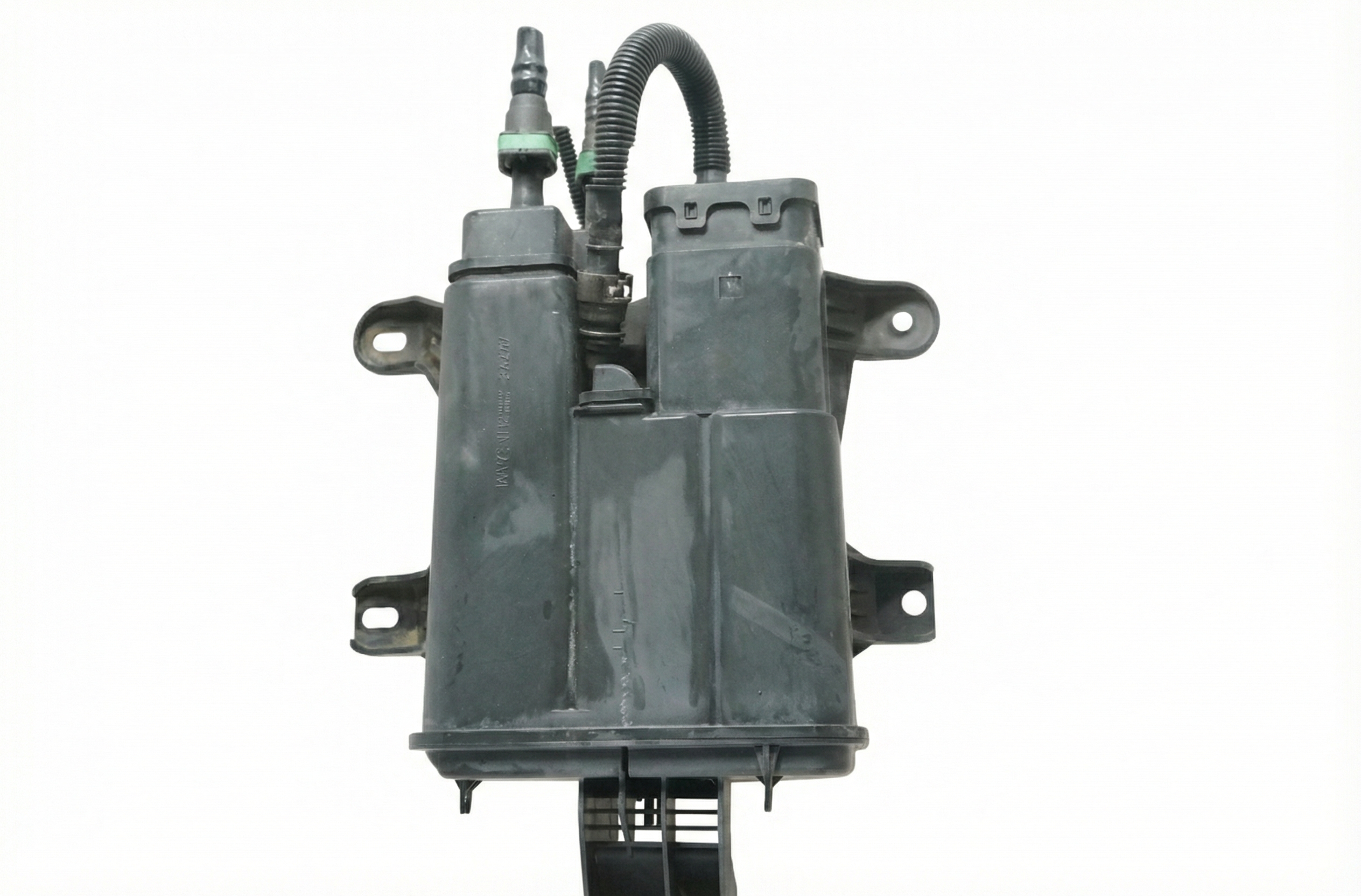

New Aftermarket Parts Available


The information in this article is provided for general reference and educational purposes only. Vehicle specifications, procedures, and part compatibility can vary by production date, trim level, and region. Always consult your vehicle's factory service manual and verify part numbers before purchasing or performing repairs. Safety-critical components such as airbags, seat belts, and braking systems should be installed by a qualified professional.
- GMC Terrain:
- 🎬 Helpful Videos
- 🛍️ Shop This Part
- What's Unique About the 2010-2017 GMC Terrain
- Symptoms You May Notice
- Most Likely Causes
- Rare But Worth Checking
- Diagnosis Steps
- Parts You'll Likely Need
- Related Codes That Often Appear With This One
- Technical Service Bulletins (TSBs) & Recalls
- Platform-Specific Known Issues
- Mechanic-Grade Diagnostic Values
- Scan Tool Commands That Help
- Wiring & Ground Locations
- Real Owner Repair Stories
- OEM Part Supersession History
- Diagnostic Flowchart
- Used vs. New Parts: Buying Guide for This Vehicle
- Real Owner Stories
- 2010 GMC Terrain
- 2010 Chevrolet Equinox
- GMC Terrain / Chevrolet Equinox Platform
- Related OBD-II Codes
- Frequently Asked Questions
- 🎟️ Get 5% Off