

P0443 on 2009-2016 BMW Z4: EVAP Purge Valve Circuit Causes and Fixes
For the 2009-2016 BMW Z4 (E89), code P0443 almost always points to a failed EVAP Purge Valve, which BMW calls a Fuel Tank Breather Valve. The part costs between $70 and $140, but replacement is labor-intensive as it's located under the intake manifold. This is a very common failure across all BMWs that use the N52 and N54 engines.
- P0443 on a 2009-2016 Z4 points to an electrical fault with the EVAP purge valve circuit.
- The most likely cause by a wide margin is a failed purge valve (solenoid).
- The correct part number is different for the N52 (sDrive30i) and N54 (sDrive35i/is) engines, and the N54 part has been superseded.
- Replacement is a DIY-able job for an experienced hobbyist, but it requires removing the throttle body for access, making it more complex than on many other cars. Remember to replace the throttle body gasket.
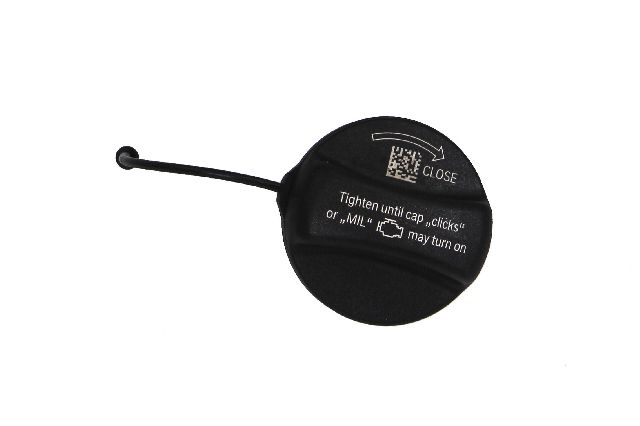
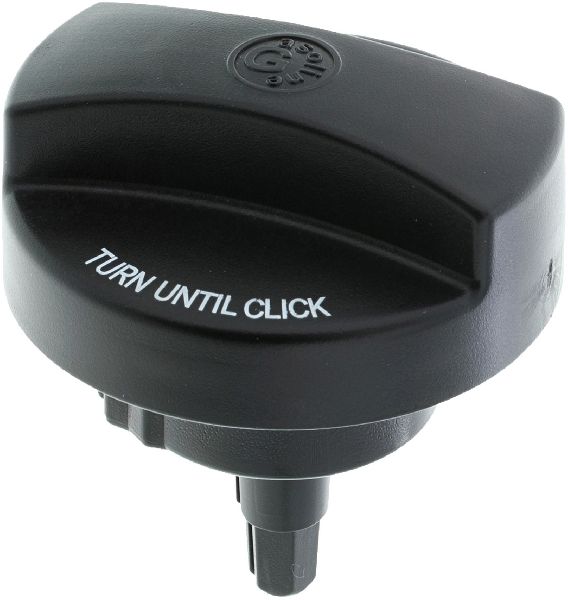
- Do not mistake this circuit code for a leak code; replacing the gas cap will not fix P0443.
What's Unique About the 2009-2016 BMW Z4
On the E89 Z4 with the N52 and N54 engines, the primary challenge with a P0443 code isn't the part itself, but its location. Unlike many vehicles where the purge valve is easily accessible in the engine bay, BMW located it underneath the intake manifold, just below the throttle body. This makes what would be a 15-minute job on another car a more involved process requiring the removal of the airbox, intake piping, and throttle body to access and replace the valve. This location is consistent across other BMW models using these engines, such as the 3-Series (E9x) and 5-Series (E60).
Symptoms You May Notice
- Check Engine Light is on
- Slightly rough idle in some cases
- A faint smell of fuel near the engine bay (if the valve is stuck open)
- Difficulty starting immediately after refueling (rare)
- Engine hesitates or stumbles on occasion
- Replacing the gas cap. A bad gas cap typically causes a P0455 (large leak) or P0456 (small leak) code, not a P0443 circuit code.
- Replacing other EVAP components like the charcoal canister or leak detection pump (LDP). P0443 is very specific to the purge valve's electrical circuit, pointing to a problem with the valve's solenoid or its wiring, not a leak in the system.
Most Likely Causes
- Failed EVAP Purge Valve (Fuel Tank Breather Valve) 🔴 High Probability The solenoid coil inside the valve is a common failure point over time due to constant heat cycles and age. This is a well-documented issue across the entire N52/N54 engine family.
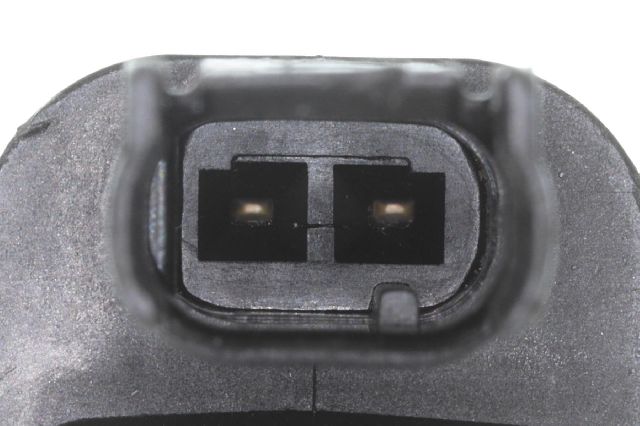
How to confirm: Disconnect the valve's electrical connector and measure the resistance between the two pins using a multimeter. A healthy valve for this engine family should read approximately 26-30 ohms. An open circuit (infinite resistance) or a very high reading (e.g., over 100 ohms) indicates a failed coil. Alternatively, apply 12V directly to the pins using jumper wires; a good valve will make an audible 'click'. No click confirms the internal solenoid is dead.
Typical fix: Replace the Fuel Tank Breather Valve. This requires removing the airbox, intake boot, and throttle body to gain access. The valve itself is typically held in place by a rubber grommet on a metal bracket.
Est. part cost: $70-$145 - Damaged Wiring or Connector 🟡 Medium Probability The wiring harness is located in a hot, tight area of the engine bay and can become brittle and crack over time. Rodents can also chew on the wires, causing an open or short circuit.
How to confirm: Visually inspect the wiring leading to the purge valve for any signs of cracking, fraying, or melting. Check the electrical connector for corrosion, moisture, or pushed-out pins. Use a multimeter to check for 12V power on one pin of the connector with the ignition on. Then, check for continuity on the other wire between the connector and the corresponding pin at the DME. For the N54, the control wire is Pin 23 on the X60005 connector at the DME.
Typical fix: Repair the damaged section of wiring or replace the connector pigtail. Use heat-shrink butt connectors for a durable, moisture-resistant repair.
Est. part cost: $5-$30
Rare But Worth Checking
- Blown Fuse: A fuse that protects the DME or other emissions components could be the cause. Always check the fuse box diagram for your specific vehicle and inspect relevant fuses before replacing expensive parts. The fuse map for the E89 Z4 is notoriously located on a paper clipped inside the fuse box panel itself.
- Faulty DME (Engine Computer): This is extremely rare. The internal driver circuit in the DME that controls the purge valve can fail. This should only be considered after all other possibilities, including the valve and wiring, have been definitively ruled out by a professional with advanced diagnostic tools.
Diagnosis Steps
- Read the code from the OBD-II port using a scanner to confirm P0443 is present.
- Inspect the engine bay for any obvious signs of damage, such as chewed wires or disconnected hoses.
- Locate the purge valve under the intake manifold, near the throttle body.
- Visually inspect the electrical connector and wiring going to the purge valve for damage, corrosion, or loose connections.
- If wiring looks good, disconnect the connector and test the valve. Use a multimeter to check the resistance across the valve's two pins. A reading of ~26-30 ohms is expected; infinite or very high resistance indicates a bad valve.
- Alternatively, use jumper wires to briefly apply 12V and ground to the valve's pins. You should hear a distinct click. No click means the valve is bad.
- If the valve tests good, check the electrical connector for power. One pin should have 12V with the ignition on.
- If power is present and the valve is good, the final possibility is a break in the ground-side wire going back to the DME or a faulty DME driver (rare). A continuity test from the ground-side pin on the connector to the DME would be the next step. For the N54, this is Pin 23 on connector X60005.
- If the valve is confirmed to be bad, proceed with replacement.
Parts You'll Likely Need
- Fuel Tank Breather Valve (for N54 Engine)
(OEM #13907618652)— This is the most common failure part for a P0443 code on the Z4 sDrive35i and sDrive35is models. This part number supersedes the older part number 13907552771.
Trusted brands: Genuine BMW, Bosch
OEM price range: $115-$145
Aftermarket price range: $80-$100 - Fuel Tank Breather Valve (for N52 Engine)
(OEM #13907618643)— This is the most common failure part for a P0443 code on the Z4 sDrive30i model.
Trusted brands: Genuine BMW, Febi-Bilstein
OEM price range: $100-$120
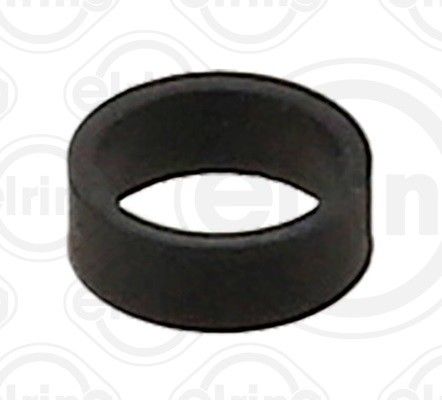
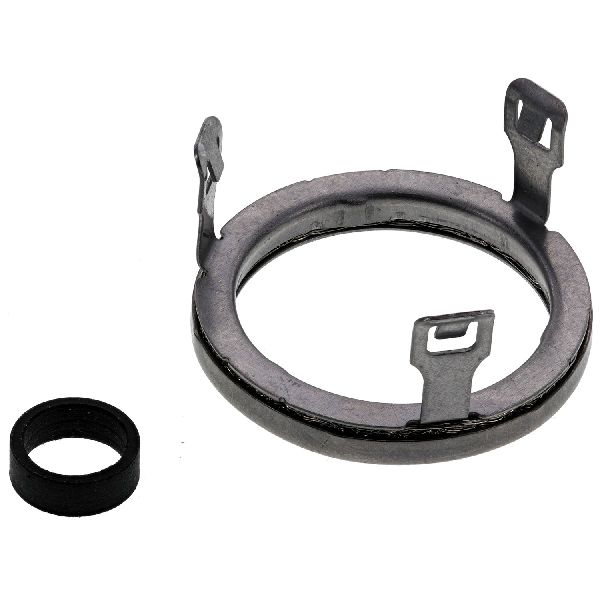
Aftermarket price range: $65-$85 - Throttle Body Gasket
(OEM #13547522361)— This gasket should be replaced when the throttle body is removed to access the purge valve, to prevent vacuum leaks.
Trusted brands: Genuine BMW, Elring, Victor Reinz
OEM price range: $15-$25
Aftermarket price range: $5-$10
Related Codes That Often Appear With This One
- P0444 — P0444 indicates 'Purge Control Valve Circuit Open'. It is a more specific version of P0443 and often points directly to a failed valve coil or a completely broken wire.
- P0445 — P0445 indicates 'Purge Control Valve Circuit Shorted'. This is another specific fault within the same circuit that P0443 covers, often caused by melted wiring or an internal failure in the valve.
- 2A15 or 2A16 (BMW Specific) — These codes indicate a minor (2A15) or very small (2A16) leak detected by the DMTL system. While P0443 is a circuit code, a purge valve stuck open can sometimes lead to the DME flagging these leak codes as a secondary fault. However, these codes are more commonly associated with a bad gas cap or cracked EVAP hoses.
Technical Service Bulletins (TSBs) & Recalls
- BMW Recall Campaign No. 10E-A02: Voluntary emissions recall for the High-Pressure Fuel Pump (HPFP) on N54 engines, including the 2009-2010 Z4 sDrive35i.
- BMW Extended Warranty (8 years/82,000 miles): For turbocharger wastegate rattle on N54 engines. While not a formal TSB, this was a widely acknowledged service action.
Platform-Specific Known Issues
- Owner Experience: DIY Replacement: Multiple owners on forums like ZPost and Bimmerfest confirm that while the part is relatively cheap, the labor is the main challenge. One user on ZPost detailed the process, noting that removing the throttle body is mandatory and requires care to not drop bolts into the intake manifold. The job took them approximately 2-3 hours as a first-timer.
- Real-World Symptom: A common owner complaint associated with a failing purge valve is a slightly erratic idle that can be felt in the cabin, especially when the car is warm and sitting at a stoplight. While not severe, it's a noticeable annoyance that disappears once the valve is replaced.
Mechanic-Grade Diagnostic Values
- EVAP Purge Valve (Tank Breather Valve) Solenoid Resistance — expected: 26 - 30 Ohms when cool. Failure: An open circuit (infinite resistance) or a very high reading (e.g., 190 Ohms) indicates a failed internal coil.
- Voltage at Purge Valve Connector (Power Pin) — expected: ~12V (Battery Voltage) with ignition on, engine off. Failure: 0V or significantly low voltage indicates a wiring or fuse issue upstream of the valve.
- Signal at Purge Valve Connector (Control Pin) — expected: Pulsing ground signal when activated by a scan tool. A test light connected to battery positive should flash when the valve is commanded to open.. Failure: No flashing or a steady light indicates a break in the control wire to the DME or a faulty DME driver.
Hidden / Shadow Codes Worth Checking
- 3162: Tank ventilation system, shutoff valve, activation: Line disconnection. This is a BMW-specific code that directly points to an electrical fault in the purge valve circuit, functionally identical to P0443/P0444. (see via BMW-specific scan tools like ISTA, INPA, or advanced aftermarket scanners (e.g., Protool, Foxwell, Autel).)
Scan Tool Commands That Help
- ISTA (BMW Dealer Software): Component Activation for 'Tank ventilation valve' (TEV) — This function is used to directly command the purge valve to open and close. While monitoring the valve, a technician can listen for the audible 'click' of the solenoid activating. This definitively confirms if the DME can command the valve and if the valve is mechanically responding, isolating the fault to the valve itself or the wiring.
Wiring & Ground Locations
- X60005, Pin 23 — On the DME (Engine Computer), which is located in the electronics box (E-box) in the engine bay, typically on the passenger side under the cabin air filter housing.. For the N54 engine, this is the specific pin on the DME that sends the control signal to the fuel tank breather valve. A continuity test between this pin and the corresponding pin at the valve's connector can confirm if the control wire is intact.
- Engine Block Ground Strap — A braided strap connecting the engine block to the chassis, typically visible from underneath the vehicle.. While not specific to this circuit, a corroded or loose main engine ground can cause a multitude of strange electrical issues and codes, including intermittent faults in sensor and actuator circuits. It's a key 'good practice' check for any electrical diagnosis.
Real Owner Repair Stories
- Reddit user 'Theeft' on r/MechanicAdvice (2008 BMW X3 3.0 (N52 engine)) — Hard to start when cold, even worse after refueling. Stumbling/bucking on acceleration between 2000-2200 RPM. Associated codes 2A15 (minor DMTL leak) and 2A1A.
❌ Tried (didn't work) Smoke test (showed no leaks), Replaced DMTL pump, Replaced B2S1 O2 sensor, Cleaned VANOS solenoids
✅ What actually fixed it Replacing the EVAP Purge Valve (Fuel Tank Breather Valve). A commenter noted that a failing purge valve can create a 'sneaky vacuum leak' that doesn't show up on a smoke test and causes hard starting after refueling.
OEM Part Supersession History
13907552771→13907618652— Standard part revision and improvement by BMW.
Heads up: The new part number (13907618652) is a direct replacement for the old one on N54 engines and is fully compatible.13907572234→13907618643— Standard part revision for N52 engines.
Heads up: The new part number (13907618643) is the correct replacement for the N52 engine. This part has had multiple previous numbers, including 13904588396 and 13907530264.
Model Year Variations Within This Range
- 2009-2011: The sDrive30i model, equipped with the N52 engine, was only available pre-LCI (Life Cycle Impulse). Post-LCI models from 2012 onwards replaced this with a 4-cylinder N20 engine in the sDrive28i, which uses a different EVAP system layout and parts. The N54 engine in the sDrive35i/is models remained consistent throughout the production run.
Diagnostic Flowchart
Other Known Issues on This Vehicle
Issues unrelated to this code that are worth knowing about as an owner of this generation:
- N54 High-Pressure Fuel Pump (HPFP) Failure 🔴 High — Very common on early N54 engines (up to 2010). Can occur anytime, but many failed under 50,000 miles. Symptoms include long crank times and sudden loss of power (limp mode). (Ref: BMW issued a recall and extended the warranty to 10 years/120,000 miles for this part.)
- N54 Turbocharger Wastegate Rattle 🟠 Medium — Common issue, often noticeable on deceleration between 2000-4000 RPM. Typically starts after 50,000 miles. Can lead to low boost codes (30FF). (Ref: BMW extended the warranty on turbochargers to 8 years/82,000 miles for wastegate-related failures.)
- N52/N54 Electric Water Pump & Thermostat Failure 🔴 High — A notorious failure point, typically occurring between 60,000 and 90,000 miles. Failure is often sudden and will cause rapid overheating, stranding the vehicle.
- N52/N54 Oil Filter Housing Gasket (OFHG) & Valve Cover Gasket (VCG) Leaks 🟠 Medium — Extremely common. Gaskets become hard and brittle with heat and age, leading to oil leaks, often onto the serpentine belt (OFHG) or exhaust manifold (VCG). Usually occurs after 60,000 miles.
- E89 Convertible Hardtop Mechanism Failure 🟠 Medium — Issues include roof rattling, squeaking, or complete failure to operate. Often caused by failing microswitches or chafed/broken wires in the harness near the trunk hinge.
- N54 Carbon Buildup on Intake Valves 🟡 Low — As a direct-injection engine, the N54 suffers from carbon buildup on intake valves, which is not washed by fuel. Leads to rough idle and reduced performance over time. Walnut blasting is recommended every 40,000-60,000 miles.
Used vs. New Parts: Buying Guide for This Vehicle
When a used part is the smart pick: A used EVAP purge valve is generally not recommended. The part fails due to internal solenoid wear and heat-cycle fatigue, which are age and use-related. A used part carries a high risk of having the same issue or failing shortly after installation. Given the significant labor involved in accessing it under the intake manifold, the cost savings of a used part do not justify the risk of having to do the job twice.
Donor-vehicle mileage cap: roughly under 30000 miles for the part to have meaningful remaining life.
What to inspect on the donor part:
- Verify the part number on the used component matches the required OEM number for your engine (N52 vs N54).
- Inspect the plastic body for any cracks or signs of heat damage.
- Check the electrical connector pins for corrosion or damage.
- If possible, test the resistance with a multimeter before purchase; it should be within the 26-30 ohm range.
Aftermarket brands forum-validated for this vehicle:
- Bosch (often the original OEM supplier)
- Febi-Bilstein
Brands owners have reported issues with on this vehicle:
- Unbranded, 'white-box' parts from online marketplaces should be avoided. The potential for premature failure is high, and the labor-intensive replacement makes it a poor gamble.
Real Owner Stories
Aggregated from forums and TSBs cited above. Mileages and costs reflect what owners reported in those sources.
2010 BMW Z4 sDrive35i (N54)
Symptoms: A slightly erratic idle that can be felt in the cabin, especially when the car is warm and sitting at a stoplight.
What fixed it: Replacement of the Fuel Tank Breather Valve (purge valve).
Source hint: vehicle_specific_issues - Real-World Symptom
BMW E89 Z4
Symptoms: P0443 fault code present; confirmed the valve is located under the intake manifold.
What fixed it: Replacement of the purge valve after following a DIY guide that required removing the throttle body.
Source hint: zpost.com - https://www.zpost.com/forums/showthread.php?t=1698647
Related OBD-II Codes
Frequently Asked Questions
Is there a recall for the P0443 code on my 2009-2010 BMW Z4 sDrive35i?
I have a 2011 Z4 with the N52 engine; is the purge valve failure common for this model?
Can I replace the Fuel Tank Breather Valve on my E89 Z4 myself?
What should the resistance be for a healthy purge valve on an N54 Z4?
Does the extended warranty for N54 turbocharger wastegate rattle cover the P0443 code?
Where is the control wire for the purge valve located on the N54 DME?
Helpful Videos

Used OEM Parts in Stock

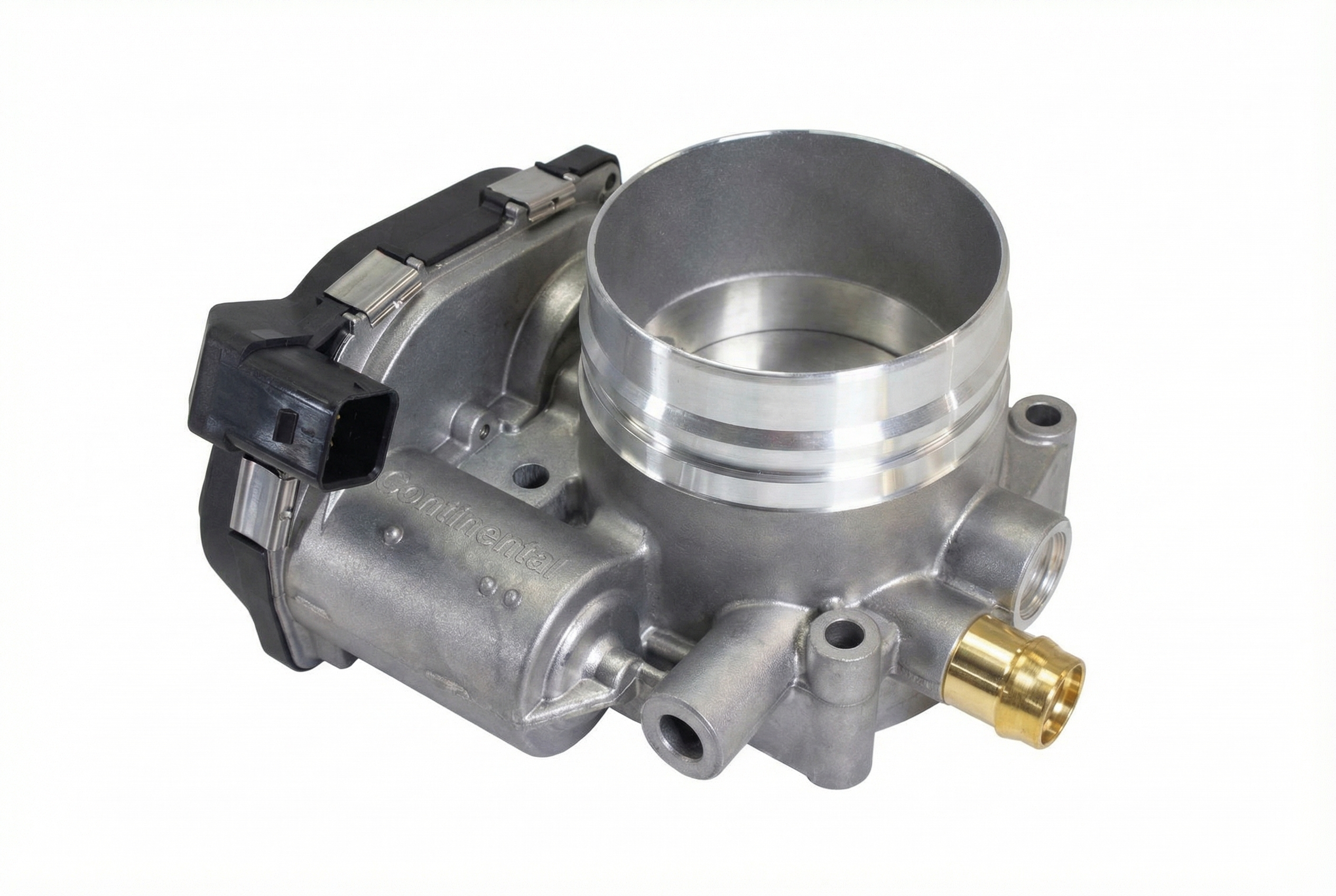
New Aftermarket Parts Available


The information in this article is provided for general reference and educational purposes only. Vehicle specifications, procedures, and part compatibility can vary by production date, trim level, and region. Always consult your vehicle's factory service manual and verify part numbers before purchasing or performing repairs. Safety-critical components such as airbags, seat belts, and braking systems should be installed by a qualified professional.
- BMW Z4:
- 🎬 Helpful Videos
- 🛍️ Shop This Part
- What's Unique About the 2009-2016 BMW Z4
- Symptoms You May Notice
- Most Likely Causes
- Rare But Worth Checking
- Diagnosis Steps
- Parts You'll Likely Need
- Related Codes That Often Appear With This One
- Technical Service Bulletins (TSBs) & Recalls
- Platform-Specific Known Issues
- Mechanic-Grade Diagnostic Values
- Hidden / Shadow Codes Worth Checking
- Scan Tool Commands That Help
- Wiring & Ground Locations
- Real Owner Repair Stories
- OEM Part Supersession History
- Model Year Variations Within This Range
- Diagnostic Flowchart
- Other Known Issues on This Vehicle
- Used vs. New Parts: Buying Guide for This Vehicle
- Real Owner Stories
- 2010 BMW Z4 sDrive35i (N54)
- BMW E89 Z4
- Related OBD-II Codes
- Frequently Asked Questions
- 🎟️ Get 5% Off