

P0442 on 2015-2020 Ford F-150 3.5L EcoBoost: Small EVAP Leak Causes and Fixes
For a 2015-2020 F-150, code P0442 is most often caused by a faulty canister purge valve located on the engine. This is a common failure item and is a relatively inexpensive and easy part to replace, typically costing between $40 and $80. The OEM part number is AU5Z-9C915-B, which has been updated to AU5Z-9C915-E.
- P0442 means the truck's computer has found a small leak in the emissions system.
- Do not assume it's a gas cap issue; these trucks are capless. First, inspect and clean the fuel filler opening.
- The most likely cause is a bad canister purge valve on the engine, which is a common and relatively simple DIY replacement. Check if you can blow air through it; if so, it's bad.
- If you also have code P1450, the purge valve is almost certainly the culprit.
- If the purge valve isn't the cause, a smoke test by a mechanic is the best way to find the leak without guessing.
- You can continue to drive the truck, but you will not pass an emissions test until the leak is fixed.
What's Unique About the 2015-2020 Ford F-150

The 2015-2020 Ford F-150 uses a capless fuel filler system, so unlike many other vehicles, a "loose gas cap" is not a possible cause. Instead, the seal on the capless filler neck itself can become dirty or fail, causing a leak. However, the most widely reported failure point on this specific platform leading to a P0442 code is the canister purge valve (also called a purge solenoid) located on the engine. This is often diagnosed alongside the Ford-specific code P1450.
Symptoms You May Notice
- Check Engine Light is on.
- A faint fuel smell, particularly around the outside of the truck.
- Slightly reduced fuel economy.
- Difficulty starting the engine, especially after refueling (this often points directly to a stuck-open purge valve).
- Rough idle.
- Difficulty fueling the truck (gas pump nozzle shuts off repeatedly). This can indicate a clogged EVAP canister or vent valve.
- Replacing the gas cap. This is a common fix for P0442 on many vehicles, but it is not applicable to the 2015-2020 F-150 as it has a capless fuel system.
Most Likely Causes

- Faulty Canister Purge Valve 🔴 High Probability The purge valve on this platform is a very common failure item. It can get stuck open or closed, or develop a leak internally. It is the most common cause of the related Ford-specific code P1450 (Unable to Bleed Up Fuel Tank Vacuum).
How to confirm: The valve is located on top of the 3.5L EcoBoost engine and is easy to access. A simple test is to remove the valve and try to blow through the inlet port. A healthy purge valve is normally closed, so if you can blow through it, it's stuck open and needs to be replaced.
Typical fix: Replace the canister purge valve. This is a straightforward job requiring basic hand tools. The most recent OEM part number is AU5Z-9C915-E.
Est. part cost: $40-$80 - Leaking or Dirty Capless Fuel Filler Neck 🟡 Medium Probability These trucks use Ford's "Easy Fuel" capless system. Debris can get caught in the seal, or the spring-loaded flap and seal can wear out over time, preventing a proper seal.
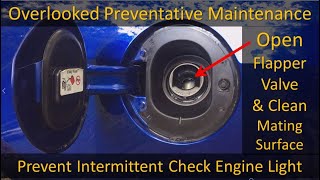
How to confirm: Visually inspect the fuel filler opening for any dirt, debris, or damage to the seal. A recommended maintenance procedure is to use compressed air to blow out any loose debris, then use the supplemental funnel that came with the truck to open and close the flap 10-20 times to dislodge anything stuck. 🎬 Watch: Simple maintenance to fix capless filler neck leaks. A light spray of WD-40 can help lubricate the seal, but should be wiped clean afterward to prevent attracting more dirt.
Typical fix: Clean the sealing surface inside the filler neck with a clean cloth and perform the maintenance procedure. If the seal is damaged or the cleaning does not resolve the issue, the entire fuel filler neck assembly must be replaced.
Est. part cost: $5-$150 - Cracked or Disconnected EVAP Hoses ⚪ Low Probability The plastic and rubber hoses in the EVAP system can become brittle over time due to heat and age, leading to small cracks. Connections can also become loose. One owner on f150forum.com chased a P0442 code after replacing several major components, only to find a vacuum line clip was missing from the connection at the intake tube, causing an intermittent leak.
How to confirm: Visually inspect all accessible EVAP lines, especially the connections at the purge valve on the engine and the charcoal canister near the fuel tank. For 2018-2019 models, Ford TSB 19-2132 specifically advises checking for loose or partially connected EVAP hoses in the engine bay as a first step for some EVAP codes. The definitive method is to have a mechanic perform a smoke test, which will force smoke through the system and reveal the exact location of any leaks. 🎬 See how a smoke machine pinpoints hidden vacuum leaks.
Typical fix: Replace the cracked hose or secure the loose connection. A smoke test is highly recommended to pinpoint the leak before replacing parts.
Est. part cost: $10-$50
Rare But Worth Checking
- Faulty EVAP Canister Vent Valve: This valve is located on or near the charcoal canister by the fuel tank. It can get stuck open or closed, particularly if the truck is driven frequently on dusty or gravel roads. A stuck-closed vent valve can also cause the P1450 code.
- Cracked Charcoal Canister: While less common for a small leak code, the plastic housing of the charcoal canister can develop hairline cracks. This is more likely if the vehicle has been subjected to physical impact from road debris. Manufacturer bulletin #SSM 49313 notes that on some Ford models, damage to the carbon canister can occur during vehicle transportation, leading to codes like P0442.
- Damaged Fuel Tank Pressure (FTP) Sensor: A faulty FTP sensor can sometimes send incorrect readings to the PCM, causing it to set an EVAP code when no leak is present. In very rare cases on some Ford vehicles, a shorted Power Steering Pressure (PSP) sensor can interfere with the FTP sensor's reference voltage, tricking the PCM into thinking there is an EVAP leak.
- Chaffing Fuel Lines: Manufacturer bulletin #TSB 25-2308 describes a condition where a chaffing or rubbing condition between the fuel vapor canister line and the air vent hose can trigger P0442.
Diagnosis Steps

- Read the code with an OBD-II scanner to confirm P0442 is the primary code present. Note if P1450 is also present, as this strongly points to the purge valve.
- Visually inspect the capless fuel filler neck for debris or damage. Clean it thoroughly and cycle the flap with the provided funnel.
- Locate the canister purge valve on the top of the engine. Inspect its hose connections for cracks or looseness. Check that all clips are present and secure.
- Test the purge valve. Disconnect it and try to blow air through the inlet port (the side coming from the EVAP canister). If air passes through, the valve is stuck open and must be replaced.
- If the purge valve and filler neck seem okay, visually inspect the EVAP hoses running from the engine to the charcoal canister (located near the fuel tank). Pay close attention to all connection points per TSB 19-2132.
- If no obvious issues are found, the most effective next step is a professional smoke test. This test will reveal the precise location of the small leak, saving time and money on replacing unnecessary parts. 🎬 Watch: Professional diagnostic steps for a P0442 small leak. NHTSA ODI #10351913 describes a case where a smoke test successfully located a severed fuel line on top of the tank that was causing the P0442 code.
Parts You'll Likely Need
- Canister Purge Valve / Solenoid
(OEM #AU5Z-9C915-B (superseded by AU5Z-9C915-E))— This is the most frequent failure point for code P0442 on the 3.5L EcoBoost F-150. It's an electromechanical valve that gets stuck open, causing a leak in the EVAP system. It is also the primary cause for the common companion code P1450.
Trusted brands: Motorcraft, Dorman, Bosch
OEM price range: $50-$80
Aftermarket price range: $30-$60 - Fuel Filler Neck Assembly — If the seal on the capless fuel filler is damaged or worn, it can cause a persistent small leak. The entire neck assembly must be replaced as the seal is not serviced separately.
Trusted brands: Motorcraft
OEM price range: $100-$150
Aftermarket price range: $70-$120
Related Codes That Often Appear With This One
- P1450 — Indicates an inability to bleed up fuel tank vacuum. This code is very commonly associated with a failing canister purge valve on Ford vehicles. If you have P0442 and P1450 together, the purge valve is the primary suspect.
- P0455 — Indicates a large EVAP leak. If both codes are present, it could point to a component that has failed completely, like a purge valve stuck wide open or a disconnected hose.
- P0456 — Indicates a very small EVAP leak. Seeing this with P0442 suggests an intermittent or borderline leak that the system is having trouble classifying.
Technical Service Bulletins (TSBs) & Recalls
- TSB 19-2132
- TSB 25-2308
- SSM 49313
Platform-Specific Known Issues
- TSB 19-2132 - Check EVAP Connections: For some 2018-2019 F-150, Expedition, and Navigator models with EcoBoost engines, Ford issued a TSB advising that EVAP codes like P04F0 and P144C can be caused by loose or partially connected EVAP hoses in the engine bay. While not specifically for P0442, the principle applies: always check for secure connections before replacing parts.
Mechanic-Grade Diagnostic Values
- Canister Purge Valve Solenoid Resistance — expected: 22 to 30 ohms. Failure: A reading outside this range, near zero (shorted), or infinite/OL (open) indicates a faulty valve.
- Canister Vent Solenoid Power Supply Voltage — expected: Battery Voltage (~12V). Failure: Significantly lower or no voltage on the specified wire points to a wiring issue, not a faulty solenoid.
- Fuel Tank Pressure (FTP) Sensor Voltage (Key On, Engine Off) — expected: ~2.6 - 2.7 Volts. Failure: A reading significantly different from this at atmospheric pressure may indicate a faulty sensor.
- FTP Sensor Voltage during IDS EVAP Test (Vacuum Phase) — expected: Drops to 0.8 Volts or less within ~1 minute. Failure: Failure to reach this voltage indicates a large leak (P0455) or a blockage preventing vacuum from being pulled.
- FTP Sensor Voltage during IDS EVAP Test (Bleed-up/Hold Phase) — expected: Voltage change of less than 0.4 Volts in 1 minute. Failure: A voltage increase of more than 0.4 Volts in 1 minute indicates a small leak has been detected (P0442).
Scan Tool Commands That Help
- Ford IDS (or FORScan): EVAP System Test (On-Demand Self-Test) — This is a comprehensive, automated test to verify the integrity of the entire EVAP system. The PCM commands the purge and vent valves to seal the system, pulls a vacuum, and monitors the FTP sensor for decay. It can confirm if a leak is present at the time of testing.
- High-end bidirectional scanner (e.g., Autel, XTOOL, FORScan): Canister Vent (CV) Solenoid On/Off Command — Use this command to manually close the normally-open vent valve. This is essential for sealing the EVAP system before performing a smoke test, allowing you to test the valve's function and the system's integrity simultaneously.
Wiring & Ground Locations
- Canister Vent Solenoid Connector — On the EVAP charcoal canister, located near the fuel tank.. The power supply wire, typically Yellow with a Red stripe (YE-RD), should have constant battery voltage with the key on. A lack of voltage here would set a circuit code (like P0446) but could be misdiagnosed during P0442 checks.
- Canister Purge Valve Connector — On top of the 3.5L EcoBoost engine, near the throttle body.. The wires at this connector can become brittle from engine heat and break, causing a circuit fault. The connector pigtail is available as Ford part WPT1274 if the connector or wires are damaged.
Real Owner Repair Stories
- f150forum.com Thread: 'P0442 at my wits end' (2018 F-150 Platinum 3.5L EcoBoost) — Persistent P0442 Check Engine Light. No performance issues or fuel smells.
❌ Tried (didn't work) Replaced charcoal canister and vent valve (for initial P0451/P1450 codes)., Replaced canister purge valve., Paid a shop to replace the Fuel Tank Pressure (FTP) sensor., Paid shop for a full system smoke test which found no leaks.
✅ What actually fixed it Owner discovered a missing retaining clip on the vacuum line where it connects from the purge valve to the intake tube. Replacing the small clip secured the connection and finally resolved the P0442 code. - NHTSA ODI #11540072 — An owner reported that their check engine light came on due to code P0442, which was caused by a faulty purge valve.
- NHTSA ODI #10852382 — A Ford owner reported a P0442 code where the scent of gas was present; they attempted to change the fuel cap, but the issue remained.
"I Checked Everything" — The Actual Cause
- In one documented case for a 2018 3.5L EcoBoost, a professional smoke test failed to find any leaks. The root cause was later found to be a missing clip on the vacuum line between the purge valve and the intake. It's possible the low pressure of a smoke test was not enough to reveal the leak at the un-clipped connection, which would only become apparent under engine vacuum. This highlights the importance of physically verifying all hose connections, not just relying on a smoke test.
OEM Part Supersession History
AU5Z-9C915-B→AU5Z-9C915-E— Standard part revision and improvement over time. The part has gone through several iterations including -A, -B, -C, and -D.
Heads up: All versions (-A through -E) are physically and functionally interchangeable for this application. The latest version, AU5Z-9C915-E, is the recommended service part.
Model Year Variations Within This Range
- 2015-2020: The vapor canister part number differs depending on whether the truck is equipped with the standard range or extended range fuel tank. This is critical to check before ordering a replacement canister, though it does not affect the diagnosis of the P0442 code itself.
- 2017-2020: The 3.5L EcoBoost engine was updated to a second generation starting in the 2017 model year. While the primary EVAP components like the purge valve remained common failure items with similar part numbers, the routing of hoses and specific locations of some components may vary slightly from the 2015-2016 models.
Diagnostic Flowchart

Real Owner Stories
Aggregated from forums and TSBs cited above. Mileages and costs reflect what owners reported in those sources.
2016 F-150
Symptoms: Check engine light with P0442, gas gauge went 'crazy', occasional 'Check Fuel Inlet' message.
What fixed it: Replaced the EVAP Purge Valve.
Source hint: Reddit thread titled 'Evap code p0442'
2017 F-150 3.5L V6
Symptoms: Evap System Leak (Large Leak) reading.
What fixed it: Cleaned the capless gas tank inlet, which helped for about 3 months before the reading returned.
Source hint: Ford F150 Forum
2018 F-150 3.5L EcoBoost
Symptoms: Persistent P0442 code that remained after replacing the charcoal canister, vent valve, purge valve, and FTP sensor.
What fixed it: Discovered a missing clip on the vacuum line between the purge valve and the intake tube, causing an intermittent leak.
Source hint: f150forum.com Thread: 'P0442 at my wits end'
Ford F-150 (Capless Fuel Filler)
Symptoms: P0442 code triggered by a dirty capless fuel filler.
What fixed it: Thorough cleaning of the filler neck opening.
Source hint: f150forum.com Thread: 'Capless Fuel Filler - P0442'
Related OBD-II Codes
Frequently Asked Questions
Does TSB 19-2132 apply to my F-150's P0442 code?
How do I test the canister purge valve on my 3.5L EcoBoost?
Why is my F-150 hard to start after getting gas?
How do I clean the 'Easy Fuel' capless filler neck?
I have both P0442 and P1450 codes. What does this mean?
Are other Ford vehicles affected by this same purge valve issue?
Helpful Videos
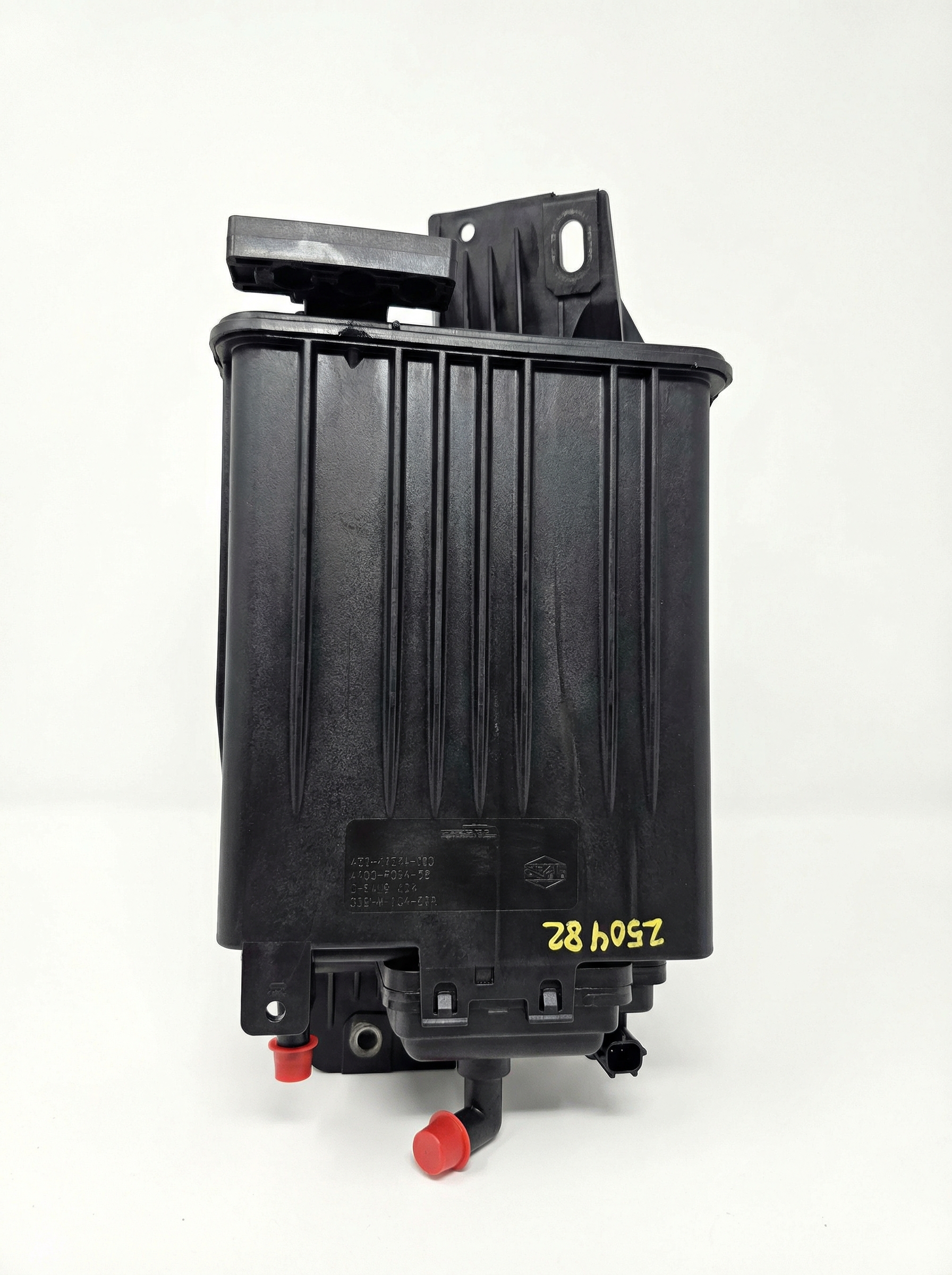
Used OEM Parts in Stock

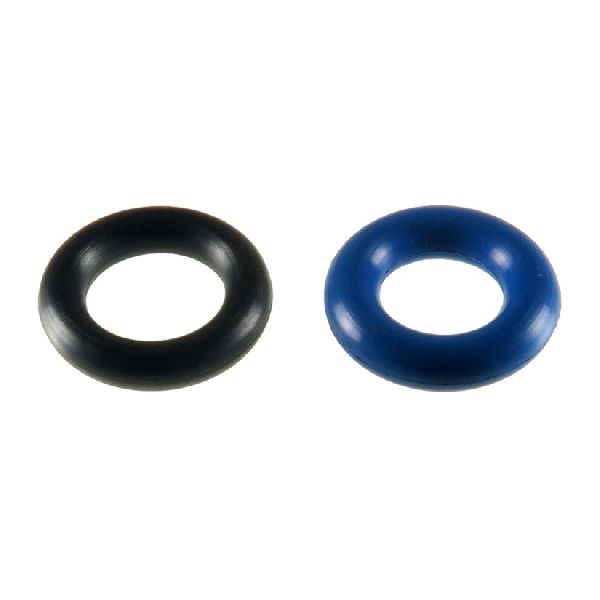
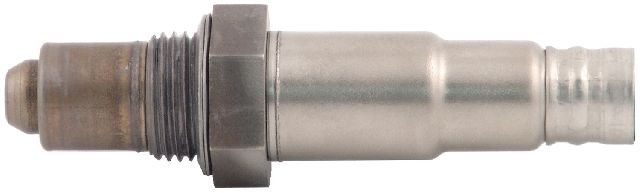
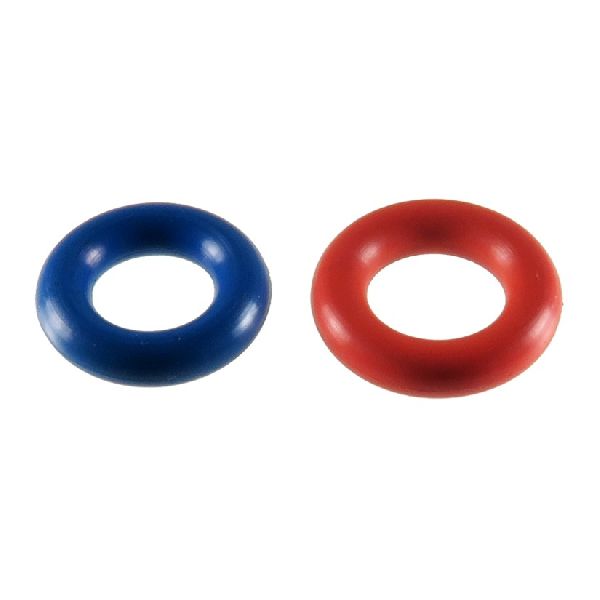
New Aftermarket Parts Available


The information in this article is provided for general reference and educational purposes only. Vehicle specifications, procedures, and part compatibility can vary by production date, trim level, and region. Always consult your vehicle's factory service manual and verify part numbers before purchasing or performing repairs. Safety-critical components such as airbags, seat belts, and braking systems should be installed by a qualified professional.
- Ford F-150:
- 🎬 Helpful Videos
- 🛍️ Shop This Part
- What's Unique About the 2015-2020 Ford F-150
- Symptoms You May Notice
- Most Likely Causes
- Rare But Worth Checking
- Diagnosis Steps
- Parts You'll Likely Need
- Related Codes That Often Appear With This One
- Technical Service Bulletins (TSBs) & Recalls
- Platform-Specific Known Issues
- Mechanic-Grade Diagnostic Values
- Scan Tool Commands That Help
- Wiring & Ground Locations
- Real Owner Repair Stories
- "I Checked Everything" — The Actual Cause
- OEM Part Supersession History
- Model Year Variations Within This Range
- Diagnostic Flowchart
- Real Owner Stories
- 2016 F-150
- 2017 F-150 3.5L V6
- 2018 F-150 3.5L EcoBoost
- Ford F-150 (Capless Fuel Filler)
- Related OBD-II Codes
- Frequently Asked Questions
- 🎟️ Get 5% Off