

P0441 on 2004-2008 Chrysler Pacifica: EVAP Incorrect Purge Flow Causes and Fixes
This code usually points to a faulty EVAP purge solenoid/valve located in the engine bay. It's a relatively inexpensive part ($30-$60) and a common DIY fix. Before replacing parts, inspect all vacuum hoses for cracks, especially those connected to the purge valve. A loose gas cap is a less likely cause for this specific code but is simple to check.
- P0441 means the EVAP system's purge flow isn't working correctly, and it's not a code for a simple leak.
- The most likely culprit is a bad EVAP purge solenoid in the engine bay; it's a good starting point for diagnosis.
- Thoroughly inspect all vacuum hoses for cracks or disconnections, as this is a common and inexpensive fix.
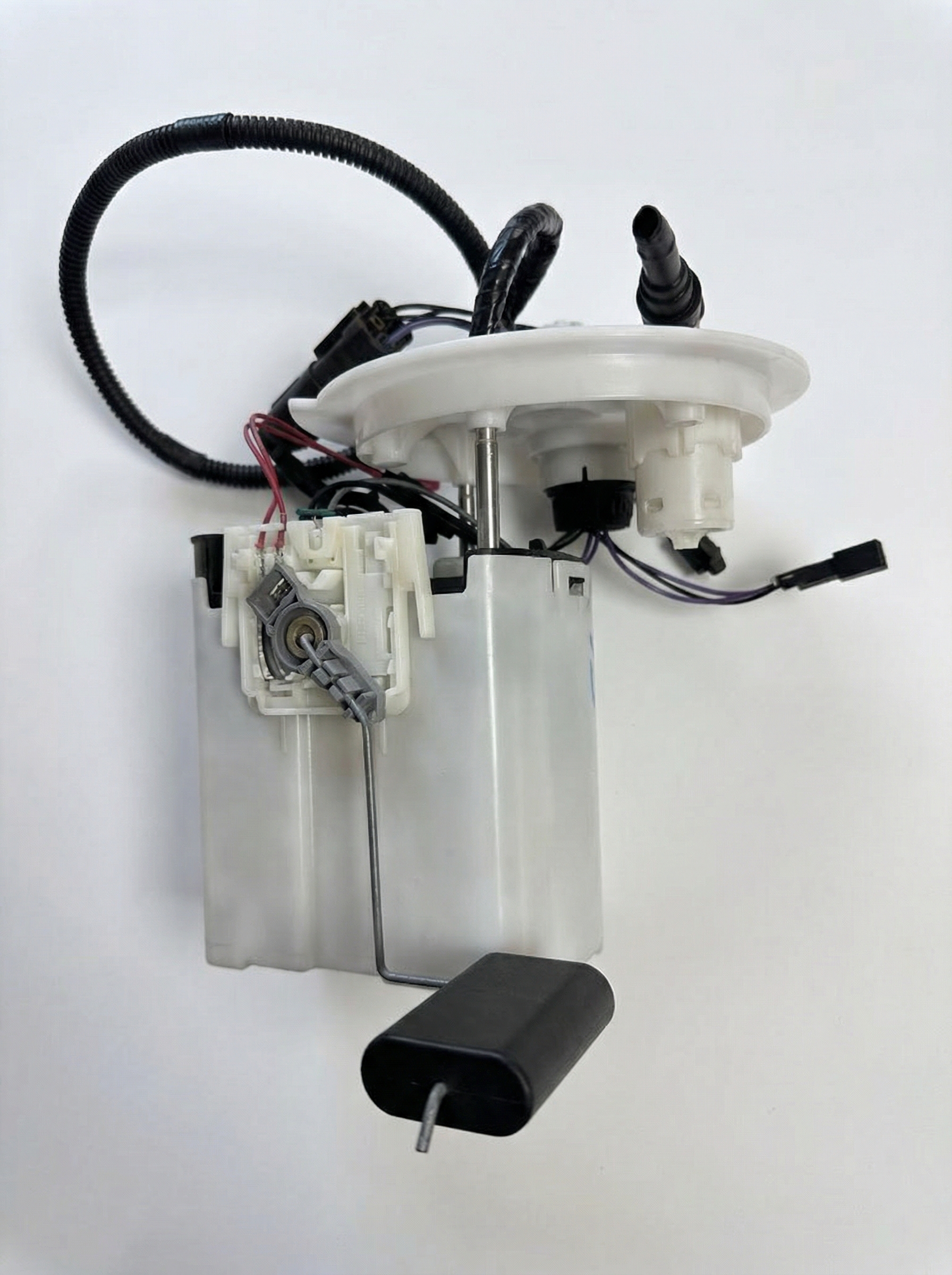
- Be aware of the known Pacifica issue where a hose shrinks and breaks a nipple on the fuel pump module, which is a more involved repair.
- If you have a 2005-2006 model, check if your vehicle had the PCM software update recall performed.
What's Unique About the 2004-2008 Chrysler Pacifica
The first-generation Pacifica (2004-2008) uses a Natural Vacuum Leak Detection (NVLD) system for most of its run to test the EVAP system. The P0441 code is triggered if the NVLD switch doesn't close as expected when the purge solenoid is opened, indicating a lack of vacuum flow. 🎬 Watch: A quick overview of P0441 causes and symptoms. For the 2007-2008 model years, Chrysler began transitioning to an Evaporative System Integrity Monitor (ESIM), which performs a similar function but operates differently. While the purge valve is a common failure point, this platform is also known for EVAP hoses shrinking over time, which can cause stress and cracks on plastic fittings, particularly on the fuel pump module, leading to various EVAP system problems. This specific issue is frequently discussed in owner forums.
Symptoms You May Notice
- Check Engine Light is on
- A faint smell of fuel (less common)
- Slightly reduced fuel economy
- Difficulty starting immediately after refueling (if purge valve is stuck open)
- Rough idle (less common)
- Replacing the gas cap when the issue is a cracked hose or faulty valve.
- Replacing O2 sensors, which are not directly related to the EVAP system's purge flow test.
Most Likely Causes
- Faulty EVAP Purge Solenoid/Valve 🔴 High Probability This is a common failure point on most vehicles, including Chrysler models. The solenoid can get stuck open, stuck closed, or fail electrically, preventing the correct vapor flow.
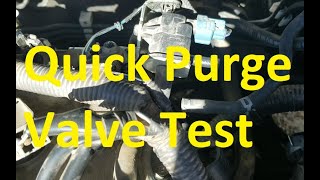
How to confirm: With the engine off, disconnect the electrical connector and the two hoses. Try to blow through the solenoid; it should be closed and not allow air to pass. Apply 12V power to its pins; it should click open and allow air to pass. If it fails either test, it's faulty. The valve is located in the engine bay, mounted with a rubber grommet. 🎬 See this walkthrough on replacing the Pacifica purge control valve.
Typical fix: Replace the purge solenoid. It is typically located in the engine bay with two hoses and an electrical connector. The Mopar part number is often 04627694AB.
Est. part cost: $30-$60 - Cracked or Disconnected EVAP Vacuum Hoses 🟡 Medium Probability Rubber hoses become brittle and crack with age and heat cycles. This is a common issue on older vehicles. Even a small crack can prevent the system from building the vacuum needed for the purge test.
How to confirm: Visually inspect all vacuum lines connected to the purge solenoid and running to the charcoal canister at the rear of the vehicle. Pay close attention to bends and connection points. A smoke test is the most effective way to find small, hard-to-see leaks.
Typical fix: Replace the cracked section of hose. Small cracks can sometimes be temporarily sealed, but replacement is the correct long-term fix.
Est. part cost: $5-$25 - Cracked Nipple on Fuel Pump Module 🟡 Medium Probability A well-documented issue on this platform is the EVAP hose that runs across the top of the fuel tank shrinking over time. This tension can crack or break the plastic nipple on the fuel pump assembly it connects to, causing a major vacuum leak. This is a widely discussed topic on Chrysler forums.
How to confirm: This is difficult to confirm without lowering the fuel tank for a visual inspection. It is often diagnosed after other, easier-to-access components have been checked. This issue typically throws large leak codes (P0455) but can also cause a P0441 if the system cannot build any vacuum for the purge test.
Typical fix: The official fix is to replace the entire fuel pump module, which is expensive. Some owners have successfully repaired the nipple with strong epoxy or modified the hose to relieve tension.
Est. part cost: $300-$500 for a new fuel pump module
Rare But Worth Checking
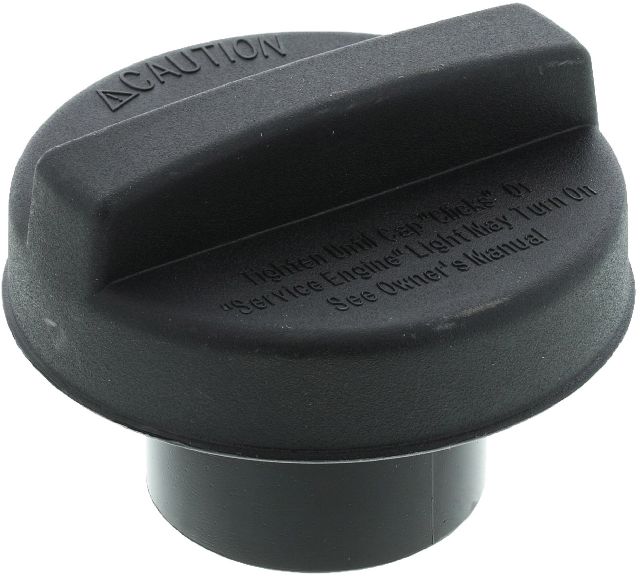
- Faulty Gas Cap: While a bad gas cap usually causes a small leak code (P0456), it's an inexpensive and easy item to check or replace first before moving to more complex diagnostics. An original equipment (OEM) cap is often recommended for best fit.
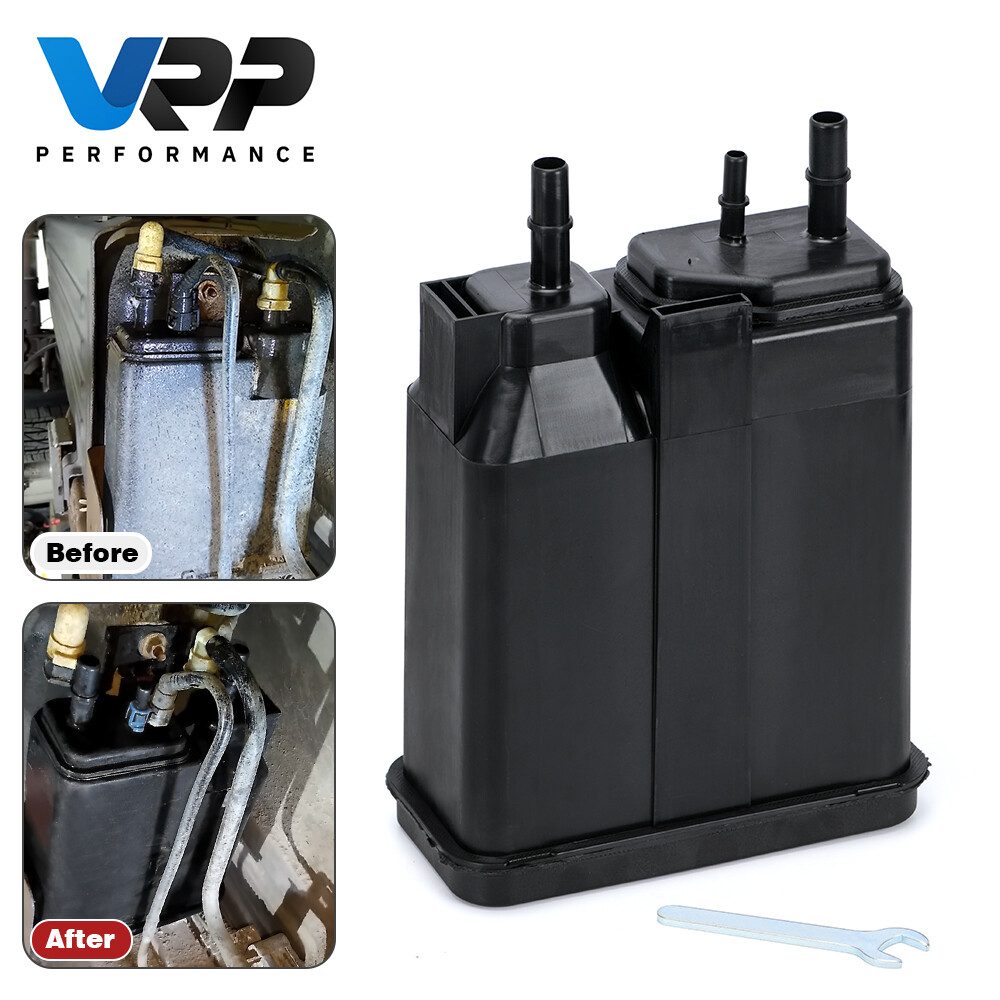
- Clogged Charcoal Canister: If you frequently 'top off' your fuel tank after the pump clicks off, liquid gasoline can saturate the charcoal canister. This can block flow or send charcoal pellets into the EVAP lines, clogging the purge valve. If you find black pellets in the purge valve hoses, the canister needs to be replaced.
- Faulty EVAP System Integrity Monitor (ESIM) / NVLD Switch: This switch is what the computer uses to confirm purge flow is happening. If the switch itself is faulty, it can incorrectly report a flow problem. It is located on the charcoal canister.
- PCM Software Issue: A recall (NHTSA ID: 06V432000) was issued for some 2005-2006 models for an EVAP system software problem that could cause stalling. It's worth checking with a dealer if your VIN is affected and if any software updates are available.
Diagnosis Steps
- Check the gas cap. Ensure it is tight and the seal is not cracked or worn. A loose cap is a common cause of EVAP issues, though less so for P0441 specifically.
- Visually inspect the engine bay. Look for any obvious cracks, breaks, or disconnections in the vacuum hoses around the EVAP purge solenoid.
- Locate and test the EVAP purge solenoid. It's usually on or near the engine's intake manifold. With the engine off, disconnect it and try to blow through it; it should be closed. Apply 12V power and it should click and open.
- Inspect the hoses running to the rear. Trace the EVAP lines from the engine bay back to the charcoal canister (located near the fuel tank) for any visible damage.
- If no obvious faults are found, a smoke test is the next step. This involves injecting smoke into the EVAP system to easily see where leaks are present.
- If leaks are present near the fuel tank, carefully lower the tank to inspect the hoses and the top of the fuel pump module for the common cracked nipple issue.
- If no leaks are found, the problem may be the ESIM/NVLD switch on the canister or, in rare cases, the PCM itself.
Parts You'll Likely Need
- EVAP Purge Solenoid / Valve
(OEM #04627694AB)— This is the most common mechanical failure point that directly causes an incorrect purge flow reading.
Trusted brands: Mopar, Dorman (911-210), Standard Motor Products (CP428)
OEM price range: $50-$80
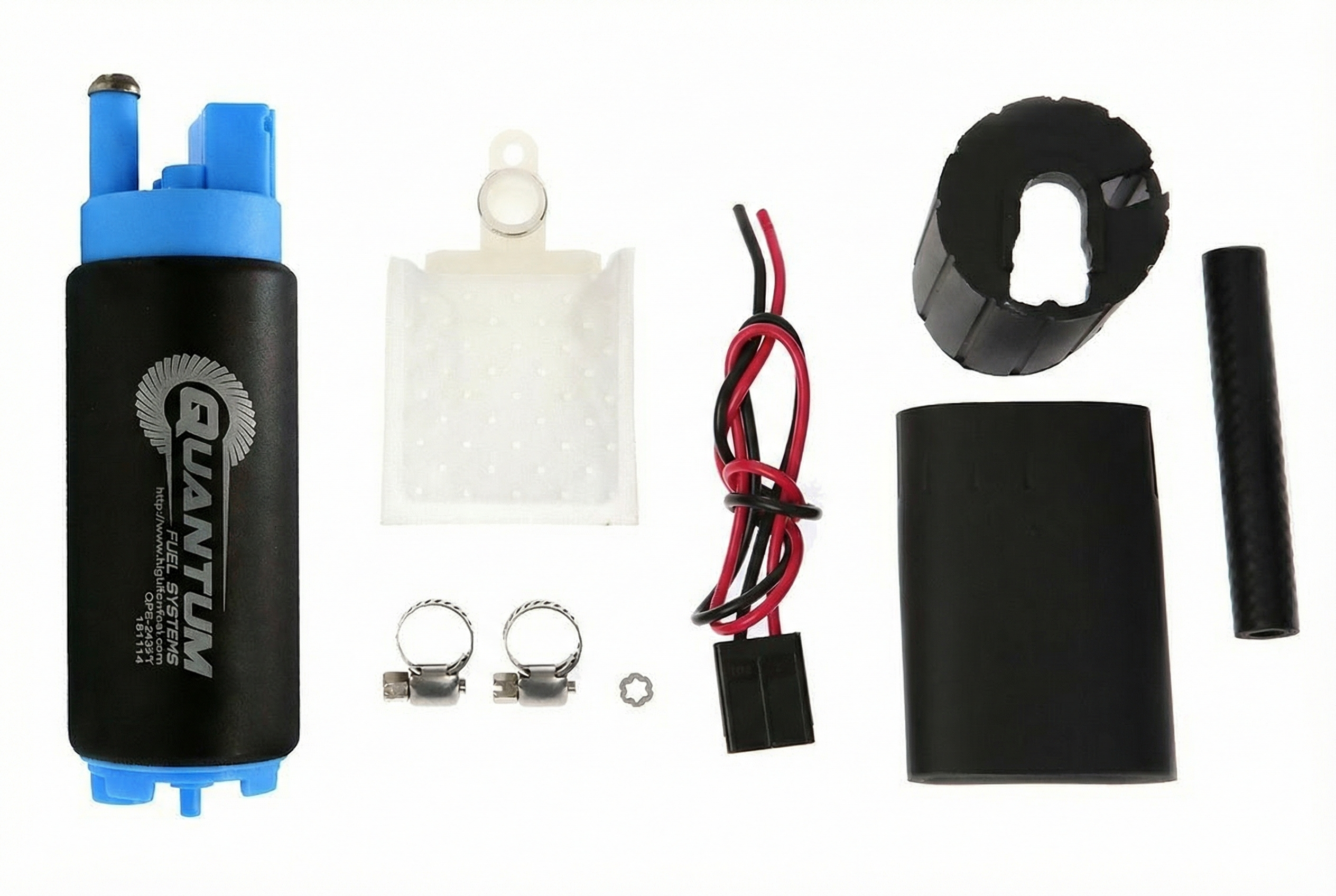
Aftermarket price range: $30-$60 - Fuel Pump Module Assembly — Required if the plastic nipple for the EVAP line is found to be cracked, a known issue on this vehicle. The nipple is part of the module and not sold separately.
Trusted brands: Mopar, Delphi, Bosch
OEM price range: $400-$550
Aftermarket price range: $250-$400 - EVAP Vacuum Hose — Hoses crack over time due to heat and age, causing vacuum leaks that prevent proper purge flow.
OEM price range: $15-$40
Aftermarket price range: $5-$20
Related Codes That Often Appear With This One
- P0455 — Indicates a large EVAP leak. If a major hose is disconnected or the fuel pump nipple is broken, you may get both a leak code and an incorrect flow code.
- P0456 — Indicates a small EVAP leak. A small crack in a hose could potentially trigger both a leak code and affect the purge flow test.
Platform-Specific Known Issues
- A known weak point is the EVAP line connection on the fuel pump module. The hose can shrink and put tension on the plastic nipple, causing it to crack and create a large leak that can interfere with the purge cycle test.
- Recall 06V432000 was issued for 2005-2006 models for a PCM software update related to the EVAP system, which could cause engine stalling.
Mechanic-Grade Diagnostic Values
- EVAP Purge Solenoid Coil Resistance — expected: 14 to 18 Ohms. Failure: A reading significantly outside this range, or an open circuit (infinite resistance), indicates a failed solenoid coil.
- EVAP Purge Solenoid Control Circuit Voltage — expected: The PCM supplies a pulse-width modulated ground to control the solenoid. One wire should have 12V+ with the key on. The other wire (control) will show varying voltage when the solenoid is active.. Failure: No 12V supply indicates a wiring or fuse issue. A constantly grounded control wire with the key on could indicate a shorted driver in the PCM.
- NVLD Switch State (Scan Tool) — expected: The switch should read 'Open' normally. During a purge cycle test, as vacuum builds, the switch should change to 'Closed'.. Failure: If the switch does not close when the purge solenoid is commanded open and vacuum is present, the switch is likely faulty. If it never opens, it may be stuck.
Scan Tool Commands That Help
- Chrysler DRB III / StarSCAN / wiTECH: EVAP System Test / Purge Solenoid Actuation — This bidirectional command allows a technician to manually activate the purge solenoid and monitor the NVLD/ESIM switch response on the scan tool's live data. This directly tests the functionality of the solenoid and the system's ability to detect flow, confirming if the solenoid is stuck, the switch is bad, or if there's a blockage preventing flow.
Wiring & Ground Locations
- G102 — On the left side of the engine compartment, near the Powertrain Control Module (PCM).. This is a primary ground for the PCM. A poor connection here can cause erratic behavior from the PCM, including incorrect operation of the purge solenoid driver circuit.
- G201 — Behind the left side of the dashboard.. This ground serves various interior components and modules. While less direct, a poor ground here can introduce electrical noise that may affect module communication related to emissions systems.
- G301 — At the base of the right 'B' pillar, near the fuel tank area.. This is a critical ground for components located at the rear of the vehicle, including the fuel pump module and potentially the NVLD/ESIM assembly. A corroded or loose G301 can cause incorrect readings from the fuel pump or EVAP monitor.
- Purge Solenoid Connector — On the EVAP purge solenoid in the engine bay.. One pin is the 12V feed (often Dark Green/Light Green). The other is the control wire from the PCM (often Brown/White). Checking for 12V and a pulsed ground signal here is the definitive electrical test for the circuit.
Real Owner Repair Stories
- pacificaforums.com user (2005 Chrysler Pacifica) — Check Engine Light with code P0441.
❌ Tried (didn't work) Replaced the EVAP purge solenoid., Replaced the gas cap.
✅ What actually fixed it After the initial parts replacements failed, a smoke test was performed. It revealed a crack in a small rubber elbow hose connecting to the charcoal canister at the rear of the vehicle. Replacing the cracked elbow resolved the code. - chryslerforum.com user (Chrysler Pacifica (year not specified, but within range)) — P0441 code.
❌ Tried (didn't work) Initial diagnosis pointed towards the purge solenoid.
✅ What actually fixed it The owner found that the plastic nipple on the top of the fuel pump assembly, where an EVAP hose connects, had broken off. This was attributed to a shrinking EVAP hose putting tension on the fitting. The final fix was replacing the entire fuel pump module.
"I Checked Everything" — The Actual Cause
- In some cases, a smoke test may not reveal a leak, but the P0441 code persists. This can be caused by an intermittent failure of the purge solenoid itself. The solenoid may test correctly when cold (passes a resistance check and a 12V click test) but begins to stick internally once it reaches operating temperature in the engine bay. The failure only occurs during the PCM's purge flow monitor test while driving, making it difficult to diagnose in a workshop setting without a long test drive or heating the component.
OEM Part Supersession History
04627694AB→4627694AC, 4627694AD— Standard part revision and improvement by the manufacturer.
Heads up: These parts are generally interchangeable for this application. However, always verify fitment with the vehicle's VIN, as minor changes to connector orientation or hose fittings can occur between revisions.4861962AA (ESIM)→4861962AB— Part revision for the ESIM used on 2007-2008 models.
Heads up: This part is specific to the later model years of this platform that use the ESIM system instead of the NVLD system.
Model Year Variations Within This Range
- 2004-2006: These years primarily use the Natural Vacuum Leak Detection (NVLD) system for EVAP testing. This system uses a dedicated solenoid and switch assembly to monitor vacuum changes as the fuel tank cools.
- 2007-2008: These later years transitioned to the Evaporative System Integrity Monitor (ESIM). The ESIM is a simpler, gravity-and-diaphragm-operated switch mounted on the canister that serves as both a vent and a leak-check device, replacing the more complex NVLD assembly. While both systems can set a P0441, the diagnostic component at the canister is different.
Diagnostic Flowchart
Other Known Issues on This Vehicle
Issues unrelated to this code that are worth knowing about as an owner of this generation:
- Engine Cradle / Subframe Rust 🔴 High — Very common, especially in 'salt belt' states. Can become structurally unsafe, with reports of the engine shifting or dropping. Often appears after 8-10 years. (Ref: Chrysler issued warranty extensions and TSBs, but they were controversially limited to specific build dates (e.g., a six-week period in 2004), leaving many owners without coverage.)
- Premature Engine Mount Failure 🟠 Medium — Common issue, particularly with the 4.0L AWD models. Owners report recurring failures and that some models were built without a necessary transmission torque mount. Symptoms include clunking on acceleration/deceleration and excessive vibration.
- Engine Ticking Noise (Rocker Arm Shaft) 🟠 Medium — A well-documented problem on the 3.5L, 3.8L, and 4.0L V6 engines, typically appearing around 100,000 miles. Caused by a broken retaining pin on the rocker arm shaft, leading to improper oiling.
- Carbon Buildup on Valves 🟡 Low — Affects the 3.5L and 4.0L V6 engines at higher mileage (around 130,000 miles), causing misfire codes and rough running. Requires combustion chamber cleaning service.
- Static Discharge Affecting Seat/Pedal Memory 🟡 Low — Reported in 2004-2008 models around 106,000 miles. Static discharge or wiring issues can cause the power seat memory, seat heaters, and adjustable pedals to malfunction intermittently. Chrysler released updated seat modules to address this.
Used vs. New Parts: Buying Guide for This Vehicle
When a used part is the smart pick: A used Fuel Pump Module from a junkyard is a reasonable choice if the plastic EVAP nipple is confirmed to be intact and undamaged. Given the high cost of a new OEM module ($400+), a used part from a low-mileage donor can be a significant cost-saver.
Donor-vehicle mileage cap: roughly under 80000 miles for the part to have meaningful remaining life.
What to inspect on the donor part:
- For a Fuel Pump Module, physically inspect the top of the unit. Ensure the plastic nipple for the EVAP hose is not cracked, brittle, or showing stress marks.
- Check that the electrical connector pins are clean and free of corrosion.
- Ask for the mileage of the donor vehicle; lower is always better for a fuel pump.
OEM-only on this vehicle (don't cheap out):
- Gas Cap: Aftermarket gas caps are notoriously problematic and often do not seal correctly, leading to persistent EVAP codes. It is strongly recommended to use an OEM Mopar gas cap.
Aftermarket brands forum-validated for this vehicle:
- Purge Solenoid: Dorman and Standard Motor Products (SMP) are widely available and generally considered reliable alternatives to OEM for this part.
- Fuel Pump Module: If a new module is needed and OEM is too costly, brands like Delphi and Bosch are reputable Tier 1 suppliers with a history of quality.
Brands owners have reported issues with on this vehicle:
- Avoid unbranded, 'white-box' electronic parts like purge solenoids or fuel pumps from online marketplaces. Failure rates are high, and they often do not perform to OEM specifications, causing the code to return.
Real Owner Stories
Aggregated from forums and TSBs cited above. Mileages and costs reflect what owners reported in those sources.
2005 Chrysler Pacifica
Symptoms: Check Engine Light came on. The owner noted the light appeared when going over a bump on the highway, though freeze frame data showed the vehicle at 0 mph and 700 RPM.
What fixed it: The owner questioned if a recent PCM and BCM update caused the issue; a final fix was not confirmed, but the diagnostic process involved checking the gas cap and resetting the code.
Source hint: Chrysler Forum (chryslerforum.com) thread titled 'P0441 EVAP code (EVAP Purge System Performance)'
Related OBD-II Codes
Frequently Asked Questions
Is there a recall for the EVAP system on my 2005 Chrysler Pacifica?
I'm seeing P0441 and P0455; could this be related to the fuel tank?
Where is the EVAP purge solenoid located on the Pacifica, and what is the part number?
Why does my Pacifica have trouble starting only after I fill up the gas tank?
Can I just replace the gas cap to fix a P0441 on this vehicle?
Is the P0441 code related to the NVLD switch mentioned in Chrysler forums?
Helpful Videos

Used OEM Parts in Stock

New Aftermarket Parts Available


The information in this article is provided for general reference and educational purposes only. Vehicle specifications, procedures, and part compatibility can vary by production date, trim level, and region. Always consult your vehicle's factory service manual and verify part numbers before purchasing or performing repairs. Safety-critical components such as airbags, seat belts, and braking systems should be installed by a qualified professional.
- Chrysler Pacifica:
- 🎬 Helpful Videos
- 🛍️ Shop This Part
- What's Unique About the 2004-2008 Chrysler Pacifica
- Symptoms You May Notice
- Most Likely Causes
- Rare But Worth Checking
- Diagnosis Steps
- Parts You'll Likely Need
- Related Codes That Often Appear With This One
- Platform-Specific Known Issues
- Mechanic-Grade Diagnostic Values
- Scan Tool Commands That Help
- Wiring & Ground Locations
- Real Owner Repair Stories
- "I Checked Everything" — The Actual Cause
- OEM Part Supersession History
- Model Year Variations Within This Range
- Diagnostic Flowchart
- Other Known Issues on This Vehicle
- Used vs. New Parts: Buying Guide for This Vehicle
- Real Owner Stories
- 2005 Chrysler Pacifica
- Related OBD-II Codes
- Frequently Asked Questions
- 🎟️ Get 5% Off