

P0430 on 2013-2020 Ford Fusion 2.5L: A Guide to a Confusing Code
P0430 means 'Catalyst Efficiency Below Threshold (Bank 2)', but the 2.5L inline-four engine only has one bank (Bank 1). The correct code for this issue should be P0420. If you see P0430, double-check your scan tool. The problem is almost always a failing catalytic converter (which is integrated with the exhaust manifold) or a bad downstream oxygen sensor.
- P0430 should not appear on a 2.5L Fusion; the correct code is P0420. If you see P0430, verify with another scan tool.
- The most likely causes for this issue are a failed catalytic converter or a faulty downstream O2 sensor.
- Always diagnose before replacing parts. Check for exhaust leaks and analyze O2 sensor data with a scan tool before buying an expensive catalytic converter.
- An underlying engine issue like a misfire or fuel problem can destroy a new catalytic converter, so ensure the engine is in good health.
What's Unique About the 2013-2020 Ford Fusion
The most significant issue with a P0430 code on this platform is that it should not occur. The 2.5L i-VCT engine is an inline-four, possessing only a single exhaust bank (Bank 1). The diagnostic trouble code for catalyst inefficiency on this engine is P0420. The appearance of P0430 strongly suggests a misreading by the diagnostic tool or a software anomaly. All diagnosis and repair should follow the procedure for a P0420 code on this vehicle.
Symptoms You May Notice
- Check Engine Light is on
- Possible decrease in fuel economy
- Reduced engine power or sluggish acceleration
- A 'rotten egg' or sulfur smell from the exhaust
- Failure to pass a state emissions inspection
- Searching for 'Bank 2' components on the vehicle, which do not exist.
- Immediately replacing the catalytic converter without first testing the downstream O2 sensor, which is a cheaper and easier part to replace.
- Replacing the O2 sensor and converter without first checking for exhaust leaks between the engine and the converter.
- Using a cheap, low-quality aftermarket catalytic converter, which may not have enough precious metals to satisfy the PCM's efficiency test, causing the code to return.
Most Likely Causes
- Failing Catalytic Converter 🔴 High Probability Catalytic converters have a finite lifespan and degrade over time. On the 2.5L Fusion, the primary converter is integrated into the exhaust manifold assembly. Contamination from burning oil (e.g., from a leaky valve cover gasket or failing PCV system) or persistent engine misfires can accelerate failure.
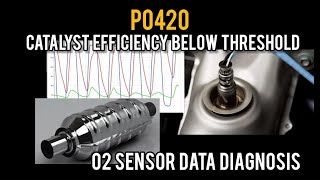
How to confirm: After ruling out other causes, a mechanic can use an infrared thermometer to measure the temperature of the exhaust pipe before and after the converter. A good converter should be significantly hotter at the outlet than the inlet. Alternatively, graphing O2 sensor data with a scan tool is definitive. 🎬 Watch: How to diagnose catalyst efficiency using O2 sensor data. The downstream O2 sensor voltage mimicking the upstream sensor's switching pattern indicates a failed converter.
Typical fix: Replace the exhaust manifold/catalytic converter assembly.
Est. part cost: $500-$1200 - Faulty Downstream Oxygen (O2) Sensor 🟡 Medium Probability O2 sensors are wear items and can become 'lazy' or biased, sending incorrect data to the PCM and falsely triggering a catalyst code. It is a much cheaper part to replace first before condemning the converter. 🎬 See this guide on replacing upstream and downstream O2 sensors.
How to confirm: Use a scan tool with live data graphing. A healthy downstream O2 sensor (Bank 1, Sensor 2) should show a relatively steady, flat voltage (around 0.6-0.8V) when the engine is warm and at a steady cruise. If it's switching rapidly like the upstream sensor, the converter is likely bad. If the sensor is stuck high or low, or responds very slowly, the sensor itself is likely faulty.
Typical fix: Replace the downstream oxygen sensor (Bank 1, Sensor 2).
Est. part cost: $50-$150 - Exhaust System Leak ⚪ Low Probability Rust and corrosion can cause leaks at gaskets or in the pipes of the exhaust system, particularly at the exhaust manifold gasket or the flex pipe connection. A leak before or near the O2 sensors can introduce extra oxygen, skewing sensor readings and triggering the code.
How to confirm: Perform a visual inspection for rust, cracks, or black soot marks around exhaust connections. A professional smoke test is the most effective way to pinpoint small, hard-to-see leaks.
Typical fix: Replace the leaking gasket or section of exhaust pipe.
Est. part cost: $20-$250
Rare But Worth Checking
- Engine Misfires or Fuel System Issues: An underlying engine problem (like a fouled spark plug, leaking fuel injector, or faulty electronic throttle body) can create a rich or lean condition that damages the catalytic converter over time. One owner on a forum noted a repeatedly fouling spark plug in cylinder 1 preceded their P0420 code. Always check for other codes (e.g., P030x for misfires, P2111/P2112 for throttle body) and resolve them first.
Diagnosis Steps
- Verify the code. Scan the vehicle again, preferably with a different, high-quality scan tool, to confirm if the code is P0430 or the more likely P0420.
- Check for other DTCs. Address any misfire (P030x), fuel system, or O2 sensor codes first, as they can cause the catalyst code. In extreme cases, as noted in NHTSA ODI #11098402, a P0430 can appear alongside a multitude of timing and fuel trim codes (P0011, P0172, P0175) when there are internal engine mechanical issues.
- Inspect the exhaust system. Visually and audibly inspect for any cracks, holes, or gasket leaks from the exhaust manifold back to the post-catalyst O2 sensor. Pay close attention to the manifold-to-head gasket and the flex pipe.
- Analyze O2 sensor data. Use a scan tool capable of graphing live data. Warm up the engine completely. At a steady 2000-2500 RPM, observe the upstream O2 sensor (B1S1) and downstream O2 sensor (B1S2).
- The upstream sensor (B1S1) should fluctuate rapidly between approximately 0.1V and 0.9V.
- A healthy downstream sensor (B1S2) should show a much steadier, flatter voltage, typically above 0.5V.
- If the downstream sensor's graph mimics the upstream sensor's rapid switching, the catalytic converter is not storing oxygen and has failed.
- If the downstream sensor appears stuck or unresponsive, test the sensor itself before condemning the converter.
- Check Fuel Trims. Review short-term and long-term fuel trims. Consistently high positive or negative numbers can indicate an underlying engine issue that could be damaging the converter.
- If all other components test good and there are no leaks, the catalytic converter is the faulty component.
Parts You'll Likely Need
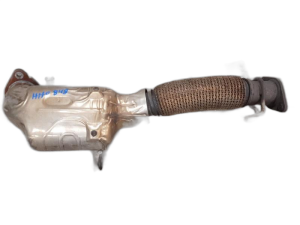
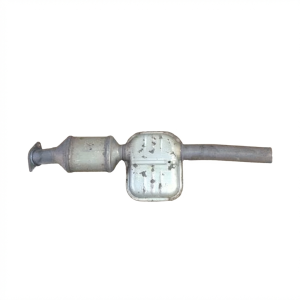
- Catalytic Converter Assembly (with integrated Exhaust Manifold)
(OEM #DG9Z-5E212-J, DG9Z-5E212-K, GG9Z5G232A (Verify with VIN at dealer as multiple parts exist))— This is the most common ultimate failure for a catalyst efficiency code. On the 2.5L Fusion, it is a single unit combined with the exhaust manifold.
Trusted brands: Motorcraft (OEM), Walker Exhaust, MagnaFlow, AP Exhaust Technologies
OEM price range: $1200-$1800
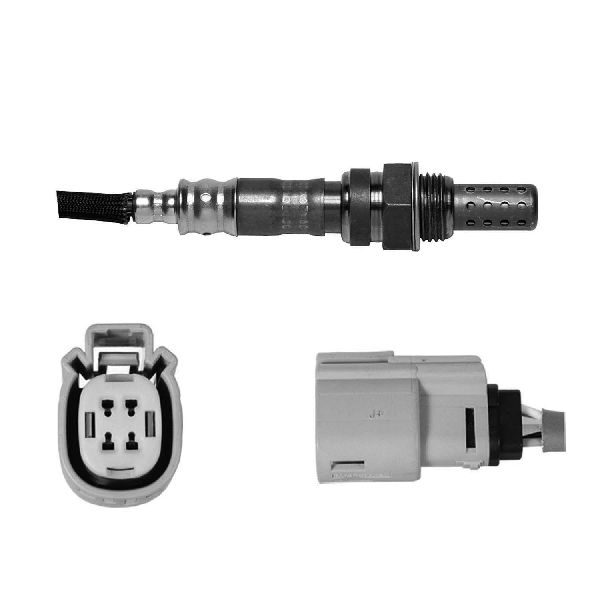
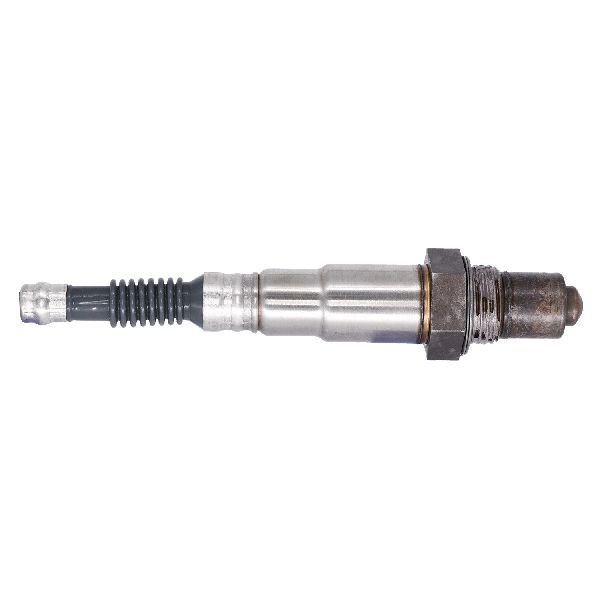
Aftermarket price range: $400-$900 - Downstream Oxygen Sensor (Bank 1, Sensor 2)
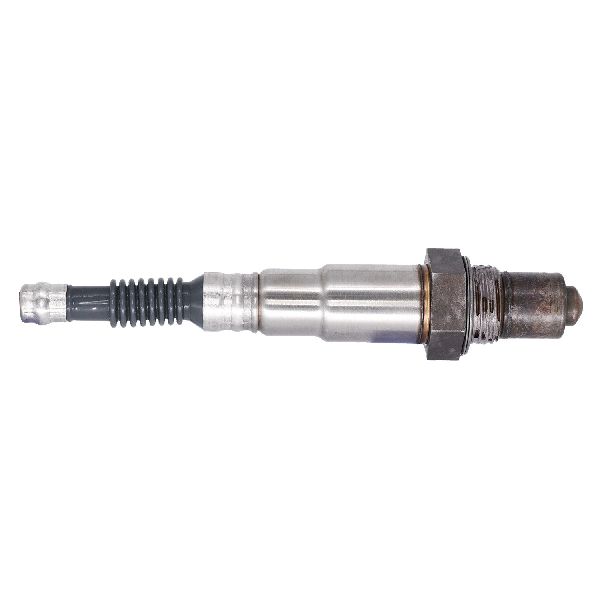
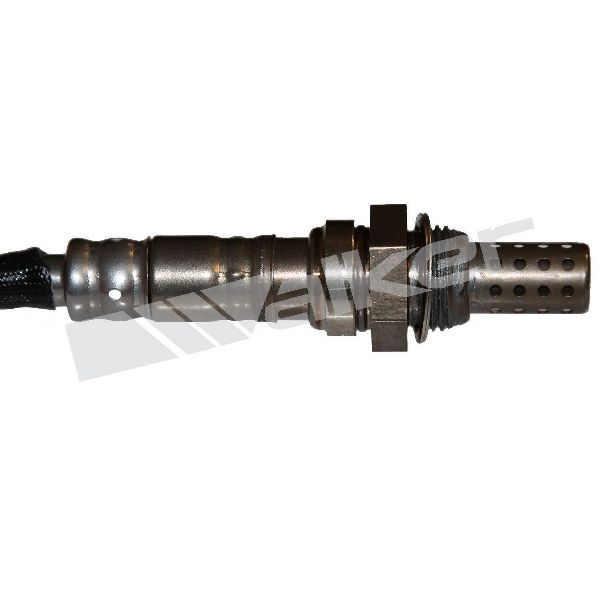
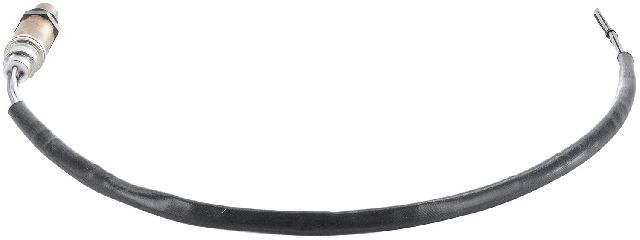
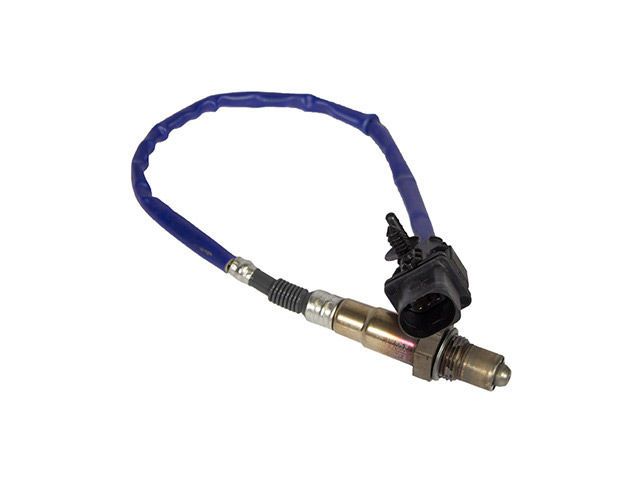
(OEM #Motorcraft DY-1198 (2013), DY-1274 (2014-16), or DY-1331 (2017-20). Part number is year-specific.)— This sensor is responsible for monitoring the converter's efficiency. Its failure can lead to a false P0420/P0430 code. It is a common wear item and a logical first part to replace due to its lower cost.
Trusted brands: Motorcraft (OEM), Bosch, Denso, NGK/NTK
OEM price range: $90-$150
Aftermarket price range: $50-$120
Related Codes That Often Appear With This One
- P0420 — This is the correct code for 'Catalyst System Efficiency Below Threshold (Bank 1)' and is the code that should be present for this issue on a 4-cylinder engine.
- P0136, P0137, P0138, P0141 — These codes are all related to the downstream O2 sensor (Bank 1, Sensor 2) circuit, performance, or heater, and can indicate the sensor itself is the root cause of the problem.
- P0300-P0304 — Misfire codes. Unburnt fuel from a misfire can overheat and destroy the catalytic converter. This is a root cause that must be fixed.
Technical Service Bulletins (TSBs) & Recalls
- Ford Recall 18S20 / NHTSA 18V-471: Addresses the common shifter cable bushing degradation on 2013-2016 models, which is a major safety issue for the platform.
- Customer Satisfaction Program #19M01: While originally for other Ford models, NHTSA ODI #11546795 notes that owners have sought coverage under this program for P0430 catalytic converter issues.
- Campaign 22M06: An owner reported in NHTSA ODI #11703219 that their vehicle was inspected for a P0430 code, though dealerships were reportedly hesitant to mention this specific campaign during the diagnostic process.
Platform-Specific Known Issues
- The primary catalytic converter is integrated directly into the exhaust manifold, making replacement a more involved and expensive job than a simple bolt-in under-car converter. 🎬 Watch: Step-by-step removal of the 2.5L catalytic converter and manifold.
- Software logic errors: According to NHTSA ODI #11642766, some Ford software may be faulty, causing an improper diagnosis of catalytic converter efficiency and triggering false P0430/P0420 codes that prevent vehicles from passing emissions testing.
Mechanic-Grade Diagnostic Values
- Fuel Injector Resistance — expected: Approximately 12 to 13.8 Ohms. All injectors should be within 1 Ohm of each other.. Failure: An injector with a significantly different resistance reading (e.g., open circuit or much higher/lower resistance) than the others, or one that is shorted to ground.
- Catalyst Monitor Index Ratio (Mode $06) — expected: A value below the maximum limit, typically less than 0.75.. Failure: A reported value greater than the maximum threshold (e.g., > 0.75) indicates the catalyst failed its last efficiency test, triggering the P0420/P0430 code.
Hidden / Shadow Codes Worth Checking
- Mode $06, TID $21, CID $80: Catalyst Monitor Bank 1 Index-Ratio and Maximum Limit. This test directly shows the calculated efficiency of the catalytic converter compared to its failure threshold. It is the raw data behind the P0420 code. (see via A professional scan tool or an advanced OBD-II reader with Mode $06 capability. The value reported should be compared against the maximum limit also provided by the scan tool.)
Scan Tool Commands That Help
- Ford IDS / FORScan: KOER (Key On, Engine Running) Self-Test — This command initiates a series of active tests by the PCM on various systems, including the catalyst monitor. It can sometimes force the monitor to run and set a pending code immediately if a fault is present, speeding up diagnosis after a repair without needing a full drive cycle.
- Ford IDS / FORScan: O2 Sensor Graphing (B1S1 vs. B1S2) — This is the primary diagnostic method. Graphing the pre-cat and post-cat O2 sensors simultaneously under steady cruise conditions (2000-2500 RPM) provides a definitive visual confirmation of catalyst efficiency. A downstream sensor (B1S2) that mimics the upstream sensor's (B1S1) rapid switching indicates a failed converter.
Wiring & Ground Locations
- G103 / G104 — Main engine compartment grounds. G103 is often on the left (driver's side) front of the engine compartment, and G104 may be near the right (passenger side) strut tower or under the battery tray.. The PCM and all its sensors, including the upstream and downstream O2 sensors, rely on these main grounds for a stable reference. A corroded or loose ground at these points can cause erratic voltage readings, potentially leading to false sensor data and incorrect catalyst efficiency calculations.
- PCM Connector — The Powertrain Control Module is typically located in the engine bay, often near the firewall or battery.. When diagnosing a suspected O2 sensor wiring issue, checking for continuity and voltage directly at the PCM connector pins for the O2 sensor signal and heater circuits is the final step. This confirms whether the fault is in the wiring harness, the sensor itself, or the PCM.
Real Owner Repair Stories
- Car Talk Community Forum User (2005 Nissan Altima 2.5L (similar I4 engine and P0420 issue)) — Persistent P0420 code.
❌ Tried (didn't work) Replaced spark plugs, Replaced upstream O2 sensor, Replaced downstream O2 sensor, Replaced catalytic converter, Used fuel system cleaner ('Cataclean')
✅ What actually fixed it The P0420 code finally disappeared after the owner received a new P0303 (Cylinder 3 Misfire) code and replaced the corresponding ignition coil. The underlying weak ignition coil was likely causing an intermittent misfire, contaminating the exhaust and tricking the PCM into flagging the catalyst's efficiency. - Reddit r/MechanicAdvice user (2016 Ford Fusion 2.5L) — P0420 code, repeatedly fouling spark plug in cylinder 1.
❌ Tried (didn't work) Replaced all spark plugs, Replaced valve cover gasket
✅ What actually fixed it The thread concluded before a final fix was confirmed, but the strong evidence pointed to an underlying engine issue causing the plug to foul (such as a leaking valve seal or piston ring issue), which in turn was causing the P0420 code. This highlights the importance of investigating root causes beyond the exhaust system itself. - NHTSA ODI #11688986 — An owner reported that a P0430 code falsely indicated a catalytic converter failure on their vehicle. Despite having low mileage and attempting to use Cataclean, the code continued to appear intermittently.
When the Usual Fixes Don't Work
- While the most common fixes for a P0420 code are the catalytic converter or an O2 sensor, real-world repair stories frequently show these replacements failing to solve the problem. In one documented case, a persistent P0420 on a similar engine was only resolved after a faulty ignition coil was replaced, which had been causing an intermittent, un-coded misfire. This demonstrates that the root cause is often an engine performance issue (misfire, fuel system problem, oil consumption) that contaminates the exhaust and leads to a catalyst efficiency code. Replacing the converter without fixing the underlying problem will likely result in the code returning.
OEM Part Supersession History
CM5152 (Motorcraft)→9E5Z-9F593-A— Standard part number update and consolidation.
Heads up: This fuel injector is used across a wide range of Ford 2.5L engines from 2009 through 2020+ models, indicating good compatibility within the specified vehicle range.
Model Year Variations Within This Range
- 2011-2012 (Pre-generation, but relevant principle): Ford issued TSB 16B38 (NHTSA #10091138) for 2011-2012 2.5L Fusions, which involved a powertrain control module (PCM) reprogramming related to the canister purge valve. While not directly for P0420, it shows that Ford has addressed emissions component logic via software updates, and checking for available PCM updates should be part of a thorough diagnosis.
- 2013 vs 2014-16 vs 2017-20: The OEM part number for the downstream oxygen sensor changes multiple times through the production run (DY-1198, DY-1274, DY-1331). This indicates there may be subtle changes in the sensor's heater, connector, or calibration. Using the correct year-specific sensor is critical to ensure the PCM receives the expected signal.
Diagnostic Flowchart
Other Known Issues on This Vehicle
Issues unrelated to this code that are worth knowing about as an owner of this generation:
- Shifter Cable Bushing Failure 🔴 High — Very common across 2013-2016 models specifically. The bushing degrades, causing a disconnect between the shifter and the transmission. This can lead to the vehicle not being in the selected gear (e.g., not in Park when it appears to be), creating a rollaway risk. (Ref: Ford Recall 18S20, 19S16, and 22S43. TSB 21-2033 also addresses this.)
- Electronic Throttle Body (ETB) Failure 🟠 Medium — A well-documented problem where the ETB fails, causing sudden loss of power, rough idle, stalling, and a 'wrench' warning light. Often triggers codes P2111 or P2112. (Ref: Ford issued TSB 10-21-6 for earlier models, and the issue persists in this generation. A warranty extension was offered for some vehicles.)
- Swollen/Deformed Lug Nuts 🟡 Low — Extremely common. The chrome-capped factory lug nuts swell and deform due to moisture and corrosion, making them larger than the standard lug wrench size and difficult to remove, especially during a roadside tire change.
- Valve Cover Gasket Oil Leak 🟡 Low — A frequent source of oil leaks on the 2.5L engine, noticeable by oil residue on the side of the engine or a burning oil smell.
- 6F35 Transmission Fluid Leaks 🟠 Medium — The automatic transmission paired with the 2.5L engine is known to develop fluid leaks from the output shaft seal, sometimes as early as 70,000 miles. If left unchecked, low fluid can lead to premature transmission failure.
Used vs. New Parts: Buying Guide for This Vehicle
When a used part is the smart pick: For this specific repair, buying used parts is generally not recommended. The primary failure components are the catalytic converter and oxygen sensors, which are wear items. A used catalytic converter carries a high risk of being near the end of its own life, and its performance is impossible to verify visually.
Donor-vehicle mileage cap: roughly under 80000 miles for the part to have meaningful remaining life.
What to inspect on the donor part:
- For a used exhaust manifold/converter assembly, inspect for any cracks on the manifold.
- Check that the honeycomb inside the converter is visible and not melted, clogged, or broken apart.
- Avoid parts from regions with heavy road salt usage, as they will have excessive rust and corrosion.
OEM-only on this vehicle (don't cheap out):
- Catalytic Converter: This is the most critical part to buy OEM or a high-quality, EPA-compliant aftermarket version. Cheap, unbranded aftermarket converters are notorious for lacking sufficient precious metals, causing the P0420 code to return within a few hundred or thousand miles.
Aftermarket brands forum-validated for this vehicle:
- O2 Sensors: Denso, NGK/NTK, Bosch
- Catalytic Converter: Walker Exhaust, MagnaFlow (ensure it is EPA/CARB compliant for your state)
Brands owners have reported issues with on this vehicle:
- Unbranded 'Direct-Fit' catalytic converters from online marketplaces like eBay or Amazon. These are frequently cited in forums as failing quickly.
Real Owner Stories
Aggregated from forums and TSBs cited above. Mileages and costs reflect what owners reported in those sources.
2016 Ford Fusion SE 2.5L
Symptoms: The user replaced both O2 sensors and the entire catalytic converter/manifold assembly, yet the catalyst efficiency code returned.
What fixed it: The source indicates that simply replacing parts may not work if underlying issues like exhaust leaks or engine problems are not addressed first.
Source hint: r/MechanicAdvice - '2016 Ford Fusion SE 2.5 throwing code P0420'
2016 Ford Fusion 2.5L
Symptoms: The spark plug in cylinder 1 repeatedly fouls, leading to a catalyst efficiency code.
What fixed it: Addressing the underlying engine issue (fouling spark plugs) that was damaging the converter.
Source hint: r/MechanicAdvice - '2016 Fusion 2.5L. Where would you look next? P0420 code'
Ford Owner Report
Symptoms: An owner reported that their vehicle was inspected by two dealerships who simply cleared the P0430 error code without addressing potential underlying campaign issues.
What fixed it: The owner continued to replace numerous components, including spark plugs, as the error code persisted (NHTSA ODI #11703219).
Documented NHTSA Reports
Faulty Software Diagnosis
NHTSA ODI #11642766 describes a situation where faulty software causes an improper diagnosis of catalytic converter efficiency, prompting a check engine light and P0430/P0420 codes. This resulted in the owner being unable to pass emissions testing until paying out of pocket for a converter replacement.
Related OBD-II Codes
Frequently Asked Questions
Is there a recall for the 2013-2016 Ford Fusion that might be related to my engine issues?
Why is the catalytic converter replacement so expensive on my 2.5L Fusion?
Could a leaky valve cover gasket cause my P0430 code?
I have a 'wrench' light and power loss along with my check engine light; what should I check?
Can an exhaust leak trigger a catalyst efficiency code on this vehicle?
Helpful Videos
Used OEM Parts in Stock

New Aftermarket Parts Available

The information in this article is provided for general reference and educational purposes only. Vehicle specifications, procedures, and part compatibility can vary by production date, trim level, and region. Always consult your vehicle's factory service manual and verify part numbers before purchasing or performing repairs. Safety-critical components such as airbags, seat belts, and braking systems should be installed by a qualified professional.
- Ford Fusion:
- 🎬 Helpful Videos
- 🛍️ Shop This Part
- What's Unique About the 2013-2020 Ford Fusion
- Symptoms You May Notice
- Most Likely Causes
- Rare But Worth Checking
- Diagnosis Steps
- Parts You'll Likely Need
- Related Codes That Often Appear With This One
- Technical Service Bulletins (TSBs) & Recalls
- Platform-Specific Known Issues
- Mechanic-Grade Diagnostic Values
- Hidden / Shadow Codes Worth Checking
- Scan Tool Commands That Help
- Wiring & Ground Locations
- Real Owner Repair Stories
- When the Usual Fixes Don't Work
- OEM Part Supersession History
- Model Year Variations Within This Range
- Diagnostic Flowchart
- Other Known Issues on This Vehicle
- Used vs. New Parts: Buying Guide for This Vehicle
- Real Owner Stories
- 2016 Ford Fusion SE 2.5L
- 2016 Ford Fusion 2.5L
- Ford Owner Report
- Documented NHTSA Reports
- Faulty Software Diagnosis
- Related OBD-II Codes
- Frequently Asked Questions
- 🎟️ Get 5% Off