

P0420 on 2007-2013 Mini Cooper: Catalyst Efficiency Causes and Fixes
On a 2nd Gen Mini Cooper S with the N18 engine, code P0420 most often points to a failed catalytic converter. However, a faulty downstream oxygen (O2) sensor or an exhaust leak are also common culprits. Always diagnose these cheaper possibilities before replacing the expensive converter, which can cost over $1,000 for an OEM part. Underlying issues like a failing high-pressure fuel pump (HPFP) can destroy a new converter, so a complete diagnosis is critical.
- Do not immediately assume the catalytic converter is bad. Thoroughly check for exhaust leaks and test the downstream O2 sensor first.
- If you must replace the catalytic converter, invest in an OEM or a high-quality, EPA-compliant aftermarket unit to ensure the code does not return.
- Always check for and resolve any other engine codes (especially for misfires or fuel system issues) before replacing the catalytic converter.
- A scan tool that can graph live O2 sensor data is the most valuable tool for correctly diagnosing a P0420 code.
What's Unique About the 2007-2013 Mini Cooper

While P0420 is a universal code, on the R56 Mini Cooper S, it's often more than just an old catalytic converter. These engines, particularly the N14 and to a lesser extent the N18, can have issues with oil consumption, fuel system faults (like the high-pressure fuel pump), or engine misfires. These problems can send unburned fuel and oil into the exhaust, which will quickly destroy a new catalytic converter. Furthermore, the Mini's DME is known to be very sensitive and may reject lower-quality aftermarket converters, causing the code to return even after a replacement. Some owners report that only Genuine MINI or specific high-quality EPA-compliant aftermarket converters will satisfy the DME's stringent monitoring.
Generation note: The 2007-2013 year range covers the entire second generation (R56) Mini Cooper. However, the engine specified, the N18, was only used in the Cooper S models from 2011 to 2013. The 2007-2010 Cooper S used the N14 engine, which has similar, but often more pronounced, related issues (like timing chain and oil consumption problems) that can lead to a P0420 code. This guide focuses on the N18 but is broadly applicable to the R56 platform, as they share many exhaust components and sensors.
Symptoms You May Notice
- Check Engine Light is on
- Vehicle may fail an emissions test
- Slightly reduced fuel economy or engine performance, though often not noticeable
- A 'rotten egg' or sulfur smell from the exhaust, indicating the converter is failing to process sulfur in the fuel.
- A rattling noise from under the car if the internal honeycomb structure of the converter has broken apart.
- Immediately replacing the catalytic converter without first testing the oxygen sensors and checking for exhaust leaks.
- Installing a cheap, universal, or non-compliant aftermarket catalytic converter, which often fails to meet the Mini ECU's efficiency threshold and causes the code to return.
- Using an O2 sensor spacer or 'non-fouler' to trick the downstream sensor. This does not fix the underlying problem, is illegal for emissions purposes, and may mask a more serious issue.
Most Likely Causes

- Failed Catalytic Converter 🔴 High Probability Converters have a finite lifespan and can be damaged by other engine issues common to this platform, such as oil consumption or HPFP failure. The ECU is also very sensitive to catalyst efficiency, and many cheaper aftermarket cats won't meet its standards, leading to a recurring code.
How to confirm: After confirming O2 sensors and the exhaust system are good, view live sensor data. A healthy, warm converter will show a steady, flat voltage from the downstream O2 sensor (typically 0.4-0.6V), while a bad one will show a fluctuating voltage that mirrors the upstream sensor. An infrared thermometer can also be used; the outlet of a good converter should be significantly hotter (at least 100°F) than the inlet.
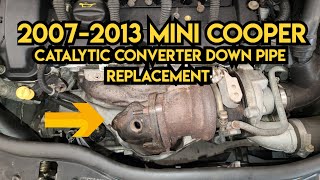
Typical fix: Replace the catalytic converter assembly. 🎬 Watch: How to replace the catalytic converter downpipe. Using a Genuine MINI or high-quality, EPA/CARB-compliant aftermarket part is strongly recommended to prevent the code from returning.
Est. part cost: $700-$1800 - Failed Downstream Oxygen Sensor 🟡 Medium Probability O2 sensors are wear items and can become lazy or biased with age, sending incorrect data to the ECU. It's a common failure point before the converter itself and a cost-effective first part to replace during diagnosis.
How to confirm: Observe the sensor's live data on a scan tool. If the readings are stuck, slow to respond, or don't behave as expected when the engine is warm, the sensor is likely faulty. Swapping it is often a cost-effective diagnostic step. One forum user replaced the catalytic converter three times before finally replacing the O2 sensors, which resolved the code.
Typical fix: Replace the downstream (post-catalyst) oxygen sensor. OEM brands like Bosch or NTK are recommended.
Est. part cost: $150-$325 - Exhaust System Leak 🟡 Medium Probability Exhaust gaskets and flex pipes can fail over time, allowing outside oxygen to enter the exhaust stream between the two O2 sensors, which fools the downstream sensor into thinking the catalyst isn't working. The gasket at the downpipe-to-cat-back connection is a known weak point.
How to confirm: Visually inspect the exhaust from the engine to the rear O2 sensor for cracks or black soot marks, especially around flanges and the flex pipe. A smoke test is the most definitive way to find small leaks. One owner on a forum fixed their P0420 code by replacing a faulty aftermarket gasket with an OEM one.
Typical fix: Replace the leaking gasket or repair the cracked pipe section. Using OEM gaskets is often recommended for a better seal.
Est. part cost: $20-$100 - Engine Misfires or Rich Fuel Condition ⚪ Low Probability Issues with spark plugs, ignition coils, or leaking fuel injectors can send unburned fuel into the exhaust, which overheats and damages the catalytic converter. The N18's direct injection system and high-pressure fuel pump (HPFP) can be sources of such issues.
How to confirm: Scan for other trouble codes, especially misfire codes (P0300-P0304) or fuel trim/pressure codes (e.g., P0087). Check the condition of spark plugs and ignition coils. A fuel pressure test can help identify injector or HPFP issues.
Typical fix: Address the root cause of the misfire or rich condition first (e.g., replace spark plugs, ignition coils, or fuel injectors). The catalytic converter may also need replacement if it has been damaged.
Est. part cost: $50-$500+
Rare But Worth Checking
- Incorrect Engine Timing: A stretched timing chain, a known issue on the related N14 engine and still a possibility on the N18, can alter valve timing enough to affect combustion and trigger a P0420 code. One owner on North American Motoring reported replacing the timing chain as part of their diagnostic journey, though an ECU remap was also a factor.
- ECU Software or Tune: An aftermarket engine tune (remap) can alter fuel and timing parameters in a way that affects exhaust gas composition, potentially triggering a P0420 code even with a healthy catalytic converter. One owner on a forum traced their persistent P0420 back to an engine remap after replacing the cat.
Diagnosis Steps

- Scan for all stored DTCs. If misfire (P030x), fuel system (P0087), or fuel trim (P017x) codes are present, diagnose and fix them first as they are the likely root cause.
- Perform a thorough visual inspection of the exhaust system from the engine manifold to the rear O2 sensor. Look for cracks, rust, and black soot indicating a leak. Pay special attention to the flex pipe and flange gaskets.
- Use a scan tool with live data graphing capabilities. With the engine fully warmed up and at a steady 2000-2500 RPM, observe the voltage of the upstream (Bank 1, Sensor 1) and downstream (Bank 1, Sensor 2) O2 sensors.
- The upstream sensor's voltage should fluctuate rapidly between approximately 0.1V and 0.9V. The downstream sensor's voltage should be relatively stable and steady, typically between 0.4V and 0.6V.
- If the downstream sensor's voltage is fluctuating in a similar pattern to the upstream sensor, and you have ruled out exhaust leaks, the catalytic converter has failed.
- If the downstream sensor's voltage is stuck high, low, or is slow to respond, the sensor itself is likely faulty.
- If an exhaust leak is suspected but not visible, perform a smoke test to find hairline cracks in the exhaust that are not visible.
- Use an infrared thermometer to check the temperature of the pipe before and after the catalytic converter. A working converter should have an outlet temperature at least 100°F hotter than the inlet.
Parts You'll Likely Need

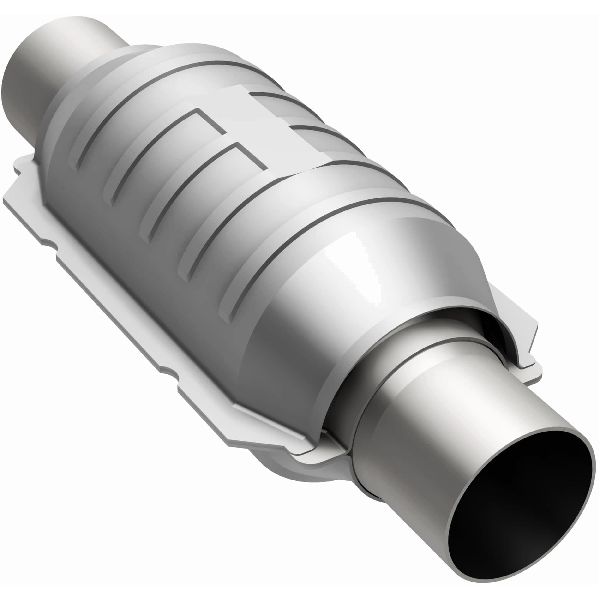
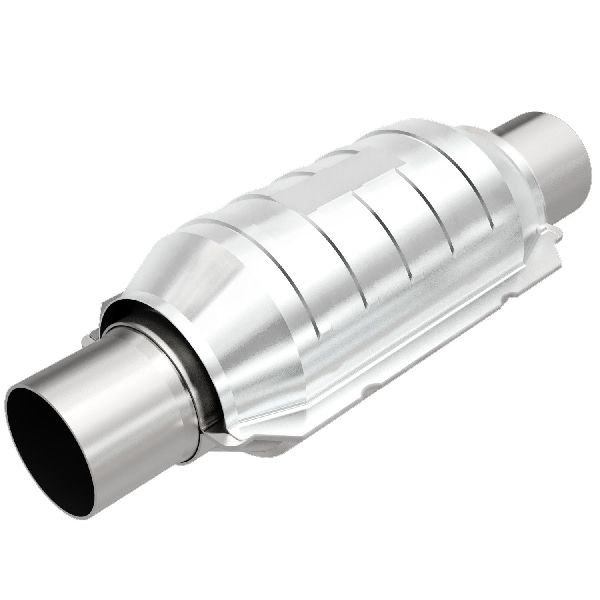
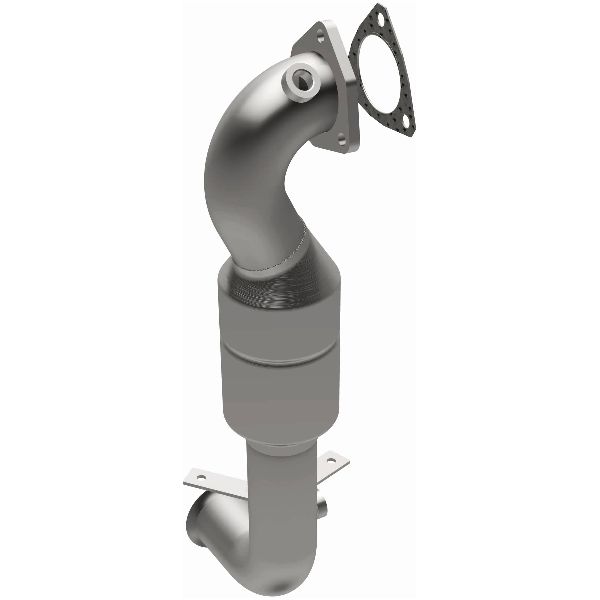
- Catalytic Converter / Downpipe Assembly
(OEM #18307599436, 18307558755, 18307594372)— This is the most common cause of a persistent P0420 code once sensors and leaks are ruled out.
Trusted brands: Genuine MINI, MagnaFlow (ensure CARB compliance if required), aFe Power, Walker Exhaust
Related Codes That Often Appear With This One
- P0300-P0304 — Misfire codes indicate an underlying engine problem that is likely dumping unburned fuel into the exhaust, which is a primary cause of catalytic converter failure.
- P0087 — This code indicates 'Fuel Rail/System Pressure - Too Low,' often related to a failing High-Pressure Fuel Pump (HPFP) on these direct-injection engines. Incorrect fuel pressure can cause a poor air/fuel mixture, leading to catalyst damage.
- P0171/P0172 — Fuel trim codes for lean (P0171) or rich (P0172) conditions indicate an air/fuel mixture problem that can either overheat (lean) or foul (rich) the catalytic converter over time.
Technical Service Bulletins (TSBs) & Recalls
- SIM 01 01 16 / M010116: Limited warranty extension for the N18 engine's High-Pressure Fuel Pump (HDP) to 10 years/120,000 miles. A failing HPFP can cause fuel mixture issues that lead to P0420.
- SIB 01 02 18: Limited warranty extension for the N18 engine's thermostat and housing to 10 years/120,000 miles. While not a direct cause, engine temperature issues can affect combustion and emissions.
- Recall for 2007-2011 models: Related to an auxiliary water pump circuit board that could overheat. This applies to early R56 models and highlights the sensitivity of electronic components.
Platform-Specific Known Issues
- High sensitivity of the engine computer (DME) to aftermarket catalytic converters. Many owners report the P0420 code returning unless an OEM or high-quality, EPA-compliant aftermarket converter is used.
- Underlying engine problems like high oil consumption or HPFP failure can contaminate and destroy a new catalytic converter if not addressed first.
Mechanic-Grade Diagnostic Values
- High-Pressure Fuel Rail Pressure (at idle, N18 engine) — expected: ~750 psi (early software) or ~1100 psi (later software update). Failure: Significantly lower pressure (e.g., under 500 psi) or pressure that doesn't increase with engine load. Can indicate a failing HPFP.
- High-Pressure Fuel Rail Pressure (under load, N18 engine) — expected: Up to 1,740 psi (120 bar). Failure: Failure to build pressure under acceleration.
- Low-Pressure Fuel Pump Pressure — expected: ~5 bar (72.5 psi). Failure: Pressure below this specification indicates a problem with the in-tank fuel pump.
- Downstream O2 Sensor Voltage (at steady 2500 RPM, warm engine) — expected: Relatively stable voltage between 0.4V and 0.6V.. Failure: Voltage fluctuates rapidly, mimicking the upstream O2 sensor's pattern.
- Upstream O2 Sensor Voltage (at steady 2500 RPM, warm engine) — expected: Rapidly fluctuating voltage between ~0.1V and ~0.9V.. Failure: Slow response, or voltage stuck high or low.
- O2 Sensor Heater Circuit Resistance (cold sensor) — expected: Approximately 10-25 Ohms between the two heater wires.. Failure: An open circuit (infinite resistance) or very low resistance indicates a failed heater element within the sensor.
- Catalytic Converter Temperature Differential (warm engine) — expected: Outlet temperature should be at least 100°F hotter than the inlet temperature.. Failure: Outlet temperature is the same or cooler than the inlet, indicating the converter is not lighting off.
Scan Tool Commands That Help
- Advanced Scan Tool (ISTA, Launch, etc.): View Mode 6 Data — After a repair or during diagnosis to check the results of the catalyst efficiency monitor test. This provides the raw test value and the pass/fail threshold set by the manufacturer, confirming if the system is borderline or failing outright.
- Advanced Scan Tool (ISTA, Launch, etc.): Reset Engine Adaptations (DME) — After replacing major components like a catalytic converter, O2 sensors, or fuel system parts. This forces the DME to relearn the performance characteristics of the new parts, which is a standard procedure for BMW/Mini vehicles.
- Advanced Scan Tool (ISTA, Launch, etc.): Graph Live O2 Sensor Data — This is the primary diagnostic step. Graphing both upstream and downstream sensors on the same screen allows for a direct visual comparison to determine if the catalytic converter is storing oxygen correctly.
Wiring & Ground Locations
- Upstream O2 Sensor Connector — Located on the engine, connected to the sensor before the catalytic converter. The connector itself is typically a square, black plastic housing.. Damage or corrosion at this connector can cause incorrect readings, leading to fuel trim issues that could damage the cat or mimic a sensor failure.
- Downstream O2 Sensor Connector — Located on the engine, connected to the sensor after the catalytic converter. The connector is typically a thin, blue plastic housing, making it distinct from the upstream sensor.. This is the primary monitoring sensor for P0420. A bad connection here will directly cause the code or prevent an accurate diagnosis.
- OBD-II Port — Underneath the driver's side dashboard, to the left of the steering column, near the hood release latch.. This is the connection point for the scan tool needed to read the P0420 code and perform all electronic diagnostics.
Real Owner Repair Stories
- North American Motoring forum user (2012 Mini Cooper S (R56 N18)) — Persistent P0420 code and uneven idling.
❌ Tried (didn't work) Replacing the catalytic converter with a new one., Replacing a failed ignition coil., Replacing the timing chain., Replacing the middle section of the exhaust with a straight pipe.
✅ What actually fixed it The final diagnosis pointed to the aftermarket ECU remap (tune) that was performed. The code appeared immediately after the tune was applied, and mechanics believed it was altering parameters beyond what the stock catalyst monitoring system would accept. The user was advised to revert to the stock ECU map. - North American Motoring forum user (MINI (model year not specified)) — Recurring P0420 MIL light.
❌ Tried (didn't work) Replacing the catalytic converter three separate times.
✅ What actually fixed it After multiple failed catalytic converter replacements, the owner replaced both oxygen sensors. This finally cleared the P0420 code and a subsequent P0135 (O2 sensor heater circuit) code, allowing the car to pass inspection.
"I Checked Everything" — The Actual Cause
- In one documented case, after a new catalytic converter was installed and exhaust leaks were ruled out, the P0420 code returned. The root cause was determined to be an aftermarket ECU tune that changed engine parameters, causing the catalyst monitor to fail even with a physically sound exhaust system.
When the Usual Fixes Don't Work
- While P0420 is most commonly a bad catalytic converter, numerous owner stories show that simply replacing the cat is not a guaranteed fix. One owner replaced the cat three times, only to find the issue was the O2 sensors. Another owner replaced the cat, timing chain, and intake components, but the code persisted, pointing towards an aftermarket ECU tune as the true culprit. These cases prove that diagnosing upstream causes—lazy sensors, fuel system issues, exhaust leaks, and even software modifications—is critical before spending significant money on a new converter.
Model Year Variations Within This Range
- 2011-2013 (N18 Engine): An ECU software update was released by MINI that changed the target high-pressure fuel rail pressure at idle from approximately 750 psi to 1100 psi. This is a critical diagnostic detail, as a healthy, updated car will show pressure that might be considered out-of-spec on an older software version.
- 2007-2010 vs 2011-2013: The 2007-2010 Cooper S used the N14 engine, while the 2011-2013 models used the updated N18. While both can suffer from issues leading to P0420, the N14 is known to be more problematic regarding timing chain failure and oil consumption, which are direct upstream causes of catalytic converter failure.
Diagnostic Flowchart
Other Known Issues on This Vehicle
Issues unrelated to this code that are worth knowing about as an owner of this generation:
- High-Pressure Fuel Pump (HPFP) Failure 🔴 High — Common on N14 and early N18 engines (pre-March 2012). Symptoms include long crank times, rough idle, and limp mode. (Ref: TSB SIM 01 01 16 (Warranty Extension))
- Thermostat Housing Leaks 🟠 Medium — Very common on 2011-2012 N18 models. The plastic housing can crack, leading to coolant loss and overheating. (Ref: TSB SIB 01 02 18 (Warranty Extension))
- Turbo Oil Line Leaks 🟠 Medium — The oil feed line to the turbocharger has seals that degrade with heat and age, causing oil to leak onto the hot turbo and exhaust, resulting in smoke and a burning smell.
- Carbon Buildup on Intake Valves 🟠 Medium — A known issue with direct-injection engines. While improved over the N14, the N18 still requires walnut blasting of the intake valves every 60k-80k miles to prevent misfires and performance loss.
- Timing Chain Tensioner Wear 🟠 Medium — The N18 has an improved design over the N14, but the tensioner can still wear, leading to a 'death rattle' on cold starts. Less frequent than the N14 but still a concern, especially with poor oil change history.
- Water Pump and Friction Wheel Failure 🟠 Medium — The water pump, driven by a friction wheel against the crankshaft pulley, can fail. The friction wheel assembly itself is also a common failure point, leading to overheating.
Used vs. New Parts: Buying Guide for This Vehicle
When a used part is the smart pick: A used OEM catalytic converter from a low-mileage, rear-end collision donor vehicle can be a cost-effective option. However, it is a gamble, as the part's remaining lifespan is unknown. Other exhaust components like pipes or hangers are generally safe to source used.
Donor-vehicle mileage cap: roughly under 60000 miles for the part to have meaningful remaining life.
What to inspect on the donor part:
- For a catalytic converter, ask for the VIN of the donor car to verify its history and mileage.
- Visually inspect the converter's honeycomb structure from both ends with a flashlight; it should be intact, with no melted, broken, or clogged sections.
- Avoid parts with heavy external rust or signs of physical impact.
OEM-only on this vehicle (don't cheap out):
- Catalytic Converter: The Mini DME is notoriously sensitive. Many owners report that cheap aftermarket or 'universal' catalytic converters do not meet the efficiency thresholds and cause the P0420 code to return quickly. A Genuine MINI part or a high-quality, EPA-compliant aftermarket unit is strongly advised.
Aftermarket brands forum-validated for this vehicle:
- NTK (for Oxygen Sensors)
- Bosch (for Oxygen Sensors)
- MagnaFlow (for Catalytic Converters, ensure it is a direct-fit, EPA/CARB compliant model)
Brands owners have reported issues with on this vehicle:
- Unbranded or generic 'eBay' catalytic converters are frequently cited in forums as failing to resolve the P0420 code.
Real Owner Stories
Aggregated from forums and TSBs cited above. Mileages and costs reflect what owners reported in those sources.
2012 Mini Cooper S N18
Symptoms: Persistent P0420 code even after the catalytic converter was replaced.
What fixed it: The owner suspected an engine remap was the ultimate cause of the recurring efficiency code.
Source hint: https://www.northamericanmotoring.com/forums/stock-problems-issues/342988-mini-r56-mcs-2012-n18-p0420-still-after-replaced-cat.html
2nd Gen R56 Cooper S
Symptoms: P0420 code triggered by air entering the exhaust stream.
What fixed it: Replacing a faulty aftermarket exhaust gasket with an OEM gasket to ensure a proper seal.
Source hint: https://www.motoringalliance.com/threads/2nd-gen-r56-cooper-s-p0420.9010/
2007-2013 Mini Cooper
Symptoms: Owner replaced the catalytic converter three times without success.
What fixed it: Replacing the O2 sensors finally resolved the code.
Source hint: Article Context - Common Causes (Failed Downstream Oxygen Sensor)
2013 Cooper S N18
Symptoms: Concerns regarding common failure points that lead to catalyst damage.
What fixed it: Addressing root causes such as the HPFP and timing chain to prevent catalyst failure.
Source hint: https://www.reddit.com/r/MINI/comments/t13g0v/learn_me_a_2013_cooper_s_n18_should_be_fine_right/
Related OBD-II Codes
Frequently Asked Questions
Is there a warranty extension for the High-Pressure Fuel Pump (HPFP) on my N18 Mini Cooper?
Can I use a cheap aftermarket catalytic converter to fix the P0420 code on my Mini?
Is the thermostat housing covered under a special program for the N18 engine?
Could an exhaust leak be causing my P0420 code instead of a bad converter?
Why did my P0420 code return even after I replaced the catalytic converter?
Is there a recall for the auxiliary water pump on 2007-2011 models?
Helpful Videos
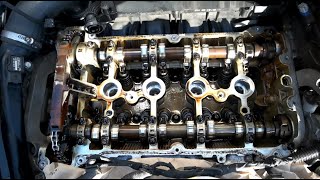
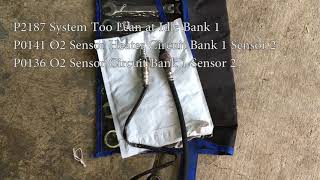
We Have This Part in Stock
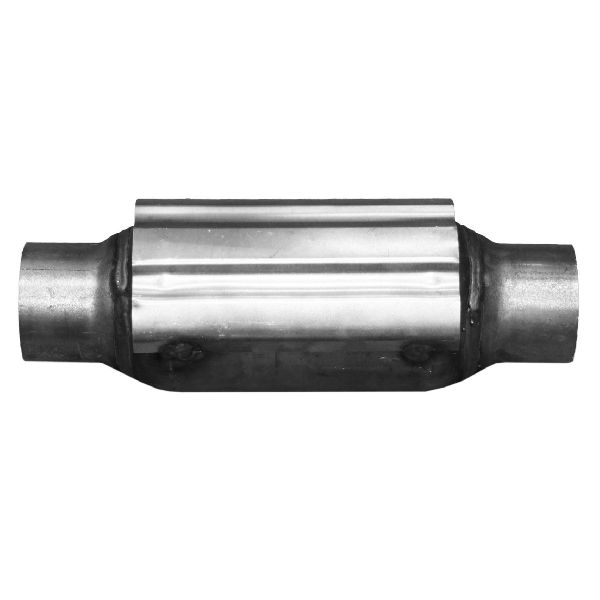


The information in this article is provided for general reference and educational purposes only. Vehicle specifications, procedures, and part compatibility can vary by production date, trim level, and region. Always consult your vehicle's factory service manual and verify part numbers before purchasing or performing repairs. Safety-critical components such as airbags, seat belts, and braking systems should be installed by a qualified professional.
- Mini Cooper:
- 🎬 Helpful Videos
- 🛍️ Shop This Part
- What's Unique About the 2007-2013 Mini Cooper
- Symptoms You May Notice
- Most Likely Causes
- Rare But Worth Checking
- Diagnosis Steps
- Parts You'll Likely Need
- Related Codes That Often Appear With This One
- Technical Service Bulletins (TSBs) & Recalls
- Platform-Specific Known Issues
- Mechanic-Grade Diagnostic Values
- Scan Tool Commands That Help
- Wiring & Ground Locations
- Real Owner Repair Stories
- "I Checked Everything" — The Actual Cause
- When the Usual Fixes Don't Work
- Model Year Variations Within This Range
- Diagnostic Flowchart
- Other Known Issues on This Vehicle
- Used vs. New Parts: Buying Guide for This Vehicle
- Real Owner Stories
- 2012 Mini Cooper S N18
- 2nd Gen R56 Cooper S
- 2007-2013 Mini Cooper
- 2013 Cooper S N18
- Related OBD-II Codes
- Frequently Asked Questions
- 🎟️ Get 5% Off