

P0420 on 2017-2021 Kia Soul: Catalyst Efficiency Causes & Fixes
On the 2017-2021 Kia Soul with the 2.0L Nu engine, code P0420 almost always points to a failing catalytic converter. This failure is often a symptom of excessive oil consumption, a known issue with this engine, particularly in the 2017-2019 GDI models. Replacing O2 sensors first is a common misdiagnosis; the root cause is typically the converter itself, which has been damaged by oil burning. Addressing the oil consumption is critical to prevent repeat failure of a new converter.
- The P0420 code on a 2017-2021 Kia Soul with the 2.0L engine is most often caused by a failed catalytic converter.
- The root cause of the converter failure is frequently excessive oil consumption, a known issue with the Nu 2.0L GDI engine (2017-2019 models).
- Before replacing the catalytic converter, you must determine if your engine is burning oil. Failure to do so will likely result in the new converter failing prematurely.
- Do not automatically replace the oxygen sensors; they are usually just doing their job by reporting the converter's inefficiency.
- Check with a Kia dealer for any applicable software updates or warranty extensions related to emissions components or engine consumption before paying for repairs.
What's Unique About the 2017-2021 Kia Soul
For this specific Kia Soul, the P0420 code is frequently linked to a significant underlying engine issue: excessive oil consumption. The 2.0L Nu GDI engine in the 2017-2019 models is known to develop problems with piston rings getting stuck or wearing incorrectly, allowing oil to enter the combustion chamber. This burned oil then contaminates and eventually clogs or destroys the catalytic converter, making the P0420 code a symptom of a much larger engine problem. Simply replacing the converter without addressing the oil consumption will likely lead to a repeat failure. Kia has faced class-action lawsuits and issued warranty extensions for some Nu engines due to these known defects.
Generation note: The 2017-2021 year range covers two generations of the Kia Soul: the end of the second generation (2017-2019) and the start of the third generation (2020-2021). Both generations used a version of the Nu 2.0L I4 engine. The second generation (2017-2019) used a GDI (Gasoline Direct Injection) version, which is widely cited for oil consumption issues leading to P0420. The 2020-2021 models switched to a less problematic MPI (Multi-Port Injection) version of the same engine, though some oil consumption issues are still reported.
Symptoms You May Notice
- Check Engine Light is on
- Reduced engine power and sluggish acceleration, especially uphill or under load
- Failed emissions test
- Rattling noise from underneath the vehicle if the converter's internal structure has broken apart
- Rotten egg or sulfur smell from the exhaust
- Replacing the oxygen sensors without diagnosing the system. While an O2 sensor can fail, it's far more likely on this vehicle that the sensors are accurately reporting the failure of the catalytic converter.
- Replacing the catalytic converter without addressing the root cause of its failure, such as excessive oil consumption. This often leads to the new converter failing within a short period.
Most Likely Causes
- Failed Catalytic Converter 🔴 High Probability The Nu 2.0L GDI engine is known for excessive oil consumption, which contaminates and destroys the catalytic converter's internal structure. High exhaust gas temperatures, sometimes related to engine software, can also cause premature failure. Kia's federal emissions warranty covers the converter for 8 years or 80,000 miles.
How to confirm: Use an infrared thermometer to check the temperature of the exhaust pipe before and after the converter; the outlet should be significantly hotter (at least 100°F) than the inlet on a healthy, warm converter. A professional can also perform an exhaust backpressure test; a reading above 1.5-2.0 PSI at idle is a sign of a clog. 🎬 Watch: How to test a catalytic converter like a professional
Typical fix: Replace the catalytic converter assembly. It is critical to first confirm if the engine has an oil consumption issue, or the new converter will fail as well. Due to the known issues, using an OEM converter is often recommended over aftermarket options which may not last or could cause persistent codes.
Est. part cost: $300-$1500 - Excessive Oil Consumption 🔴 High Probability The Nu 2.0L GDI engines are notorious for carbon buildup on piston rings or improperly manufactured piston rings, causing them to stick and allowing oil to bypass into the combustion chamber. This is the primary root cause of repeated catalytic converter failure on this platform.
How to confirm: Monitor oil levels frequently (e.g., every 500-1000 miles). If you are adding more than one quart between oil changes, consumption is excessive. 🎬 Watch: Tips for checking oil levels on Kia GDI engines A dealership can perform a formal oil consumption test, which may be required for warranty claims.
Typical fix: Some owners have had success with a chemical "piston soak" (e.g., using Berryman's B12) to free stuck rings, though results are mixed. 🎬 See this walkthrough of a piston soak to fix oil consumption In many cases, the engine may require a rebuild or replacement, which may be covered under an extended warranty or settlement if the vehicle qualifies.
Est. part cost: $20-$8000 - Faulty Oxygen (O2) Sensor ⚪ Low Probability
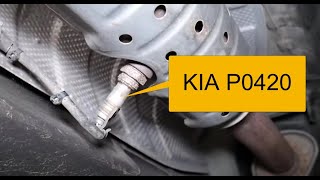
How to confirm: Use a scan tool with live data graphing. The upstream O2 sensor (Sensor 1) should fluctuate rapidly between ~0.1V and ~0.9V. The downstream O2 sensor (Sensor 2) on a good converter should hold a relatively steady, high voltage (typically >0.6V). If the downstream sensor is mimicking the upstream sensor's pattern, the converter is not working. If a sensor's reading is flat or unresponsive, the sensor itself is likely bad.
Typical fix: Replace the faulty oxygen sensor. The downstream (Sensor 2) is the primary sensor for monitoring converter efficiency, but an upstream sensor failure can also lead to conditions that damage the converter over time.
Est. part cost: $50-$150 - Exhaust Leak ⚪ Low Probability Flex pipes and manifold gaskets are common failure points that can introduce oxygen into the exhaust stream, confusing the O2 sensors and triggering a false P0420 code.
How to confirm: Visually inspect the exhaust system from the engine to the tailpipe for cracks, rust, or black soot marks, especially around gaskets and flanges. A smoke test is the most definitive way to identify hard-to-see leaks.
Typical fix: Replace the leaking gasket or repair the cracked component. A cracked exhaust manifold may require replacement of the entire manifold/converter assembly.
Est. part cost: $10-$200
Rare But Worth Checking
- Engine Control Module (ECM) Software: Kia has issued service campaigns and recalls (like SC176 for earlier models with the 1.6L GDI) to update the ECM software. This new logic, called Catalyst Overheating Protection (COP), helps protect the catalytic converter from overheating and can adjust the sensitivity thresholds for triggering the P0420 code.
- Underlying Engine Misfires or Fuel System Issues: An engine that is misfiring or has a leaking fuel injector can send unburned fuel into the exhaust, which can overheat and damage the catalytic converter over time. This is usually accompanied by other codes like P030x (misfire) or P017x (fuel trim).
Diagnosis Steps
- Check for any other diagnostic trouble codes (DTCs). Address any misfire, fuel system, or other engine codes first, as they could be the root cause of the converter failure.
- Visually inspect the entire exhaust system for leaks, paying close attention to the manifold gaskets and flex pipe. Listen for any unusual ticking noises. A smoke test is the most reliable method for finding leaks.
- Monitor your engine's oil level over 1,000 miles. Significant oil loss (more than 1 quart) is a strong indicator that oil consumption is the root cause of the P0420 code.
- Use a scan tool to view the live data from the upstream (Bank 1, Sensor 1) and downstream (Bank 1, Sensor 2) oxygen sensors. The upstream sensor's voltage should switch rapidly. On a good converter, the downstream sensor's voltage should be relatively stable and high (>0.6V). If the downstream sensor is mirroring the upstream sensor's activity, the converter has failed.
- If the converter appears to be bad, check with a Kia dealer for any open recalls or service campaigns related to the ECM software, catalytic converter, or engine warranty extensions (e.g., KiaEngineClassSettlement.com). Provide your VIN for accurate information.
- If the converter is confirmed bad and oil consumption is high, the engine's health must be addressed before or during the converter replacement to prevent a repeat failure. This may involve engine repair or replacement, potentially under warranty.
Parts You'll Likely Need
- Catalytic Converter Assembly
(OEM #28510-2EHH0 (SULEV) or 28510-2EHK0 (ULEV) for 2017-2019 models. Verify with VIN.)— This is the most common point of failure. On the Soul, it is an integrated unit with the exhaust manifold. Failure is typically caused by internal contamination from oil burning or overheating.
Trusted brands: Kia (OEM), Walker Exhaust, MagnaFlow
OEM price range: $1200-$2900
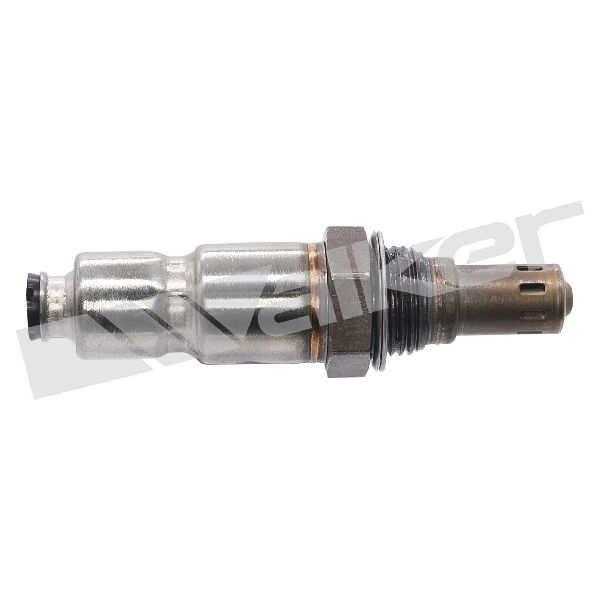
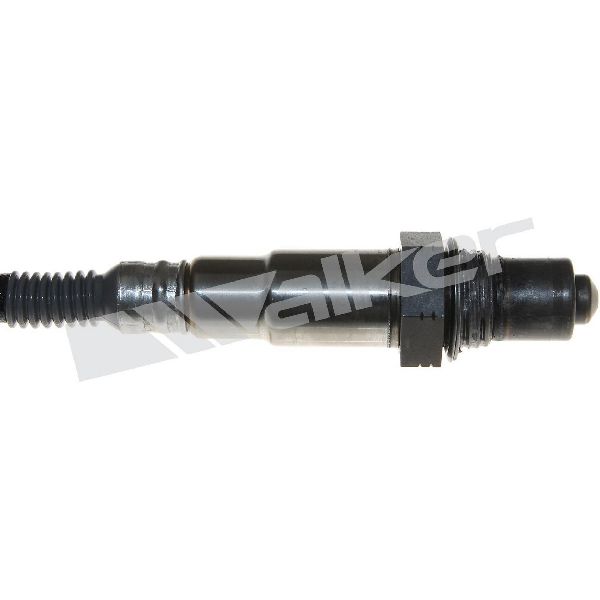
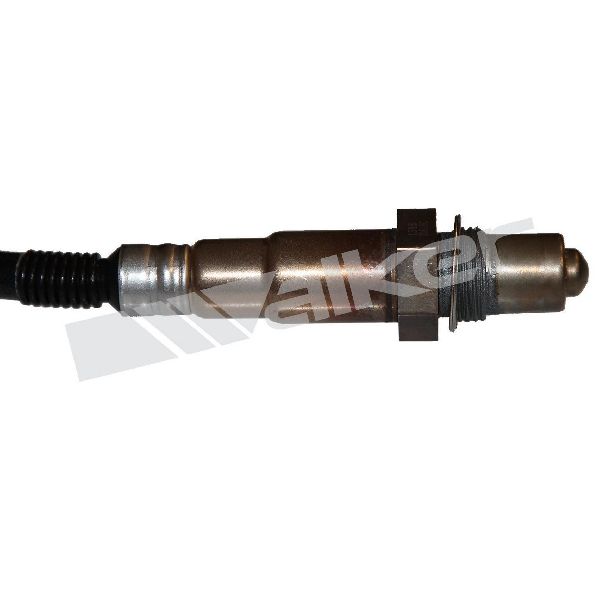
Aftermarket price range: $300-$800 - Downstream Oxygen Sensor (Bank 1, Sensor 2)
Related Codes That Often Appear With This One
- P0300, P0301, P0302, P0303, P0304 — Misfire codes can appear if a clogged catalytic converter is causing excessive exhaust backpressure, or if the underlying engine issues (like oil fouling spark plugs) are causing both the misfire and the eventual P0420.
- P2187, P2192 — These codes indicate fuel trim issues (too lean at idle, too rich at higher load). A failing catalytic converter and the engine problems that cause it can disrupt the entire air/fuel management system, leading to these codes appearing alongside P0420.
Technical Service Bulletins (TSBs) & Recalls
- SC176 / NHTSA 19V-120: A safety recall for 2012-2016 Souls with the 1.6L GDI engine, but its details are highly relevant. It provides an ECM update to prevent catalyst overheating (Catalyst Overheating Protection) and calls for inspection and, if necessary, replacement of the converter and/or engine due to damage from high exhaust temps.
Platform-Specific Known Issues
- A known history of excessive oil consumption on the Nu 2.0L GDI engine (primarily 2017-2019 models) is the single most important factor related to P0420 on this vehicle. The oil burning fouls spark plugs and destroys the catalytic converter.
- Kia has had multiple recalls and service campaigns (e.g., SC176) for similar models/engines to update software and inspect/replace the catalytic converter due to issues with overheating. While the specified vehicle range may not be explicitly covered, it highlights a known issue with the platform's design.
Mechanic-Grade Diagnostic Values
- Downstream O2 Sensor (Sensor 2) Voltage — expected: Relatively steady voltage, typically above 0.6V on a warm, functioning converter.. Failure: Voltage fluctuates rapidly, mimicking the pattern of the upstream (Sensor 1) O2 sensor. This indicates the catalyst is not storing oxygen.
- Upstream O2 Sensor (Sensor 1) Voltage — expected: Rapidly fluctuating between approximately 0.1V and 0.9V as the PCM adjusts the air/fuel mixture.. Failure: A flat or slow-to-respond sensor reading.
- Catalytic Converter Temperature Differential — expected: The outlet pipe temperature should be at least 100°F hotter than the inlet pipe temperature on a fully warmed-up engine (run for ~20 minutes).. Failure: The outlet temperature is the same as or cooler than the inlet temperature, indicating the converter is not performing its chemical reaction (it's not 'lit off').
- Mode 6 Catalyst Monitor Test ($81) — expected: The test value should be below the maximum threshold set by the manufacturer. A good converter will have a value significantly lower than the limit.. Failure: The test value is at or very close to the maximum allowable threshold. This indicates the PCM sees the converter as marginal or failing, even if the check engine light isn't on yet.
Scan Tool Commands That Help
- Kia GDS/KDS (or advanced aftermarket): View Mode 6, Test ID $81, Monitor ID $21 — Use this to see the raw efficiency value the PCM has calculated for the catalytic converter. It can show a converter that is on the verge of failing before the P0420 code becomes persistent. It is also used to confirm a new converter is working correctly.
- Kia GDS/KDS: S/W Management (Special Function) — To check for and apply any available ECM updates. Kia has released software updates (like for campaign SC176) that can alter catalyst monitoring sensitivity and prevent premature failure, which could be relevant for resolving a persistent P0420.
Wiring & Ground Locations
- Engine/Frame Ground — On the driver's side of the engine bay, there is a primary ground wire bolted directly to the frame/chassis near the strut tower.. A poor or corroded main engine ground can cause a host of electrical issues, including inaccurate readings from sensors like the oxygen sensors. While not a primary cause, it's a critical check for any persistent, hard-to-diagnose electrical or sensor-related DTCs.
- O2 Sensor Connectors — The upstream and downstream O2 sensor electrical connectors are both located at the top rear of the engine, near the GDI fuel pump, clipped into a bracket. The upstream sensor is the top connector, and the downstream is just below it.. These connectors are exposed to high heat. Damage to the wiring or corrosion in the connectors can mimic a failed O2 sensor or cause intermittent P0420 codes. The connectors must be unclipped from the bracket to be disconnected.
Real Owner Repair Stories
- Reddit user in r/KiaSoulClub (2016 Kia Soul) — P0420 code appeared six months after a warranty engine replacement.
❌ Tried (didn't work) Replacing the upstream O2 sensor (fixed the code for a few months, but it returned).
✅ What actually fixed it The vehicle qualified for Kia's recall SC176, which involved a free catalytic converter replacement paid for by Kia. The original engine failure (likely from oil burning) had damaged the original converter. - Reddit user in r/KiaSoulClub (2018 Kia Soul Base) — P0420 code appeared immediately after buying the used car. The dealer replaced both catalytic converters and an O2 sensor, but the code came back the next day.
❌ Tried (didn't work) Replacement of catalytic converters and O2 sensor by the used car dealership.
✅ What actually fixed it The user suspected the dealer used a cheap aftermarket converter that couldn't store enough oxygen to satisfy the Kia's ECU. Another user in the thread commented that a faulty PCV valve was the cause of their P0420 on a 2017 2.0L, and they were still on the original cat at 218,000 miles. The final resolution for the original poster is not stated, but the immediate failure of the aftermarket part is the key takeaway. - Kia Service Bulletin ENG222 (Kia models with Nu 2.0L GDI engines) — Excessive oil consumption, which leads to P0420.
❌ Tried (didn't work) Simply replacing the catalytic converter without addressing oil consumption.
✅ What actually fixed it The official Kia procedure to address the root cause (stuck oil control rings) is a chemical piston soak. The procedure involves removing spark plugs, filling cylinders with a cleaning solution, letting it soak overnight (8+ hours), evacuating the fluid, changing the oil and filter, and then running the engine. This is the dealer-level fix for the underlying problem.
OEM Part Supersession History
Varies by production date→28510-2EHH0 (for SULEV models) or 28510-2EHK0 (for ULEV models)— Standard part lifecycle updates and potentially minor revisions to address performance or durability.
Heads up: It is critical to verify the correct part number using the vehicle's VIN. SULEV (Super Ultra-Low Emission Vehicle) and ULEV (Ultra-Low Emission Vehicle) systems use different converters that are not interchangeable. Installing the wrong type will cause persistent codes and emissions test failures.
Model Year Variations Within This Range
- 2017-2019: These models use the Nu 2.0L GDI (Gasoline Direct Injection) engine, which is widely known for developing excessive oil consumption due to carbon buildup on piston rings. This is the primary root cause of P0420 on these years.
- 2020-2021: These models switched to a Nu 2.0L MPI (Multi-Port Injection) engine. While still part of the Nu engine family, the MPI fuel system is generally considered less prone to the severe carbon buildup and oil consumption issues that plagued the GDI variant, making P0420 less common and less likely to be caused by a major engine defect.
Diagnostic Flowchart
Other Known Issues on This Vehicle
Issues unrelated to this code that are worth knowing about as an owner of this generation:
- Engine Failure and Fire Risk 🔴 High — Common enough to trigger multiple recalls, investigations, and class-action lawsuits across several model years and engines, including the Nu 2.0L. (Ref: Multiple recalls (e.g., SC200, NHTSA 19V-120) and a Knock Sensor Detection System (KSDS) software update campaign.)
- Excessive Oil Consumption 🔴 High — Widespread on the 2.0L Nu GDI engine (2017-2019). Often starts appearing after 60,000 miles. It is the primary cause of P0420 on this platform. (Ref: Covered by engine warranty extensions and class-action settlements for some owners (e.g., KiaEngineClassSettlement.com).)
- Vehicle Theft Vulnerability ('Kia Boyz') 🔴 High — Affects base models with a steel key ignition from 2011-2021. Extremely widespread in certain regions. (Ref: Software update and free steering wheel locks offered by Kia to mitigate the issue.)
- Steering Column Click/Clunk 🟡 Low — Commonly reported on first and second-generation Souls, often starting around 70,000 miles. Caused by a failing flexible steering coupler.
- Transmission Problems 🟠 Medium — Complaints of delayed shifting, jerking, and hesitation are noted for 2020-2021 models with the Intelligent Variable Transmission (IVT).
Used vs. New Parts: Buying Guide for This Vehicle
When a used part is the smart pick: For this repair, a used OEM catalytic converter from a low-mileage, rear-ended donor vehicle can be a viable option. It is often superior to a new aftermarket converter because it contains the correct amount of precious metals to satisfy the ECU. However, this is risky due to unknown donor vehicle history.
Donor-vehicle mileage cap: roughly under 60000 miles for the part to have meaningful remaining life.
What to inspect on the donor part:
- Ask for the VIN of the donor car to verify mileage and check for reported engine issues.
- Inspect the converter's honeycomb structure with a borescope or flashlight. Look for any signs of melting, clogging, or physical breakage.
- Avoid converters from vehicles with known oil consumption issues or that have sat for a long time, as they can be internally rusted or contaminated.
OEM-only on this vehicle (don't cheap out):
- Catalytic Converter: Strongly recommended. Many aftermarket converters for this platform are known to fail quickly or not meet the efficiency requirements of the Kia ECU, causing the P0420 code to return.
- Spark Plugs: On the GDI engine, it is critical to use the OEM-spec NGK Iridium plugs to ensure correct combustion and prevent conditions that could damage a new catalytic converter.
Aftermarket brands forum-validated for this vehicle:
- Walker and MagnaFlow are frequently mentioned aftermarket options, but forum reports indicate mixed results, with some users still getting codes after installation. If choosing aftermarket, select a 'CARB Compliant' or 'OEM Grade' version as they are built to a higher standard, even if your state does not require it.
Brands owners have reported issues with on this vehicle:
- Unbranded, low-cost converters from online marketplaces like eBay or Amazon are highly likely to fail and cause the P0420 code to return.
Real Owner Stories
Aggregated from forums and TSBs cited above. Mileages and costs reflect what owners reported in those sources.
2017 Kia Soul 1.6L GDI — 100000 miles
Symptoms: Burning a quart of oil every 1,000 miles, leading to a P0420 code.
What fixed it: Discussed potential piston soak solutions to free stuck rings.
Source hint: Reddit r/KiaSoulClub - '100k 2017 Kia Soul w/ P0420 code'
2016 Kia Soul — ~85000 miles
Symptoms: P0420 error code appeared; dealer diagnosed a failed catalytic converter.
What fixed it: Dealer recommended catalytic converter replacement.
Cost: $2000-$2000
Source hint: Reddit r/KiaSoulClub - 'P0420 error code popped up... dealer says it's the catalytic converter'
Related OBD-II Codes
Frequently Asked Questions
Is the catalytic converter on my 2017-2021 Kia Soul covered under warranty?
Does the SC176 recall apply to my 2.0L Nu engine?
Why does my Kia Soul keep failing catalytic converters even after replacement?
Can I use an aftermarket catalytic converter to fix the P0420 code?
How can I tell if my P0420 code is caused by oil consumption?
What is the 'piston soak' method mentioned for this engine?
Helpful Videos

We Have This Part in Stock


The information in this article is provided for general reference and educational purposes only. Vehicle specifications, procedures, and part compatibility can vary by production date, trim level, and region. Always consult your vehicle's factory service manual and verify part numbers before purchasing or performing repairs. Safety-critical components such as airbags, seat belts, and braking systems should be installed by a qualified professional.
- Kia Soul:
- 🎬 Helpful Videos
- 🛍️ Shop This Part
- What's Unique About the 2017-2021 Kia Soul
- Symptoms You May Notice
- Most Likely Causes
- Rare But Worth Checking
- Diagnosis Steps
- Parts You'll Likely Need
- Related Codes That Often Appear With This One
- Technical Service Bulletins (TSBs) & Recalls
- Platform-Specific Known Issues
- Mechanic-Grade Diagnostic Values
- Scan Tool Commands That Help
- Wiring & Ground Locations
- Real Owner Repair Stories
- OEM Part Supersession History
- Model Year Variations Within This Range
- Diagnostic Flowchart
- Other Known Issues on This Vehicle
- Used vs. New Parts: Buying Guide for This Vehicle
- Real Owner Stories
- 2017 Kia Soul 1.6L GDI — 100000 miles
- 2016 Kia Soul — ~85000 miles
- Related OBD-II Codes
- Frequently Asked Questions
- 🎟️ Get 5% Off