

P0420 on 2013-2020 Ford Fusion 2.5L: Catalyst Efficiency Causes & Fixes
P0420 on your Fusion 2.5L most often means the catalytic converter has failed, which is an expensive part integrated with the exhaust manifold. However, a faulty downstream oxygen (O2) sensor or an exhaust leak can also trigger this code. Always diagnose sensors and leaks before replacing the converter to avoid a costly misdiagnosis. Some owners report aftermarket converters failing to resolve the code long-term, making OEM or high-quality CARB-compliant parts a safer bet.
- P0420 on a 2.5L Fusion means the catalytic converter is not working efficiently, but this doesn't automatically mean the converter itself is the only problem.
- Always check for exhaust leaks and test the downstream O2 sensor before spending money on a new catalytic converter, which is an expensive manifold assembly on this car.
- If you do replace the catalytic converter, you MUST confirm there are no engine misfires, oil leaks, or coolant leaks that could have caused the original part to fail. If you don't, the new converter will be damaged as well.
- The most reliable diagnostic test for the converter itself is to use an infrared thermometer to compare the inlet and outlet temperatures; the outlet should be significantly hotter.
What's Unique About the 2013-2020 Ford Fusion

On the Ford Fusion with the 2.5L engine, the primary catalytic converter is not a separate, easily replaceable part underneath the car. Instead, it is built directly into the exhaust manifold, which bolts to the engine. This design, often called a "maniverter," is used for faster catalyst light-off to improve cold-start emissions. However, it makes replacement more labor-intensive and expensive than a conventional setup. While the 2.5L Duratec engine is known for its general reliability, this integrated exhaust component is the primary failure point that leads to a P0420 code, with failures often reported after 100,000 miles.
Symptoms You May Notice
- Check Engine Light is on.
- Vehicle will fail an emissions test.
- Reduced engine power and acceleration, especially if the converter is clogged. Some drivers report being unable to exceed 30-40 mph.
- A decrease in fuel economy.
- A sulfur or "rotten egg" smell from the exhaust, indicating the converter is overloaded with unburned fuel. 🎬 Watch: A breakdown of common causes and fixes for P0420.
- Immediately replacing the catalytic converter without first testing the oxygen sensors or checking for exhaust leaks. The O2 sensors are cheaper and easier to replace and can often be the source of the problem.
- Replacing the catalytic converter with a cheap, non-compliant aftermarket unit. Many owners report the P0420 code returning shortly after because these units lack the necessary precious metals to satisfy the PCM's efficiency monitoring.
Most Likely Causes

- Failed Catalytic Converter 🔴 High Probability The catalytic converter can fail from normal aging (typically over 100,000-120,000 miles) or from contamination by underlying engine issues. On the 2.5L Fusion, this part is an integrated manifold assembly, making it a complex and costly repair. Forum users report this as the ultimate fix after trying other remedies.
How to confirm: Use an infrared thermometer to measure the temperature of the exhaust pipe before and after the converter. A working converter should have an outlet temperature that is significantly hotter (at least 100°F) than the inlet. If the temperatures are similar or the outlet is cooler, the converter is not working. A rattling noise from the exhaust can also indicate a broken internal honeycomb substrate.
Typical fix: Replace the exhaust manifold and catalytic converter assembly. 🎬 See this walkthrough on removing the 2.5L manifold and converter. It is critical to first confirm and fix any other engine problems (like misfires, oil leaks, or coolant consumption) that may have caused the converter to fail.
Est. part cost: $900-$1600 (OEM), $200-$500 (Aftermarket) - Faulty Downstream Oxygen (O2) Sensor 🟡 Medium Probability Oxygen sensors are wear-and-tear items that operate in a harsh environment. A 'lazy' or failed downstream sensor can send incorrect data to the PCM, falsely triggering a P0420 code even if the converter is still functional.
How to confirm: Use an OBD-II scanner with live data capabilities to graph the voltage of the downstream O2 sensor (Bank 1, Sensor 2). At a steady 2,500 RPM, the voltage should be relatively stable, typically above 0.5V. If it's fluctuating rapidly and mirroring the upstream sensor's graph, it's a sign of a bad converter. However, if the sensor's readings are stuck or slow to respond, the sensor itself may be faulty.
Typical fix: Replace the downstream (post-catalyst) oxygen sensor. 🎬 Watch: How to replace the downstream oxygen sensor yourself. Given the low cost, many owners attempt this first before replacing the converter.
Est. part cost: $75-$150 (OEM), $30-$80 (Aftermarket) - Exhaust System Leak ⚪ Low Probability Rust or damaged gaskets can cause leaks in the exhaust manifold, flex pipe, or flanges. These leaks can draw in outside air, which skews the oxygen sensor readings and can lead to a false P0420 code.
How to confirm: Perform a visual inspection of the exhaust system from the manifold to the downstream O2 sensor, looking for black soot marks, cracks, or audible hissing/ticking sounds when the engine is running cold. A smoke test is the most effective way to pinpoint small leaks.
Typical fix: Replace the leaking gasket or repair/replace the cracked exhaust component. The flex pipe is a common point of failure.
Est. part cost: $10-$50 (Gaskets), $100+ (Pipe repair)
Rare But Worth Checking
- Underlying Engine Performance Issues: While less common to appear without other codes, issues like leaking fuel injectors, engine misfires (from bad spark plugs or coils), or burning oil/coolant can dump unburned fuel or contaminants into the exhaust. This will 'poison' the catalytic converter, causing it to fail. A technician on a Reddit forum emphasizes checking for oil/coolant intrusion and proper fuel pressure before replacing the converter. If you replace the converter without fixing the root cause, the new one will fail quickly. NHTSA ODI #11022308 notes that P0420 can be triggered by a defective catalytic converter, engine misfire, vacuum leak, or engine oil leakage into the exhaust.
Diagnosis Steps

- Check for other DTCs. If any misfire (P030x), fuel trim (P017x, P2096), or other sensor codes are present, diagnose and fix them first, as they are likely the root cause of the P0420. For example, NHTSA ODI #11688277 describes a vehicle triggering P0420 alongside P0234 (Turbocharger Overboost), suggesting that forced induction issues can coincide with catalyst efficiency faults.
- Inspect the exhaust system thoroughly for any leaks between the engine and the downstream O2 sensor. Pay close attention to the manifold gaskets and the flex pipe. Repair any leaks found.
- Using a scan tool with live data, monitor the voltage of the upstream (B1S1) and downstream (B1S2) O2 sensors with the engine fully warmed and held at a steady RPM (around 2,500). The upstream sensor should fluctuate rapidly between ~0.1V and ~0.9V. The downstream sensor should hold a relatively steady, high voltage (e.g., >0.5V). If the downstream sensor is mirroring the upstream, the converter is not working efficiently.
- Before condemning the converter, consider replacing the downstream O2 sensor (Bank 1, Sensor 2). It is a common failure point and much cheaper than a converter. After replacement, clear the codes and perform a complete drive cycle to see if P0420 returns.
- If the code returns after replacing the O2 sensor and confirming no leaks, use an infrared thermometer to test the converter's temperature. With the engine fully warmed up, the outlet should be at least 100°F hotter than the inlet. If not, the catalytic converter has failed and needs to be replaced.
- If replacing the catalytic converter, ensure any root causes (like misfires or oil leaks) have been resolved to prevent damaging the new part. Consider using an OEM or high-quality, CARB-compliant aftermarket part for a lasting repair.
Parts You'll Likely Need

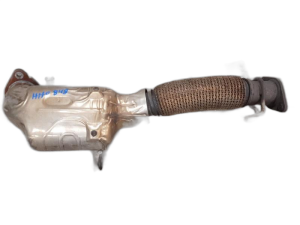
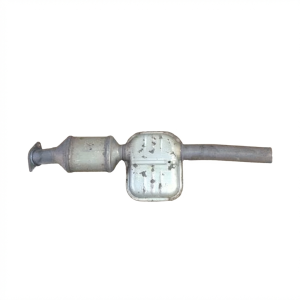
- Exhaust Manifold with Integrated Catalytic Converter
(OEM #DG9Z-5E212-K (replaces DG9Z-5E212-E, DG9Z-5E212-G). Note: Part numbers can vary by specific model year and emissions requirements (Federal vs. California). Always verify with VIN.)— This is the most common and ultimate fix for a P0420 code on the 2.5L Fusion when O2 sensors and exhaust leaks have been ruled out. The original converter has lost its chemical efficiency.
Trusted brands: Ford (Motorcraft), Walker, MagnaFlow, AP Exhaust
OEM price range: $900-$1600
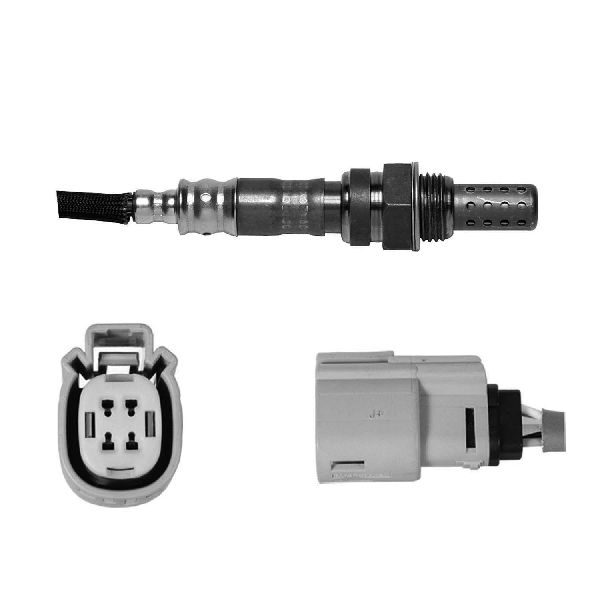
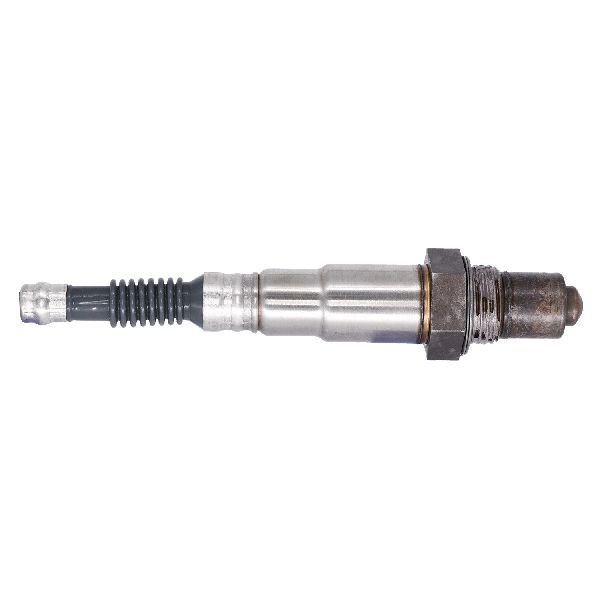
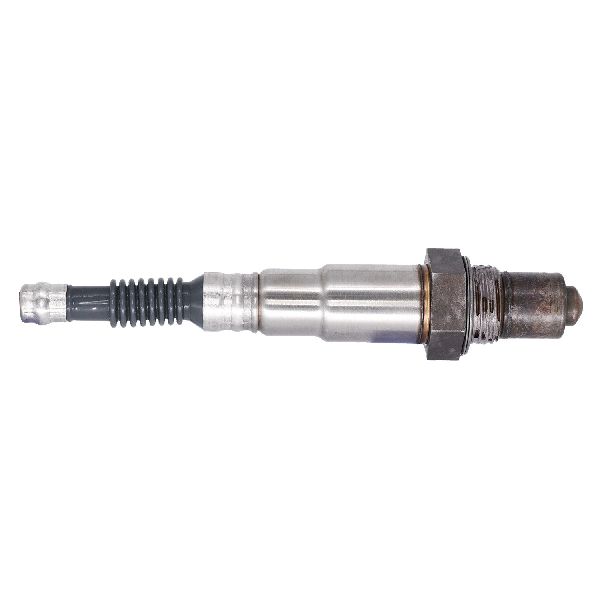
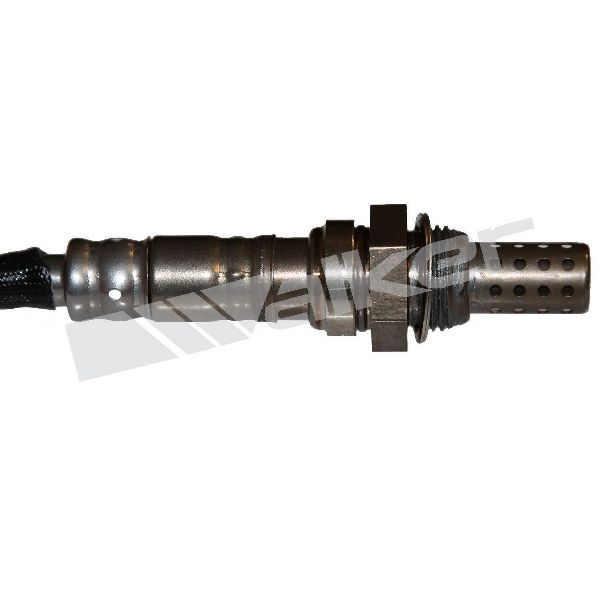
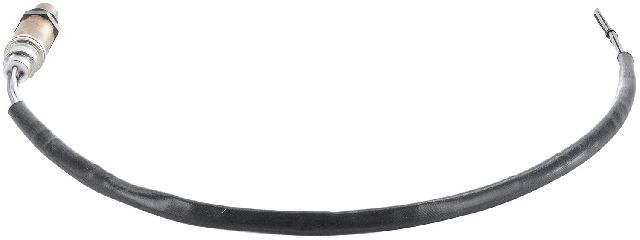
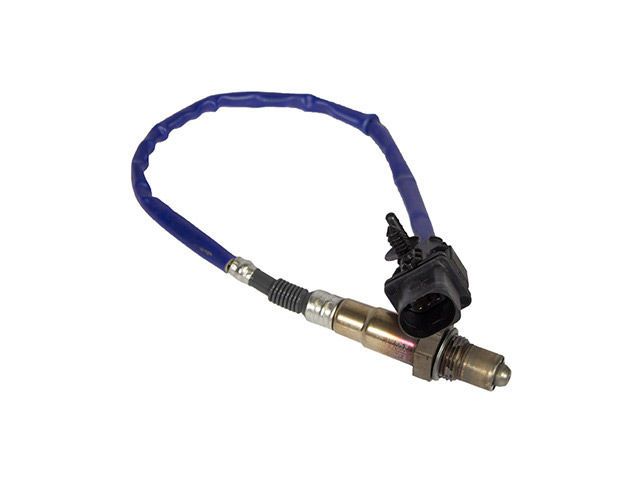
Aftermarket price range: $200-$600 - Downstream Oxygen Sensor (Bank 1, Sensor 2)
(OEM #DY-1203 (Motorcraft).)— This sensor monitors the converter's performance. It can fail or become 'lazy' with age, sending incorrect signals that trigger a false P0420 code. It's a common first part to replace due to its lower cost.
Trusted brands: Motorcraft, Bosch, Denso, NTK
OEM price range: $75-$150
Aftermarket price range: $30-$80
Related Codes That Often Appear With This One
- P0300-P0304 — Misfire codes (P030X) indicate that one or more cylinders are not firing correctly. This dumps raw, unburned fuel into the exhaust, which rapidly overheats and destroys the catalytic converter, leading to a P0420 code.
- P0171 or P0174 — Lean condition codes (P0171/P0174) can cause high combustion temperatures, which can damage the catalytic converter over time.
- P219A or P2096 — These codes relate to fuel trim and air/fuel ratio imbalances. A user on Reddit reported seeing these codes appear alongside P0420, indicating a more complex underlying fuel system or sensor issue that likely caused the catalyst failure.
- P1450 — This code indicates excessive vacuum in the fuel tank or EVAP system. NHTSA ODI #11531982 reports a vehicle running both P1450 and P0420, causing the car to stutter and shake when accelerating from a stop.
Technical Service Bulletins (TSBs) & Recalls
- TSB 21-2033: While not for P0420 directly, this TSB addresses incorrect shifter lever position due to a faulty bushing, a widespread issue on this platform that highlights Ford's acknowledgement of related component failures.
Platform-Specific Known Issues
- Many owners in forums report that using cheaper, non-CARB (California Air Resources Board) compliant aftermarket catalytic converters often results in the P0420 code returning within a few weeks or months. The PCM's monitoring strategy is sensitive, and these units may lack the quantity of precious metals needed to perform to OEM standards.
- A manufacturer report (NHTSA ODI #11642766) suggests that in some Ford models, faulty software can cause an improper diagnosis of catalytic converter efficiency, prompting a P0420 code and preventing the vehicle from passing emissions testing.
Mechanic-Grade Diagnostic Values
- Downstream O2 Sensor (B1S2) Voltage — expected: A steady reading of approximately 0.650V (650 millivolts) or higher at steady RPM indicates the converter is working and has depleted oxygen.. Failure: Voltage fluctuates rapidly, mirroring the upstream O2 sensor, or stays consistently low. A reading lower than 650mV can indicate high oxygen levels, meaning the converter is inefficient.
- Catalyst Temperature Differential — expected: The outlet pipe temperature should be at least 100°F hotter than the inlet pipe temperature when the engine is fully warmed up.. Failure: The outlet temperature is similar to or cooler than the inlet temperature, indicating the catalytic reaction is not occurring.
Hidden / Shadow Codes Worth Checking
- Mode $06, Test ID $81: This test monitors the emission threshold misfire rate. While not a direct catalyst test, excessive misfires logged here (even without a P030x code) can indicate an underlying issue that is destroying the catalytic converter. (see via An advanced OBD-II scan tool capable of reading Mode $06 data.)
- Mode $06, Monitor ID $21, Test ID $80: This is the specific on-board test for Bank 1 catalyst efficiency. The scan tool will show a measured value and a maximum limit. If the measured value exceeds the maximum limit, the monitor fails, and a P0420 code will be set. Reviewing this data can confirm the PCM's direct reason for flagging the code. (see via An advanced OBD-II scan tool (like FORScan or a professional-grade scanner) that can display Mode $06 data with Test IDs.)
Scan Tool Commands That Help
- Ford IDS / FORScan: PCM Reprogram / Software Update — In some cases, particularly on other Ford models, a sensitive PCM calibration has been known to falsely trigger P0420. A Technical Service Bulletin (TSB) may be issued. Checking for and applying a PCM update can be a valid diagnostic step if no physical faults are found.
Wiring & Ground Locations
- G104 — On the top rear of the transmission bell housing.. This is a primary powertrain ground. A poor connection here can create a voltage offset in sensor readings, potentially causing the PCM to receive incorrect data from the oxygen sensors.
- G105 / G108 — Located in the engine compartment, often near the battery junction box or on the left/right side of the engine bay near the strut tower.. These are major chassis and engine harness ground points. Corrosion or looseness at these locations can cause a variety of erratic electronic behaviors, including faulty O2 sensor signals that could lead to a false P0420 code.
- O2 Sensor Connectors — The upstream sensor connector is typically accessible from the top of the engine bay, near the firewall. The downstream sensor connector is located under the vehicle, attached to the chassis near the transmission.. The wiring and connectors for the O2 sensors, particularly the downstream one, are exposed to road debris and heat. Damage to the wires (e.g., from rodents) or corrosion in the connector can cause heater circuit codes or incorrect voltage signals, mimicking a bad sensor or converter.
Real Owner Repair Stories
- Reddit user in r/fordfusion (2019 Ford Fusion with 32,000 miles) — Check Engine Light with code P0420. No other symptoms.
❌ Tried (didn't work) Clearing the code (it returned the next day).
✅ What actually fixed it The dealer diagnosed a failed catalytic converter and replaced it. The repair was covered under the 8-year/80,000-mile federal emissions warranty. - Reddit user in r/MechanicAdvice (2016 Ford Fusion SE 2.5L) — Persistent P0420 code.
❌ Tried (didn't work) Replaced upstream O2 sensor., Replaced downstream O2 sensor., Replaced the entire exhaust manifold with the integrated catalytic converter.
✅ What actually fixed it The user replaced all major components but the code still returned. The final suggested fix, though the outcome was not confirmed by the original poster, was to try an O2 sensor spacer (anti-fouler) to trick the sensor, indicating a potential PCM sensitivity or an issue with the replacement aftermarket converter. - Reddit user in r/fordfusion (2013 Ford Fusion 2.5L) — Loss of power, especially on hot days, and intermittent P0420 code.
❌ Tried (didn't work) Replacing the downstream O2 sensor (fixed the issue temporarily, but it returned)., Replacing the O2 sensor again under warranty (fixed it temporarily again)., Using a catalytic converter cleaner additive.
✅ What actually fixed it The user's problem was intermittent and temporarily resolved by replacing the O2 sensor, but kept returning. This suggests the root cause was likely the catalytic converter itself slowly degrading, with the new sensor being just sensitive enough to pass the monitor for a short time before the converter's inefficiency was detected again. The final fix was not posted, but the pattern points toward eventual converter replacement. - Owner report NHTSA ODI #11485071 — An owner reported that a canister purge valve issue caused a P0420 code. The catalytic converter failure also resulted in significant white smoke from the exhaust and caused the vehicle to stall and shut down while driving.
- Owner report NHTSA ODI #11022308 — An owner of a certified pre-owned vehicle reported a P0420 code at 41,357 miles due to a defective catalytic converter, which was accompanied by very high gas consumption.
When the Usual Fixes Don't Work
- In one case on a 2016 Fusion, a user replaced both O2 sensors and the catalytic converter assembly, yet the P0420 code persisted. This contradicts the common wisdom that one of these three components is always the culprit. This points to a more complex issue, such as a problem with the replacement part's quality (a common aftermarket issue), a wiring fault, or a PCM calibration problem.
OEM Part Supersession History
DG9Z-5E212-E, DG9Z-5E212-G→DG9Z-5E212-K— Standard part evolution for revisions and improvements.
Heads up: DG9Z-5E212-K is specified for federal emissions vehicles. California/Green State emissions vehicles may use a different part number (e.g., DG9Z-5E212-J, which replaces DG9Z-5E212-C). Always verify the correct part for your vehicle's specific emissions configuration using the VIN.
Diagnostic Flowchart
Other Known Issues on This Vehicle
Issues unrelated to this code that are worth knowing about as an owner of this generation:
- Shifter Cable Bushing Failure 🔴 High — Very common. Subject to multiple recalls (e.g., 18S20, 22S43). Can occur at various mileages. (Ref: Recall 18S20, 22S43. Ford issued TSB 21-2033 for related symptoms.)
- Electronic Throttle Body Failure 🟠 Medium — Common issue for the 2.5L engine, often causing rough idle, stalling, and a 'wrench' light on the dash. (Ref: Ford extended warranty coverage on these parts for some model years due to high failure rates.)
- Harsh or Delayed Transmission Shifting 🟡 Low — A common complaint about the 6F35 transmission's shift quality. Sometimes improved with software updates or regular fluid changes.
- Leaking Valve Cover Gasket 🟡 Low — A frequent, minor oil leak source as the vehicle ages. If severe, it can lead to oil fouling spark plugs.
Used vs. New Parts: Buying Guide for This Vehicle
When a used part is the smart pick: Due to EPA regulations and the nature of the part, installing a used catalytic converter from a salvage yard is generally prohibited or ill-advised. It is not a recommended repair. There is no way to verify the remaining life or efficiency of a used converter.
What to inspect on the donor part:
- Not applicable, as used converters should not be installed.
OEM-only on this vehicle (don't cheap out):
- Catalytic Converter: This is the strongest recommendation. The PCM on the Fusion is sensitive, and many owners report that cheaper aftermarket converters do not have enough precious metal loading to satisfy the catalyst monitor, causing the P0420 code to return. An OEM or a high-quality, CARB-compliant aftermarket unit is a much safer investment.
Aftermarket brands forum-validated for this vehicle:
- O2 Sensors: Denso, Bosch, NTK are reputable brands often recommended by professionals.
- Catalytic Converters: MagnaFlow and Walker are well-known brands that offer direct-fit options, but ensure you select a CARB-compliant or OEM-grade version if possible for the best chance of success.
Brands owners have reported issues with on this vehicle:
- Unbranded, low-cost catalytic converters sold on marketplaces like eBay or Amazon are frequently cited in forums as failing to resolve the P0420 code long-term.
Real Owner Stories
Aggregated from forums and TSBs cited above. Mileages and costs reflect what owners reported in those sources.
2016 Ford Fusion 2.5L — 104000 miles
Symptoms: Check engine light with code P0420.
What fixed it: The discussion suggests that while O2 sensors are often tried first, the converter itself is frequently the required fix at this mileage.
Source hint: reddit.com/r/fordfusion/comments/wfl0gs/p0420_error_help/
2013-2020 Ford Fusion 2.5L — ~88000 miles
Symptoms: Recurring P0420 codes; owner is currently on their third catalytic converter.
What fixed it: The first two were replaced by Ford, but the issue persisted, highlighting potential recurring efficiency problems.
Source hint: reddit.com/r/fordfusion/comments/18g5j4t/got_code_p0420_do_i_have_to_get_new_catalytic/
2016 Ford Fusion SE 2.5L
Symptoms: P0420 code returned even after replacing the manifold/converter assembly and the O2 sensor.
What fixed it: The failure was attributed to the unreliability of aftermarket parts or a persistent exhaust leak.
Source hint: reddit.com/r/MechanicAdvice/comments/17w93ou/2016_ford_fusion_se_25_throwing_code_p0420/
Related OBD-II Codes
Frequently Asked Questions
Can I use a cheaper aftermarket catalytic converter on my 2.5L Fusion to save money?
Is the P0420 code related to the shifter bushing recall on my Fusion?
How can I tell if my 2.5L Fusion's catalytic converter is actually bad or if it's just a sensor?
My Fusion is struggling to go over 30-40 mph. Could this be the P0420 code?
What is the specific downstream O2 sensor part for the 2.5L engine shared with the Escape?
Helpful Videos
Used OEM Parts in Stock

New Aftermarket Parts Available

The information in this article is provided for general reference and educational purposes only. Vehicle specifications, procedures, and part compatibility can vary by production date, trim level, and region. Always consult your vehicle's factory service manual and verify part numbers before purchasing or performing repairs. Safety-critical components such as airbags, seat belts, and braking systems should be installed by a qualified professional.
- Ford Fusion:
- 🎬 Helpful Videos
- 🛍️ Shop This Part
- What's Unique About the 2013-2020 Ford Fusion
- Symptoms You May Notice
- Most Likely Causes
- Rare But Worth Checking
- Diagnosis Steps
- Parts You'll Likely Need
- Related Codes That Often Appear With This One
- Technical Service Bulletins (TSBs) & Recalls
- Platform-Specific Known Issues
- Mechanic-Grade Diagnostic Values
- Hidden / Shadow Codes Worth Checking
- Scan Tool Commands That Help
- Wiring & Ground Locations
- Real Owner Repair Stories
- When the Usual Fixes Don't Work
- OEM Part Supersession History
- Diagnostic Flowchart
- Other Known Issues on This Vehicle
- Used vs. New Parts: Buying Guide for This Vehicle
- Real Owner Stories
- 2016 Ford Fusion 2.5L — 104000 miles
- 2013-2020 Ford Fusion 2.5L — ~88000 miles
- 2016 Ford Fusion SE 2.5L
- Related OBD-II Codes
- Frequently Asked Questions
- 🎟️ Get 5% Off