

P0352 on 2005-2011 Cadillac STS 3.6L: Ignition Coil 'B' Circuit Malfunction Fixes
For a 2005-2011 Cadillac STS with the 3.6L V6, code P0352 is almost always caused by a failed ignition coil on cylinder #2. The most effective fix is to replace the coil and the spark plug for that cylinder. Expect to pay $40-$90 for an OEM-quality coil and $10-$20 for an iridium spark plug. This is a DIY-friendly repair with a difficulty of 2/5.
- P0352 on a 3.6L STS points directly to an electrical problem with the ignition coil circuit for cylinder #2.
- The most likely cause is a failed ignition coil, which is a common and relatively inexpensive part to replace.
- The easiest and most definitive diagnostic step is to swap the cylinder #2 coil with another cylinder's coil and see if the trouble code follows.
- Always replace the spark plug in the affected cylinder when you replace the ignition coil.
- If multiple ignition coil codes are present, investigate shared grounds and fuses before replacing all the coils.
What's Unique About the 2005-2011 Cadillac STS
The 3.6L V6 engine family (LY7) used in the Cadillac STS is generally reliable, but ignition coils are a very common failure item due to high under-hood temperatures. While a single coil failure is the most frequent cause of P0352, GM has issued Technical Service Bulletins (like PIP5038B) for this engine family. This TSB notes that if multiple ignition coil codes (e.g., P0351, P0352, P0356) appear together, the root cause may not be multiple bad coils but rather a shared electrical issue, such as a poor ground connection at locations G109 and G112 on the STS. Manufacturer Bulletin #PIP5038B specifically highlights that a Malfunction Indicator Lamp may trigger with a range of codes from P0300 through P0356, requiring technicians to follow specific diagnostic paths for these circuit faults.
Symptoms You May Notice
- Check Engine Light is on
- Rough or uneven idle
- Engine hesitation or stumbling during acceleration
- Reduced engine power
- Noticeable engine vibration
- Decrease in fuel economy
- Engine may enter a reduced power "limp mode"
- Replacing the spark plug without testing the ignition coil first.
- Assuming the ECM is faulty before thoroughly testing the coil, its connector, and the associated wiring.
- Replacing other fuel system components like injectors when the code is specifically pointing to an ignition circuit fault.
Most Likely Causes
- Failed Ignition Coil on Cylinder #2 🔴 High Probability Ignition coils on the 3.6L V6 are a common wear item that fail due to constant exposure to high engine temperatures and vibration over time. The plastic housings can crack and the internal windings can short out.
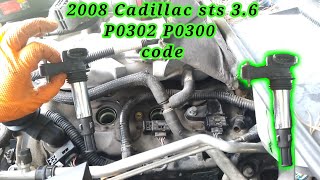
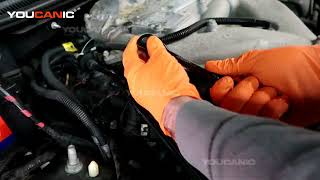
How to confirm: The most effective method is to swap the ignition coil 🎬 Watch: How to diagnose a bad coil and P0302 code from cylinder #2 with another cylinder (e.g., cylinder #4, the middle coil on the same bank). Clear the codes and drive. If the code changes to P0354, the ignition coil is confirmed to be faulty. This is a widely accepted diagnostic technique for this issue.
Typical fix: Replace the failed ignition coil. It is highly recommended to replace the spark plug for that cylinder at the same time. Apply a small amount of dielectric grease to the inside of the new coil boot to ensure a good seal and prevent moisture intrusion.
Est. part cost: $40-$90 - Worn or Fouled Spark Plug 🟡 Medium Probability Spark plugs are a regular maintenance item. A plug with a worn electrode or heavy carbon fouling increases the electrical resistance in the secondary ignition circuit, which puts extra strain on the ignition coil and can lead to a circuit fault code or reflect EMI transient back to the ECM.
How to confirm: After removing the ignition coil, remove the spark plug from cylinder #2. Inspect it for a worn-down center electrode, cracked porcelain insulator, or heavy black/oily deposits. Compare it to a new plug.
Typical fix: Replace the spark plug in cylinder #2. It is best practice to replace all six spark plugs if they are near the end of their service life (typically 100,000 miles).
Est. part cost: $10-$20 per plug - Damaged Wiring or Loose Connector ⚪ Low Probability The plastic ignition coil connectors and wiring insulation can become brittle from years of heat cycles, leading to cracks, loose pins, or corrosion that disrupts the electrical connection.
How to confirm: Visually inspect the electrical connector and wiring harness leading to the cylinder #2 ignition coil. Check for any broken plastic, melted areas, corroded pins, or frayed wires. Gently wiggle the connector with the engine running to see if it affects the idle.
Typical fix: If the connector is damaged, replace the pigtail connector. If a wire is broken, repair the damaged section with a new piece of wire and heat-shrink tubing.
Est. part cost: $15-$30 for a pigtail connector
Rare But Worth Checking
- Faulty Engine Control Module (ECM): This is very rare, but a failing driver circuit within the ECM can cause it to stop sending the correct signal to the ignition coil. TSB PIP5038B notes that in some cases on the 3.6L LLT engine (2008+), a faulty ECM can cause heat damage to the coils. If a coil appears melted or stressed, the ECM should be suspected. This should only be considered after all other possibilities have been exhausted.
- Poor Engine Ground Connection: As mentioned in TSB PIP5038B, a loose or corroded engine ground can cause a variety of intermittent electrical issues, including ignition coil circuit codes. For the STS, the specific grounds to check are G109 and G112. They should be cleaned and torqued to 15 lb-ft (20 Nm). This is more likely if multiple P035x codes are present simultaneously.
Diagnosis Steps
- Read the trouble codes with an OBD-II scanner to confirm P0352 and note any other codes present.
- Identify Cylinder #2. On the 3.6L V6, the cylinders on the driver's side (Bank 2) are numbered 2, 4, and 6, from front to back. Cylinder #2 is the one closest to the front of the car on the driver's side.
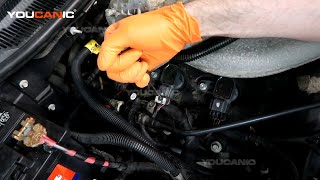
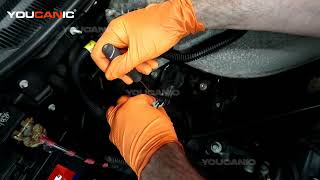
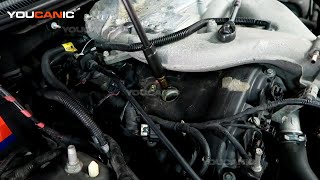
- Perform an ignition coil swap. Turn off the engine. Disconnect the electrical connectors and remove the 10mm bolts holding the ignition coils for cylinder #2 and cylinder #4 (the middle one on the same side). Swap their positions, making sure to mark the suspected bad coil.
- Clear the fault codes with the scanner. Start the engine and go for a short drive until the check engine light comes back on.
- Re-scan for codes. If the code has changed to P0354, the ignition coil you moved from cylinder #2 is faulty and must be replaced.
- If the P0352 code returns, the problem is not the coil. The issue lies in the spark plug or the wiring circuit for cylinder #2.
- Inspect the spark plug. Remove the coil again and inspect the spark plug for wear or damage. The spark plug socket size is 5/8". Replace if necessary. The correct torque for the spark plug is 15 lb-ft (20 Nm).
- If the coil and plug are good, inspect the wiring. Check the connector for damage, corrosion, or loose pins. With the key on (engine off), use a multimeter to verify battery voltage (around 12V) at the power wire on the coil connector and check for a good ground.
- If wiring seems okay, locate and inspect engine grounds G109 and G112 per TSB PIP5038B. Ensure they are clean, tight, and torqued to 15 lb-ft.
- If power and ground are good, the issue may be in the signal wire from the ECM or, rarely, the ECM itself.
Parts You'll Likely Need
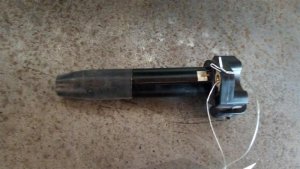
- Ignition Coil
(OEM #12632479)— This is the most common failure part for a P0352 code, failing due to heat and age.
Trusted brands: ACDelco (D515C), Delphi, NGK, Bosch
OEM price range: $50-$90
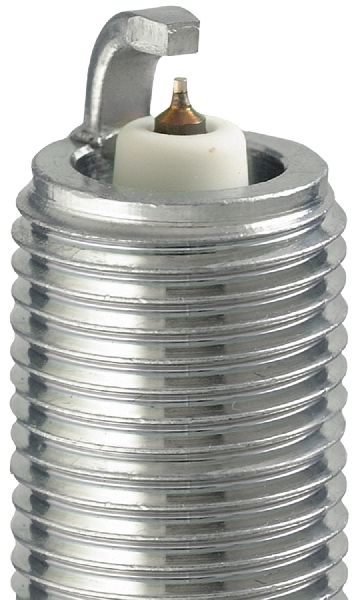
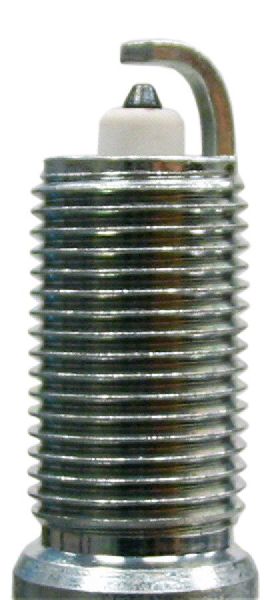
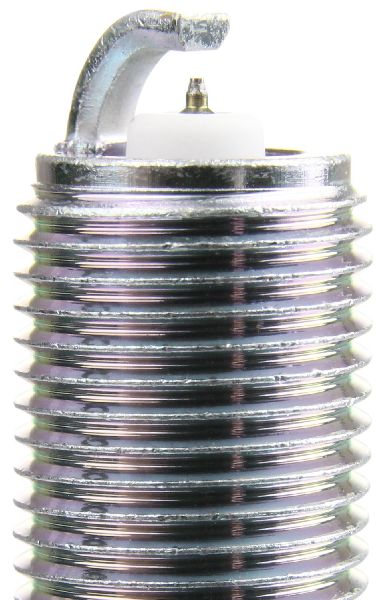
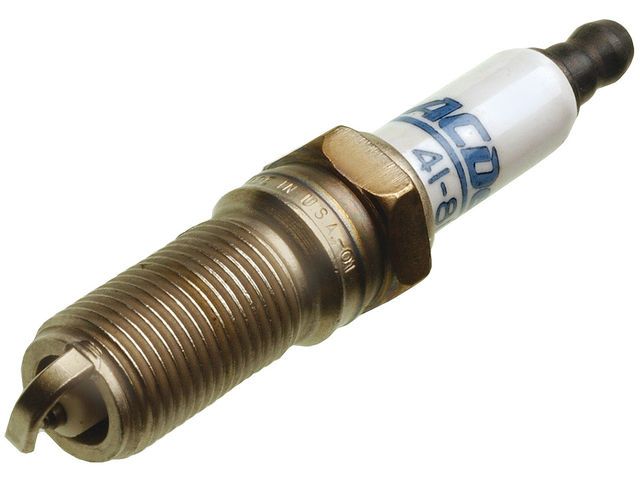
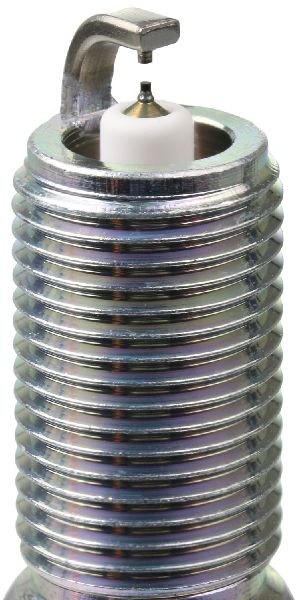
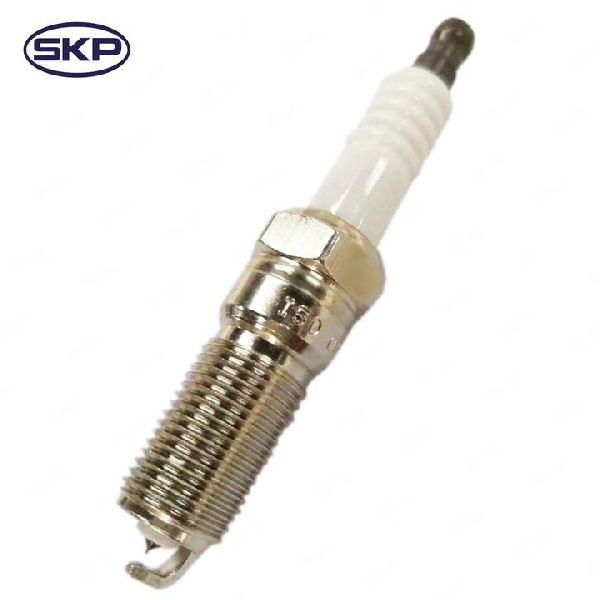
Aftermarket price range: $30-$60 - Iridium Spark Plug
(OEM #41-107)— It is best practice to replace the spark plug when replacing an ignition coil, as a worn plug can cause a new coil to fail prematurely.
Trusted brands: ACDelco, NGK
OEM price range: $10-$20
Aftermarket price range: $5-$15
Related Codes That Often Appear With This One
- P0302 — P0302 means 'Cylinder 2 Misfire Detected.' Since P0352 indicates a fault in the ignition circuit for cylinder 2, it directly causes the misfire that P0302 reports. It is very common to see these two codes together.
- P0300 — This code for 'Random/Multiple Cylinder Misfire' can appear if the misfire from cylinder 2 is severe enough to affect overall engine stability, or if an underlying electrical issue (like a bad ground) is starting to affect other cylinders.
- P0351, P0353, P0354, P0355, P0356 — These are the corresponding ignition coil circuit codes for the other cylinders. If seen together, TSB PIP5038B suggests a common problem like a blown fuse or a bad ground connection (G109/G112) rather than multiple individual coil failures.
Technical Service Bulletins (TSBs) & Recalls
- PIP5038B: Addresses scenarios where multiple ignition coil circuit codes (P0351-P0356) are stored. It suggests checking for common electrical issues like poor ground connections (specifically G109/G112 on the STS, torqued to 15 lb-ft), loose fuse blocks, or even faulty ECMs causing heat damage to coils, rather than assuming all coils have failed independently. This bulletin notes that a technician may find codes P0300 through P0306 alongside P0351 through P0356 when the Malfunction Indicator Lamp is illuminated.
Mechanic-Grade Diagnostic Values
- Ignition Coil Connector - Power Supply Voltage (Key On, Engine Off) — expected: ~12 Volts (Battery Voltage). Failure: Low or no voltage points to a problem with the ignition fuse or the power supply wire.
- Ignition Coil Connector - Ground Circuit Resistance — expected: Near 0 Ohms continuity to a known good ground.. Failure: High resistance or an open circuit (OL) indicates a bad ground connection or a break in the ground wire.
- Ignition Coil Connector - Ignition Control (IC) Signal (while cranking) — expected: A pulsing 0-5V DC signal visible on a multimeter or oscilloscope.. Failure: No signal or a constant voltage indicates a break in the signal wire from the ECM or a faulty ECM driver circuit.
- Ignition Coil Primary Winding Resistance — expected: Typically very low, around 0.5 Ohms.. Failure: A reading of infinite resistance (OL) indicates an open winding. While a common test, it may not always identify a coil that fails under load.
- Ignition Coil Secondary Winding Resistance — expected: Typically in the range of 5,000 to 15,000 Ohms (5kΩ - 15kΩ).. Failure: A reading significantly outside this range or infinite resistance (OL) indicates a failed secondary winding.
Scan Tool Commands That Help
- GM Tech 2 / GDS2: Engine Output Controls > Coil Tests — This function, found under Special Functions, allows a technician to command the ECM to fire individual coils or disable them one by one. This can help confirm if the ECM driver is capable of sending a signal and can isolate the misfiring cylinder without having to physically disconnect components.
Wiring & Ground Locations
- G109 — Near the right front of the engine block (passenger side).. This is a primary engine and ignition system ground. TSB PIP5038B specifically calls out this ground as a potential cause for multiple P035x codes if it is loose or corroded. It should be cleaned and torqued to 15 lb-ft (20 Nm).
- G112 — On the right rear side of the engine block, near the starter (passenger side).. This is the other critical ignition system ground mentioned in TSB PIP5038B. A poor connection here can cause intermittent and difficult-to-diagnose ignition faults. It should also be torqued to 15 lb-ft (20 Nm).
- Ignition Coil #2 Connector — On top of the ignition coil for the front-most cylinder on the driver's side.. This 4-pin connector provides power, ground, and the trigger signal from the ECM to the coil. The pins can become corroded or the plastic connector can become brittle and crack from heat, causing a poor connection.
- Engine Control Module (ECM) — On the 3.6L LY7, the ECM is located on the front of the engine, mounted to the right (passenger side) valve cover.. This is the source of the control signal for the ignition coil. All wiring for the ignition control circuit terminates here. Its location exposes it to engine heat and vibration.
OEM Part Supersession History
12610626, 12618542→12632479 (ACDelco D515C)— Standard part evolution for improved durability, winding insulation, and resistance to heat-induced failure.
Heads up: The newer part number 12632479 (D515C) is fully backward compatible with vehicles that originally used the older numbers.
Model Year Variations Within This Range
- 2005-2007: These model years exclusively used the port-injected 3.6L LY7 V6 engine.
- 2008-2011: The STS was updated with the direct-injected 3.6L LLT V6, which produced more power (302 hp vs 255 hp). While the ignition system is fundamentally similar, the LLT engine has its own unique issues, such as carbon buildup on intake valves, which is not a factor on the LY7.
Diagnostic Flowchart
Other Known Issues on This Vehicle
Issues unrelated to this code that are worth knowing about as an owner of this generation:
- Premature Timing Chain Stretch 🔴 High — Very common, often occurs between 70,000 and 120,000 miles. Triggers codes like P0008, P0009, P0016, P0017, P0018. (Ref: Special Coverage Adjustment #11340C (expired) extended warranty to 10 years/120,000 miles for 2007 models. TSBs #PIP3423P and #12-06-01-009F also apply.)
- Excessive Oil Consumption 🟠 Medium — Frequently reported, with some owners experiencing consumption as high as 1 quart per 1,000-2,000 miles. Often attributed to worn piston rings or PCV system design.
- Rear Differential Pinion Seal Leak / Mount Failure 🟠 Medium — A common issue leading to fluid leaks and clunking noises from the rear of the vehicle. A recall was issued for the pinion seal on some models. (Ref: NHTSA Recall #06V472000 for rear axle pinion seal leak.)
Used vs. New Parts: Buying Guide for This Vehicle
When a used part is the smart pick: For this repair, using a used part is generally not recommended for the ignition coil itself due to its nature as a common wear item. However, obtaining a used wiring harness pigtail from a junkyard is a viable option if only the plastic connector is broken and the donor vehicle's wiring is in good condition.
Donor-vehicle mileage cap: roughly under 80000 miles for the part to have meaningful remaining life.
What to inspect on the donor part:
- For a pigtail connector, inspect for any cracks, brittleness, or signs of melting on the plastic.
- Ensure the wire insulation is still flexible and not cracking or frayed.
- Check the metal pins inside the connector for any green or white corrosion.
- Verify the donor vehicle was not in a front-end collision that could have stressed the engine harness.
OEM-only on this vehicle (don't cheap out):
- Engine Control Module (ECM) - While not a common failure, if replacement is needed, a new or professionally remanufactured OEM unit is critical to ensure proper software and compatibility.
Aftermarket brands forum-validated for this vehicle:
- ACDelco (OEM)
- Delphi
- NGK
- Bosch
Brands owners have reported issues with on this vehicle:
- Unbranded, 'white-box' ignition coils sold on online marketplaces often have high failure rates and may not last long. It is better to invest in a reputable brand for this component.
Real Owner Stories
Aggregated from forums and TSBs cited above. Mileages and costs reflect what owners reported in those sources.
2007 Cadillac STS 3.6L LY7 V6
Symptoms: Exhibiting a P0352 code and engine misfire symptoms.
What fixed it: The issue was diagnosed as a known ignition coil circuit fault, corroborated by technician networks as a common failure point for this specific year and engine.
Source hint: iATN (International Automotive Technicians Network) discussion from January 2018
2011 Cadillac (3.6L LY7 V6)
Symptoms: Persistent P0352 code, rough idle, and sputtering.
What fixed it: The owner traced the wiring harness from the coil back to the PCM and found a pinched/broken wire where the harness passed near the valve cover. Repairing the wire resolved the code.
Source hint: Lincoln vs Cadillac Forums thread titled 'P0352 - Ignition Coil B Primary/Secondary Circuit Malfunction'
Related OBD-II Codes
Frequently Asked Questions
Where is Cylinder #2 located on my Cadillac STS 3.6L V6?
Does TSB PIP5038B apply to my STS if I have multiple ignition coil codes?
Can I swap coils to test if the P0352 code is actually a bad part?
What is the correct torque for the spark plugs on the LY7 engine?
Is there a recall for the timing chain issues often seen alongside ignition codes on the 2007 STS?
Could a loose fuse block cause my P0352 code?
Helpful Videos
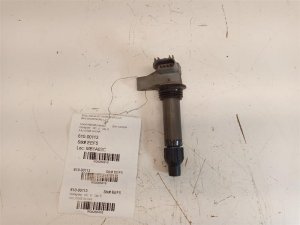
Used OEM Parts in Stock
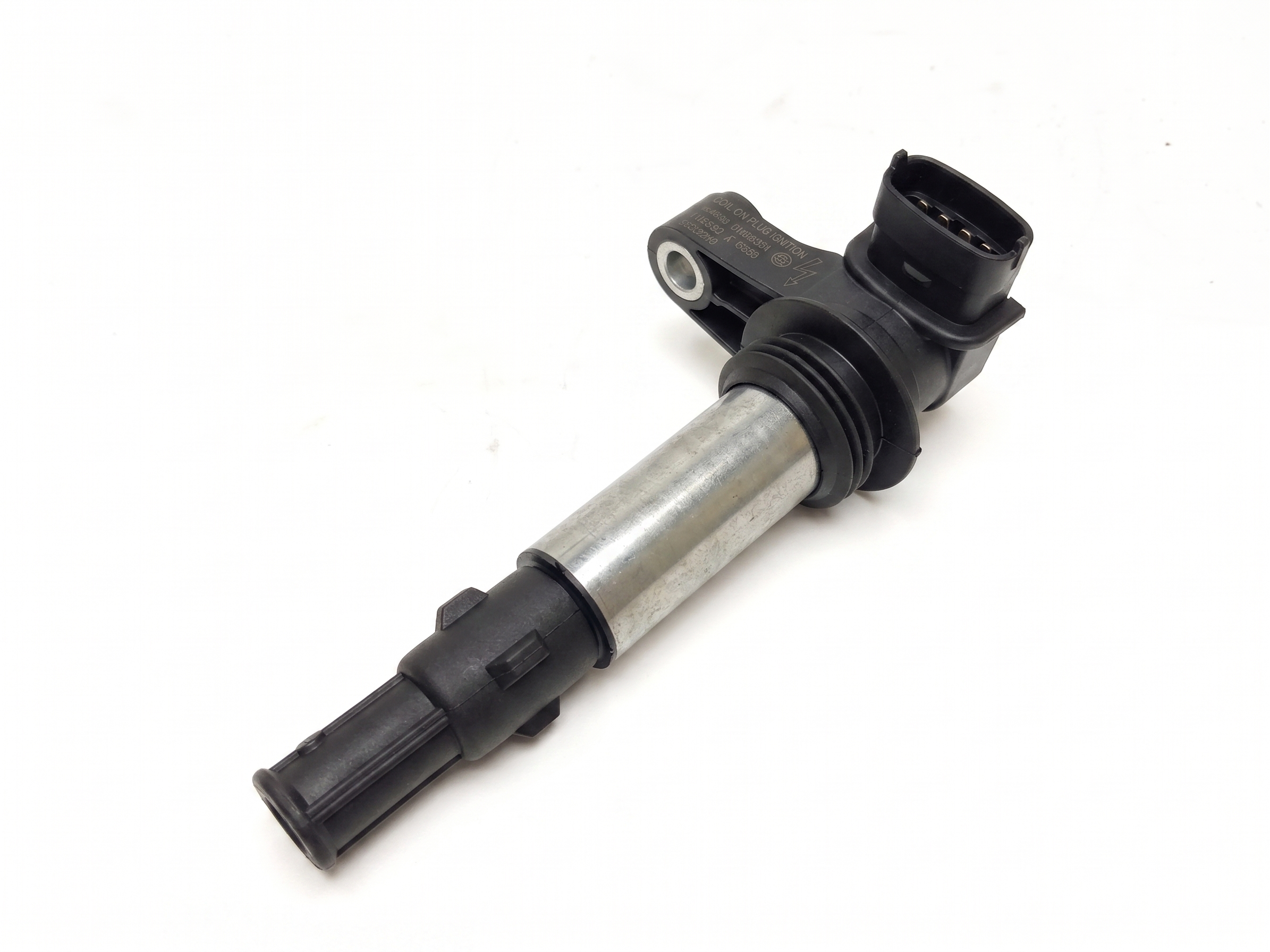

New Aftermarket Parts Available

The information in this article is provided for general reference and educational purposes only. Vehicle specifications, procedures, and part compatibility can vary by production date, trim level, and region. Always consult your vehicle's factory service manual and verify part numbers before purchasing or performing repairs. Safety-critical components such as airbags, seat belts, and braking systems should be installed by a qualified professional.
- Cadillac STS:
- 🎬 Helpful Videos
- 🛍️ Shop This Part
- What's Unique About the 2005-2011 Cadillac STS
- Symptoms You May Notice
- Most Likely Causes
- Rare But Worth Checking
- Diagnosis Steps
- Parts You'll Likely Need
- Related Codes That Often Appear With This One
- Technical Service Bulletins (TSBs) & Recalls
- Mechanic-Grade Diagnostic Values
- Scan Tool Commands That Help
- Wiring & Ground Locations
- OEM Part Supersession History
- Model Year Variations Within This Range
- Diagnostic Flowchart
- Other Known Issues on This Vehicle
- Used vs. New Parts: Buying Guide for This Vehicle
- Real Owner Stories
- 2007 Cadillac STS 3.6L LY7 V6
- 2011 Cadillac (3.6L LY7 V6)
- Related OBD-II Codes
- Frequently Asked Questions
- 🎟️ Get 5% Off