

P0330 on 2016-2018 Lincoln MKX: Knock Sensor Circuit Causes and Fixes
On a 2016-2018 Lincoln MKX with the 2.7L EcoBoost engine, code P0330 is most often caused by a faulty engine wiring harness that affects both the knock sensor and the coolant temperature sensor. The fix typically involves replacing the knock sensor and its associated harness. This issue is well-documented in Ford/Lincoln TSBs and affects several other Ford/Lincoln vehicles with the same engine.
- For the 2016-2018 Lincoln MKX with the 2.7L engine, P0330 is very likely caused by a known wiring harness issue.
- Always check for accompanying coolant-related DTCs (like P0116, P0117), as their presence makes the wiring harness fault almost certain.
- The official fix from Ford/Lincoln involves replacing both the knock sensor harness and the ECT sensor.
- Simply replacing the knock sensor without addressing the harness may not solve the problem.
- This repair is complex due to the location of the sensors under the intake manifold and is best suited for experienced DIYers or a professional.
What's Unique About the 2016-2018 Lincoln MKX
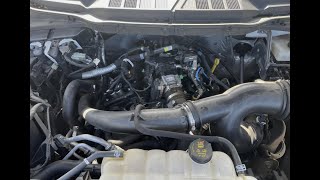
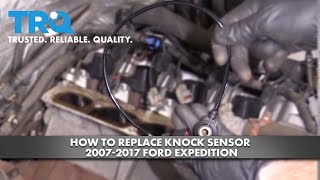
The 2016-2018 Lincoln MKX with the 2.7L EcoBoost V6 has a widely recognized issue detailed in multiple Technical Service Bulletins (TSBs). The wiring for the Bank 2 knock sensor is integrated into a harness that also serves the Engine Coolant Temperature (ECT) sensor. This harness is located under the intake manifold and is prone to damage from heat and potential fluid leaks, causing the P0330 code to frequently appear with a cluster of seemingly unrelated coolant temperature codes. This makes it a unique diagnostic challenge where a knock sensor code is often the result of a broader, known wiring problem 🎬 Watch: How this wiring harness causes multiple sensor codes rather than the sensor itself.
Diagnostic Flowchart
Tap your situation to follow the diagnostic path that matches what you're seeing on this vehicle.
Symptoms You May Notice
- Check Engine Light is on
- Wrench lamp may be illuminated
- Reduced engine power or sluggish acceleration
- Audible engine pinging or knocking, especially under load
- Engine Coolant Over Temperature warning on the dash
- Cooling fans running on high speed constantly
- Replacing only the knock sensor without inspecting or replacing the known problematic wiring harness. The code will likely return if the harness is the root cause.
- Replacing coolant system components like the thermostat or radiator due to the associated temperature codes, without realizing they are triggered by the shared electrical fault.
- Focusing only on the P0330 code and ignoring other accompanying DTCs, which are the primary clue to the real problem.
Most Likely Causes
- Damaged or Faulty Knock/ECT Sensor Wiring Harness 🔴 High Probability This is a known issue for the 2.7L EcoBoost engine across multiple Ford and Lincoln platforms, as documented in TSBs SSM 48991, SSM 47791, and SSM 46906. The harness is situated under the intake manifold in a high-heat area, making it susceptible to degradation and damage. A coolant leak in the valley of the engine can also drip directly onto the sensors and wiring, causing them to short out.
How to confirm: Scan for other codes. The presence of codes like P0116, P0117, P0118, P0119, or P0217 alongside P0330 is a very strong indicator of this specific harness issue. A visual inspection is difficult as it requires removing the intake manifold. The diagnosis is often made based on the combination of DTCs and the known history of this problem documented in TSBs.
Typical fix: Replace the knock sensor and its associated wiring harness. Per TSB SSM 48991, the knock sensor (causal part 12A699) and ECT sensor (12A648) should be replaced together as a unit. The harness part number is often cited as FT4Z-6C038-A for the Ford Edge platform mate. Do not disconnect the old ECT sensor from the harness, as Ford may request the parts for analysis.
Est. part cost: $75-$175 for the harness and sensors - Failed Knock Sensor (Bank 2) 🟡 Medium Probability The sensor itself is located in a high-heat environment under the intake manifold, which can lead to failure over time. It can also be damaged by coolant leaks.
How to confirm: If the wiring harness is confirmed to be good, the sensor itself may have failed. The sensor can be tested with a multimeter for proper resistance, which should typically be between 93 and 100 ohms for many vehicles. Accessing the sensor requires removing the intake manifold, so this test is usually performed during the replacement job.
Typical fix: Replace the Bank 2 knock sensor. Given the significant labor involved in removing the intake manifold, it is highly recommended to replace both knock sensors (Bank 1 and Bank 2) and the wiring harness at the same time.
Est. part cost: $30-$80 per sensor - Poor Electrical Connection ⚪ Low Probability
How to confirm: Check the connector at the knock sensor and at the PCM for corrosion, moisture, or bent pins. Ensure the connector is fully seated. This is difficult for the sensor end without first removing the intake manifold.
Typical fix: Clean the connector terminals and apply dielectric grease before reconnecting. If the connector is damaged, replace the pigtail.
Est. part cost: $15-$40
Rare But Worth Checking
- Powertrain Control Module (PCM) Fault: This is very rare. In some cases on other Lincoln/Ford platforms, a faulty ignition coil driver within the PCM has been known to cause misfires that could potentially be misinterpreted, but a direct PCM fault causing P0330 is unlikely. All other possibilities, especially the known wiring harness issue, must be exhaustively ruled out before considering the PCM.
Diagnosis Steps
- Scan the PCM for all stored trouble codes. Pay close attention to the presence of any coolant-related codes (P0116, P0117, P0118, P0119, P0217, P1299) alongside P0330.
- If coolant codes are present, the primary suspect is the shared knock/ECT sensor wiring harness as described in TSB SSM 48991.
- Confirm the vehicle and engine match the TSB criteria (2016-2018 MKX with 2.7L EcoBoost).
- Prepare for intake manifold removal to access the components. This is a labor-intensive job.
- Once the intake manifold is removed, perform a thorough visual inspection of the engine wiring harness in the engine valley. Look for chafing, melting, corrosion, or signs of coolant contamination.
- Even if no visible damage is found, the recommended repair per the TSB is to replace both the knock sensor(s) and the associated harness that includes the ECT sensor wiring.
- While access is available, it is best practice to replace both knock sensors (Bank 1 and Bank 2) to avoid future repairs.
- After reassembly, clear all DTCs and perform a test drive to ensure the codes do not return.
Parts You'll Likely Need
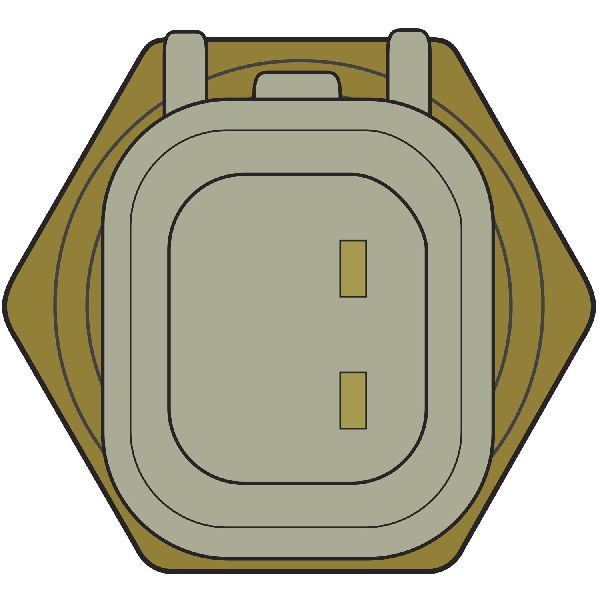
- Ignition Knock (Detonation) Sensor
(OEM #FT4Z-12A699-F (Causal part per TSB))— This is the sensor that detects engine knock. TSB SSM 48991 explicitly states to replace the knock sensor as part of the fix for the harness issue. It's wise to replace both while the intake is off.
Trusted brands: Motorcraft, Standard Motor Products, Delphi, NGK
OEM price range: $60-$90
Aftermarket price range: $30-$60 - Knock Sensor / ECT Sensor Wiring Harness
(OEM #FT4Z-6C038-A (platform mate part #))— This is the root cause of the problem in most cases. It contains the wiring for both the knock sensors and the ECT sensor. A part number for the Ford Edge equivalent is FT4Z-6C038-A.
Trusted brands: Motorcraft
OEM price range: $50-$100
Aftermarket price range: N/A - Engine Coolant Temperature (ECT) Sensor
(OEM #9U2Z-12A648-A (Motorcraft DY1145))— Due to the shared, problematic wiring harness, Ford TSBs recommend replacing this sensor at the same time as the knock sensor harness to fully resolve the issue.
Trusted brands: Motorcraft, Bosch
OEM price range: $25-$40
Aftermarket price range: $15-$30 - Intake Manifold Gaskets — These are required for the job because the intake manifold must be removed to access the knock sensors and harness. They are single-use and must be replaced.
Trusted brands: Fel-Pro, Mahle, Motorcraft
OEM price range: $40-$80
Aftermarket price range: $20-$50
Related Codes That Often Appear With This One
- P0117 — Indicates ECT Sensor Circuit Low Input. This is the most common companion code, as the ECT sensor's wiring is integrated into the same faulty harness as the knock sensor, per TSB SSM 48991.
- P0116 — Indicates an issue with the Engine Coolant Temperature (ECT) sensor circuit performance. This code is frequently seen with P0330 on the 2.7L engine because the ECT and knock sensors share a wiring harness that is prone to failure.
- P0217 — Indicates an Engine Overtemperature Condition. This can be a false warning triggered by the faulty signal from the ECT sensor portion of the shared wiring harness.
- P1299 — A Ford-specific code for Cylinder Head Overtemperature Protection Active. Like P0217, this is often triggered by the false ECT sensor data from the damaged harness.
- P0325 — This is the equivalent code for the Knock Sensor 1 Circuit on Bank 1. While less common than P0330 in this specific failure scenario, a widespread harness issue or a true engine-wide knock condition could trigger faults for both sensors.
Technical Service Bulletins (TSBs) & Recalls
- SSM 48991: Recommends replacing the ECT sensor and knock sensor/harness for a group of DTCs including P0330 on 2.7L engines.
- SSM 47791: Points to a poorly seated ECT connector or damaged wiring for P0330 and other codes on the 2.7L engine.
- SSM 46906: An earlier version of the TSB, also identifying the ECT sensor connector/wiring as the likely cause for P0330 on the 2.7L engine.
Platform-Specific Known Issues
- TSB SSM 48991: The most definitive bulletin for this issue. It covers 2016-2018 MKX with the 2.7L engine and lists a wide range of DTCs (including P0330 and many coolant codes) caused by the ECT/knock sensor wiring harness. The fix is to replace the 12A648 ECT sensor and 12A
Mechanic-Grade Diagnostic Values
- Engine Coolant Temperature (ECT) Sensor Resistance — expected: Approximately 2,000 to 3,000 ohms at 68°F (20°C).. Failure: Infinite resistance (open circuit) or a value that does not change with temperature suggests a faulty sensor. Since this sensor shares a harness with the knock sensor, its failure is a strong pointer to the harness issue.
- Knock Sensor Bolt Torque — expected: ~15 ft-lbs. Failure: Improper torque can affect the sensor's ability to correctly detect vibrations. While not a direct electrical test, it's a critical mechanical value for proper function after replacement.
Scan Tool Commands That Help
- Ford IDS (Integrated Diagnostic System): Self-Test - Retrieve Continuous Memory DTCs — This is the essential first step to ensure all stored codes are read. For the P0330 issue on this platform, it is critical to see the accompanying coolant-related codes (P0117, P1299, etc.) which are the primary indicators that the TSB-documented harness failure is the root cause.
Wiring & Ground Locations
- Knock Sensor 2 (Bank 2) — On the engine block, in the valley between the cylinder heads, under the intake manifold. Bank 2 is the cylinder bank on the driver's side for the 2.7L EcoBoost engine.. This is the physical location of the sensor that must be accessed for testing or replacement. Its location under the intake manifold makes the repair labor-intensive.
- Knock/ECT Sensor Harness — Runs in the engine valley under the intake manifold, connecting to both knock sensors and the ECT sensor.. This harness is the subject of multiple TSBs and is the most common failure point, causing P0330 to appear with ECT codes. Damage is often from heat degradation or coolant leaks from above.
- Primary Engine Ground Strap — Typically a braided cable connecting the engine block to the chassis/frame near the battery or transmission.. While not a common cause for this specific code, a poor engine ground can cause a variety of erratic sensor readings and PCM issues. It should be checked for corrosion and tightness if multiple, seemingly unrelated electrical faults are present.
Real Owner Repair Stories
- Reddit user 'dankredditor92' on r/f150 (2019 Ford F-150 with 2.7L EcoBoost (platform mate)) — A coolant temperature sensor failure.
✅ What actually fixed it The dealership replaced the ECT sensor, both knock sensors, and the associated wiring harness as a complete job under warranty. The repair involved removing the intake manifold, both fuel rails, and injectors. The user noted the dealership stated that 'if the ect sensors goes, ford wants the knock sensors and wiring done.'
OEM Part Supersession History
FT4Z-12A699-B, FT4Z-12A699-C, FT4Z-12A699-D→FT4Z-12A699-F— Standard part revision and improvement by the manufacturer.
Helpful Videos

Used OEM Parts in Stock


New Aftermarket Parts Available




The information in this article is provided for general reference and educational purposes only. Vehicle specifications, procedures, and part compatibility can vary by production date, trim level, and region. Always consult your vehicle's factory service manual and verify part numbers before purchasing or performing repairs. Safety-critical components such as airbags, seat belts, and braking systems should be installed by a qualified professional.
- Lincoln MKX:
- 🎬 Helpful Videos
- 🛍️ Shop This Part
- What's Unique About the 2016-2018 Lincoln MKX
- Diagnostic Flowchart
- Symptoms You May Notice
- Most Likely Causes
- Rare But Worth Checking
- Diagnosis Steps
- Parts You'll Likely Need
- Related Codes That Often Appear With This One
- Technical Service Bulletins (TSBs) & Recalls
- Platform-Specific Known Issues
- Mechanic-Grade Diagnostic Values
- Scan Tool Commands That Help
- Wiring & Ground Locations
- Real Owner Repair Stories
- OEM Part Supersession History
- 🎟️ Get 5% Off