

P0325 on 2011-2017 Chrysler 200 2.4L: Knock Sensor Circuit Malfunction Causes and Fixes
For a Chrysler 200 with a 2.4L engine, P0325 typically means the knock sensor has failed or its wiring is damaged. The sensor is often located under the intake or exhaust manifold, making replacement labor-intensive. On 2015-2017 models with the Tigershark engine, it is located under the exhaust manifold. Expect to pay $30-$80 for an aftermarket sensor and several hundred dollars in labor if a shop performs the work.
- P0325 on a 2.4L Chrysler 200 points to a fault in the knock sensor circuit, most commonly a failed sensor or damaged wiring.
- The location of the sensor varies by model year; on 2015-2017 Tigershark engines, it is under the intake manifold, making replacement a difficult and labor-intensive job.
- Due to the high labor involved, it is wise to replace the sensor's wiring pigtail and the intake manifold gaskets at the same time you replace the sensor.
- Driving with this code will cause reduced performance and fuel economy, and it leaves the engine vulnerable to damage if a real knock condition occurs.
What's Unique About the 2011-2017 Chrysler 200
The 2011-2017 Chrysler 200 spans two generations with different 2.4L engines and knock sensor locations. The 2011-2014 models (JS generation) use the 2.4L World Engine, where the sensor is typically under the intake manifold. The 2015-2017 models (UF generation) use the 2.4L Tigershark engine, where the sensor is located on the front of the engine block, under the exhaust manifold. This location difference significantly impacts the difficulty and labor time for replacement. On the Tigershark, accessing the sensor requires removing the exhaust manifold heat shield and sometimes the manifold itself, making it a labor-intensive job.
Generation note: The 2011-2017 range covers two generations of the Chrysler 200. The first generation (2011-2014) used the 2.4L World Engine, while the second generation (2015-2017) used the 2.4L Tigershark I4. The knock sensor location differs between them: under the intake manifold for the earlier models and under the exhaust manifold for the later Tigershark engine, which affects repair difficulty.
Symptoms You May Notice
- Check Engine Light is on
- Reduced engine power and sluggish acceleration
- Decreased fuel economy
- Engine hesitation or jerking
- Audible engine knocking or pinging noises (in some cases)
- Replacing the knock sensor without inspecting the wiring harness. The connector pigtail is a common failure point and can cause the code to return if not addressed.
- Replacing spark plugs or ignition coils to fix performance issues without addressing the P0325 code first. The poor performance is often a result of the PCM's safe mode, not the cause of the code.
Most Likely Causes
- Faulty Knock Sensor 🔴 High Probability The sensor is located in a high-heat, high-vibration environment on the engine block, which leads to eventual failure of its internal piezoelectric components or cracks in its housing.
How to confirm: After verifying the wiring is intact, test the sensor's resistance with a multimeter and compare it to the manufacturer's specifications. A reading of open circuit (infinite resistance) or a dead short confirms a bad sensor. A 'tap test' with a scan tool monitoring the signal can also be effective.
Typical fix: Replace the knock sensor. It is highly recommended to also replace the wiring pigtail connector at the same time, as it is also prone to heat damage and brittleness.
Est. part cost: $25-$80 - Damaged Wiring or Connector 🟡 Medium Probability The wiring harness is routed in a high-heat area near the engine block and manifolds. Over time, the heat can make the wiring brittle, causing it to crack, chafe, or melt, resulting in a short or open circuit. Damage can also occur during unrelated repairs in the same tight area, such as a starter replacement.
How to confirm: Visually inspect the wiring harness leading to the knock sensor for any signs of damage, melting, or corrosion. Perform a continuity test from the sensor connector to the PCM connector to check for breaks in the wire.
Typical fix: Repair the damaged section of the wire or replace the connector pigtail. If damage is extensive, a new engine wiring harness section may be required.
Est. part cost: $15-$40
Rare But Worth Checking
- PCM Software Update Needed: In some cases across various manufacturers, a P0325 code can be triggered by a software glitch. It is worth checking for any available Technical Service Bulletins (TSBs) related to PCM updates if the sensor and wiring test good.
- Internal Engine Problems: If the engine is truly knocking due to other issues (like excessive carbon buildup or low oil pressure on Tigershark engines known for oil consumption), the sensor may be working correctly. This would typically be accompanied by other symptoms and possibly other trouble codes.
- Faulty Powertrain Control Module (PCM): This is a very rare cause. The PCM should only be considered as the culprit after all other possibilities, including the sensor and its entire circuit, have been exhaustively tested and ruled out.
Diagnosis Steps
- Use an OBD-II scanner to confirm the P0325 code and check for any other related codes.
- Inspect the engine for any obvious mechanical issues or audible knocking sounds.
- Visually inspect the knock sensor's wiring harness and connector for any signs of damage, melting, chafing, or corrosion. This is a critical step, especially on the Tigershark engine where the harness is near the hot exhaust manifold.
- If the wiring appears intact, disconnect the sensor and test its internal resistance using a digital multimeter. Compare the reading to the manufacturer's specification (typically high resistance, e.g., 90-110 kOhms, but refer to service manual). An open or shorted reading indicates a failed sensor.
- Perform a continuity test on the wiring between the sensor connector and the PCM connector to rule out an open or short circuit.
- If the sensor and wiring test good, check for any available PCM software updates from Chrysler.
- If all other tests pass, the knock sensor itself is the most likely culprit.
Parts You'll Likely Need
- Ignition Knock Sensor
(OEM #5033316AB)— This is the most common component to fail, triggering the P0325 code due to internal failure from heat and vibration. The OEM part number 5033316AB supersedes previous versions like 5033316AA and 56028563AA.
Trusted brands: Mopar, Delphi, NGK/NTK, Standard Motor Products (SMP)
OEM price range: $90-$140
Aftermarket price range: $25-$80 - Knock Sensor Connector Pigtail — The connector becomes brittle from engine heat and can cause a poor connection, mimicking a failed sensor. It is often replaced as a preventative measure during a knock sensor job.
Trusted brands: Dorman, Standard Motor Products (SMP)
OEM price range: $20-$40
Aftermarket price range: $15-$30 - Intake Manifold Gaskets — If the sensor is located under the intake manifold (common on the 2011-2014 2.4L World Engine), the manifold must be removed for access. The gaskets are single-use and must be replaced to prevent vacuum leaks.
Trusted brands: Mopar, Fel-Pro, Mahle
OEM price range: $25-$50
Aftermarket price range: $15-$30
Related Codes That Often Appear With This One
- P0326 — This code for 'Knock Sensor 1 Circuit Range/Performance' is very closely related and often points to the same root causes, such as a failing sensor or an intermittent wiring connection.
- P0327 — This code indicates 'Knock Sensor 1 Circuit Low Input'. It points specifically to an electrical issue like a short to ground in the sensor's circuit, which could appear alongside P0325.
- P0328 — This code indicates 'Knock Sensor 1 Circuit High Input'. It points to an electrical issue like an open circuit or a short to voltage, which could appear with P0325.
Technical Service Bulletins (TSBs) & Recalls
- TSB 09-003-23 REV A: Addresses the excessive oil consumption issue on the 2.4L Tigershark engine and outlines the oil consumption test procedure for warranty claims under the XB1 warranty extension.
- TSB 18-023-16 REV. C: A PCM software update for the 2.4L Tigershark that, while primarily for other codes, can improve overall engine diagnostics and performance, which is relevant when troubleshooting complex electrical codes.
- Recall S55 / NHTSA 16V-529: Addresses an issue where the 9-speed transmission could unexpectedly shift to neutral due to insufficient crimps in the transmission wire harness. Affects 2015 Chrysler 200 models.
Platform-Specific Known Issues
- source — A user on Jeep Cherokee Forum, which shares the same 2.4L engine and layout, reported that a P0325 code appeared immediately after a difficult starter motor replacement. The tight working space makes it very easy to accidentally damage the knock sensor's wiring or connector while maneuvering the starter, leading to an immediate circuit fault code. The user noted the job was 'miserable' due to the tight fit, a common sentiment for that repair.
Mechanic-Grade Diagnostic Values
- Knock Sensor Mounting Bolt Torque — expected: 20 N·m (15 ft-lbs). Failure: An improperly torqued sensor (either too loose or too tight) will not transmit knock vibrations to the internal piezoelectric crystal correctly, leading to either no signal or a distorted, unreliable signal.
- Knock Sensor Resistance — expected: Very high resistance, often in the 500-600 kOhm range or higher. Some service manuals simply specify checking for continuity.. Failure: A reading of an open circuit (infinite resistance) or a dead short (near zero ohms) indicates a failed sensor.
- Knock Sensor Circuit Voltage (at sensor connector, key on) — expected: Approximately 2.5V reference voltage on one pin from the PCM.. Failure: Significantly higher or lower voltage, or 0V, indicates a problem with the wiring or the PCM itself.
- PCM Voltage Set Condition for P0325 — expected: The PCM expects a signal within a specific voltage window.. Failure: The code may set if the PCM sees the knock sensor input voltage go above 4.8 volts or below 0.2 volts while the engine speed is above 2000 RPM.
Wiring & Ground Locations
- Knock Sensor PCM Pins (Tigershark) — At the Powertrain Control Module (PCM) C2 connector.. For end-to-end circuit testing, you need to know the specific pins. The knock sensor signal is on Pin 31 (Dark Green/Dark Blue wire) and the sensor ground return is on Pin 13 (Dark Blue/Dark Green wire). This allows for continuity and short-to-ground tests directly from the PCM connector.
- Main Engine Ground Strap — Typically located on the passenger side of the engine bay, connecting the engine block or bracket to the chassis frame rail.. While the knock sensor has a dedicated ground wire back to the PCM, a poor main engine ground can introduce electrical noise into the entire system. This noise can interfere with the low-voltage signal from the knock sensor, potentially causing false readings or triggering circuit malfunction codes.
Real Owner Repair Stories
- Dodge-Dart.org forum user (Dodge Dart with 2.4L Tigershark engine (shared platform)) — Persistent P0325 code after multiple checks.
❌ Tried (didn't work) Replacing the knock sensor, Verifying wiring integrity between sensor and PCM
✅ What actually fixed it The final solution was a PCM software update. A Technical Service Bulletin for unrelated issues included a reflash that, as a side effect, corrected the logic for the knock sensor monitoring and resolved the false P0325 code. - Various online forums (Chrysler 200 / Dodge Dart / Jeep Cherokee with 2.4L Tigershark) — P0325 code returned shortly after repair.
❌ Tried (didn't work) Replacing the original knock sensor with a cheap, unbranded sensor from an online marketplace (e.g., Amazon, eBay).
✅ What actually fixed it The code was permanently resolved only after replacing the cheap aftermarket sensor with a high-quality one from a known OEM supplier like Mopar, NGK/NTK, or Delphi.
OEM Part Supersession History
56028563AA, 5033316AA→5033316AB— Standard part evolution for improved reliability, material composition, or manufacturing process.
Heads up: The newer part number 5033316AB is backward compatible and the recommended replacement for all previous versions.
Model Year Variations Within This Range
- 2011-2014: These models use the 2.4L World Engine. The knock sensor is typically located under the intake manifold, requiring its removal for access. The intake manifold gaskets must be replaced during this procedure.
- 2015-2017: These models use the 2.4L Tigershark I4 engine. The knock sensor is located on the front of the engine block, under the exhaust manifold. Access requires removing the exhaust heat shield and is considered more labor-intensive by some technicians than the intake manifold removal on the earlier engine.
Diagnostic Flowchart
Other Known Issues on This Vehicle
Issues unrelated to this code that are worth knowing about as an owner of this generation:
- Excessive Oil Consumption (2.4L Tigershark) 🔴 High — Widespread issue on 2015-2017 models. Caused by piston ring design, leading to oil burning at a rate of 1 quart per 1,000 miles or more. Can cause engine stalling and eventual failure if not monitored. (Ref: TSB 09-007-15, TSB 09-006-20, TSB 09-003-23; Warranty Extension XB1. Subject of a class-action lawsuit.)
- ZF 9-Speed Transmission Problems 🔴 High — Very common on 2015-2017 models. Symptoms include hard/jerky shifting, lurching, hesitation, and unexpectedly shifting into neutral. (Ref: Recall S55 / NHTSA 16V-529 for unexpected neutral shifts due to a wiring harness issue.)
- Engine Stalling While Driving 🔴 High — Reported on both generations. On 2011-2013 models, it was investigated by the NHTSA and linked to a defective PCM causing an overly rich condition at low speeds. On 2015+ models, stalling is often a consequence of the severe oil consumption issue. (Ref: NHTSA Preliminary Investigation PE12-026 for 2011-2013 models.)
- Faulty Totally Integrated Power Module (TIPM) 🟠 Medium — More common on the first generation (2011-2014). Can cause a wide array of bizarre electrical issues, including fuel pump failure, random horn honking, and airbag light illumination. (Ref: No specific recall for the 200, but a widespread issue on many FCA products of the era.)
- Random Deployment of Active Head Restraints (AHR) 🟡 Low — Affects 2011-2017 models. The plastic brackets holding the AHR can become brittle and break, causing the headrest to deploy without a collision, potentially causing minor injury.
Used vs. New Parts: Buying Guide for This Vehicle
When a used part is the smart pick: For this repair, using a used part is strongly discouraged. The labor to access the sensor is significant, and the risk of a used sensor failing shortly after installation is high. The only potential exception is sourcing a used wiring pigtail connector if a new one is unavailable, provided it is in excellent condition with no brittleness or corrosion.
Donor-vehicle mileage cap: roughly under 40000 miles for the part to have meaningful remaining life.
What to inspect on the donor part:
- Check the plastic housing for any cracks or signs of heat stress.
- Inspect the electrical pins for corrosion, moisture, or damage.
- Ensure the mounting hole and surface are clean and free of debris.
- Verify the donor vehicle was not involved in a front-end collision that could have shocked the sensor.
OEM-only on this vehicle (don't cheap out):
- Ignition Knock Sensor
Aftermarket brands forum-validated for this vehicle:
- NGK/NTK
- Delphi
- Standard Motor Products (SMP)
Brands owners have reported issues with on this vehicle:
- No-name, unbranded sensors from online marketplaces like Amazon or eBay are frequently reported to be faulty out of the box or fail prematurely.
Real Owner Stories
Aggregated from forums and TSBs cited above. Mileages and costs reflect what owners reported in those sources.
2017 Jeep Cherokee 2.4L Tigershark
Symptoms: The owner experienced a P0325 code immediately following a 'miserable' and difficult starter motor replacement due to the tight working space.
What fixed it: Repairing the knock sensor's wiring/connector that was accidentally damaged while maneuvering the starter motor.
Source hint: Jeep Cherokee Forum - Knock Sensor Location - 2017 2.4L
Related OBD-II Codes
Frequently Asked Questions
I just replaced the starter on my 2017 Chrysler 200 2.4L and now I have a P0325 code. Did I break something?
Is there a PCM update for my 2011-2017 Chrysler 200 that might address engine performance issues related to P0325?
Where is the knock sensor located on my 2015 Chrysler 200 2.4L?
Could the excessive oil consumption issue on my Tigershark engine be related to my engine stalling and P0325 symptoms?
Should I replace the wiring when I replace the knock sensor on my Chrysler 200?
Is there a recall for the wiring harness that might affect my 2015 Chrysler 200?
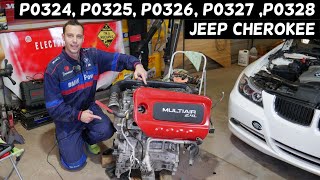
Helpful Videos

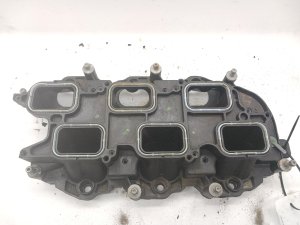
Used OEM Parts in Stock


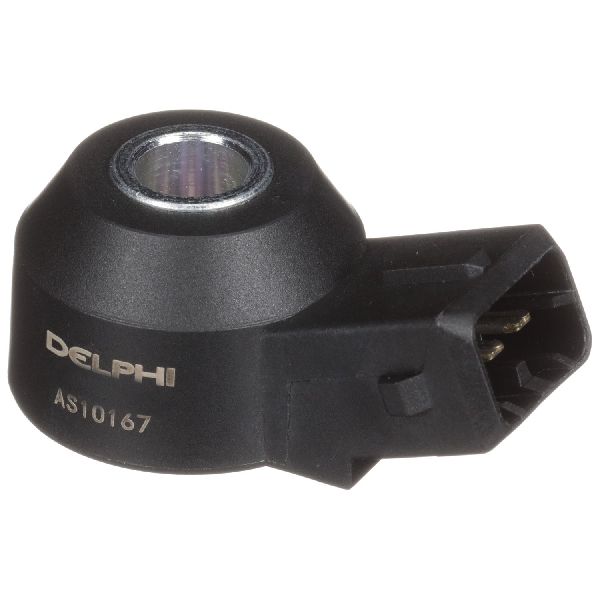
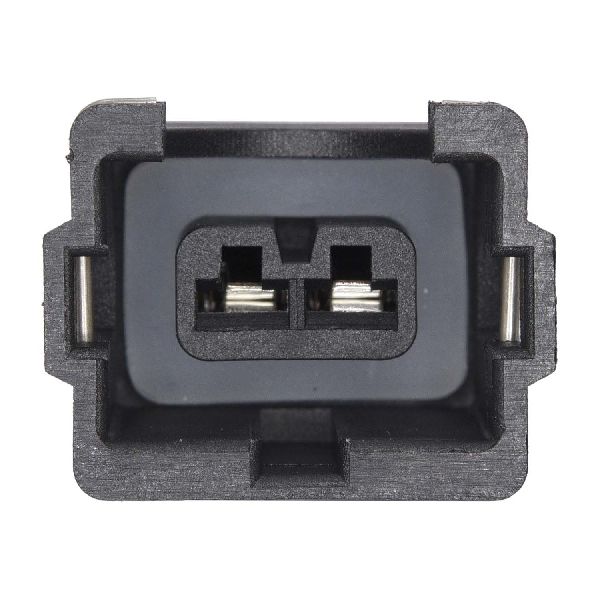
New Aftermarket Parts Available


The information in this article is provided for general reference and educational purposes only. Vehicle specifications, procedures, and part compatibility can vary by production date, trim level, and region. Always consult your vehicle's factory service manual and verify part numbers before purchasing or performing repairs. Safety-critical components such as airbags, seat belts, and braking systems should be installed by a qualified professional.
- Chrysler 200:
- 🎬 Helpful Videos
- 🛍️ Shop This Part
- What's Unique About the 2011-2017 Chrysler 200
- Symptoms You May Notice
- Most Likely Causes
- Rare But Worth Checking
- Diagnosis Steps
- Parts You'll Likely Need
- Related Codes That Often Appear With This One
- Technical Service Bulletins (TSBs) & Recalls
- Platform-Specific Known Issues
- Mechanic-Grade Diagnostic Values
- Wiring & Ground Locations
- Real Owner Repair Stories
- OEM Part Supersession History
- Model Year Variations Within This Range
- Diagnostic Flowchart
- Other Known Issues on This Vehicle
- Used vs. New Parts: Buying Guide for This Vehicle
- Real Owner Stories
- 2017 Jeep Cherokee 2.4L Tigershark
- Related OBD-II Codes
- Frequently Asked Questions
- 🎟️ Get 5% Off