

P0322 on 2014-2018 Kia Forte 2.0L: Crank Sensor Failure Causes, Symptoms, and Fixes
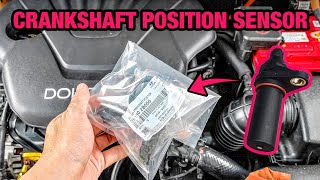
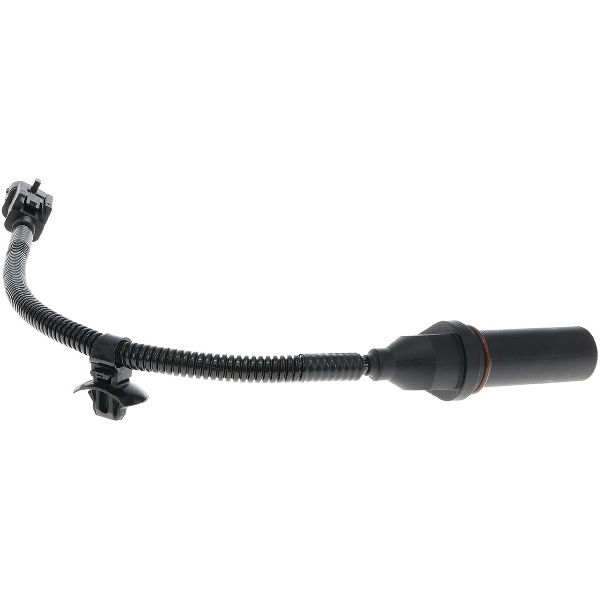
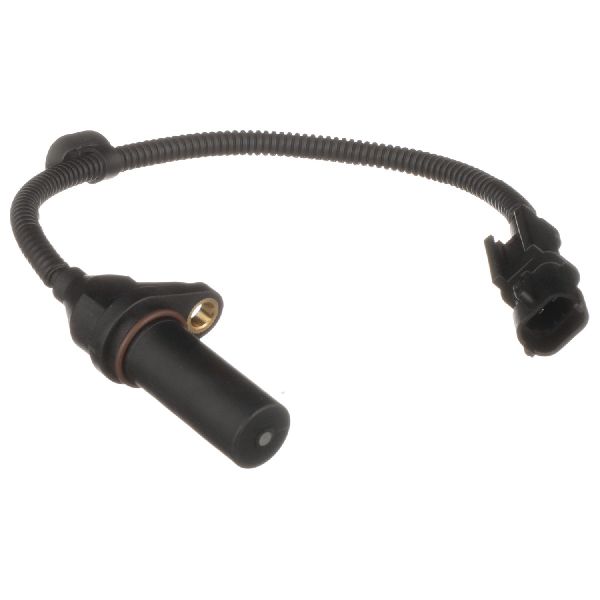
P0322 on a 2014-2018 Kia Forte almost always means the crankshaft position sensor has failed. This will cause the engine to crank but not start, or stall unexpectedly, often after warming up. Replacing the sensor (OEM Part # 39180-2B000), located at the front of the engine near the oil filter, is the typical fix, costing around $20-$60 for an aftermarket part and is a common DIY repair.
- P0322 on your Forte means the crankshaft position sensor has likely failed, which is a critical but common issue.
- The primary symptoms are the engine cranking but not starting, or stalling unexpectedly while driving.
- Do not drive the vehicle until it is repaired, as stalling in traffic is a significant safety risk.
- The most common fix is replacing the crankshaft position sensor (P/N 39180-2B000), a task that is accessible from under the car and manageable for many DIYers with basic tools.
- Be aware that this vehicle has known, serious engine issues (bearing failure, oil consumption). While P0322 is a sensor fault, other engine symptoms should be investigated by a dealer who is aware of the KSDS warranty extensions.
What's Unique About the 2014-2018 Kia Forte
While P0322 is a generic code, its occurrence on the second-generation Kia Forte with the 2.0L Nu engine is a well-documented and common issue. The primary cause is typically a straightforward failure of the crankshaft position sensor itself, rather than complex wiring or ECU problems. The sensor's location on the lower front of the engine makes it accessible from underneath the vehicle, turning a critical failure into a manageable DIY repair for many owners. This engine family is also part of a broader history of engine concerns for Hyundai/Kia, including recalls and the deployment of the Knock Sensor Detection System (KSDS) to monitor for internal failures, highlighting a history of sensor-related monitoring and ECU logic adjustments by the manufacturer.
Symptoms You May Notice
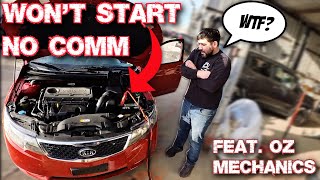
- Engine cranks but will not start. 🎬 Watch: Diagnosing an intermittent crank but no start on a Kia Forte
- Engine stalls suddenly and unexpectedly while driving, often after warming up ('heat soak').
- Check Engine Light is illuminated on the dashboard.
- Tachometer shows 0 RPM even when cranking the engine.
- Hesitation or rough running if the sensor signal is intermittent before complete failure.
- In some cases, the car may stall when coming to a stop or at low idle speeds.
- Replacing the camshaft position sensor(s). While related to engine timing, a failure of a cam sensor would typically set a different code, such as P0340 or P0365.
- Replacing fuel system components like the fuel pump, assuming the no-start condition is due to a lack of fuel, without first checking for diagnostic codes.
- Replacing the starter motor because the engine cranks but does not fire.
Most Likely Causes
- Failed Crankshaft Position Sensor (CKP) 🔴 High Probability The sensor is a very common failure point on many Hyundai/Kia vehicles of this era due to its location and exposure to heat cycles. Internal electronics can fail, especially as the engine warms up ('heat soak'), causing a loss of signal.
How to confirm: The most definitive test is to check for a signal from the sensor using an oscilloscope or a multimeter with a frequency (Hz) setting while cranking the engine. If power and ground are present at the connector but there is no signal, the sensor is bad. A lack of RPM reading on the scan tool during cranking also points to the CKP sensor.
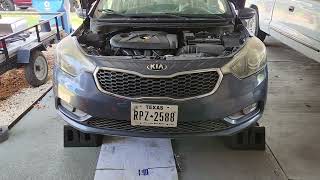
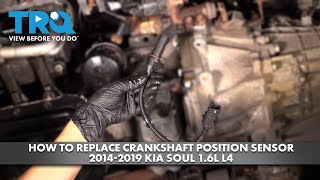
Typical fix: Replace the crankshaft position sensor. It is held by a single 10mm bolt and is accessible from under the front of the vehicle after removing the splash shield. 🎬 Watch: 2015 Kia Forte crankshaft sensor replacement walkthrough Some owners report that using a genuine OEM sensor is preferable to aftermarket alternatives for reliability.
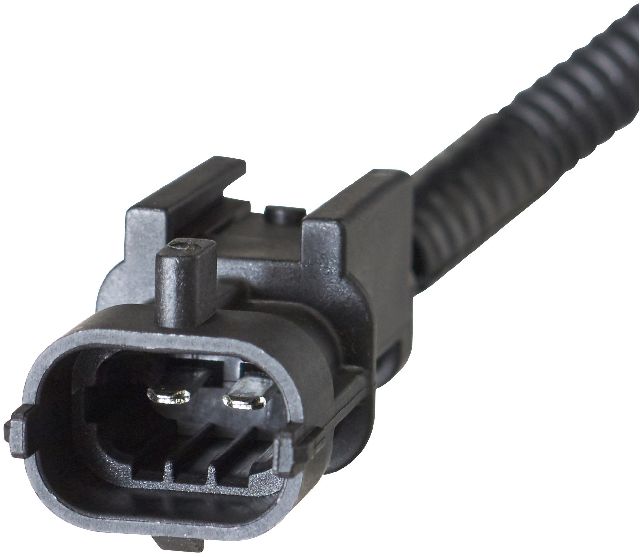
Est. part cost: $20-$60 - Wiring Harness or Connector Damage 🟡 Medium Probability The wiring to the sensor is located in the engine bay, where it is exposed to heat, vibration, and potential oil leaks. Wires can become brittle and break, or the connector pins can corrode, leading to an intermittent or total loss of signal.
How to confirm: Visually inspect the entire length of the wiring harness from the sensor to the ECM for any signs of chafing, melting, or breaks. Unplug the connector and check for corrosion, moisture, or bent/damaged pins.
Typical fix: Repair the damaged section of wire or replace the connector pigtail. Ensure the connection is clean and secure.
Est. part cost: $5-$25
Rare But Worth Checking
- Weak Battery or Failing Alternator: A low system voltage during cranking can sometimes be insufficient for the sensor to produce a strong, readable signal, triggering a P0322 code. Before replacing parts, ensure the battery is fully charged and the charging system is functioning correctly.
- Failed Powertrain Control Module (PCM): This is extremely rare. The PCM should only be considered a potential cause after the sensor and its entire circuit have been thoroughly tested and confirmed to be in perfect working order.
- Low Oil Pressure from Incorrect Oil Filter: There are multiple owner reports on forums like Reddit suggesting that some Kia/Hyundai models are sensitive to aftermarket oil filters, which can cause a drop in oil pressure sufficient to trigger stalling at idle or low speeds, sometimes without a specific code. While not a direct cause of P0322, it can produce similar stalling symptoms.
Diagnosis Steps
- Connect an OBD-II scanner to confirm P0322 is the active code and check for any other stored codes. Note if the tachometer on the scanner shows 0 RPM during cranking.
- Visually inspect the crankshaft position sensor and its electrical connector. The sensor is located on the front of the engine block, near the oil filter, accessible from underneath. Look for obvious damage, loose connections, or oil contamination.
- Inspect the wiring harness leading from the sensor for any signs of melting, chafing, or breaks.
- Using a multimeter, check for the correct voltage (typically a 5V reference) and a good ground at the sensor's connector with the key in the 'ON' position.
- If power and ground are good, test the sensor's output. While an assistant cranks the engine, check for an AC voltage or frequency signal from the sensor's signal wire. No signal indicates a failed sensor.
- If the sensor produces a signal but the code persists, the issue is likely in the wiring between the sensor and the ECM.
- After replacing the sensor, a crankshaft position relearn procedure may be necessary. This can sometimes be accomplished by disconnecting the battery for 15 minutes or through a specific drive cycle, though a scan tool is the most reliable method.
- If the sensor and wiring are confirmed to be good, the final and least likely possibility is a fault within the ECM itself.
Parts You'll Likely Need
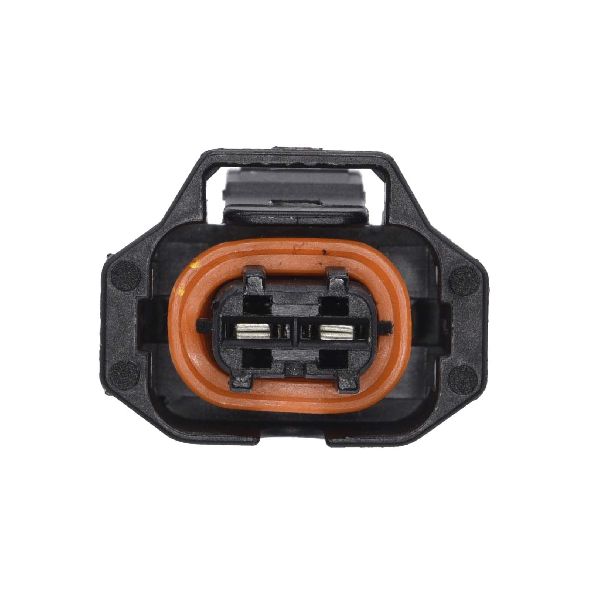
- Crankshaft Position Sensor
(OEM #39180-2B000)— This sensor is the most common point of failure for a P0322 code, causing a no-start or stalling condition. This part number is widely used across many Hyundai and Kia models with Nu, Gamma, and other engine families.
Trusted brands: Kia (Genuine OEM), Bosch, Delphi, NGK/NTK
OEM price range: $60-$90
Aftermarket price range: $20-$60
Technical Service Bulletins (TSBs) & Recalls
- Product Improvement Campaign PI1805 (re-notified April 2024) - Knock Sensor Detection System (KSDS) software update for 2017-2018 models. Its purpose is to detect early signs of engine bearing failure.
Platform-Specific Known Issues
- While not directly causing P0322, 2017-2018 models with the 2.0L Nu GDI engine were part of a product improvement campaign for a Knock Sensor Detection System (KSDS) software update. This update was designed to detect vibrations from premature connecting rod bearing wear—a major issue with this engine family—and trigger a P1326 code, forcing the vehicle into limp mode to prevent catastrophic failure. This context is critical for owners, as engine symptoms could be related to this larger known defect.
- The 2.0L Nu engine family, along with other Hyundai/Kia engines of the era, has been included in class-action lawsuits regarding engine defects leading to seizure and fires.
Mechanic-Grade Diagnostic Values
- Crankshaft Position Sensor (CKP) Internal Resistance — expected: Approximately 900 Ohms. Failure: A reading of infinite resistance (open circuit) or near-zero resistance (short circuit) indicates a failed sensor.
- Engine RPM on Scan Tool (during crank) — expected: 150-300 RPM. Failure: A steady 0 RPM reading while the engine is physically cranking confirms the ECM is not receiving a signal from the CKP sensor.
Scan Tool Commands That Help
- Kia GDS/KDS or compatible advanced scan tool: Cam/Crank Relearn (Resetting Adaptive Values) — This function forces the ECU to relearn the precise relationship between the cam and crank sensors. While not always mandatory after a simple CKP sensor replacement, it is recommended. It is required after major timing component work (e.g., timing chain replacement). Some general repair sources suggest a simple battery disconnect for 15 minutes can also trigger a relearn cycle.
Wiring & Ground Locations
- Engine Ground Strap — A primary ground strap connects the engine block or transmission case to the vehicle's chassis, often near the starter motor or on the side of the engine block.. A poor main engine ground can cause a voltage differential and introduce noise or weakness into the CKP sensor's AC signal, making it unreadable by the ECM. The OEM part number for the engine ground assembly is 91860-A7130.
- Strut Tower Grounds — On the driver's side strut tower in the engine bay, there are several ground wires bolted directly to the chassis.. On similar Kia models, corrosion at these specific ground points, which serve the PCM, has been documented to cause intermittent no-start and stalling conditions identical to a failing CKP sensor. A voltage drop of more than 0.5V at this point compared to battery negative indicates a problem.
- Transmission Ground Strap — A ground strap specifically for the transmission, part number 91860-A7220 for automatic transmission models.. Ensures the transmission, where the CKP sensor is often mounted nearby, has a solid ground reference, preventing electrical noise that could interfere with the sensor signal.
Real Owner Repair Stories
- Reddit user in r/MechanicAdvice (2013 Kia Rio (uses same engine family and similar electronics)) — Stalling at idle, tachometer dropping to 0 RPM while driving.
❌ Tried (didn't work) Installed a new Dorman brand crankshaft position sensor.
✅ What actually fixed it The mechanic diagnosed the new Dorman sensor as faulty out of the box. Replacing it with a genuine Kia OEM sensor resolved the issue completely.
Model Year Variations Within This Range
- 2014-2016: These model years primarily used a 173-horsepower 2.0L Nu GDI (Gasoline Direct Injection) engine.
- 2017-2018: Following a 2017 facelift, the base engine became a 147-horsepower 2.0L Nu MPI (Multi-Port Injection) Atkinson cycle engine, though the GDI was still available in higher trims. While both engines use the same CKP sensor part number, the ECUs and engine management software are different, which could affect diagnostic paths. A known issue with the MPI engine is the CVVT dowel pin shearing, which can cause timing-related codes.
Diagnostic Flowchart
Other Known Issues on This Vehicle
Issues unrelated to this code that are worth knowing about as an owner of this generation:
- Engine Failure (Connecting Rod Bearing Wear) 🔴 High — Widespread concern across Hyundai/Kia engine families of this era, including the Nu 2.0L GDI. Failure can occur at various mileages, sometimes under 100k miles. (Ref: The KSDS (Knock Sensor Detection System) update (e.g., PI1805) was implemented to detect bearing wear and trigger a P1326 code, putting the car in limp mode to prevent seizure. This often leads to a warranty engine replacement.)
- Excessive Oil Consumption 🟠 Medium — Common complaint, with some owners reporting consumption as high as 1-2 quarts per 1,000 miles. Can lead to engine damage if not monitored. (Ref: While not a specific recall for the GDI, related Nu MPI engines had recalls for oil pump issues (SC210) and piston rings that contribute to consumption. Lawsuits have included the Nu engine family for oil consumption problems.)
- Timing Chain Slack/Noise 🟠 Medium — Can develop over time, typically at higher mileage (80k+ miles), causing a rattling noise on startup. If ignored, it can lead to timing jump and engine damage.
- Stalling Due to Low Oil Pressure (Aftermarket Filters) 🟡 Low — Multiple owner reports indicate that using non-OEM oil filters can cause a drop in oil pressure, leading to stalling when coming to a stop.
- Steering Coupler Failure 🟡 Low — A flexible rubber coupler in the electronic power steering column wears out, causing a clicking or ticking noise and a loose feeling in the steering wheel. Common on many 2011-2018 Kia models.
Used vs. New Parts: Buying Guide for This Vehicle
When a used part is the smart pick: For a critical and inexpensive electronic sensor like the crankshaft position sensor, buying a used part is not recommended. The failure is electronic and heat-cycle related, so a used sensor has unknown remaining life and carries a high risk of premature failure, leading to the same stalling or no-start condition.
What to inspect on the donor part:
- Not applicable, as a new part is strongly advised.
OEM-only on this vehicle (don't cheap out):
- Crankshaft Position Sensor: While not strictly 'OEM-only', forum and mechanic experience strongly suggests that using a genuine Kia/Hyundai sensor (or one from an OE supplier like Mando) is the safest choice to avoid faulty-out-of-the-box parts and premature failure.
Aftermarket brands forum-validated for this vehicle:
- Mando (Original Equipment supplier for Hyundai/Kia)
- NGK/NTK
- Delphi
- Bosch
Brands owners have reported issues with on this vehicle:
- Dorman: At least one owner reported a Dorman-branded CKP sensor was faulty upon installation, requiring a second replacement with an OEM part to fix the vehicle.
Real Owner Stories
Aggregated from forums and TSBs cited above. Mileages and costs reflect what owners reported in those sources.
2015 Kia Forte 2.0L Nu GDI
Symptoms: The vehicle experienced stalling symptoms and triggered a P0322 code.
What fixed it: Replacement of the crankshaft position sensor, which is held by a single 10mm bolt and accessible after removing the splash shield.
Source hint: YouTube/Lara's Garage - A 2015 Forte video demonstrated the stalling symptom, the P0322 code, and the sensor's location and replacement process.
2017 Kia Forte 2.0L Nu GDI
Symptoms: Stalling when coming to a stop.
What fixed it: Changing the oil and using only an OEM oil filter, as aftermarket filters were suspected of causing oil pressure drops.
Source hint: Reddit r/AskMechanics - A thread titled 'Kia Forte 2017 Stalling when coming to a stop'
2014 Kia Forte 2.0L Nu GDI — 158000 miles
Symptoms: Began burning excessive oil due to failed piston rings.
What fixed it: The report notes this as a known issue with the Nu engine's piston rings, often leading to high oil consumption.
Source hint: Reddit r/kia - A user with a 2014 Forte 2.0L GDI reported it ran great until 158k miles
Related OBD-II Codes
Frequently Asked Questions
Does Product Improvement Campaign PI1805 apply to my 2017-2018 Kia Forte with the 2.0L Nu GDI engine?
My 2014 Forte is stalling at stops; could this be related to my oil filter?
Is there a specific part number I should use for the crankshaft position sensor replacement?
Why does my Kia Forte stall only after the engine has warmed up?
Will a P0322 code cause my tachometer to stop working?
Is the 2.0L Nu GDI engine in my Forte known for any major mechanical defects besides sensor failure?
Helpful Videos
We Have This Part in Stock


The information in this article is provided for general reference and educational purposes only. Vehicle specifications, procedures, and part compatibility can vary by production date, trim level, and region. Always consult your vehicle's factory service manual and verify part numbers before purchasing or performing repairs. Safety-critical components such as airbags, seat belts, and braking systems should be installed by a qualified professional.
- Kia Forte:
- 🎬 Helpful Videos
- 🛍️ Shop This Part
- What's Unique About the 2014-2018 Kia Forte
- Symptoms You May Notice
- Most Likely Causes
- Rare But Worth Checking
- Diagnosis Steps
- Parts You'll Likely Need
- Technical Service Bulletins (TSBs) & Recalls
- Platform-Specific Known Issues
- Mechanic-Grade Diagnostic Values
- Scan Tool Commands That Help
- Wiring & Ground Locations
- Real Owner Repair Stories
- Model Year Variations Within This Range
- Diagnostic Flowchart
- Other Known Issues on This Vehicle
- Used vs. New Parts: Buying Guide for This Vehicle
- Real Owner Stories
- 2015 Kia Forte 2.0L Nu GDI
- 2017 Kia Forte 2.0L Nu GDI
- 2014 Kia Forte 2.0L Nu GDI — 158000 miles
- Related OBD-II Codes
- Frequently Asked Questions
- 🎟️ Get 5% Off