

P0316 on 2015-2019 Lincoln MKZ: Startup Misfire Causes and Fixes
P0316 means a misfire was detected right after starting the engine. On 2.0L EcoBoost models, this is a very strong indicator of a known coolant intrusion issue which requires engine replacement. On V6 models, it can point to cylinder head problems or more common ignition faults.
- P0316 indicates a misfire occurred within the first 1000 engine revolutions at startup.
- On a 2015-2019 Lincoln MKZ with the 2.0L EcoBoost engine, this code is a major red flag for a known engine design flaw causing coolant to leak into the cylinders.
- Symptoms include rough startup, coolant loss without visible leaks, and white exhaust smoke.
- Do not simply replace spark plugs and coils without ruling out coolant intrusion first, as this will not solve the underlying problem.
- The official fix for coolant intrusion is a costly engine long block replacement, making professional diagnosis essential before authorizing any repairs.
What's Unique About the 2015-2019 Lincoln MKZ

For the 2015-2019 Lincoln MKZ equipped with the 2.0L EcoBoost engine, P0316 is a critical warning. This engine has a well-documented design flaw where coolant can leak directly into the cylinders. The issue stems from an 'open-deck' engine block design with thin passages for coolant between the cylinders; these can crack over time. This 'coolant intrusion' often causes a misfire on startup as the pooled coolant fouls the spark plug. Ford has issued multiple Technical Service Bulletins (TSBs) acknowledging this problem, with the latest being TSB 22-2229, and the prescribed fix is often a complete long block engine replacement. While the code can mean simpler things on the V6 engines, its presence on a 2.0L model demands immediate and serious investigation for this specific, catastrophic failure, which has also led to class-action lawsuits.
Diagnostic Flowchart
Tap your situation to follow the diagnostic path that matches what you're seeing on this vehicle.
Symptoms You May Notice

- Rough running condition, especially right after startup
- Check Engine Light is on or flashing
- Noticeable loss of engine power and acceleration
- Unexplained low coolant level without visible external leaks
- White, sweet-smelling smoke from the exhaust, especially on a cold start
- Engine shaking or vibrating excessively
- Milky or frothy appearance of the engine oil on the dipstick or oil cap
- A 'waterfall' or gurgling sound from behind the dashboard, indicating air in the cooling system
- Replacing only the spark plugs and ignition coils on a 2.0L EcoBoost without checking for coolant intrusion. The new parts will quickly become fouled by coolant, and the misfire will return, as many owners have reported in forums.
Most Likely Causes

- Engine Coolant Intrusion into Cylinders (2.0L EcoBoost) 🔴 High Probability A known defect in the open-deck engine block design allows coolant to seep into the cylinders between coolant passages. This affects 2017-2019 MKZ models built on or before April 8, 2019, as confirmed by TSB 19-2346 and its successor, TSB 22-2229.
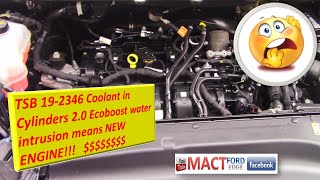
How to confirm: A technician will pressure-test the cooling system to 20 psi and monitor for a pressure drop of more than 4 psi over 5 hours. Following a pressure drop, a borescope is used to visually inspect the inside of the cylinders for coolant, which appears as moisture, streaking, or unusually clean piston tops. 🎬 See how technicians confirm coolant intrusion using a borescope.
Typical fix: Replacement of the long block engine assembly with a redesigned part that lacks the coolant channels between cylinders.
Est. part cost: $4000-$8000 - Faulty or Worn Ignition Components (Spark Plugs, Ignition Coils) 🟡 Medium Probability This is a common cause for misfires on any gasoline engine, especially the V6 models not affected by the coolant issue. Plugs and coils are wear items and can fail, causing a startup misfire.
How to confirm: Inspect spark plugs for wear, damage, or fouling. Swap the ignition coil from the misfiring cylinder (identified by a P030x code) with a known good one to see if the misfire code follows the coil.
Typical fix: Replace the faulty spark plugs and/or ignition coils. It is often recommended to replace all plugs at the same time.
Est. part cost: $80-$400 - Cylinder Head Issues (V6 Engines) 🟡 Medium Probability TSB SSM 46364 specifically points to cylinder heads as a potential cause for P0316, rough idle, and smoke on 2.7L/3.0L V6 models built on or before October 6, 2016.
How to confirm: Diagnosis requires compression testing and leak-down testing to identify a cylinder head or head gasket sealing issue. This is specialized work.
Typical fix: Repair or replacement of the cylinder head(s) and gaskets.
Est. part cost: $1000-$2500 - Needs Powertrain Control Module (PCM) Reprogramming ⚪ Low Probability TSB 16-0113 indicates that some vehicles may exhibit this code due to a software calibration issue, causing a rough idle at temperature or after a hot restart.
How to confirm: A Ford/Lincoln dealership can check if the vehicle's PCM calibration is up to date using their diagnostic system.
Typical fix: Reprogram the PCM to the latest software version.
Est. part cost: $0-$200
Rare But Worth Checking
- Faulty Fuel Injector: A clogged or failing fuel injector can prevent a cylinder from getting the proper amount of fuel, causing a startup misfire.
- Crankshaft Position Sensor (CKP) Issues: The PCM uses the CKP sensor to detect misfires by monitoring crankshaft speed variations. A faulty sensor can lead to incorrect misfire detection.
- Damaged PCM Driver Circuit: In rare cases, a shorted ignition coil can damage the driver circuit within the Powertrain Control Module (PCM), requiring replacement of both the coil and the PCM itself.
Diagnosis Steps

- Scan the PCM for all stored trouble codes. Note any cylinder-specific misfire codes (P0301-P0306) or overheat codes (P0217, P1299).
- For 2.0L EcoBoost engines, immediately suspect coolant intrusion. Check the coolant reservoir level. Is it low without any visible leaks on the ground?
- Perform a cooling system pressure test. Per TSB 19-2346/22-2229, the system should be pressurized to 20 psi and monitored for 5 hours. A pressure drop of more than 4 psi indicates an internal leak.
- If a leak is confirmed by the pressure test, remove all spark plugs and inspect the cylinders with a borescope. Look for any signs of moisture, coolant pooling, or unusually clean/steam-cleaned piston tops.
- For all engines, if no coolant intrusion is found, inspect the spark plugs and ignition coils of the misfiring cylinder(s). Look for cracks, carbon tracking, or fouling.
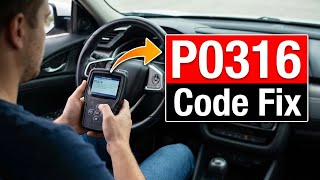
- Proceed with standard misfire diagnostics: 🎬 Watch: A helpful guide on diagnosing and fixing P0316 codes. swap ignition coils between cylinders, check fuel injector signals, and perform a compression and leak-down test to rule out base engine mechanical issues.
- Check with a dealer if a PCM software update is available, per TSB 16-0113.
Parts You'll Likely Need
- Engine Long Block Assembly
(OEM #J2GZ6006E (This is the revised part number cited by owners for the Fusion/MKZ 2.0L))— This is the official manufacturer-prescribed fix for the coolant intrusion issue on the 2.0L EcoBoost engine, as it contains the redesigned engine block.
Trusted brands: Motorcraft
OEM price range: $6000-$9000
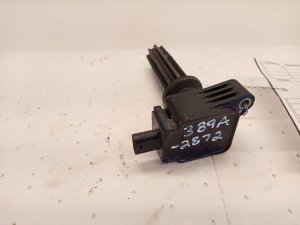
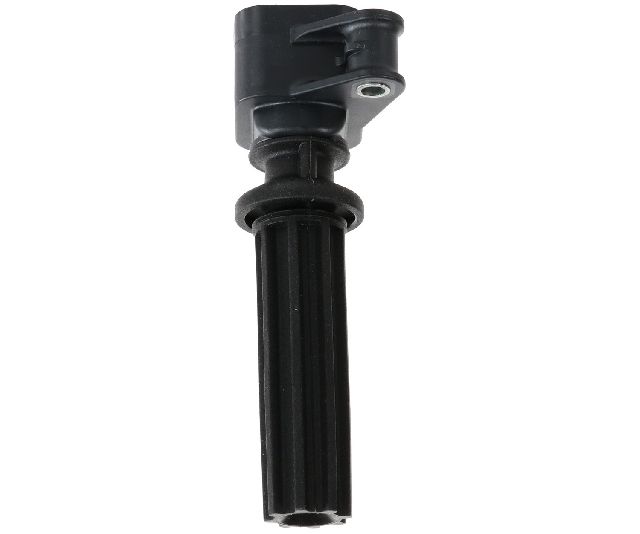
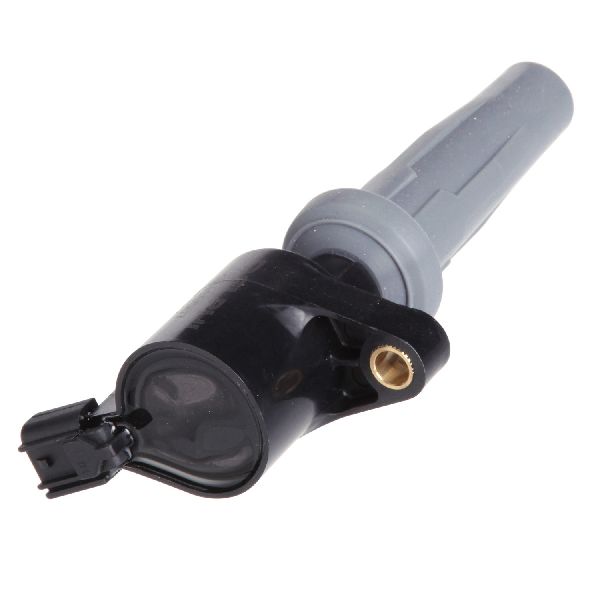
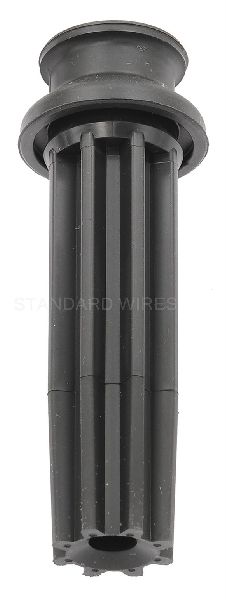
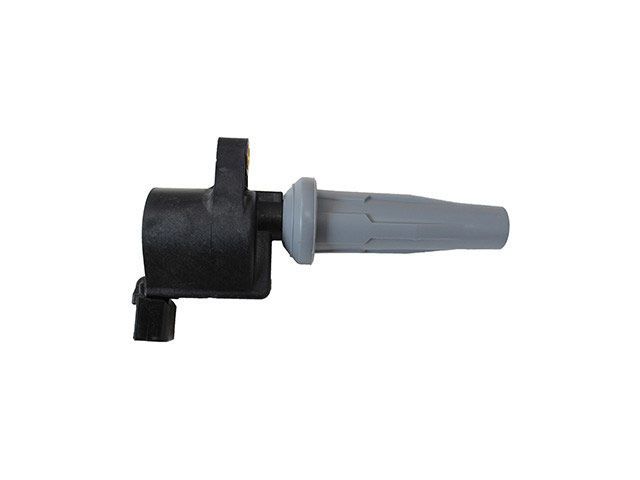
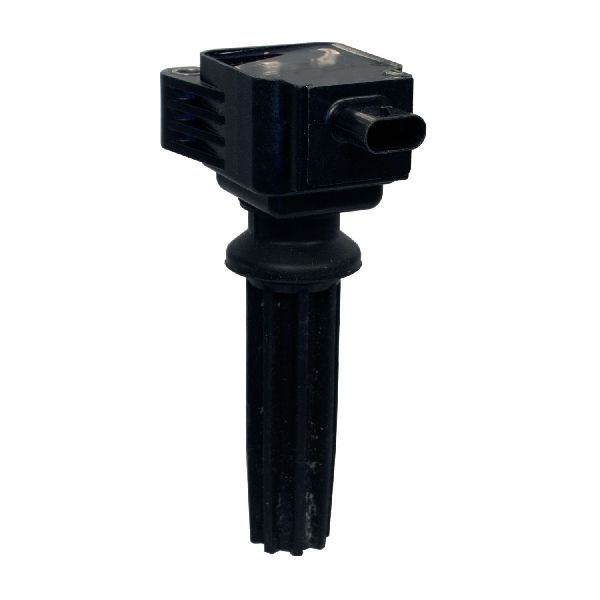
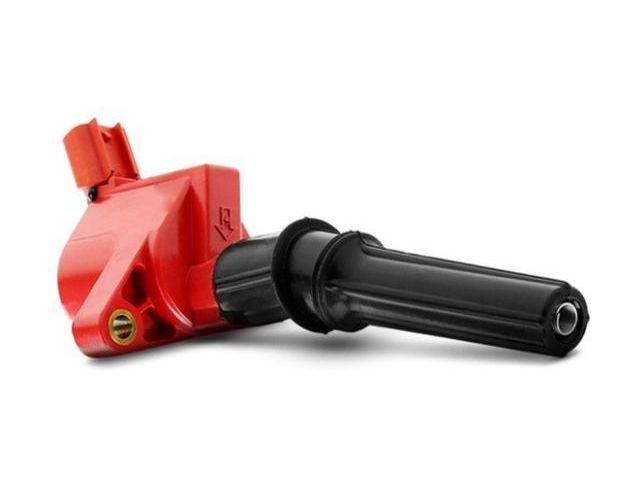
Aftermarket price range: $3500-$5500 (Remanufactured) - Ignition Coil
(OEM #DG9Z-12029-F (Example for 2.0L EcoBoost))— A faulty ignition coil is a common cause of misfires on any engine, particularly the V6 variants.
Trusted brands: Motorcraft, NGK, Denso
OEM price range: $50-$80
Aftermarket price range: $30-$60 - Spark Plugs
(OEM #SP-537 (Motorcraft, example for 2.0L EcoBoost))— Worn or fouled spark plugs are a primary cause of misfires and are a routine maintenance item. They will be fouled by coolant in cases of intrusion.
Trusted brands: Motorcraft, NGK
OEM price range: $15-$25 per plug
Aftermarket price range: $8-$15 per plug
Related Codes That Often Appear With This One
- P0300 — Indicates a random or multiple cylinder misfire, which is a general code that often accompanies the more specific P0316.
- P0301-P0306 — These codes pinpoint the exact cylinder(s) that are misfiring (e.g., P0302 for Cylinder 2). P0316 tells you *when* the misfire happened (startup), and these codes tell you *where*.
- P0217, P1285, P1299 — These are engine overheat or cylinder head over-temperature codes. They are frequently seen with P0316 when the cause is coolant intrusion, as the loss of coolant can lead to overheating.
Technical Service Bulletins (TSBs) & Recalls

- TSB 22-2229: The most current bulletin, superseding previous versions. It confirms coolant intrusion on 2.0L EcoBoost engines can cause P0316 and other codes, advising long block replacement.
- TSB 19-2346: A widely referenced bulletin that details the affected vehicles (including build dates), symptoms, and diagnostic procedure (5-hour pressure test) for the 2.0L coolant intrusion issue.
- TSB 19-2208 / 19-2172: Earlier, superseded versions of the coolant intrusion TSB. Their existence shows the evolution of Ford's response to the problem.
- SSM 46364: Specifically for 2.7L/3.0L V6 engines, this bulletin points to cylinder heads as a potential cause for P0316 and rough idle.
Platform-Specific Known Issues
- The 2.0L EcoBoost engine used in 2017-2019 MKZ models built before April 8, 2019, has a known design flaw in the engine block that causes coolant to leak into the cylinders. This is not a rare occurrence and is the subject of multiple TSBs and a class-action lawsuit.
Mechanic-Grade Diagnostic Values
- Ignition Coil Primary Resistance — expected: ~0.410 Ohms. Failure: A reading significantly higher or lower than the specification, or an open circuit (OL).
- Ignition Coil Secondary Resistance — expected: ~9.81 Kilo-ohms (9,810 Ohms). Failure: A reading significantly outside the expected range.
- Spark Plug Gap (2.0L EcoBoost) — expected: 0.027 - 0.031 inches. Failure: An incorrect gap can lead to inefficient spark and misfires.
- Mode $06 Misfire Count — expected: Value of 0 for each cylinder during the current and last 10 driving cycles.. Failure: Any count greater than 0 indicates a logged misfire event, even if it wasn't enough to set a P030x code. This is useful for finding intermittent issues.
Hidden / Shadow Codes Worth Checking
- Mode $06, Test ID $53 (or $A2-$AB for newer CAN-based systems): This is not a DTC, but a monitor ID within the OBD-II system that tracks misfire counts per cylinder. It can show low-level misfires that haven't yet crossed the threshold to trigger a P030x code. For P0316, checking these counts can reveal which cylinder is misfiring on startup. (see via Requires a scan tool capable of reading Mode $06 data, such as Ford's IDS or aftermarket tools like FORScan.)
Scan Tool Commands That Help
- Ford IDS (Integrated Diagnostic System) or FORScan: Power Balance Test — This active test allows a technician to disable one cylinder at a time while the engine is running to observe the RPM drop. A cylinder with a smaller RPM drop is contributing less and is likely the source of the misfire. This is used to pinpoint the misfiring cylinder when P030x codes are not definitive.
- Ford IDS or equivalent: Misfire Profile Correction Reset / Relearn — After major engine work or replacement of the crankshaft position sensor, the PCM's learned profile of the crankshaft reluctor wheel may be inaccurate, leading to false misfire detection. This function clears the old profile and initiates a relearn procedure, which typically requires three 60-40 mph decelerations without braking.
- Advanced Scan Tool: Fuel Pump Command — To test the low-pressure fuel pump function without physically accessing it, a scan tool can be used to command the pump on and check for pressure response in the system's data PIDs.
Wiring & Ground Locations
- Engine Compartment Fuse Box / Power Distribution Box — Located in the engine bay, on the driver's side. It protects critical components like the Powertrain Control Module (PCM).. A compromised fuse or relay for the PCM or ignition system in this box could cause a variety of engine management issues, including misfires. It's a primary location to check for electrical faults.
- PCM Ground — PCM grounds are typically located on the chassis near the PCM itself. A common Ford ground location is on the firewall or inner fender.. A poor ground connection for the PCM can cause erratic behavior, including incorrect sensor readings and false misfire detection. Verifying a clean, tight ground is a key electrical diagnostic step.
Real Owner Repair Stories
- Reddit user in r/fordfusion (2017 Ford Fusion (shares engine with MKZ) with 2.0L EcoBoost) — Coolant intrusion.
❌ Tried (didn't work) The user brought the car to the dealer for diagnosis after suspecting the issue.
✅ What actually fixed it The dealership replaced the engine with the revised long block, part number J2GZ6006E, under warranty. The user confirmed this is the redesigned engine intended to fix the coolant intrusion flaw. - Reddit user in r/Ford (2016 Lincoln MKZ 2.0T with 128,XXX miles) — Rough idle on cold start, white vapor from exhaust smelling of coolant, low coolant level with no visible external leaks.
❌ Tried (didn't work) The user was out of warranty and was quoted a full engine replacement cost by Ford.
✅ What actually fixed it The user was considering using a head gasket sealer and trading the vehicle in due to the high cost of proper repair. A technician commented that sealants are not effective for this specific failure and that a long block replacement is the only correct repair.
OEM Part Supersession History
JJ7Z-6006-B, JS7Z-6006-A, JS7Z-6006-C→J2GZ-6006-E— This is the updated long block engine assembly for the 2.0L EcoBoost. It features the revised block casting that corrects the design flaw allowing coolant to intrude into the cylinders.
Heads up: The older part numbers should be avoided as they contain the original design defect. J2GZ-6006-E is the correct and necessary replacement part.
Model Year Variations Within This Range
- 2017-2019 (2.0L EcoBoost): MKZ models with the 2.0L EcoBoost engine built on or before April 8, 2019, are susceptible to the coolant intrusion engine failure. Vehicles built after this date, and all V6 models, are not affected by this specific TSB-documented issue.
Helpful Videos
Used OEM Parts in Stock


New Aftermarket Parts Available

The information in this article is provided for general reference and educational purposes only. Vehicle specifications, procedures, and part compatibility can vary by production date, trim level, and region. Always consult your vehicle's factory service manual and verify part numbers before purchasing or performing repairs. Safety-critical components such as airbags, seat belts, and braking systems should be installed by a qualified professional.
- Lincoln MKZ:
- 🎬 Helpful Videos
- 🛍️ Shop This Part
- What's Unique About the 2015-2019 Lincoln MKZ
- Diagnostic Flowchart
- Symptoms You May Notice
- Most Likely Causes
- Rare But Worth Checking
- Diagnosis Steps
- Parts You'll Likely Need
- Related Codes That Often Appear With This One
- Technical Service Bulletins (TSBs) & Recalls
- Platform-Specific Known Issues
- Mechanic-Grade Diagnostic Values
- Hidden / Shadow Codes Worth Checking
- Scan Tool Commands That Help
- Wiring & Ground Locations
- Real Owner Repair Stories
- OEM Part Supersession History
- Model Year Variations Within This Range
- 🎟️ Get 5% Off