

P0316 on 2019 Ford F-150 3.5L EcoBoost: Startup Misfire Causes and Fixes
On a 2019 F-150 with the 3.5L EcoBoost, code P0316 almost always points to worn spark plugs or a bad ignition coil. It's a common DIY fix, with parts costing between $100 and $300 for a full set of plugs and one coil. Technicians and owners strongly recommend gapping new plugs to a tighter 0.028" to prevent issues under boost.
- P0316 means your truck misfired on startup. You must find the accompanying P030x code to know which cylinder to check.
- The most likely cause is a worn spark plug or a bad ignition coil on the identified cylinder.
- When replacing spark plugs, ensure they are gapped correctly (around 0.028") for the EcoBoost engine.
- A flashing check engine light indicates a severe misfire that can damage your catalytic converters. Avoid heavy acceleration and get the vehicle diagnosed promptly.
- A simple diagnostic step is to swap the ignition coil of the misfiring cylinder with a good one and see if the problem follows the coil.
What's Unique About the 2019-2019 Ford F-150
The 3.5L EcoBoost engine is a direct-injected, twin-turbocharged platform. This design is highly sensitive to spark plug condition and proper gapping, making worn plugs the number one cause of misfires that trigger a P0316 code. 🎬 Watch: Understanding P0316 causes and fixes Many owners and technicians report that setting the spark plug gap to a tighter specification (around 0.028 inches) is critical to prevent the spark from being 'blown out' under boost pressure, which is a common cause of hesitation and misfires. The 2019 model features the second-generation 3.5L EcoBoost, which added port injection to the existing direct injection system. This dual-injection system helps clean the intake valves, mitigating the severe carbon buildup issues that plagued the first generation (pre-2017) and could also cause cold-start misfires.
Symptoms You May Notice
- Check Engine Light is on (solid or flashing)
- Rough or shaky idle, especially on cold starts
- Engine hesitation or stumbling during acceleration
- Noticeable loss of engine power
- Reduced fuel economy
- Stalling immediately after startup
- Replacing only the spark plugs when the ignition coil is the actual cause.
- Replacing ignition components when the issue is a clogged fuel injector.
- Assuming a major engine problem before performing basic ignition system diagnostics.
- Mistaking a turbo wastegate rattle for an internal engine noise related to the misfire.
Most Likely Causes
- Worn or Improperly Gapped Spark Plugs 🔴 High Probability The high cylinder pressures of the EcoBoost engine are hard on spark plugs, causing them to wear out faster than in naturally aspirated engines. The spark gap is also critical and a common point of failure.
How to confirm: Check the accompanying P030x code to identify the misfiring cylinder. Remove the spark plug from that cylinder and inspect it for wear, carbon fouling, or a cracked porcelain insulator. Check the gap with a feeler gauge; many owners and techs recommend a gap of ~0.028 inches for optimal performance.
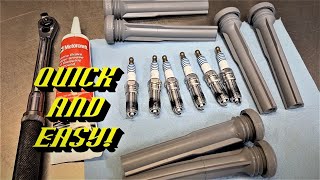
Typical fix: Replace all six spark plugs with high-quality replacements (Motorcraft is OEM, NGK is a popular alternative). 🎬 See this step-by-step spark plug replacement walkthrough Ensure they are gapped correctly to 0.028"-0.031" for this engine before installation.
Est. part cost: $60-$120 - Failing Ignition Coil 🔴 High Probability Coil-on-plug systems are common, and individual coils can fail from heat cycles and vibration over time, causing a misfire in a specific cylinder.
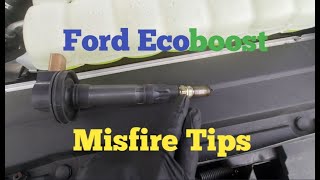
How to confirm: Identify the misfiring cylinder via the P030x code. The 3.5L EcoBoost cylinders are numbered 1-2-3 on the passenger side (front to back) and 4-5-6 on the driver's side (front to back). Swap the ignition coil from the misfiring cylinder with a coil from a known good cylinder. Clear the codes and drive the vehicle. If the misfire code moves to the new cylinder (e.g., P0302 becomes P0301), the coil is bad. 🎬 Watch: How to troubleshoot EcoBoost misfire codes
Typical fix: Replace the faulty ignition coil. It is often recommended to replace the spark plugs at the same time.
Est. part cost: $40-$80 per coil - Faulty Fuel Injector ⚪ Low Probability Direct injection systems operate under very high pressure, and injectors can become clogged or fail electronically. While the 2nd-gen engine's port injection helps keep valves clean, the direct injectors can still be a point of failure.
How to confirm: This is more complex to diagnose. It involves checking fuel trims with a scan tool and potentially performing a fuel injector balance test. A professional may be needed. A strong smell of fuel from the oil dipstick could indicate a leaking injector.
Typical fix: Replace the faulty fuel injector. This is a more involved repair due to the high-pressure fuel system and may require special tools.
Est. part cost: $100-$250 per injector
Rare But Worth Checking
- Faulty Crankshaft Position Sensor (CKP): While rare, a failing CKP sensor can send incorrect data to the PCM, leading to false misfire detection when no actual misfire is occurring.
- Low Fuel Pressure: A weak high-pressure or low-pressure fuel pump can cause lean conditions and misfires on startup, though this would likely be accompanied by other fuel system codes like P0087.
- Vacuum Leak: A significant vacuum leak from a cracked hose or faulty gasket can lean out the air-fuel mixture and cause a misfire. A smoke test is the most effective way to find a leak.
- Carbon Buildup on Intake Valves: Although less common on the 2nd-gen 3.5L EcoBoost due to its dual port/direct injection system, significant carbon buildup can still occur on high-mileage engines or those used for frequent short trips, leading to cold start misfires. Diagnosis requires a borescope.
Diagnosis Steps
- Connect an OBD-II scanner to the vehicle.
- Read the stored trouble codes. Note the P0316 code and any accompanying P030x codes (e.g., P0304 for cylinder 4).
- Check for any applicable TSBs, as some misfire issues on these trucks can be resolved with a PCM software update from a dealer.
- To confirm a faulty ignition coil, swap the coil from the misfiring cylinder with one from a non-misfiring cylinder.
- Clear the codes and start the engine. Let it run and then re-scan for codes.
- If the P030x code has moved to the cylinder where you placed the suspect coil, the ignition coil is faulty and needs replacement.
- If the misfire code remains on the original cylinder, the issue is likely the spark plug or, less commonly, the fuel injector.
- Inspect the spark plug in the misfiring cylinder for wear, damage, or fouling. Check the gap and compare it to the recommended 0.028"-0.031". Replace if in doubt, preferably as a full set.
- If plugs and coils are good, further diagnosis is needed to check for fuel injector problems, vacuum leaks, or compression issues. A professional may be needed for these steps.
Parts You'll Likely Need
- Spark Plugs
(OEM #SP-580 (Motorcraft))— These are a primary wear item on the EcoBoost engine and the most frequent cause of misfires. The original SP-534 was superseded by SP-580.
Trusted brands: Motorcraft, NGK Ruthenium HX (P/N 95605)
OEM price range: $60-$90
Aftermarket price range: $50-$80 - Ignition Coil
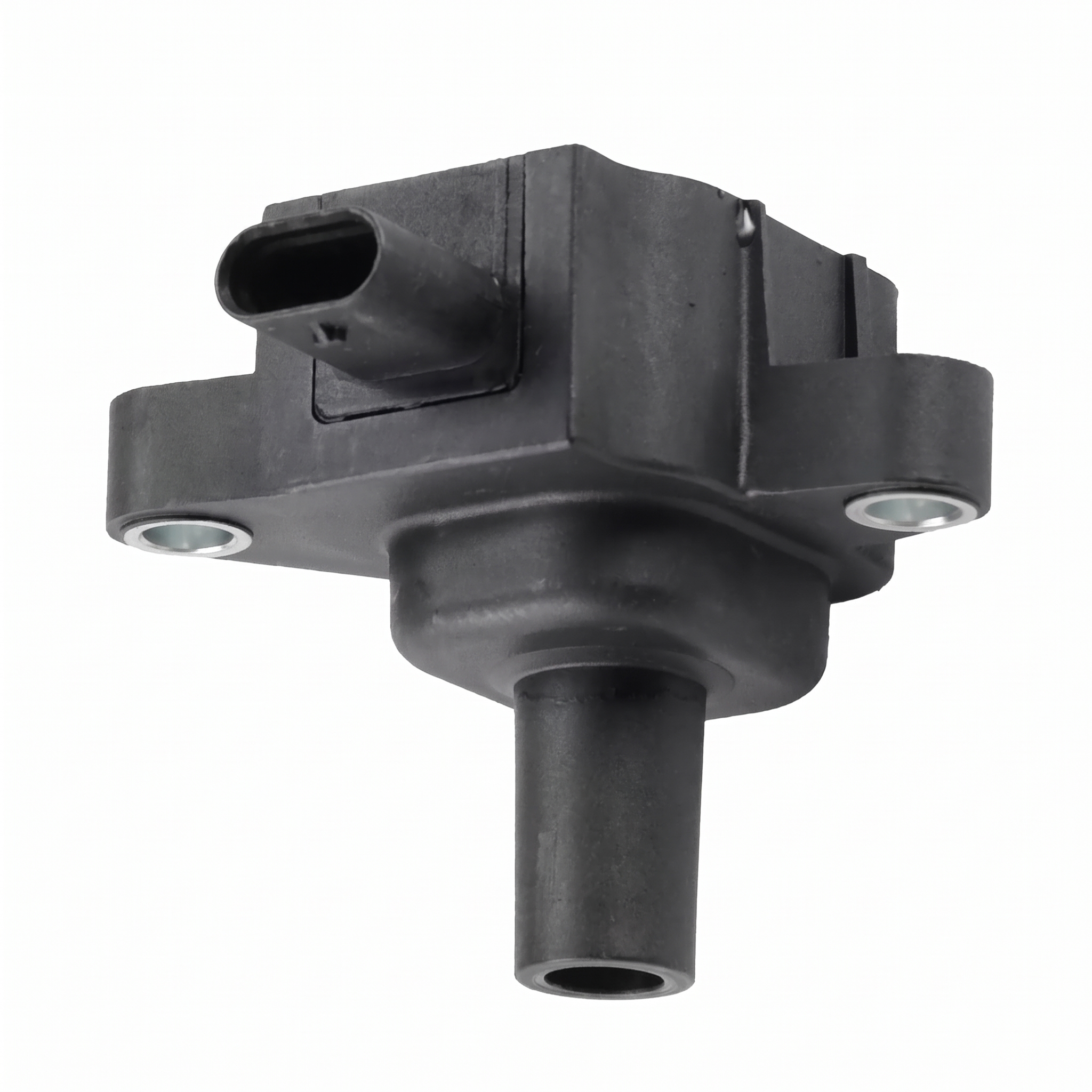
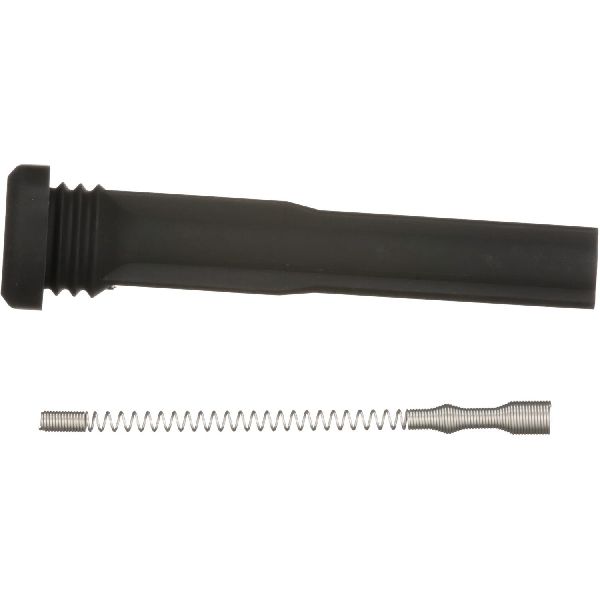
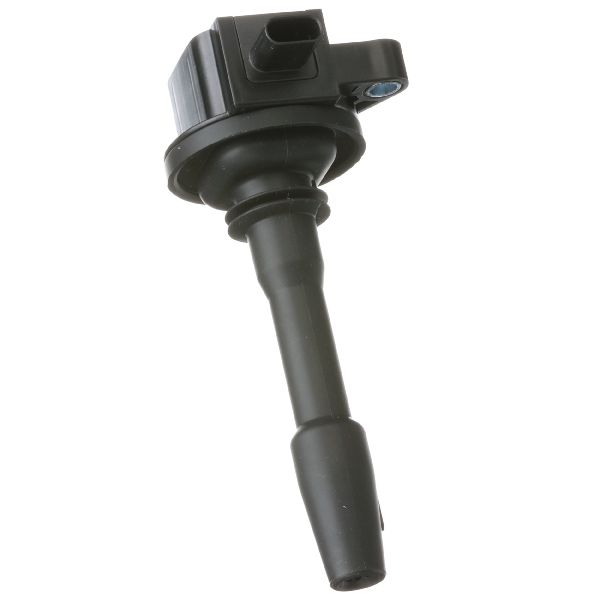
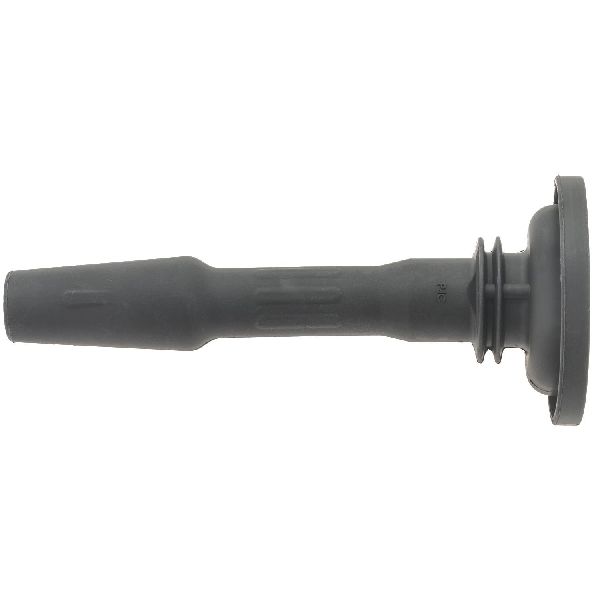
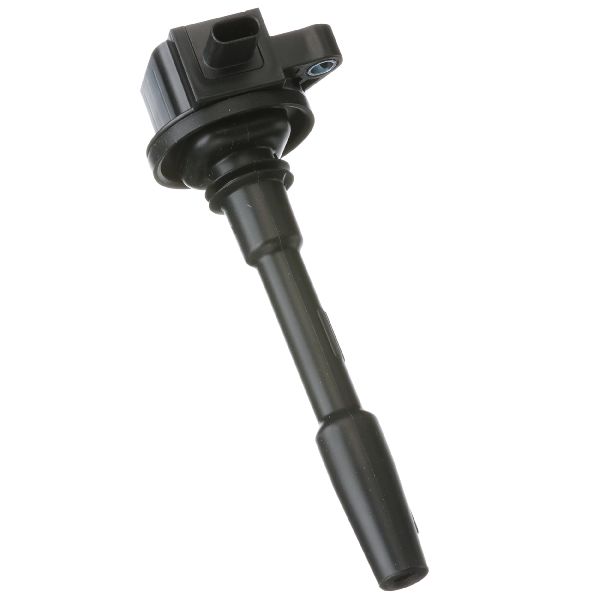
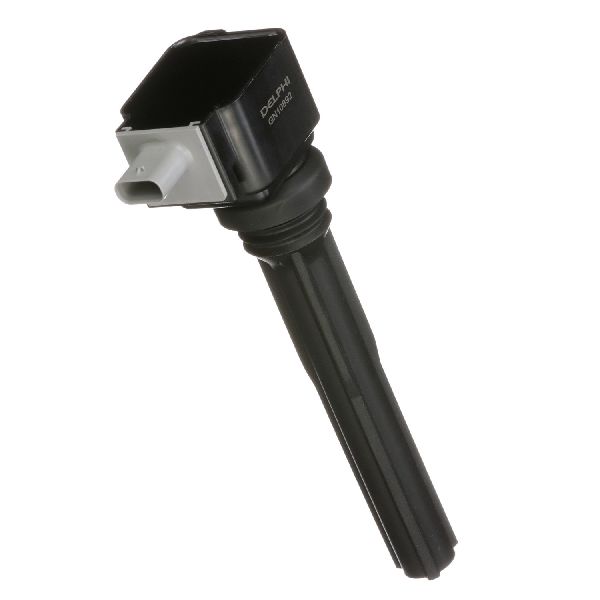
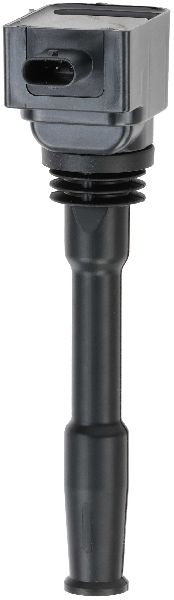
(OEM #BL3Z-12029-C (Motorcraft))— Ignition coils are the second most common failure point for misfires after spark plugs. This part is also known as DG549 and supersedes earlier versions.
Trusted brands: Motorcraft, Denso, NGK
OEM price range: $50-$80
Aftermarket price range: $30-$60
Related Codes That Often Appear With This One
- P0300 — This code for a random/multiple cylinder misfire may appear if the misfire is not isolated to a single cylinder.
- P0301, P0302, P0303, P0304, P0305, P0306 — P0316 is almost always paired with one of these codes, which is critical for identifying the specific cylinder that is misfiring.
- P0420 / P0430 — If a misfire is ignored for too long, unburned fuel can damage the catalytic converters, leading to these 'Catalyst System Efficiency Below Threshold' codes.
- P0171 / P0174 — These 'System Too Lean' codes can appear if the misfire is caused by a large vacuum leak or a fuel delivery issue.
Technical Service Bulletins (TSBs) & Recalls
- TSB 18-2270: While for the 2.7L engine, it documents an instance where faulty fuel injectors caused a P0316 code, showing precedent for this issue on the F-150 platform.
- TSB 22-2151 / 21-2085: These TSBs address software glitches in the PCM on 2021+ F-150s that can cause P0316. While for a newer generation, it highlights that software should not be overlooked as a potential cause.
Platform-Specific Known Issues
- While not specific to the 2019 3.5L H.O., Ford has issued TSBs for other F-150 engines (like 18-2270 for the 2.7L) where faulty fuel injectors caused P0316, showing it's a known potential cause on the platform.
- Some owners on forums like f150forum.com report that carbon buildup on the intake valves, while more common on the first-generation 3.5L EcoBoost, can contribute to cold start misfires on higher-mileage engines.
- A real-world repair story on f150forum.com for a 2011 EcoBoost with a high-speed misfire confirmed that replacing all spark plugs and gapping them down to 0.028 inches completely resolved the hesitation and misfire under load, after replacing a single coil and using the factory gap did not work.
Mechanic-Grade Diagnostic Values
- Ignition Coil Primary Resistance — expected: Approximately 0.5 Ohms. Failure: A significant deviation from 0.5 Ohms or an open circuit (infinite resistance) indicates a faulty coil.
- Ignition Coil Secondary Resistance — expected: Approximately 6.2k Ohms. Failure: A reading far outside this value suggests an internal failure of the coil's secondary winding.
- Port Fuel Injector (PFI) Resistance — expected: 11 - 15 Ohms. Failure: An open circuit (infinite resistance) or a reading outside this range indicates an electrical failure in the injector coil.
- Gasoline Direct Injector (GDI) Resistance — expected: 1 - 2 Ohms. Failure: A reading outside this much tighter range points to a failed direct injector.
- High-Pressure Fuel System (GDI) Pressure at WOT — expected: 1,500 - 2,150 PSI (stock tune). Failure: Pressure significantly below this range under load indicates a problem with the high-pressure fuel pump (HPFP) or its drive system.
- Low-Pressure Fuel System Pressure (KOEO) — expected: ~50 PSI. Failure: Low or no pressure suggests a failing in-tank fuel pump or a clogged fuel filter.
Hidden / Shadow Codes Worth Checking
- Mode $06, Test ID $A2 - $AD: This is not a DTC, but a diagnostic monitor in the PCM. Test IDs $A2 through $A7 correspond to misfire counts for cylinders 1-6 during the last 10 driving cycles. Test IDs $A8 through $AD show the misfire count for the current drive cycle. This data can reveal which cylinder is misfiring even if a specific P030x code has not yet been set. (see via Requires a scan tool capable of reading Mode $06 data, such as FORScan or many professional-grade scanners.)
Scan Tool Commands That Help
- FORScan / Ford IDS: Power Balance Test — This bidirectional test allows the technician to shut off fuel to individual cylinders one by one while the engine is running. A healthy cylinder will cause a noticeable drop in RPM when deactivated. If deactivating a cylinder causes no change in RPM, that is the misfiring cylinder. This is extremely useful for confirming the location of a misfire without swapping any parts.
- Ford IDS: Crankshaft Position Sensor Relearn — After replacing a Crankshaft Position (CKP) sensor or in rare cases, a flexplate, this procedure may be required. It allows the PCM to learn the new sensor's profile and the precise rotational signature of the crankshaft/flexplate to accurately detect misfires.
Wiring & Ground Locations
- G103 / G104 — These are primary engine block grounds, typically located on the cylinder heads or front of the engine block. They provide the ground path for ignition coils and other critical sensors.. A loose or corroded ground at these points can cause a weak spark or intermittent ignition coil function, leading to misfires that are difficult to diagnose as the coil itself may test good.
- Transmission Wiring Harness (15525 family) — Runs from the main harness down the back of the engine to the transmission. A known chafe point is where it can rub against a transmission bellhousing stud or the transfer case housing.. While often associated with communication codes (U-codes), damage to this harness can affect wires for sensors like the CKP or VSS, potentially leading to false misfire detection or other engine performance issues. TSBs SSM 47097 and SSM 48563 address this issue.
- Rear Axle Wiring Harness — Routed along the frame rail towards the rear axle.. Though a recall for this harness focused on the electric parking brake, general harness chafing is a known issue on this platform. Any damage to wiring bundles that share circuits with engine management sensors could theoretically contribute to electrical issues causing misfires, especially if CAN bus wires are compromised.
"I Checked Everything" — The Actual Cause
- A cracked flexplate can trigger a P0316 code. The crankshaft position sensor reads teeth on the flexplate to calculate engine speed. A hairline crack can cause the plate to wobble slightly during engine cranking, which the PCM misinterprets as a momentary crankshaft slowdown, flagging it as a misfire. This is a purely mechanical issue that would not be found with ignition tests, fuel pressure checks, or a smoke test for vacuum leaks.
OEM Part Supersession History
BL3Z-12029-A, BL3Z-12029-B→BL3Z-12029-C (also sold as DG549)— Standard revision and improvement of internal components for durability and performance.
Heads up: All versions are generally interchangeable for the specified applications, but using the latest revision (BL3Z-12029-C) is always recommended for reliability.
Diagnostic Flowchart
Other Known Issues on This Vehicle
Issues unrelated to this code that are worth knowing about as an owner of this generation:
- Cam Phaser Rattle on Cold Start 🔴 High — Very common on 2017-2020 3.5L EcoBoost engines. A loud rattle lasting 2-5 seconds after a cold soak is the primary symptom. Can lead to timing issues if ignored. (Ref: TSB 23-2143 (supersedes 22-2200 and others) was issued to replace the VCT units.)
- 10R80 Transmission Harsh/Erratic Shifting 🟠 Medium — Widespread issue on 2017-2021 F-150s. Symptoms include hard shifts (especially 3rd-5th), jerking, and delayed engagement. Class action lawsuits have been filed regarding this issue. (Ref: TSB 21-2145 involves a software update. If that fails, valve body or full transmission replacement may be necessary.)
- IWE System Failure (Grinding Noise) 🟠 Medium — Common across this F-150 generation. A vacuum leak in the Integrated Wheel End (IWE) system causes the front hubs to partially engage, creating a grinding or ratcheting noise from the front wheels, especially under light acceleration. (Ref: No specific recall, but a common dealer repair involves replacing the check valve (7L1Z-9H465-B) and solenoid, or the IWE actuators themselves.)
Used vs. New Parts: Buying Guide for This Vehicle
When a used part is the smart pick: For this repair, used parts are generally not recommended. The primary causes are wear-and-tear items (spark plugs, ignition coils) that have a finite lifespan. Sourcing a used coil is risky as its remaining life is unknown. A used fuel injector is also not advised due to the risk of it being clogged or having a different wear pattern.
Donor-vehicle mileage cap: roughly under 40000 miles for the part to have meaningful remaining life.
What to inspect on the donor part:
- If considering a used ignition coil, inspect the plastic housing for any cracks or signs of heat stress.
- Check the electrical connector for corrosion or damage.
- Avoid any parts from a vehicle that shows signs of flood damage or a severe engine fire.
OEM-only on this vehicle (don't cheap out):
- Spark Plugs: Always buy new. The cost is low and they are critical wear items. Motorcraft is the OEM and highly recommended.
- Crankshaft Position Sensor: While aftermarket versions exist, the CKP sensor is critical for engine timing and misfire detection. Using a genuine Motorcraft sensor is a safer bet to avoid compatibility or accuracy issues.
Aftermarket brands forum-validated for this vehicle:
- Ignition Coils: MSD and Accel are popular performance-oriented aftermarket brands reported by owners to be reliable alternatives to OEM.
- Spark Plugs: NGK (specifically Ruthenium HX) is a widely accepted and recommended alternative to Motorcraft plugs.
Brands owners have reported issues with on this vehicle:
- Unbranded, no-name ignition coils and sensors from online marketplaces. These often have high failure rates and may not meet the specific resistance or voltage requirements of the EcoBoost ignition system, leading to persistent misfires or even PCM damage.
Real Owner Stories
Aggregated from forums and TSBs cited above. Mileages and costs reflect what owners reported in those sources.
2019 Ford F-150 3.5L EcoBoost
Symptoms: The truck was hesitating when trying to accelerate and threw codes P0304 and P0316.
What fixed it: Repairing the issue associated with cylinder 4 (P0304) as identified via FORSCAN troubleshooting.
Source hint: youtube_comment from 'Fix your own car'
2011 Ford F-150 3.5L EcoBoost — ~100000 miles
Symptoms: High-speed misfire and hesitation under load; replacing a single coil and using the factory spark plug gap did not resolve the issue.
What fixed it: Replacing all six spark plugs and gapping them down to 0.028 inches.
Source hint: f150forum.com - Thread 'Ecoboost Misfire Solution!'
2018-2020 Ford Expedition 3.5L EcoBoost
Symptoms: Experienced P0316 along with a specific cylinder misfire (P0302) and a lean condition code.
What fixed it: Addressing a vacuum leak which was the root cause of the misfire and lean codes.
Source hint: Ford Expedition Forum - Thread 'Codes P0316, P0302, and P0171.. oh boy'
Related OBD-II Codes
Frequently Asked Questions
What is the recommended spark plug gap for my 2019 3.5L EcoBoost to prevent P0316 misfires?
Could a software glitch be causing the P0316 code on my F-150?
How do I identify which cylinder is misfiring on my 3.5L EcoBoost?
Is there a TSB for fuel injectors causing P0316 on the F-150 platform?
Can carbon buildup cause cold start misfires on my high-mileage 2019 F-150?
Should I replace just one ignition coil or all of them if I have a P0316 code?
Helpful Videos
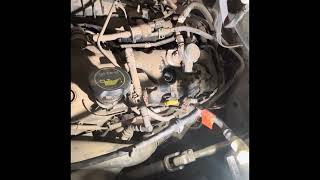

Used OEM Parts in Stock

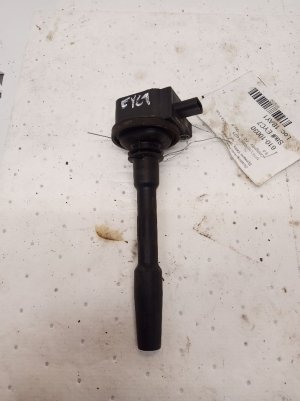


New Aftermarket Parts Available

The information in this article is provided for general reference and educational purposes only. Vehicle specifications, procedures, and part compatibility can vary by production date, trim level, and region. Always consult your vehicle's factory service manual and verify part numbers before purchasing or performing repairs. Safety-critical components such as airbags, seat belts, and braking systems should be installed by a qualified professional.
- Ford F-150:
- 🎬 Helpful Videos
- 🛍️ Shop This Part
- What's Unique About the 2019-2019 Ford F-150
- Symptoms You May Notice
- Most Likely Causes
- Rare But Worth Checking
- Diagnosis Steps
- Parts You'll Likely Need
- Related Codes That Often Appear With This One
- Technical Service Bulletins (TSBs) & Recalls
- Platform-Specific Known Issues
- Mechanic-Grade Diagnostic Values
- Hidden / Shadow Codes Worth Checking
- Scan Tool Commands That Help
- Wiring & Ground Locations
- "I Checked Everything" — The Actual Cause
- OEM Part Supersession History
- Diagnostic Flowchart
- Other Known Issues on This Vehicle
- Used vs. New Parts: Buying Guide for This Vehicle
- Real Owner Stories
- 2019 Ford F-150 3.5L EcoBoost
- 2011 Ford F-150 3.5L EcoBoost — ~100000 miles
- 2018-2020 Ford Expedition 3.5L EcoBoost
- Related OBD-II Codes
- Frequently Asked Questions
- 🎟️ Get 5% Off