

P0316 on 2011-2016 Chevrolet Cruze 1.4L Turbo: Startup Misfire Causes and Fixes
On a 2011-2016 Cruze with the 1.4L Turbo, code P0316 is most often caused by a faulty ignition coil pack and/or worn spark plugs. This is a very common failure on this engine. Replacing both the coil pack (OEM P/N: 55579072) and all four spark plugs (OEM P/N: 25193473) is the most reliable fix. Another frequent cause is a failed PCV system integrated into the valve cover (OEM P/N: 25198874), which creates a vacuum leak. Parts for these common repairs cost between $80 and $250 for a DIYer.
- P0316 on a 1.4L Cruze means it's misfiring right after you start it.
- The most likely cause is a bad ignition coil pack and/or worn-out spark plugs. It's best to replace these together.
- A failed PCV system inside the valve cover is the second most likely cause, creating a vacuum leak that leads to misfires.
- Check for oil in the spark plug tubes. If you see oil, you must also replace the valve cover to fix the leak.
- Do not ignore a flashing check engine light, as this can lead to costly catalytic converter damage.
What's Unique About the 2011-2016 Chevrolet Cruze
The 1.4L turbo engine (RPO code LUV) in the first-generation Cruze is known for specific issues that lead to misfires. The integrated ignition coil pack has a high failure rate, often developing hairline cracks in the housing or damage to the rubber boots, causing spark to arc to the cylinder head. Additionally, the PCV system, which is built into the valve cover, has a rubber diaphragm that is notorious for tearing. This creates a significant vacuum leak that leads to a lean condition (often with code P0171) and misfires. These two issues are the most common reasons a Cruze owner will see a P0316 code.
Generation note: The 2011-2016 year range primarily covers the first-generation Chevrolet Cruze. However, in 2016, Chevrolet sold both the new second-generation Cruze and a carryover model called the "Cruze Limited," which was the first-generation body style. This guide applies to the first-generation models (2011-2015 and 2016 Limited) equipped with the 1.4L LUV turbo engine.
Symptoms You May Notice
- Rough, stumbling, or shaky idle, especially right after starting the engine
- Hesitation or lack of power during acceleration
- Solid or flashing Check Engine Light
- Difficulty starting the engine
- Audible whistling or sucking noise from the engine bay at idle (indicates PCV failure)
- Engine feels like it's shaking or jerking between 30-50 MPH under light load.
- Replacing only the spark plugs when the ignition coil is also bad.
- Replacing ignition components when the root cause is a large vacuum leak from the PCV system in the valve cover.
- Replacing oxygen sensors, which may report errors due to the misfire but are not the cause of it.
Most Likely Causes
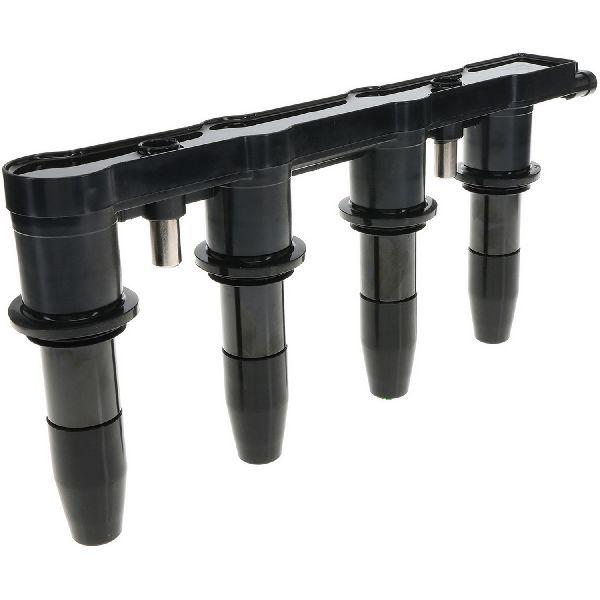
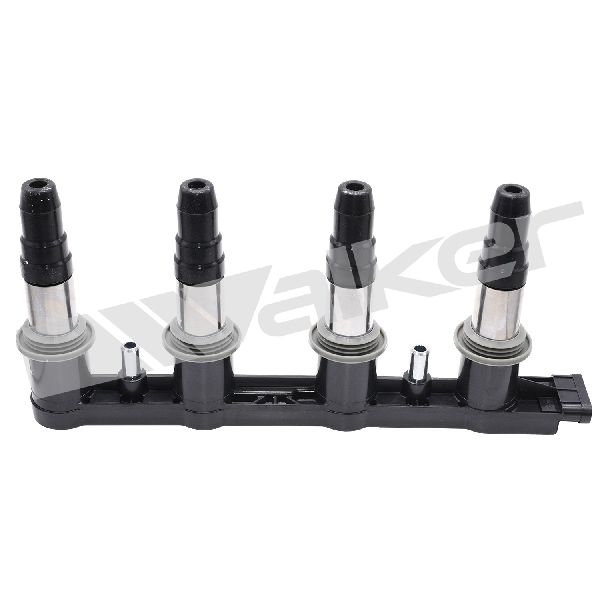
- Failing Ignition Coil Pack 🔴 High Probability The single, integrated coil pack on the 1.4L turbo engine is a well-documented weak point. Constant heat cycles cause the plastic housing to develop hairline cracks, and the rubber boots insulating the spark plugs degrade, allowing high-voltage spark to arc to the cylinder head. This is a very common failure mode for this engine.
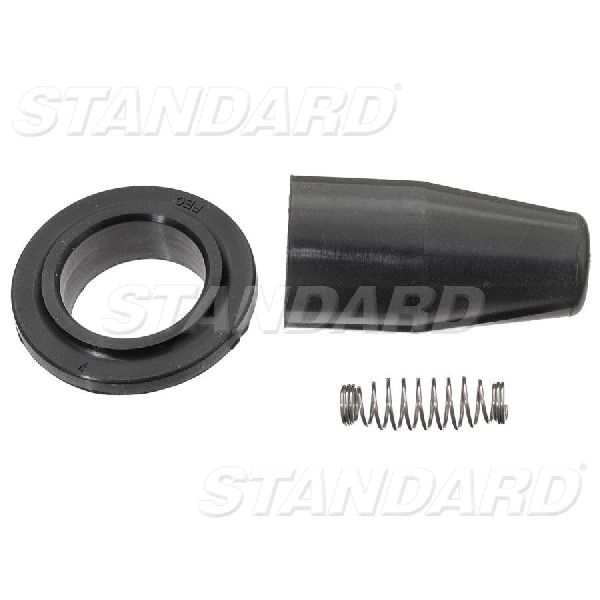
How to confirm: Remove the single coil pack assembly (two T30 Torx bolts). Inspect the housing and the long boots for fine white, brown, or black lines (carbon tracking), which indicate external arcing. Also check for corrosion on the contact springs inside the boots. Swapping with a known good coil is a definitive test.
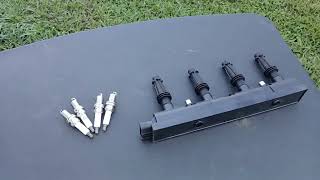
Typical fix: Replace the entire ignition coil pack assembly. 🎬 Watch: How to replace the ignition coil and spark plugs It is highly recommended to replace all four spark plugs at the same time, as worn plugs can overwork and damage a new coil.
Est. part cost: $60-$150 - Worn or Fouled Spark Plugs 🔴 High Probability The 1.4L is a small displacement, turbocharged engine that can be hard on spark plugs. The recommended service interval is often shorter than owners expect. Additionally, a leaking valve cover gasket (another common issue) can foul the plugs with oil, causing a misfire.
How to confirm: Remove the spark plugs and inspect them. Look for a worn-down center electrode, excessive electrode gap, heavy carbon buildup, or oil contamination on the insulator and electrode. The OEM-specified gap is crucial for proper performance.
Typical fix: Replace all four spark plugs with the correct OEM-spec plugs (typically Iridium). Ensure they are gapped correctly. If oil is present in the spark plug tubes, the valve cover and its gasket must also be replaced.
Est. part cost: $30-$60 - Failed PCV System / Valve Cover 🟡 Medium Probability The PCV pressure regulator is a rubber diaphragm built into the valve cover. This diaphragm is known to tear, creating a large, unmetered vacuum leak. This leans out the air/fuel mixture and causes rough running, misfires, and often a P0171 code.
How to confirm: With the engine running, listen for a distinct hissing or whistling sound from the top of the engine. A definitive test is to try to remove the oil fill cap with the engine running; if there is strong suction holding it down, the PCV diaphragm has failed. You can also place a plastic bag over the oil fill opening; if it gets sucked in, the diaphragm is torn.
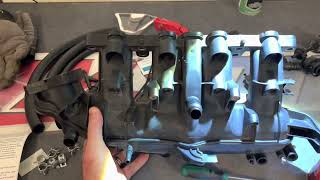
Typical fix: Replace the entire valve cover assembly. The PCV diaphragm is not sold separately by GM. This is a very common repair for this engine. Aftermarket options from brands like Dorman are widely available.
Est. part cost: $50-$120
Rare But Worth Checking
- Leaking or Clogged Fuel Injectors: An injector that is stuck open, leaking, or clogged can cause a misfire on startup. This is less common than ignition or PCV issues but should be considered if those have been ruled out.
- Crankshaft Position Sensor (CKP) Fault: The ECM uses the CKP sensor to detect misfires. While not a frequent failure, a faulty sensor or wiring can send erratic signals on startup, causing the ECM to incorrectly flag a misfire.
- Low Engine Compression: Mechanical engine problems like a burnt valve, damaged piston rings, or a broken piston ring land can cause a misfire. This is the least likely cause and should only be investigated after all ignition, fuel, and air leak possibilities are exhausted. A compression test is required for diagnosis.
- Faulty Negative Battery Cable: A known issue on these cars involves a poor crimp on the negative battery cable, causing voltage fluctuations and bizarre electrical symptoms, including stalling and misfire codes. GM issued a special coverage program (14311) for this. If you have other strange electrical issues, this is a strong possibility.
Diagnosis Steps
- Scan for Codes: Use an OBD-II scanner to confirm P0316 and check for any other codes (like P0300-P0304 or P0171) that can help pinpoint the issue.
- Check for PCV Failure (Easiest First): With the engine running at idle, listen for a loud hissing/whistling sound from the valve cover. Try to remove the oil cap. If strong suction holds it on, the PCV diaphragm has failed and the valve cover needs replacement. This is a very common failure.
- Inspect Ignition System: Remove the plastic engine cover. Unbolt (2x T30 Torx) and lift the ignition coil pack. Inspect the coil housing and boots for cracks, burn marks (arcing), or oil.
- Inspect Spark Plugs: While the coil is off, remove all four spark plugs. Check for wear, damage, and oil fouling. If oil is present in the spark plug wells, the valve cover gasket is leaking and the entire valve cover should be replaced.
- Address Findings: Replace parts based on your inspection. If the coil is cracked or the plugs are worn/fouled, replace them as a set. If the PCV has failed, replace the valve cover. These are the three most likely culprits.
- Check for Electrical Gremlins: If you have other random electrical issues (radio flickering, stabilitrak warnings), inspect the negative battery cable and its ground connection to the chassis. A loose or corroded connection is a known issue.
- Check Fuel System: If ignition and PCV systems are good, the issue may be fuel-related. A fuel pressure test or injector balance test may be needed.
- Perform Crankshaft Position Sensor Relearn: In some cases, especially after major engine work, a CKP relearn procedure with a capable scan tool (like a Tech2 or high-end bidirectional scanner) may be required. GM TSB PIP5105A notes the importance of proper coil removal to avoid damage.
- Check Mechanical Condition: If all else fails, perform a compression test to check for internal engine problems like damaged pistons or valves.
Parts You'll Likely Need
- Ignition Coil Pack
(OEM #55579072)— This is the most common failure part for misfires on the 1.4L Cruze engine.
Trusted brands: ACDelco, Delphi, NGK
OEM price range: $100-$180
Aftermarket price range: $60-$120 - Iridium Spark Plugs (Set of 4)
(OEM #25193473)— Worn spark plugs are a primary cause of misfires and should always be replaced when replacing the coil pack.
Related Codes That Often Appear With This One
- P0300 — P0300 means 'Random/Multiple Cylinder Misfire.' If the startup misfire affects more than one cylinder or is intermittent between cylinders, this code will often appear alongside P0316.
- P0301, P0302, P0303, P0304 — These codes correspond to a specific misfiring cylinder (e.g., P0301 is Cylinder 1). They help pinpoint the location of the misfire that triggered the P0316 code, often pointing to a specific coil boot or spark plug.
- P0171 — P0171 means 'System Too Lean.' This code is very common when the PCV diaphragm in the valve cover fails, as this creates a large vacuum leak that the ECM cannot compensate for.
- P1101 — P1101 relates to the Mass Airflow Sensor performance. It often appears with P0171 when the PCV system fails, as the unmetered air entering the crankcase confuses the sensor's expected airflow calculations.
Technical Service Bulletins (TSBs) & Recalls
- N192282020: Special Coverage for cracked PCV diaphragm in valve cover.
- 14311B: Special Coverage Adjustment – Negative Battery Cable Loose.
- 19-NA-090: Information on Possible Oil Consumption and/or Leaks, Malfunction Indicator Lamp (MIL) Illuminated - DTC P0300 Set, potentially caused by broken piston ring land.
- PIP5105A: Diagnostic information regarding damaged ignition coil high tension towers or boots from improper removal, emphasizing the need for tool EN-6009.
Platform-Specific Known Issues
- A special coverage program (N192282020) was issued by GM for the 2015-2016 Cruze for the failing PCV diaphragm in the valve cover, extending the warranty for this specific part. While this may have expired for many vehicles, it highlights how common the problem is.
- GM Service Bulletin 14311B addresses an insufficient crimp on the negative battery cable for 2011-2015 models, which can cause a wide range of electrical issues, including stalling and misfires. The special coverage extended the warranty to 10 years/120,000 miles.
Mechanic-Grade Diagnostic Values
- Fuel Pressure (at fuel rail) — expected: Varies between 300 kPa (43.5 PSI) and 400 kPa (58 PSI) depending on engine load and boost.. Failure: Pressure that is significantly lower than desired pressure on a scan tool, or pressure that does not increase with engine load, can indicate a weak fuel pump or restricted filter.
- Ignition Coil Primary Resistance — expected: Typically between 0.4 and 2.0 ohms.. Failure: A reading outside of this range (e.g., OL for an open circuit or 0 for a short) indicates a faulty coil.
- Ignition Coil Secondary Resistance — expected: Typically between 6,000 and 10,000 ohms (6k-10k Ω).. Failure: A reading significantly outside this range suggests the internal windings are damaged.
- Fuel Injector Resistance — expected: Approximately 12 Ohms (High Impedance).. Failure: A reading significantly higher or lower than 12 ohms suggests a faulty injector coil.
- Long Term Fuel Trim (LTFT) at Idle — expected: Within +/- 5-10%.. Failure: A high positive LTFT (e.g., +25% or higher) indicates the ECM is adding significant fuel to compensate for unmetered air, a classic sign of a vacuum leak from the PCV system or a stuck EVAP purge valve.
Hidden / Shadow Codes Worth Checking
- Mode 6, Test ID $A2-$A7, Component ID $0B/$0C: These are not codes but live misfire counters for each cylinder (A2=Cyl 1, A3=Cyl 2, etc.). A technician can watch these counters on a capable scan tool to see which cylinder is misfiring in real-time, even if the misfire count is not yet high enough to set a P030x trouble code. (see via Requires a scan tool with Mode 6 data capability. The data shows misfire counts for the current and last 10 driving cycles.)
Scan Tool Commands That Help
- GDS2 / Tech2 / High-End Bidirectional Scanner: Crankshaft Position Variation Learn (also called CASE Relearn) — This procedure must be performed after replacing the crankshaft position sensor, the ECM, or after major engine work like replacing the flywheel. It synchronizes the sensor with the actual crankshaft position to ensure accurate misfire detection. Failure to perform this can result in a P1336 code and incorrect misfire flagging.
- GDS2 / Capable Bidirectional Scanner: Fuel Injector Balance Test — If a specific cylinder misfire is suspected (e.g., P0302) but ignition components are good, this test can help diagnose a faulty fuel injector. The scanner commands each injector to fire for a set duration, and the corresponding drop in fuel pressure is measured. An injector with a smaller pressure drop is likely clogged or weak.
- GDS2 / Capable Bidirectional Scanner: EVAP Purge/Seal — If a vacuum leak is suspected (high fuel trims with P0171), this command allows a technician to command the EVAP purge solenoid closed. If fuel trims return to normal when the valve is commanded shut, it confirms the purge solenoid was stuck open and causing the lean condition/misfire.
Wiring & Ground Locations
- Engine Harness Chafe Point — The main engine wiring harness may rub against the sharp metal edge of the ECM/TCM mounting bracket on the driver's side of the engine bay.. Vibration can wear through the insulation on wires related to the ignition coil, fuel injectors, or crankshaft position sensor, causing intermittent shorts or open circuits that lead to misfires and other codes. This is often missed during visual inspection.
- Ignition Coil Connector (X108) — The 4-pin connector on the ignition coil pack itself.. The plastic locking tab on this connector can become brittle and break, leading to a poor connection. Wiggling this connector while the engine is running may induce or stop a misfire, indicating a bad connection or damaged terminal pins inside.
- Underhood Fuse Block Bolts — The main bolts holding the top of the under-hood fuse box down.. On some GM vehicles of this era, these bolts can vibrate loose, causing a poor connection for one of the main harness connectors on the underside of the fuse box. This can lead to a host of bizarre, unrelated electrical issues, including misfires, stalling, and instrument cluster warnings.
Real Owner Repair Stories
- YouTube user 'greasyfingergarage' (2014 Chevrolet Cruze 1.4L) — Rough running condition, misfire on startup.
❌ Tried (didn't work) The video implies other diagnostics were performed prior to the final fix.
✅ What actually fixed it The final resolution was replacing a faulty EVAP purge valve and tightening a spark plug that had worked itself loose. - CruzeTalk forum user (2011-2016 Cruze 1.4L (general issue)) — Misfire under load (e.g., merging, passing), especially around 3000 RPM, but idles fine.
❌ Tried (didn't work) Often misdiagnosed as a fuel or transmission issue because it only happens under specific load conditions.
✅ What actually fixed it This specific symptom is a classic sign of a failing ignition coil pack. Increased cylinder pressure under boost requires a much stronger spark; a marginal coil can provide enough energy at idle but fails under high demand, causing the misfire.
"I Checked Everything" — The Actual Cause
- A common scenario is having high positive fuel trims (P0171) and a startup misfire (P0316) with a smoke test that shows no leaks. The actual cause is often the EVAP purge solenoid stuck open. The solenoid is supposed to be closed on startup and at idle. When stuck open, it creates a vacuum leak path from the fuel tank into the intake manifold. A smoke test won't reveal this unless the technician specifically commands the valve closed with a scan tool and tests the system, or removes the valve and tests it directly.
OEM Part Supersession History
25198874 (Valve Cover)→This part number remains current for many applications, but aftermarket versions like the Dorman 264-968 are extremely common. Some owners report issues with aftermarket valve cover diaphragms failing prematurely compared to the OEM ACDelco part.— N/A55579072 (Ignition Coil)→This ACDelco part number is still the primary replacement. The original manufacturer is often Delphi. Be cautious of unbranded, low-cost aftermarket coils, as many forum users report premature failure, sometimes within months. Sticking with ACDelco or Delphi is highly recommended for longevity.— N/A
Model Year Variations Within This Range
- 2011-2016: While the core LUV engine remained largely the same, GM made minor running changes. The most notable variation for this code is the negative battery cable issue, which was more prevalent on earlier models and led to GM Special Coverage Program 14311. Additionally, the 2016 model year is split; the 'Cruze Limited' is a carryover of the first generation and this guide applies, while the all-new second generation 'Cruze' uses a different engine (LE2) and parts are not interchangeable.
Diagnostic Flowchart
Other Known Issues on This Vehicle
Issues unrelated to this code that are worth knowing about as an owner of this generation:
- Coolant Leaks (Water Pump, Thermostat Housing, Hoses) 🔴 High — Extremely common. Water pumps often fail before 100k miles. Plastic thermostat/water outlets are prone to cracking. (Ref: 14371B (Special Coverage for Water Pump))
- Oil Cooler Gasket Leaks 🟠 Medium — Very common on higher mileage vehicles. Gaskets harden and leak oil onto the hot exhaust manifold, causing a strong burning oil smell and a fire risk.
- Faulty Negative Battery Cable 🔴 High — Common enough to warrant a special coverage program. Causes a wide array of difficult-to-diagnose electrical problems, including no-start, stalling, and flickering lights. (Ref: 14311B (Special Coverage))
- Turbocharger Coolant Line Leaks 🟠 Medium — The rubber sections and crimps on the turbo coolant feed and return lines are known to degrade and leak coolant.
- Transmission Control and Shifting Issues 🟠 Medium — Some owners report harsh shifting, slipping, or complete transmission failure, particularly on earlier model years. (Ref: 16V502000 (Recall for Park Lock Lever))
Used vs. New Parts: Buying Guide for This Vehicle
When a used part is the smart pick: A used valve cover assembly from a low-mileage donor car can be a cost-effective option, as the failure mode (torn diaphragm) is often related to age and heat cycles rather than just mileage. Other mechanical components like the engine cover or intake piping are also safe to source used.
Donor-vehicle mileage cap: roughly under 60000 miles for the part to have meaningful remaining life.
What to inspect on the donor part:
- For a valve cover, check the date code if visible. A newer part is always better.
- Inspect for any cracks or damage around the bolt holes.
- Avoid parts from vehicles that show signs of severe overheating or oil sludge, as this can degrade the internal rubber diaphragm faster.
OEM-only on this vehicle (don't cheap out):
- Ignition Coil Pack: Aftermarket coils for the 1.4L Cruze are notoriously unreliable. Many owners report premature failure, leading to repeat repairs. It is strongly recommended to use an OEM ACDelco or Delphi coil pack.
- Spark Plugs: Use the specified OEM ACDelco Iridium plugs. These engines are sensitive to spark plug heat range and gap, and using incorrect plugs can cause misfires and damage the ignition coil.
Aftermarket brands forum-validated for this vehicle:
- Dorman (Valve Cover): Dorman offers a widely available aftermarket valve cover (P/N 264-968) that is a common replacement, though some mechanics still prefer the longevity of the OEM part.
Brands owners have reported issues with on this vehicle:
- Unbranded/No-Name Ignition Coils: Low-cost ignition coils found on sites like Amazon and eBay have a very high failure rate on this platform, according to extensive forum discussions. They often fail under load or within a few thousand miles.
Real Owner Stories
Aggregated from forums and TSBs cited above. Mileages and costs reflect what owners reported in those sources.
2013 Chevrolet Cruze 1.4L Turbo
Symptoms: Misfire code P0304 and rough running; found heavy corrosion on the #4 spark plug and inside the coil boot.
What fixed it: Replacement of the spark plug and the ignition coil pack.
Source hint: CruzeTalk.com thread titled 'P0316/P0300 codes'
2014 Chevrolet Cruze 1.4L Turbo — 60000 miles
Symptoms: Hesitation and misfire; spark plugs were totally shot, extremely corroded and rusted.
What fixed it: Replacing the spark plugs and the ignition coil pack.
Source hint: Reddit r/Cruze
Related OBD-II Codes
Frequently Asked Questions
Is there a special warranty for the PCV issue on my 2015 Chevrolet Cruze?
My 2012 Cruze has random electrical flickering and stalling along with the P0316 code; could these be related?
Can I just replace the PCV valve on my 1.4L Turbo engine?
Why does the P0316 code often require replacing both the coil pack and the spark plugs?
I hear a whistling noise from the engine at idle; is this related to the misfire code?
Is there a specific tool I should use to remove the ignition coil to avoid damage?
Helpful Videos
Used OEM Parts in Stock

New Aftermarket Parts Available



The information in this article is provided for general reference and educational purposes only. Vehicle specifications, procedures, and part compatibility can vary by production date, trim level, and region. Always consult your vehicle's factory service manual and verify part numbers before purchasing or performing repairs. Safety-critical components such as airbags, seat belts, and braking systems should be installed by a qualified professional.
- Chevrolet Cruze:
- 🎬 Helpful Videos
- 🛍️ Shop This Part
- What's Unique About the 2011-2016 Chevrolet Cruze
- Symptoms You May Notice
- Most Likely Causes
- Rare But Worth Checking
- Diagnosis Steps
- Parts You'll Likely Need
- Related Codes That Often Appear With This One
- Technical Service Bulletins (TSBs) & Recalls
- Platform-Specific Known Issues
- Mechanic-Grade Diagnostic Values
- Hidden / Shadow Codes Worth Checking
- Scan Tool Commands That Help
- Wiring & Ground Locations
- Real Owner Repair Stories
- "I Checked Everything" — The Actual Cause
- OEM Part Supersession History
- Model Year Variations Within This Range
- Diagnostic Flowchart
- Other Known Issues on This Vehicle
- Used vs. New Parts: Buying Guide for This Vehicle
- Real Owner Stories
- 2013 Chevrolet Cruze 1.4L Turbo
- 2014 Chevrolet Cruze 1.4L Turbo — 60000 miles
- Related OBD-II Codes
- Frequently Asked Questions
- 🎟️ Get 5% Off