

P0307 on 2016-2020 Ford Mustang Shelby GT350: Cylinder 7 Misfire Causes and Fixes
On a Shelby GT350's 5.2L Voodoo engine, P0307 is most often caused by a failed ignition coil or a worn spark plug on cylinder 7. A DIY 'coil swap' is the fastest way to diagnose the issue, and the repair is straightforward for a home mechanic. In rare cases, it can be a symptom of more serious internal engine issues.
- P0307 on your Shelby GT350 means cylinder 7 (third from front, driver's side) is misfiring.
- The most likely cause is a bad ignition coil, which can be easily diagnosed by swapping it with a neighboring coil (like cylinder 8).
- If the check engine light is flashing, stop driving immediately to prevent expensive damage to your catalytic converters.
- If a new coil and spark plug don't fix the issue, further diagnosis of the fuel injector, wiring, or a compression test is required.
- Always use high-quality OEM (Motorcraft) or equivalent parts for ignition components on the high-performance Voodoo engine.
What's Unique About the 2016-2020 Ford Mustang Shelby GT350
The 5.2L Voodoo is a high-strung, high-revving, flat-plane crank V8, which places significant demands on its ignition components and is known for unique vibrations. While the root causes for a P0307 misfire are standard (coil, plug, injector), the performance nature of this engine makes using high-quality, OEM-spec parts (like Motorcraft) especially important for longevity and reliability. Unlike some other Ford V8s of the era, there are no widespread Technical Service Bulletins (TSBs) pointing to a specific chronic fault causing P0307 on the Voodoo engine. However, some owners have experienced misfires that were ultimately traced to internal engine problems like poor compression, which is a known, albeit uncommon, concern with these engines. Diagnosis should still follow the standard, logical path starting with the ignition system.
Symptoms You May Notice
- Rough or shaky idle
- Hesitation or stumbling during acceleration
- Noticeable loss of engine power
- Flashing or solid Check Engine Light
- Increased fuel consumption
- Engine 'bucking' or surging, even at steady cruise
- Replacing the catalytic converter. A misfire can cause a catalyst efficiency code, but the misfire itself is the root cause and must be fixed first.
- Replacing O2 sensors. While a misfire can affect O2 sensor readings, the sensors are rarely the cause of a single-cylinder misfire code.
Most Likely Causes
- Failed Ignition Coil 🔴 High Probability Coil-on-plug systems are common failure points due to constant exposure to high heat and vibration in the engine bay. The high-output, high-vibration nature of the Voodoo flat-plane crank engine can accelerate this wear.
How to confirm: Swap the ignition coil from cylinder 7 with another cylinder (e.g., cylinder 8, the rearmost on the same bank). Clear the codes and drive the vehicle. If the code changes to P0308, the coil is faulty. This is a common and effective diagnostic step mentioned by owners.
Typical fix: Replace the failed ignition coil. It is often recommended to replace all 8 coils at the same time for preventative maintenance on a high-performance engine, but only the failed one is strictly necessary.
Est. part cost: $40-$70 for a single OEM coil - Worn or Fouled Spark Plug 🟡 Medium Probability Spark plugs are a regular wear item. High cylinder pressures and temperatures in a performance engine like the Voodoo can shorten their effective lifespan. The factory-specified Motorcraft SP-590 is an iridium plug designed for a 60,000-100,000 mile interval, but track use or aggressive driving can reduce this.
How to confirm: After confirming the ignition coil is good, remove the spark plug from cylinder 7. Inspect for wear, damage, or fouling (e.g., black, sooty, or oily deposits). You can also swap the plug with another cylinder to see if the misfire follows. A user on Mustang6G.com with a P0307 on a GT350R performed this step to rule out the plug.
Typical fix: Replace the spark plug. It is best practice to replace all 8 spark plugs at the same time to ensure consistent performance.
Est. part cost: $80-$150 for a set of 8 OEM-spec plugs - Faulty Fuel Injector ⚪ Low Probability
How to confirm: If ignition components are confirmed good, the fuel injector is the next suspect. A 'noid' light can be used to check if the injector is receiving an electrical pulse. Swapping the injector with another cylinder is a definitive but more labor-intensive test.
Typical fix: Replace the faulty fuel injector.
Est. part cost: $60-$100 for a single OEM injector
Rare But Worth Checking
- Loss of Compression: This is a serious mechanical issue and a known, though not frequent, failure mode on the Voodoo engine. If ignition and fuel system checks do not resolve the misfire, a compression test on cylinder 7 is necessary to check for problems like a burnt valve, damaged piston, or failing piston rings. One owner on TrackMustangsOnline.com reported misfires and hesitation that were ultimately diagnosed as bad rings on cylinders 3 and 8, requiring engine replacement.
- Wiring Harness Damage: The wiring going to the ignition coil or fuel injector for cylinder 7 could be damaged, loose, or corroded. The harness for the cam phaser solenoids on the driver's side is known to be tight and can cause issues; while not directly for the coil, it highlights the potential for wiring strain in the area. A visual inspection and continuity test would be needed.
- Excessive Oil Consumption: Some Voodoo engines are known to consume oil, which can lead to fouled spark plugs and misfires if the level is not checked frequently. While TSB 19-2365 addresses oil consumption on the related 5.0L Coyote engine, the issue is also widely discussed by GT350 owners. One owner on TrackMustangs.com noted consumption of 1-2 quarts per fill-up before an engine replacement was approved.
Technical Service Bulletins (TSBs) & Recalls
- TSB 22-2464: While documented for the 5.0L engine, this bulletin notes that an illuminated MIL with DTC P0307 may be due to various strategies within the PCM software.
- TSB 21-2158: A manufacturer bulletin for the F-150 platform indicates that a P0307 and a lack of power condition may be caused by software parameters within the PCM.
- TSB 18-2058: This bulletin describes instances where P0307 and P0316 are stored in the PCM with no drivability concerns, requiring specific service procedures to correct the condition.
- Bulletin #16-0039: In some Ford heavy-duty applications, a P0307 may be present in the PCM memory with no other drivability symptoms, often requiring a software-based diagnostic procedure.
Diagnosis Steps
- Read the code from the OBD-II port using a scanner to confirm P0307 is the active code.
- Check freeze-frame data to see the engine conditions (RPM, load, temperature) when the misfire occurred.
- Ignition Coil Swap Test: Label and swap the ignition coil from cylinder 7 with the one from cylinder 8 (rear-most on the driver's side). Clear the codes, start the engine, and see if the misfire code moves to P0308. If it does, the ignition coil is bad and needs replacement. This is the universally recommended first step.
- Spark Plug Inspection/Swap: If the misfire remains on cylinder 7 after the coil swap, remove the spark plug from cylinder 7. Inspect it for excessive wear, carbon tracking, or damage. A user on the Mustang6G forum reported that swapping the plug and coil did not resolve their P0307, pointing to a deeper issue. If the plug looks questionable, replace it. It's best to replace all eight for consistent performance.
- Fuel System Check: If the coil and plug are good, check the fuel injector. Listen for a consistent clicking sound from the injector with a mechanic's stethoscope. Check the wiring and connector for damage. For a more definitive test, swap the fuel injector with another cylinder to see if the misfire follows (this is more labor-intensive).
- Mechanical Engine Health Check: If all ignition and fuel components for cylinder 7 are confirmed to be working, perform a compression test on cylinder 7 to rule out internal mechanical problems. This is a critical step on the Voodoo engine before assuming the issue is minor, as cases of engine replacement for misfires caused by compression loss have been documented.
Parts You'll Likely Need
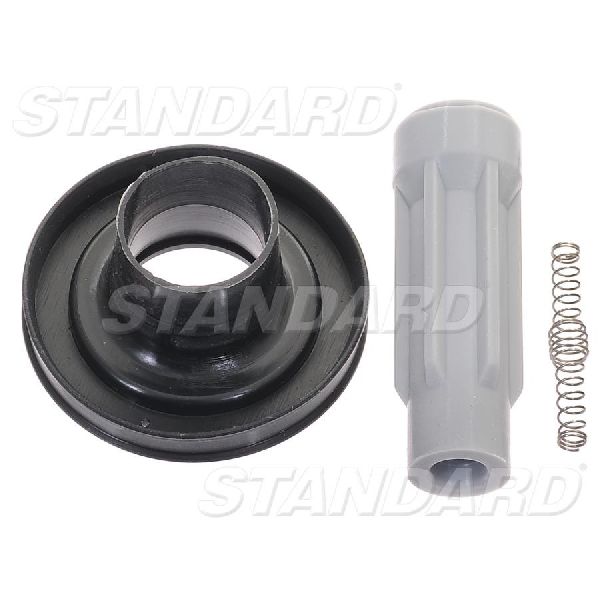
- Ignition Coil
(OEM #GR3Z-12029-A)— This is the most frequent cause of a single-cylinder misfire on modern coil-on-plug engines.
Trusted brands: Motorcraft, MSD (e.g., 824528 as a direct replacement)
OEM price range: $40-$70
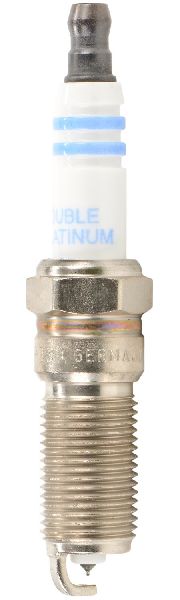
Aftermarket price range: $25-$50 - Iridium Spark Plug
(OEM #SP-590)— Spark plugs are a maintenance item and the second most likely cause of a misfire. The Voodoo engine specifies an iridium plug for performance and longevity.
Trusted brands: Motorcraft, NGK
OEM price range: $15-$25 per plug
Aftermarket price range: $10-$20 per plug
Related Codes That Often Appear With This One
- P0300 — If the misfire is intermittent or starting to affect other cylinders due to a systemic issue like a major vacuum leak or fuel delivery problem, a P0300 (Random/Multiple Cylinder Misfire) code may appear alongside P0307.
- P0316 — This code indicates a misfire was detected within the first 1,000 engine revolutions upon startup. It often accompanies a specific cylinder misfire code like P0307, pointing to a component that is failing immediately at startup. A TSB for the 5.0L Coyote engine (TSB 22-2464) mentions this code appearing with other misfires due to a PCM software issue, which could be a remote possibility.
Mechanic-Grade Diagnostic Values
- Low-Side Fuel Pressure (Key On, Engine Off) — expected: 58-65 PSI. Failure: Pressure below 55 PSI can indicate a weak fuel pump or clogged filter, potentially starving cylinder 7 of adequate fuel.
- Ignition Coil Primary Resistance — expected: 0.5 - 1.5 Ohms. Failure: A reading outside this range (open circuit or high resistance) indicates a faulty coil winding.
- Mode $06 Misfire Count (TID $53, CID $07) — expected: A low number, ideally zero. Some minor counts can be normal.. Failure: A significantly higher count for Component ID $07 (Cylinder 7) compared to other cylinders confirms the misfire is localized to cylinder 7, even without a persistent CEL.
Hidden / Shadow Codes Worth Checking
- Mode $06, Test ID $53, Component ID $07: This is not a traditional trouble code but a specific monitor within the OBD-II system that provides raw data. It shows the misfire count for cylinder 7 during the current and previous drive cycles. This data can reveal an intermittent misfire before it's severe enough to set a persistent P0307 code. (see via A professional scan tool or an advanced OBD-II app (like Torque Pro or FORScan) that can access Mode $06 diagnostic data.)
Scan Tool Commands That Help
- Ford IDS (Integrated Diagnostic System): Power Balance Test — This is the most definitive professional diagnostic step. The tool graphically displays the power contribution of each cylinder in real-time. A technician can selectively disable the fuel injector to cylinder 7 and observe the RPM drop. If there is little or no drop in RPM when cylinder 7 is deactivated, it confirms that cylinder is not contributing power, pinpointing the misfire without swapping any parts.
- Ford IDS or equivalent professional scanner: Crankshaft Position Sensor Relearn — This procedure may be required if the misfire appeared after major engine work (e.g., flywheel, clutch, or timing component replacement). The PCM uses the crankshaft sensor to detect misfires by monitoring tiny variations in crankshaft speed. If the sensor's learned profile is inaccurate, it can falsely report misfires. Running the relearn procedure recalibrates the system.
Wiring & Ground Locations
- G104 — On the driver's side of the engine, typically on the front of the cylinder head or nearby on the chassis frame rail.. This is a primary engine and PCM ground. A loose or corroded G104 ground can cause erratic voltage to ignition and fuel components on the driver's side bank (cylinders 5-8), leading to a weak spark or inconsistent injector function that could trigger a P0307.
- Cylinder 7 Ignition Coil Connector — On top of the driver's side valve cover, third position from the front.. The connector itself or its wiring can be a point of failure. The pins can become loose or corroded, and the wiring can be damaged by heat and vibration. A voltage check should show 12V+ on one pin (Key On, Engine Off) and a pulsing ground signal from the PCM on the other pin when the engine is running. A wiring diagram is needed to confirm pinout.
Real Owner Repair Stories
- Mustang6G.com forum user (2017 Mustang GT (5.0L, similar architecture)) — Flashing check engine light, rough running, P0307 code.
❌ Tried (didn't work) Swapping the ignition coil from cylinder 7 to cylinder 8. The code remained P0307.
✅ What actually fixed it The user took the vehicle to a dealership. While the final resolution wasn't posted by the original user, another user in a similar thread with P0307 and P0308 found the cause to be failed piston ring lands, resulting in low compression and requiring a short block replacement. - S197Forum.com user (S197 Mustang GT (older model, but same diagnostic principle)) — Intermittent misfire, P0307 code.
❌ Tried (didn't work) Replaced spark plug in cylinder 7., Replaced ignition coil in cylinder 7., Swapped fuel injector from cylinder 7 to cylinder 6.
✅ What actually fixed it After confirming the spark, coil, and injector were all good, the user concluded the only remaining possibility was a wiring issue to either the coil or injector for cylinder 7, such as a loose pigtail or chafed wire insulation. - NHTSA ODI #11267686: An owner reported a P0307 code accompanied by engine clattering, missing, and stalling. The failure was traced to a broken #7 intake valve spring which caused the valve to drop and hit the piston, requiring a full engine replacement.
When the Usual Fixes Don't Work
- While the most common causes are ignition-related, multiple owner accounts on forums like Mustang6G and TrackMustangsOnline for the GT350 platform show that a persistent P0307, after swapping the coil and plug, is a strong indicator of mechanical engine problems. In several documented cases, the final resolution for a single-cylinder misfire was a complete engine replacement under warranty due to issues like low compression from failed piston rings or scored cylinder walls. This elevates the importance of a compression test much earlier in the diagnostic process for a Voodoo engine compared to a standard passenger car.
OEM Part Supersession History
GR3Z-12029-A→GR3Z-12029-B, then GR3Z-12029-C— Internal revisions by Ford for improved reliability and performance. The latest version, GR3Z-12029-C, is the recommended replacement part.
Model Year Variations Within This Range
- 2019-2020: Ford introduced the 'Gen 2' Voodoo engine for the 2019 model year. While power output remained the same, it featured significant internal revisions including changes to the block, cylinder heads, pistons, and oiling system to improve durability and address oil consumption concerns seen in some earlier 'Gen 1' (2016-2018) engines. While the ignition system parts are the same, the underlying engine health is a more significant factor on Gen 1 models.
- 2019+: The 2019 refresh also included revised tuning for the ABS and MagneRide suspension, along with stiffer front springs. These changes do not directly affect a P0307 diagnosis but are part of the overall platform evolution.
Diagnostic Flowchart
Other Known Issues on This Vehicle
Issues unrelated to this code that are worth knowing about as an owner of this generation:
- Excessive Oil Consumption 🔴 High — Commonly reported by owners, but does not affect all vehicles. Can be severe in some cases, requiring frequent top-offs. (Ref: No specific TSB for the GT350, but the issue is widely acknowledged in the owner community. A related TSB (19-2365) was issued for the 5.0L Coyote engine for a similar issue.)
- Engine Failure (Oil Starvation / Spun Bearings) 🔴 High — A known risk, particularly on earlier 2016-2018 models and cars that are tracked. Often attributed to oil starvation from high-G cornering or improper oil filter installation leading to the filter backing off.
- A/C Compressor Failure 🟠 Medium — A relatively common complaint among S550 Mustang owners, including the GT350. Symptoms include a whining noise from the engine bay and loss of cold air. (Ref: TSB 18-2166 and 18-2256 mention a related leaking evaporator core on 2015-2017 models, which can be misdiagnosed as a compressor issue.)
- Tremec TR-3160 Transmission Issues 🟠 Medium — Some owners report grinding gears (especially 5th), whining noises, or, in rare cases, catastrophic failure requiring full replacement. (Ref: TSB 16-0085 was issued for early 2015-2016 models for an issue with the output shaft speed sensor that could lead to transmission replacement.)
- Timing Chain Tensioner Failure (2020 models) 🔴 High — Specific to 2020 models. An improperly activated secondary timing chain tensioner from the factory could lead to loss of engine timing and catastrophic failure. (Ref: Ford issued a recall/TSB for this issue, requiring inspection and repair at dealerships.)
- Faulty Cam Phaser Solenoid Wiring 🟡 Low — The wiring pigtail for the cam phaser solenoids, particularly on the driver's side, can become strained and cause intermittent electrical connection, leading to rough running and cam timing codes.
Used vs. New Parts: Buying Guide for This Vehicle
When a used part is the smart pick: For a high-performance, high-strung engine like the 5.2L Voodoo, using used wear-and-tear parts is generally not recommended. The only potential exception might be a major structural component like a valve cover or an intake manifold from a verified low-mileage wreck, but never electronic components.
Donor-vehicle mileage cap: roughly under 15000 miles for the part to have meaningful remaining life.
What to inspect on the donor part:
- Verify the Vehicle Identification Number (VIN) of the donor car to confirm its year and model.
- Look for evidence of track use (e.g., non-OEM brake pads, extreme tire wear, roll cage mounting points), as this increases stress on all components.
- Check for signs of overheating (discolored plastics, melted connectors) in the engine bay.
OEM-only on this vehicle (don't cheap out):
- Ignition Coils
- Spark Plugs
- Fuel Injectors
- Crankshaft Position Sensor
- Camshaft Position Sensors
Aftermarket brands forum-validated for this vehicle:
- MSD (for ignition coils, often seen as a performance upgrade)
- NGK (for spark plugs, a common high-quality alternative to Motorcraft)
Brands owners have reported issues with on this vehicle:
- Unbranded, generic ignition coils and sensors from online marketplaces (e.g., Amazon, eBay) are frequently cited across all vehicle forums as having high failure rates and should be avoided on this engine.
Real Owner Stories
Aggregated from forums and TSBs cited above. Mileages and costs reflect what owners reported in those sources.
2017 Ford Mustang Shelby GT350R 5.2L Voodoo — 14000 miles
Symptoms: Engine misfire codes for a few months, primarily P0307 for Cylinder 7, resulting in a Check Engine Light (CEL) appearing 6 or 7 times.
What fixed it: Swapping the coil and spark plug did not resolve the issue, indicating a deeper mechanical problem requiring further diagnosis.
Source hint: Mustang6G.com - A 2017 GT350R owner with 14,000 miles reported a P0307 code. URL: https://www.mustang6g.com/forums/threads/2017-gt350r-troubling-engine-misfire.198309/
2016-2020 Ford Mustang Shelby GT350R 5.2L Voodoo
Symptoms: Long history of misfire codes and throttle hesitation.
What fixed it: Discovery of bad piston rings which led to two separate engine replacements under warranty.
Source hint: TrackMustangsOnline.com - A GT350R owner detailed a long history of misfire codes and throttle hesitation. URL: https://trackmustangsonline.com/threads/gt350r-engine-3-and-the-problems-continue.14309/
Related OBD-II Codes
Frequently Asked Questions
Which spark plugs should I use for my GT350 Voodoo engine to resolve a P0307?
Is there a TSB for the timing chain tensioner issue on my 2020 GT350?
Can I swap parts to diagnose if the P0307 is just a bad coil?
My 2017 GT350 has a P0307 that won't go away after changing plugs and coils. What should I check next?
Is the A/C compressor whining related to my engine misfire?
Does the GT500 Predator engine share these same P0307 concerns?
Helpful Videos
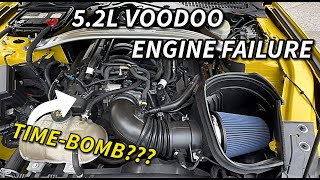
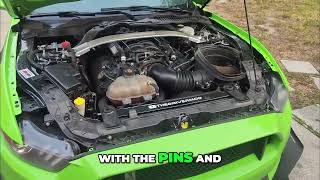
Used OEM Parts in Stock
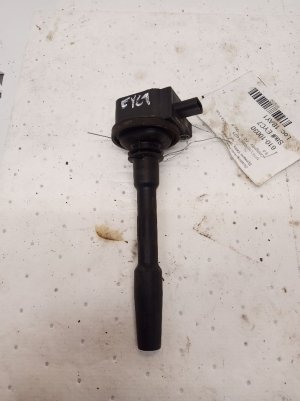

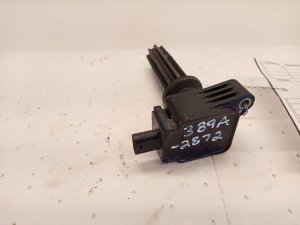

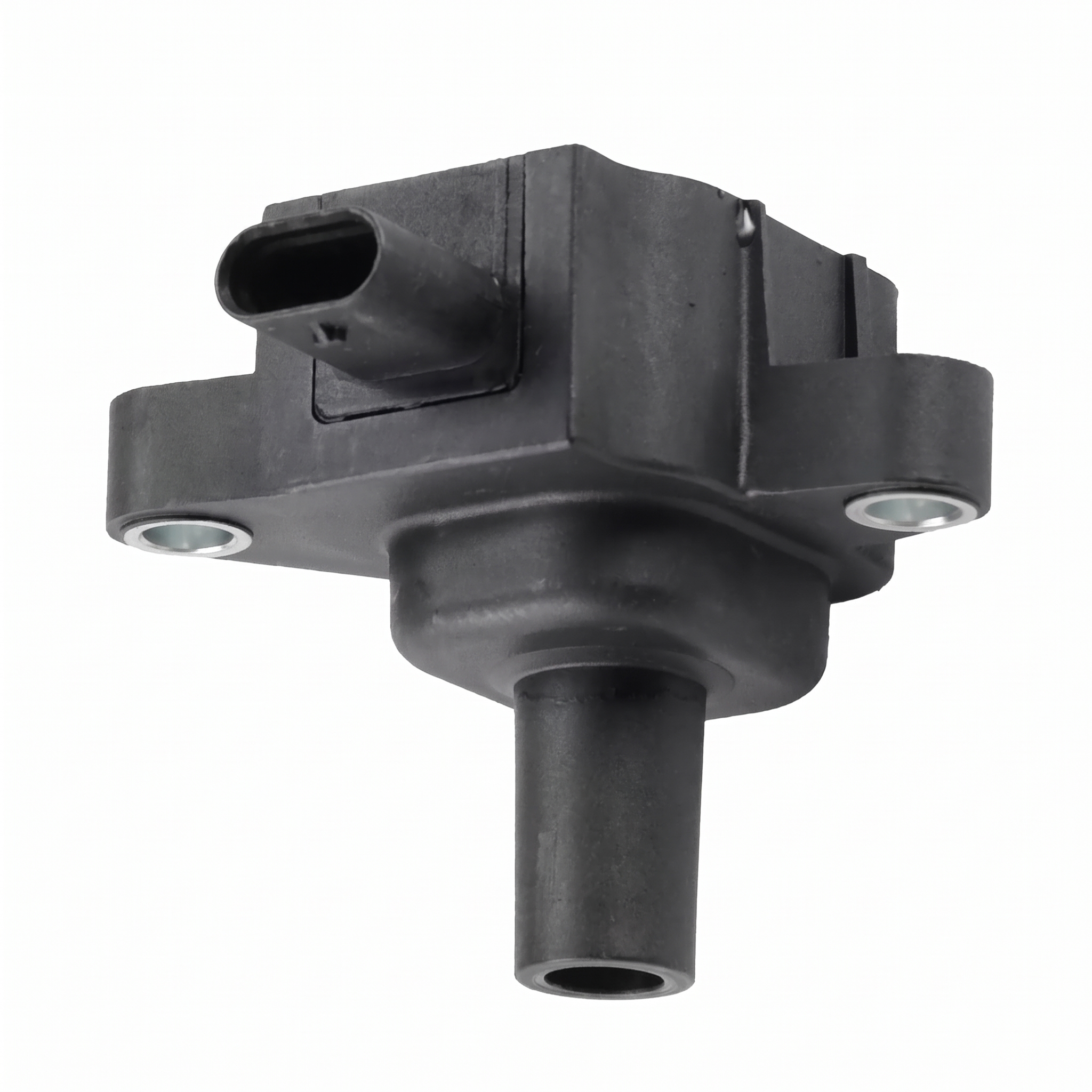
New Aftermarket Parts Available
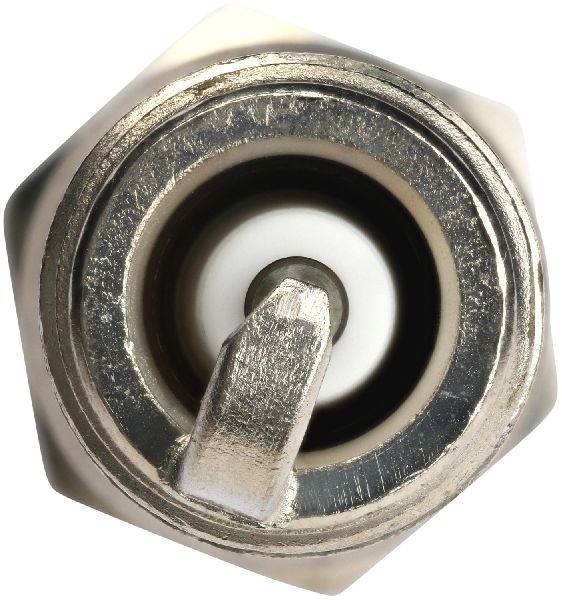
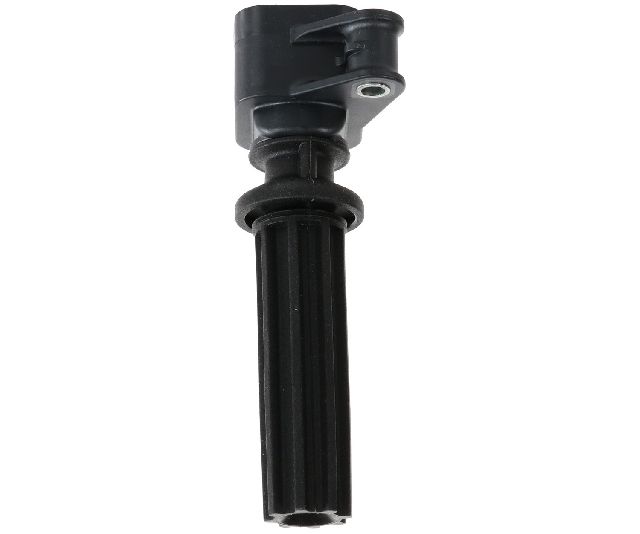


The information in this article is provided for general reference and educational purposes only. Vehicle specifications, procedures, and part compatibility can vary by production date, trim level, and region. Always consult your vehicle's factory service manual and verify part numbers before purchasing or performing repairs. Safety-critical components such as airbags, seat belts, and braking systems should be installed by a qualified professional.
- Ford Mustang Shelby GT350:
- 🎬 Helpful Videos
- 🛍️ Shop This Part
- What's Unique About the 2016-2020 Ford Mustang Shelby GT350
- Symptoms You May Notice
- Most Likely Causes
- Rare But Worth Checking
- Technical Service Bulletins (TSBs) & Recalls
- Diagnosis Steps
- Parts You'll Likely Need
- Related Codes That Often Appear With This One
- Mechanic-Grade Diagnostic Values
- Hidden / Shadow Codes Worth Checking
- Scan Tool Commands That Help
- Wiring & Ground Locations
- Real Owner Repair Stories
- When the Usual Fixes Don't Work
- OEM Part Supersession History
- Model Year Variations Within This Range
- Diagnostic Flowchart
- Other Known Issues on This Vehicle
- Used vs. New Parts: Buying Guide for This Vehicle
- Real Owner Stories
- 2017 Ford Mustang Shelby GT350R 5.2L Voodoo — 14000 miles
- 2016-2020 Ford Mustang Shelby GT350R 5.2L Voodoo
- Related OBD-II Codes
- Frequently Asked Questions
- 🎟️ Get 5% Off