

P0307 on 2018-2023 Ford Mustang GT: Cylinder 7 Misfire Causes and Fixes
P0307 indicates a misfire in cylinder 7. On the 2018-2023 Mustang GT, this is most often caused by a faulty ignition coil or spark plug. A simple coil swap is the first diagnostic step. For 2021-2022 models, a software update (TSB 22-2464) may be required to fix a false code. Less common causes include a faulty fuel injector or IMRC issue.
- P0307 on a 2018-2023 Mustang GT is a misfire on cylinder 7 (driver's side, 3rd from front).
- Start your diagnosis by swapping the ignition coil, then the spark plug, to an adjacent cylinder to see if the code follows.
- If you have a 2021-2022 model, be aware of TSB 22-2464, which addresses false misfire codes with a PCM software update.
- Do not drive with a flashing check engine light, as this can quickly damage your catalytic converters, leading to a much more expensive repair.
What's Unique About the 2018-2023 Ford Mustang GT
The 2018-2023 Mustang GT uses the 'Gen 3' 5.0L Coyote V8, which features a sophisticated dual-fuel system with both port and direct injection (PFDI). While the most common causes for a P0307 misfire are still standard ignition parts, this system adds complexity if the issue is fuel-related, as either the port or direct injector for cylinder 7 could be at fault. Additionally, a known software glitch can trigger false misfire codes on 2021-2022 models, which is addressed by a specific Technical Service Bulletin (TSB 22-2464).
Symptoms You May Notice
- Rough or vibrating idle
- Engine hesitation or stumbling during acceleration
- Noticeable loss of power
- Flashing or solid Check Engine Light
- Reduced fuel economy
- Engine shaking or vibrating, sometimes felt through the steering wheel
- Replacing oxygen sensors. A misfire can cause erratic O2 sensor readings, but the sensor is rarely the root cause of a single-cylinder misfire code.
- Replacing the catalytic converter. A misfire can destroy a catalytic converter, but a bad converter will not cause a P0307 code.
- Assuming bad fuel. While possible, it is more likely to cause random misfires (P0300) across multiple cylinders rather than an isolated P0307.
Most Likely Causes
- Faulty Ignition Coil 🔴 High Probability Coil-on-plug systems are a common failure point on many modern engines due to constant exposure to high heat and vibration in the cylinder head.
How to confirm: Swap the ignition coil from cylinder 7 with another cylinder (e.g., cylinder 8, which is right behind it). Clear the codes and drive the vehicle. If the code changes to P0308, the ignition coil is faulty. This is the most common first diagnostic step.
Typical fix: Replace the faulty ignition coil. The OEM part number was updated from JR3Z-12029-A to JR3Z-12029-B. It is often recommended to replace all 8 coils at the same time 🎬 Watch: How to install a full set of ignition coils. for preventative maintenance, but it is not required.
Est. part cost: $40-$85 for a single Motorcraft coil - Worn or Fouled Spark Plug 🔴 High Probability
How to confirm: After ruling out the ignition coil, swap the spark plug from cylinder 7 with another cylinder. If the misfire code follows the spark plug, the plug is the issue. Visually inspect the plug for wear, oil, or carbon fouling. Even a new-looking plug can be faulty.
Typical fix: Replace the spark plug. Ford recommends replacement intervals of around 100,000 miles, but performance driving or other issues can shorten this lifespan. It is best practice to replace all 8 spark plugs at once. 🎬 See this step-by-step guide for replacing your Mustang's spark plugs.
Est. part cost: $8-$15 per plug for OEM Motorcraft plugs - PCM Software Glitch (2021-2022 models) 🟡 Medium Probability A specific software issue affects these model years, causing the PCM to incorrectly detect misfires due to 'various strategies within the PCM software'.
How to confirm: If you have a 2021-2022 model and have ruled out coils and plugs, check with a Ford dealer about TSB 22-2464. The TSB applies to DTCs P0300-P0308. One owner reported getting multiple misfire codes (P0302, P0300, P0316) that were all resolved by this TSB.
Typical fix: The dealer will reprogram the Powertrain Control Module (PCM) using the latest software level of the Ford Diagnosis and Repair System (FDRS). This is typically covered under the vehicle's emissions warranty and takes approximately 0.4 labor hours.
Est. part cost: $0 if under warranty, otherwise ~$100-$200 for dealer labor - Faulty Fuel Injector ⚪ Low Probability The Gen 3 Coyote has both port and direct injectors. Failures can occur in either, though it's less common than ignition issues. A clogged or malfunctioning injector disrupts the air-fuel mixture. Some owners running E85 have reported DI injector failures.
How to confirm: This is more complex. A professional can perform a fuel injector balance test. 🎬 Watch: How to perform a power balance test with a scanner. A DIY method is to carefully swap a port injector with another cylinder to see if the code follows. Direct injector swaps are more involved and typically require professional tools.
Typical fix: Replace the faulty fuel injector (either port or direct).
Est. part cost: $50-$120 for a port injector, $100-$200+ for a direct injector
Rare But Worth Checking
- Intake Manifold Runner Control (IMRC) Failure: The IMRC system uses flaps in the intake manifold to optimize airflow. The plastic linkage or the actuator motor can fail, causing the flaps to stick. This can lead to airflow issues and trigger misfire codes, often at low RPM. The fix typically involves replacing the entire intake manifold, as individual IMRC components are not always sold separately.
- Wiring Harness or Connector Issue: The wiring or connector for the ignition coil or fuel injector can become damaged, corroded, or loose, causing an intermittent connection and a misfire on that cylinder. A visual inspection and a 'wiggle test' of the harness while the engine is running can sometimes identify the problem.
- Vacuum Leak: A leak in a vacuum hose, intake manifold gasket, or the PCV system can introduce unmetered air into the engine, leaning out the air-fuel mixture and causing misfires. While often causing multiple or random misfires (P0300), a leak localized near cylinder 7's intake runner could potentially cause a P0307.
- Internal Engine Damage: In severe cases, mechanical failure can cause a P0307. NHTSA ODI #11267686 describes a situation where an intake valve spring broke, leading to a dropped valve and piston contact, which resulted in clattering, stalling, and a P0307 code.
Diagnosis Steps
- Read the code with an OBD-II scanner and confirm P0307 is present. Note any other codes, like P0300 or P0316.
- If the Check Engine Light is flashing, avoid heavy acceleration and prolonged driving to protect the catalytic converters.
- Locate cylinder 7 (driver's side, third cylinder from the front).
- Swap the ignition coil from cylinder 7 with the coil from cylinder 8 (right behind it).
- Clear the codes with the scanner, start the engine, and go for a short drive.
- Re-scan for codes. If P0308 appears, the ignition coil is bad and needs replacement.
- If P0307 returns, swap the spark plug from cylinder 7 with the one from cylinder 8.
- Clear codes and drive again. If P0308 appears, the spark plug is bad. Note: In one documented case, a new-looking plug with only 2,750 miles was the culprit after a coil, injector, and manifold were already replaced.
- If P0307 persists, the issue is likely fuel, mechanical, or a wiring issue. Visually inspect the wiring and connector for the fuel injector and ignition coil on cylinder 7 for any signs of damage or looseness.
- For 2021-2022 models, if coils and plugs are good, contact a Ford dealer to check if TSB 22-2464 applies to your vehicle's VIN. This is a known software fix.
- If all else fails, further diagnosis of the fuel injector (port and direct), a mechanical compression test, or a cylinder leak-down test may be needed, which may require professional assistance.
Parts You'll Likely Need
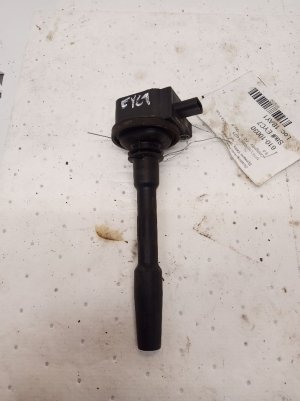
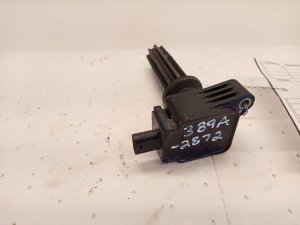
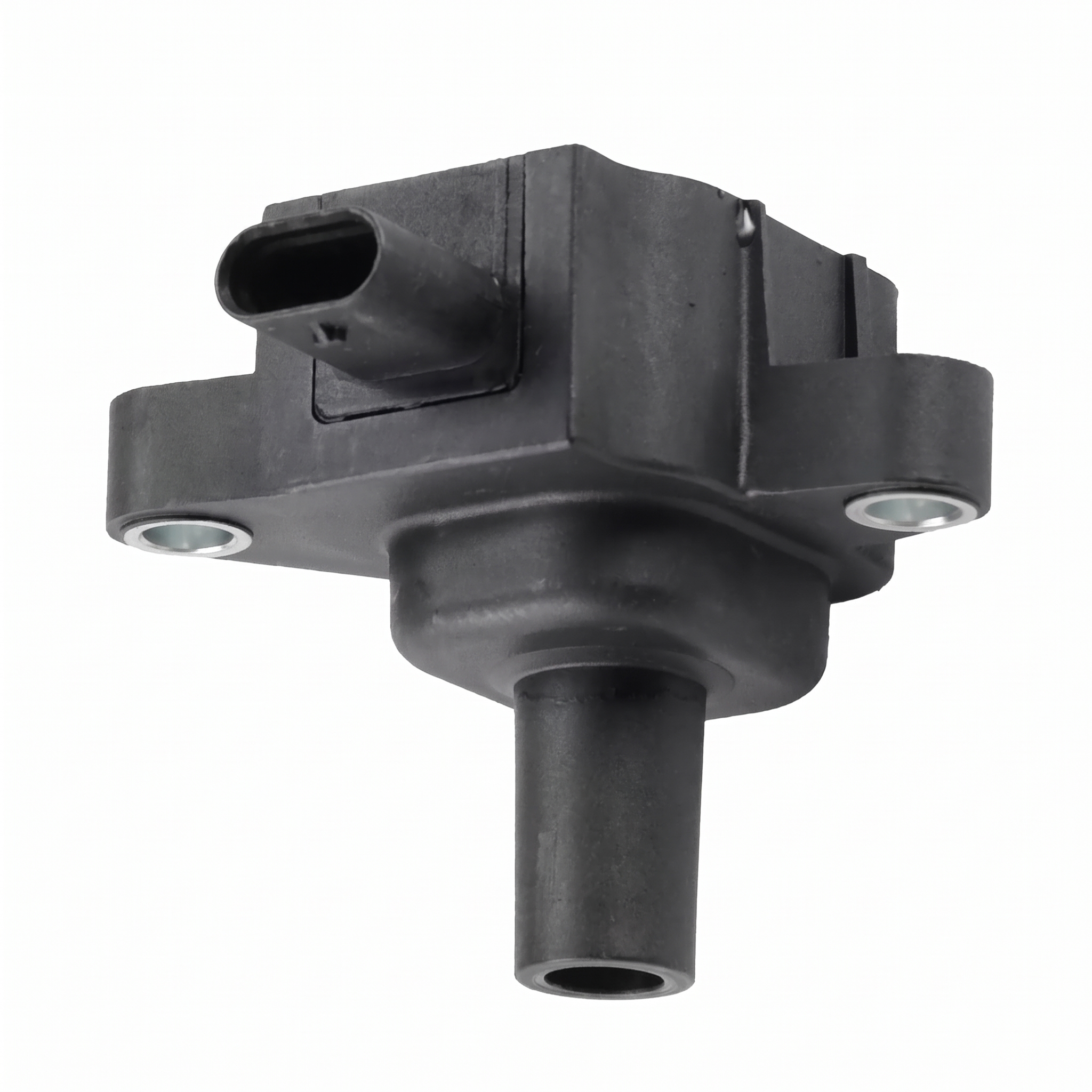
- Ignition Coil
(OEM #JR3Z-12029-B (supersedes JR3Z-12029-A))— This is one of the most common failure points for a single-cylinder misfire. The part number was updated by Ford.
Trusted brands: Motorcraft, NGK, Delphi
OEM price range: $40-$85
Aftermarket price range: $30-$60 - Spark Plug
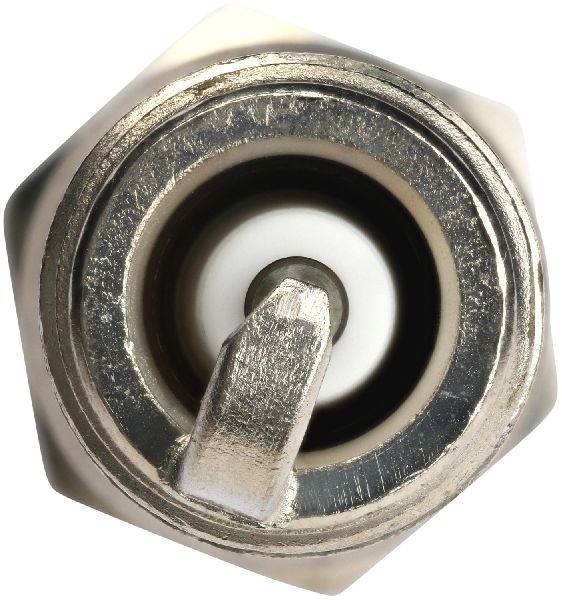
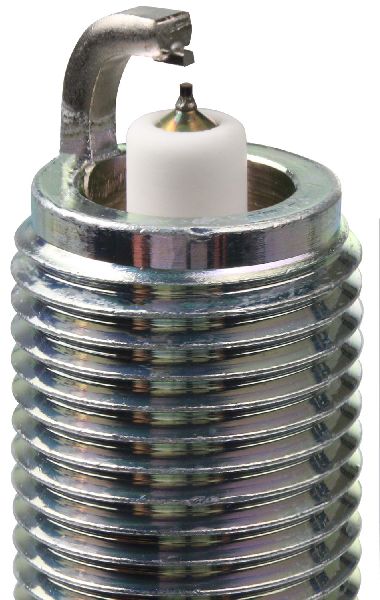
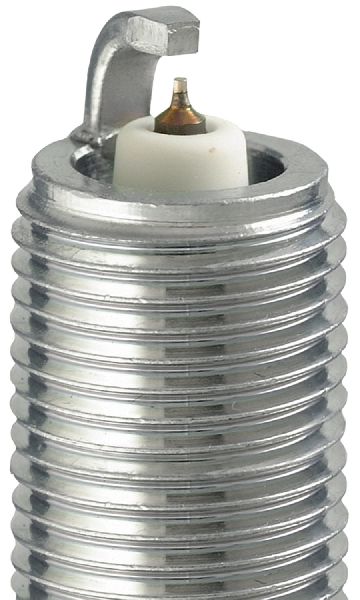
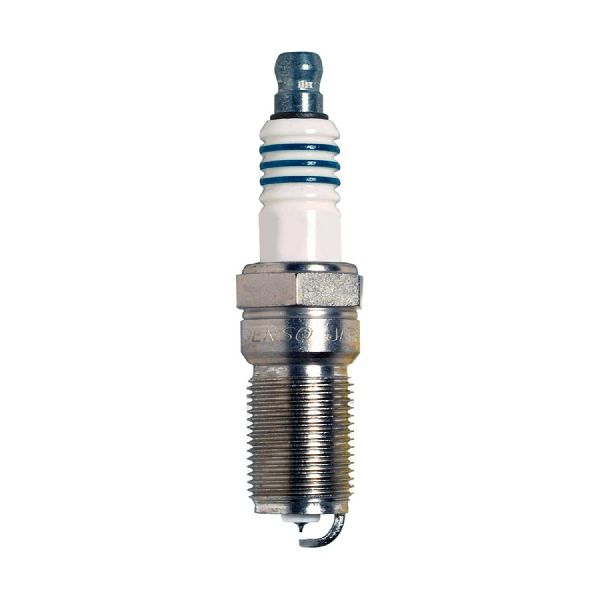
(OEM #CYFS-12Y-T6)— Spark plugs are a regular maintenance item and can wear out or become fouled, causing a misfire. They can also fail prematurely.
Trusted brands: Motorcraft, NGK
OEM price range: $8-$15
Aftermarket price range: $6-$12
Related Codes That Often Appear With This One
- P0300 — If multiple cylinders are misfiring randomly, P0300 (Random Misfire Detected) will appear alongside the specific cylinder code. This often points to a systemic issue like a vacuum leak or fuel pressure problem.
- P0316 — This code indicates a misfire was detected within the first 1,000 engine revolutions on startup. It often accompanies a P030x code and was specifically noted in a dealer diagnosis related to TSB 22-2464.
- P3450 — Cylinder deactivation or software parameter issues can sometimes cause this code to appear alongside P0307, as noted in manufacturer service bulletins like TSB 21-2158.
Technical Service Bulletins (TSBs) & Recalls
- TSB 22-2464: For some 2021-2022 Mustang 5.0L vehicles, addresses an illuminated MIL with DTCs P0300-P0308 due to 'various strategies within the PCM software'. The fix is to reprogram the PCM using FDRS. The labor time is listed as 0.4 hours and is eligible for warranty coverage.
- TSB 21-2158: Notes that vehicles may exhibit a lack of power and an illuminated MIL with DTC P0307 due to various software parameters within the PCM.
- TSB 18-2058: Describes an illuminated MIL with DTCs including P0307 and P0316 stored in the PCM, sometimes exhibiting no drivability concerns, requiring specific service procedures to correct.
- Bulletin #16-0039: A manufacturer service bulletin notes that engines may exhibit an illuminated MIL with DTC P0307 present in the PCM memory with no other drivability symptoms.
Platform-Specific Known Issues
- TSB 22-2464: Some 2021-2022 models may generate false misfire codes (P0300-P0308) due to a PCM software error. The solution is a dealer-installed software update to reprogram the PCM.
Mechanic-Grade Diagnostic Values
- Ignition Coil Primary Resistance — expected: 0.4 - 2.0 ohms. Failure: A reading outside this range indicates a faulty coil.
- Ignition Coil Secondary Resistance — expected: 6,000 - 15,000 ohms (6k-15k Ω). Failure: A reading outside this range indicates a faulty coil.
- Low-Pressure Fuel System (Port Injection) — expected: 55 - 75 PSI. Failure: Pressure below this range could indicate a weak fuel pump, but would likely cause multiple misfires (P0300).
- High-Pressure Fuel System (Direct Injection) — expected: ~400 PSI at idle, up to 3,000+ PSI under load.. Failure: Incorrect pressure could point to a failing High-Pressure Fuel Pump (HPFP), but would likely affect an entire bank of cylinders.
- Mode $06 Misfire Monitor (Cylinder 7) — expected: Test ID $A8, Value should be 0 or very low.. Failure: A high or rapidly increasing count for Test ID $A8 confirms misfires are occurring on cylinder 7, even if the Check Engine Light isn't on yet.
Scan Tool Commands That Help
- Ford IDS, FORScan, high-end Snap-on/Autel scanners: Power Balance Test — This is a critical diagnostic step after a visual inspection. The test disables one cylinder at a time and graphs the RPM drop. If disabling cylinder 7 causes little or no RPM drop compared to other cylinders, it confirms that cylinder 7 is not contributing power. This is faster and more definitive than swapping multiple parts.
- FORScan, Ford IDS: Read Manufacturer-Specific PIDs — To monitor misfire counts per cylinder in real-time (MFF_CYL7) and to check the status of the Intake Manifold Runner Control (IMRC) system to see if the commanded position matches the actual position.
Wiring & Ground Locations
- G104 — On the front of the driver's side cylinder head.. This is a primary engine ground point. A loose or corroded connection here can cause erratic behavior for ignition coils and other sensors on the driver's side bank, potentially leading to a misfire on cylinder 7.
- Cylinder 7 Ignition Coil Connector — 2-pin connector on top of the ignition coil for cylinder 7 (driver's side, 3rd from front).. One pin should have 12V+ with the key on. The other pin is the trigger from the PCM (pulsed ground). A test light should show constant power on the power pin and a flicker on the trigger pin while cranking, confirming the PCM is commanding the coil to fire.
Real Owner Repair Stories
- Mustang6G.com forum user (2018 Mustang GT) — P0307 misfire code.
❌ Tried (didn't work) Swapping ignition coils, Swapping spark plugs
✅ What actually fixed it The dealer diagnosed and replaced a failed direct injector on cylinder 7. - Mustang6G.com forum user (2021 Mustang GT) — P0307 and other random misfire codes (P0300, P0302, P0316).
❌ Tried (didn't work) Initial diagnosis pointed towards coils/plugs.
✅ What actually fixed it The dealer performed the PCM reflash outlined in TSB 22-2464, which completely resolved the false misfire codes. - Mustang6G.com forum user (2018 Mustang GT with 15,000 miles) — P0307 misfire.
❌ Tried (didn't work) Replacing ignition coil, Replacing spark plug
✅ What actually fixed it A compression test revealed low compression on cylinder 7. A subsequent borescope inspection found a dropped valve seat, which required replacement of the cylinder head. - NHTSA ODI #11267686 — An owner reported the engine was clattering, missing, stalling, and backfiring with code P0307. The dealer found a broken #7 intake valve spring and a dropped valve, requiring a full engine replacement.
OEM Part Supersession History
JR3Z-12029-A→JR3Z-12029-B— Minor internal revision for improved reliability.
Model Year Variations Within This Range
- 2021-2022: These model years are subject to TSB 22-2464 for false misfires caused by PCM software. The fix is a dealer-installed software update, which is not applicable to 2018-2020 or 2023 models.
- 2018-2023: The Gen 3 Coyote engine introduced in 2018 features a dual-fuel (port and direct injection) system, which differs from the port-injection-only system of earlier (Gen 1 and Gen 2) Coyote engines. This adds the direct injector as a potential failure point.
Diagnostic Flowchart
Other Known Issues on This Vehicle
Issues unrelated to this code that are worth knowing about as an owner of this generation:
- 10R80 Automatic Transmission Issues 🟠 Medium — Commonly reported. Can manifest as harsh/jerky shifting, delayed engagement from Park to Drive, or torque converter shudder. Some issues can be resolved with a PCM software update and adaptive learning reset, while others require mechanical repair. (Ref: Multiple software-related TSBs exist. TSB 22-2428 relates to CDF drum repairs.)
- Gen 3 Coyote 'BBQ Tick' or 'Typewriter Tick' 🟡 Low — A very common, intermittent ticking noise heard at idle or low RPM, often after the first oil change. It is widely debated but often attributed to the direct injection system, oil pressure variations, or piston slap. Ford has a TSB stating no repair should be attempted as it is considered a normal characteristic. (Ref: A TSB exists acknowledging the noise and advising against repair.)
- Active Performance Exhaust Rattle 🟡 Low — Owners frequently report a metallic rattle from the rear of the car, especially at certain RPMs (2k-3k) or on cold starts. The cause is often a weak or improperly tensioned spring on the exhaust valve actuator. Some owners fix this by stretching or replacing the spring.
- Excessive Oil Consumption 🟠 Medium — Some owners of Gen 3 Coyotes report higher-than-normal oil consumption, sometimes requiring frequent top-offs between oil changes. This has been attributed to issues with piston rings or cylinder wall finish in some engines.
- Plastic Oil Pan Vulnerability/Leaks 🟡 Low — The Gen 3 Coyote uses a plastic oil pan, which can be more prone to leaks over time due to heat cycles and material expansion compared to a metal pan. It also makes engine noises like the 'BBQ tick' more audible.
Used vs. New Parts: Buying Guide for This Vehicle
When a used part is the smart pick: Ignition coils are a good candidate for used purchase from a reputable salvage yard, provided they come from a low-mileage (<50,000 miles) vehicle. An entire intake manifold assembly can also be a cost-effective used part if the IMRC has failed on the original.
Donor-vehicle mileage cap: roughly under 50000 miles for the part to have meaningful remaining life.
What to inspect on the donor part:
- For coils, check for cracks in the plastic housing and ensure the boot is pliable and free of tears or oil contamination.
- For an intake manifold, inspect the IMRC actuator and linkages for any visible damage or excessive play before purchasing.
OEM-only on this vehicle (don't cheap out):
- Direct Fuel Injectors: Due to the high pressures and tight tolerances of the DI system, OEM (Motorcraft) injectors are strongly recommended for reliability.
- Powertrain Control Module (PCM): A used PCM cannot be easily swapped and requires specialized programming to match the vehicle's VIN and security system.
Aftermarket brands forum-validated for this vehicle:
- Ignition Coils: NGK, Delphi
- Spark Plugs: NGK
Brands owners have reported issues with on this vehicle:
- Unbranded, low-cost ignition coil sets from online marketplaces are frequently reported on forums to have high failure rates.
Real Owner Stories
Aggregated from forums and TSBs cited above. Mileages and costs reflect what owners reported in those sources.
2021-2022 Ford Mustang 5.0L
Symptoms: Illuminated MIL (Check Engine Light) with multiple misfire codes including P0302, P0300, and P0316.
What fixed it: Dealer reprogrammed the Powertrain Control Module (PCM) using the latest software level of the Ford Diagnosis and Repair System (FDRS) per TSB 22-2464.
Cost: $0-$0
Source hint: Mustang6G.com - TSB 22-2464 (Engine Misfire) Completed By Dealership
2018-2023 Ford Mustang GT 5.0L — 2750 miles
Symptoms: Persistent misfire on a single cylinder despite the spark plug looking visually new.
What fixed it: Replacement of the spark plug after a new coil, injector, and manifold had already been unsuccessfully replaced.
Source hint: Mustang6G.com forum discussion on diagnostic paths
Related OBD-II Codes
Frequently Asked Questions
Does TSB 22-2464 apply to my 2021 Ford Mustang GT?
Is there an updated part number for the ignition coils on the Gen 3 Coyote engine?
Will the dealer charge me to fix the software-related misfire on my 2022 Mustang GT?
Can I just swap parts between cylinders to find the problem on my 5.0L V8?
I'm running E85 and getting a P0307; could it be the fuel system?
Should I replace all my spark plugs if only Cylinder 7 is misfiring?
Helpful Videos

![How to Fix P0307 Engine Code in 3 Minutes [2 DIY Methods / Only $4.12]](https://img.youtube.com/vi/t7x0HN1YOxQ/mqdefault.jpg)
Used OEM Parts in Stock
New Aftermarket Parts Available


The information in this article is provided for general reference and educational purposes only. Vehicle specifications, procedures, and part compatibility can vary by production date, trim level, and region. Always consult your vehicle's factory service manual and verify part numbers before purchasing or performing repairs. Safety-critical components such as airbags, seat belts, and braking systems should be installed by a qualified professional.
- Ford Mustang GT:
- 🎬 Helpful Videos
- 🛍️ Shop This Part
- What's Unique About the 2018-2023 Ford Mustang GT
- Symptoms You May Notice
- Most Likely Causes
- Rare But Worth Checking
- Diagnosis Steps
- Parts You'll Likely Need
- Related Codes That Often Appear With This One
- Technical Service Bulletins (TSBs) & Recalls
- Platform-Specific Known Issues
- Mechanic-Grade Diagnostic Values
- Scan Tool Commands That Help
- Wiring & Ground Locations
- Real Owner Repair Stories
- OEM Part Supersession History
- Model Year Variations Within This Range
- Diagnostic Flowchart
- Other Known Issues on This Vehicle
- Used vs. New Parts: Buying Guide for This Vehicle
- Real Owner Stories
- 2021-2022 Ford Mustang 5.0L
- 2018-2023 Ford Mustang GT 5.0L — 2750 miles
- Related OBD-II Codes
- Frequently Asked Questions
- 🎟️ Get 5% Off