

P0307 on 2002-2005 Ford Explorer 4.6L V8: Cylinder 7 Misfire Causes and Fixes
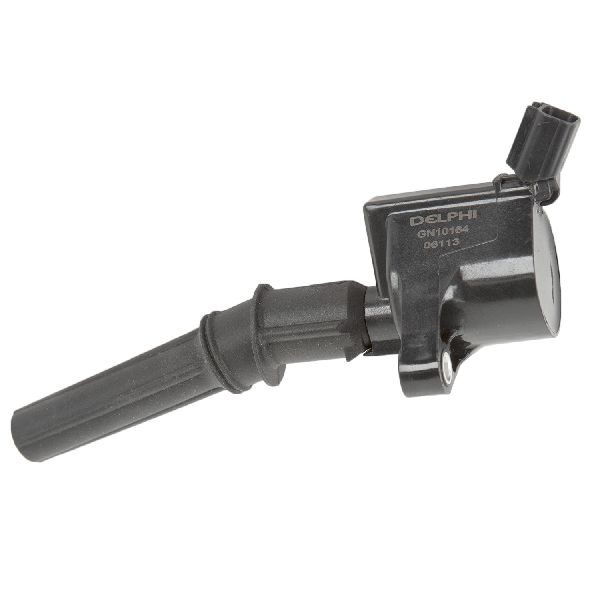
The P0307 code on a 2002-2005 Ford Explorer 4.6L V8 indicates a misfire in cylinder 7. The most common cause is a failed ignition coil-on-plug (COP). A simple diagnostic is to swap the coil from cylinder 7 with another cylinder; if the code follows the coil, you've found the problem. Expect to pay $40-$75 for a single quality replacement coil.
- P0307 means cylinder #7 is misfiring.
- The most likely cause on your Explorer is a bad ignition coil. Use the 'coil swap' trick to confirm before buying parts.
- If the Check Engine Light is flashing, pull over and avoid driving to prevent expensive catalytic converter damage.
- If a new coil and spark plug don't fix the issue, check for coolant in the spark plug well, which points to a leaking intake gasket.
- If ignition and fuel system checks don't resolve the code, a mechanical compression test is the next necessary step.
What's Unique About the 2002-2005 Ford Explorer
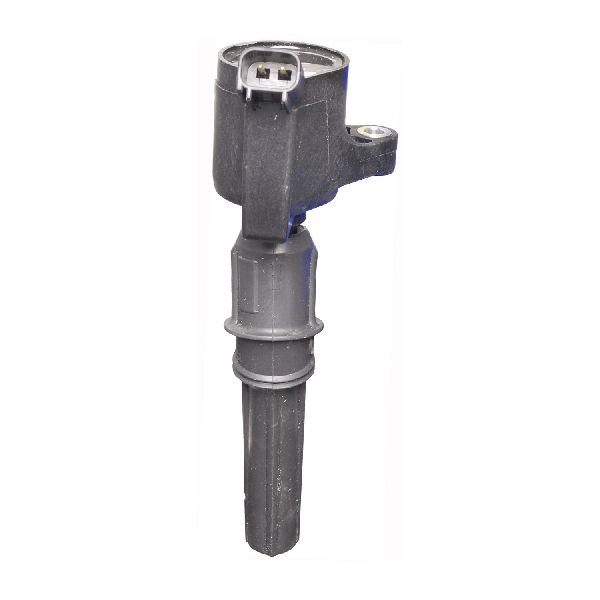
The Ford 4.6L 2V Modular V8 uses a coil-on-plug (COP) ignition system, and these individual coils are a very frequent failure point as the vehicles age. While spark plugs and fuel injectors can also cause a P0307, a bad coil is the most probable culprit. Additionally, the composite intake manifold used on these engines is known for developing coolant leaks. A crack near the coolant crossover or a failed gasket can allow coolant to pool in the spark plug wells of the rear cylinders (like #7 and #8), shorting out the ignition coil and causing a persistent misfire.
Symptoms You May Notice
- Rough or shaking idle
- Engine hesitation or stumbling during acceleration
- Noticeable loss of power
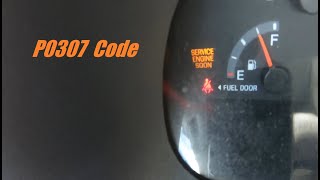
- Flashing or solid Check Engine Light
- Reduced fuel economy
- Engine running rough on startup, sometimes smoothing out slightly when warm
- Replacing the fuel filter. While important for maintenance, a clogged fuel filter typically causes random misfires (P0300) or issues on all cylinders under load, not a consistent single-cylinder misfire like P0307.
Most Likely Causes
- Failed Ignition Coil (Coil-On-Plug) 🔴 High Probability The coil-on-plug units on Ford's modular engines are a well-documented, common failure item due to heat cycles, age, and moisture intrusion.
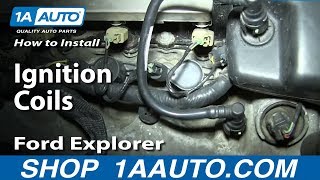
How to confirm: Swap the ignition coil from cylinder #7 with an adjacent cylinder (like #8 or #6). Clear the codes and drive the vehicle. If the misfire code changes to P0308 or P0306, the coil is faulty. This is the most definitive and cost-effective first diagnostic step. 🎬 Watch: How to test and replace a faulty ignition coil
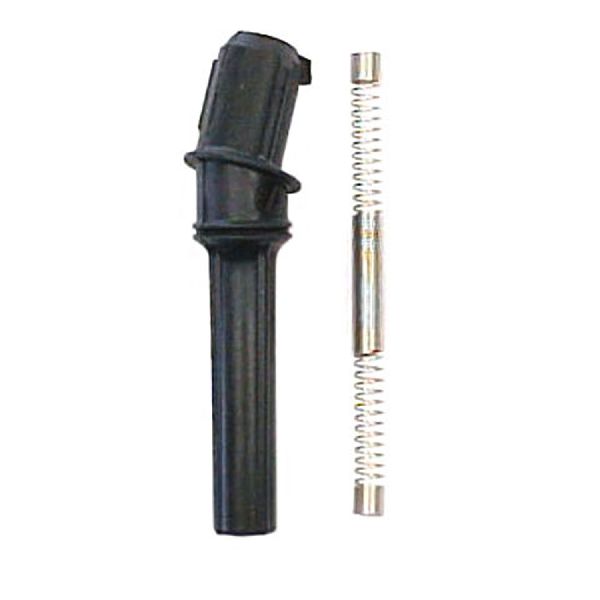
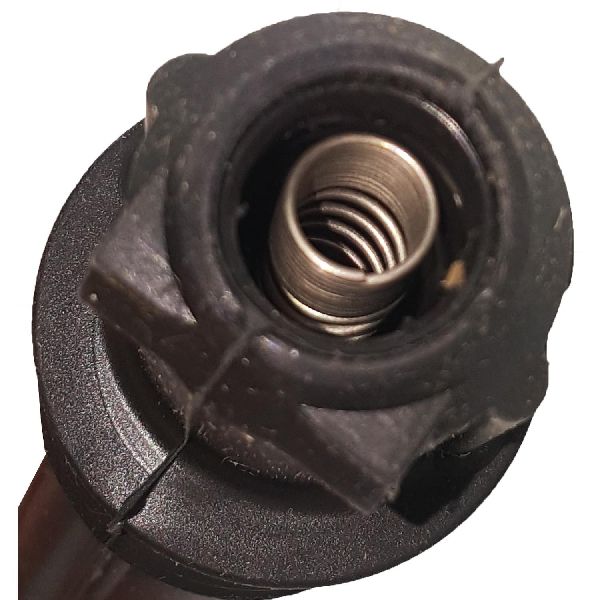
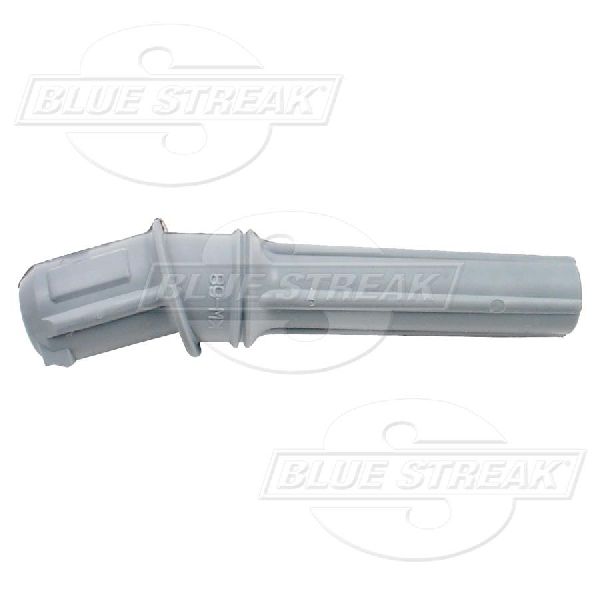
Typical fix: Replace the faulty ignition coil and the attached rubber boot. It's wise to apply a small amount of dielectric grease to the inside of the new boot to seal out moisture and ease future removal.
Est. part cost: $40-$75 for a single OEM-quality coil. - Worn or Fouled Spark Plug 🟡 Medium Probability Spark plugs are a regular maintenance item. If they are original or have high mileage, the electrode can wear down, increasing the gap and causing a weak spark. Also, a coolant or oil leak into the cylinder can foul the plug, rendering it ineffective.
How to confirm: After confirming the coil is good, remove the spark plug from cylinder #7. Inspect it for wear, oil fouling, coolant contamination (often a white or greenish residue), or damage. Compare it to a new plug. A plug that is wet with fuel indicates a lack of spark.
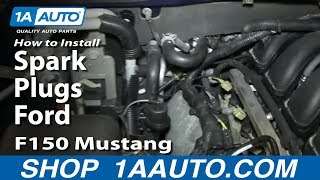
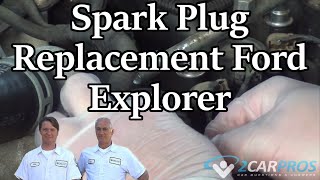
Typical fix: Replace the spark plug. It is best practice to replace all 8 spark plugs 🎬 See this step-by-step spark plug replacement walkthrough at the same time to ensure consistent performance. If the plug was fouled by a leak, the source of the leak must be repaired first.
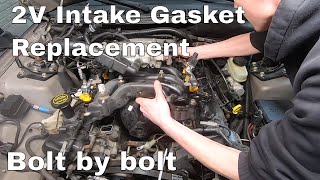
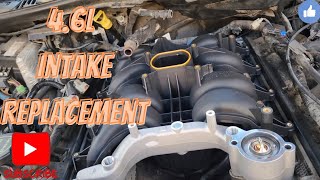
Est. part cost: $5-$15 per spark plug. - Leaking Intake Manifold or Gasket 🟡 Medium Probability The composite plastic intake manifolds on early 4.6L 2V engines are notorious for cracking, especially at the front coolant crossover section. This allows coolant to leak, and due to the engine's tilt, it often runs down and collects in the rearmost spark plug wells, specifically cylinders #7 and #8, shorting the coil and plug.
How to confirm: Visually inspect the area around cylinder #7 for signs of coolant residue (a crusty, colored deposit). When you remove the ignition coil, check for any liquid (coolant) in the spark plug well. A slow, otherwise invisible leak is a very common cause for a P0307 or P0308 that other diagnostics fail to pinpoint.
Typical fix: If coolant is present, the intake manifold and its gaskets must be replaced. It is highly recommended to use an OEM or high-quality aftermarket manifold with a redesigned aluminum coolant crossover to prevent repeat failure. 🎬 Watch: How to replace a leaking plastic intake manifold The coil and spark plug for that cylinder should also be replaced as they were likely damaged by the coolant.
Est. part cost: $150-$300 for an updated manifold kit, $50-$150 for a gasket set alone. - Faulty Fuel Injector ⚪ Low Probability Less common than ignition issues, but injectors can become clogged with debris or fail electronically, preventing fuel from being delivered to cylinder #7.
How to confirm: Use a mechanic's stethoscope or a long screwdriver to listen to the injector; it should make a consistent, rapid clicking sound. You can also check the injector's resistance with a multimeter (compare it to an adjacent injector). Swapping the injector with another cylinder is a definitive test but is more labor-intensive.
Typical fix: Replace the faulty fuel injector. It's recommended to replace the O-rings on surrounding injectors if the fuel rail is removed.
Est. part cost: $60-$120 for a single injector.
Rare But Worth Checking
- Low Cylinder Compression: If all ignition and fuel components check out, a mechanical issue like a burnt exhaust valve, worn piston rings, or a failing head gasket could be the cause. This is rare but serious. A compression test followed by a cylinder leak-down test is needed to confirm.
- Damaged Coil Wiring Connector: The plastic connector and its internal rubber seal for the ignition coil can become brittle from heat and age, causing a poor or intermittent connection. If wiggling the connector affects the misfire, the connector pigtail may need to be replaced.
- Stripped Spark Plug Threads: The aluminum cylinder heads on 4.6L 2V engines are known for having a low thread count for the spark plugs. Over-tightening or improper removal can strip the threads, causing the spark plug to be ejected or to not seal properly, resulting in a loss of compression and a misfire. Ford issued TSB 07-21-2014 regarding a thread repair procedure for this issue.
Diagnosis Steps
- Read the code with an OBD-II scanner and confirm P0307 is the primary code. Note any other codes present, especially P0316 or P0308.
- To quickly test the most likely cause, swap the ignition coil from cylinder #7 (driver's side, third from front) with the coil from cylinder #8 (driver's side, rearmost). An 8mm socket is needed for the coil bolt.
- Clear the codes using the scanner and start the engine. Let it idle and rev it slightly to see if the Check Engine Light returns.
- Scan for codes again. If the code is now P0308, the ignition coil you moved is bad and must be replaced.
- If the code remains P0307, the coil is likely good. Your next step is to inspect the spark plug. Remove the coil again and use a 5/8" spark plug socket with an extension to remove the plug from cylinder #7.
- While the coil and plug are out, use a flashlight to look down into the spark plug well. Check for any signs of oil (from a leaking valve cover gasket) or coolant (from a leaking intake manifold). Liquid in the well is a common cause and the leak must be fixed before replacing ignition components.
- Inspect the spark plug for excessive wear, carbon buildup, or fouling from oil or coolant. If in doubt, replace it. Consider replacing all 8 if they are near the end of their service life.
- If ignition components are good and the well is dry, the problem may be fuel-related. Listen to the fuel injector on cylinder #7 with a mechanic's stethoscope; it should have a steady, audible clicking sound comparable to the other injectors.
- If the injector is silent or sounds different, it may be faulty. Confirm by checking its electrical resistance with a multimeter or by swapping it with another cylinder's injector (this is a more involved job).
- If all of the above steps fail to find the issue, perform a cylinder compression test to rule out mechanical engine problems like a bad valve, worn rings, or a failed head gasket.
Parts You'll Likely Need
- Ignition Coil
(OEM #3W7Z-12029-AA)— This is the most frequent cause of a single-cylinder misfire on the 4.6L V8 engine. The Motorcraft service part number is DG-508, which corresponds to OEM part number 3W7Z-12029-AA. The coil itself may be stamped with an engineering number like 8W7E-12A366-AA.
Trusted brands: Motorcraft, Standard Motor Products (SMP), Denso
OEM price range: $55-$75
Related Codes That Often Appear With This One
- P0316 — This code means 'Misfire Detected on Startup (First 1000 Revolutions)'. It often appears with a specific cylinder misfire code like P0307 because the misfire is present from the moment the engine starts.
- P0300 — If the cause of the misfire (like a major vacuum leak or low fuel pressure) begins to affect other cylinders, a 'Random/Multiple Cylinder Misfire' code may be stored alongside the P0307.
- P0308 — If the cause is a leaking intake manifold gasket, it's common for coolant to pool in both rear spark plug wells (cylinders 7 and 8), potentially causing a misfire in both cylinders simultaneously.
Technical Service Bulletins (TSBs) & Recalls
- TSB 06-5-13: Mentions misfire caused by exhaust valve leakage on 4V engines, highlighting valve train issues as a deeper potential cause on the modular platform.
- TSB 02-2-2: Coolant seepage from intake manifold crossover on 4.6L 2V engines.
- TSB 07-21-2014: Spark plug thread repair procedure for 4.6L 2V engines.
- TSB #22-2464: Notes that an illuminated MIL with DTC P0307 may be due to various strategies within the PCM software.
- TSB #21-2158: Describes a hesitation and/or lack of power condition with DTC P0307 stored in the PCM, which may be due to various software parameters.
- TSB #18-2058: Mentions P0307 stored in the PCM with no other drivability concerns, often appearing alongside P0316.
- TSB #16-0039: Indicates that an engine may exhibit an illuminated MIL with DTC P0307 present in the PCM memory with no other drivability symptoms.
Platform-Specific Known Issues
- TSB 02-2-2: While not for the Explorer specifically, this TSB for other 4.6L 2V vehicles addresses coolant seepage from the all-plastic intake manifold crossover, recommending replacement with a revised manifold featuring a cast aluminum crossover. This problem is identical to the one seen on Explorers.
- TSB 07-21-2014: Addresses the procedure for repairing stripped or missing spark plug threads in the aluminum cylinder heads of 4.6L 2V engines, a known weak point.
Mechanic-Grade Diagnostic Values
- Ignition Coil Primary Resistance — expected: ~0.5 Ohms. Failure: An open circuit (infinite resistance) or a reading significantly outside the expected value. Note: Resistance checks are not always conclusive for intermittent failures.
- Ignition Coil Secondary Resistance — expected: 5.5 kOhms - 5.7 kOhms. Failure: A reading significantly higher or lower than the specified range, or an open circuit.
- Fuel Injector Resistance — expected: 11 - 18 Ohms. Failure: A reading outside of this range indicates a faulty injector coil. An open or shorted reading confirms failure.
- Fuel Pressure (Key On, Engine Off) — expected: 30 - 45 PSI. Failure: Pressure below 30 PSI can indicate a weak fuel pump, clogged filter, or faulty pressure regulator.
- Mode $06, Test ID $53 — expected: A low count of misfires for cylinder 7.. Failure: A high number of misfire counts for cylinder 7, even without a Check Engine Light, indicates an intermittent or developing misfire issue.
Hidden / Shadow Codes Worth Checking
- Mode $06, Test ID $53 (or Ax for newer CAN systems): This is not a 'code' but a system monitor for misfire counts per cylinder. It tracks misfires over the current and last 10 driving cycles. For Ford, the Component ID will correspond to the cylinder number (e.g., Component ID 0x07 for cylinder 7). (see via Requires a scan tool capable of reading Mode $06 data. Many consumer-grade scanners now have this feature. It's invaluable for diagnosing misfires that are not yet severe enough to trigger a P030x code and illuminate the Check Engine Light.)
Scan Tool Commands That Help
- Ford IDS (or equivalent high-level scanner): Power Balance Test — This function allows the technician to disable one cylinder at a time and observe the corresponding drop in RPM. If disabling cylinder 7 results in little or no change in RPM, it confirms that cylinder 7 was not contributing power, pinpointing the misfire location without having to swap parts.
Wiring & Ground Locations
- G104 / G105 — Located on the right rear of the engine compartment.. These are primary engine grounds. A loose or corroded connection at these points can cause a variety of difficult-to-diagnose electrical issues, including weak spark or erratic sensor readings that could lead to a misfire code.
- Firewall Ground Strap — Connects from the firewall (near the PCM) to a stud on the back of the passenger-side cylinder head.. This is a critical ground path for the engine and PCM. If this strap is loose, corroded, or broken (often during other engine work), it can cause intermittent misfires, PCM communication issues, and other electrical gremlins.
- Cylinder 7 Ignition Coil Connector — On top of the valve cover, third coil back from the front on the driver's side.. The Red/Light Green wire should have 12V+ with the key on. The other wire (color varies by year, e.g., Dark Blue/Light Green) is the ground signal wire pulsed by the PCM. A break or short in this signal wire will cause a persistent P0307.
- Cylinder 7 Fuel Injector Connector — On the fuel rail, third injector back from the front on the driver's side.. The Red wire should have 12V+ with the key on. The other wire (e.g., Brown/Yellow) is the ground signal wire pulsed by the PCM. A break or short in this signal wire will prevent the injector from firing, causing a misfire.
Real Owner Repair Stories
- 2CarPros Forum User (Ford F-150 with 4.6L V8 (similar architecture)) — Misfires on the entire driver's side bank (cylinders 5-8). No spark.
❌ Tried (didn't work) Replacing all sensors, Checking wiring continuity from coil connectors to the PCM harness (all checked out okay)
✅ What actually fixed it The ultimate cause was a damaged Powertrain Control Module (PCM). A short circuit in an unrelated utility box light had back-fed and damaged the PCM's driver circuits for the driver's side ignition coils. Replacing the PCM resolved the issue. - NHTSA ODI #11267686 — An owner reported that their engine was clattering, missing, stalling, and backfiring with code P0307. The failure was diagnosed as a broken #7 intake valve spring which caused the valve to drop and hit the piston, requiring a full engine replacement.
OEM Part Supersession History
DG-508→The part number DG-508 has remained consistent for a long time for the Motorcraft service part.— N/A - This part fits a very wide range of Ford vehicles from 1997-2019, so the part number is stable. Internal construction and materials may have been revised over time for better heat and vibration resistance, but the form factor and service number remain the same.
Model Year Variations Within This Range
- 2002-2005: All 4.6L V8 engines in the 2002-2005 Explorer were the 'PI' (Performance Improved) 2-valve version, featuring the same heads, cams, and intake manifold design. Therefore, the causes and fixes for P0307 are consistent across this specific year range.
Diagnostic Flowchart
Other Known Issues on This Vehicle
Issues unrelated to this code that are worth knowing about as an owner of this generation:
- Cracked Rear Tailgate Appliqué 🟡 Low — Extremely common, affecting a very high percentage of 2002-2005 Explorers/Mountaineers. Often cracks near the Ford/Mercury emblem. (Ref: Multiple TSBs issued (e.g., 05-24-2), but no full safety recall. A class-action lawsuit was filed over this issue.)
- 5R55S/W/N Automatic Transmission Failure 🔴 High — Very common, often starting after 50,000-100,000 miles. Symptoms include harsh/delayed shifts, flashing O/D light, and eventual loss of gears. (Ref: Numerous TSBs exist. Common failure points are worn servo bores in the case, failed solenoid packs, and broken bands.)
- Timing Chain Guide/Tensioner Failure 🔴 High — Common on higher-mileage (150k+) 4.6L 2V engines, or earlier if oil changes are neglected. Presents as a startup rattle that can progress to constant noise, rough idle, and eventual engine failure if a guide breaks and the chain jumps time.
- Plastic Intake Manifold Cracking 🟠 Medium — Very common on 4.6L 2V engines from 1996-2002 with the all-plastic manifold. The front coolant crossover is the typical failure point, causing a major coolant leak. (Ref: TSB 02-2-2 addresses this for some models, recommending replacement with an updated manifold with an aluminum crossover.)
Used vs. New Parts: Buying Guide for This Vehicle
When a used part is the smart pick: For a single ignition coil or fuel injector, a used part from a low-mileage, reputable junkyard can be a cost-effective diagnostic tool or temporary fix. If swapping a used coil from a donor vehicle fixes the problem, you've diagnosed it for cheap before buying a new part.
Donor-vehicle mileage cap: roughly under 80000 miles for the part to have meaningful remaining life.
What to inspect on the donor part:
- Check for a clean, low-mileage donor vehicle. Avoid vehicles with obvious signs of neglect or high mileage.
- For ignition coils, inspect the plastic housing for cracks and the boot for tears or swelling.
- For intake manifolds, inspect the plastic for chalkiness, brittleness, or hairline cracks, especially around the front coolant crossover and thermostat housing.
OEM-only on this vehicle (don't cheap out):
- Intake Manifold: While aftermarket options from brands like Dorman are popular, the OEM Ford part with the updated aluminum crossover is often considered the most reliable, albeit most expensive, long-term fix.
- Powertrain Control Module (PCM): Always get a new or professionally remanufactured, VIN-matched PCM. A used PCM from a junkyard may have different programming or anti-theft (PATS) data, causing a no-start condition.
Aftermarket brands forum-validated for this vehicle:
- Ignition Coils: Motorcraft (OEM), Denso, Standard Motor Products (SMP).
- Spark Plugs: Motorcraft, NGK, Autolite.
- Intake Manifold: Dorman (often includes updated gaskets and is a popular, more affordable alternative to OEM).
Brands owners have reported issues with on this vehicle:
- No-name, unbranded ignition coil sets sold cheaply online. These often have high failure rates and can cause more diagnostic headaches than they solve.
Real Owner Stories
Aggregated from forums and TSBs cited above. Mileages and costs reflect what owners reported in those sources.
Ford F150 4.6L V8
Symptoms: Dreaded P0307 cylinder 7 misfire; owner found brittle and broken state of the coil pack connectors.
What fixed it: The owner considered replacing the entire wiring harness due to the degraded state of the connectors.
Source hint: Ford F150 Forum - Dreaded P0307 - Cylinder 7 misfire problem
Ford Explorer 4.6L V8
Symptoms: Major coolant leak after attempting a manifold replacement; noted issues with shallow heads on replacement screws.
What fixed it: Replacement of the intake manifold; the owner noted the new manifold lacked metal inserts and required very careful tightening.
Source hint: Ford Truck Enthusiasts Forums - replaced intake manifold and now major coolant leak
Related OBD-II Codes
Frequently Asked Questions
Why does my 4.6L Explorer keep getting a P0307 code even after I change the spark plug?
Is there a specific TSB for the intake manifold leak on my 2002-2005 Explorer?
I heard these engines have issues with spark plug threads. What should I do if the threads are damaged?
Can I just swap parts to see if the coil is bad?
What is the recommended fix for the intake manifold failure on the 4.6L V8?
Are there other vehicles that share this P0307 misfire tendency?
Helpful Videos
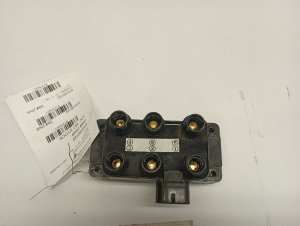
Used OEM Parts in Stock
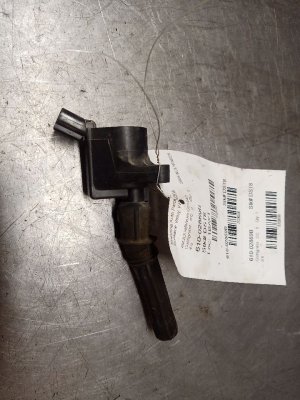
New Aftermarket Parts Available


The information in this article is provided for general reference and educational purposes only. Vehicle specifications, procedures, and part compatibility can vary by production date, trim level, and region. Always consult your vehicle's factory service manual and verify part numbers before purchasing or performing repairs. Safety-critical components such as airbags, seat belts, and braking systems should be installed by a qualified professional.
- Ford Explorer:
- 🎬 Helpful Videos
- 🛍️ Shop This Part
- What's Unique About the 2002-2005 Ford Explorer
- Symptoms You May Notice
- Most Likely Causes
- Rare But Worth Checking
- Diagnosis Steps
- Parts You'll Likely Need
- Related Codes That Often Appear With This One
- Technical Service Bulletins (TSBs) & Recalls
- Platform-Specific Known Issues
- Mechanic-Grade Diagnostic Values
- Hidden / Shadow Codes Worth Checking
- Scan Tool Commands That Help
- Wiring & Ground Locations
- Real Owner Repair Stories
- OEM Part Supersession History
- Model Year Variations Within This Range
- Diagnostic Flowchart
- Other Known Issues on This Vehicle
- Used vs. New Parts: Buying Guide for This Vehicle
- Real Owner Stories
- Ford F150 4.6L V8
- Ford Explorer 4.6L V8
- Related OBD-II Codes
- Frequently Asked Questions
- 🎟️ Get 5% Off