

P0306 on 2006-2010 Lexus IS 250: Cylinder 6 Misfire Causes and Fixes
P0306 on a 2006-2010 Lexus IS 250 indicates a misfire in cylinder 6. While a bad ignition coil or spark plug is possible, the most notorious cause for this specific vehicle is heavy carbon buildup on the intake valves and pistons, an issue inherent to its direct-injection engine design. This was so prevalent that Lexus created a Customer Support Program (CSP) for it. A top-end engine cleaning or walnut blasting is often required for a permanent fix.
- P0306 on a 2006-2010 IS 250 is a misfire on cylinder 6 (driver's side, rear-most).
- The most probable cause is not a simple bad coil or plug, but rather significant carbon buildup on the intake valves and pistons, a known issue with this engine.
- Accessing cylinder 6 requires removing the upper intake manifold, making diagnosis and repair more labor-intensive than for cylinders on the passenger side.
- Always swap the ignition coil with another cylinder before replacing it to confirm it's the faulty part.
- If you replace the coil and plug and the misfire returns, a professional top-engine cleaning (like walnut blasting) is almost certainly the required fix.
What's Unique About the 2006-2010 Lexus IS 250
The 2006-2010 Lexus IS 250 is equipped with the 4GR-FSE direct-injection V6 engine. A significant design consequence of this technology is that fuel is injected directly into the combustion chamber, bypassing the intake valves. As a result, the valves are not cleaned by fuel detergents, making them highly susceptible to heavy carbon deposit accumulation. This buildup can restrict airflow, cause valves to stick, and lead to compression loss and intermittent misfires. The problem was so common that Lexus issued Technical Service Bulletins (TSBs) and a Customer Support Program (CSP), officially known as ZLA, to address it by performing a top-end cleaning or, in severe cases, replacing pistons and rings. This issue does not affect the IS 350, which uses a D-4S system with both direct and port injectors, the latter of which keeps the valves clean.
Diagnostic Flowchart
Tap your situation to follow the diagnostic path that matches what you're seeing on this vehicle.
Symptoms You May Notice
- Check Engine Light is on or flashing
- Rough or shaky idle, especially after warming up or stopping after highway driving.
- Engine hesitation or stumbling during acceleration.
- Noticeable loss of engine power.
- Vehicle may stall at stops.
- VSC and Traction Control lights may also illuminate simultaneously with the Check Engine Light.
- A puff of smoke from the exhaust on startup or during hard acceleration.
- Replacing only the spark plug and ignition coil without considering carbon buildup. If the misfire returns, especially when the engine is warm or after a highway drive, carbon is the likely underlying cause.
- Assuming a catalytic converter is bad. A misfire can cause converter-related codes, but the misfire is the root cause that must be fixed first.
Most Likely Causes
- Excessive Carbon Buildup 🔴 High Probability The 4GR-FSE is a first-generation direct-injection engine, so fuel doesn't wash over the intake valves to keep them clean, leading to deposit formation from the PCV system. This was a widely acknowledged issue addressed by Lexus through TSBs and Customer Support Program ZLA.
How to confirm: A borescope inspection of the intake ports (with the intake manifold removed) can visually confirm carbon on the pistons and valves. A compression test may show low compression in cylinder 6. The issue is often intermittent and more pronounced when the engine is warm.
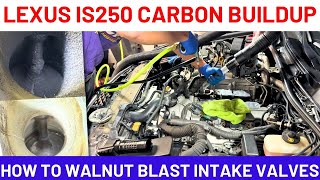
Typical fix: Professional top-engine cleaning or walnut shell blasting of the intake ports 🎬 Watch: How to walnut blast your intake valves to remove carbon. and valves is the most effective method to remove the deposits. In severe cases covered under Lexus's expired Customer Support Program, a piston and ring replacement was performed by dealers. Some owners report success with chemical soaks (like SeaFoam) or hydrogen cleaning as a less-invasive, but potentially less thorough, alternative.
Est. part cost: $0 (if doing a chemical soak) - $50 (for gaskets) - Faulty Ignition Coil 🟡 Medium Probability Coils are a common wear item. Given the labor to access cylinder 6, it's often replaced as a preventative measure during a spark plug change or carbon cleaning.
How to confirm: Swap the cylinder 6 ignition coil with another cylinder's coil (e.g., cylinder 4, which is also on the driver's side). Clear the codes and run the engine. If the misfire code changes to the new cylinder (e.g., P0304), the coil is bad.
Typical fix: Replace the faulty ignition coil. It is often recommended to replace the spark plug at the same time. Use a reputable brand like Denso.
Est. part cost: $50-$100 - Worn or Fouled Spark Plug 🟡 Medium Probability Spark plugs are a routine maintenance item. If they are original or have high mileage, they are a likely suspect. Carbon fouling can also ruin a new plug quickly.
How to confirm: Remove the spark plug from cylinder 6 and inspect it for wear, oil fouling, or carbon tracking. Compare its condition to a plug from a non-misfiring cylinder.
Typical fix: Replace the spark plug. It is best practice to replace all six spark plugs (and potentially 🎬 See this complete walkthrough for replacing spark plugs and coils. all six coils) at the same time for even performance, especially given the labor to access the rear cylinders.
Est. part cost: $15-$25 - Clogged or Faulty Fuel Injector ⚪ Low Probability
How to confirm: Requires advanced diagnostics, such as checking injector resistance or performing a flow test. Swapping injectors is very labor-intensive on this engine and is usually done after all other possibilities are exhausted.
Typical fix: Replace the faulty fuel injector for cylinder 6.
Est. part cost: $150-$300
Rare But Worth Checking
- Intake Manifold Gasket Leak: The upper intake manifold must be removed to access cylinder 6. If the gasket is not replaced or seated correctly during reassembly, it can cause a vacuum leak affecting that cylinder bank, leading to a lean misfire.
- Low Engine Compression: Beyond carbon buildup, low compression can result from more severe mechanical issues like a burnt valve or worn piston rings. A compression test will confirm this. The 4GR-FSE is also known for potential scuffing in the fifth cylinder, though this is a separate issue.
- PCV System Malfunction: A stuck-open PCV valve can accelerate carbon buildup by allowing excessive oil vapor into the intake manifold. Replacing the PCV valve is a recommended preventative maintenance item.
Diagnosis Steps
- Read the code with an OBD-II scanner to confirm P0306 and check for any other 🎬 Watch: Quick DIY methods to fix a P0306 engine code. pending or stored codes (like P0300, P0302, P0304).
- Access cylinder 6. This is the most difficult step, requiring removal of the upper intake manifold as it is on the driver's side (Bank 2) against the firewall.
- While the intake is off, perform a visual inspection. Use a borescope to inspect the intake ports and valve stems for carbon buildup. This is a very likely cause on this engine and the perfect time to check.
- If carbon is present, address it first via walnut blasting or a chemical soak before proceeding, as it is the most probable root cause.
- If carbon is not the issue, swap the ignition coil from cylinder 6 with the coil from cylinder 4 (the middle cylinder on the same bank). Reassemble, clear codes, and run the engine to see if the misfire moves to cylinder 4 (code P0304). If it does, the ignition coil is faulty.
- If the misfire remains on cylinder 6, inspect the spark plug. Replace it if it appears worn, fouled, or damaged. It's best to replace all six at once.
- Check the wiring and connector for the cylinder 6 ignition coil and fuel injector for any damage or corrosion.
- If the problem persists after addressing carbon, plugs, and coils, more advanced diagnostics are needed, such as a compression test to check for mechanical engine problems or testing the fuel injector.
Parts You'll Likely Need
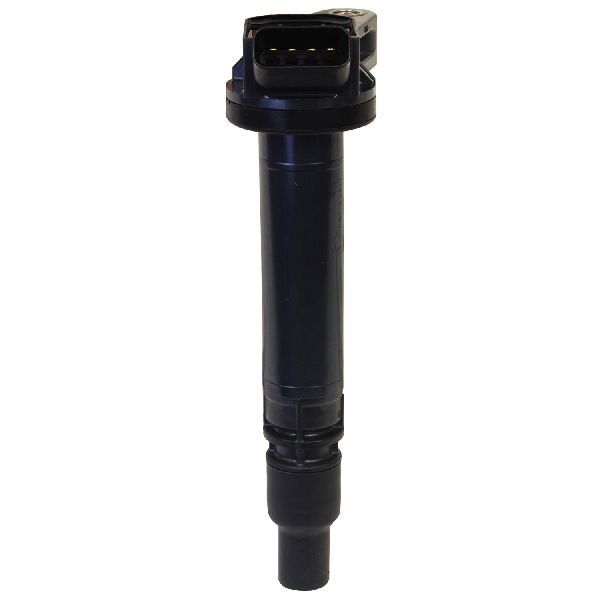
- Ignition Coil
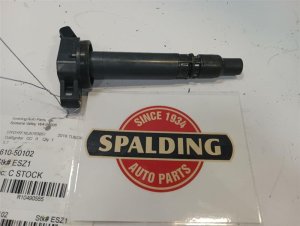
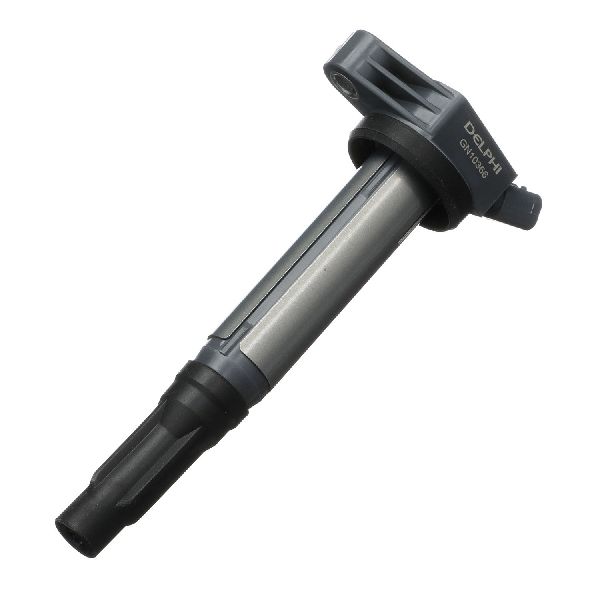
(OEM #90919-02250 (superseded by 90919-A2002, 90919-A2007))— Ignition coils are a common failure point. Given the labor to access cylinder 6, it's wise to replace it, and often all three on that bank, during service.
Trusted brands: Denso (OEM), NGK
OEM price range: $90-$120
Aftermarket price range: $40-$75 - Iridium Spark Plug
(OEM #Denso FK20HBR11)— Spark plugs are a routine maintenance item and can cause misfires when worn or fouled. They should be replaced if their condition is questionable.
Trusted brands: Denso, NGK
OEM price range: $20-$30
Aftermarket price range: $12-$20 - Upper and Lower Intake Manifold Gasket Set — This MUST be replaced whenever the intake manifold is removed to access cylinder 6, preventing vacuum leaks which can cause their own misfire issues.
Trusted brands: Lexus (OEM), Fel-Pro
OEM price range: $40-$60
Aftermarket price range: $20-$35
Related Codes That Often Appear With This One
- P0300 — This code for 'Random/Multiple Cylinder Misfire' often appears alongside P0306 if the carbon buildup issue is affecting other cylinders intermittently, which is very common.
- P0302, P0304, P0305 — Misfire codes for other cylinders, especially on the same bank (Bank 2, driver's side cylinders 2, 4, 6), may appear if a shared issue like a vacuum leak or severe, widespread carbon buildup is present.
Technical Service Bulletins (TSBs) & Recalls
- L-TT-0192-15: Notes that some IS250 and GS300 vehicles may exhibit MIL 'ON' with DTCs P0300-P0306 and run rough intermittently, pointing to a known misfire condition.
- L-TT-0093-12 Rev: Similar to the above, this revised bulletin addresses conditions of rough running and misfire DTCs P0300-P0306 in IS250 models.
- Customer Support Program (CSP) ZLA: Not a TSB, but a warranty extension program specifically for this carbon buildup issue, covering repairs for 9 years from the vehicle's in-service date, regardless of mileage. This has now expired for the affected model years.
Platform-Specific Known Issues
- Carbon Buildup & Customer Support Program (ZLA): The 4GR-FSE engine's direct-injection design leads to carbon accumulation on intake valves and piston tops, causing misfires, rough idle, and hesitation, particularly when warm. The issue was so widespread that Lexus initiated a Customer Support Program (CSP) ZLA, which extended warranty coverage for this specific problem. The program involved either a top-end engine cleaning or a more invasive rebuild with redesigned pistons and rings. This CSP has since expired for all affected model years.
Mechanic-Grade Diagnostic Values
- High-Pressure Fuel System (at idle) — expected: 3.5 to 4.5 MPa (508 to 653 psi). Failure: Pressure outside this range indicates a potential issue with the high-pressure fuel pump or sensor.
- Low-Pressure Fuel System — expected: 196 to 588 kPa (28 to 85 psi). Failure: Pressure below spec can indicate a failing in-tank fuel pump or clogged filter, leading to lean misfires.
- Ignition Coil Primary Resistance (Cold) — expected: 1,630 - 2,740 Ω. Failure: Resistance outside this range indicates a faulty coil.
- Ignition Coil Primary Resistance (Hot) — expected: 2,065 - 3,225 Ω. Failure: Resistance outside this range indicates a faulty coil.
Hidden / Shadow Codes Worth Checking
- Mode $06, Test ID $53-$54: Provides raw misfire counts for each cylinder during the current and last 10 driving cycles. A high count for cylinder 6 (Test ID will vary by specific scanner) can confirm an intermittent misfire before the P0306 code becomes permanent. (see via A professional OBD-II scan tool with Mode $06 capability is required.)
Scan Tool Commands That Help
- Toyota Techstream: Cylinder Power Balance Test (Active Test) — This function allows the technician to individually cut fuel to each cylinder and observe the corresponding drop in RPM. If cutting fuel to cylinder 6 causes little or no RPM drop compared to other cylinders, it confirms cylinder 6 is not contributing power, isolating the fault.
- Toyota Techstream: Check the Cylinder Compression (Active Test) — This is a non-invasive way to perform a relative compression test. The software cranks the engine with fuel and ignition cut and measures the rotational speed as each cylinder compresses. A cylinder with low compression (like one affected by carbon buildup) will offer less resistance, resulting in a higher RPM reading for that cylinder, quickly identifying a mechanical issue.
Wiring & Ground Locations
- Bank 2 Ground Points — The primary ground points for the engine harness, including the circuits for Bank 2 (driver's side) injectors and coils, are located on the cylinder head and engine block on that side of the engine bay.. A loose or corroded ground connection for the Bank 2 harness can cause erratic behavior or failure of the ignition coils and injectors on cylinders 2, 4, and 6, leading to misfires.
Real Owner Repair Stories
- ClubLexus Forum (2008 Lexus IS250 AWD) — Check Engine Light with code P0306.
❌ Tried (didn't work) Replaced all spark plugs, Replaced all ignition coils, Replaced the cylinder 6 fuel injector
✅ What actually fixed it The user was advised by other forum members that after replacing all common ignition and fuel components for that cylinder, the remaining likely cause was extensive carbon buildup, which is the well-documented root cause for this platform. - Reddit r/Cartalk (2008 IS250 AWD with 173,000 km) — Flashing Check Engine Light, rough running, code P0306.
❌ Tried (didn't work) Initial dealer visit reset the code, but it returned immediately., Replacing the #6 ignition coil and all spark plugs ($998) did not fix the issue; the light and rough running returned within 15 minutes., A dealership technician performed a surface-level cleaning of the cylinders, which also failed to resolve the problem.
✅ What actually fixed it The owner was left with an unresolved issue after multiple failed attempts. The forum consensus pointed to the severe, underlying carbon buildup issue requiring a full engine top-end cleaning (walnut blasting) or piston/ring replacement, as the simple fixes were ineffective. The story highlights how common misdiagnoses occur when the primary carbon issue isn't addressed first.
OEM Part Supersession History
90919-02250→90919-A2002, 90919-A2007, 90919-02256— Revisions to improve reliability and performance of the ignition coil.
Heads up: Later part numbers are generally backward compatible, but it is always best to use the latest revision available for all coils on a bank to ensure consistent performance.23209-39055→23209-39056, 23209-39057, 23209-39155— Revisions to the direct fuel injector design over the production run.
Model Year Variations Within This Range
- 2010+: Starting in the 2010 model year, Lexus reportedly updated the piston ring design in the 4GR-FSE engine to help mitigate the severe carbon buildup and oil consumption issues that plagued the 2006-2009 models. While not a complete fix, later models are generally considered less susceptible to the problem.
- 2009+: The 2009 model year introduced a mid-cycle refresh with minor cosmetic updates and revised suspension and steering tuning. The VDIM (Vehicle Dynamics Integrated Management) system also became standard on IS 250 models. These changes do not directly affect the cause of P0306 but are relevant to the vehicle generation.
Helpful Videos
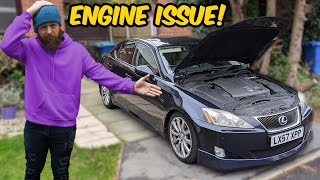
![How to Fix P0306 Engine Code in 3 Minutes [2 DIY Methods / Only $4.76]](https://img.youtube.com/vi/5HTrtkSEHH4/mqdefault.jpg)
Used OEM Parts in Stock
New Aftermarket Parts Available

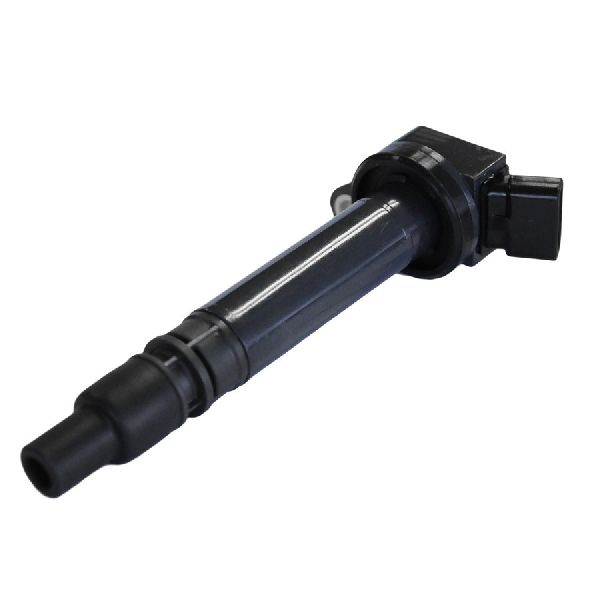

The information in this article is provided for general reference and educational purposes only. Vehicle specifications, procedures, and part compatibility can vary by production date, trim level, and region. Always consult your vehicle's factory service manual and verify part numbers before purchasing or performing repairs. Safety-critical components such as airbags, seat belts, and braking systems should be installed by a qualified professional.
- Lexus IS 250:
- 🎬 Helpful Videos
- 🛍️ Shop This Part
- What's Unique About the 2006-2010 Lexus IS 250
- Diagnostic Flowchart
- Symptoms You May Notice
- Most Likely Causes
- Rare But Worth Checking
- Diagnosis Steps
- Parts You'll Likely Need
- Related Codes That Often Appear With This One
- Technical Service Bulletins (TSBs) & Recalls
- Platform-Specific Known Issues
- Mechanic-Grade Diagnostic Values
- Hidden / Shadow Codes Worth Checking
- Scan Tool Commands That Help
- Wiring & Ground Locations
- Real Owner Repair Stories
- OEM Part Supersession History
- Model Year Variations Within This Range
- 🎟️ Get 5% Off