

P0306 on 2011-2015 Kia Sorento: Cylinder 6 Misfire Causes and Fixes
P0306 means cylinder 6 is misfiring. On the 2011-2015 Sorento V6, this is almost always a bad ignition coil or spark plug. Cylinder 6 is on the easily accessible front bank of the engine, making this a simple DIY fix. Expect to pay $30-$70 for a new coil and around $15 for a new spark plug.
- P0306 on this Sorento is a misfire on the front, passenger-side cylinder.
- The most likely cause is a bad ignition coil, which is easy to diagnose by swapping it with a neighboring coil.
- Always replace the spark plug when you replace an ignition coil.
- If you have a 2014-2015 model and are losing coolant, be aware of the extended warranty (WTY039) for head gasket issues.
- Do not drive with a flashing Check Engine Light to avoid expensive catalytic converter damage.
What's Unique About the 2011-2015 Kia Sorento
For the 2011-2015 Sorento with a transverse V6 engine, cylinder 6 is located on the front bank (closest to the radiator), making it one of the easiest cylinders to access for diagnosis and repair. This is a significant advantage, as a simple ignition coil swap can be performed in minutes to confirm the fault. This generation also spans two engine types: the 2011-2013 3.5L port-injected V6 and the 2014-2015 3.3L Gasoline Direct Injection (GDI) V6. While ignition components are the most common cause for both, the 3.3L GDI engine can also be susceptible to misfires from carbon buildup on intake valves, a condition less common in the 3.5L engine.
Symptoms You May Notice
- Rough or shaky idle
- Hesitation or stumbling during acceleration
- Noticeable loss of engine power
- Flashing or solid Check Engine Light
- Reduced fuel economy
- Possible fuel smell from the exhaust
- Replacing the catalytic converter. A misfire can damage the converter, but it is the symptom, not the cause. Always fix the misfire first.
- Replacing the O2 sensors. While a misfire can affect O2 sensor readings, the sensors themselves are rarely the cause of a single-cylinder misfire code.
Most Likely Causes
- Failed Ignition Coil 🔴 High Probability Ignition coils are a common wear item that can fail from heat cycles and age. On many modern engines, including the Lambda V6, they are a primary cause of single-cylinder misfires.
How to confirm: Swap the ignition coil from cylinder 6 with the coil from cylinder 4 (the middle cylinder on the front bank). Clear the codes and drive. If the code returns as P0304, the ignition coil is faulty.
Typical fix: Replace the faulty ignition coil. It is best practice to replace the corresponding spark plug at the same time.
Est. part cost: $30 - $70 - Worn or Fouled Spark Plug 🔴 High Probability Spark plugs are a routine maintenance item with a finite lifespan. An incorrect gap, carbon fouling, or a cracked insulator will prevent a strong spark.
How to confirm: After ruling out the ignition coil, remove the spark plug from cylinder 6. Inspect it for wear, damage, or fouling (e.g., wet with fuel or black with carbon). Compare it to a new plug. If oil is found in the spark plug well, the valve cover gasket is leaking and must be replaced.
Typical fix: Replace the spark plug in cylinder 6. It is highly recommended to replace all six spark plugs at once if they are near the end of their service life (typically every 60,000-100,000 miles). 🎬 Watch: Step-by-step spark plug replacement for the 3.3L engine.
Est. part cost: $10 - $25 per plug - Clogged Fuel Injector 🟡 Medium Probability
How to confirm: After confirming spark is good, the next step is to check fuel delivery. This can be done by swapping the cylinder 6 injector with another one (a more involved job) or by listening to the injector with a mechanic's stethoscope to ensure it's clicking. A professional can perform a fuel injector balance test. For 2014 models, Kia issued TSB FUE035 for intermittent rough idle on cold starts, which involves replacing all six fuel injectors. NHTSA ODI #11499800 describes a case where P0306 appeared alongside fuel system codes P0087 and P0506, suggesting that fueling issues can trigger multiple misfire codes simultaneously.
Typical fix: Replace the faulty fuel injector. Sometimes professional fuel system cleaning can resolve a minor clog.
Est. part cost: $50 - $150 - Carbon Buildup on Intake Valves (3.3L GDI Only) ⚪ Low Probability Gasoline Direct Injection (GDI) engines spray fuel directly into the cylinder, so fuel detergents don't wash over the intake valves. Over time, oil vapor from the PCV system can bake onto the valves, restricting airflow and causing misfires.
How to confirm: This requires a physical inspection of the intake ports and valves, usually with a borescope. It is typically diagnosed after spark and fuel injector issues have been ruled out.
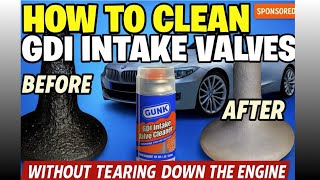
Typical fix: The intake valves need to be cleaned, most commonly through a process called walnut blasting. 🎬 See how to clean GDI intake valves without disassembly.
Est. part cost: $0 (service cost is $400-$800)
Rare But Worth Checking
- Leaking Cylinder Head Gasket: For 2014-2015 Sorento models with the 3.3L V6, Kia issued a warranty extension (WTY039, TSB ENG254) for head gasket coolant leaks. A leak can allow coolant into the cylinder, fouling the spark plug and causing a misfire. This can be a symptom of a larger issue with head bolt threads failing in the aluminum block. Check for symptoms like unexplained coolant loss, white exhaust smoke, or a coolant smell.
- Low Engine Compression: Internal engine problems like a burnt valve or worn piston rings can cause a loss of compression, leading to a misfire. This is less common and more serious. A compression test is needed to confirm this after all other causes are eliminated.
- Leaking Lower Intake Manifold Gasket: A vacuum leak can occur at the lower intake manifold gasket, leaning out the air/fuel mixture for a specific cylinder bank. In one documented case for a similar V6, multiple misfire codes including P0306 were resolved by replacing a leaking lower intake manifold seal.
Diagnosis Steps
- Read the code with an OBD-II scanner to confirm P0306 is the primary code. 🎬 Watch: A simple guide to diagnosing a cylinder 6 misfire.
- Identify Cylinder 6: On the transverse V6 engine, the front bank (by the radiator) contains cylinders 2, 4, and 6, from left to right (driver to passenger side). Cylinder 6 is the one closest to the passenger side.
- Test the Ignition Coil: Swap the ignition coil from cylinder 6 with the one from cylinder 4 (middle, front bank). Clear the codes, run the engine, and rescan. If the code changes to P0304, the coil is bad and needs replacement.
- Inspect the Spark Plug: If the code remains P0306, remove the spark plug from cylinder 6. Check for wear, fouling, or damage. If it looks worn or is due for replacement, install a new one. Check for oil in the spark plug tube, which indicates a leaking valve cover gasket.
- Check the Fuel Injector: If the coil and plug are good, the issue may be fuel-related. Listen to the injector with a stethoscope for a consistent clicking sound. Check the wiring and connector for damage.
- Check for Vacuum Leaks: Inspect all vacuum hoses connected to the intake manifold for cracks or loose connections, especially on the front side of the engine. Spraying brake cleaner near suspected leak areas while the engine is running can help identify leaks if the engine RPM changes.
- Perform a Compression Test: If all else fails, a compression test on cylinder 6 will determine if there is a mechanical engine problem (e.g., bad valves or piston rings).
Parts You'll Likely Need
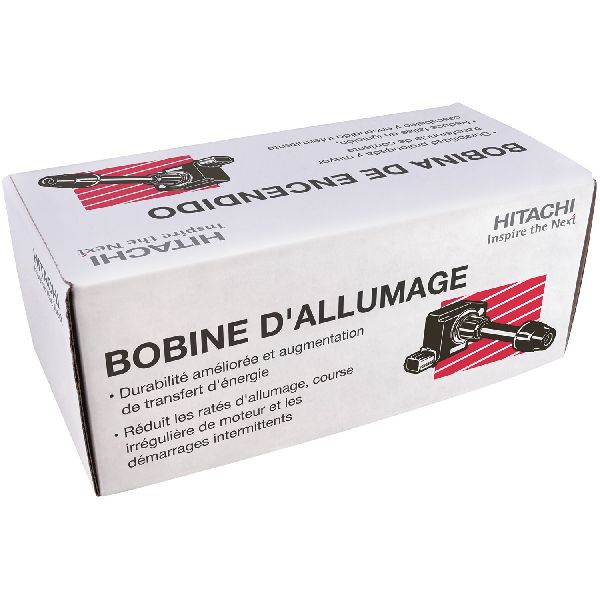
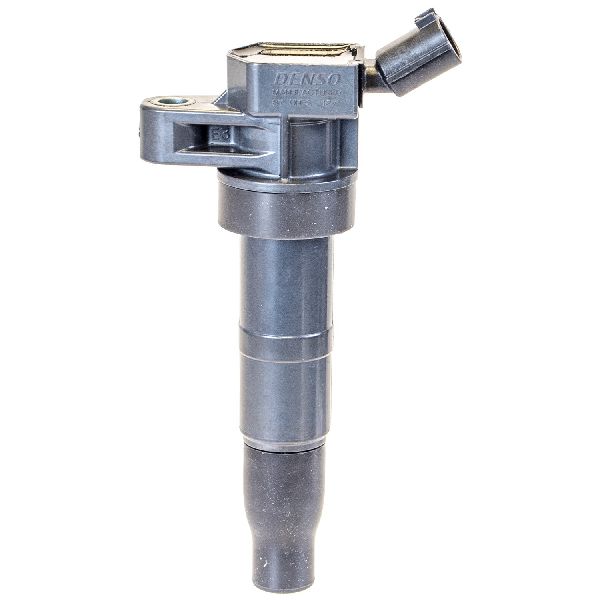
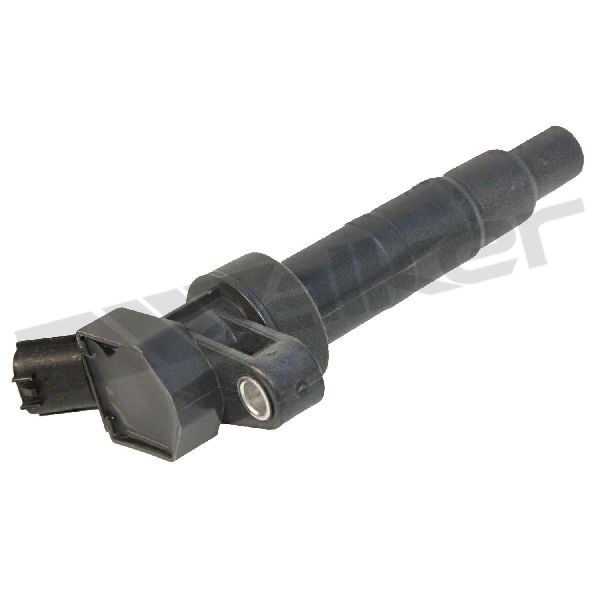
- Ignition Coil
(OEM #27301-3C000)— This is the most common failure part for a P0306 code. It is responsible for generating the high voltage needed for the spark plug to fire. This part number is widely used across many Hyundai and Kia V6 models.
Trusted brands: Denso, NGK, Delphi, Standard Motor Products (UF546)
OEM price range: $60 - $90
Aftermarket price range: $30 - $70 - Spark Plug
(OEM #18846-11070)— As a routine maintenance item, a worn or fouled spark plug is the second most likely cause of a misfire. It's recommended to replace it when replacing the coil. This part number is specified for both the 3.5L and 3.3L V6 engines.
Trusted brands: NGK, Bosch, Champion
OEM price range: $18 - $25
Aftermarket price range: $10 - $20
Related Codes That Often Appear With This One
- P0300 — If the misfire is intermittent or affects other cylinders, a P0300 (Random/Multiple Cylinder Misfire) may be stored alongside P0306.
- P0302, P0304 — Misfires on other cylinders on the same bank (Bank 2, the front bank) could indicate a shared problem like a vacuum leak near that side of the intake manifold or a failing catalytic converter for that bank.
Technical Service Bulletins (TSBs) & Recalls
- ENG254 (WTY039) - Extends the warranty on the cylinder head gasket for 2014-2015 Sorento 3.3L V6 models to 15 years/180,000 miles, addressing potential coolant leaks that can cause misfires.
- FUE035 - For 2014 Sorento (XMa), provides a procedure to replace all fuel injectors to address intermittent rough idle on cold starts.
- SC147 - A recall for 2012-2014 Sorento models due to potential premature engine bearing wear from manufacturing errors, which could lead to engine seizure.
Platform-Specific Known Issues
- For 2014-2015 models with the 3.3L GDI engine, Kia has a warranty extension (WTY039) for head gasket failures that can cause misfires. Check with a Kia dealer if you suspect a coolant leak.
- For 2014 models, TSB FUE035 addresses an intermittent rough idle on cold starts, recommending the replacement of all fuel injectors.
Mechanic-Grade Diagnostic Values
- Ignition Coil Primary Resistance — expected: 0.49 - 0.57 Ohms. Failure: A reading outside this range indicates a fault in the coil's primary winding.
- Ignition Coil Secondary Resistance — expected: 9.5 - 11.1 kOhms. Failure: A reading outside this range indicates a fault in the coil's secondary winding.
- Fuel Injector Resistance (3.5L MPI) — expected: Approximately 12 - 16 Ohms. Failure: A reading significantly outside this range, or an open/short circuit, indicates a failed injector. All injectors should have similar resistance values.
- Fuel Pressure (3.5L MPI) — expected: 55 - 61 PSI (3.8 - 4.2 bar) at the fuel rail.. Failure: Pressure below this range indicates a weak fuel pump, clogged filter, or faulty regulator.
- Fuel Pressure (3.3L GDI) — expected: 2,000 - 2,800 PSI at the high-pressure rail under load.. Failure: Significantly low pressure can indicate a failing High-Pressure Fuel Pump (HPFP). Excessively high pressure (over 4,000 PSI) also points to a faulty HPFP.
- Engine Compression — expected: Generally 100 - 150 PSI, with minimal variation between cylinders (less than 15-20%).. Failure: Significantly lower compression in cylinder 6 points to a mechanical engine issue like a burnt valve, worn piston rings, or a leaking head gasket.
Hidden / Shadow Codes Worth Checking
- Misfire Counter (Mode $06): The Engine Control Module (ECM) tracks misfires on each cylinder even before they are frequent enough to trigger a Check Engine Light. This data can confirm that cylinder 6 is the source of an intermittent issue. (see via A professional scan tool like the Kia GDS or an advanced OBD-II scanner capable of reading Mode $06 data.)
Scan Tool Commands That Help
- Kia GDS (or equivalent professional scanner): Cylinder Power Balance Test — This is a definitive test for a misfire. The tool deactivates cylinder 6's fuel injector and measures the resulting drop in engine RPM. If there is little or no RPM drop compared to other cylinders, it confirms cylinder 6 is not contributing power.
- Kia GDS (or equivalent professional scanner): Fuel System Actuation Tests — For the 3.3L GDI engine, this allows a technician to command the high-pressure fuel pump and individual injectors to check their response, helping to isolate a fueling issue without disassembly.
Wiring & Ground Locations
- Engine Ground Strap — Check for a main braided ground strap connecting the engine block or cylinder head to the chassis/frame rail in the engine bay.. A corroded or loose main engine ground can cause unstable voltage to the entire ignition system, leading to a weak spark and intermittent misfires that can sometimes isolate to a single cylinder under load. This is a foundational check that is often overlooked.
- Ignition Coil Connector — The 3-pin connector plugging into the ignition coil on cylinder 6.. The plastic locking tab can become brittle and break, leading to a poor connection. The wires leading to the connector can also chafe against the engine, causing a short or open circuit that would only affect cylinder 6. Check for 12V power, a good ground, and a signal from the ECU at this connector.
- ECU/PCM Ground — Check for ground wires bolted directly to the chassis near the ECU/PCM, which is typically located in the engine bay or behind the dashboard/kick panel.. The ECU relies on a clean ground reference to accurately control the ignition coil and fuel injector. A poor ECU ground can cause erratic behavior, including misfires.
Real Owner Repair Stories
- Reddit user on r/KiaSorento (2014 Kia Sorento V6, 135,000 miles) — Diagnosed with a bad head gasket by an independent mechanic.
❌ Tried (didn't work) N/A, owner went to dealer after initial diagnosis.
✅ What actually fixed it The owner contacted a Kia dealership and confirmed the vehicle was covered under the head gasket warranty extension (WTY039, TSB ENG254). The dealer diagnosed and replaced the head gasket under warranty. This confirms the TSB is being honored and can be the root cause of misfire-like symptoms. - Professional Technician Video (TS Mobile Mechanic) (2018 Hyundai Santa Fe 3.3L GDI V6 (same engine family)) — Rough running, strong gas smell, codes for cylinder 4 and an intermittent cylinder 6 misfire.
❌ Tried (didn't work) Initial diagnosis pointed towards a simple tune-up, but scan tool data suggested a fuel issue.
✅ What actually fixed it A leaking fuel injector on cylinder 4 was the primary cause. The technician strongly advised that due to the extensive labor of removing the intake plenum, all six GDI fuel injectors should be replaced at the same time, along with the single-use high-pressure fuel pipe that connects to the rail. Trying to replace only one injector often leads to a repeat repair for another cylinder shortly after. - Owner Report (NHTSA ODI #11425691) — An owner reported that their vehicle was towed to a dealer where technicians found multiple codes including P0300, P0302, P0304, and P0306, ultimately determining that a new engine was necessary.
- Owner Report (NHTSA ODI #11513767) — One owner experienced a cascade of codes including P0306, P0087, and P0506, noting that the issues were intermittent and sometimes disappeared from the dashboard entirely.
OEM Part Supersession History
27301-3C000→27301-3C010— Part has been updated by the manufacturer. The new part is a direct replacement.
Model Year Variations Within This Range
- 2011-2013: These models use the 3.5L Lambda II V6 with Multi-Port Injection (MPI). The fuel system operates at a lower pressure (~55-61 PSI) and injectors are located in the intake manifold, making them less prone to carbon buildup issues.
- 2014-2015: These models use the 3.3L Lambda II V6 with Gasoline Direct Injection (GDI). The fuel system is a high-pressure design (~2,000+ PSI). These engines are known for potential carbon buildup on intake valves and have a specific TSB/Warranty Extension for head gasket issues related to failing head bolt threads.
Diagnostic Flowchart
Other Known Issues on This Vehicle
Issues unrelated to this code that are worth knowing about as an owner of this generation:
- Catastrophic Engine Failure (Bearing Wear) 🔴 High — Widespread across 2011-2015 models, particularly affecting the 2.4L GDI but also noted in V6 models. Subject to recall SC147. (Ref: SC147)
- Engine Compartment Fire Risk (HECU) 🔴 High — Affects 2011-2014 models. A short circuit in the Hydraulic Electronic Control Unit (HECU) can cause a fire, even while parked. (Ref: SC284XM)
- Cold Start Engine Chatter (CVVT) 🟠 Medium — Common on 2011-2013 3.5L V6 models. Caused by faulty intake CVVT (Continuously Variable Valve Timing) assemblies. (Ref: TSB ENG133)
- Headlight Bulbs Burn Out Prematurely 🟡 Low — Frequently reported across this generation. Some owners report melting connectors.
- Faulty A/C Compressor Clutch 🟠 Medium — A common failure where the A/C stops working even with correct refrigerant levels, requiring compressor replacement.
- Excessive Oil Consumption 🟠 Medium — Reported on some 2011, 2013, 2014, and 2015 models, often starting around 88,000 miles.
Used vs. New Parts: Buying Guide for This Vehicle
When a used part is the smart pick: A used ignition coil from a reputable auto recycler can be a cost-effective way to diagnose the problem. By swapping in a known-good used coil, you can confirm if it fixes the misfire before spending money on a new part. If the coil is the confirmed failure, a low-mileage used part can be a budget-friendly repair, though new is recommended for longevity.
Donor-vehicle mileage cap: roughly under 70000 miles for the part to have meaningful remaining life.
What to inspect on the donor part:
- Check the plastic housing for any cracks, melting, or signs of arcing (white or black marks).
- Ensure the electrical connector pins are clean and free of corrosion.
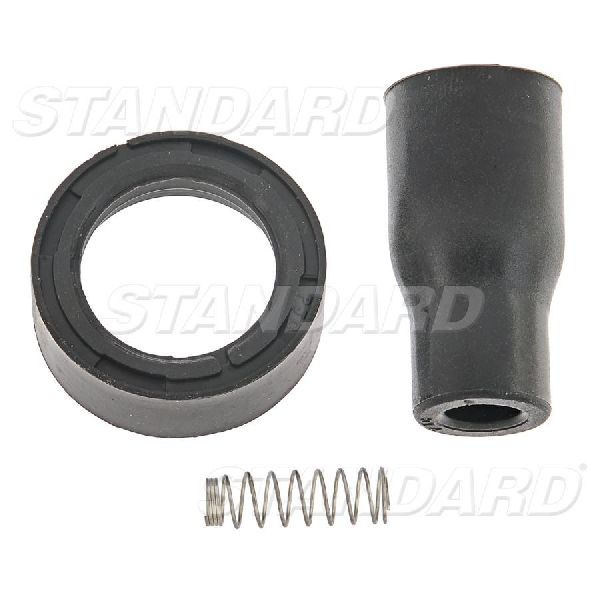
- Verify the rubber boot that seals over the spark plug is pliable, not dry-rotted or cracked.
OEM-only on this vehicle (don't cheap out):
- Fuel Injectors (3.3L GDI): Due to the high-pressure nature and precision of GDI injectors, it is highly recommended to use new OEM parts. Aftermarket or remanufactured GDI injectors have a higher risk of failure or improper flow rates, which can cause persistent issues.
- Crankshaft/Camshaft Position Sensors: These sensors are critical for engine timing. Aftermarket versions are a common source of persistent, hard-to-diagnose issues. Stick with OEM or the original OE supplier (e.g., Kefico).
Aftermarket brands forum-validated for this vehicle:
- Ignition Coils: Denso, NGK, Delphi. These brands are often the original equipment manufacturers for Kia and offer equivalent quality to dealer parts.
- Spark Plugs: NGK, Denso.
Brands owners have reported issues with on this vehicle:
- Unbranded 'eBay/Amazon' coils: Avoid the cheapest ignition coils sold under generic names. They are notorious for having a very high premature failure rate, sometimes within weeks or months, leading you to do the repair all over again. Counterfeit parts are also common in this space.
Real Owner Stories
Aggregated from forums and TSBs cited above. Mileages and costs reflect what owners reported in those sources.
2011 Kia Sorento V6
Symptoms: Experienced a P0306 code.
What fixed it: Replacing the ignition coil on cylinder 6.
Source hint: Kia Forums thread titled 'p0306-on-my-2011-sorento-v6.12345/'
2014 Kia Sorento 3.3L GDI V6
Symptoms: Intermittent rough idle on cold starts.
What fixed it: Replacement of all six fuel injectors per the TSB procedure.
Source hint: TSB FUE035
2014-2015 Kia Sorento 3.3L GDI V6
Symptoms: Misfires caused by potential coolant leaks.
What fixed it: Cylinder head gasket replacement under warranty extension WTY039.
Source hint: ENG254 (WTY039)
Related OBD-II Codes
Frequently Asked Questions
Where is cylinder 6 located on my 2011-2015 Sorento V6?
Is there a TSB for a rough idle on my 2014 Sorento?
Could a head gasket leak cause my P0306 code on a 2015 3.3L GDI?
How can I test if my ignition coil is the cause of the P0306?
My 2011 Sorento V6 has a P0306; what is the most likely fix?
Does the 3.3L GDI engine have specific misfire issues compared to the 3.5L?
Helpful Videos
![How to Fix P0306 Engine Code in 3 Minutes [2 DIY Methods / Only $4.76]](https://img.youtube.com/vi/5HTrtkSEHH4/mqdefault.jpg)
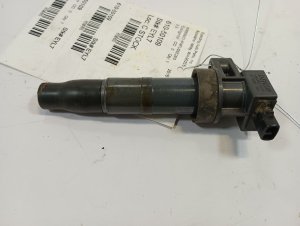
Used OEM Parts in Stock

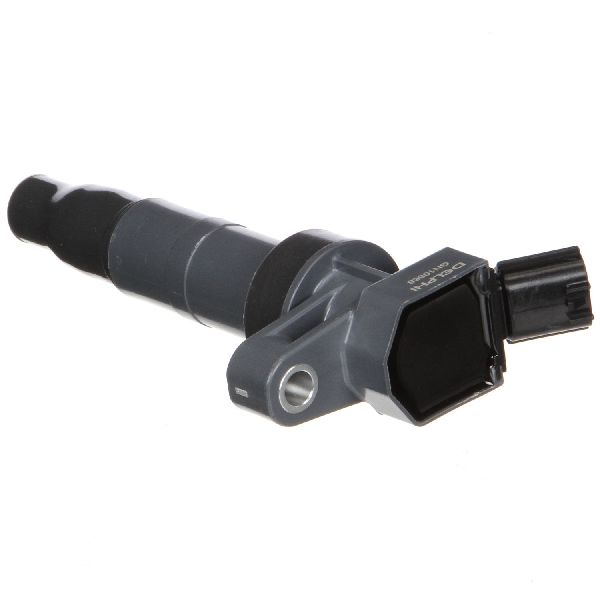
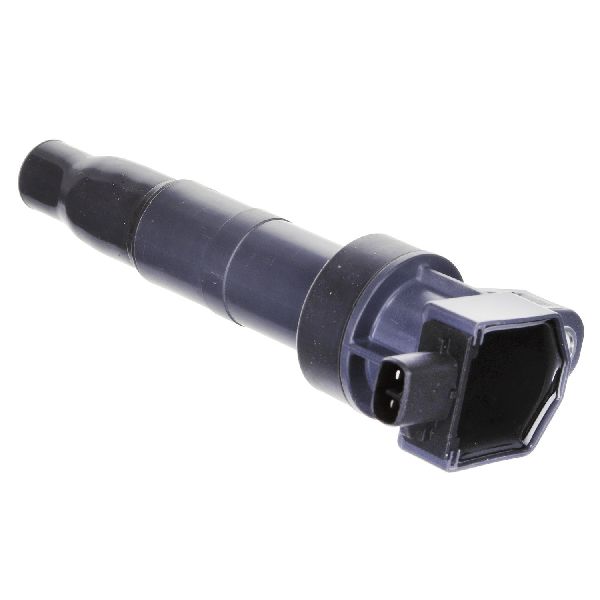
New Aftermarket Parts Available

The information in this article is provided for general reference and educational purposes only. Vehicle specifications, procedures, and part compatibility can vary by production date, trim level, and region. Always consult your vehicle's factory service manual and verify part numbers before purchasing or performing repairs. Safety-critical components such as airbags, seat belts, and braking systems should be installed by a qualified professional.
- Kia Sorento:
- 🎬 Helpful Videos
- 🛍️ Shop This Part
- What's Unique About the 2011-2015 Kia Sorento
- Symptoms You May Notice
- Most Likely Causes
- Rare But Worth Checking
- Diagnosis Steps
- Parts You'll Likely Need
- Related Codes That Often Appear With This One
- Technical Service Bulletins (TSBs) & Recalls
- Platform-Specific Known Issues
- Mechanic-Grade Diagnostic Values
- Hidden / Shadow Codes Worth Checking
- Scan Tool Commands That Help
- Wiring & Ground Locations
- Real Owner Repair Stories
- OEM Part Supersession History
- Model Year Variations Within This Range
- Diagnostic Flowchart
- Other Known Issues on This Vehicle
- Used vs. New Parts: Buying Guide for This Vehicle
- Real Owner Stories
- 2011 Kia Sorento V6
- 2014 Kia Sorento 3.3L GDI V6
- 2014-2015 Kia Sorento 3.3L GDI V6
- Related OBD-II Codes
- Frequently Asked Questions
- 🎟️ Get 5% Off