

P0305 on 2001-2007 Ford Escape 3.0L V6: Cylinder 5 Misfire Causes and Fixes
P0305 means your Ford Escape has a misfire in cylinder 5. The most common cause is a bad ignition coil, followed by a worn spark plug. Since cylinder 5 is on the easily accessible front bank of the engine, this is a straightforward DIY repair, typically costing $40-$90 for a new coil and plug. Vacuum leaks from the intake manifold gaskets are another very common culprit on this engine.
- P0305 on a 2001-2007 Escape 3.0L V6 is a misfire on the middle, front cylinder.
- The most likely fix is replacing the ignition coil and/or the spark plug for cylinder 5.
- This is a good 'first-time' DIY repair because cylinder 5 is very easy to access without removing other parts.
- If a new coil and plug don't solve the problem, suspect a vacuum leak from the intake manifold gaskets, another common issue on this engine.
- Do not drive if the Check Engine Light is flashing to avoid damaging the catalytic converter.
What's Unique About the 2001-2007 Ford Escape

On the 3.0L V6 Duratec engine in a transverse (sideways) layout, the cylinders are arranged with numbers 1-2-3 on the rear bank (against the firewall) and 4-5-6 on the front bank (near the radiator). A P0305 code is fortunate, as cylinder 5 is the middle cylinder on the easily accessible front bank. This makes diagnosis and repair of the most common parts, like the ignition coil and spark plug, significantly easier and cheaper than for misfires on the rear bank (P0301, P0302, P0303), which require removing the upper intake manifold for access.
Symptoms You May Notice
- Rough or shaky idle, which may be felt in the steering wheel or brake pedal.
- Engine hesitation or stumbling during acceleration.
- Noticeable loss of power, especially when going up hills.
- Solid or flashing Check Engine Light.
- Smell of gasoline from the exhaust.
- Reduced fuel economy.
- Replacing only the spark plug when the ignition coil is the actual cause.
- Replacing ignition and fuel parts when the root cause is a large vacuum leak from the intake manifold gaskets.
- Assuming the catalytic converter is bad because a parts store or dealer suggested it without proper diagnosis. A misfire will cause a catalytic converter to fail, but the converter itself does not cause the misfire.
Most Likely Causes

- Faulty Ignition Coil (Coil-on-Plug) 🔴 High Probability Coil-on-plug units are a very common failure item on the 3.0L Duratec due to age and heat cycles. Many owners and technicians report these coils failing frequently. A known issue on these engines is that a failed coil can short and damage the PCM driver circuit, requiring PCM repair or replacement. 🎬 See how a failed coil can damage your PCM.
How to confirm: Swap the ignition coil from cylinder 5 with the one from cylinder 4 or 6 (the adjacent, easy-to-access cylinders). Clear the codes and drive the vehicle. If the code changes to P0304 or P0306, the coil is bad. This is the definitive DIY diagnostic step.
Typical fix: Replace the faulty ignition coil. This is a simple repair on cylinder 5, involving an 8mm bolt and an electrical connector. 🎬 Watch: Step-by-step cylinder 5 coil and spark plug replacement. It is often recommended to replace the spark plug at the same time.
Est. part cost: $35-$70 - Worn or Fouled Spark Plug 🔴 High Probability Spark plugs have a service life of up to 100,000 miles, but many of these high-mileage vehicles are overdue. Worn plugs increase the energy required to fire, which can stress and eventually destroy the ignition coil and even the PCM.
How to confirm: After removing the ignition coil, remove the spark plug and inspect it. Look for heavy carbon buildup, oil fouling, or a worn-out electrode. The specified spark plug gap for the 3.0L V6 is 0.052-0.056 inches. Even if it looks okay, it's best to replace it if its age is unknown.
Typical fix: Replace the spark plug for cylinder 5. It is highly recommended to replace all six spark plugs at the same time for consistent performance, but be aware the rear three are very difficult to access, requiring removal of the upper intake manifold.
Est. part cost: $8-$20 per plug - Vacuum Leak 🟡 Medium Probability The 3.0L Duratec engine is notorious for vacuum leaks from aged plastic and rubber components. The upper and lower intake manifold gaskets are a very common failure point, as they shrink and become brittle over time. The PCV valve hose and elbow, located under the intake manifold, are also frequent culprits.
How to confirm: With the engine running, listen for a hissing sound. You can also carefully spray short bursts of brake cleaner or starter fluid around the intake manifold gaskets and vacuum hoses. If the engine RPM changes, you've found the leak. A professional smoke test is the most effective method.
Typical fix: Replace the leaking gaskets or hoses. The intake manifold gaskets (upper and lower) come in a set and require removing the upper intake manifold to replace. Fel-Pro is a popular and reliable aftermarket brand for these gaskets. 🎬 Watch: How to replace upper and lower intake manifold gaskets.
Est. part cost: $20-$60 for a gasket set - Faulty Fuel Injector ⚪ Low Probability Injectors can become clogged with deposits or fail electrically over time. A poor electrical connection at the injector plug, often due to a broken locking clip, can also cause a misfire.
How to confirm: Use a multimeter to check the resistance of the injector; it should be between 11 and 18 ohms, with a more specific factory range of 13.1 to 14.5 ohms. Readings should be consistent with the other injectors. You can also use a mechanic's stethoscope to listen for a consistent clicking sound from the injector. Accessing the injectors requires removing the upper intake manifold.
Typical fix: Replace the faulty fuel injector. This requires removing the fuel rail for access.
Est. part cost: $50-$100
Rare But Worth Checking
- Low Engine Compression: If ignition and fuel system checks do not reveal the problem, a mechanical issue like a burnt exhaust valve, worn piston ring, or failing head gasket could be the cause. This is less common but can occur on high-mileage engines and is confirmed with a compression test. NHTSA ODI #11652376 notes a case where a Ford engine exhibited P0305 due to low compression on cylinder #5 (110 PSI) compared to others at 145-150 PSI.
- Damaged Coil or Injector Wiring: A broken wire or corroded connector for the cylinder 5 ignition coil or fuel injector can cause a persistent misfire. One owner reported a P0305 after the plastic locking clip on the fuel injector connector broke, causing a poor connection. Rodent damage to wiring harnesses is also a possibility.
- Leaking Valve Cover Gasket: The valve cover gasket can leak oil into the spark plug wells. If the cylinder 5 spark plug well fills with oil, it can short out the ignition coil and spark plug, causing a misfire. This would be visible as heavy oil contamination when removing the coil.
Diagnosis Steps

- Confirm the code with an OBD-II scanner. Note if the Check Engine Light is flashing, which indicates a severe, catalyst-damaging misfire.
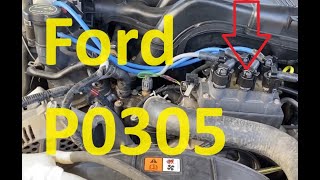
- Locate cylinder 5 on the front bank of the engine (middle cylinder, between 4 and 6).
- Swap the ignition coil from cylinder 5 with the coil from cylinder 4 (front, driver's side). The coil is held by a single 8mm bolt.
- Clear the codes and start the engine. Let it run for a few minutes or take a short drive.
- Re-scan for codes. If the code is now P0304, the ignition coil you moved is faulty and needs replacement.
- If the code remains P0305, the coil is likely good. Proceed to inspect the spark plug. Remove the coil again and use a 5/8" spark plug socket with an extension to remove the plug from cylinder 5.
- Inspect the spark plug for wear, damage, or fouling (oil or carbon). Check the gap; it should be between .052" and .056". Replace the spark plug regardless of appearance if its age is unknown.
- If a new plug and known-good coil do not fix P0305, the next step is to check for a vacuum leak. With the engine running, listen for hissing and spray carb cleaner around the intake manifold gaskets. If the engine RPM changes, a leak is present.
- If no vacuum leak is found, investigate the fuel injector for cylinder 5. This is more involved as it requires removing the upper intake manifold. Once accessed, check the injector's wiring and listen for its operation with a stethoscope. Test its resistance with a multimeter, expecting a reading between 13.1-14.5 ohms.
- If all else fails, a mechanical issue is possible. Perform an engine compression test to check the health of cylinder 5. A significant loss of compression compared to other cylinders indicates an internal engine problem.
Parts You'll Likely Need

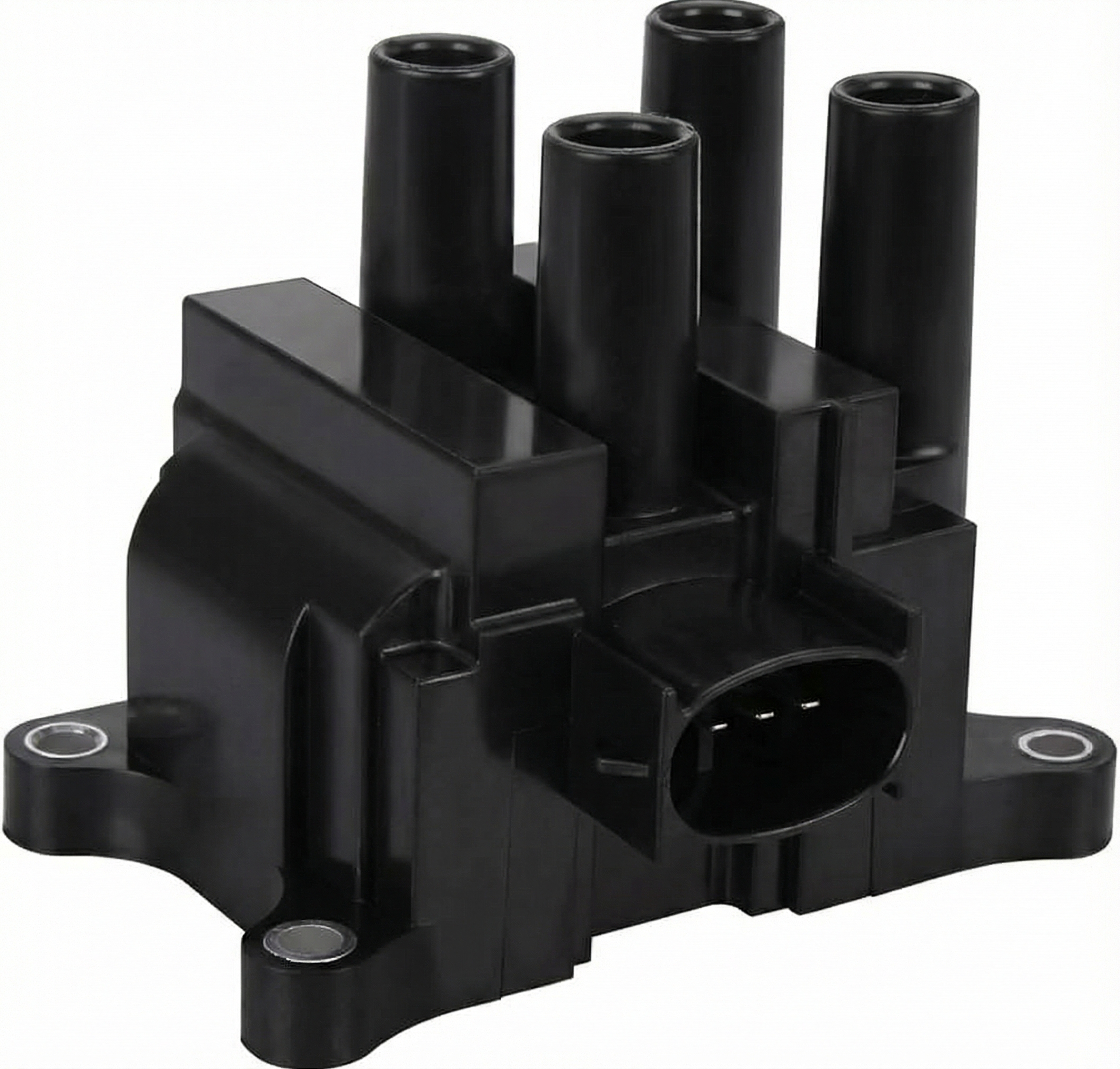
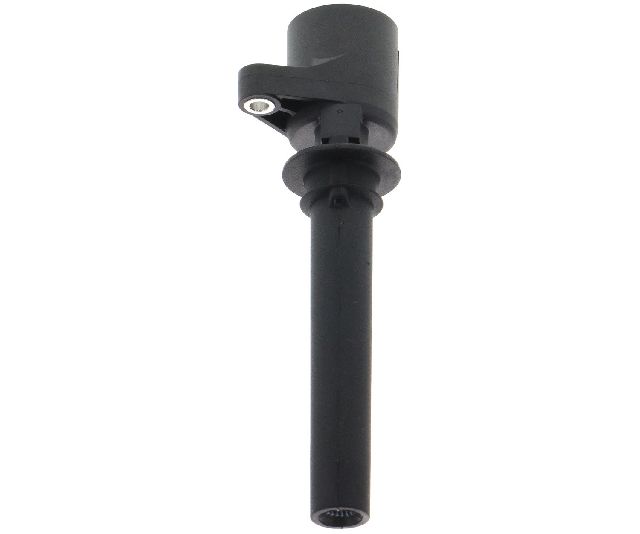
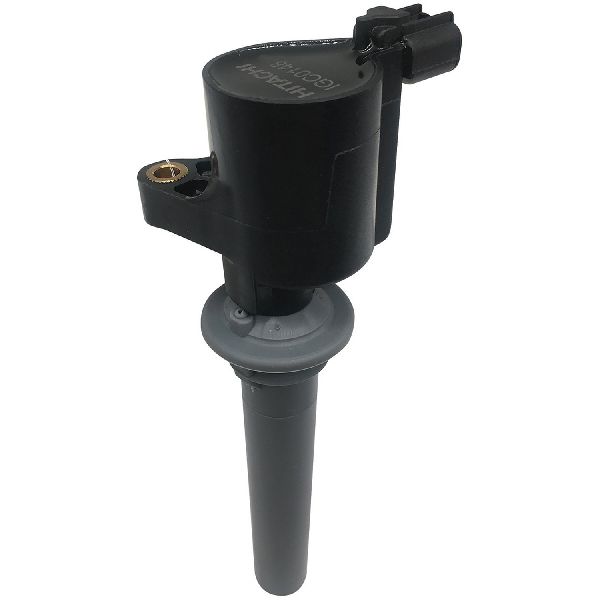
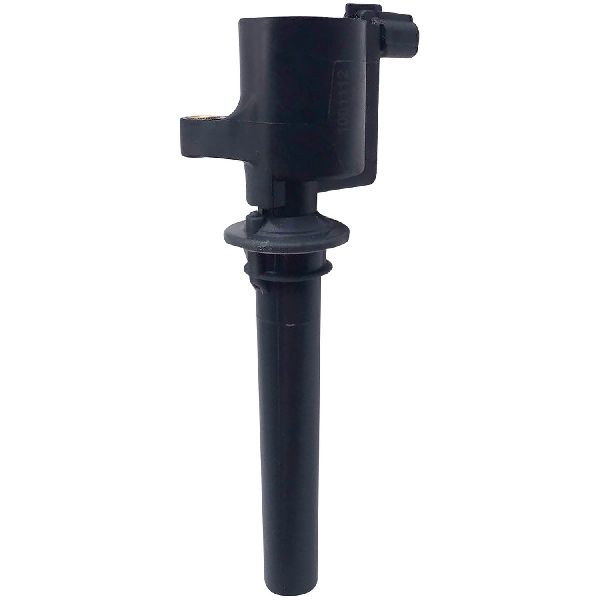
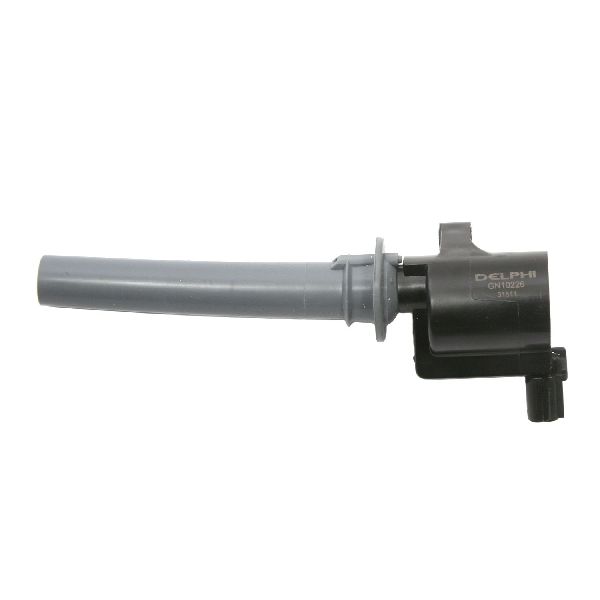
- Ignition Coil
(OEM #DG500)— This is the most common failure part for a P0305 code on this vehicle. Heat and age cause the internal windings to fail.
Trusted brands: Motorcraft, Denso, NGK, Delphi
OEM price range: $50-$70
Aftermarket price range: $30-$55 - Spark Plug
(OEM #SP-432 or AGSF32WM)— A required maintenance item. Worn plugs can cause misfires and damage new ignition coils.
Trusted brands: Motorcraft, NGK, Autolite
OEM price range: $8-$15
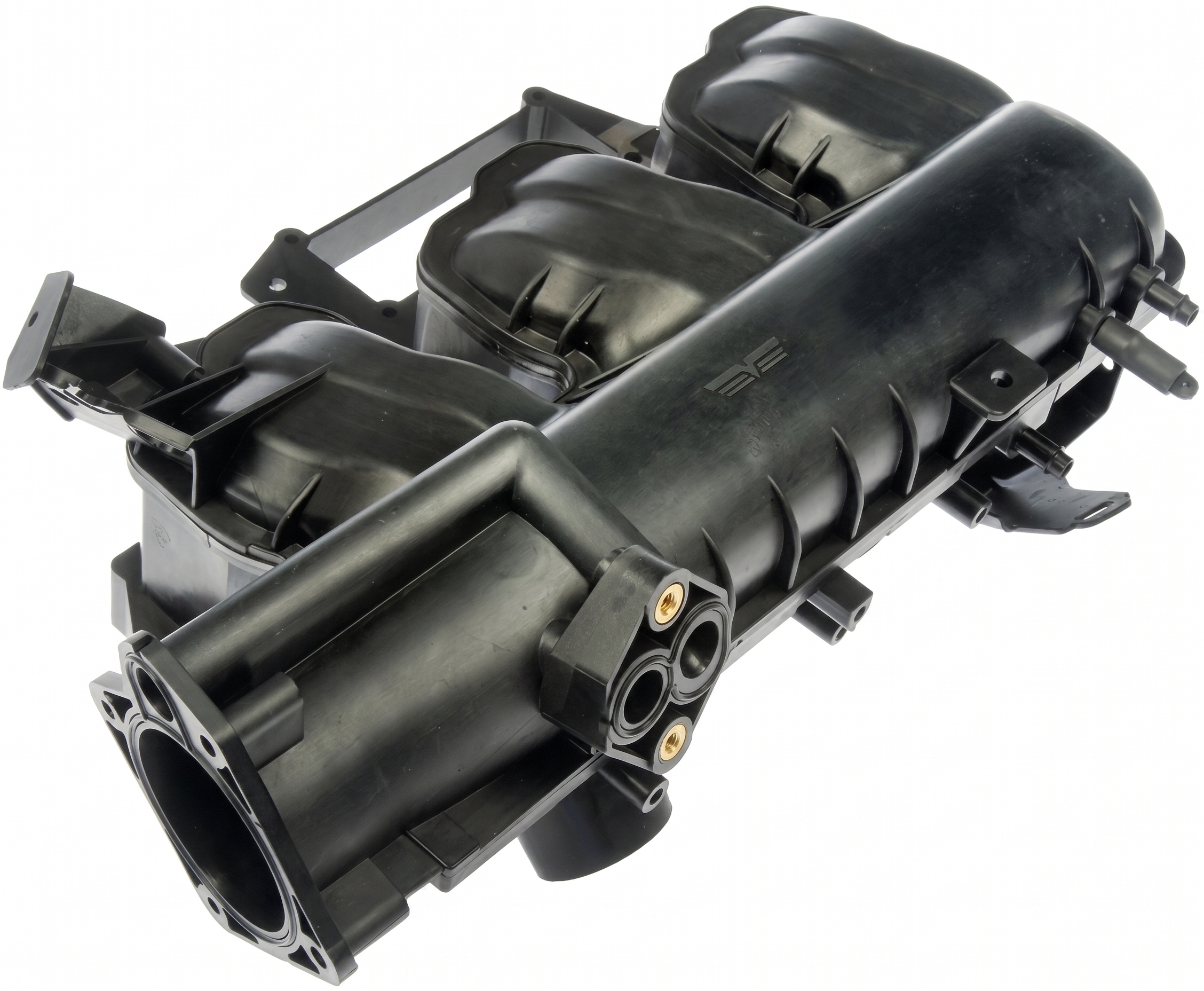
Aftermarket price range: $5-$10 - Intake Manifold Gasket Set (Upper & Lower) — These gaskets are a very common failure point, causing vacuum leaks that lead to lean conditions and misfires. If removing the intake for any reason, they must be replaced.
Trusted brands: Fel-Pro, Motorcraft, Mahle
OEM price range: $40-$60
Aftermarket price range: $20-$40
Related Codes That Often Appear With This One
- P0316 — Misfire Detected on Startup (First 1000 Revolutions). This code often accompanies a specific cylinder misfire code like P0305, simply indicating the misfire was present when the engine was first started.
- P0171 / P0174 — System Too Lean (Bank 1 / Bank 2). These codes often appear with misfire codes when the underlying cause is a significant vacuum leak affecting one or both cylinder banks.
- P0300 — Random/Multiple Cylinder Misfire. If the cause (like a major vacuum leak or low fuel pressure) affects more than just cylinder 5, you may also get a P0300 code.
- P0205 — Injector Circuit/Open - Cylinder 5. This code points specifically to an electrical problem with the fuel injector circuit for cylinder 5, such as a bad injector coil or a wiring issue. It may appear alongside P0305.
Technical Service Bulletins (TSBs) & Recalls
- TSB 05-15-7: Some 2003-2005 Escape/Tribute/Mariner vehicles with the 3.0L V6 may exhibit a Check Engine Light with codes P0300-P0306 and/or P0316. This can be caused by faulty ignition coil radio frequency interference. The fix involves installing a new design of ignition coil and, in some cases, replacing all six spark plugs and coils.
- TSB 04-16-17: For some 2001-2003 Escape/Tribute vehicles, this TSB addresses rough idle and potential misfire codes after a cold start. The solution involves reprogramming the PCM to the latest calibration.
Mechanic-Grade Diagnostic Values
- Fuel Injector Resistance — expected: 13.1 to 14.5 Ohms. Failure: A reading outside this range, or one that is significantly different from the other injectors, indicates a faulty injector.
- Fuel Pressure (Key On, Engine Off) — expected: ~40 psi. Failure: Significantly lower pressure indicates a weak fuel pump or leak.
- Fuel Pressure (Key On, Engine Running at Idle) — expected: 32-35 psi. Failure: Pressure should rise toward 40 psi when the throttle is snapped open; if it drops, the fuel system is weak.
- PCM Ignition Coil Control Signal — expected: Using a test light connected to battery positive, the light should flicker when probing the control wire (Violet/Brown for Cyl 5) while the engine is cranking/running.. Failure: No flicker indicates no control signal from the PCM. A steady light indicates a short to ground, likely within the PCM itself.
Hidden / Shadow Codes Worth Checking
- Mode $06, TID $53, CID $05: This is not a standard DTC but rather raw data from the onboard misfire monitor. It provides a specific misfire count for Cylinder 5 for the current and last 10 driving cycles. A high count confirms the misfire even if the P0305 code is intermittent. (see via Requires a professional scan tool or an advanced OBD-II app capable of displaying Mode $06 data.)
Scan Tool Commands That Help
- Ford IDS (Integrated Diagnostic System): Power Balance Test — This function allows a technician to disable one cylinder at a time and observe the corresponding drop in RPM. If disabling cylinder 5 causes little or no change in RPM, it confirms that cylinder is not contributing power, pinpointing the misfire. This is extremely useful for verifying the location of a misfire before disassembly.
Wiring & Ground Locations
- Cylinder 5 Ignition Coil Connector Pin 1 (Control) — The control wire for the cylinder 5 ignition coil is Light Green/Yellow.. This is the wire that the PCM grounds to fire the coil. A break in this wire between the coil and the PCM will cause a P0305. It can be tested for continuity or a control signal.
- Cylinder 5 Ignition Coil Connector Pin 2 (Power) — This wire provides 12V+ power to the ignition coil when the key is on.. Lack of power on this wire will prevent the coil from charging. This wire can be checked for 12V+ with the key in the 'On' position.
- PCM Connector C175b, Pin 36 — This is the pin on the main engine computer (PCM) that controls the cylinder 5 ignition coil. The PCM is located on the firewall in the engine bay.. If there is no signal at the coil connector, a technician can back-probe this pin to determine if the PCM is sending the signal. If there's a signal here but not at the coil, the wire is broken. If there's no signal here, the PCM driver is likely faulty.
- G101 / G104 — These are primary engine bay ground points, typically located on the inner fender aprons or near the battery tray.. The PCM and ignition system rely on clean, solid ground connections. A corroded or loose ground at G101 or G104 can cause erratic behavior, including misfires that are difficult to diagnose.
Real Owner Repair Stories
- YouTube user 'JamieJonesTheCarMan' (Ford Escape 3.0L V6 (year not specified, but within 2001-2007 range)) — Multiple vacuum leaks, poor running condition.
❌ Tried (didn't work) Initial diagnosis pointed to vacuum leaks.
✅ What actually fixed it The root cause was found to be shrunken and hardened upper and lower intake manifold gaskets. The video shows how the old gaskets no longer make contact with the manifold surface, creating a significant air leak. Replacing both sets of gaskets resolved the issue. - YouTube user 'FordTechMakuloco' (Ford Fusion with 3.0L V6 (engine shared with Escape, same issue applies)) — Persistent cylinder 6 misfire (P0306) with coil circuit codes (P0356).
❌ Tried (didn't work) Replacing the ignition coil and spark plug did not fix the misfire.
✅ What actually fixed it The problem was a failed ignition coil driver inside the Powertrain Control Module (PCM). The original failure was likely a worn spark plug that overworked and shorted the ignition coil, which in turn damaged the PCM. The final repair required replacing all six spark plugs, all six ignition coils (to prevent a repeat failure), and the PCM itself.
Documented NHTSA Reports
- NHTSA ODI #10459090: An owner reported that their vehicle pulled codes P0305 and P0316 pending. Research indicated many other owners experienced the same problem upon reaching similar mileage.
- NHTSA ODI #11407153: A report describes an engine misfiring both while stationary and in motion with code P0305. Replacing the coils and spark plugs did not resolve the engine misfire.
- NHTSA ODI #10587634: This report notes an intermittent stumble or misfire on acceleration from highway cruise in humid or damp conditions, which may trigger codes such as P0305.
- NHTSA ODI #10702306: A manufacturer record lists P0305 alongside P0302 and P0316 as part of a history of expensive repairs involving multiple diagnostic codes.
"I Checked Everything" — The Actual Cause
- In some cases, a smoke test may not reveal a leak if the crack is in the plastic intake manifold itself, rather than the gaskets. These cracks can sometimes only open up under specific temperature or load conditions, making them very difficult to find with a standard smoke test at idle.
When the Usual Fixes Don't Work
- While a coil/plug swap is the first step, numerous owner accounts describe replacing these parts only for the P0305 to remain. In many of these cases, the ultimate culprit was found to be the upper and lower intake manifold gaskets, which shrink over time and cause a persistent vacuum leak that the PCM cannot compensate for, leading to a lean misfire on one or more cylinders. Another significant group of owners discovered the misfire was caused by a failed ignition driver in the PCM, which was itself damaged by a shorted coil. This requires replacing the plugs, coils, and PCM as a set to ensure a lasting repair.
OEM Part Supersession History
1L8Z-12029-AB→DG500 (Motorcraft Service Number)— Standard part evolution and branding. DG500 is the widely recognized service part number for the coil used on this engine.
Model Year Variations Within This Range
- 2001-2004: These models used a cable-actuated throttle body and a different Idle Air Control (IAC) valve design. The PCV valve and hose routing are also specific to these earlier years.
- 2005-2007: These models switched to an Electronic Throttle Control (ETC) system, eliminating the separate IAC valve (idle is controlled by the throttle plate). The PCV system was also redesigned. A known issue with failed ignition coils damaging the PCM is particularly noted for 2005-2006 models.
Diagnostic Flowchart
Real Owner Stories
Aggregated from forums and TSBs cited above. Mileages and costs reflect what owners reported in those sources.
2009 Mercury Mariner (Escape) 3.0L
Symptoms: Persistent P0305 misfire code.
What fixed it: Performed a tune-up and replaced the ignition coil. After this, additional codes P0205 and P0316 appeared, leading the owner to suspect a fuel injector issue.
Source hint: Reddit r/MechanicAdvice thread titled 'Misfire (p305) on 2009 Mercury Mariner (Escape) 3.0 liter'
Ford Escape V6
Symptoms: P0305 misfire code.
What fixed it: Diagnosed the issue by swapping the ignition coil from cylinder 5 to cylinder 6 to determine if the failure was the coil itself or just the boot. Other forum members confirmed coil failure is very common.
Source hint: Ford Contour Enthusiasts Group Forums thread titled 'P0305 - Escape V6'
2001 Ford Escape
Symptoms: Misfire codes P0304 and P0305.
What fixed it: Learned about the Coil-On-Plug (COP) system and diagnosed the faulty components by swapping coils between cylinders to see if the misfire followed the coil.
Source hint: Ford Truck Enthusiasts Forums thread titled 'Misfire codes: P0304 & P0305'
Related OBD-II Codes
Frequently Asked Questions
Does TSB 05-15-7 apply to my 2004 Ford Escape 3.0L for code P0305?
I have a 2002 Escape 3.0L with a rough idle and P0305 after a cold start. Is there a known issue?
How do I access cylinder 5 to check the ignition coil on my 3.0L Duratec?
Can a bad ignition coil on my Escape damage the PCM?
What is the correct spark plug gap for the 3.0L V6 Escape?
Do I need to remove the intake manifold to fix a P0305 code?
Helpful Videos
Used OEM Parts in Stock



New Aftermarket Parts Available


The information in this article is provided for general reference and educational purposes only. Vehicle specifications, procedures, and part compatibility can vary by production date, trim level, and region. Always consult your vehicle's factory service manual and verify part numbers before purchasing or performing repairs. Safety-critical components such as airbags, seat belts, and braking systems should be installed by a qualified professional.
- Ford Escape:
- 🎬 Helpful Videos
- 🛍️ Shop This Part
- What's Unique About the 2001-2007 Ford Escape
- Symptoms You May Notice
- Most Likely Causes
- Rare But Worth Checking
- Diagnosis Steps
- Parts You'll Likely Need
- Related Codes That Often Appear With This One
- Technical Service Bulletins (TSBs) & Recalls
- Mechanic-Grade Diagnostic Values
- Hidden / Shadow Codes Worth Checking
- Scan Tool Commands That Help
- Wiring & Ground Locations
- Real Owner Repair Stories
- Documented NHTSA Reports
- "I Checked Everything" — The Actual Cause
- When the Usual Fixes Don't Work
- OEM Part Supersession History
- Model Year Variations Within This Range
- Diagnostic Flowchart
- Real Owner Stories
- 2009 Mercury Mariner (Escape) 3.0L
- Ford Escape V6
- 2001 Ford Escape
- Related OBD-II Codes
- Frequently Asked Questions
- 🎟️ Get 5% Off