

P0304 on 2014-2019 Toyota Highlander: Cylinder 4 Misfire Causes and Fixes
P0304 on a 2014-2019 Toyota Highlander indicates a misfire in cylinder 4. The most common cause is a faulty ignition coil or a worn spark plug. On the V6 engine, cylinder 4 is on the easy-to-access front bank. A DIY-friendly ignition coil swap is a 15-minute diagnostic test. A single coil costs between $65 and $110. For 2017-2019 models with the 2GR-FKS engine, causes can also include the high-pressure fuel system.
- P0304 means cylinder 4 is misfiring, which is the middle cylinder on the front bank of the V6 engine.
- The most likely culprit is a bad ignition coil, which can be diagnosed for free in 15 minutes by swapping it with another cylinder's coil.
- If the check engine light is flashing, limit driving immediately to prevent expensive damage to the catalytic converter.
- If you own a 2014-2018 Highlander Hybrid, be aware that TSBs point to a potential ECM connector corrosion issue as a cause for this code.
- Always start with the simplest and most probable fixes (ignition coil, spark plug) before moving to more complex components like fuel injectors.
What's Unique About the 2014-2019 Toyota HIGHLANDER

The 2014-2019 Highlander primarily uses a reliable 3.5L V6 engine where ignition components are a common failure point with age. A major mid-generation update occurred in 2017: 2014-2016 models use the port-injected 2GR-FE engine, while 2017-2019 models received the 2GR-FKS engine with D-4S 🎬 See how to change spark plugs on this specific V6 engine. (both direct and port injection) and an 8-speed transmission. On both V6 versions, cylinder 4 is located on the front bank (closest to the radiator), making it easy to access for diagnosis. A unique issue documented by Toyota in Technical Service Bulletins (TSBs) affects some 2014-2018 Highlander Hybrids. Corrosion in a specific ECM connector can cause a P0304 code, along with other DTCs, which might be misdiagnosed as a standard ignition or fuel problem. [T-SB-0072-19, T-TT-0462-17]
Diagnostic Flowchart

Tap your situation to follow the diagnostic path that matches what you're seeing on this vehicle.
Symptoms You May Notice
- Rough or vibrating idle
- Hesitation or stumbling during acceleration
- Flashing or solid Check Engine Light
- Reduced engine power
- Decreased fuel economy
- Smell of raw gasoline from the exhaust
- Replacing the oxygen (O2) sensor. An O2 sensor might trigger other codes but will not cause a misfire in a single, specific cylinder.
- Replacing the catalytic converter. A misfire can damage a catalytic converter, but a bad converter will not cause the misfire code itself.
Most Likely Causes

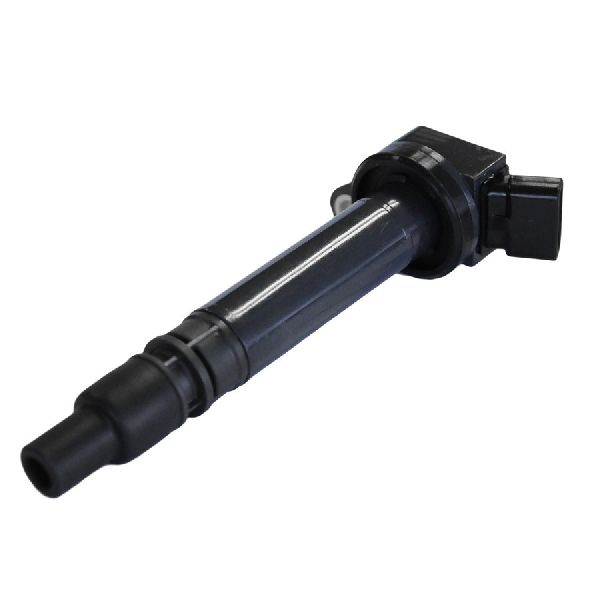
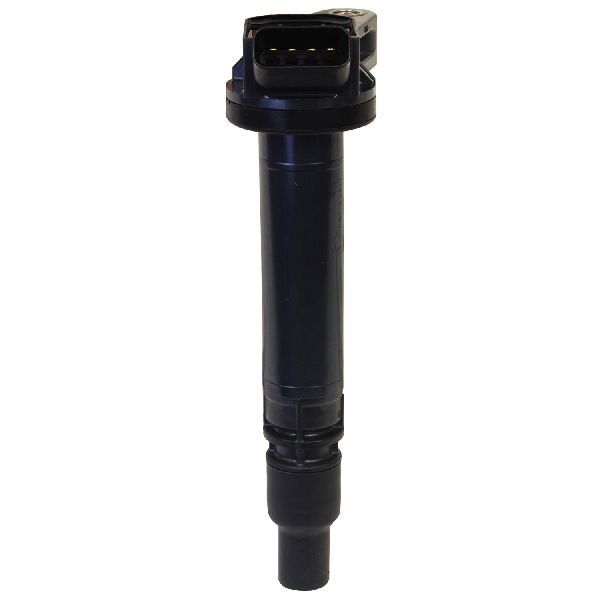
- Faulty Ignition Coil 🔴 High Probability Coil-on-plug ignition systems are highly effective but individual coils are a common wear item on most modern engines. Denso is the typical OEM supplier for Toyota.
How to confirm: Swap the ignition coil from cylinder 4 with another cylinder (e.g., cylinder 2 on the same front bank). Clear the codes and drive the vehicle. If the code changes to P0302, the ignition coil is faulty.
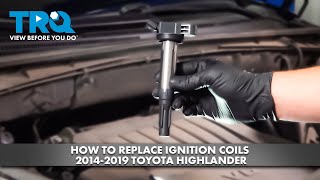
Typical fix: Replace the faulty ignition coil. It is held in place by a single 10mm bolt 🎬 Watch: Step-by-step guide to replacing your ignition coils. and should be torqued to 9-10 Nm (80-89 in-lbs). Applying a small amount of dielectric grease to the inside of the new coil boot is recommended.
Est. part cost: $65-$110 - Worn or Fouled Spark Plug 🟡 Medium Probability Spark plugs are a routine maintenance item. While modern iridium plugs have a long life (around 100,000-120,000 miles), they eventually wear out, leading to a weak spark and misfires.
How to confirm: After confirming the coil is good, remove the spark plug from cylinder 4. Inspect it for wear, carbon buildup, or oil fouling. Compare it to a new plug.
Typical fix: Replace the spark plug in cylinder 4. It is highly recommended to replace all spark plugs at the same time for even performance. The new plug should be torqued to 18 Nm (13 ft-lbs).
Est. part cost: $10-$25 per plug - Clogged or Faulty Fuel Injector ⚪ Low Probability Fuel injectors can become clogged with deposits over time. The 2017+ 2GR-FKS engine has both port and direct injectors, adding complexity. A real-world example on a Toyota with a P0304 code that persisted after coil and plug replacement was ultimately fixed by replacing a bad fuel injector.
How to confirm: This is more complex. A mechanic can perform a fuel injector balance test using a scan tool. A DIY method involves swapping the suspect injector with one from another cylinder, but this is labor-intensive. Resistance can be checked; for the 2GR-FE, it should be 11.6-12.4 ohms.
Typical fix: Replace the faulty fuel injector. Sometimes professional fuel system cleaning can resolve minor clogs.
Est. part cost: $100-$250 - Corroded ECM Connector (Hybrid Models) ⚪ Low Probability A Toyota TSB specifically notes that on 2014-2018 Highlander Hybrids, water intrusion can cause corrosion in the A43 ECM connector, leading to various DTCs including P0304. [T-SB-0072-19, T-TT-0462-17]
How to confirm: Visually inspect the A43 ECM connector for any signs of water damage, green or white corrosion, or backed-out pins. The source of the water leak (e.g., clogged sunroof drains, windshield seal) must also be identified.
Typical fix: Clean or replace the affected connector and terminals and address the source of the water leak.
Est. part cost: $50-$300 depending on damage
Rare But Worth Checking
- Low Engine Compression: This indicates a more serious internal engine problem, such as a worn piston ring, a bad valve, or a leaking head gasket. A compression test is needed to diagnose this.
- Vacuum Leak: A vacuum leak near cylinder 4's intake runner can lean out the air-fuel mixture and cause a misfire. This is less common for a single-cylinder misfire code but possible if a gasket fails.
- Rodent Damage: Mice and other rodents are known to build nests on top of engines and chew through wiring. The soy-based wiring insulation used in many modern cars can be attractive to them. A real-world example on a Lexus RX350 with a 2GR engine showed a P0304 code was caused by a mouse chewing through the fuel injector and ignition coil wiring for cylinder 4.
Diagnosis Steps
- Read the codes with an OBD-II scanner and confirm P0304 is present. Note any other codes. For intermittent misfires, use Mode $06 data to check misfire counts per cylinder.
- Identify cylinder 4. On the Highlander's transversely mounted V6, the rear bank (against the firewall) contains cylinders 1, 3, and 5 (from passenger to driver side). The front bank contains 2, 4, and 6. Cylinder 4 is the middle cylinder on the front bank.
- Correction from Pass 1: The initial article incorrectly implied cylinder 4 was on the rear bank. On the Toyota 2GR-FE/FKS V6, cylinder 4 is the middle cylinder on the front bank (closest to the radiator), making it one of the easiest to access.
- Swap the ignition coil from cylinder 4 with the coil from cylinder 2 (the front-most cylinder). The coil is held by a 10mm bolt. Torque to 9-10 Nm (80-89 in-lbs) upon reinstallation.
- Clear the codes and start the engine. Let it run until the check engine light comes back on.
- Re-scan for codes. If the code is now P0302, the ignition coil you moved is bad and needs replacement.
- If the code remains P0304, the coil is likely good. Move on to inspecting the spark plug in cylinder 4. Check for wear, damage, or proper gap. Torque new plugs to 18 Nm (13 ft-lbs).
- If the plug and coil are good, inspect the wiring harness for the coil and fuel injector for damage, especially for signs of rodents.
- If no external issues are found, the problem may be with the fuel injector or an internal engine issue. Check fuel injector resistance (11.6-12.4 Ω for 2GR-FE) or use a scan tool's active test to command the injector.
- For 2014-2018 Hybrid models, inspect the A43 ECM connector for corrosion per TSBs T-SB-0072-19 and T-TT-0462-17 if other electrical codes are present.
Parts You'll Likely Need

- Ignition Coil
(OEM #2GR-FKS (V6, 2017-19): 90919-A2008; 2GR-FE (V6, 2014-16): 90919-A2007 or 90919-02260; 1AR-FE (I4): 90919-A2005)— This is the most frequent cause of a single-cylinder misfire on modern engines.
Trusted brands: Denso (OEM), NGK, TRQ
OEM price range: $90-$140
Aftermarket price range: $65-$110 - Iridium Spark Plug
(OEM #90919-01247 (Denso FK20HR11 is a common equivalent))— Spark plugs are a maintenance item that wear out over time, causing a weak or inconsistent spark.
Trusted brands: Denso (OEM), NGK
OEM price range: $18-$25
Aftermarket price range: $10-$20 - Upper Intake Manifold Gasket Set
(OEM #Varies by engine, e.g., 17176-0P031 for 2GR-FKS)— Required if accessing ignition coils, spark plugs, or fuel injectors on the rear bank of the 3.5L V6 engine, though cylinder 4 is on the front bank.
Trusted brands: Toyota (OEM), Fel-Pro, Mahle
OEM price range: $30-$50
Aftermarket price range: $15-$30
Related Codes That Often Appear With This One
- P0300 — If the misfire becomes more widespread, a P0300 (Random/Multiple Cylinder Misfire) may appear alongside P0304.
- P0301, P0302, P0303, P0305, P0306 — If other cylinders are also misfiring, their corresponding codes will be stored.
- P0171, P1603, P1604, U0100 — On Highlander Hybrids, these codes may accompany P0304 if the cause is the corroded ECM connector mentioned in TSB T-SB-0072-19. [T-SB-0072-19]
Technical Service Bulletins (TSBs) & Recalls

- T-SB-0148-19: Confirms the definition of P0304 as 'Cylinder 4 Misfire Detected'.
- T-SB-0072-19: Links P0304 on 2014-2018 Highlander Hybrids to potential corrosion in the A43 ECM connector.
- T-TT-0462-17: Reinforces the information in T-SB-0072-19 regarding ECM connector corrosion as a cause for P0304 and other codes.
Platform-Specific Known Issues
- On 2014-2018 Highlander Hybrid models, TSB T-SB-0072-19 and T-TT-0462-17 identify that water intrusion and corrosion in the A43 ECM connector can cause P0304 and other drivability DTCs.
Mechanic-Grade Diagnostic Values
- Fuel Pressure (Low Pressure Side) — expected: 2GR-FE (2014-16): 380-420 kPa (55-61 psi). 2GR-FKS (2017-19): 196-833 kPa (28-121 psi).. Failure: Pressure below the specified range indicates a weak fuel pump or clogged filter.
- Fuel Pressure (High Pressure Side, 2GR-FKS only) — expected: 2400 to 19500 kPa (348 to 2828 psi) at 3000 rpm.. Failure: Incorrect pressure indicates an issue with the high-pressure fuel pump. WARNING: This system is under extreme pressure and should only be serviced by qualified professionals.
- Fuel Injector Resistance (2GR-FE only) — expected: 11.6 to 12.4 Ω at 20°C (68°F). Failure: Resistance outside this range indicates a faulty injector coil.
- Mode $06 Misfire Count — expected: Near zero for all cylinders.. Failure: A significantly higher count for cylinder 4 compared to others, even without a CEL, points to an intermittent misfire in that cylinder.
Hidden / Shadow Codes Worth Checking
- Mode $06 / Misfire Monitor Data: The Engine Control Module (ECM) tracks misfire events for each cylinder even before they are frequent enough to trigger a P030x code. This data can reveal an intermittent or developing misfire on a specific cylinder. (see via Use an advanced OBD-II scanner that supports Mode $06, or use Toyota's Techstream software and navigate to the 'Monitor' screen, then 'Details' under Misfire. This shows current 'misfire rate' and historical 'EWMA' data.)
Scan Tool Commands That Help
- Toyota Techstream: Misfire Monitor — To get a more accurate count of misfires than the standard live data list, especially for diagnosing misfires that only occur under load. The live data 'Ignition Trigger Count' must be active for the counter to work, which often isn't the case when driving.
- Toyota Techstream: Active Test: Check the Cylinder Compression — To perform a relative compression test without a mechanical gauge. The tool cranks the engine and measures crankshaft speed variations to identify a cylinder with low compression. Note: For 2GR-FKS engines, you must start cranking within 1 second of clicking the 'Start' button for the test to record data correctly.
- Toyota Techstream: Active Test: Control the Injection Volume for A/F Sensor — To test a specific fuel injector by commanding it to operate and observing the effect on the air/fuel ratio sensor. This can help confirm a faulty injector without physically removing it.
Wiring & Ground Locations
- Engine Harness Grounds (2GR-FE) — Key grounding points are located on the valve covers, with braided straps running to the chassis near the strut towers. Additional harness grounds attach to bosses on the side of the cylinder heads.. A poor or corroded engine ground can cause a variety of electrical issues, including erratic sensor readings and misfires that can be difficult to diagnose. Ensuring these grounds are clean and tight is a crucial step if common causes have been ruled out.
- A43 ECM Connector (Hybrid) — This is a primary connector at the Engine Control Module (ECM).. On 2014-2018 Hybrid models, Toyota TSBs indicate that water intrusion can corrode this connector, causing P0304 and other seemingly unrelated codes. This is a vehicle-specific issue that can be easily misdiagnosed as an ignition or fuel system fault. [T-SB-0072-19, T-TT-0462-17]
Real Owner Repair Stories
- Reddit user in r/mechanic (Toyota vehicle with P0304) — Check engine light on for 2-3 months, car shakes on acceleration.
❌ Tried (didn't work) Replaced ignition coils, Replaced spark plugs, Cleaned fuel injectors
✅ What actually fixed it The vehicle was taken to a shop where it was determined to have a bad fuel injector, which was then replaced.
OEM Part Supersession History
90919-A2007→90919-A2013— Standard part revision and update by the manufacturer.
Heads up: The new part number is the correct replacement for the original.
Model Year Variations Within This Range
- 2014-2016: V6 models use the 3.5L 2GR-FE engine with port fuel injection and a 6-speed automatic transmission. Diagnostic values for fuel pressure and injectors are specific to this engine.
- 2017-2019: V6 models received a major update to the 3.5L 2GR-FKS engine, featuring D-4S (both port and direct injection), VVT-iW, and an 8-speed automatic transmission. This introduces a high-pressure fuel system as a potential point of failure and makes carbon buildup on intake valves a theoretical, though less common, possibility.
Helpful Videos

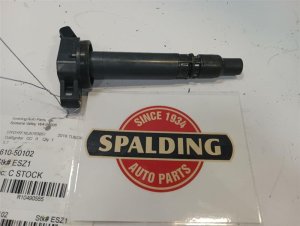
Used OEM Parts in Stock



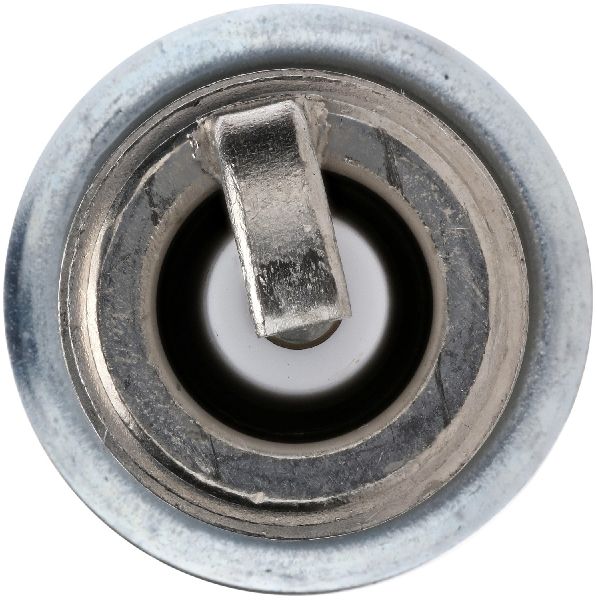
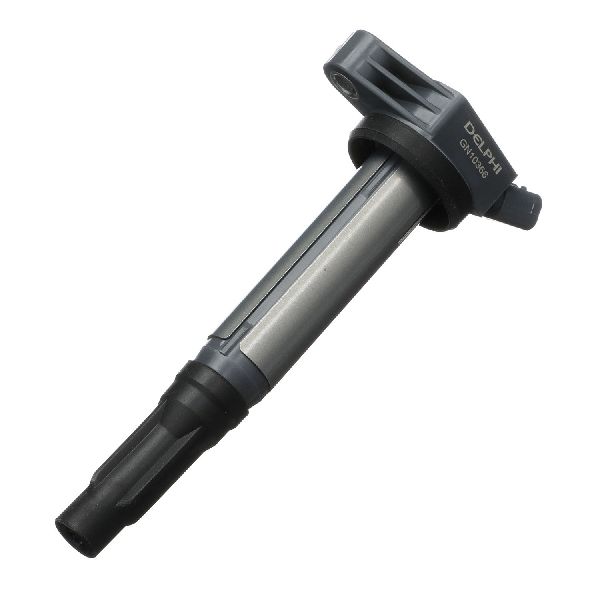
New Aftermarket Parts Available


The information in this article is provided for general reference and educational purposes only. Vehicle specifications, procedures, and part compatibility can vary by production date, trim level, and region. Always consult your vehicle's factory service manual and verify part numbers before purchasing or performing repairs. Safety-critical components such as airbags, seat belts, and braking systems should be installed by a qualified professional.
- Toyota HIGHLANDER:
- 🎬 Helpful Videos
- 🛍️ Shop This Part
- What's Unique About the 2014-2019 Toyota HIGHLANDER
- Diagnostic Flowchart
- Symptoms You May Notice
- Most Likely Causes
- Rare But Worth Checking
- Diagnosis Steps
- Parts You'll Likely Need
- Related Codes That Often Appear With This One
- Technical Service Bulletins (TSBs) & Recalls
- Platform-Specific Known Issues
- Mechanic-Grade Diagnostic Values
- Hidden / Shadow Codes Worth Checking
- Scan Tool Commands That Help
- Wiring & Ground Locations
- Real Owner Repair Stories
- OEM Part Supersession History
- Model Year Variations Within This Range
- 🎟️ Get 5% Off