

P0303 on 2009-2017 Chevrolet Traverse: Cylinder 3 Misfire Causes and Fixes
P0303 indicates a misfire on cylinder 3. On the 2009-2017 Traverse, this is most commonly caused by a failed ignition coil or a worn-out spark plug. Cylinder 3 is on the rear bank (Bank 1) against the firewall, making the repair labor-intensive. A shop repair typically costs between $350 and $1100, with many owners opting to replace all three rear coils, all six plugs, and the intake gaskets at once to save on future labor.
- P0303 on a 2009-2017 Traverse is a misfire in cylinder 3, located on the rear bank against the firewall.
- The most likely cause is a bad ignition coil or spark plug. Due to the high labor cost of removing the intake manifold, always replace all three rear coils and all six spark plugs at the same time.
- A flashing Check Engine Light is a critical warning. Stop driving immediately to prevent expensive damage to the catalytic converters.
- If new ignition parts don't resolve the code, the next most likely causes are a faulty fuel injector, a chafed wiring harness, or carbon buildup on the intake valves.
- For 2009 models specifically, a persistent misfire could be related to stretched timing chains, a known issue covered by a special warranty extension.
What's Unique About the 2009-2017 Chevrolet Traverse
The 3.6L V6 engine in the first-generation Traverse is known for several issues that can lead to a P0303 code. Ignition coils are a very common failure item due to high heat in the engine bay. Manufacturer service bulletin Bulletin #PIP5038B notes that technicians may find codes P0300 through P0306 alongside ignition coil circuit codes P0351-P0356, requiring specific diagnostic follow-up. As a direct-injection engine, the LLT V6 is also prone to significant carbon buildup on the intake valves, which can disrupt airflow and cause misfires, particularly when the engine is cold; GM acknowledged this in TSB PIP5029. Finally, some earlier models in this range were susceptible to premature timing chain wear, which can alter valve timing and also cause misfire codes, often with P0008 or P0017.
Symptoms You May Notice
- Rough or shaking idle
- Hesitation or stumbling during acceleration
- Noticeable loss of engine power
- Solid or flashing Check Engine Light
- Reduced fuel economy
- In severe cases, the traction control light may illuminate and the vehicle may enter 'reduced power' mode.
- Popping sounds from the engine or exhaust
- Replacing only the spark plug when the ignition coil is also bad (or vice-versa).
- Replacing oxygen sensors. A misfire can cause a rich condition that triggers an O2 sensor code, but the sensor is reporting the problem, it is not the cause.
- Replacing camshaft or crankshaft position sensors for a timing-related misfire without confirming the timing chain has stretched via other codes (P0008, P0017) or physical inspection.
Most Likely Causes
- Failing Ignition Coil 🔴 High Probability The ignition coils on the 3.6L V6 are a known high-failure item due to heat and age. The epoxy resin inside the coils can crack, leading to internal shorts and failure.
How to confirm: Swap the ignition coil from cylinder 3 with another cylinder (e.g., cylinder 2 on the easily accessible front bank). Clear the codes and drive. If the code changes to P0302, the ignition coil is faulty. This is the most definitive DIY diagnostic step. 🎬 Watch: A mechanic's walkthrough for diagnosing a P0303 code.
Typical fix: Replace the faulty ignition coil. Since cylinder 3 is on the difficult-to-access rear bank, it is highly recommended to replace all three rear coils, all six spark plugs, and the intake manifold gaskets at the same time to avoid repeat labor costs.
Est. part cost: $30-$70 per coil - Worn or Fouled Spark Plug 🔴 High Probability
How to confirm: After ruling out the ignition coil, swap the spark plug from cylinder 3 with another cylinder. If the misfire code follows the plug, the plug is bad. Visually inspect the spark plug for wear (eroded electrode), cracks in the porcelain, or carbon/oil fouling.
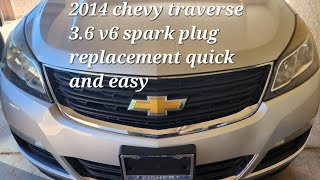
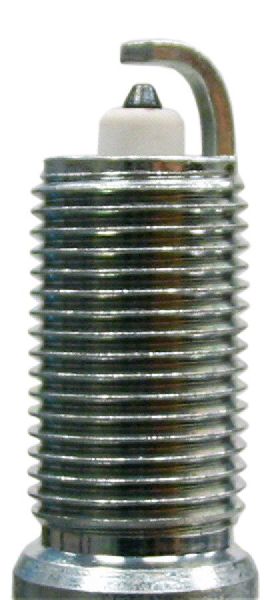
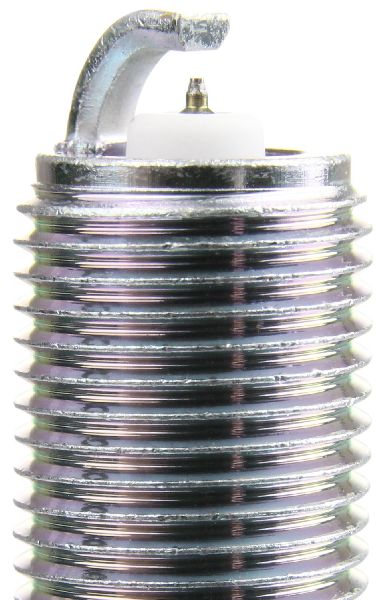
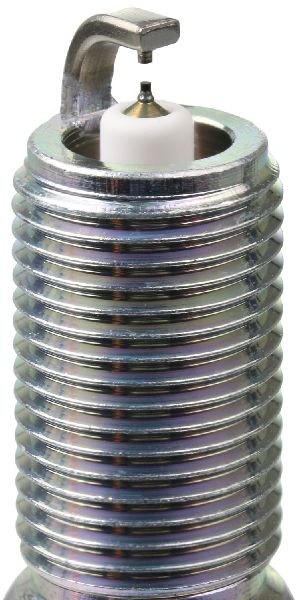
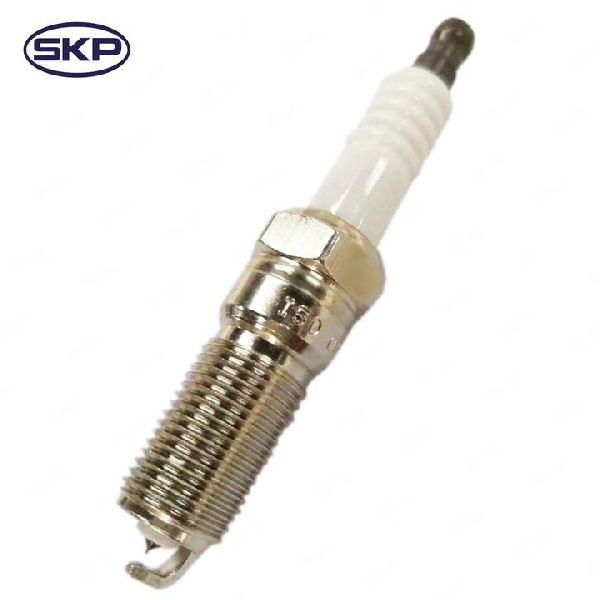
Typical fix: Replace the spark plug. Given the labor involved to access the rear bank, it is best practice to replace all six spark plugs at once using the specified Iridium plugs (e.g., ACDelco 41-109).
Est. part cost: $10-$25 per plug - Clogged or Faulty Fuel Injector / Wiring 🟡 Medium Probability As a direct injection engine, carbon can build up on injector tips. More commonly, the wiring harness leading to the injectors can chafe against engine brackets or the shock tower, causing an electrical fault. GM issued TSB #PIP4924D specifically for this chafing issue, which can cause injector circuit codes (like P0203) and the resulting P0303 misfire.
How to confirm: Listen for the injector's clicking sound with a mechanic's stethoscope. Test the injector's resistance with a multimeter. Carefully inspect the fuel injector wiring harness where it wraps around the driver's side of the engine bay for visible damage, as noted in TSB #PIP4924D.
Typical fix: If the harness is chafed, repair the damaged wires and secure the harness away from the contact point using sleeves and zip ties. If the injector itself is faulty, it must be replaced. This also requires removing the intake manifold.
Est. part cost: $50-$120 per injector
Rare But Worth Checking
- Carbon Buildup on Intake Valves: This is a very common issue on all direct-injection (DI) engines, including the LLT V6. Since fuel is injected directly into the cylinder, it no longer washes over the intake valves, allowing oil vapor and carbon to bake onto them. This restricts airflow and causes misfires, especially on cold starts. GM issued TSB PIP5029D regarding this issue. The fix involves media blasting the valves (e.g., with walnut shells) after removing the intake manifold.
- Stretched Timing Chain: Early 3.6L LLT engines (especially 2009 models) were known for premature timing chain stretching, which can alter cam timing enough to cause misfires. This is often accompanied by other codes like P0008, P0016, or P0017. GM issued special coverage (#11340C, later #14582) for 2009 models, extending the warranty for this repair. This is a very complex and expensive repair, often costing over $2,000.
- Low Engine Compression: A mechanical engine problem like a burnt exhaust valve or worn piston rings can cause a lack of compression, leading to a persistent misfire on one cylinder. A compression test will confirm this. In rare cases on the 3.6L engine, a porous cylinder head can allow oil or coolant to leak into the spark plug tube, fouling the plug and causing a misfire, as documented in TSB PIP5095G. This requires cylinder head replacement.
Diagnosis Steps
- Read the trouble codes with an OBD-II scanner and check the freeze frame data to see the engine conditions when the misfire occurred.
- Identify cylinder 3 as the middle cylinder on the rear bank, against the firewall.
- To identify the faulty ignition component, swap the ignition coil from cylinder 3 with a coil from an easily accessible cylinder on the front bank (e.g., cylinder 2).
- Clear the codes, start the engine, and see if the misfire code moves to the new cylinder (e.g., P0302). If it does, the ignition coil is the problem.
- If the code remains P0303, perform the same swap test with the spark plug.
- If ignition components are good, inspect the fuel injector wiring harness for any signs of chafing or damage, particularly where it wraps around the driver's side shock tower and engine brackets, per TSB PIP4924D.
- If the wiring is intact, listen for a consistent clicking sound from the injector with a mechanic's stethoscope.
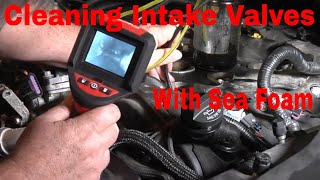
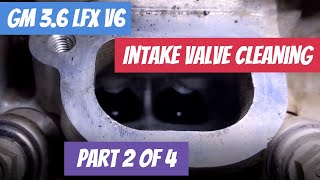
- If the misfire persists, especially on cold starts, suspect carbon buildup on the intake valves. This requires removing the intake manifold for inspection. 🎬 See how to perform a professional intake valve cleaning.
- As a final step for a persistent misfire, perform an engine compression test on cylinder 3 to check for mechanical engine problems like a bad valve or piston rings.
Parts You'll Likely Need
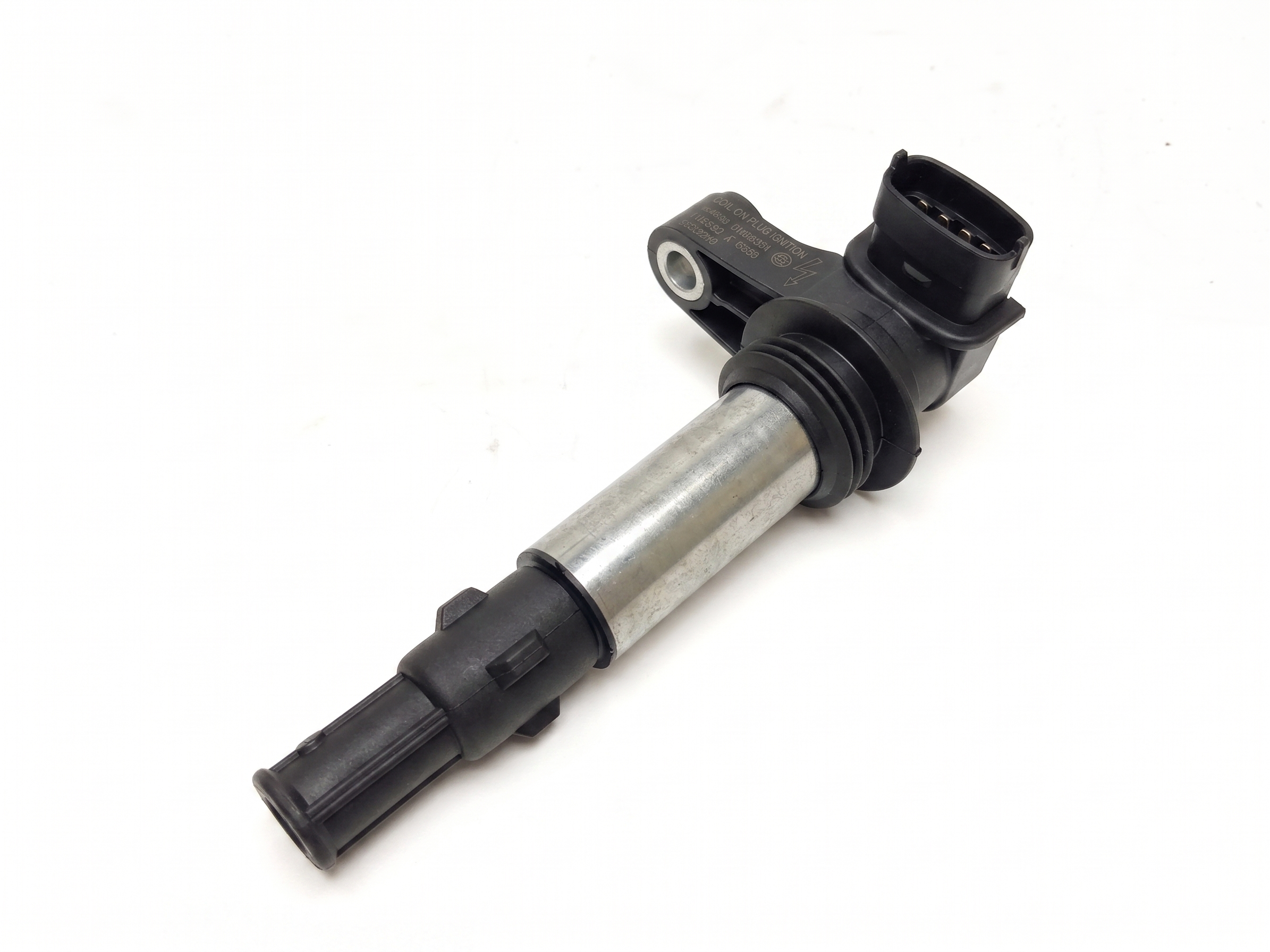
- Ignition Coil
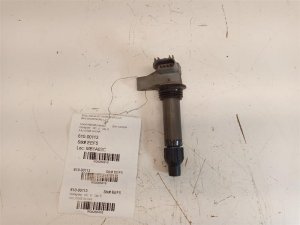
(OEM #12632479 (Supersedes 12610626))— This is the most frequent cause of a P0303 misfire on the 3.6L V6 due to high failure rates from heat exposure.
Trusted brands: ACDelco, Delphi, NGK
OEM price range: $50-$80
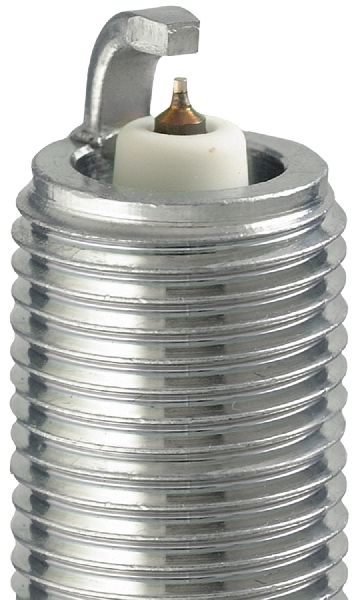
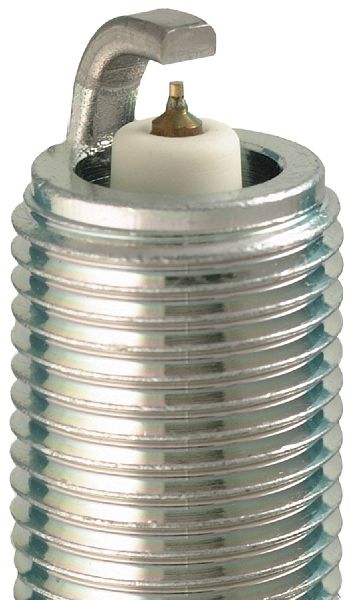
Aftermarket price range: $30-$60 - Spark Plug
(OEM #41-109 (ACDelco Iridium))— Spark plugs are a routine maintenance item and can become worn or fouled, causing a weak spark and misfires. They are typically replaced along with the ignition coils.
Trusted brands: ACDelco (Iridium), NGK (Iridium)
OEM price range: $15-$25
Aftermarket price range: $10-$20 - Intake Manifold Gasket Set
(OEM #12607449 (Upper))— Required for any repair that involves removing the upper intake manifold, such as replacing rear bank ignition coils, fuel injectors, or cleaning carbon from valves. These are single-use gaskets and must be replaced.
Trusted brands: ACDelco, Fel-Pro
OEM price range: $40-$60
Aftermarket price range: $20-$40
Related Codes That Often Appear With This One
- P0300 — If the condition causing the misfire on cylinder 3 is also affecting other cylinders intermittently (e.g., carbon buildup, low fuel pressure), a P0300 (Random/Multiple Misfire Detected) code may also be present.
- P0301, P0305 — Cylinders 1, 3, and 5 are on the same bank (Bank 1, firewall side). A problem affecting the whole bank, like a vacuum leak at the intake manifold or a wiring harness issue, could cause misfires on multiple cylinders on that bank.
- P0203 — This code indicates an electrical fault in the cylinder 3 injector circuit. It is often caused by a chafed wiring harness as described in TSB PIP4924D and will almost always be accompanied by a P0303 misfire code.
- P0008, P0017 — These codes indicate a correlation problem between the crankshaft and camshafts on Bank 1, and are a strong indicator of a stretched timing chain, which is a known cause of misfires on the LLT engine.
Technical Service Bulletins (TSBs) & Recalls
- Addresses engine misfires accompanied by injector circuit codes (P0201-P0206). Instructs technicians to inspect the fuel injector wiring harness for chafing against engine components, particularly the shock tower or brackets, and to repair/reroute the harness as needed.
- Concerns engine misfires (P0300-P0306) on direct injection engines. Identifies heavy carbon deposits on the intake valves as a primary cause, especially for cold start misfires. The recommended repair is intake valve cleaning (media blasting).
- Special Coverage program extending the warranty for premature timing chain wear on certain 2009 models (and others). Covers the replacement of stretched timing chains that cause codes like P0008, P0017, and associated misfires.
- Documents a rare but serious issue where a porous cylinder head can allow oil or coolant to seep into the spark plug tube, causing persistent misfires. The only fix is cylinder head replacement.
- Bulletin #PIP5038B: Provides guidance for technicians encountering codes P0300 through P0306 in conjunction with ignition coil circuit codes P0351 through P0356, directing them to follow specific published Service Information diagnostics.
Platform-Specific Known Issues
- Rear Bank Access is Difficult: Cylinder 3 is on the rear bank against the firewall. To access the coil and plug, the entire upper intake manifold must be removed. This turns a simple ignition job into a multi-hour repair, which is why most shops and experienced DIYers recommend replacing all three rear coils, all six spark plugs, and the intake gaskets at the same time to avoid paying for the same labor twice.
- Injector Harness Chafing: A well-documented issue covered in TSB PIP4924D involves the fuel injector wiring harness rubbing against an engine bracket or the driver's side shock tower. This can wear through the insulation and cause a short or open in the injector circuit for cylinder 3 (and others), triggering a P0203 and P0303. The repair involves inspecting the harness, repairing the wires, and re-routing or protecting it to prevent future contact.
- Carbon Buildup Misfires: As a direct-injection engine, the LLT is highly susceptible to carbon deposits on the intake valves, as fuel no longer cleans them. This can cause cold start misfires and rough idling. Owners on forums report significant improvement after a professional walnut shell blasting service, though it is an expensive maintenance item not typically covered by warranty.
- Timing Chain Stretch on Early Models: 2009 models are particularly notorious for premature timing chain wear. An owner with a P0303 code, especially if accompanied by P0008 or a startup rattle, should investigate the timing chain status. GM extended the warranty for this issue on many vehicles, but that coverage may now be expired due to age/mileage.
Mechanic-Grade Diagnostic Values
- Fuel Injector Coil Resistance (2009-2012 LLT Engine) — expected: 11.8 - 12.6 Ohms. Failure: A reading of OL (open circuit), near 0 Ohms (short circuit), or significantly outside the expected range indicates a failed injector.
- Fuel Injector Coil Resistance (2013-2017 LFX Engine) — expected: 1.2 - 1.8 Ohms. Failure: A reading outside this very narrow range indicates a failed injector. Note: This value is much lower than the LLT engine's; using the wrong spec will lead to misdiagnosis.
- Ignition Coil Primary Winding Resistance — expected: 0.4 - 2.0 Ohms (general spec). Failure: A reading of infinity (open circuit) or near zero (short circuit).
- Low-Side Fuel Pressure (Key On, Engine Off) — expected: 345-414 kPa (50-60 psi). Failure: Pressure below this range could indicate a weak in-tank fuel pump. Pressure should not drop more than 34 kPa (5 psi) in one minute after the pump shuts off.
- Injector Pulse Width (Live Data at warm idle) — expected: 2.0 - 4.0 milliseconds (ms). Failure: A value of 0 ms on the cylinder 3 data PID while other cylinders are pulsing normally indicates the ECM has shut down the injector due to a detected electrical fault.
Hidden / Shadow Codes Worth Checking
- Mode $06 Misfire Counters: The ECM tracks misfire events for each cylinder over the current and previous 10 driving cycles, even if they aren't frequent enough to set a P030x code. A high count for cylinder 3 can confirm an intermittent misfire before the Check Engine Light is consistently on. (see via A professional OBD-II scanner with Mode $06 data capability.)
Scan Tool Commands That Help
- GDS2 (GM Global Diagnostic System 2) or equivalent: Cylinder Power Balance Test — To definitively confirm a non-contributing cylinder after ignition component swaps are inconclusive. The tool disables one fuel injector at a time and measures the RPM drop. If disabling cylinder 3 causes little or no RPM drop, it confirms the misfire is isolated to that cylinder.
- GDS2 or AFIT (Active Fuel Injector Tester): Fuel Injector Balance Test — To diagnose a suspected clogged or leaking fuel injector. The tool commands the injector to fire and measures the corresponding drop in fuel rail pressure. A pressure drop for cylinder 3 that is significantly different from the others indicates a faulty injector.
- GDS2 (GM Global Diagnostic System 2): Crankshaft Position Variation Learn — This procedure should be performed after major engine work like a timing chain replacement. It recalibrates the ECM's ability to accurately detect misfires, preventing false P0303 codes.
Wiring & Ground Locations
- G110 — On the right rear of the engine, mounted to the back of the cylinder head (Bank 1, firewall side).. A poor ground at this location can cause erratic behavior for multiple components controlled by the ECM on Bank 1, potentially leading to misfire codes or communication issues.
- G112 — Rear of engine, mounted to the rear of the cylinder head (firewall side).. This is a primary ground point for Bank 1 ignition control. A loose or corroded G112 can directly cause weak spark and misfires on cylinders 1, 3, and 5.
- Injector Wiring Harness Chafe Point — The harness for the rear bank (Bank 1) is known to rub against the intake plenum, valve cover bolts, fuel lines, and the side of the cylinder head.. This is the issue described in TSB #PIP4924D. A wire chafing through its insulation can cause a short or open circuit for the cylinder 3 injector, triggering P0203 and a corresponding P0303 misfire. This should be a primary visual inspection point.
- Cylinder 3 Injector Control Circuit — At the ECM connector X2. The specific pins depend on the model year and ECM (Bosch vs. Delphi).. This is the location to perform resistance and continuity checks on the injector circuit from the ECM side, which can help determine if a fault is in the wiring harness or the injector itself without first removing the intake manifold.
Real Owner Repair Stories
- traverseforum.com user (2011 Chevrolet Traverse) — Check engine light with codes P0300, P0303, P0305 (random, cylinder 3, and cylinder 5 misfires). Engine ran rough.
❌ Tried (didn't work) Initial diagnosis focused on common misfire causes like spark plugs or ignition coils.
✅ What actually fixed it The owner found the fuel injector wiring harness had chafed against a bracket on the rear of the engine near the firewall. The insulation on one wire was worn through, causing an intermittent short. Repairing the wire and protecting the harness resolved all codes. - NHTSA ODI #11289527 — An owner reported that their vehicle entered "reduced power" mode and was only able to "limp" to a dealership. Diagnostic trouble codes P0300 and P0303 were found, and the technician diagnosed the issue as minimally needing a cylinder #3 fuel injector.
OEM Part Supersession History
12610626→12632479— Updated design for improved durability and heat resistance.
Heads up: The parts are interchangeable, but it is recommended to use the newer part number for all replacements.12611545, 12632255→12638530, 12669384— Design updates for improved performance and reliability in the high-pressure, high-heat GDI environment.
Heads up: While multiple part numbers may fit, it's critical to match the injector to the correct engine (LLT vs LFX) due to the significant difference in electrical resistance.
Model Year Variations Within This Range
- 2009-2012: These models are more prone to premature timing chain stretching, which can be a root cause of misfire codes. They use high-impedance (~12 Ohm) fuel injectors.
- 2013-2017: While still using a 3.6L V6, some later models may have incorporated design updates from the LFX engine, such as low-impedance (~1.5 Ohm) fuel injectors. It is critical to verify the correct injector specification for the specific vehicle, as they are not interchangeable.
Diagnostic Flowchart
Other Known Issues on This Vehicle
Issues unrelated to this code that are worth knowing about as an owner of this generation:
- Premature Timing Chain Stretch 🔴 High — Very common on 2009-2012 models, often appearing between 70,000 and 120,000 miles. Less frequent on later models but still possible. Exacerbated by extended oil change intervals. (Ref: Special Coverage #11340C / #14582 extended warranty coverage for this specific issue on early models.)
- Power Steering Pump Failure / Leaks 🔴 High — Common on 2009-2012 models, leading to whining noises and sudden loss of power assist at low speeds. (Ref: Special Coverage #14329 covered replacement for 10 years/150,000 miles on affected models.)
- Water Pump Failure 🟠 Medium — Prone to failure, often signaled by a coolant leak from the weight hole at the front of the engine or a whining noise. Can occur around 100,000 miles.
- Excessive Oil Consumption 🟠 Medium — More prevalent on earlier models (2009-2011), often attributed to PCV system issues or worn piston rings. (Ref: TSB #010601011L was issued to address this.)
- Reduced Engine Power (Throttle Body) 🟠 Medium — The vehicle may suddenly enter 'limp mode' with a 'Reduced Engine Power' message on the dash, often caused by a faulty throttle position sensor within the throttle body. (Ref: Special Coverage #14582 addressed this for some vehicles.)
Used vs. New Parts: Buying Guide for This Vehicle
When a used part is the smart pick: Used parts are generally not recommended for the primary causes of a P0303 code on this vehicle. However, a used intake manifold from a low-mileage donor could be a cost-effective option if the original is cracked or damaged during repair.
Donor-vehicle mileage cap: roughly under 80000 miles for the part to have meaningful remaining life.
What to inspect on the donor part:
- For an intake manifold, check for cracks, especially around mounting points and seams.
- Ensure all threaded inserts are intact and not stripped.
- Verify the part is from the same engine type (LLT) to ensure sensor ports and vacuum connections match.
OEM-only on this vehicle (don't cheap out):
- Timing Chain Kit: Due to the high failure rate of early chains, using OEM or a top-tier OEM-supplier kit with the latest design updates is critical for longevity.
- High-Pressure Fuel Pump: Aftermarket HPFPs for this engine have a poor reputation; sticking with an OEM ACDelco pump is strongly advised to prevent repeat failures.
Aftermarket brands forum-validated for this vehicle:
- Ignition Coils: Delphi, NGK, Denso
- Spark Plugs: NGK (Iridium), ACDelco (Iridium)
- Intake Gaskets: Fel-Pro
Brands owners have reported issues with on this vehicle:
- No-name or unbranded ignition coils and fuel injectors from online marketplaces. These often have high failure rates and may not meet OEM specifications, leading to persistent issues.
Real Owner Stories
Aggregated from forums and TSBs cited above. Mileages and costs reflect what owners reported in those sources.
2017 Chevrolet Traverse 3.6L V6
Symptoms: Flashing check engine light, traction control light illuminated, and a 'reduced engine power' message appeared on the dash.
What fixed it: The owner discussion highlights the urgency of addressing the misfire, typically requiring ignition component replacement or addressing the 'reduced power' trigger.
Source hint: Chevrolet Forum - P0303 Flashing CEL and Reduced Power
2009 Chevrolet Traverse 3.6L V6
Symptoms: Engine misfire codes accompanied by a P0008 code and a rattle heard during engine startup.
What fixed it: Replacement of stretched timing chains under GM Special Coverage 11340C / 14582.
Source hint: TSB 11340C / 14582 and Vehicle Specific Issues
2012 Chevrolet Traverse 3.6L V6 — ~100000 miles
Symptoms: Misfire codes P0201-P0206 and P0303; electrical faults in the injector circuit.
What fixed it: Inspected the fuel injector wiring harness near the driver's side shock tower, repaired chafed wires, and secured the harness with sleeves and zip ties.
Source hint: TSB #PIP4924D
2012 Chevrolet Traverse 3.6L V6
Symptoms: The vehicle experienced "reduced power" and was forced to "limp" to a dealership with fault codes P0300 and P0303 present.
What fixed it: Technicians diagnosed the engine as "minimally needing cylinder #3 fuel injector."
Source hint: NHTSA ODI #11289527
Related OBD-II Codes
Frequently Asked Questions
Where is cylinder 3 located on my 2009-2017 Chevrolet Traverse 3.6L V6?
My 2017 Traverse is showing a flashing Check Engine Light and 'Reduced Engine Power' mode. Is this related to P0303?
Is there a specific TSB for wiring issues causing a P0303 on the LLT engine?
I have a 2009 Traverse with P0303 and P0008. Could this be the timing chain?
Why do mechanics recommend replacing all six spark plugs when only cylinder 3 is misfiring?
Can carbon buildup cause a P0303 code on my direct-injection Traverse?
Helpful Videos
Used OEM Parts in Stock


New Aftermarket Parts Available

The information in this article is provided for general reference and educational purposes only. Vehicle specifications, procedures, and part compatibility can vary by production date, trim level, and region. Always consult your vehicle's factory service manual and verify part numbers before purchasing or performing repairs. Safety-critical components such as airbags, seat belts, and braking systems should be installed by a qualified professional.
- Chevrolet Traverse:
- 🎬 Helpful Videos
- 🛍️ Shop This Part
- What's Unique About the 2009-2017 Chevrolet Traverse
- Symptoms You May Notice
- Most Likely Causes
- Rare But Worth Checking
- Diagnosis Steps
- Parts You'll Likely Need
- Related Codes That Often Appear With This One
- Technical Service Bulletins (TSBs) & Recalls
- Platform-Specific Known Issues
- Mechanic-Grade Diagnostic Values
- Hidden / Shadow Codes Worth Checking
- Scan Tool Commands That Help
- Wiring & Ground Locations
- Real Owner Repair Stories
- OEM Part Supersession History
- Model Year Variations Within This Range
- Diagnostic Flowchart
- Other Known Issues on This Vehicle
- Used vs. New Parts: Buying Guide for This Vehicle
- Real Owner Stories
- 2017 Chevrolet Traverse 3.6L V6
- 2009 Chevrolet Traverse 3.6L V6
- 2012 Chevrolet Traverse 3.6L V6 — ~100000 miles
- 2012 Chevrolet Traverse 3.6L V6
- Related OBD-II Codes
- Frequently Asked Questions
- 🎟️ Get 5% Off