

P0302 on 2013-2019 Ford Escape 1.5L: Cylinder 2 Misfire Causes and Fixes
On a 2017-2019 Ford Escape with the 1.5L EcoBoost engine, code P0302 is a major warning sign. It's frequently caused by a serious design flaw where coolant leaks into the cylinders. This requires replacing the engine's short block, a repair covered by Ford's Customer Satisfaction Program 21N12 for up to 7 years/84,000 miles. While it could be a simple spark plug or coil, you must first rule out coolant intrusion to avoid catastrophic engine failure.
- P0302 on a 1.5L EcoBoost Escape is not a typical misfire code; it is a critical warning of potential engine failure.
- The most probable cause is a known engine design flaw leading to coolant leaking into cylinder 2.
- Your first diagnostic step should be to check the coolant level. If it's low without an obvious leak, stop driving the vehicle.
- Do not waste money on repeated spark plug or coil replacements without ruling out coolant intrusion.
- The only permanent fix for the coolant intrusion issue is a redesigned engine short block from Ford.
What's Unique About the 2013-2019 Ford Escape
The 1.5L EcoBoost engine used in 2017-2019 Escapes has a well-documented, critical design flaw. The original open-deck engine block has slits between the cylinders that can warp or crack, compromising the head gasket seal. This allows engine coolant to leak directly into the combustion chamber, most commonly affecting cylinders 2 and 3, causing misfires like P0302. This issue is so prevalent that Ford issued multiple Technical Service Bulletins (TSBs) and Customer Satisfaction Program 21N12 to address it by replacing the engine short block with a redesigned part. The same issue affects the 2014-2019 Ford Fusion with the same engine.
Symptoms You May Notice
- Rough or shaking idle, especially on cold start
- Flashing or solid Check Engine Light
- Noticeable loss of power and acceleration
- Engine hesitation or stumbling
- White, sweet-smelling smoke from the exhaust, especially on startup
- Unexplained and recurring low coolant level in the reservoir with no visible external leaks
- Engine running in a rough condition
- Engine temperature gauge rising or overheating warnings
- Replacing only the spark plugs and ignition coils. While these parts can fail, on this engine they are often just symptoms of the larger coolant intrusion problem. If the misfire returns quickly, especially with coolant loss, suspect the engine block issue.
Most Likely Causes
- Engine Coolant Intrusion 🔴 High Probability A design flaw in the original open-deck engine block allows the deck surface to warp or crack between cylinders, breaking the head gasket seal and letting coolant enter the combustion chamber. This is a widely documented failure specific to this engine family, addressed by Ford TSB 19-2139 and TSB 22-2134.
How to confirm: Check for a constantly dropping coolant level without external leaks. Look for white exhaust smoke. A mechanic can use a borescope to look for coolant pooled on top of the piston in cylinder 2. A cooling system pressure test can also confirm an internal leak; pressurize the system to 21 PSI and let it sit for several hours to see if coolant seeps into the cylinder. A DIY method involves pressurizing the cooling system, removing the #2 spark plug, placing a white paper towel over the hole, and cranking the engine to see if coolant splatters onto the paper.
Typical fix: The only permanent fix is to replace the engine short block with the redesigned version (which has smaller passages between cylinders) as outlined in Ford's TSBs and Customer Satisfaction Program 21N12. Simply replacing the head gasket will not solve the problem.
Est. part cost: $2000-$4000 for a short block assembly. May be covered free of charge under Ford Program 21N12 if the vehicle is within 7 years/84,000 miles of its warranty start date. - Faulty Ignition Coil 🟡 Medium Probability
How to confirm: Swap the ignition coil from cylinder 2 with another cylinder (e.g., cylinder 3). Clear the codes and run the engine. If the code changes to P0303, the ignition coil is faulty. This is a standard diagnostic step. [OWNER COMPLAINT ODI #11608497]
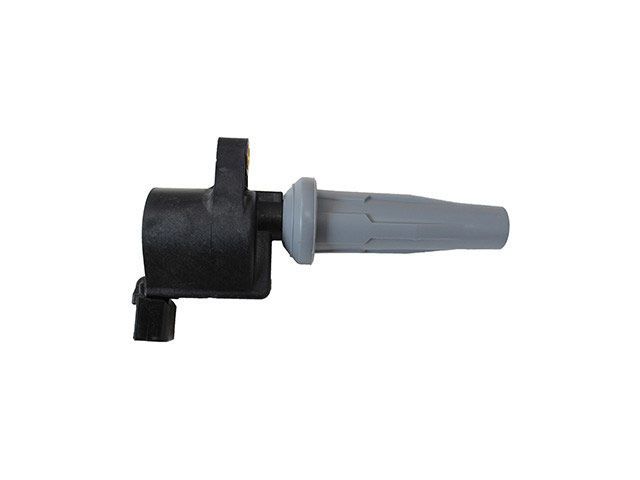
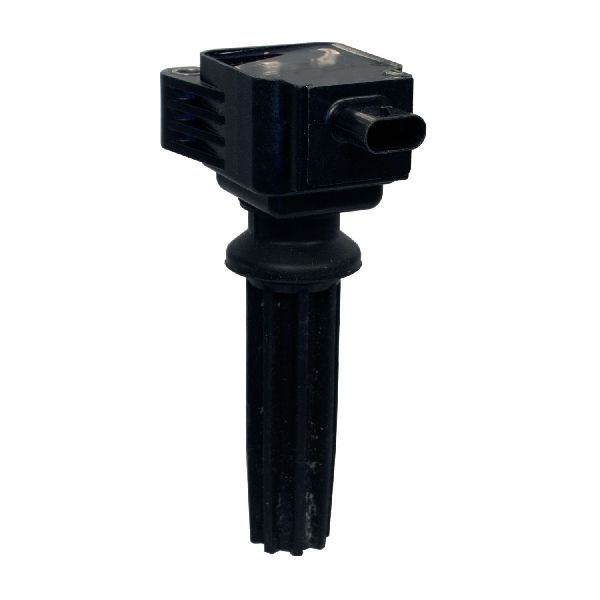
Typical fix: Replace the faulty ignition coil. The OEM part number is often listed as DS7Z-12029-B.
Est. part cost: $40-$90 - Worn or Fouled Spark Plug 🟡 Medium Probability In this engine, the spark plug is often not the root cause but a secondary failure, fouled by coolant leaking into the cylinder. A coolant-washed spark plug will appear very clean or have white/greenish deposits.
How to confirm: Remove the spark plug from cylinder 2 and inspect it. Look for excessive wear, carbon buildup, or signs of wetness/coolant contamination (a sweet smell or a steam-cleaned appearance).
Typical fix: Replace the spark plug. If it was coolant-fouled, the root cause of the coolant leak must be addressed immediately.
Est. part cost: $10-$25 - Clogged or Faulty Fuel Injector ⚪ Low Probability
How to confirm: Requires specialized tools to test flow rate and spray pattern. Can also be swapped with another cylinder's injector to see if the misfire follows, though this is more labor-intensive than swapping a coil.
Typical fix: Clean or replace the faulty fuel injector.
Est. part cost: $70-$150
Rare But Worth Checking
- Leaking Head Gasket: While a leaking head gasket is the direct cause of coolant intrusion, it's a symptom of the warped engine block deck, not the root cause. Replacing only the head gasket will not permanently fix the problem as the underlying block flaw remains.
- Cracked Flexplate: One owner complaint noted a flexplate replacement was needed in addition to the engine work. TSB 20-2100 also advises inspecting the flexplate during the short block replacement. [OWNER COMPLAINT ODI #11322007]
Diagnosis Steps
- Check the coolant reservoir. If it is low, and there are no visible external leaks, immediately suspect internal coolant intrusion.
- Check the oil dipstick and oil cap for a milky, frothy appearance, which indicates coolant has mixed with the oil. [OWNER COMPLAINT ODI #11641097]
- Scan for any other DTCs. Codes like P0316 are a strong indicator of this platform's specific issue.
- If no obvious coolant loss is present, perform a basic ignition system check. Swap the ignition coil from cylinder 2 to another cylinder. If the misfire code moves, the coil is bad.
- If the misfire remains on cylinder 2, remove and inspect the spark plug for wear, damage, or coolant fouling (will look unusually clean or have white deposits).
- If the plug and coil are good, a professional diagnosis is required. This involves a cooling system pressure test to check for internal leaks and using a borescope to visually inspect inside the cylinder for pooled coolant.
- If coolant is found in the cylinder, the engine short block needs to be replaced according to Ford's TSBs. Check eligibility for Customer Satisfaction Program 21N12 with a Ford dealer.
Parts You'll Likely Need
- Engine Short Block Assembly (Redesigned)
(OEM #DS7Z-6009-J (supersedes DS7Z-6009-G))— This is the official, permanent repair for the coolant intrusion design flaw, as it's a redesigned part that prevents the failure from reoccurring.
Trusted brands: Motorcraft
OEM price range: $2500-$4000 - Ignition Coil
(OEM #DS7Z-12029-B)— A common failure point for any misfire code. It's a primary suspect if coolant intrusion is ruled out. It is also listed as a potential replacement part during the short block TSB.
Trusted brands: Motorcraft, NGK, Bosch
OEM price range: $60-$90
Aftermarket price range: $40-$70 - Spark Plug
(OEM #SP-537 (Motorcraft))— A routine maintenance item and a common cause of misfires. It can also be fouled by leaking coolant, indicating the more severe engine problem.
Trusted brands: Motorcraft, NGK
OEM price range: $15-$25
Aftermarket price range: $10-$20
Related Codes That Often Appear With This One
- P0316 — Misfire Detected on Startup (First 1000 Revolutions). This code is frequently seen with P0302 because the coolant that has leaked into the cylinder overnight causes an immediate misfire when the engine is first started. It is explicitly listed in TSB 19-2139 and Customer Satisfaction Program 21N12. [1, 13, OWNER COMPLAINT ODI #11608497]
- P0300 — Random Misfire Detected. If the coolant intrusion is severe or affects multiple cylinders, the PCM may log a random misfire code in addition to the specific cylinder code. This is also listed in the relevant TSBs.
- P0301, P0303, P0304 — Misfire codes for other cylinders. The design flaw often causes leaks between cylinders (especially 2 and 3), so it's common to see misfires on adjacent cylinders as well.
Technical Service Bulletins (TSBs) & Recalls
- TSB 22-2322: The most current bulletin detailing the diagnostic and repair procedure, which involves replacing the short block. It supersedes several previous TSBs.
- Customer Satisfaction Program 21N12: A Ford program extending warranty coverage for the coolant intrusion issue to 7 years or 84,000 miles, providing a one-time, no-cost short block replacement if criteria are met.
- Customer Satisfaction Program 19B37: A prerequisite for 21N12, this program involved a PCM reprogram to improve engine cooling logic.
- TSB 20-2100 / 19-2375: Earlier versions of the bulletin that also describe the coolant intrusion problem and short block replacement fix.
Platform-Specific Known Issues
- Coolant Intrusion due to Engine Block Design: The primary issue for this engine is a design flaw where the open-deck block allows coolant to seep into the cylinders, causing misfires. The only fix is a redesigned short block.
- Customer Satisfaction Program 21N12: Ford acknowledged the issue and offers a one-time short block replacement for affected vehicles within 7 years or 84,000 miles of the warranty start date.
- Misdiagnosis Risk: A common mistake is to replace only the spark plugs and coils without checking for coolant intrusion, leading to a recurring P0302 code and wasted money.
Mechanic-Grade Diagnostic Values
- Low-Side Fuel Pressure (KOEO - Key On, Engine Off) — expected: ~80-95 PSI. Failure: Significantly lower pressure indicates a weak in-tank fuel pump.
- High-Side Fuel Pressure (Cranking) — expected: Should build to over 1,500 PSI. Failure: Failure to build pressure can indicate a faulty high-pressure fuel pump (HPFP).
- Cooling System Pressure Test — expected: Hold 21 PSI with minimal drop over several hours.. Failure: A steady drop in pressure with no external leaks points to an internal leak, likely into a cylinder.
- Battery Charging Voltage (Engine Running) — expected: 13.8 V to 14.7 V. Failure: Low or erratic voltage can indicate alternator or grounding issues, which can cause phantom PCM codes.
Scan Tool Commands That Help
- Ford IDS (Integrated Diagnostic System): Power Balance Test — This function graphically displays the power contribution of each cylinder in real-time. For a P0302, it will visually confirm that cylinder #2 is not contributing power, helping to isolate the issue without swapping components.
- Ford IDS (Integrated Diagnostic System): Relative Compression Test — This test uses the starter motor current draw to infer the relative compression of each cylinder. It's a quick, non-invasive way to check for a major mechanical issue (like a cylinder full of coolant) before performing a manual compression test.
Wiring & Ground Locations
- Ignition Coil Ground — A small ground wire with a 10mm nut that pigtails off the ignition coil harness, located on a metal stud on the back of the valve cover, between coils 2 and 3.. This is the primary ground for the ignition coil pack. If it's loose or corroded, it can cause misfires on multiple cylinders (P0351, P0352, etc.) or a single cylinder. It is often forgotten or left loose after valve cover work.
- Main Engine Ground (G104) — Located on the driver's side frame rail/shock tower area, below the airbox. The main negative battery cable connects here.. A loose or corroded main ground can cause a host of bizarre electrical issues, including random PCM de-energizing codes and misfires that are difficult to trace. This ground is often disturbed during battery replacement.
- PCM Connector C175B — This is one of the main multi-pin connectors on the Powertrain Control Module (PCM).. Technicians may need to back-probe pins at this connector to test the trigger signal from the PCM to the cylinder 2 ignition coil or fuel injector, verifying the PCM driver is functioning correctly.
Real Owner Repair Stories
- Reddit user in r/fordescape (2018 Ford Escape, 122,000 miles) — Check Engine Light (MIL) came on, coolant reservoir was below the minimum line.
❌ Tried (didn't work) The owner did not report trying any fixes before going to the dealer.
✅ What actually fixed it The dealership diagnosed coolant intrusion. Despite the vehicle being over the 84,000-mile limit for Customer Satisfaction Program 21N12, Ford covered the short block engine replacement under the TSB. - YouTube channel 'Ford Boss Me' (2019 Ford Escape, 16,000 miles) — P0302 (Cylinder 2 Misfire) and P0316 (Misfire on Startup).
✅ What actually fixed it A borescope inspection confirmed a large amount of coolant pooled on top of the piston in cylinder 2. The definitive fix was identified as a short block replacement due to the known coolant intrusion design flaw.
OEM Part Supersession History
DS7Z-6009-G (and earlier versions)→DS7Z-6009-J (and other revisions)— The original engine block design had a long, thin slit for coolant to pass between the cylinders. The revised block replaces this slit with small, drilled 'pinhole' passages, creating a much larger and more stable surface area for the head gasket to seal against, preventing coolant intrusion.
Model Year Variations Within This Range
- 2017-2019: The 1.5L EcoBoost I4 engine, which is prone to the coolant intrusion issue, replaced the 1.6L EcoBoost starting with the 2017 model year facelift for the Escape. Vehicles built on or before April 8, 2019, are specifically mentioned in Ford's service actions for this problem.
Diagnostic Flowchart
Other Known Issues on This Vehicle
Issues unrelated to this code that are worth knowing about as an owner of this generation:
- 6F35 Automatic Transmission Failures 🔴 High — Widespread reports of shuddering, hesitation, slipping, and premature failure, sometimes before 100,000 miles. Subject of multiple class-action lawsuits.
- Panoramic Sunroof Leaks or Separation 🟠 Medium — Improper bonding of the glass panel can lead to water leaks, wind noise, or in some cases, the entire panel detaching from the vehicle while driving. (Ref: Recall 16S35 / NHTSA 16V695)
- Coolant Bypass Solenoid Failure (P26B7) 🟡 Low — A common failure causing a check engine light. The part is relatively inexpensive and simple to replace compared to other engine issues.
Used vs. New Parts: Buying Guide for This Vehicle
When a used part is the smart pick: For this specific P0302 cause (coolant intrusion), buying a used engine is extremely high-risk and generally not recommended. If you must, it should ONLY be an engine confirmed to be the revised short block design (Part No. DS7Z-6009-J or later). Used ignition coils and fuel injectors from a low-mileage donor are acceptable.
Donor-vehicle mileage cap: roughly under 50000 miles for the part to have meaningful remaining life.
What to inspect on the donor part:
- For a used engine, demand proof of the part number on the block itself. Do not trust verbal confirmation.
- Check service history (e.g., CarFax) of the donor vehicle for any mention of overheating or coolant-related repairs.
- Inspect the oil fill cap and dipstick on the donor engine for any signs of a milky, coolant-contaminated residue.
- For smaller parts like coils, look for OEM markings (e.g., 'FoMoCo') as a sign of quality over cheap aftermarket replacements.
OEM-only on this vehicle (don't cheap out):
- Engine Short Block: This is the most critical part. Only a new, OEM redesigned short block (Motorcraft) provides a permanent fix for the coolant intrusion flaw. A used block of the original design will fail again.
Aftermarket brands forum-validated for this vehicle:
- Ignition Coils: Motorcraft (OEM), NGK, Bosch.
- Spark Plugs: Motorcraft (OEM), NGK Iridium (e.g., 95605).
Brands owners have reported issues with on this vehicle:
- Unbranded/generic ignition coil multi-packs from online marketplaces have a high failure rate, with some owners reporting failures within days of installation.
Real Owner Stories
Aggregated from forums and TSBs cited above. Mileages and costs reflect what owners reported in those sources.
2019 Ford Escape 1.5L EcoBoost — 9000 miles
Symptoms: Owner noticed unexplained coolant loss.
What fixed it: Short block replacement under warranty.
Source hint: https://bobistheoilguy.com/forums/threads/2019-1-5l-escape-engine-replaced-under-warranty.330681/
2014-2019 Ford Escape 1.5L EcoBoost — 48000 miles
Symptoms: Check engine light followed by a diagnosis that the engine was effectively totaled due to the block design flaw.
What fixed it: Short block replacement (technician noted performing over 300 of these repairs).
Source hint: https://www.reddit.com/r/Ford/comments/1c8h69t/escape_with_48k_miles_totaled_after_check_engine/
Ford Fusion 1.5L EcoBoost
Symptoms: P0302 code and initial misdiagnosis where spark plugs and coils were replaced first without success.
What fixed it: Free engine replacement under Customer Satisfaction Program 21N12 after confirming coolant intrusion.
Source hint: https://www.fordfusionforum.com/topic/21063-customer-satisfaction-program-21n12-15l-coolant-intrusion/
Related OBD-II Codes
Frequently Asked Questions
Is my 2013-2019 Ford Escape 1.5L covered for engine replacement if I have a P0302 code?
Which TSB should my mechanic reference for the 1.5L EcoBoost coolant intrusion issue?
Can I just replace the head gasket to fix the P0302 misfire on my 1.5L EcoBoost?
What is the prerequisite for the 21N12 engine replacement program?
How can I confirm if my P0302 code is caused by coolant intrusion rather than a bad coil?
Is the Ford Fusion affected by the same P0302 coolant issues as the Escape?
Helpful Videos

Used OEM Parts in Stock


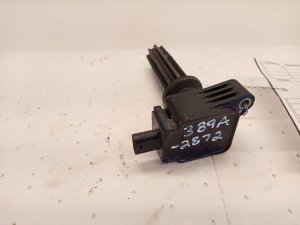
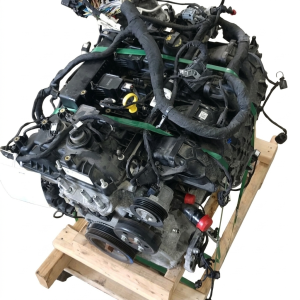
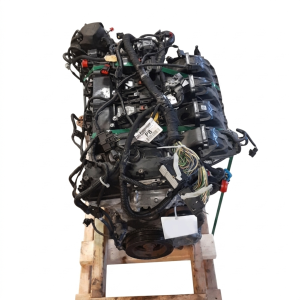
New Aftermarket Parts Available
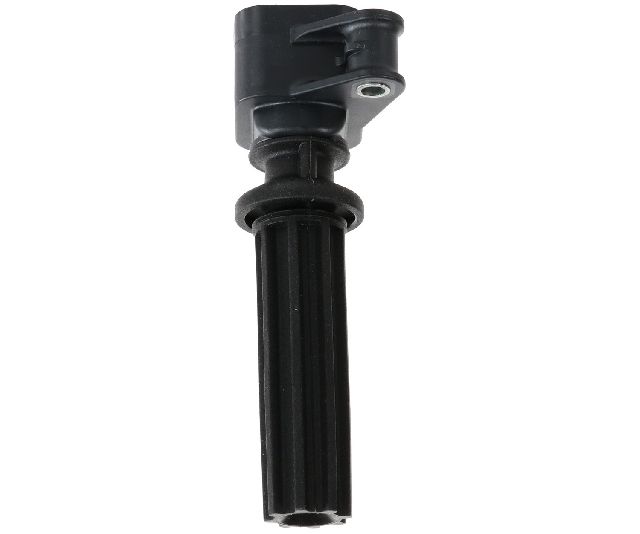
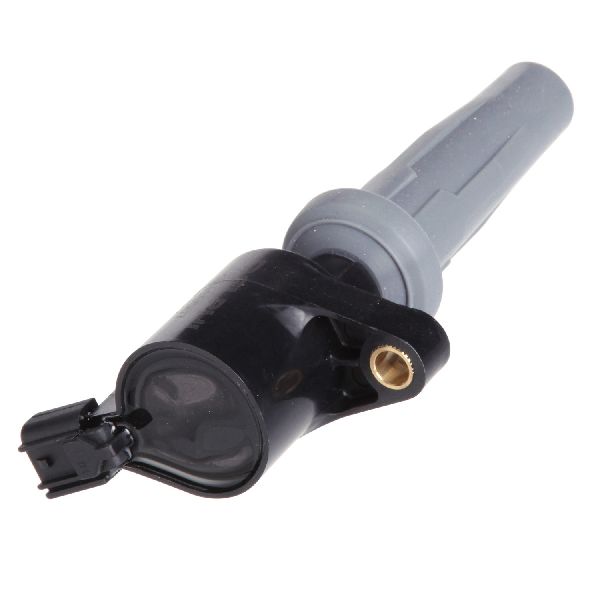

The information in this article is provided for general reference and educational purposes only. Vehicle specifications, procedures, and part compatibility can vary by production date, trim level, and region. Always consult your vehicle's factory service manual and verify part numbers before purchasing or performing repairs. Safety-critical components such as airbags, seat belts, and braking systems should be installed by a qualified professional.
- Ford Escape:
- 🎬 Helpful Videos
- 🛍️ Shop This Part
- What's Unique About the 2013-2019 Ford Escape
- Symptoms You May Notice
- Most Likely Causes
- Rare But Worth Checking
- Diagnosis Steps
- Parts You'll Likely Need
- Related Codes That Often Appear With This One
- Technical Service Bulletins (TSBs) & Recalls
- Platform-Specific Known Issues
- Mechanic-Grade Diagnostic Values
- Scan Tool Commands That Help
- Wiring & Ground Locations
- Real Owner Repair Stories
- OEM Part Supersession History
- Model Year Variations Within This Range
- Diagnostic Flowchart
- Other Known Issues on This Vehicle
- Used vs. New Parts: Buying Guide for This Vehicle
- Real Owner Stories
- 2019 Ford Escape 1.5L EcoBoost — 9000 miles
- 2014-2019 Ford Escape 1.5L EcoBoost — 48000 miles
- Ford Fusion 1.5L EcoBoost
- Related OBD-II Codes
- Frequently Asked Questions
- 🎟️ Get 5% Off