

P0301 on 2014-2018 Ford Fusion Hybrid: Cylinder 1 Misfire Causes and Fixes
P0301 on a 2014-2018 Ford Fusion Hybrid indicates a misfire in cylinder 1. While this can be caused by a simple bad spark plug or ignition coil, it is frequently a symptom of a major engine problem involving coolant leaking into the cylinder. This severe issue, caused by a known engine block design flaw, requires professional diagnosis and often results in an engine replacement.
- P0301 on a 2014-2018 Fusion Hybrid is a serious code that requires immediate attention.
- The most likely cause is a major engine defect causing coolant to leak into cylinder 1, not a simple spark plug issue.
- Check your coolant level immediately. If it's low, or if you see white exhaust smoke, it strongly points to the coolant intrusion problem.
- The official fix for coolant intrusion is an expensive engine short block or long block replacement.
- Due to the severity and cost of the most common repair, professional diagnosis is highly recommended.
What's Unique About the 2014-2018 Ford FUSION HYBRID

For the 2014-2018 Fusion Hybrid with the 2.0L Atkinson-Cycle engine, a P0301 code is a significant warning sign that should not be ignored. While standard misfire causes are possible, this platform is subject to a known issue where coolant leaks directly into the cylinders. This is often caused by a flaw in the open-deck engine block design, where a crack can form between a coolant passage and the cylinder wall. Ford has issued Technical Service Bulletins (TSBs) like 22-2322 acknowledging this problem, elevating a simple misfire code to a potentially critical engine failure scenario.
Diagnostic Flowchart
Tap your situation to follow the diagnostic path that matches what you're seeing on this vehicle.
Symptoms You May Notice
- Flashing or solid Check Engine Light
- Rough or shaky idle, especially on cold starts
- Engine hesitation or stumbling during acceleration
- Noticeable loss of power
- White smoke coming from the exhaust (a key sign of coolant being burned)
- Unexplained coolant loss (needing to top off the coolant reservoir frequently)
- Slightly sweet smell from the exhaust due to burning coolant
- Smell of unburned fuel from the exhaust
- Replacing only the spark plugs and ignition coils without checking for coolant loss. Many owners and shops assume it's a simple tune-up issue, but the misfire quickly returns because the underlying cause is the coolant intrusion fouling the new parts.
Most Likely Causes

- Engine Coolant Intrusion into Cylinder 🔴 High Probability A known design flaw in the 2.0L Atkinson-Cycle engine block can cause a crack to form between coolant passages and the cylinder wall, allowing coolant to leak in, especially as the engine cools. This is documented in Ford TSBs 22-2322 and 22-2229.
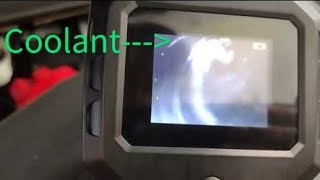
How to confirm: A mechanic will perform a cooling system pressure test to check for internal leaks. They will also use a borescope to look inside the cylinder for coolant (making the piston top appear 'steam cleaned') and check the spark plug for signs of being cleaned or having white/greenish deposits.
Typical fix: The official Ford procedure is to replace the engine long block or short block assembly with an updated part.
Est. part cost: $3000-$5000 - Faulty Ignition Coil 🟡 Medium Probability
How to confirm: Swap the ignition coil from cylinder 1 with another cylinder (e.g., cylinder 2). Clear the codes and drive the vehicle. If the code changes to P0302, the ignition coil is bad.
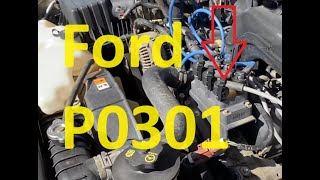
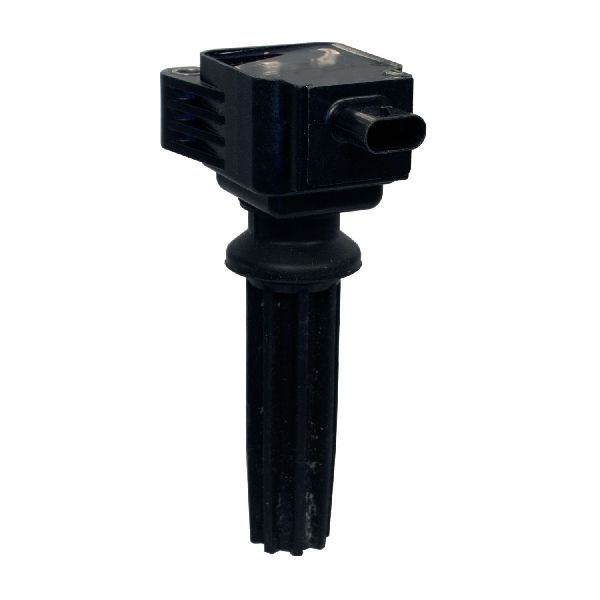
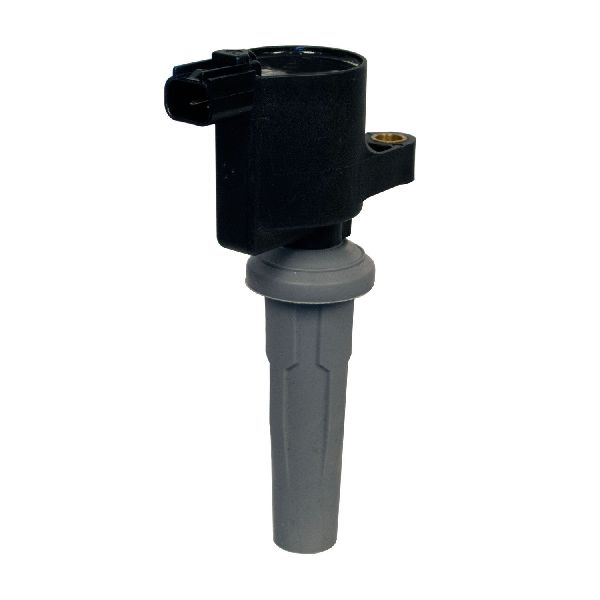
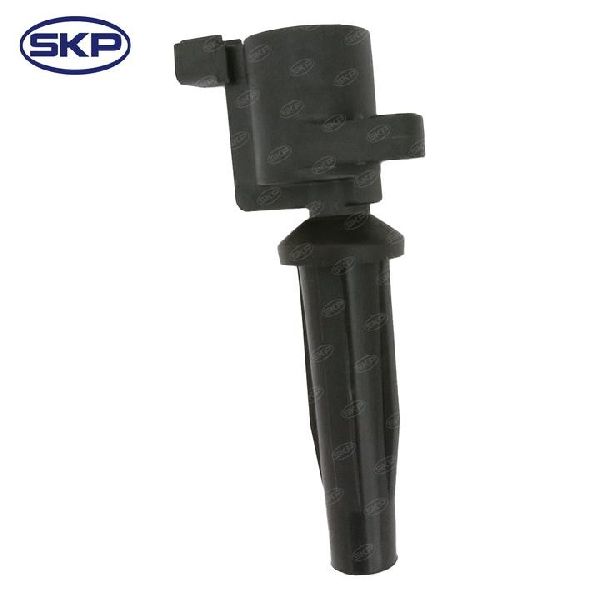
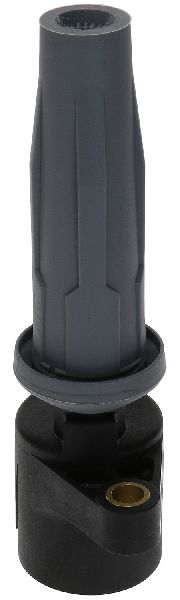
Typical fix: Replace the faulty ignition coil. The OEM part number is often Motorcraft DG-522. It is recommended to replace all coils at the same time. 🎬 See this walkthrough for replacing your spark plugs and coils.
Est. part cost: $60-$90 - Worn or Fouled Spark Plug 🟡 Medium Probability
How to confirm: Remove the spark plug from cylinder 1 and inspect it. Look for a cracked insulator, heavy carbon buildup, or excessive wear. A coolant-fouled plug may appear unusually clean or have white, crusty deposits.
Typical fix: Replace the spark plug. It is best practice to replace all four spark plugs at once. The OEM part is typically a Motorcraft SP-530 or equivalent.
Est. part cost: $15-$25 - Clogged or Faulty Fuel Injector ⚪ Low Probability
How to confirm: Listen for a consistent clicking sound from the injector. A mechanic can perform a fuel injector balance test to measure the flow rate of each injector or swap injectors between cylinders to see if the misfire follows.
Typical fix: Replace the faulty fuel injector.
Est. part cost: $50-$150
Rare But Worth Checking
- Low Engine Compression: While rare on its own, internal mechanical damage such as a burnt valve or damaged piston rings can cause a misfire. This would be confirmed with a compression test after ruling out ignition and fuel issues.
Diagnosis Steps

- Check the coolant level in the reservoir. If it is low, this is a major red flag for this vehicle and points towards the known coolant intrusion issue.
- Scan the PCM for any other stored trouble codes (like P0300, P0316) to get more context.
- Inspect the spark plug from cylinder 1. Note its condition (wet, 'steam cleaned', white deposits, or normal wear).
- Swap the ignition coil from cylinder 1 to another cylinder (e.g., cylinder 2). Clear codes and see if the misfire code follows the coil to P0302.
- If the misfire remains on cylinder 1, perform a cooling system pressure test. The system should hold pressure; if it drops with no external leaks, the leak is internal.
- Use a borescope to visually inspect the inside of cylinder 1 for any signs of coolant pooling on the piston top.
- Perform an engine compression test on all cylinders to check for mechanical issues like bad rings or valves.
- If all else fails, test the fuel injector on cylinder 1.
Parts You'll Likely Need

- Engine Long Block Assembly
(OEM #DS7Z-6006-U (Note: Part numbers can be superseded; always verify with a dealer using VIN))— This is the official Ford-recommended repair for the common coolant intrusion issue that causes P0301 on this engine.
Trusted brands: Motorcraft
OEM price range: $3500-$5000
Aftermarket price range: $3000-$4500 - Ignition Coil
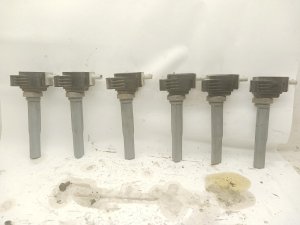
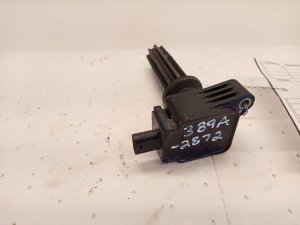
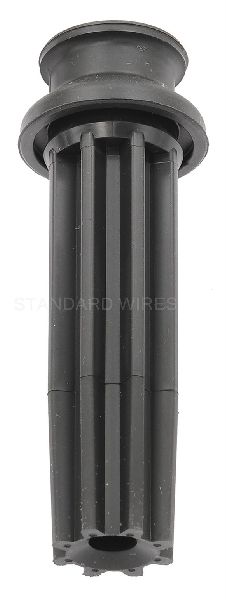
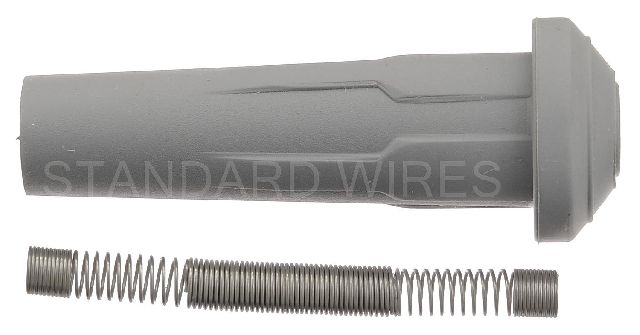
(OEM #DG-522)— A failed ignition coil is a common cause for an isolated cylinder misfire.
Trusted brands: Motorcraft, NGK, Denso
OEM price range: $70-$90
Aftermarket price range: $40-$70 - Spark Plug
(OEM #SP-530 / CYFS-12Y-T)— A worn or fouled spark plug is a primary maintenance item and a frequent cause of misfires.
Trusted brands: Motorcraft, NGK
OEM price range: $15-$25
Aftermarket price range: $10-$20
Related Codes That Often Appear With This One
- P0300 — This code for 'Random/Multiple Cylinder Misfire' often appears alongside P0301 if the issue is intermittent or beginning to affect other cylinders.
- P0316 — This code indicates 'Misfire Detected on Startup (First 1000 Revolutions)' and is commonly triggered when coolant has pooled in the cylinder overnight, causing a rough start until it is burned off.
- P0217 — This code for 'Engine Overtemp Condition' can be triggered by the significant coolant loss associated with the engine block flaw.
Technical Service Bulletins (TSBs) & Recalls

- TSB 22-2322: Notes that DTCs P0301-P0304 may be due to coolant intrusion into the cylinder and advises a service procedure to resolve. This TSB applies to the 2.0L Atkinson engine's platform mates but the issue is identical.
- TSB 22-2229: Similar to the above, links P0301-P0304 codes to coolant intrusion and a rough running condition.
- TSB 19-2346: (Incorrectly applied to this engine, see 'pass2_corrections') Addresses the same coolant intrusion failure mode but specifically for the 2.0L *EcoBoost* engine, recommending a long block replacement.
Platform-Specific Known Issues
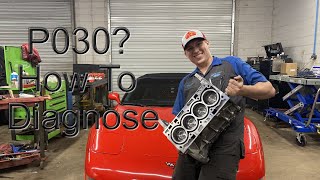
- Coolant Intrusion: As detailed in Ford Technical Service Bulletins TSB 22-2322 and TSB 22-2229, these vehicles may exhibit a runs rough condition with DTCs like P0301 due to coolant leaking into the cylinders. The root cause is a defect in the engine block casting. The recommended fix is a short block or long block replacement. Owners on forums frequently report this exact failure, often occurring just outside of the 60,000-mile powertrain warranty period. 🎬 Watch: A mechanic explains the coolant intrusion failure in detail.
Mechanic-Grade Diagnostic Values
- Low-Pressure Fuel System, Key-On Engine-Off (KOEO) — expected: 45-58 PSI. Failure: Pressure is below 45 PSI or builds slowly, indicating a weak in-tank fuel pump.
- Engine Compression — expected: Above 125 PSI, with no more than a 10% variation between any two cylinders.. Failure: A reading significantly below 125 PSI on cylinder 1, or a variation greater than 10% from other cylinders, indicates a mechanical engine problem (e.g., piston rings, valves).
Hidden / Shadow Codes Worth Checking
- Mode $06, TID $0C, CID $A2: Misfire counts for cylinder 1 during the last or current driving cycle. This is a raw data counter that the PCM uses to determine when to set a P0301 code. (see via Access Mode $06 data using a professional-level scan tool or an app like ForScan. Look for the Component ID (CID) corresponding to cylinder 1 (often $A2 for cylinder 1).)
- Mode $06, TID $0B, CID $A2: EWMA (Exponentially Weighted Moving Average) misfire counts for cylinder 1 over the last 10 driving cycles. High counts here indicate a persistent, ongoing issue. (see via Access Mode $06 data using a professional-level scan tool. This value gives a longer-term view of the misfire frequency.)
Scan Tool Commands That Help
- Ford IDS (Integrated Diagnostic System) or compatible (e.g., ForScan): Power Balance Test — This is a critical diagnostic step for a misfire. The test allows the technician to disable individual cylinders one by one while the engine is running. If disabling cylinder 1 causes little or no change in engine RPM, it confirms that cylinder is not contributing power, pinpointing the misfire location without swapping parts.
Wiring & Ground Locations
- G104 — Right side of the engine compartment.. This is a primary engine ground. A loose or corroded connection at G104 can cause insufficient ground for the ignition coils, leading to weak spark and misfires that can be difficult to diagnose.
- G102 — Left front of the engine compartment.. Another key engine ground point. Similar to G104, poor contact here can create intermittent electrical issues, including misfires. It's essential to check that all engine grounds are clean and tight before replacing components.
- Ignition Coil Connector — On top of the valve cover, connecting to the ignition coil for cylinder 1.. The connector or its wiring can become brittle from heat and vibration, causing a poor connection. Wiggling this connector while the engine is running may induce or stop the misfire, indicating a wiring or connector pin issue rather than a failed coil.
OEM Part Supersession History
DS7Z-6006-C→DS7Z-6006-U— This supersession is for the complete engine assembly (long block). While not explicitly stated, it is highly probable that the updated 'U' version contains design revisions to the engine block casting to correct the coolant intrusion flaw addressed in TSBs 22-2322 and 22-2229.
Model Year Variations Within This Range
- 2017-2018: The Ford Fusion received a facelift for the 2017 model year, which included revised exterior styling (grille, headlights) and an updated SYNC 3 infotainment system. However, the core powertrain, the 2.0L I4 Atkinson-Cycle engine and eCVT, remained the same as the 2014-2016 models. Therefore, the P0301 causes, especially the coolant intrusion issue, are identical across the entire 2014-2018 range.
Helpful Videos
Used OEM Parts in Stock



New Aftermarket Parts Available

The information in this article is provided for general reference and educational purposes only. Vehicle specifications, procedures, and part compatibility can vary by production date, trim level, and region. Always consult your vehicle's factory service manual and verify part numbers before purchasing or performing repairs. Safety-critical components such as airbags, seat belts, and braking systems should be installed by a qualified professional.
- Ford FUSION HYBRID:
- 🎬 Helpful Videos
- 🛍️ Shop This Part
- What's Unique About the 2014-2018 Ford FUSION HYBRID
- Diagnostic Flowchart
- Symptoms You May Notice
- Most Likely Causes
- Rare But Worth Checking
- Diagnosis Steps
- Parts You'll Likely Need
- Related Codes That Often Appear With This One
- Technical Service Bulletins (TSBs) & Recalls
- Platform-Specific Known Issues
- Mechanic-Grade Diagnostic Values
- Hidden / Shadow Codes Worth Checking
- Scan Tool Commands That Help
- Wiring & Ground Locations
- OEM Part Supersession History
- Model Year Variations Within This Range
- 🎟️ Get 5% Off