

P0301 on 2014-2019 Ford Fusion: Cylinder 1 Misfire and Coolant Intrusion Guide
P0301 on a 2014-2019 Ford Fusion with a 1.5L or 2.0L EcoBoost engine is a serious warning. While it can be a simple spark plug or ignition coil, it is very frequently caused by coolant leaking into the cylinder due to a known engine design flaw. This requires a major engine repair, often a full engine replacement, costing thousands. This issue is the subject of multiple Ford TSBs and a class-action lawsuit.
- On a 2014-2019 Fusion with an EcoBoost engine, P0301 is a critical warning that should be addressed immediately.
- The most likely cause is a serious engine design flaw leading to coolant leaking into the cylinder.
- Do not continue to drive the vehicle, as this can cause irreversible and catastrophic engine damage.
- A simple spark plug or coil replacement is often a temporary fix that masks the much larger, more expensive underlying problem.
- Diagnosis must include checking for coolant intrusion via a pressure test and borescope inspection before replacing any parts.
What's Unique About the 2014-2019 Ford FUSION

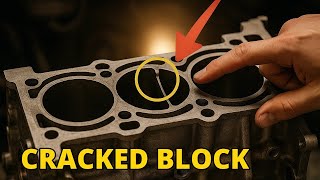
For the 2014-2019 Fusion equipped with 1.5L and 2.0L EcoBoost engines, P0301 is not just a routine misfire code. It is a well-documented and notorious indicator of a significant engine design flaw. The 'open-deck' design of the engine block has an insufficient support structure or 'webbing' between the cylinders, creating a weak point. This can lead to the cylinder wall cracking and allowing coolant to intrude into the combustion chamber, causing the misfire. Ford has issued multiple Technical Service Bulletins (TSBs) and a Customer Satisfaction Program (21N12) acknowledging this issue, which often requires replacing the engine block, making this code far more serious on this platform.
Diagnostic Flowchart
Tap your situation to follow the diagnostic path that matches what you're seeing on this vehicle.
Symptoms You May Notice
- Flashing or solid Check Engine Light
- Rough idle or shaking, especially on a cold start
- Noticeable loss of engine power and poor acceleration
- White, sweet-smelling smoke coming from the exhaust, especially on startup
- Engine hesitates or stumbles
- Noticeable loss of engine coolant with no visible external leaks
- Engine overheating or temperature gauge running high
- Gurgling sound from the coolant reservoir
- Replacing only the spark plug or ignition coil without checking for coolant intrusion. This often results in the P0301 code returning because the underlying cause (coolant fouling the new plug) has not been addressed. Many owner stories confirm this pattern.
Most Likely Causes
- Engine Coolant Intrusion 🔴 High Probability A design flaw in the 1.5L and 2.0L EcoBoost engine blocks, specifically the open-deck design with a thin channel between cylinders, can lead to cracks and coolant leaking directly into the combustion chamber. Ford has acknowledged this in TSBs like 22-2229 and 19-2139 and it is the basis for a class-action lawsuit.
How to confirm: Perform a cooling system pressure test; a pressure drop of more than 4 psi in 5 hours is a strong indicator per Ford's diagnostic procedure. Use a borescope to visually inspect inside the cylinder for coolant (liquid, 'steam-cleaned' piston). A chemical test can also check for combustion gases in the coolant.
Typical fix: Per Ford TSB 22-2229, the official fix for the 2.0L is to replace the long block engine assembly with a redesigned part that has improved webbing between cylinders. 🎬 Watch: Understanding the block crack issue and the official fix. For the 1.5L, TSB 19-2375 (which supersedes 19-2139) 🎬 Watch: Step-by-step diagnosis for 1.5L misfires and coolant loss. calls for a new short block and head gasket.
Est. part cost: $3000-$6000+ - Worn or Fouled Spark Plug 🟡 Medium Probability While a standard maintenance item, spark plugs can foul prematurely specifically because of the coolant or oil intrusion issues common to this engine. A plug that is wet with coolant is a key symptom of the larger engine block problem, not the root cause.
How to confirm: Remove the spark plug from cylinder 1 and inspect it. Look for heavy carbon deposits, oil fouling, or a wet, sweet-smelling residue (coolant). Compare it to plugs from other cylinders.
Typical fix: Replace the spark plug(s). If the old plug was fouled by coolant, this is only a temporary fix and the misfire will return.
Est. part cost: $10-$25 - Failed Ignition Coil 🟡 Medium Probability
How to confirm: Swap the ignition coil from cylinder 1 with another cylinder (e.g., cylinder 2). Clear the codes and run the engine. If the code changes to P0302, the coil is bad.
Typical fix: Replace the faulty ignition coil.
Est. part cost: $40-$100 - Faulty Fuel Injector ⚪ Low Probability
How to confirm: Listen for a consistent clicking sound from the injector. Test the injector's resistance with a multimeter or perform a fuel injector balance test using a capable scan tool.
Typical fix: Replace the fuel injector for cylinder 1.
Est. part cost: $50-$150
Rare But Worth Checking
- Excessive Oil Consumption: Per TSB SSM 54504, a P0301 code can also be associated with excessive oil consumption (1 quart in less than 1,000 miles). This points to a different internal engine issue, possibly related to piston rings or valve seals, but is still a serious concern requiring professional diagnosis.
Diagnosis Steps

- Read the code with an OBD-II scanner to confirm P0301 and any other related codes like P0316.
- Check coolant level in the reservoir. A low level with no visible external leaks is a major red flag for internal coolant intrusion.
- Smell the exhaust for a sweet odor, characteristic of burning coolant.
- Swap the ignition coil from cylinder 1 to another cylinder (e.g., cylinder 2). Clear codes and see if the misfire moves (e.g., to P0302). If it does, the coil is bad.
- If the misfire stays on cylinder 1, remove the spark plug. Inspect it for signs of coolant (wetness, sweet smell, white/green residue), oil, or excessive wear.
- If the plug is fouled, especially with coolant, proceed with coolant intrusion diagnostics as this is the most likely cause.
- Perform a cooling system pressure test. Pressurize to 20 psi and monitor for at least 5 hours. A drop greater than 4 psi indicates a leak, as per Ford's TSB.
- Use a borescope to look inside cylinder 1 through the spark plug hole. Look for any signs of liquid coolant, a 'steam-cleaned' piston top, or unusual cleanliness compared to other pistons.
- If no coolant is found but the misfire persists, test the fuel injector and its wiring.
- If all else fails, perform an engine compression test to check for mechanical issues like bad valves or piston rings.
Parts You'll Likely Need

- Long Block Engine Assembly
(OEM #J2GZ-6006-E (example of a redesigned block))— This is the official Ford-recommended repair for coolant intrusion on the 2.0L EcoBoost engine per TSB 22-2229 to ensure the updated block design is used.
Trusted brands: Motorcraft
OEM price range: $4000-$6000
Aftermarket price range: $3500-$5500 - Short Block Engine Assembly
(OEM #DS7Z-6009-G)— This is the official Ford-recommended repair for coolant intrusion on the 1.5L EcoBoost engine per TSB 19-2375.
Trusted brands: Motorcraft
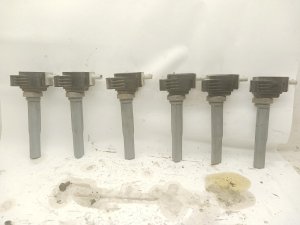
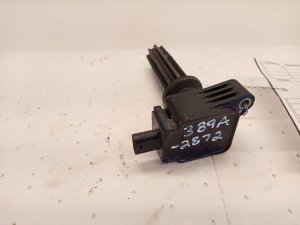
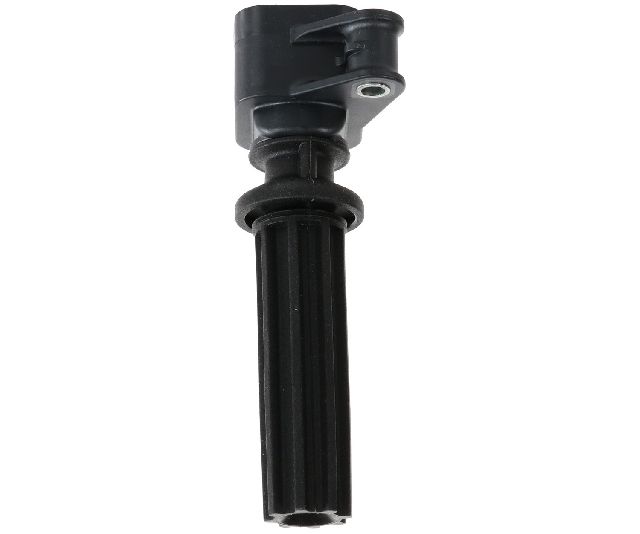
OEM price range: $2500-$4000 - Ignition Coil
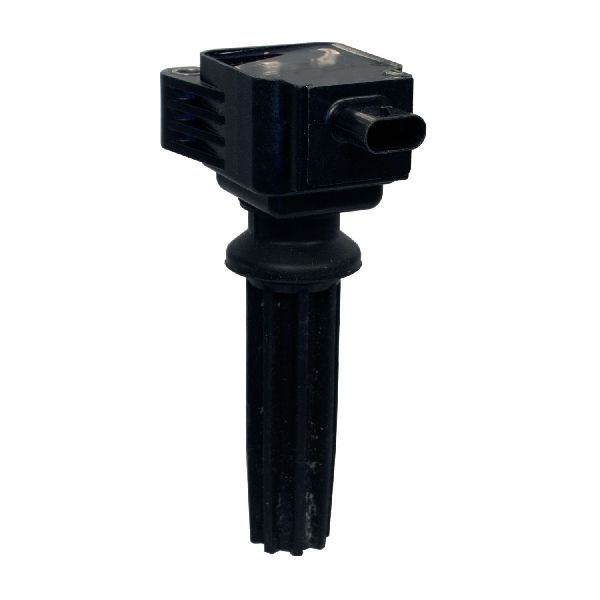
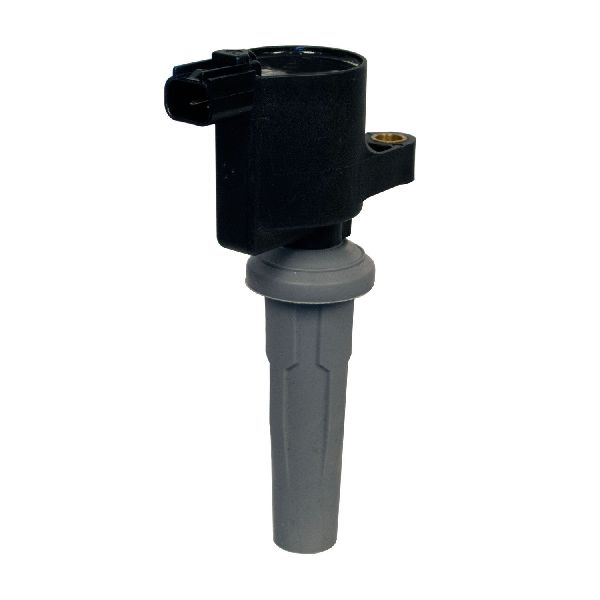
(OEM #CM5Z-12029-K)— A common failure point for any misfire and a relatively simple part to replace during diagnosis.
Trusted brands: Motorcraft, NGK, Bosch
OEM price range: $60-$90
Aftermarket price range: $40-$70 - Spark Plug
(OEM #Motorcraft SP-537 (CYFS-12Y-PC) or SP-550)— A necessary maintenance item and the first part to be fouled by coolant or oil. It's always recommended to replace spark plugs when diagnosing a misfire.
Trusted brands: Motorcraft, NGK
OEM price range: $15-$25
Aftermarket price range: $8-$15
Related Codes That Often Appear With This One
- P0316 — Indicates a misfire was detected within the first 1,000 engine revolutions 🎬 See how to diagnose a misfire during cold starts. after startup. This is very common with coolant intrusion, as the coolant pools in the cylinder overnight and causes a severe misfire on a cold start.
- P0300 — Indicates a random or multiple cylinder misfire. As the coolant intrusion problem worsens or affects the block between multiple cylinders, it can cause misfires in more than just cylinder 1.
- P0302, P0303, P0304 — Indicates misfires in other cylinders. The engine block design flaw is not exclusive to cylinder 1, and misfires can occur in any cylinder, especially between cylinders 2 and 3 where the block wall is weakest.
- P1299, P0217 — These codes indicate an engine overheat condition, which is a direct consequence of losing significant amounts of coolant into the cylinders.
Technical Service Bulletins (TSBs) & Recalls
- TSB 22-2229: Addresses coolant intrusion in 2.0L EcoBoost engines, recommending a long block replacement.
- TSB 19-2139: Addresses coolant intrusion in 1.5L EcoBoost engines, recommending a short block replacement.
- SSM 54504: Links P0301 and other misfire codes to excessive oil consumption.
Platform-Specific Known Issues
- Coolant Intrusion Design Flaw: As detailed in Ford TSB 22-2229 (2.0L) and TSB 19-2375 (1.5L), a defect in the engine block design between cylinders allows coolant to l
Mechanic-Grade Diagnostic Values
- Ignition Coil Power Supply Voltage — expected: 12 volts. Failure: No or low voltage at PIN A of the ignition coil connector with the key in the 'ON' position indicates a wiring or power supply issue.
- Spark Plug Gap - 1.5L EcoBoost — expected: 0.026–0.030 in (0.65–0.75 mm). Failure: An incorrect gap can cause poor spark and lead to misfires.
- Spark Plug Gap - 2.0L EcoBoost — expected: 0.027-0.031 in. (0.70-0.80 mm). Failure: An incorrect gap can cause inefficient combustion and misfires.
Hidden / Shadow Codes Worth Checking
- Mode 6, Test ID $53 (or similar): Mode 6 data allows viewing of misfire counts per cylinder from the last 10 driving cycles, even before the count is high enough to trigger a P0301 code. This is invaluable for diagnosing intermittent misfires. (see via A capable OBD-II scanner with Mode 6 functionality, such as FORScan or a professional tool like Ford's IDS.)
Scan Tool Commands That Help
- Ford IDS (Integrated Diagnostic System): Power Balance Test — This test graphically displays the power contribution of each cylinder, making it easy to visually confirm that cylinder 1 is underperforming compared to the others. It helps verify the misfire in real-time.
Wiring & Ground Locations
- Ignition Coil Ground — The ground for the ignition coil is not a chassis ground. The Powertrain Control Module (PCM) provides the ground signal to trigger the coil to fire.. If there is power at the coil but it still doesn't fire (confirmed with a noid light or similar tool), the issue could be a broken wire between the coil and the PCM, or a failed driver circuit within the PCM itself, which is a much more complex repair.
Real Owner Repair Stories
- Reddit user on r/fordfusion (2011 Ford Fusion SEL 3.0L V6) — Cylinder 6 misfire (P0306), engine shaking.
❌ Tried (didn't work) Swapping ignition coils, Swapping spark plugs
✅ What actually fixed it The user noted surface corrosion on the ignition coil electrical connectors. Cleaning the connectors with a wire brush and compressed air resolved the misfire. The conclusion was that corrosion was causing a bad connection for the misfiring cylinder.
OEM Part Supersession History
DS7G-6015-EB→DS7Z-6009-G, DS7Z-6009-J— Supersession for the 1.5L EcoBoost short block assembly. These newer part numbers are associated with the fix for the coolant intrusion issue.
Model Year Variations Within This Range
- 2017-2019: These model years are most prone to using the second-generation 2.0L EcoBoost engine with the 'open-deck' block design that has slits between the cylinders, which is the root cause of the coolant intrusion issue. The block was updated mid-2019.
- 2014-2016: These years used the first-generation 2.0L EcoBoost. While generally more reliable regarding the specific coolant intrusion issue seen in later models, they can still experience head gasket failures.
Helpful Videos
Used OEM Parts in Stock




New Aftermarket Parts Available

The information in this article is provided for general reference and educational purposes only. Vehicle specifications, procedures, and part compatibility can vary by production date, trim level, and region. Always consult your vehicle's factory service manual and verify part numbers before purchasing or performing repairs. Safety-critical components such as airbags, seat belts, and braking systems should be installed by a qualified professional.
- Ford FUSION:
- 🎬 Helpful Videos
- 🛍️ Shop This Part
- What's Unique About the 2014-2019 Ford FUSION
- Diagnostic Flowchart
- Symptoms You May Notice
- Most Likely Causes
- Rare But Worth Checking
- Diagnosis Steps
- Parts You'll Likely Need
- Related Codes That Often Appear With This One
- Technical Service Bulletins (TSBs) & Recalls
- Platform-Specific Known Issues
- Mechanic-Grade Diagnostic Values
- Hidden / Shadow Codes Worth Checking
- Scan Tool Commands That Help
- Wiring & Ground Locations
- Real Owner Repair Stories
- OEM Part Supersession History
- Model Year Variations Within This Range
- 🎟️ Get 5% Off