

P0301 on 2012-2019 Chevrolet Sonic 1.4L Turbo: Cylinder 1 Misfire Causes and Fixes
On the 1.4L Turbo Sonic, P0301 is almost always caused by a failed ignition coil pack, often triggered by a leaking valve cover gasket that fills the spark plug wells with oil. A failed PCV system is another very common cause. Expect to replace the coil pack, spark plugs, and valve cover gasket for a complete fix, costing around $100-$250 in parts.
- Before buying any parts, pull the ignition coil and check the spark plug tubes for oil. Oil presence confirms a leaking valve cover gasket is your root problem.
- The most effective repair is to replace the valve cover, ignition coil pack, and all four spark plugs at the same time.
- If you hear a hissing noise at idle or have a P0171 code along with P0301, your problem is likely a vacuum leak from the PCV system, which is fixed by replacing the valve cover.
- Do not drive if the Check Engine Light is flashing, as you can cause permanent, expensive damage to your catalytic converter in minutes.
What's Unique About the 2012-2019 Chevrolet Sonic
The Chevrolet Sonic's 1.4L Turbo engine, shared with the Cruze and Encore, has a unique and very common failure pattern that leads to code P0301. The primary issue is a poorly designed valve cover gasket that frequently leaks oil directly into the spark plug tubes. This oil saturates and destroys the boot of the ignition coil, causing a misfire. Additionally, the engine's complex PCV system is integrated into the valve cover and intake manifold; its failure is another common cause of misfires, often accompanied by lean (P0171) or underboost (P0299) codes, and is addressed in TSB PIP5197J.
Symptoms You May Notice
- Rough or shaking idle
- Check Engine Light is on or flashing
- Reduced engine power and poor acceleration
- Hesitation or stumbling during acceleration
- Decreased fuel economy
- Smell of unburned gasoline from the exhaust
- A 'Service StabiliTrak' message may appear on the dash
- Audible hissing or whistling from the engine bay (if PCV related)
- Replacing only the spark plug without inspecting for oil in the tube or replacing the damaged coil pack.
- Replacing the fuel injector for cylinder 1 when the issue is in the ignition or PCV system.
- Replacing the ignition coil but failing to replace the leaking valve cover gasket, leading to repeat failure of the new coil.
- Replacing O2 sensors for a P0171 code without first checking for the common PCV vacuum leaks that are the true root cause.
Most Likely Causes
- Failed Ignition Coil Pack 🔴 High Probability The single coil pack design is a common failure point. More importantly, oil from a leaking valve cover gasket soaks the coil boot for cylinder #1, causing it to swell, degrade, and fail, preventing spark. The plastic housing can also develop hairline cracks over time, allowing spark to arc to the cylinder head.
How to confirm: Visually inspect the ignition coil for cracks in its plastic housing. Check the coil boot for cylinder #1 (the one on the passenger side) for swelling, oil saturation, or a white, chalky residue. Since it's a single unit for all cylinders, you cannot swap it to test, but the failure is almost always visible on the boot.
Typical fix: Replace the entire ignition coil pack assembly. 🎬 Watch this easy diagnosis and repair for common engine misfires. It is critical to also fix the root cause, which is often the valve cover gasket leak, to prevent repeat failure. Apply dielectric grease to the inside of the new coil boots.
Est. part cost: $60-$150 - Leaking Valve Cover Gasket 🔴 High Probability The gasket material becomes brittle with heat and age, failing and allowing oil to leak from the cover. On this engine, the design allows the leaking oil to pool directly in the spark plug tubes, which is the leading cause of ignition coil failure.
How to confirm: Remove the ignition coil pack. Use a flashlight to look down into the spark plug tubes. The presence of liquid oil is definitive proof of a leaking valve cover gasket.
Typical fix: Replace the valve cover assembly. On the 1.4L engine, the PCV diaphragm is integrated into the cover, so replacing the entire cover (OEM Part 25198874) is the standard and recommended repair. 🎬 See this quick walkthrough on replacing the valve cover gasket. Ensure all oil is cleaned from the spark plug tubes before installing new parts.
Est. part cost: $50-$140 - Worn or Fouled Spark Plugs 🟡 Medium Probability Spark plugs are a regular maintenance item. If they are oil-fouled from a leaking valve cover gasket, they will cause a misfire. The OEM recommended plugs (ACDelco 41-121) are iridium and gapped from the factory, but an incorrect gap or excessive wear can also be a cause.
How to confirm: Remove the spark plug from cylinder #1. Inspect it for wear on the electrode, heavy carbon buildup, or oil fouling. A healthy plug should be dry with a light tan deposit. The OEM gap is approximately 0.028 inches for the 1.4L Turbo. Iridium plugs should not be re-gapped.
Typical fix: Replace all four spark plugs. It is recommended to do this whenever replacing the ignition coil. Use OEM-spec plugs from brands like ACDelco (41-121) or NGK.
Est. part cost: $25-$50 - Failed PCV System (Vacuum Leak) 🟡 Medium Probability The 1.4L engine has two common PCV failure points: a rubber diaphragm in the valve cover can tear, or a check valve in the intake manifold can become dislodged or break. Both create a large, unmetered vacuum leak that disrupts the air-fuel ratio and can cause misfires. This issue is so common it is addressed in TSBs like 19-NA-101 and PIP5197L.
How to confirm: Listen for a distinct hissing or whistling sound from the engine bay at idle. With the engine running, try to remove the oil cap; if it is held down by strong vacuum, the diaphragm is torn. You can also perform a 'glove test' by placing a rubber glove over the oil fill opening; if it inflates, crankcase pressure is too high (intake check valve failed), if it gets sucked in, the diaphragm is torn. The presence of codes P0171 or P1101 alongside P0301 🎬 Watch how to diagnose and fix common P0171 vacuum leaks. strongly suggests a PCV-related vacuum leak.
Typical fix: If the diaphragm in the valve cover has failed, the entire valve cover must be replaced. If the intake manifold check valve is missing, the official repair is to replace the intake manifold. However, popular and effective aftermarket kits (e.g., from CruzeKits.com) are available to install an external, serviceable check valve.
Est. part cost: $50-$300
Rare But Worth Checking
- Clogged or Faulty Fuel Injector: While possible, fuel injectors are far less likely to be the cause of a P0301 than ignition or PCV issues on this engine. This should only be considered after ruling out the more common causes. A P0201 code would more directly point to an injector circuit fault. Manufacturer Bulletin #PIP3333C notes that for intermittent misfires and a Service Engine Soon lamp with codes P0300, P0301, or P0304, technicians should follow published Service Information diagnostics first.
- Low Cylinder Compression: A mechanical engine problem, such as a damaged piston or failing valve, can cause a misfire. A known (but relatively rare) issue on this engine family is cracked piston ring lands. This leads to low compression, oil consumption, and misfires. A compression test is required to diagnose this. A healthy cylinder should read 200-210 PSI; a reading around 100 PSI or less indicates a serious mechanical problem.
Diagnosis Steps
- Read all stored fault codes with an OBD-II scanner. Pay close attention to any other codes present, especially P0171, P1101, or P0300.
- Remove the plastic engine cover.
- Unbolt and remove the ignition coil pack (T40 Torx bolts).
- Inspect the spark plug tubes for the presence of engine oil. If oil is found, the valve cover gasket is leaking and the valve cover must be replaced.
- Inspect the ignition coil boots for swelling, oil damage, cracks, or white residue. If any damage is found, the coil pack needs replacement.
- Remove and inspect the spark plugs for wear, damage, or fouling. Replace as a set if condition is poor or they are due for service.
- If no oil or ignition faults are obvious, check for PCV system failure. With the engine running, listen for hissing noises. Perform a 'glove test' on the oil filler neck to check for vacuum (torn diaphragm) or pressure (bad intake check valve).
- If the above steps do not reveal the cause, consider swapping the fuel injector from cylinder 1 to another cylinder to see if the misfire code follows.
- If the misfire persists, perform an engine compression test to check for mechanical issues. Expect ~200-210 PSI per cylinder.
Parts You'll Likely Need
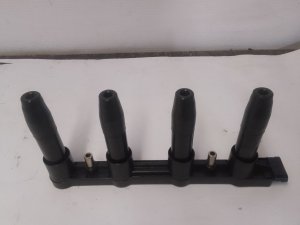
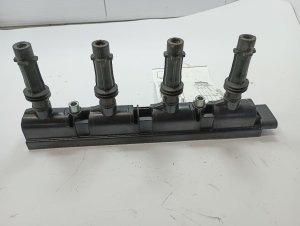
- Ignition Coil Pack
(OEM #55579072 (Supersedes: 55577898, 55575499, 25195107))— This is the most common part to fail directly causing the misfire, often due to oil contamination or age-related cracking.
Trusted brands: ACDelco, Delphi, NGK
OEM price range: $100-$160
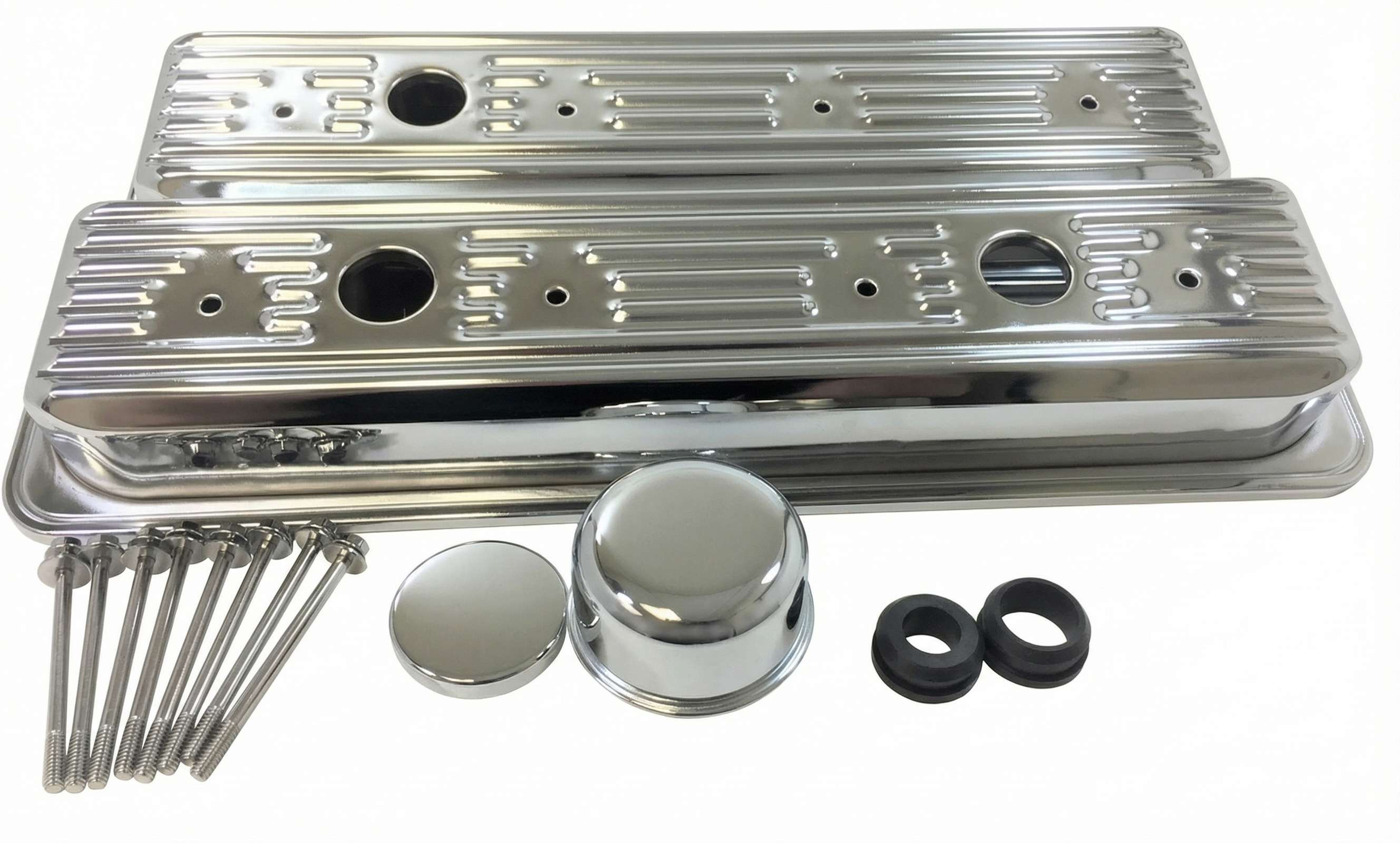
Aftermarket price range: $60-$110 - Valve Cover with Gasket
(OEM #25198874 (Supersedes: 55573746, 25198498))— This is the most common root cause. The gasket fails, leaking oil into the spark plug wells and the integrated PCV diaphragm tears, causing vacuum leaks. Both can cause a P0301.
Trusted brands: ACDelco, Dorman
OEM price range: $80-$150
Aftermarket price range: $50-$120 - Spark Plugs
(OEM #ACDelco 41-121)— A necessary maintenance item that is often the cause of a misfire, or is fouled by the oil from a leaking valve cover. Should always be replaced with the coil pack.
Trusted brands: ACDelco, NGK
OEM price range: $30-$50
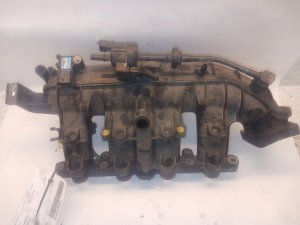
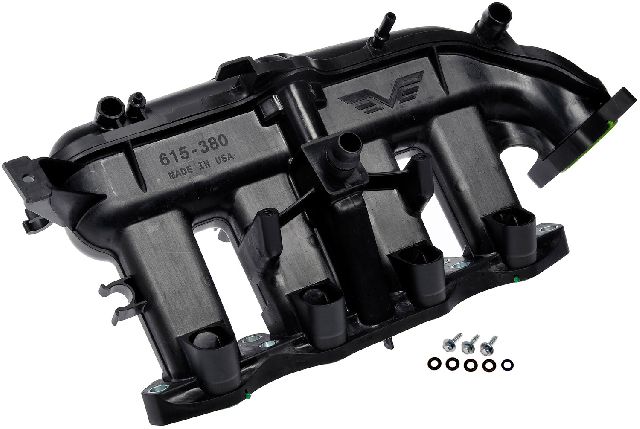
Aftermarket price range: $20-$40 - Intake Manifold
(OEM #25200449 (Supersedes: 55581014))— The check valve inside the manifold fails, allowing boost pressure into the crankcase. This ruptures the PCV diaphragm in the valve cover, causing a vacuum leak and misfires. Replacing only the valve cover without addressing the intake manifold will lead to a repeat failure.
Trusted brands: GM Genuine, ACDelco
OEM price range: $150-$250
Aftermarket price range: $100-$180
Related Codes That Often Appear With This One
- P0300 — If the misfire is intermittent or the underlying cause (like a large vacuum leak) affects other cylinders, a P0300 (Random Misfire) may be stored alongside P0301.
- P0171 — This code (System Too Lean) often appears with P0301 when the root cause is a vacuum leak from a failed PCV system in the valve cover or intake manifold.
- P1101 — This GM-specific code for Intake Air Flow System Performance is another strong indicator of a failed PCV system causing a vacuum leak.
- P0299 — This code (Turbocharger Underboost) can be triggered because a significant vacuum leak or misfire reduces exhaust gas flow, preventing the turbo from spooling up to its expected pressure.
Technical Service Bulletins (TSBs) & Recalls
- TSB 19-NA-090: Addresses oil consumption and P0300 (random misfire) caused by broken piston ring lands on the 1.4L engine, a potential, though severe, cause of a single cylinder misfire.
- TSB 19-NA-114: Details the diagnosis of a torn PCV diaphragm in the camshaft cover, which causes lean codes (P0171) and can lead to misfires.
- TSB PIP5197J: Specifically covers the diagnosis of the failed PCV system on the 1.4L Turbo engine, which is a primary cause of misfires often accompanied by P0171.
- TSB PIP5036 / PIP5025: A series of bulletins related to oil consumption and cracked pistons on the 1.4L LUJ/LUV engine, which can manifest as misfire codes.
- Bulletin #PIP3333C: Discusses intermittent engine misfires and a Service Engine Soon lamp where technicians may find Diagnostic Trouble Codes P0300, P0301, and/or P0304.
Platform-Specific Known Issues
- The 'Big 3' Failure Pattern: The vast majority of P0301 codes on the 1.4L Turbo engine are caused by a cascading failure. It starts with the valve cover gasket becoming brittle and leaking oil into the spark plug tubes. This oil soaks and destroys the boot of the ignition coil for cylinder 1, causing the misfire. The complete repair always involves fixing the oil leak (valve cover) and the resulting damage (coil and plugs).
- PCV System Complexity: Unlike many engines, the PCV system on the LUV/LUJ engine has two critical, non-serviceable failure points that create vacuum leaks, leading to lean conditions (P0171) and misfires. The first is a rubber diaphragm in the valve cover that tears. The second is a check valve inside the intake manifold that can become dislodged or fail. This makes diagnosing vacuum-related misfires more complex than on simpler engines.
Mechanic-Grade Diagnostic Values
- Long Term Fuel Trim (LTFT) at Idle — expected: Close to 0% (+/- 5%). Failure: High positive values (e.g., +25% or higher) indicate a vacuum leak, often from the PCV system.
- Mass Airflow (MAF) Sensor Reading at Warm Idle — expected: Approximately 1.4-1.8 g/s. Failure: Significantly lower readings, or readings that do not increase smoothly with RPM, can indicate a sensor issue or a large post-MAF vacuum leak.
- Fuel Pressure at Idle (Low-Pressure Side) — expected: 50-60 PSI. Failure: A user reported a reading of 40 PSI while diagnosing high fuel trims, suggesting this may be on the low side of normal.
- Engine Compression — expected: 200-210 PSI per cylinder. Failure: Readings around 100 PSI or lower indicate a severe mechanical issue like a cracked piston or failed valve seals.
Hidden / Shadow Codes Worth Checking
- Mode $06, Test ID $A2: Misfire count for Cylinder 1. The ECU tracks misfires here before they are frequent enough to set a P0301 code. This data can reveal intermittent misfires. (see via Requires a professional-grade OBD-II scan tool or an app with Mode $06 diagnostic capabilities.)
Scan Tool Commands That Help
- GDS2 / Professional Bidirectional Scanner: Cylinder Power Balance / Misfire Graphic — Used to graphically display the relative power contribution of each cylinder in real-time. This helps confirm the misfire is consistently on cylinder 1 before disassembling parts.
- GDS2 / Professional Bidirectional Scanner: Fuel Injector Balance Test — This function individually activates each fuel injector and measures the corresponding drop in fuel pressure. It can be used to identify a clogged or failing injector after ignition and vacuum issues have been ruled out.
- GDS2 / Professional Bidirectional Scanner: Crankshaft Position Variation Learn — This relearn procedure is required after replacing the crankshaft position sensor or ECM to ensure accurate misfire detection. Failure to perform this can lead to false misfire codes.
Wiring & Ground Locations
- G105 / G106 — G105 is on the left front of the engine compartment; G106 is on the left rear of the engine block.. These are primary grounds for the engine block and attached components, including the ignition system. A poor connection can cause erratic behavior and misfires.
- Ignition Coil Connector (T8) — 7-pin connector on the ignition coil pack itself.. The plastic locking tab on this connector is notoriously brittle and often breaks, leading to a poor connection and intermittent misfires. The ECM sends the spark signal for cylinder 1 via a specific pin on this connector (Pin 2, L-GN/WH wire on some diagrams).
- ECM Connector X1, Pin 44 — At the Engine Control Module (ECM).. This is the specific pin for 'Ignition Control 1' on the LUV/LUJ engine, sending the signal to the coil for cylinder 1. A wiring issue between this pin and the coil connector can cause a P0301.
Real Owner Repair Stories
- YouTube user '2018 Chevy Cruze cracked piston misfire cylinder 1' (2018 Chevrolet Cruze 1.4L Turbo (shared engine), 56k miles) — Bad misfire on cylinder 1, code P0301.
❌ Tried (didn't work) Swapping ignition coils, Replacing spark plugs, Swapping fuel injectors
✅ What actually fixed it A compression test revealed low compression in cylinder 1 (100 PSI vs. 200-210 PSI in others). The dealership confirmed a cracked piston, requiring engine replacement. - BobIsTheOilGuy forum user 'Number_35' (2012 Chevrolet Sonic 1.8L (similar ignition setup)) — Engine running terribly, flashing CEL, code P0301.
❌ Tried (didn't work) Visual inspection of spark plug #1, which looked OK.
✅ What actually fixed it Replacing the entire ignition coil pack resolved the misfire. The user noted that the original coil had likely failed prematurely years prior due to oil-fouled plugs from a leaking valve cover gasket. - YouTube user 'Making It Work' (Chevrolet Sonic 1.4L Turbo) — Runs rough, misfires, but no codes initially. Misfire data showed counts on cylinders 1, 3, and 4.
❌ Tried (didn't work) Initial diagnosis was difficult due to lack of a specific code.
✅ What actually fixed it Diagnosis revealed a humming noise from the valve cover, indicating a torn PCV diaphragm. The coil pack also showed a visible burn mark on the cylinder 1 boot. The final fix was replacing the valve cover assembly and the ignition coil pack. - NHTSA ODI #11449052 — An owner reported that the vehicle intermittently ran rough and stalled, throwing codes P0011 and P0301. The owner also noted the smell of burning oil and replaced the intake camshaft position sensor as part of the repair process.
"I Checked Everything" — The Actual Cause
- A common scenario is not a clean smoke test, but a misinterpretation of it. A technician may find a large vacuum leak at the valve cover (torn PCV diaphragm) and replace the valve cover assembly. The P0301 and P0171 codes are resolved. However, the root cause was the failed check valve inside the intake manifold, which allowed boost pressure to enter the crankcase and rupture the new diaphragm. The true fix requires inspecting and repairing the intake manifold check valve to prevent the new valve cover from failing again shortly after.
OEM Part Supersession History
55573746, 25198498→25198874— Revisions to the valve cover assembly, likely to improve the longevity of the integrated PCV diaphragm and gasket material.55575499, 55577898→55579072— Internal revisions to the ignition coil pack for improved durability and performance.55581014→25200449, which is then superseded by 28289977— Revisions to the intake manifold, supposedly to address the failing internal PCV check valve issue.
Heads up: When ordering, it's critical to verify by VIN. The replacement part is typically just the bare manifold and does not include sensors, the throttle body, or the fuel rail.
Model Year Variations Within This Range
- 2012-2019: The 1.4L turbo engine came in two main variants: the LUJ and the LUV. While they are mechanically very similar and share the same common failure points leading to P0301 (PCV, coil pack, valve cover), there can be minor differences in software and some part numbers. Always verify parts by VIN.
- Post-2019 (for context): The successor to the LUJ/LUV engine is the LE2, used in the Gen 2 Cruze. It is a significant redesign featuring an aluminum valve cover (instead of composite) and a different PCV system, making it less prone to the specific failure patterns that cause P0301 on the Sonic.
Diagnostic Flowchart
Real Owner Stories
Aggregated from forums and TSBs cited above. Mileages and costs reflect what owners reported in those sources.
Chevrolet Sonic
Symptoms: P0301 code and a flashing check engine light appeared after washing the engine bay.
What fixed it: Discovered water in the spark plug well. Replaced the spark plug and eventually the coil pack to resolve the flashing check engine light.
Source hint: Sonic Owners Forum: 'Cylinder 1 Misfire P0301'
2011 Chevrolet Cruze 1.4L Turbo
Symptoms: Flashing CEL and P0301 misfire code.
What fixed it: Replaced the spark plugs and coil pack with no success; the next logical step identified was checking and repairing the PCV system, a common failure point on the Gen 1 1.4L turbo.
Source hint: Reddit r/cruze: '2011 Misfire'
Chevrolet Sonic
Symptoms: Misfire codes related to cracked piston ring lands.
What fixed it: Addressed the known piston ring failure as referenced in GM bulletins.
Source hint: Sonic Owners Forum: 'Known Piston Ring Failure'
Related OBD-II Codes
Frequently Asked Questions
Why does my 1.4L Turbo keep ruining the ignition coil on cylinder 1?
Can a vacuum leak cause a P0301 on my Chevy Sonic?
Is there a TSB for severe misfires on the 1.4L engine?
What spark plugs should I use for my 2012-2019 Sonic 1.4L Turbo?
How can I test if the PCV diaphragm is torn on my Sonic?
Can I swap the ignition coil to another cylinder to test it?
Helpful Videos
Used OEM Parts in Stock
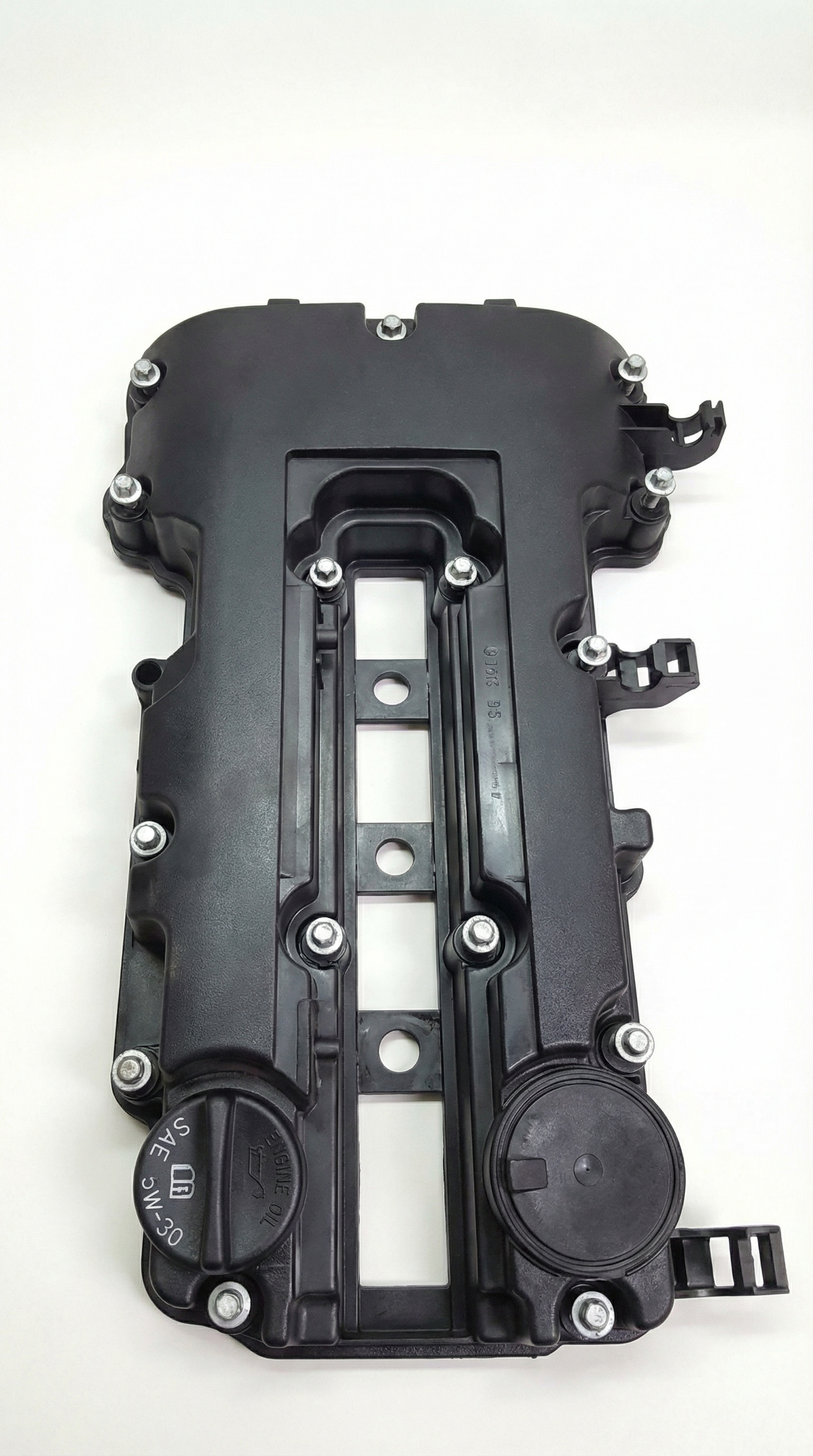
New Aftermarket Parts Available


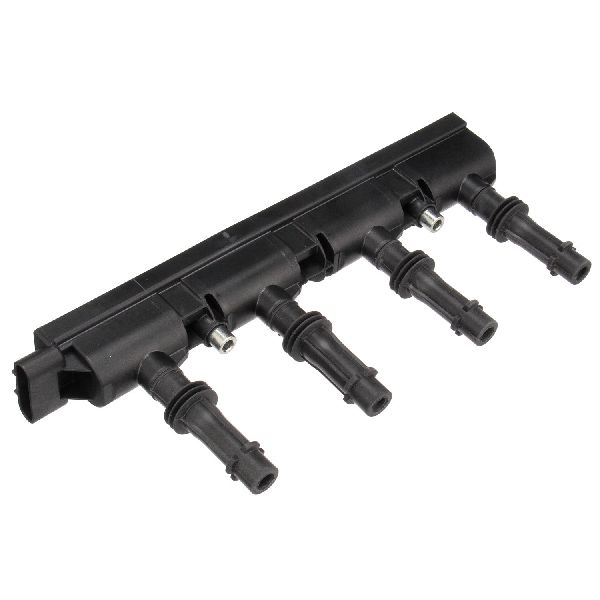
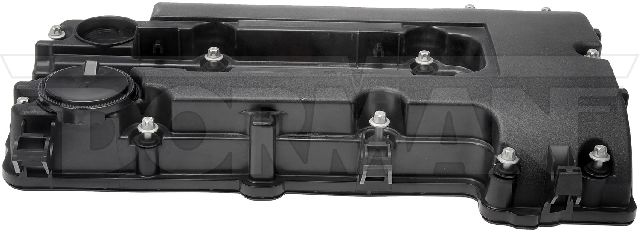

The information in this article is provided for general reference and educational purposes only. Vehicle specifications, procedures, and part compatibility can vary by production date, trim level, and region. Always consult your vehicle's factory service manual and verify part numbers before purchasing or performing repairs. Safety-critical components such as airbags, seat belts, and braking systems should be installed by a qualified professional.
- Chevrolet Sonic:
- 🎬 Helpful Videos
- 🛍️ Shop This Part
- What's Unique About the 2012-2019 Chevrolet Sonic
- Symptoms You May Notice
- Most Likely Causes
- Rare But Worth Checking
- Diagnosis Steps
- Parts You'll Likely Need
- Related Codes That Often Appear With This One
- Technical Service Bulletins (TSBs) & Recalls
- Platform-Specific Known Issues
- Mechanic-Grade Diagnostic Values
- Hidden / Shadow Codes Worth Checking
- Scan Tool Commands That Help
- Wiring & Ground Locations
- Real Owner Repair Stories
- "I Checked Everything" — The Actual Cause
- OEM Part Supersession History
- Model Year Variations Within This Range
- Diagnostic Flowchart
- Real Owner Stories
- Chevrolet Sonic
- 2011 Chevrolet Cruze 1.4L Turbo
- Chevrolet Sonic
- Related OBD-II Codes
- Frequently Asked Questions
- 🎟️ Get 5% Off